
Half of all customers check the internet before choosing where to eat — and what they find there decides the rest: an unreadable PDF menu on mobile, incorrect Monday holiday hours, dark 2019 photos, no way to book without calling during peak hours… so many lost tables. A restaurant’s website isn’t a business card: it’s a table-filling machine — appetizing and up-to-date menu, two-click booking, mouthwatering photos, accurate hours everywhere. Here’s the full recipe, from bistros to fine dining.
The four dishes of the site that fills up
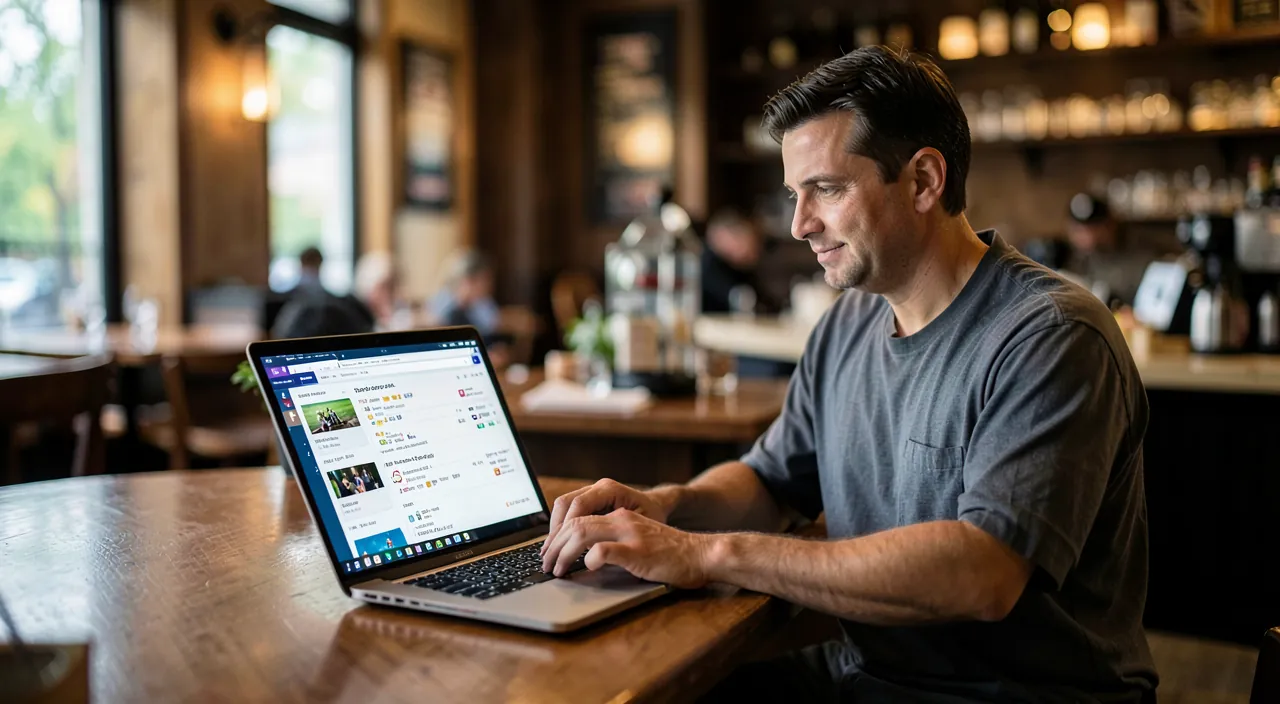
The hungry visitor wants four things, fast: the menu — the most visited and most neglected page: as a REAL web page (thumb-friendly, zoomable, Google-searchable — never a scanned PDF or chalkboard photo), up-to-date (a dish ordered in the dining room but no longer available = guaranteed disappointment), with prices (hiding them raises suspicion — our pricing guides apply to the plate) and key details (vegetarian, allergens — allergen info is actually mandatory: might as well take care of it online); the reservation — a prominent button on every page: online booking module (specialized restaurant platforms or general tools — our online appointment guides apply: time slots, table sizes, automatic confirmation and reminders, reduced no-shows) AND the phone for traditionalists; the vital info — EXACT hours (closure days, services, « kitchen closes at… »), address with navigation link, parking/access, terrace, pets, groups: every unanswered question is a call that disrupts service — or a customer who gives up; and the desire — the photos (see below) and two lines that say WHO you are (the cuisine, sourcing, atmosphere): not a novel — an identity. Full structure: homepage, menu, reservation, contact/access, and optionally the story/private hire: four-six pages, mobile-first (the restaurant is searched for at 7 PM in the street — your site is judged on a phone, thumb and hunger in hand).
Photos that make you hungry (or not)
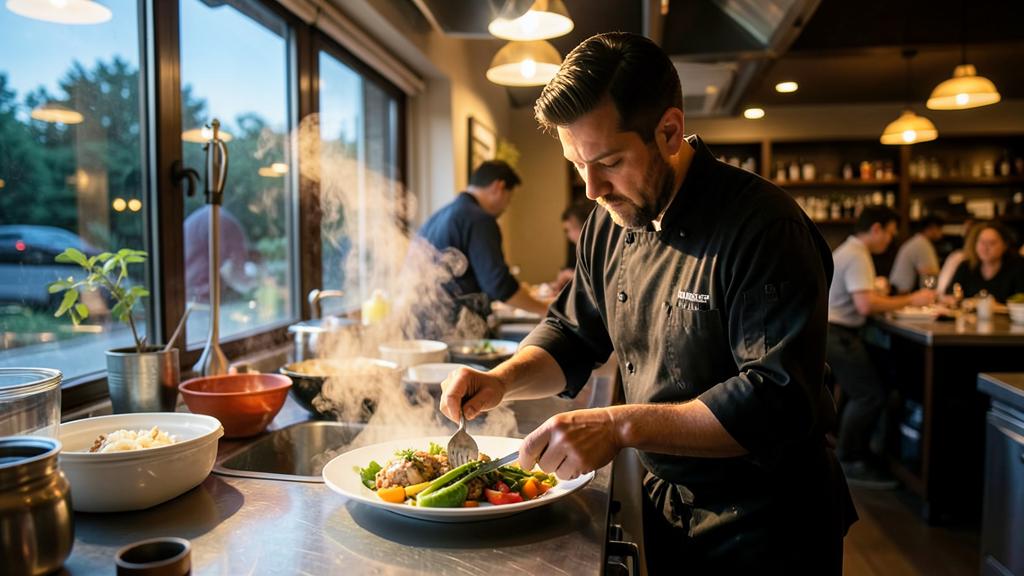
In restaurants, the photo IS the argument — and the standard is higher than elsewhere (everyone photographs food): plates in natural light — near the window, never with flash (which flattens and yellows — the #1 appetite killer): the freshly plated dish, steam if present, 45° or overhead angle depending on the dish (our smartphone photo guides are enough — a recent phone in daylight works wonders for culinary shots); the lively dining room — the atmosphere in action (with visible customers’ consent — or during quiet hours with the team), the sunlit terrace, the bar, the wine cellar: you’re selling a moment, not just calories; the team and the gesture — the chef at the pass, hands plating, bread coming out: the human touch and craftsmanship make the difference between two comparable menus; the updates — photos follow the menu (a winter menu illustrated with cherry tomatoes betrays neglect): the ritual « new dish = new photo » takes a minute during plating; and the consistency — the same real photos everywhere (website, Google listing, social media — the customer must recognize the plate served to them: a misleading photo costs you in reviews). NEVER, EVER use stock culinary images: the stock burger in a couscous restaurant is the absolute anti-reference for the industry.
Your restaurant’s website must show real, fresh photos of your food and dining room. If the photos don’t match what’s served, customers will leave bad reviews. Always update photos when the menu changes.
A bistro in Paris updates its website photos every season. In winter, they replace summer dishes with new winter specials. Customers notice and trust the photos, leading to a 20% increase in online bookings during peak seasons.
The right reflex. Your Google listing is your second dining room — for many restaurants, it gets MORE visits than the website: flawless hours (and holidays anticipated: exceptional closures are handled in advance — the customer in front of the closed shutter posts the review that sticks), menu linked or filled in, fresh photos uploaded weekly, active booking link, and managed reviews (respond to all, handle criticism with class — our review guides: in restaurants, RESPONDING to a disappointed customer is read by 100 future customers). The filling trio: accurate Google listing + appetizing website + smooth booking — in that order if time is short.
Social media, reviews and the customer journey
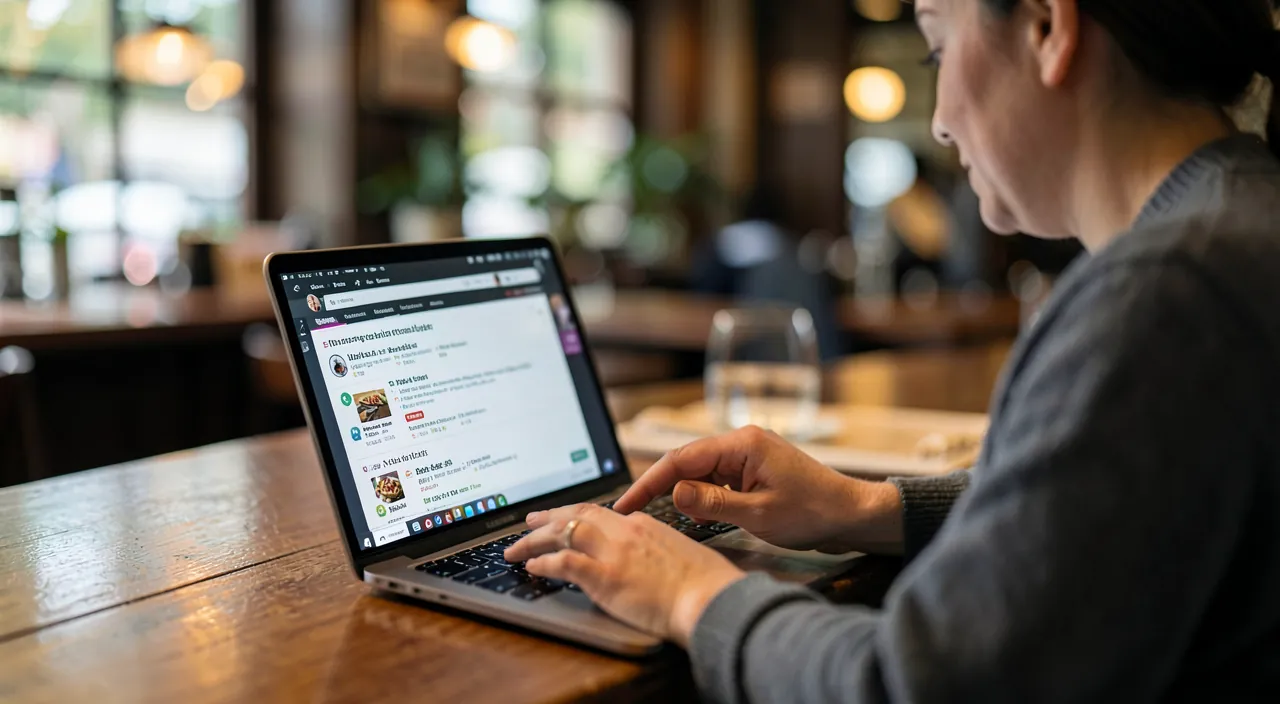
The restaurant thrives on an ecosystem — every piece in its place: the social networks — the natural channel for the trade (daily special in stories, new dessert, behind-the-scenes): perfect for LOYALTY and desire — but always with a LINK to booking (the bio link, the « reserve » button: the follower must become a covered seat — our blog-vs-social guides); and the industry trick — your customers already photograph your dishes: the small « share with #yourname » box and resharing turn the dining room into a marketing team; the review and booking platforms — managed presence (up-to-date listings, answered reviews) and balanced dependence: commissions per cover are compared to the cost of YOUR channel (the customer who books via your site costs nothing — hence the personal button highlighted everywhere, the platform as a safety net); the delivery and click-and-collect if applicable — same trade-offs (aggregators take a big cut: a self-managed ordering system pays off quickly for regular volumes); and the customer database that belongs to you — the reservation file (emails collected properly) enables THE underused lever in the industry: the message to regulars (Valentine’s menu, truffle evening, reopening — our newsletter guides: four emails a year are enough to fill special evenings). The complete virtuous cycle: discovered on Google/social media → convinced by the website → booked directly → delighted → review + registered → returned.
The extras that make the busy months
The website also works outside of service hours: the events — the page or banner for highlights (holiday menus, brunches, themed evenings) updated in advance (our seasonality guides: searches for « New Year’s + city » start in October — an early published page captures them); the private hire and groups — the dedicated page (capacities, packages, quote request form with date/headcount: our form guides) that captures birthdays, corporate meals and families — the most profitable segment for many establishments, often invisible online; the gift cards — easily sellable online (modules exist): the perfect margin product for holidays; the local SEO — « restaurant + city » but also the long tail that fills up (« terrace restaurant », « Italian open Monday », « brunch » + city): each specificity deserves a line on the site (the terrace, Monday opening, gluten-free — what makes you exceptional must be written to be found); and the press and guides — the coverage (articles, awards) displayed: the sector’s authority proof. All maintained at the restaurant’s pace: the weekly 5-minute review (menu up-to-date? next event online? weekly photos uploaded?): a living restaurant’s website becomes outdated in weeks, not years.
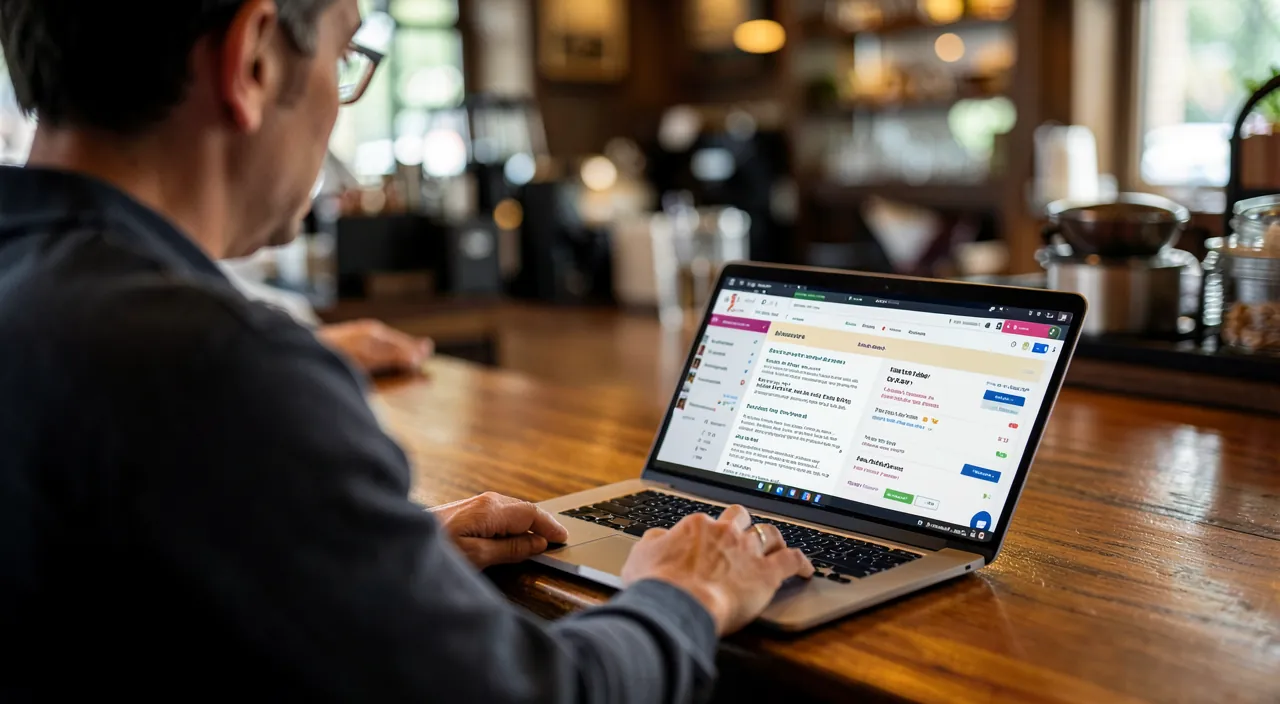
Beware of the little lies that cost dearly. In restaurants, the gap between the online promise and the served dish is paid for in cash — in reviews: the wrong hours (the holiday not anticipated, the annual closure not posted: the customer in front of the closed door is the most avoidable one-star review in the world), the outdated menu (prices from two menus ago, the star dish disappeared), the overly flattering photos (generous plate in photo, measured in the dining room), and the booking that doesn’t follow through (the module never checked, the « confirmed » table unknown in the dining room: if you digitize reservations, the dining room book MUST be synchronized — one master system, the rule of our appointment guides). Online/dining room consistency isn’t marketing: it’s hospitality — it starts before the door.
Frequently asked questions
Should I put prices online?
Yes — the vast majority of customers rule out menus without prices (doubt costs more than transparency), and displaying prices is anyway the culture (and legal requirement for window displays) of the trade. The online menu up-to-date IS your extended window display: same prices, same dishes, same honesty.
Online booking: specialized platform or independent module?
The platform brings visibility (its directory, its users) against commission and dependence; the independent module costs a fixed fee and leaves you the customer file. The industry pragmatism: the in-house module highlighted on YOUR channels (website, listing, social media), the platform as an acquisition channel if your area uses it — and the smooth migration of regulars to the direct channel (a word in the dining room is enough: « next time, directly on our website — it’s better for us »).
I don’t have the time or the skills: the bare minimum?
In order: 1) the perfect Google listing (hours, menu in READABLE and recent photo, review responses) — two hours then ten minutes per week; 2) a clean one-page website (web menu, reservation/phone, access — our one-page guides); 3) the weekly 5-minute ritual. This minimum already beats half of competitors — and it’s delegable (the apprentice comfortable with photos, the local provider for the website: our brief guides).
What to remember
The website that fills tables serves four dishes: the menu as a real web page (up-to-date, with prices, thumb-friendly), the smooth booking (online module + phone, synchronized dining room book), the exact info (including holiday hours, access, specifics written to be found) and the desire — YOUR photos in natural light, updated with the menu, consistent from screen to plate. Around: the Google listing as a second dining room (top priority if time is short), social media that link to booking, reviews answered with class, the regulars’ database activated for highlights, and the pages that make the busy months (holidays, groups, gift cards). All maintained by a weekly 5-minute ritual — because in restaurants, the website goes stale like fish: fresh, it delights; outdated, it poisons. To your digital stoves — tomorrow evening’s dining room fills tonight.
Your business deserves a real online presence: showcase site, online store, SEO — we create the website that looks like you.
Leave a Reply
You must be logged in to post a comment.