
Would you like to read more, but you lack time or energy in the evening? Do you struggle to read (vision, fatigue)? Or do you spend time in the car, on public transport, cleaning? Audiobooks might be perfect for you. Listening to a book read aloud is « reading » with your ears: while walking, driving, cooking, with your eyes free. Novels, essays, biographies: all the richness of books, to listen to anywhere. Here’s what audiobooks are, how to get started, and why they could transform your relationship with reading.
The audiobook: reading with your ears
An audiobook is a book READ aloud, recorded, that you LISTEN to instead of reading with your eyes: a voice (often an actor) tells you the book, from start to finish. It’s the full text of a real book (novel, essay, biography, document…), simply carried by the voice rather than the page. What this changes: you « read » with your EARS, eyes and hands free; you can therefore listen WHILE DOING something else. That’s the whole point. Why do audiobooks appeal? For several reasons. They allow you to « read » at MOMENTS when reading a physical book would be impossible: while driving, walking, on public transport, cooking, cleaning, gardening, falling asleep; they turn these « lost » times into reading moments. They suit those who LACK time to read sitting down (the audiobook slips into daily activities). They are a valuable ACCESSIBILITY tool: for those who struggle to read (vision problems, eye strain, certain reading difficulties), the audiobook opens—or reopens—access to books; it’s a gateway to reading for many people. They offer a UNIQUE experience: a good narration (an actor who interprets, brings characters to life) is a pleasure in itself, a form of art; some even prefer to listen to certain books. They are PRACTICAL: you listen on your phone, with headphones or a speaker, anywhere; you can pause, resume, adjust the speed. FOR WHO? For many people: those who want to read MORE despite a busy schedule; those who spend time traveling or doing chores; those who struggle to read (accessibility); and simply those who love being told stories (a universal pleasure, from childhood to adulthood). What to understand: the audiobook is not « less good » than physical reading—it’s ANOTHER way to access books, with its own strengths; it expands the moments and audiences for reading. The key idea: the audiobook is « reading » with your ears—listening to a book read aloud, eyes and hands free; it allows you to enjoy books in moments where reading would be impossible (while driving, walking, cooking), suits those who lack time, and is a valuable accessibility tool for those who struggle to read. Another way to access all the richness of books, everywhere and for everyone.
An audiobook is just a book read out loud by a professional. You listen instead of reading, so you can do other things at the same time, like driving or cleaning. It’s great for people who don’t have time to sit and read, or who have trouble reading regular books. It’s not worse—just a different way to enjoy stories.
Imagine you’re driving 30 minutes to work every day. Instead of listening to music, you could listen to an audiobook. In a month, that’s 22 hours of reading time you wouldn’t have had otherwise. For example, you could finish a 10-hour audiobook of “The Hobbit” in just 11 workdays by listening during your commute.
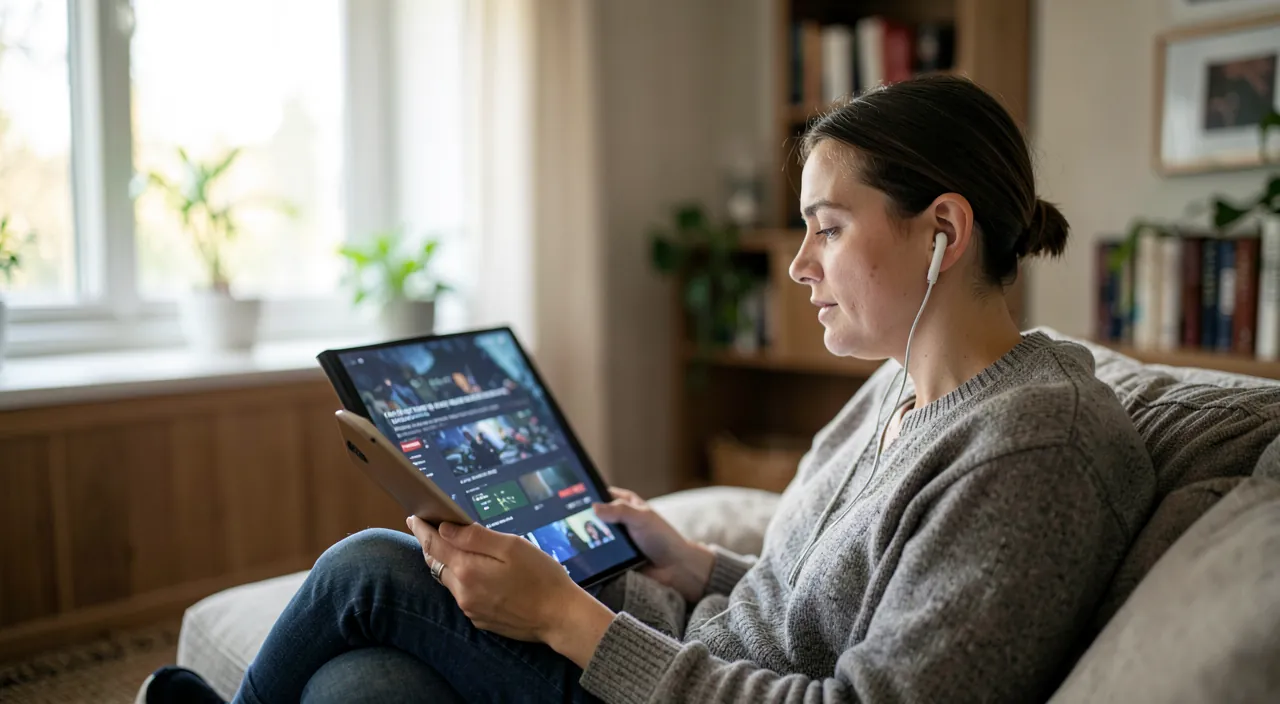
How to get started with audiobooks
Getting into audiobooks is simple; here’s how. Find a SOURCE of audiobooks—there are several ways: dedicated apps and platforms (by subscription or purchase), libraries (many offer audiobooks to borrow, for free!), and free audiobooks (especially public domain works). Explore these options based on your budget. CHOOSE a first book—to start, pick a book that really ATTRACTS you (a genre you like, a title that tempts you); a good first choice makes the experience convincing. Listen and take your MARKS—start listening; the app keeps track of where you are (you can resume where you left off), you can pause, fast-forward, rewind, adjust the SPEED (some like to speed it up a bit, others prefer the normal pace; find yours). Integrate listening into your ACTIVITIES—that’s the magic: listen while driving, walking, cleaning, on public transport; associate the audiobook with regular moments in your day. DOWNLOAD for offline listening—like podcasts, download books to listen without a connection (while traveling, without consuming your data). Let yourself be carried by the NARRATION—appreciate the actor’s work, let the voice bring the story to life; it’s a different and enjoyable experience. A few TIPS to get started: give yourself TIME to get used to it (listening requires a different kind of attention than reading; at first, you might « zone out »; it comes with practice); choose the right MOMENT (an activity that’s not too absorbing, to stay focused on the story—you don’t follow a complex novel well in noise or while fully concentrating elsewhere); start with books that aren’t too DENSE (a gripping novel rather than a difficult essay, at first); and try the SPEED that suits you. A note on ATTENTION: listening requires staying focused on the story; if you often « zone out » (your mind wanders, you « lose the thread »), it’s normal at first, or a sign you need a better moment; the « rewind » functions help catch up on a missed passage. And for the ROAD: listening while driving is enjoyable, but stay attentive to driving (the audiobook shouldn’t dangerously distract you; it’s generally less absorbing than a phone, but keep the road as your priority). In short, to get into audiobooks: find a source (app, library, free books), choose a first book that attracts you, get comfortable (pause, speed), and especially integrate listening into your daily activities. Give yourself time to get used to it, choose good moments, and let yourself be carried by the narration. You’ll quickly discover the pleasure of « reading » everywhere, hands-free.
The right reflex. To get started with audiobooks, two things matter: choosing your first book well, and choosing your listening moments well. For the first book, pick a title that really ATTRACTS you (a genre you like, a story that tempts you—preferably a gripping novel over a difficult essay to start); a good first choice makes the experience convincing. Find a source: dedicated apps and platforms (by subscription or purchase), but also your LIBRARY (many lend audiobooks for free!) and free audiobooks (public domain works); explore based on your budget. Then, the magic of the audiobook is to INTEGRATE listening into your activities: while driving, walking, cleaning, on public transport, cooking—these « lost » moments become reading time, hands and eyes free. Associate the audiobook with regular moments in your day. The app keeps track of your progress (you can resume where you left off), you can pause, rewind (useful to catch up on a passage), and adjust the SPEED (try to find your rhythm). Download books to listen offline (while traveling, without consuming your data). Two important tips to get started: give yourself TIME to get used to it (listening requires a different kind of attention than reading; at first, you might « zone out » and lose the thread—that’s normal, it comes with practice, and the « rewind » function helps), and choose SUITABLE moments (an activity that’s not too absorbing, to stay focused on the story—you don’t follow a novel well in noise or while fully concentrating elsewhere). If you listen while driving, keep the road as your priority (the audiobook is generally less absorbing than a phone, but stay attentive to driving). A book that attracts you, good listening moments integrated into your daily life, and a bit of patience to get used to it: that’s how you’ll discover the pleasure of « reading » everywhere, and maybe reading more than before.
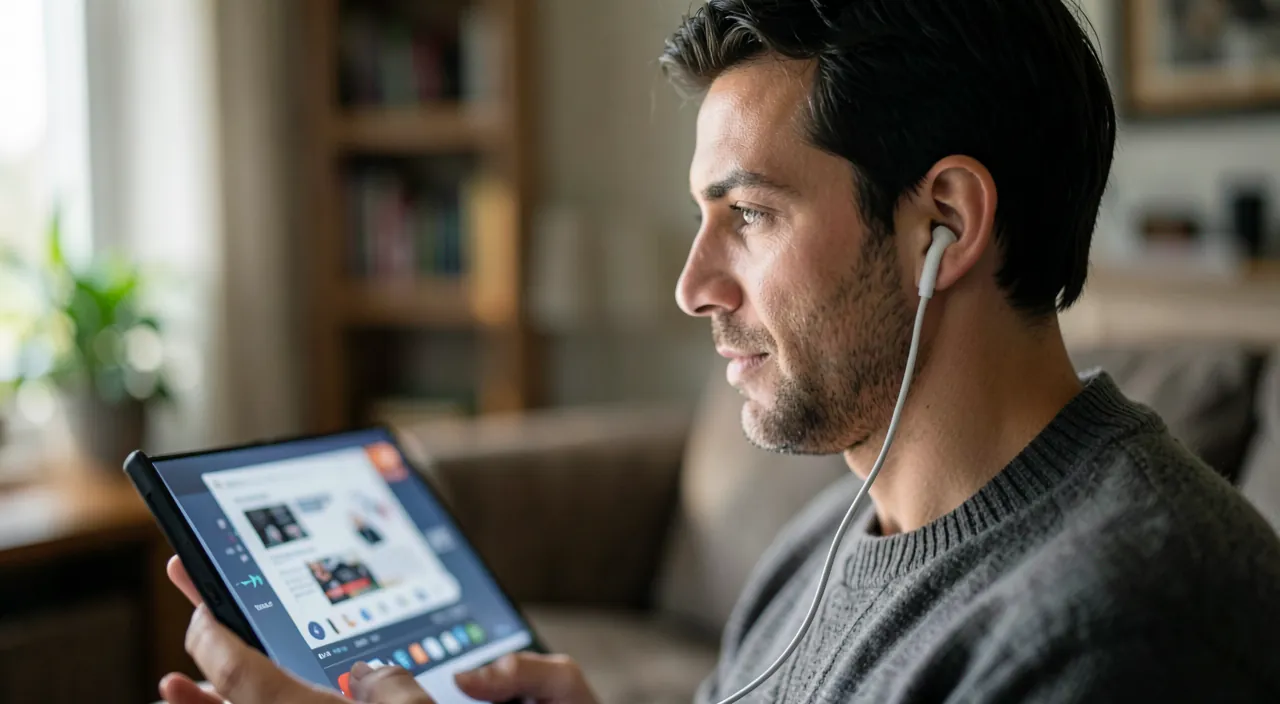
A new way to access books
The audiobook isn’t a gadget: it’s a way to EXPAND access to books, to moments and audiences that physical reading left behind. A few thoughts. RECLAIMED moments: the audiobook allows you to « read » when you couldn’t (while traveling, doing chores); it recovers a considerable amount of time for reading; many « read » this way much more than before. ACCESSIBILITY, a major issue: for people who struggle to read (vision, eye strain, certain difficulties), the audiobook is a gateway to books; it makes literature accessible to those excluded by visual reading; a precious, often underestimated dimension (our accessibility guides). The PLEASURE of narration: a beautiful reading by a talented actor is an artistic experience in itself; being told a story is an ancient and universal pleasure, from childhood to adulthood; the audiobook revives it. COMPLEMENTARITY, not competition: the audiobook doesn’t « replace » the physical book; it’s ANOTHER way to access books, with its own strengths; many alternate based on the moment (physical book in the evening at home, audiobook while traveling); the two complement each other. DEMOCRATIZED reading: by removing obstacles (time, reading difficulty), the audiobook opens reading to more people and situations; it’s an enrichment, not a loss. The CHOICE of voice and pace: you choose your books, your speed; the experience is personalized. The RICHNESS available: novels, essays, classics, new releases, documents; all the richness of books is increasingly available in audio. In short, the audiobook is « reading » with your ears: listening to a book read aloud, hands and eyes free. It allows you to enjoy books in moments where reading would be impossible (while driving, walking, cooking), suits those who lack time, and is a valuable accessibility tool for those who struggle to read. To get started: find a source (app, free library, free books), choose a first book that attracts you, integrate listening into your activities, and give yourself time to get used to it. At its core, the audiobook is a new way to access all the richness of books: it expands the moments (« lost » times become reading) and the audiences (those excluded by visual reading) of reading. It’s not « less good » than physical books, it’s a complement with its own strengths; and for many, it’s the way to finally read more, or read again. If lack of time, difficulty reading, or the desire to « read » everywhere speak to you, try audiobooks: you might find a new—or first—pleasure in reading, to take everywhere.
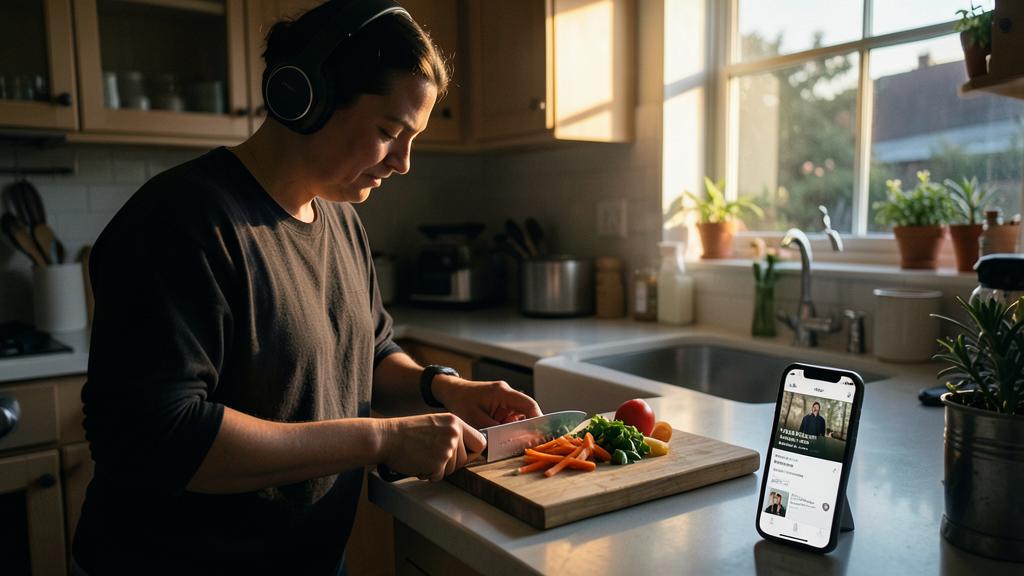
Warning: give yourself time to get used to it, choose good moments, and stay careful while driving. A few points to enjoy audiobooks. NECESSARY adaptation—listening to a book requires a different kind of ATTENTION than visual reading; at first, you might « zone out, » let your mind wander, and lose the thread of the story; don’t be discouraged if the first listens are disorienting: it’s normal, the habit comes with practice; use the « rewind » function to catch up on a missed passage, and start with books that aren’t too dense (a gripping novel rather than a difficult essay). CHOOSING moments—you don’t follow an audiobook well in any situation: an activity that’s too absorbing (a conversation, demanding work) or a too-noisy environment will make you lose the thread; prioritize moments where your attention can stay on the story (walking, cleaning, calm commute); if you constantly « zone out, » change the moment or the book. DRIVING—listening in the car is one of the great pleasures of audiobooks, but the ROAD remains the priority: the audiobook is generally less absorbing than a phone (hands and eyes stay on driving), but a very gripping story can absorb your mind; stay attentive to driving, and don’t hesitate to pause in situations requiring your full concentration; don’t manipulate the app while driving (start listening when stopped). Other points: be careful with SUBSCRIPTIONS (compare offers; think of the library and free books before paying), with the VOLUME on headphones (moderate, for your ears), and remember that the audiobook COMPLEMENTS physical reading without replacing it (alternate based on moments and your preferences). Finally, for falling asleep, a timer prevents « losing » the story if you doze off. The audiobook is a wonderful way to access books, with no real drawbacks, provided you tame it: give yourself time to get used to it, choose good listening moments, and stay careful while traveling. Well approached, it opens the pleasure of « reading » everywhere, to those who lack time as to those who struggle to read: a new gateway to the richness of books, to cross at your own pace.
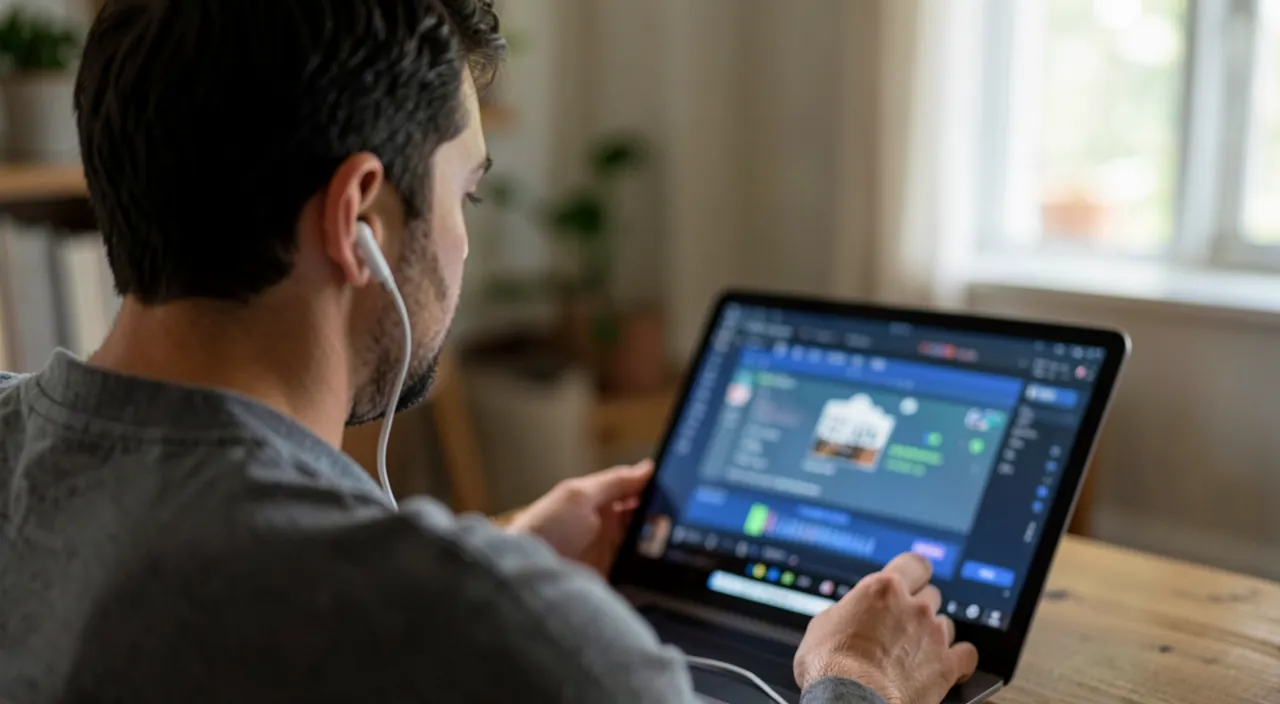
Frequently asked questions
What is an audiobook?
It’s a book READ aloud, recorded, that you LISTEN to instead of reading with your eyes: a voice (often an actor) tells you the full text of a real book (novel, essay, biography, document…), from start to finish. What this changes: you « read » with your EARS, eyes and hands free; you can therefore listen WHILE DOING something else. That’s the whole point: enjoying books in moments where reading a physical book would be impossible—while driving, walking, on public transport, cooking, cleaning, falling asleep. The audiobook suits those who lack time to read sitting down, it’s a valuable accessibility tool for those who struggle to read (vision, fatigue, certain difficulties), and it offers the particular pleasure of a good narration (an actor who brings the story to life). You listen on your phone, with headphones or a speaker, anywhere; you can pause, resume, adjust the speed. It’s not « less good » than physical reading: it’s another way to access books, with its own strengths, which expands the moments and audiences for reading.
How to get started with audiobooks?
First, find a SOURCE: dedicated apps and platforms (by subscription or purchase), but also your LIBRARY (many lend audiobooks for free) and free audiobooks (public domain works); explore based on your budget. Choose a first book that really ATTRACTS you (a genre you like, preferably a gripping novel over a difficult essay to start); a good first choice makes the experience convincing. Start listening: the app keeps track of your progress, you can pause, rewind, adjust the speed (find your rhythm). Above all, INTEGRATE listening into your daily activities (while driving, walking, cleaning, on public transport): that’s the magic, turning « lost » times into reading. Download books for offline listening. Two tips: give yourself time to get used to it (listening requires a different kind of attention; at first, you might « zone out »—it’s normal, it comes with practice), and choose good moments (an activity that’s not too absorbing, to stay focused on the story). With a book you like and good listening moments, you’ll quickly discover the pleasure of « reading » everywhere, hands-free.
Listening to a book, is it really « reading »?
It’s another way to access the same content: the audiobook is the FULL text of a real book, carried by a voice rather than the page. You discover the same story, the same ideas, the same words as in the physical book; simply, you receive them through your ears. Should we call it « reading » or « listening »? The word doesn’t matter: the essential thing is that you access the richness of the book. The audiobook isn’t « less good » or « cheating »: it’s a way to access books with its own strengths (hands and eyes free, an actor’s interpretation) and its specificities (a different kind of attention, you don’t flip pages). Some complex passages are easier to reread with your eyes, others come magnificently to life in your ears; many readers alternate physical and audio books based on moments and books. Far from being a second-rate reading, the audiobook expands access to books: to those who lack time, to those who struggle to read, and to all moments where you couldn’t read a physical book. Whether you say « reading » or « listening, » you fully enjoy the books: that’s what matters.
What to remember
The audiobook is « reading » with your ears: listening to a book read aloud by a voice (often an actor), eyes and hands free. It’s the FULL text of a real book (novel, essay, biography), simply carried by the voice rather than the page. Its great strength: allowing you to enjoy books in MOMENTS where reading a physical book would be impossible—while driving, walking, on public transport, cooking, cleaning—turning these « lost » times into reading. It suits those who LACK time to read sitting down, and it’s a valuable ACCESSIBILITY tool for those who struggle to read (vision, eye strain, certain difficulties): a gateway—or reopening—to books. It also offers the pleasure of a good narration. To get started: find a source (dedicated apps, but also your LIBRARY which often lends them for free, and free public domain audiobooks), choose a first book that ATTRACTS you (preferably a gripping novel to start), and especially INTEGRATE listening into your daily activities. Give yourself TIME to get used to it (listening requires a different kind of attention; at first, you might « zone out »—it’s normal, the « rewind » function helps), choose good MOMENTS (an activity that’s not too absorbing, to stay focused on the story), and adjust the speed to your liking. Stay careful while driving (road first). The audiobook doesn’t REPLACE physical reading: it’s ANOTHER way to access books, with its own strengths; many alternate the two based on moments (physical at home, audio while traveling). Far from being a second-rate reading, it EXPANDS access to books—to moments and audiences that visual reading left behind. If lack of time, difficulty reading, or the desire to « read » everywhere speak to you, try audiobooks: you might find a new—or first—pleasure in reading, to take everywhere and for all situations. All the richness of books, to listen to hands-free: it’s a beautiful gateway to cross, at your own pace.
Want to go further with your phone and apps? Our practical training is made for you.
Leave a Reply
You must be logged in to post a comment.