
5G has become part of our daily lives, and already people are talking about 6G. Mind-blowing speeds, increased responsiveness, new possibilities: these mobile network evolutions promise to transform much more than just our way of downloading. But what does this actually change for you? Should you pay attention to it? This guide provides a clear, jargon-free overview of what 5G actually brings and what 6G might offer in the future.
Where do we stand with 5G?
5G is now widely deployed. Its concrete benefits: significantly higher speeds, better responsiveness, and the ability to connect many more devices simultaneously. In everyday life, this translates to smoother browsing, faster downloads, and a better experience in dense areas. But 5G isn’t just about smartphones: it paves the way for new uses, especially for connected objects and industry.
What it really changes
- A better mobile experience: smooth video, fast downloads, less latency.
- Connected objects: the ability to massively connect sensors and devices.
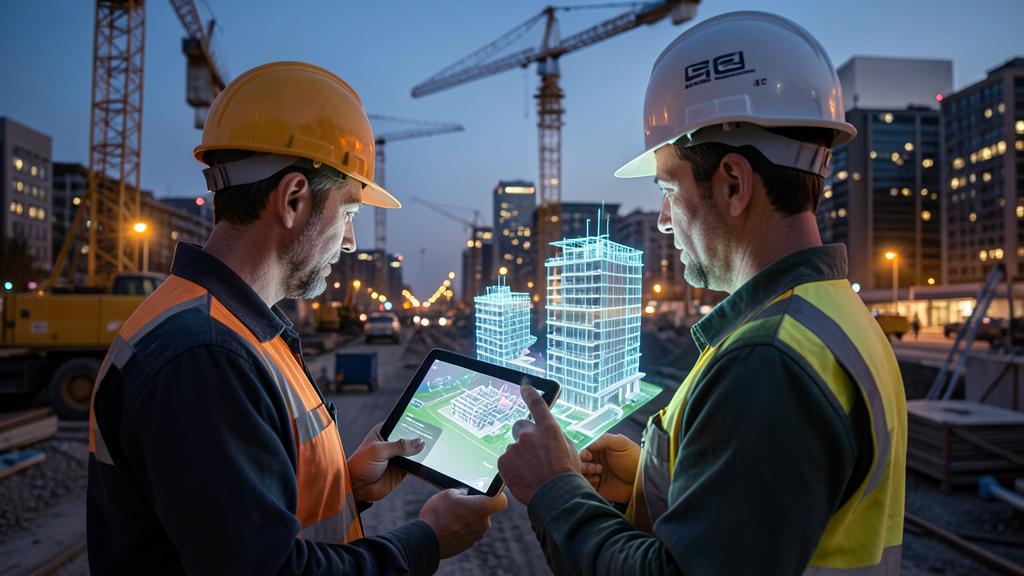
- New uses: real-time applications, augmented reality, telemedicine.
- Industry and cities: automation, smart infrastructure management.
The right reflex. Don’t change your device or plan just “for 5G” if your current uses satisfy you. 5G brings real benefits in certain situations, but a good 4G network is still largely sufficient for many daily uses. Assess your real needs before investing.
And what about 6G?
While 5G is becoming widespread, research on 6G is already underway. Still far from the general public, it promises even higher speeds, almost zero latency, and deep integration with artificial intelligence. Be careful, however: at this stage, 6G is mostly about research and announcements. Its concrete uses for everyday life remain to be defined, and widespread deployment is not for tomorrow.
6G is the next big thing after 5G, but it’s not here yet. Right now, it’s mostly ideas and experiments. We don’t yet know exactly how it will change our daily lives, and it won’t be available for years.
Imagine a self-driving car in 2030 relying on 6G for real-time traffic updates. It would need near-instant responses—like a 1-millisecond delay—to avoid accidents. That’s the kind of speed 6G is being designed for, but we’re not there yet.

Keeping your feet on the ground
Each new generation of network comes with significant hype, between spectacular promises and various concerns. Reality is often more measured: the benefits are real but gradual, and truly transformative uses take time to emerge. It’s better to follow these developments with interest and discernment, without giving in to either hype or excessive mistrust. Time will separate promises from reality.
To put into perspective. Beware of marketing that presents each network generation as an immediate revolution. Real changes are gradual, and many announced uses take years to become concrete — if they ever do. Keep a measured view of the most spectacular promises.
Frequently asked questions
Do I need 5G?
It depends on your uses. For everyday browsing and video, 4G often suffices. 5G really shines in dense areas or for very demanding uses.
Is 6G coming soon?
Not for the general public for several more years. It’s still in the research phase: current announcements are mostly prospective.

What to remember
5G brings real benefits — speeds, responsiveness, massive device connectivity — and paves the way for new uses, especially for connected objects and industry. 6G, on the other hand, is still in the research phase: promising, but distant. Faced with the usual hype, keep a measured view: progress is real but gradual. No need to chase the latest technology if your current uses suit you: follow these developments with interest, but adopt according to your real needs.

A network to optimize at home?
Leave a Reply
You must be logged in to post a comment.