
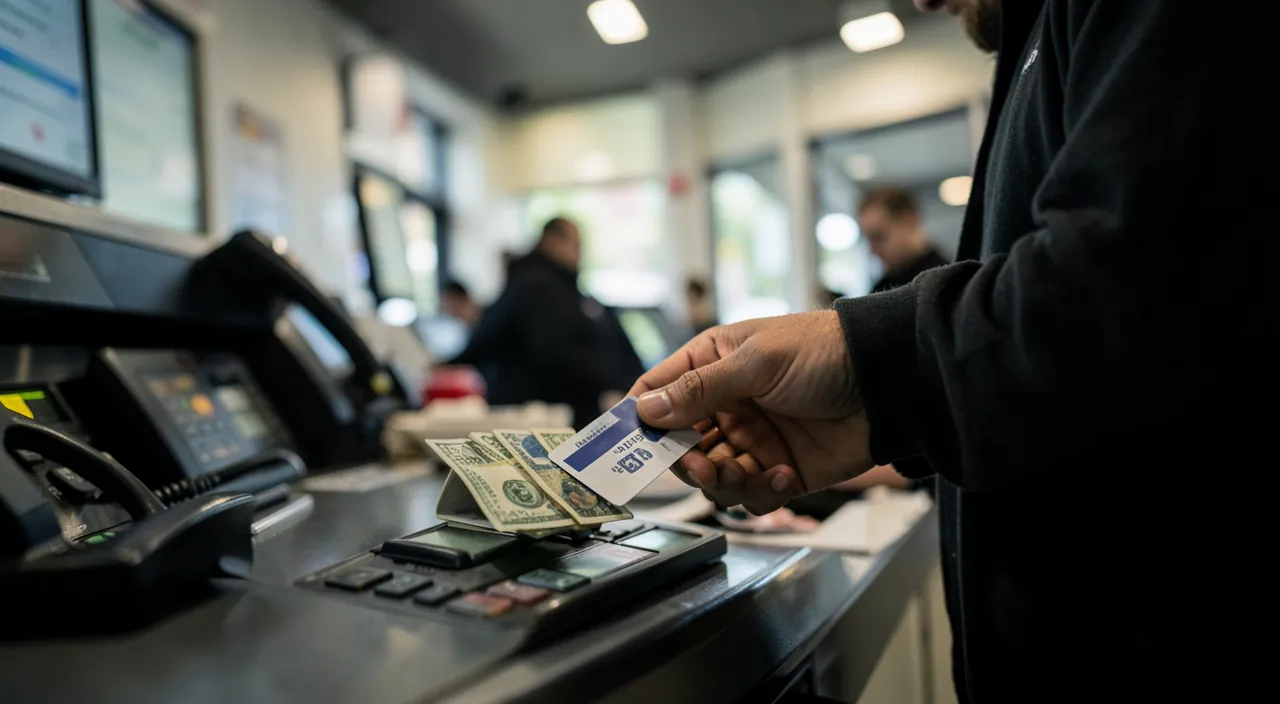
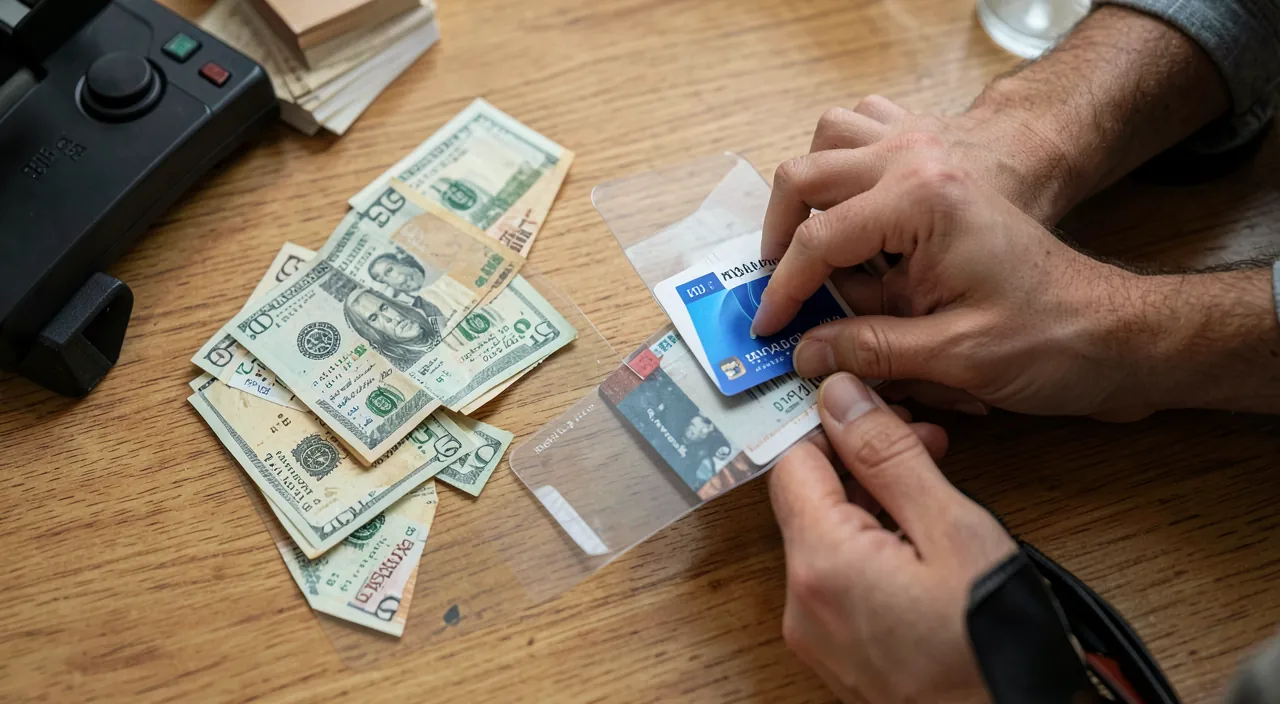
Contactless payments, instant transfers, banking apps: digital payment is everywhere, and cash (coins and bills) is declining year after year. Some businesses no longer accept cash at all. This evolution is convenient, but it also raises concerns: what happens to those who rely on cash? Are we losing something important? Should we rejoice or worry? Here’s a balanced overview of the decline of cash: its causes, its advantages, but also the real issues it raises — to understand this transition and its implications.
Why cash is declining
CASH (coins and bills, « physical » money) is declining in favor of DIGITAL PAYMENTS (card, contactless, mobile payment, transfers, apps). This trend is observed everywhere, at varying speeds. Why this decline? Several factors. The CONVENIENCE of digital payments: paying by card or contactless is fast, simple, without having to handle coins; mobile payment (with the phone) goes even further; this ease is appealing. The RISE of contactless payments: « contactless » (tapping your card or phone) has made digital payment instant, even for small amounts, accelerating the decline of cash. ONLINE SHOPPING: purchases on the Internet are paid by nature without cash. BUSINESSES’ PREFERENCES: some businesses prefer (or impose) digital payment (less handling of cash, fewer bank deposits, less risk of theft); some no longer accept cash. RECENT EVENTS: certain periods (like the health crisis) accelerated the use of contactless payments, for hygiene reasons. NEW GENERATIONS: many young people use digital payments almost exclusively. The ADVANTAGES of digital payment: CONVENIENCE (fast, no coins to manage, payment everywhere including online), TRACKING (expenses are recorded, easy to follow in the banking app), SECURITY in some ways (less physical money to steal), and ease of exchanges (transfers, reimbursements between individuals via apps). What to understand: the decline of cash is the result of the convenience of digital payments and choices (by businesses, by generations); it’s a largely practical evolution. BUT it also raises real ISSUES (see below) that should not be ignored: access for all, privacy, dependence on technology. The key idea: cash is declining in favor of digital payments (card, contactless, mobile), driven by their convenience and by choices made by businesses and generations; this evolution offers real advantages (speed, tracking, less cash on you). But it also raises real issues — access for all, privacy, dependence — that deserve attention. Understanding this transition, its advantages AND its questions, allows us to approach it with clarity, without idealizing or fearing it excessively.
Cash is disappearing because digital payments are faster and easier to use. But this change can leave some people behind, like older adults or those who don’t have bank accounts. It also means all your purchases can be tracked, which raises privacy concerns. Keeping some cash on hand is a smart backup plan.
In Sweden, only 13% of payments were made in cash in 2022. Many small shops and even some restaurants no longer accept cash at all. However, during a 2023 power outage in Stockholm, people who relied solely on digital payments struggled to buy essentials, while those with cash had no issues.
The advantages, but also the real questions
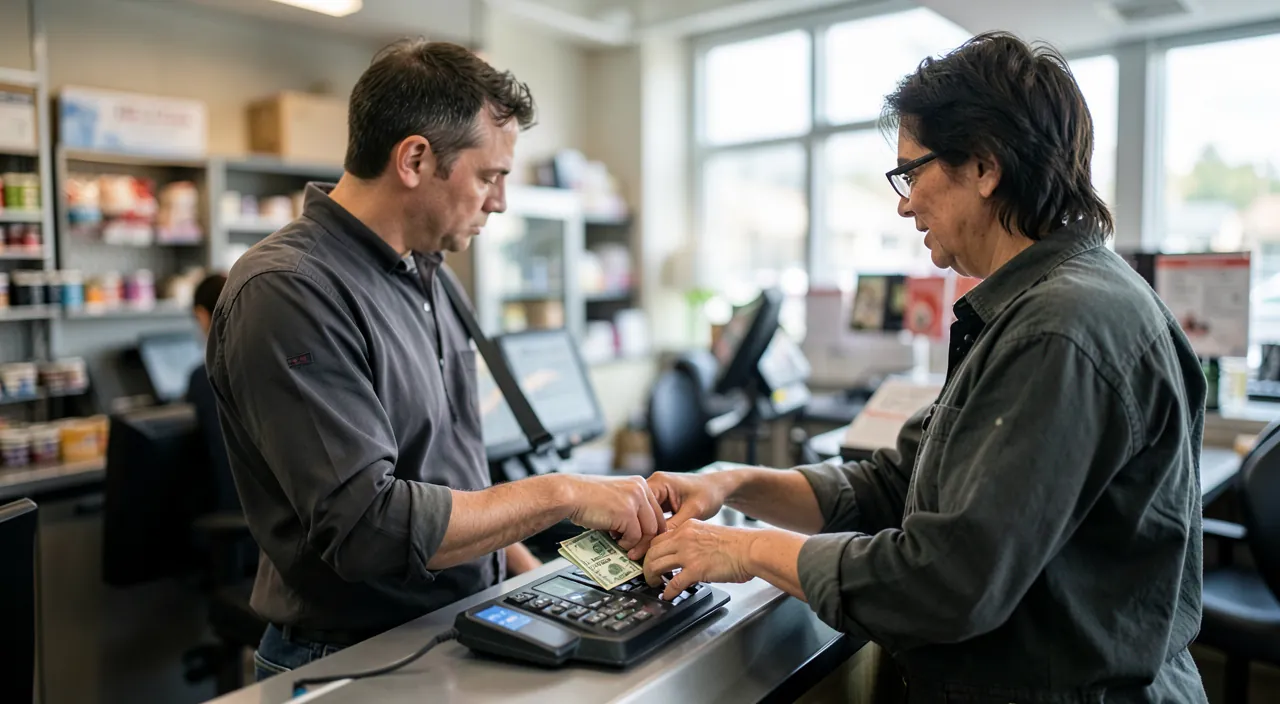
The decline of cash is neither pure progress nor pure danger: we must weigh its ADVANTAGES and its ISSUES. The ADVANTAGES are real: CONVENIENCE (paying quickly, everywhere, without coins), EASY TRACKING of expenses (in the banking app), less physical money to lose or get stolen, ease of online payments and exchanges between individuals. For many, digital payments simplify financial life. BUT the ISSUES are serious and deserve attention. ACCESS for ALL (the major social issue): not everyone is comfortable with digital payments, equipped, or « banked »; older people, those in PRECARIOUS situations, isolated individuals, or those uncomfortable with technology may RELY on cash; a « cashless » world risks EXCLUDING them; refusing cash can penalize these people; it’s a real issue of inclusion (our guides help you support your loved ones). PRIVACY: cash is ANONYMOUS (paying in cash leaves no trace); digital payments, on the other hand, are TRACKED (each transaction is recorded); a fully digital world means all our expenses are potentially monitored; it’s an issue of confidentiality and freedom not to be neglected. DEPENDENCE on TECHNOLOGY: without cash, we depend entirely on the proper functioning of systems (network, terminals, banks, electricity); a FAILURE (technical, computer, power outage) can prevent payment; cash is a BACKUP solution that always works; its total disappearance creates vulnerability. CONTROL of SPENDING: paying « contactless » is so easy that one can lose track of what is being spent (physical money, which you see decreasing, helps some people manage better); an issue for some budgets. FEES and exclusions: a fully digital system may involve fees (banking) and exclude those who cannot afford or access it. How to APPROACH this transition: Take advantage of digital payments for their convenience, but remain AWARE of the issues. Defend ACCESS for all — cash must remain an option for those who rely on it; inclusion is a societal issue. Be mindful of your PRIVACY — know that your digital payments are tracked. Keep some CASH as a backup — for outages, emergencies, or places that only accept cash. Help your LOVED ONES who are less comfortable with digital payments to adapt, without leaving them out. MONITOR your spending — the ease of digital payments requires a bit more vigilance on your budget. In summary, the decline of cash offers real advantages (convenience, tracking, security), but also raises real questions: access for all (not excluding those who rely on cash), privacy (digital payments are tracked), technological dependence (possible outages — cash helps), and spending control. Take advantage of digital payments while remaining aware of these issues: it’s a transition to approach with clarity, not to idealize or demonize.
The right reflex. Take advantage of the convenience of digital payments (fast, everywhere, easy tracking of expenses, less physical money to lose), while remaining AWARE of the real issues raised by the decline of cash. A few useful reflexes. Always keep a little CASH as a backup: for outages (technical, network, power outage — cash always works, unlike digital systems that can fail), for emergencies, and for places or situations that only accept cash; don’t depend 100% on technology. Be mindful of your PRIVACY: unlike cash (anonymous), your digital payments are TRACKED and recorded; it’s not necessarily a problem, but be aware of it. Monitor your SPENDING a bit more: « contactless » payment is so easy that you can lose track of what you’re spending (physical money that you see decreasing helps some people manage better); a regular check of your banking app compensates for this ease. Think about OTHERS: not everyone is comfortable with digital payments — older people, isolated individuals, those in precarious situations, or those who are not well-equipped may RELY on cash; a « cashless » world risks excluding them; it’s a real issue of social inclusion, and you can contribute by helping your loved ones who are less comfortable to adapt (our guides help you support your loved ones), without ever leaving them out. Finally, if you fully adopt digital payments, secure your payment methods (banking app, card — our guides help you protect your bank card online). Taking advantage of the convenience of digital payments while keeping some cash as a backup, monitoring your spending, being aware of your privacy, and not forgetting those who rely on cash: this is how you approach this transition with clarity — by benefiting from progress without ignoring its issues or excluding anyone.
A transition to support, without idealizing or demonizing
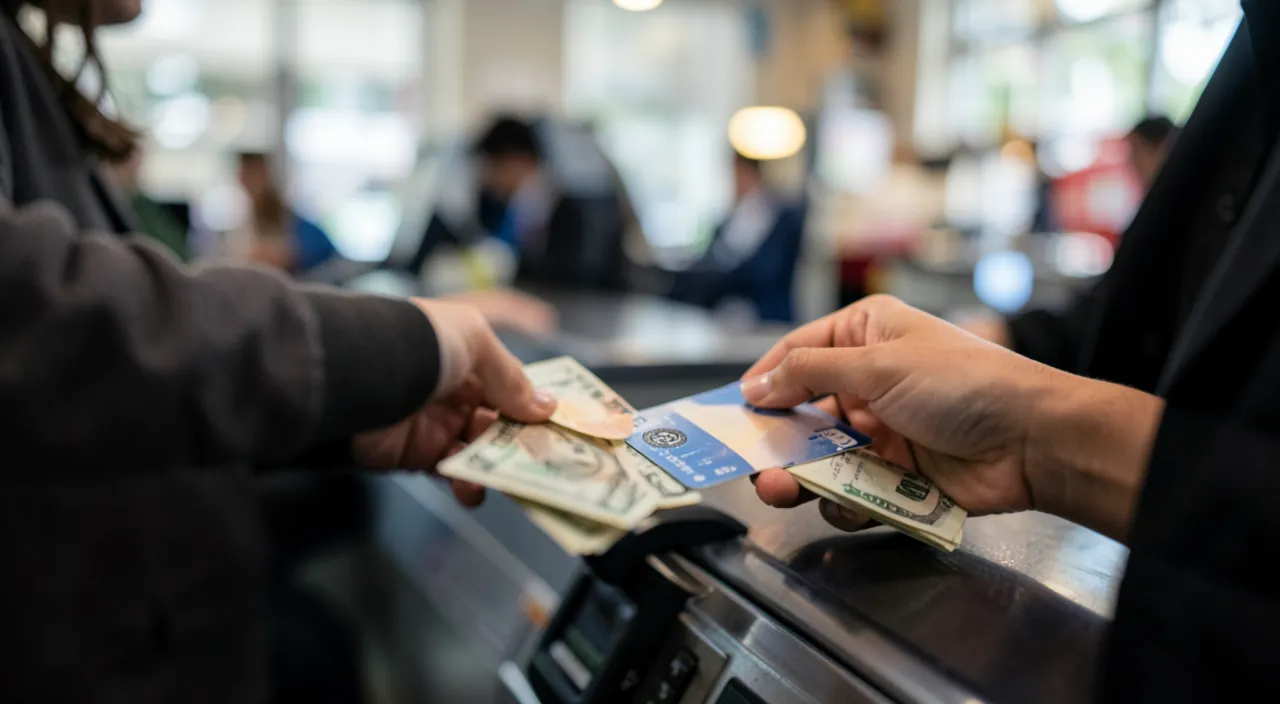
The decline of cash is a societal transition: like any evolution, it must be supported with clarity, without excessive enthusiasm or catastrophism. A few reference points. The REAL PROGRESS: the convenience of digital payments is undeniable, and its adoption is largely voluntary; it’s not inherently bad; many people find real simplification in it. The ISSUES not to ignore: but this evolution has serious implications (possible exclusion, privacy, dependence) that deserve to be taken seriously and collectively debated; ignoring them would be a mistake. INCLUSION as a priority: the most important point is to LEAVE NO ONE behind; cash must remain accessible for those who rely on it; a society that excludes its most vulnerable members in the name of modernity is mistaken; it’s an issue of social justice. The FREEDOM of choice: ideally, everyone should be able to choose their payment method according to their needs and preferences; preserving this freedom (keeping cash as an option) is precious. RESILIENCE: cash is a backup solution that always works; its total disappearance would make society vulnerable to outages; keeping this resilience makes sense. VIGILANCE over privacy: the total traceability of payments raises questions of freedom; staying attentive to this issue is important. SUPPORTED ADAPTATION: helping those who struggle to adapt (elderly, precarious individuals) rather than abandoning them; the transition must be inclusive. In summary, the decline of cash, driven by the convenience of digital payments, offers real advantages (speed, tracking, less cash on you), but also raises real questions: access for all (not excluding those who rely on cash), privacy (digital payments are tracked), technological dependence (cash helps in case of outage), and spending control. Should we worry? Neither rejoice blindly nor be alarmed: this transition deserves to be APPROACHED with clarity and SUPPORTED with care. Take advantage of the convenience of digital payments, but keep some cash as a backup, be aware of privacy and dependence issues, monitor your spending, and above all, make sure no one is excluded — help your loved ones adapt, and defend the maintenance of cash as an option for those who rely on it. The issue is not to choose between « all digital » and « all cash, » but to succeed in an INCLUSIVE and RESILIENT transition, where progress benefits everyone without leaving anyone behind or sacrificing what matters (access, privacy, security in case of outage). An evolution to support with discernment, neither idealized nor demonized: this is how we get the best out of it while preserving the essential.

Warning: don’t leave anyone behind, keep some cash as a backup, and be mindful of privacy and spending. Issues not to neglect. THE EXCLUSION OF THE MOST VULNERABLE — this is the most serious issue: not everyone is comfortable with digital payments, equipped, or « banked »; older people, those in precarious situations, isolated individuals, or those unfamiliar with technology may RELY on cash for their daily purchases; a « cashless » world, or businesses that refuse cash, risk EXCLUDING them; don’t trivialize this question; cash must remain an accessible option, and we must help those who struggle to adapt, not abandon them. DEPENDENCE on SYSTEMS — without cash, we depend entirely on the proper functioning of technology (network, terminals, banks, electricity); an OUTAGE (computer, power outage, network issue) can prevent you from paying; cash is a backup solution that always works; keep some on you to avoid being stuck in case of outage or emergency. TRACKED PRIVACY — unlike cash (anonymous), your digital payments are RECORDED and traceable: each transaction leaves a trace; a fully digital world means all your expenses are potentially monitored; it’s an issue of confidentiality and freedom to be aware of. CONTROL of SPENDING — « contactless » payment is so easy and intangible that you can lose track of what you’re spending (physical money that you see decreasing helps some people manage their budget better); monitor your spending a bit more via your banking app to avoid overspending. Other points: secure your digital payment methods (card, banking app), beware of banking FEES that can weigh on the most modest, and don’t forget that some businesses or situations only accept cash. The decline of cash offers real advantages, but it’s not pure progress without drawbacks: it’s a transition to SUPPORT with clarity. Take advantage of the convenience of digital payments, but keep some cash as a backup, be aware of privacy and dependence issues, monitor your spending, and above all, make sure no one is excluded. Neither idealize nor demonize this evolution: understand it, get the best out of it, and preserve the essential — access for all, resilience, privacy. A society that modernizes without leaving anyone behind: that’s the real issue of the decline of cash.
Frequently asked questions
Why is cash declining?
Mainly due to the CONVENIENCE of digital payments (card, contactless, mobile payment) and several choices. The factors: paying by card or contactless is fast and simple (no coins to handle), mobile payment goes even further; the rise of « contactless » has made digital payment instant even for small amounts; online shopping is paid by nature without cash; some businesses prefer (or impose) digital payment (less handling of cash, fewer deposits, less risk of theft); recent events (like the health crisis) accelerated contactless payments; and new generations mainly use digital payments. The advantages of digital payment explain its adoption: convenience (fast, everywhere, including online), easy tracking of expenses in the banking app, less physical money to get stolen, ease of transfers and reimbursements between individuals. It’s therefore a largely practical and partly voluntary evolution. But it also raises real questions (access for all, privacy, dependence on technology) that should not be ignored: the decline of cash is neither pure progress without drawbacks, nor a danger, but a transition to approach with clarity.
Should we worry about the disappearance of cash?
Neither rejoice blindly nor be alarmed: we must approach this transition with clarity, as it has real advantages but also real issues. The advantages of digital payments are real (convenience, tracking of expenses, less cash on you). But the issues deserve attention. ACCESS for all: some people (older, precarious, isolated, uncomfortable with digital payments) rely on cash; a « cashless » world risks excluding them — this is the major social issue. PRIVACY: digital payments are tracked (unlike cash, which is anonymous). DEPENDENCE: without cash, a technical outage can prevent payment (cash always works). CONTROL of spending: easy contactless payments can make you lose track of what you’re spending. So yes, these questions are legitimate and deserve to be taken seriously, without catastrophism. The right attitude: take advantage of the convenience of digital payments, but keep some cash as a backup, be aware of the issues (privacy, dependence), monitor your spending, and above all, make sure no one is left behind. The issue is not « all digital or all cash, » but an inclusive and resilient transition, where progress benefits everyone without sacrificing access, privacy, or security in case of outage.
Should we keep cash on us?
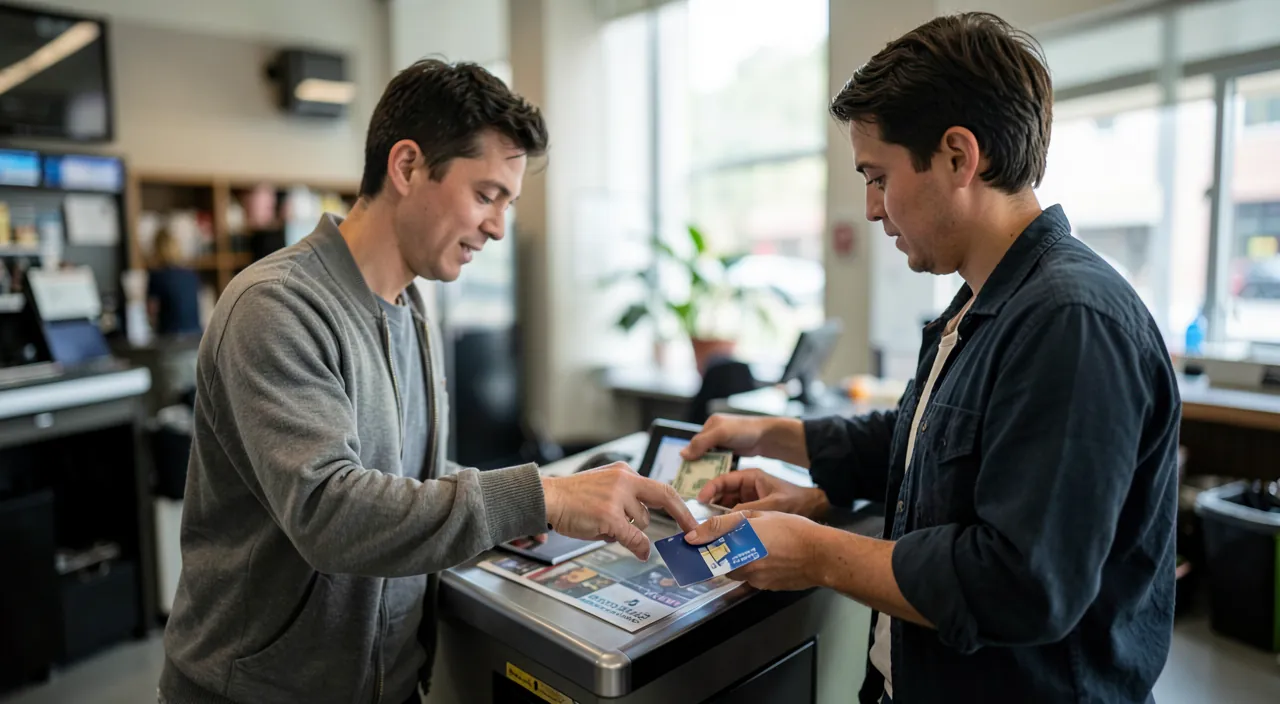
Yes, it’s a good reflex to keep some cash as a backup, even if you mainly pay by card or phone. Several reasons: in case of OUTAGE (technical, network, power outage, banking issue), digital payments may become impossible, while cash always works — it’s your backup solution; some businesses, markets, or small structures only accept cash; and for emergencies or small expenses, cash helps. Keeping some cash avoids being stuck if technology fails or a place doesn’t accept cards. This doesn’t mean giving up the convenience of digital payments (which remain very practical daily), but not depending 100% on them: a balance between digital payment for comfort and cash for resilience. It’s also a matter of common sense: not putting all your eggs in one basket. A small cash reserve, in addition to your digital payment methods, ensures you can always pay, whatever the circumstances: a simple precaution that can save you a lot of trouble the day digital systems fail.
What to remember
Cash (coins and bills) is declining in favor of DIGITAL PAYMENTS (card, contactless, mobile payment), driven by their CONVENIENCE and by choices made by businesses and generations. This evolution offers real ADVANTAGES: speed and simplicity (paying everywhere, without coins, including online), easy tracking of expenses (in the banking app), less physical money to lose or get stolen, ease of exchanges between individuals. BUT it also raises real ISSUES not to ignore. ACCESS for ALL (the major social issue): older people, those in precarious situations, isolated individuals, or those uncomfortable with digital payments may RELY on cash; a « cashless » world risks EXCLUDING them — cash must remain an accessible option, and we must help those who struggle to adapt, not abandon them. PRIVACY: unlike cash (anonymous), digital payments are TRACKED — an issue of confidentiality. TECHNOLOGICAL DEPENDENCE: without cash, an OUTAGE (network, power, computer) can prevent payment; cash is a backup solution that always works. CONTROL of spending: contactless payment is so easy that you can lose track of what you’re spending. How to approach this transition? With CLARITY, without idealizing or demonizing it. Take advantage of the convenience of digital payments, but: keep some CASH as a backup (for outages, emergencies, places that only accept cash — don’t depend 100% on technology), be aware of PRIVACY and dependence issues, MONITOR your spending (the ease of digital payments requires a bit more vigilance), secure your payment methods, and above all, make sure NO ONE is excluded — help your loved ones who are less comfortable to adapt, and defend the maintenance of cash for those who rely on it. The issue is not to choose between « all digital » and « all cash, » but to succeed in an INCLUSIVE and RESILIENT transition, where progress benefits everyone without leaving anyone behind or sacrificing what matters (access, privacy, security in case of outage). A society that modernizes without abandoning its most vulnerable members: that’s the real issue of the decline of cash, to be supported with discernment.
Want to understand and master the technologies that are changing your daily life? Our training programs will enlighten you.
Leave a Reply
You must be logged in to post a comment.