
Voice assistants (« Hey, what time is it ? », « Set a timer », « What will the weather be like tomorrow ? ») are now part of the daily routine for many. But where is this technology headed? With advances in artificial intelligence, voice assistants promise to become much more capable — better understanding, conversing naturally, acting intelligently. Between promises and reality, between convenience and privacy concerns, what is the future of voice assistants? Here’s a balanced overview of what they are, what they could become, and the issues to keep in mind.
Voice assistants today, and where they are headed
A voice assistant is a program that RESPONDS to voice: you talk to it (a question, a command), it understands and executes or responds. You’ll find them on phones, smart speakers, watches, some TVs, cars, connected devices. What they do TODAY, commonly: answer simple questions (time, weather, definitions, calculations), launch actions (timer, alarm, reminder, call, message), control music, manage smart homes (lights, thermostat), provide information (traffic, news); all hands-free, which is practical (while cooking, driving, for accessibility). Their CURRENT LIMITATIONS: they sometimes understand WRONG (accents, phrasing, noise), struggle with COMPLEX requests or context, give limited or off-topic answers, and remain mostly « command tools » rather than true conversational partners. Where are they HEADING? Advances in ARTIFICIAL INTELLIGENCE (especially generative AI — see our guide on generative AI) are transforming voice assistants: they promise to become much more CAPABLE. Expected evolutions: BETTER understanding (of natural language, context, complex requests); more FLUID and natural CONVERSATION (dialogue, not just commands); more CAPABILITIES (help with writing, summarizing, explaining, planning, multi-step actions); better PERSONALIZATION (adapting to you, your habits); and broader integration (in more devices and services). The goal is to move from a « simple command executor » to a true ASSISTANT capable of understanding and helping more intelligently. What to understand: voice assistants are at a TURNING POINT; driven by AI, they could become much more useful and natural. But this evolution comes with PROMISES (sometimes exaggerated — beware of hype) and real QUESTIONS, especially about PRIVACY (a smarter assistant that listens and understands processes more personal data). The key idea: today’s voice assistants are practical but limited (simple commands, imperfect understanding), evolving thanks to AI toward more capabilities: better understanding, natural conversation, smarter assistance. A promising future, to be approached with balance — enjoying the convenience while keeping privacy concerns in mind and separating real progress from exaggerated promises.

Voice assistants are getting smarter thanks to AI. They’ll soon understand you better, have real conversations, and do more complex tasks. But they’ll also collect more personal data, so privacy is a big concern. Use them wisely!
Imagine asking your smart speaker, “What’s the best route to the airport, considering traffic and my 3 PM flight?” A future assistant might check real-time traffic, your flight details, and suggest the best time to leave. But it will also remember your habits and preferences, raising privacy questions.
Convenience, promises, and vigilance: how to approach this evolution
Faced with the evolution of voice assistants, let’s adopt a balanced attitude: enjoy the convenience, appreciate the progress, but keep the necessary vigilance. The REAL CONVENIENCE: voice assistants already provide practical services (hands-free, speed, accessibility for those who struggle to type or see), and this will only improve; use them for what they do well (see our guides on using a voice assistant). The PROMISES to put into perspective: every advance comes with media hype; the « revolutionary » assistants promised don’t always deliver in reality; judge based on actual use, not marketing; progress is real, but sometimes overhyped. The VIGILANCE on PRIVACY (the major issue): a voice assistant, by nature, LISTENS (at least to detect when you call it), and processes what you say; the more capable it becomes, the more personal data it processes (your questions, habits, voice, home); this is a real question — what happens to this data? who has access? is it well protected? Be AWARE of what you share, adjust your assistants’ privacy settings (many allow limiting data collection, deleting history), and don’t place a constantly listening assistant in private spaces without thinking (see our guides on privacy and connected devices, securing connected devices). The DEPENDENCY to watch out for: like any practical technology, avoid becoming too dependent; keep your skills (know how to do things without it, search on your own); the assistant is a tool, not a crutch for everything. The RELIABILITY to keep in mind: with AI, assistants can also be WRONG or make things up (like generative AI); don’t take their answers as gospel, especially for important facts; verify what matters. The BALANCE: neither rejection (these tools are useful) nor blind adoption (the issues are real); adopt them for what they bring, while keeping control and awareness of the issues. A few TIPS: ADJUST your assistants’ privacy settings (it’s essential); use them for what they do WELL (simple tasks, hands-free) without expecting the impossible; stay CRITICAL about their answers and promises; and secure the associated accounts and devices. A note on ACCESSIBILITY: voice assistants are a real asset for people who struggle to type, see, or handle a device; their evolution could further improve autonomy; a positive aspect to highlight (see our guides on accessibility). In summary, the evolution of voice assistants brings REAL and growing convenience (better understanding, more help, hands-free), to be approached with balance: enjoy what they do well, put exaggerated promises into perspective, stay critical about their answers (they can be wrong), and above all, keep VIGILANCE on privacy (adjust privacy settings, be aware of what you share). Neither rejection nor blind adoption: convenience, with control over the issues.
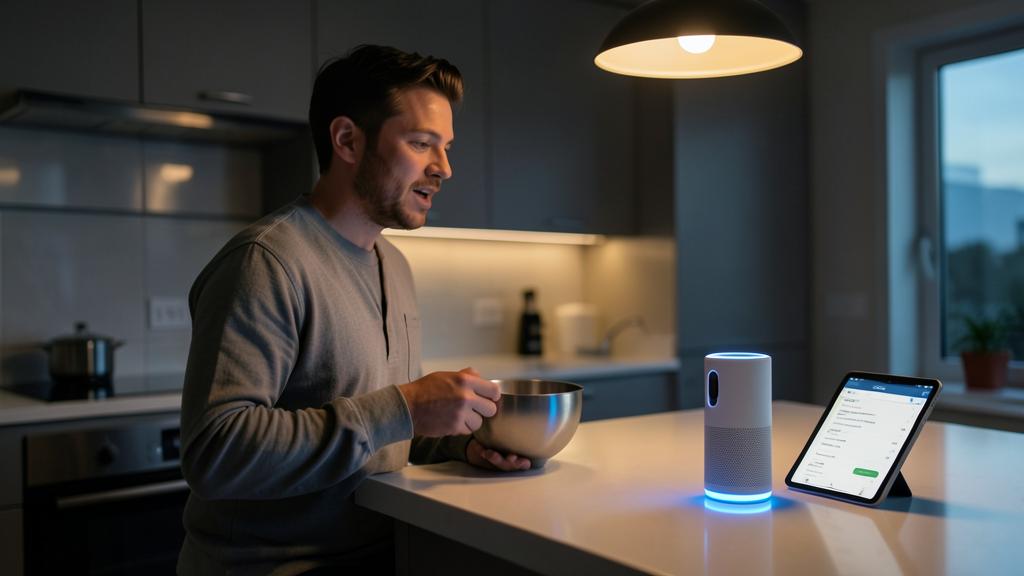
The right reflex. Approach the evolution of voice assistants with balance: enjoy the REAL CONVENIENCE they bring (voice responses, hands-free — practical while cooking, driving, and valuable for accessibility), while keeping VIGILANCE on the issues. The major point of attention is PRIVACY: a voice assistant, by nature, listens (at least to detect when you call it) and processes what you say; the more capable it becomes thanks to AI, the more personal data it processes (your questions, habits, voice, home). Ask the right questions: what happens to this data? who has access? The essential reflex: ADJUST your assistants’ privacy settings (many allow limiting data collection, disabling listening, deleting history), be aware of what you share, and think before placing a constantly listening device in a private space. Also secure the associated accounts and devices. Keep a CRITICAL spirit: with AI, assistants can be wrong or make things up (like generative AI); don’t take their answers as gospel, especially for important facts; verify what matters. Also put the PROMISES into perspective: every new « revolutionary » assistant is overhyped; judge based on actual use, not media hype; progress is real, but not always as impressive as announced. Finally, avoid EXCESSIVE DEPENDENCY: the assistant is a practical tool, not a crutch for everything; keep your skills (know how to do and search without it). Use these tools for what they do WELL (simple tasks, hands-free commands) without expecting the impossible, while highlighting their accessibility advantage (valuable for those who struggle to type or see). Enjoying the convenience, adjusting privacy, keeping a critical spirit, and avoiding dependency: this is how we can welcome the evolution of voice assistants with profit and lucidity — neither rejection, nor blind adoption, but a controlled and conscious use of the issues.

A promising future, to be approached with lucidity
The future of voice assistants is promising, but deserves to be approached with the same lucidity as any rapidly evolving technology. A few guidelines. The REAL PROGRESS: driven by AI, voice assistants will likely become much more capable, natural, and useful; this is a positive evolution that will provide real services, especially in accessibility. The PROMISES to temper: media hype often oversells; distinguish real advances from announcements; actual use is the best judge. PRIVACY at the heart: this is THE major issue; more capable assistants process more personal data; how this data is collected, used, and protected is crucial; stay vigilant, adjust your privacy settings, demand transparency. HUMAN IN CONTROL: as with any AI, keep your judgment and control; the assistant helps, it doesn’t decide for you; verify what matters. The BALANCE of benefits/risks: these tools bring convenience and autonomy, but raise privacy and dependency questions; each person must weigh and adjust according to their priorities. ACCESSIBILITY, a beautiful promise: for the elderly, visually impaired, or those with difficulties, voice assistants are and will be a valuable tool for autonomy; an aspect to highlight. ADAPTATION: technology evolves quickly; understanding where it’s headed helps to benefit and keep control, rather than being overwhelmed. In summary, today’s voice assistants are practical but limited, evolving thanks to AI toward more capabilities: better understanding, natural conversation, smarter assistance — a promising future, with real benefits (convenience, accessibility, autonomy). But approach this evolution with BALANCE and LUCIDITY: enjoy what they do well, put exaggerated promises into perspective, stay critical about their answers (they can be wrong), avoid excessive dependency, and above all, keep VIGILANCE on privacy (adjust privacy settings, be aware of what you share, demand transparency). Neither rejection nor blind fascination: the convenience of these useful tools, with conscious control over their issues. This future will largely depend on how these technologies are designed (do they respect privacy?) and how we choose to use them. By approaching them with discernment — enjoying their advantages while keeping an eye on the issues — we can serenely welcome this evolution: increasingly useful assistants at the service of our convenience and autonomy, provided we remain in control of our data and usage. Technology promises much; it’s up to us to ensure it delivers without sacrificing what matters.
Warning: privacy is the major issue, beware of hype, and don’t become too dependent. Points of vigilance. PRIVACY — this is THE major issue with voice assistants: by nature, they LISTEN (at least to detect when you call them) and process what you say; the more capable they become, the more personal data they process (questions, habits, voice, home information); this data can be collected, stored, analyzed, and its protection is not always transparent; be AWARE of what you share, ADJUST your assistants’ privacy settings (limit data collection, disable listening when you want, delete history), and think before placing a constantly listening device in a private space; don’t normalize having a connected microphone listening in your home. MEDIA HYPE — every new « revolutionary » assistant is overhyped: promises often exceed actual use; don’t be dazzled by announcements; judge based on what the assistant actually does daily; progress is real, but not always as impressive as the discourse. DEPENDENCY — like any very practical technology, a voice assistant can create dependency: delegating too much can make you lose skills (searching on your own, doing without); keep the assistant as a TOOL, not a crutch for everything; maintain your autonomy. Other points: RELIABILITY (with AI, assistants can be wrong or make things up — verify what matters, don’t take their answers as gospel), SECURITY (secure the associated accounts and devices; a hacked or poorly configured assistant is a risk), and the presence of CHILDREN (be careful what the assistants capture and expose). The evolution of voice assistants is promising and brings real convenience, but it requires LUCIDITY: privacy first (adjust, limit, be aware), criticism toward hype and answers, and moderation regarding dependency. Neither rejection of these useful tools, nor blind adoption that would trivialize the issues: a controlled use, where you enjoy the convenience while keeping control of your data and autonomy. Technology promises; it’s up to you to ensure it serves you without dispossessing you.

Frequent questions
What do voice assistants do, and how will they evolve?
Today, voice assistants (on phones, speakers, watches) respond to voice: simple questions (time, weather, calculations), actions (timer, alarm, reminder, call, message), music control, smart home management, information (traffic, news) — all hands-free. Their current limitations: they sometimes understand poorly (accents, noise, phrasing), struggle with complex requests, and remain mostly « command executors. » Driven by AI advances (especially generative AI), they are evolving toward more capabilities: better understanding of language and context, more natural conversation (dialogue, not just commands), smarter assistance (writing, summarizing, planning, multi-step actions), better personalization. The goal is to move from a simple executor to a true assistant capable of understanding and helping intelligently. This is a promising future, with real benefits (convenience, accessibility, autonomy), to be approached with balance: enjoying the progress, while putting exaggerated promises into perspective and keeping vigilance on privacy (a more capable assistant processes more personal data).
Do voice assistants threaten my privacy?
This is the main issue to watch. By nature, a voice assistant LISTENS (at least to detect when you call it) and processes what you say; and the more capable it becomes, the more personal data it processes (your questions, habits, voice, home information). This data can be collected, stored, and analyzed, and its protection is not always transparent. This doesn’t mean you should reject them, but you should be VIGILANT. The right reflexes: adjust the PRIVACY of your assistants (many allow limiting data collection, disabling listening when you want, deleting your request history), be aware of what you share (avoid saying very sensitive information out loud to an assistant), think before placing a constantly listening device in a private space, and secure the associated accounts and devices. Also demand transparency on data usage. By adjusting privacy and being aware of what you share, you can enjoy the convenience of voice assistants while keeping control of your privacy. Vigilance, not paranoia: that’s the right measure.

Can you trust the answers from a voice assistant?
Not blindly, especially as they integrate generative AI. For simple and factual tasks (time, timer, weather), they are generally reliable. But for more complex questions or information, keep in mind that with AI, an assistant can be WRONG or even MAKE UP a plausible but false answer (like generative AI in general). So don’t take their answers as gospel, especially for important facts: verify and cross-check what matters, keep your critical spirit. Use the assistant as a practical tool that simplifies and helps, not as an infallible source of truth. And for serious topics (health, important decisions), don’t rely on a voice assistant: consult reliable sources or a professional. In summary: reliable for the simple and practical, to be verified for the rest. The right attitude is to enjoy their convenience while keeping the human (you) in control of judgment, and not delegating your critical thinking to a tool that, however useful, remains fallible.
What to remember
Voice assistants (on phones, smart speakers, watches) respond to voice: today practical but LIMITED (simple commands — time, timer, weather, music, smart home —, imperfect understanding, difficulties with complex tasks). Driven by AI advances (especially generative AI), they are EVOLVING toward more capabilities: better understanding of language and context, more natural conversation, smarter assistance (writing, summarizing, planning), better personalization — moving from a simple command executor to a true assistant. A PROMISING future, with real benefits: convenience (hands-free, speed), and especially ACCESSIBILITY and autonomy (valuable for those who struggle to type, see, or handle a device). But approach this evolution with BALANCE and LUCIDITY. Enjoy what these tools do well, but: put the PROMISES into perspective (media hype oversells — judge based on actual use), stay CRITICAL about their answers (with AI, they can be wrong or make things up — verify what matters, don’t take them as gospel), avoid EXCESSIVE DEPENDENCY (the assistant is a tool, not a crutch for everything — keep your skills), and above all, keep VIGILANCE on PRIVACY, the major issue: a voice assistant listens by nature and processes even more personal data as it becomes more capable; adjust its privacy (limit data collection, disable listening, delete history), be aware of what you share, think before placing a listening device in a private space, and secure the associated accounts. Neither rejection (these tools are useful and will be even more so), nor blind adoption (the issues are real): a controlled use, where you enjoy the convenience while keeping control of your data and autonomy. The future of voice assistants will largely depend on how these technologies are designed (do they respect privacy?) and how we choose to use them. By approaching them with discernment — enjoying their advantages (convenience, accessibility) while keeping an eye on the issues (privacy, reliability, dependency) — we can serenely welcome this evolution: increasingly useful assistants at the service of our convenience and autonomy, provided we remain in control of our data and usage.


Want to understand and master the technologies changing your daily life? Our training programs will enlighten you.
Leave a Reply
You must be logged in to post a comment.