
False information, rumors, misleading images, “fake news,” dubious theories: the internet and social networks are full of content that distorts reality, intentionally or not. And with new technologies (including AI, which creates very credible fake texts, images, and videos), disinformation becomes easier to produce and harder to detect. Faced with this flood, one skill has become essential: CRITICAL THINKING. Here’s how to recognize disinformation, what reflexes to adopt to avoid being fooled, and how to keep your critical thinking in a digital world where truth and falsehood are intertwined.
Online disinformation: a challenge of our time
DISINFORMATION refers to false information circulating—whether deliberately misleading (to manipulate, deceive, or harm) or simply erroneous and spread in good faith. Online, it takes many forms: fake news (“fake news”), rumors, information taken out of context, misleading images or videos (manipulated or old ones presented as recent), conspiracy theories, scams, exaggerated or biased content. Why is this a MAJOR ISSUE of our time? Because: the internet and social networks allow MASSIVE and RAPID DISSEMINATION (a false piece of information can spread to millions of people in a few hours); EVERYONE can publish (without verification; truth and falsehood are mixed); content that EVOKES EMOTION (fear, anger, indignation) spreads faster, favoring sensationalism and falsehood; algorithms can TRAP people in “bubbles” that reinforce beliefs; and new TECHNOLOGIES (including generative AI—see our guides on understanding generative AI) make it easier to create VERY credible fake content (fake texts, fake images, fake videos, fake voices). The CONSEQUENCES are real: people deceived and manipulated; decisions made on false grounds (health, voting, money); fear, division, mistrust; scams facilitated; general confusion between truth and falsehood. Disinformation affects all areas: news, health, science, politics, society. What to understand: faced with this flood, you can’t VERIFY EVERYTHING or control it all; protection comes from a PERSONAL SKILL—CRITICAL THINKING—which allows you to doubt, verify, not believe everything, and not spread anything carelessly. In a world where falsehood is easy to produce and spread, knowing how to keep your critical thinking is no longer a luxury, it’s a necessity. The key idea: online disinformation (fake news, rumors, misleading images, manipulated content) is a major issue of our time: it spreads massively and rapidly, everyone can publish, emotion favors falsehood, and technologies (including AI) make fake content increasingly credible. Faced with this flood, CRITICAL THINKING is the essential skill: doubt, verify, don’t believe or spread everything. Keeping your critical thinking is the best protection in a world where truth and falsehood are intertwined.
Keeping your critical thinking: protective reflexes
Critical thinking is not systematic mistrust, but an attitude of DISCERNMENT: not believing everything, nor rejecting everything, but evaluating. Here are the reflexes to avoid being fooled. DOUBT before believing—when faced with information (especially if it’s surprising, shocking, or too comforting), don’t swallow it immediately; ask yourself: is it true? where does it come from? VERIFY the SOURCE—who is the origin of the information? a reliable and recognized source, or an unknown, dubious, anonymous site? serious sources (established media, official sources, experts) are more reliable than an anonymous post or an obscure site. CROSS-CHECK—is the information confirmed by SEVERAL reliable and independent sources? a true piece of information is generally picked up by serious sources; information that only appears on a dubious site is suspicious. Beware of EMOTION—content that plays on fear, anger, or indignation often seeks to make you react without thinking; if a piece of content makes you react strongly, be extra careful (that’s often the goal). Verify the CONTEXT and DATE—an image or piece of information may be true but taken out of context, or old presented as recent; check. Beware of IMAGES and VIDEOS—they can be manipulated, faked, or generated (by AI, increasingly credible); don’t take an image as proof. Distinguish FACT and OPINION—a verifiable fact is not an opinion or interpretation; beware of content that presents opinions as facts. Beware of the TOO GOOD or TOO SIMPLE—overly simple explanations of complex subjects, “exclusive” revelations, theories that explain “everything” are suspicious. Before SHARING: Don’t spread without verifying—sharing false information, even in good faith, means participating in its spread; verify BEFORE sharing; if in doubt, don’t share. A few TIPS: cultivate HUMILITY (we can all be wrong, be fooled; no one is immune); keep BALANCE (critical thinking doesn’t mean rejecting everything or falling into conspiracy theories—which is another form of gullibility); use VERIFICATION tools (fact-checking sites, reverse image search) if the topic matters; and on IMPORTANT subjects (health, decisions), rely on reliable sources and experts, not rumors. A note on AI: generative AI makes it easier to create VERY credible fake texts, images, videos, and voices; don’t trust the “real” appearance of content anymore; be extra critical, especially with surprising content (see our guides on understanding generative AI). In summary, keeping your critical thinking relies on reflexes: doubt before believing, verify the source, cross-check, beware of emotion, context, images, and the too-good-to-be-true; distinguish fact and opinion; and don’t share without verifying. All with humility (we can all be fooled) and balance (neither gullibility nor systematic rejection). Faced with disinformation, critical thinking is your best protection.
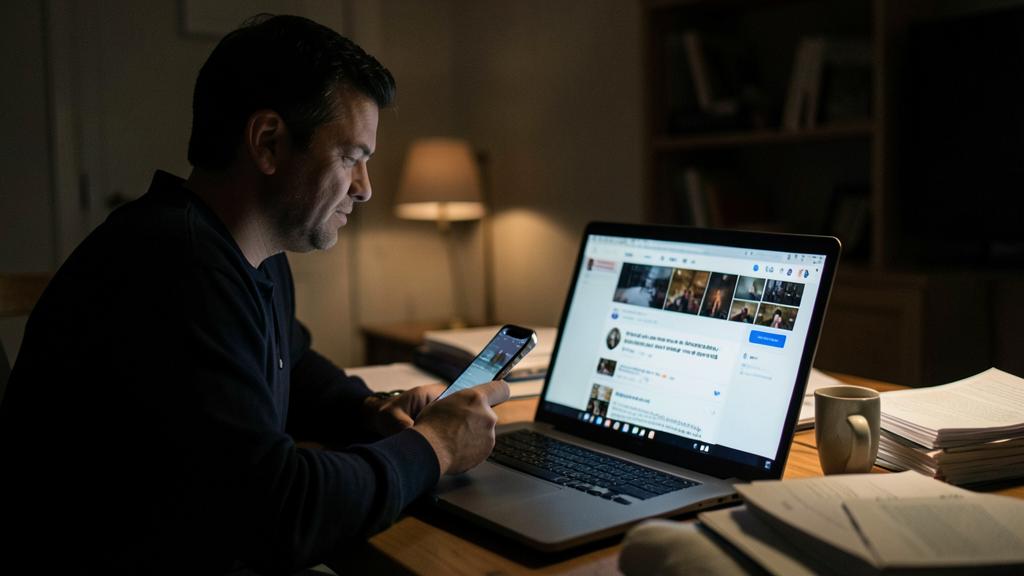
The right reflex. When faced with any online information—especially if it’s surprising, shocking, or a bit too comforting—don’t swallow it immediately: DOUBT before believing, and ask the right questions. First, VERIFY the SOURCE: who is the origin of this information? a reliable and recognized source (established media, official source, expert), or an unknown, dubious, anonymous site? Then, CROSS-CHECK: is the information confirmed by SEVERAL reliable and independent sources? a true piece of information is generally picked up by serious sources; information that only appears on an obscure site is suspicious. Be particularly wary of EMOTION: content that plays on fear, anger, or indignation often seeks to make you react WITHOUT thinking; if a piece of content makes you react strongly, that’s exactly when you need to be extra careful. Also verify the CONTEXT and DATE (a piece of information or image may be true but taken out of context, or old presented as recent), and beware of IMAGES and VIDEOS: they can be manipulated, faked, or generated by AI—increasingly credible; don’t take an image as proof, and don’t trust the “real” appearance of content. Finally, beware of the TOO GOOD or TOO SIMPLE: overly simplistic explanations of complex subjects, “exclusive” revelations, theories that explain “everything” are suspicious. A crucial reflex: DON’T SHARE without verifying—sharing false information, even in good faith, means participating in its spread; if in doubt, don’t share. Keep HUMILITY (we can all be fooled, no one is immune) and BALANCE: critical thinking isn’t rejecting everything or falling into conspiracy theories (which is another form of gullibility), it’s DISCERNMENT. On important subjects (health, decisions), rely on reliable sources and experts, not rumors. Doubt, verify the source, cross-check, beware of emotion and images, don’t share without verifying: these simple reflexes are your best protection in a world where truth and falsehood are intertwined, and where technologies make falsehood increasingly credible.

Discerning truth from falsehood, an essential skill
In a world saturated with information where falsehood is easy to produce and spread, knowing how to DISCERN truth from falsehood has become an essential skill, almost a hygiene of life. A few guidelines. CRITICAL THINKING, a key skill: you can’t verify everything or control the flow of information; protection comes from your own ability to doubt, evaluate, verify; it’s a skill that’s cultivated. BALANCE, not extremes: critical thinking is neither gullibility (believing everything) nor systematic rejection and conspiracy theories (questioning everything, no longer believing reliable sources—which is another form of manipulation); it’s the right DISCERNMENT; beware of both naivety and generalized mistrust. HUMILITY: no one is immune to being fooled; recognizing that you can be wrong helps you stay vigilant and correct your mistakes; arrogance (“I don’t get fooled”) is a trap. The RESPONSIBILITY not to spread: each person, by verifying before sharing, helps limit disinformation; it’s a simple civic duty. VIGILANCE against new threats: AI makes fake content more credible (images, videos, voices); you need to adapt your vigilance, no longer trust appearances. RELIANCE on reliable sources: on important subjects, rely on serious sources, experts, established media, rather than rumors; the reliability of sources matters. EDUCATION: transmitting critical thinking (especially to young people) is essential for the future; it’s a skill to cultivate collectively. In summary, online disinformation is a major issue of our time: fake news, rumors, misleading images, manipulated content spread massively, favored by the ease of publishing, emotion, and technologies (including AI) that make falsehood increasingly credible. Faced with this flood, CRITICAL THINKING is the essential skill and best protection: doubt before believing, verify the source, cross-check, beware of emotion, context, and images, distinguish fact and opinion, and don’t share without verifying—all with humility and balance (neither gullibility nor systematic rejection). Discerning truth from falsehood is no longer an intellectual luxury: it’s a necessity to avoid being fooled, manipulated, or contributing to confusion. In a world where truth and falsehood are intertwined, keeping your critical thinking protects your decisions, your money, your health, and the quality of public debate. It’s a skill that’s cultivated, both personally and collectively: by practicing and transmitting it, each person contributes to a healthier digital space. Faced with disinformation, your best defense isn’t a tool or a filter: it’s your own ability to reflect, doubt, and verify—critical thinking, more essential than ever.
Warning: don’t believe without verifying, don’t share without thinking, but don’t fall into the rejection of everything either. Key points. BELIEVING WITHOUT VERIFYING—the trap of gullibility: believing a piece of information at face value (because it’s surprising, shocking, or confirms your opinions) without verifying its source or cross-checking; that’s how disinformation thrives; doubt before believing, verify the source and cross-check, especially for important or surprising information; be particularly wary of content that plays on EMOTION (fear, anger, indignation), designed to make you react without thinking. SHARING WITHOUT THINKING—sharing false information, even in GOOD FAITH, means participating in its spread and fooling your loved ones in turn; never relay a piece of content without verifying it; if in doubt, don’t share; each person has the responsibility not to spread disinformation. THE REJECTION OF EVERYTHING (the other extreme)—be careful, critical thinking does NOT mean questioning everything, no longer believing anything, or falling into conspiracy theories (which question even reliable sources and see manipulation everywhere); it’s ANOTHER form of gullibility and manipulation; the systematic rejection of serious information is as dangerous as naivety; critical thinking is the right DISCERNMENT, between gullibility and generalized mistrust. Other traps: trusting the APPEARANCE of truth (fake content, especially generated by AI, is increasingly credible—faked images, videos, voices; don’t take an image or video as proof), ARROGANCE (“I don’t get fooled”—no one is immune; humility protects), confusing FACT and OPINION, and being trapped in a “bubble” that only confirms your beliefs (vary your sources). Disinformation is a major issue, and your best protection is your CRITICAL THINKING: doubt, verify, cross-check, beware of emotion and appearances, don’t share without verifying—with humility and balance. Neither believing everything naively nor rejecting everything out of mistrust: discern. In a world where falsehood is easy to produce and spread, this skill is no longer optional: it protects your decisions, your loved ones, and the quality of public debate. Cultivate it, practice it, and transmit it (especially to young people): it’s an individual and collective bulwark against manipulation.

Frequently asked questions
How to recognize false information online?
Several reflexes help. VERIFY the SOURCE: who is the origin of the information? a reliable and recognized source (established media, official source, expert), or an unknown, dubious, anonymous site? CROSS-CHECK: is the information confirmed by several reliable and independent sources? (a true piece of information is generally picked up by serious sources; information that only appears on an obscure site is suspicious). Beware of EMOTION: content that plays on fear, anger, or indignation often seeks to make you react without thinking. Verify the CONTEXT and DATE (a piece of information or image may be true but taken out of context, or old presented as recent). Beware of IMAGES and VIDEOS (manipulated, faked, or generated by AI—don’t take them as proof). Distinguish FACT and OPINION, and beware of the too-good-to-be-true, too-simple, or “exclusive” revelations. Common warning signs: dubious source, lack of cross-checking, strong emotional charge, errors, sensationalism, urgency to share. If in doubt, don’t believe and don’t share before verifying. Critical thinking—doubt, verify, cross-check—is your best tool for recognizing falsehood.
What is critical thinking, and why is it so important?
Critical thinking is the ability to EVALUATE a piece of information rather than believing or rejecting it outright: doubt, verify, cross-check, distinguish truth from falsehood, fact from opinion. It’s NOT systematic mistrust or rejection of everything: it’s DISCERNMENT, between gullibility and generalized mistrust. It has become essential because disinformation is a major issue of our time: fake news, rumors, misleading images spread massively and rapidly; everyone can publish (truth and falsehood are mixed); emotion favors falsehood; and technologies (including AI) make fake content increasingly credible. Faced with this flood, you can’t verify EVERYTHING or control it all: protection comes from your own ability to discern. Critical thinking protects your decisions (health, money, voting), prevents you from being fooled or manipulated, and stops you from spreading disinformation. It’s a skill that’s cultivated, with humility (no one is immune to being wrong) and balance (neither believing everything nor rejecting everything). In a world where falsehood is easy to produce and spread, critical thinking is no longer an intellectual luxury: it’s a necessity, an individual and collective bulwark against manipulation.

Does AI make disinformation more dangerous?
Yes, it makes it easier to produce and harder to detect, increasing the danger. Generative AI allows the creation of VERY credible fake content: convincing fake texts, realistic fake images, fake videos (where people seem to say or do things they never said or did), fake voices imitating someone. This content can be produced quickly, in large quantities, and is increasingly difficult to distinguish from truth. In concrete terms, this means you can no longer trust the “real” appearance of content: an image or video is no longer proof in itself. Faced with this, critical thinking becomes even more crucial: be extra careful, especially with surprising, shocking, or too-perfect content; verify the source and cross-check (a true piece of information is picked up by reliable sources); beware of isolated images and videos; and keep in mind that what you see or hear may be fabricated. This isn’t a reason to fall into generalized mistrust, but to adapt your vigilance to this new reality. Technology makes falsehood more credible; your best defense remains verifying sources and keeping your critical thinking, more necessary than ever.
What to remember
Online disinformation (fake news, rumors, misleading images and videos, manipulated content, dubious theories) is a MAJOR ISSUE of our time: it spreads massively and rapidly, everyone can publish (truth and falsehood are mixed), content that EVOKES EMOTION spreads faster (favoring falsehood), and technologies—including generative AI—make fake content increasingly CREDIBLE (fake texts, images, videos, voices). Its consequences are real: people deceived and manipulated, decisions made on false grounds (health, money, voting), fear, division, scams facilitated, general confusion. Faced with this flood that you can’t entirely verify or control, protection comes from a PERSONAL SKILL: CRITICAL THINKING. Protective reflexes: DOUBT before believing (especially with surprising, shocking, or too-comforting information); VERIFY the SOURCE (reliable and recognized, or dubious and anonymous?); CROSS-CHECK (confirmed by several reliable and independent sources?); beware of EMOTION (designed to make you react without thinking), the CONTEXT and DATE, and IMAGES and VIDEOS (manipulated or generated by AI—don’t take them as proof); distinguish FACT and OPINION; beware of the too-good-to-be-true or too-simple; and above all, DON’T SHARE without verifying (sharing false information, even in good faith, means spreading it). All with two safeguards: HUMILITY (no one is immune to being fooled—arrogance is a trap) and BALANCE (critical thinking is neither gullibility—believing everything—nor systematic rejection and conspiracy theories—questioning everything, which is another form of manipulation; it’s the right DISCERNMENT). On important subjects (health, decisions), rely on reliable sources and experts, not rumors; vary your sources to avoid being trapped in a “bubble.” Discerning truth from falsehood is no longer an intellectual luxury: in a world where falsehood is easy to produce and spread, it’s a NECESSITY to avoid being fooled, protect your decisions and loved ones, and preserve the quality of public debate. Critical thinking is a skill that’s cultivated and transmitted (especially to young people): by practicing it, each person protects THEMSELVES AND contributes to a healthier digital space. Faced with disinformation, your best defense isn’t a tool or a filter: it’s your own ability to reflect, doubt, and verify—critical thinking, more essential than ever.

Want to understand and master the technologies changing your daily life? Our training programs will enlighten you.
Leave a Reply
You must be logged in to post a comment.