
A birthday, a vacation, the birth of a baby, a family celebration: everyone takes photos, but they remain scattered on everyone’s phones, and you spend your time sending them one by one. Apple’s SHARED ALBUMS elegantly solve this problem: a shared album where everyone deposits their photos, which everyone can see, comment on, and save. All the photos from an event, gathered in one place, accessible to the whole family. Here’s how to create and use shared photo albums with family.
Shared albums: the principle
Let’s understand what shared albums are and why they are so practical. The PRINCIPLE: a shared album is a COMMON photo album, which you create and to which you INVITE other people; all invited people can SEE the photos in the album, and (depending on the settings) ADD their own photos, COMMENT on them, « like » them; the album is synchronized: when someone adds a photo, it appears for everyone. The PROBLEM it solves: during a family event, everyone takes photos on their phone; as a result, the photos are SCATTERED, no one has the complete collection, and you spend your time sending photos one by one (by message, which often degrades their quality and clutters conversations). The shared album BRINGS EVERYTHING TOGETHER: everyone deposits their photos in the shared album, and everyone has access to ALL the photos from the event, in one place; no more multiple sends. The PERFECT USES: a family event (wedding, birthday, baptism, party); a group vacation; following a baby (parents share photos with grandparents); a project or trip with friends; any occasion where several people want to share and gather photos. The ADVANTAGES: all photos gathered (everyone benefits from others’ photos); no quality degradation (unlike some message sends); the album does not CLUTTER your device’s storage in the same way as your personal photos (it is managed separately, in the cloud); interaction (comments, « likes ») creates a bond; and you can save the photos you want to keep. A PRECISION: shared albums are a feature of the Apple ecosystem; participants generally need an Apple device and an Apple account (with a few possibilities for sharing via link for others—we’ll come back to that). What to remember to get started: shared albums allow you to BRING TOGETHER in one place the photos from an event taken by several people, each being able to see and add; it’s the ideal solution to no longer scatter family memories and avoid tedious sends; perfect for moments that bring people together. Let’s see how to create and use such an album.
A shared album is like a digital photo box that everyone in your family can add pictures to. When someone adds a photo, it appears for everyone instantly. This way, all the photos from a family event are in one place instead of scattered across different phones. You can also comment on photos and save the ones you like.
Imagine a family vacation to the French Alps with 8 people. Each person takes 50 photos on their iPhone. Instead of sending them all to each other, you create a shared album called “Alps 2026”. Everyone adds their best 20 photos to the album. Now the whole family has access to 160 unique photos from the trip in one place, without anyone having to send anything manually.

Creating and managing a shared album
Here’s how to set up and manage a shared album, step by step. CHECK that the feature is ACTIVATED: in the Photos settings, make sure that « Shared Albums » are enabled (this is usually the case). CREATE the album: in the Photos app, Albums tab, tap « + » → « New Shared Album »; give it a name (for example « 2026 Vacation », « Grandpa’s Birthday »); then INVITE the people (by entering their contacts: they will receive an invitation to join the album). ADD photos: select the photos (and videos) to put in the album, and add them; they become visible to all participants. How OTHERS participate: invited people accept the invitation, then can see the album and (if you have allowed it) add their own photos, comment, like; everything synchronizes for everyone. The SETTINGS of the album: as the creator, you can manage the album—allow or not allow subscribers to ADD photos (or reserve the addition for yourself only); enable/disable comments; add or remove participants; and generate a PUBLIC LINK if you want to share the album with people who do not have an Apple device (they will be able to see it on the web). SAVE a photo from the album: any participant can SAVE in their own photo library a photo from the album that they like (to keep it even if the album is one day deleted). Receive NOTIFICATIONS: you can be notified when someone adds photos or comments; practical to follow the activity of the album (adjustable if it becomes too much). MANAGE multiple albums: create as many shared albums as events or groups; for example a permanent album « Family » to share regularly, and temporary albums per event. DELETE or LEAVE: the creator can delete the album; a participant can leave it; be careful, deleting the album removes it for everyone (hence the interest in saving the photos you want to keep). In summary: create a new shared album, name it, invite the family, add your photos, and let everyone contribute; manage the settings (who can add, comments, public link), and remember to save at home the photos you want to keep; it’s simple to set up and very practical to use.
The ideal shared album for the family: bringing everyone together around memories. Shared albums shine particularly for two family uses; here’s how to get the most out of them. ONE, the EVENT album: before a wedding, a birthday, a vacation, or a family party, create a shared album and invite all participants; during and after the event, everyone deposits THEIR photos; result, you get the COMPLETE collection of the event, seen from all angles by all guests — much richer than just your photos; everyone benefits from everyone’s photos, without having to send them one by one. This is particularly valuable for a wedding or a big party, where everyone captures different moments. TWO, the PERMANENT family album: create a lasting shared album with family members (for example parents and grandparents), and regularly deposit photos of the children, moments of everyday life; grandparents (even far away) see their grandchildren grow up in real time, can comment, « like »; it’s a wonderful intergenerational bond, much warmer and followed than an occasional send; and it avoids publishing photos of your children on public social networks (the shared album remains PRIVATE, among the invited people— a real plus for your children’s privacy). A few tips for a good family album: name it clearly; add the right people (those you really want to give access to); encourage everyone to contribute; occasionally save at home the best photos (to keep them even if the album evolves); and for your relatives less comfortable with technology (grandparents), help them accept the invitation and consult the album (once configured, it’s very simple for them: they open the album and see the photos—our guides help a relative with computers). Tip: for a relative without an Apple device, generate a LINK to the album (in the album settings), which they can consult on the web. Shared albums transform family photo sharing, often tedious and scattered, into a common, warm, and private experience: all memories gathered, accessible to those who matter, with respect for your privacy. It’s one of the most beautiful « social link » uses of the Apple ecosystem; take advantage of it to bring your family closer around your memories.
Good practices and privacy
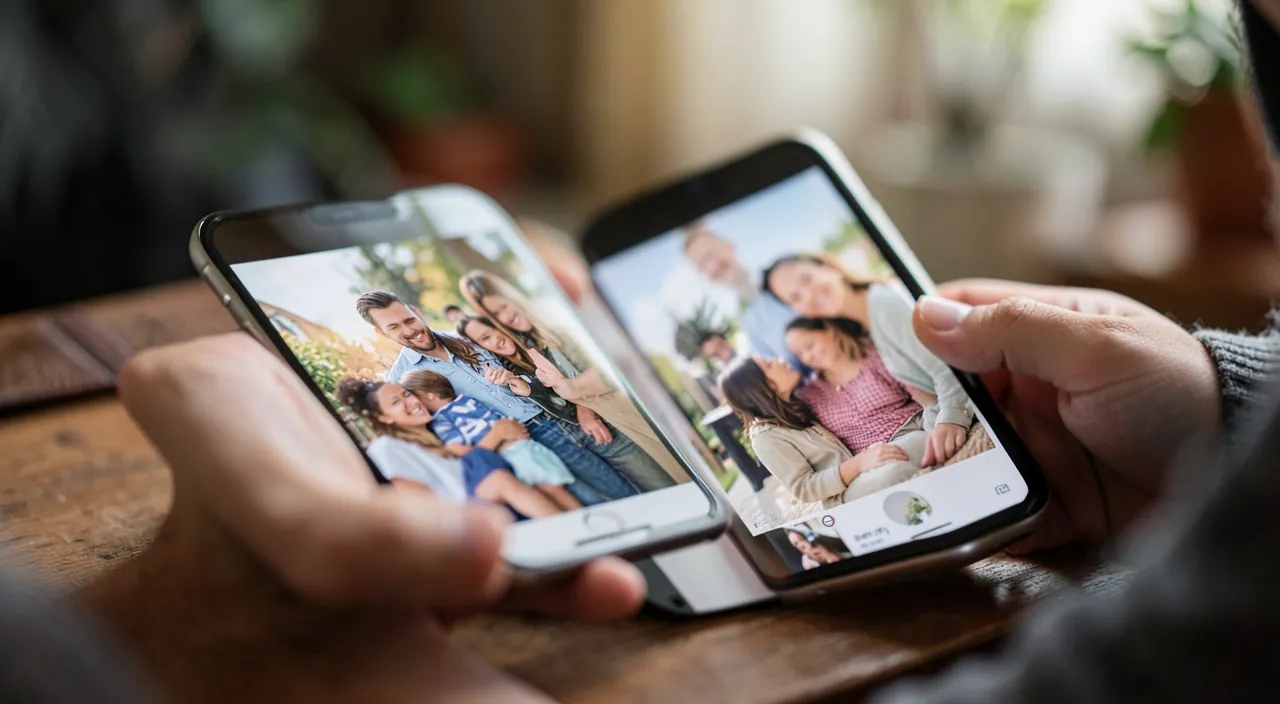
To enjoy shared albums peacefully, a few good practices and precautions. MANAGE who has ACCESS: a shared album is only visible to the people you INVITE (and those who have the public link, if you generate one); think about who you give access to; remove participants who should no longer be there. The PRIVACY of photos: shared albums are PRIVATE by nature (limited to invited people), which is an advantage over public social networks; but keep in mind that invited people CAN save and redistribute the photos; so only share in an album photos that you accept that these people see and keep; this is especially important for photos of CHILDREN or intimate ones: share them only with trusted relatives, not in an album too widely open. The PUBLIC LINK: if you generate a link to share the album with non-Apple users, ANYONE with this link can see the album; only share this link with the right people; deactivate it when it is no longer needed. Be careful with CHILDREN and consent: for photos of children (yours or others’), be attentive to who has access; and respect the wishes of other parents regarding photos of THEIR children. The QUALITY and storage: shared albums preserve good quality (better than some message sends), and do not occupy your storage in the same way as your personal photos; it’s practical. SAVE what you want to keep: the photos in the album are not automatically in YOUR photo library; if you want to keep certain photos (especially those added by others), SAVE them in your photo library; thus, even if the album is deleted one day, you keep them. The DELETION: if the creator deletes the album, it disappears for EVERYONE; hence the importance of saving at home the important photos; on the other hand, leaving an album only deletes it for you. The LIMITS: there may be limits (number of photos, size of videos); for very large volumes, you can create several albums. The FEATURE is Apple: participants generally need an Apple device and account (except via public link); for sharing between different ecosystems, other solutions exist (other photo sharing services). HELP your relatives: guide the less comfortable ones (grandparents) to accept the invitation and consult the album; once in place, it’s simple for them. In summary: carefully manage who has access (invitations, public link), share only photos that you accept to see redistributed (especially for children), save at home what you want to keep, and help your relatives participate; thus, shared albums remain a tool that is both practical, warm, and respectful of your privacy.
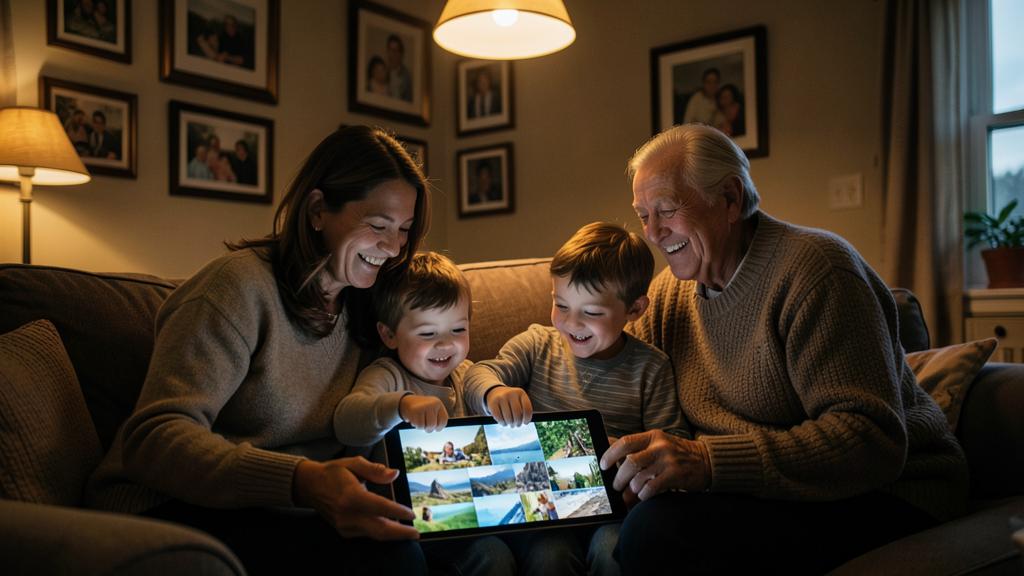
Warning: master who has access, and remember that participants can save the photos. Shared albums are private and practical, but a few precautions are necessary for your privacy and your memories. First, MASTER who has ACCESS: an album is only visible to the people you invite; only invite people you trust, and remove those who no longer have a reason to be there; think before adding someone, because they will have access to ALL the photos in the album. The PUBLIC LINK requires particular vigilance: if you generate a link to share the album with people without an Apple device, ANYONE with this link can see the album (it can be transferred); only share this link with the right people, and deactivate it once it is no longer needed; never publish it publicly. IMPORTANT POINT: people with access to the album can SAVE the photos to their own devices and redistribute them; once a photo is in a shared album, you no longer have total control over it (participants can keep it even if you remove it later); so only share in an album photos that you accept that these people see AND keep. This precaution is crucial for photos of CHILDREN and intimate photos: share them only with relatives of TOTAL trust, in a restricted album; and respect the privacy of children (yours and others’: ask the consent of other parents to share photos of their children). Don’t forget to SAVE at home the photos you want to KEEP: the photos in a shared album are not automatically in your personal photo library; if the creator DELETES the album, it disappears for everyone, and you would lose the photos you did not save (especially the beautiful photos added by others—irreplaceable memories!); take the habit of saving in your photo library the pictures that matter. Also, be careful not to confuse shared album and backup: a shared album is not a backup of your personal photos (our guides on how to back up your data). Finally, manage the NOTIFICATIONS if a very active album overwhelms you with alerts (adjust them without cutting them completely to not miss the news that interests you). By mastering access, by sharing only what you accept to see redistributed (especially for children), and by saving at home the photos to keep, you will enjoy shared albums with peace of mind: a warm and respectful sharing of your privacy and your memories.
Frequent questions
How to easily share photos with the whole family?
The ideal solution in the Apple universe is the SHARED ALBUM: much more practical than sending photos one by one. The principle: you create a shared album, you invite family members, and everyone can SEE the photos and (if you allow it) ADD theirs; everything synchronizes, so that the whole family accesses the same place to all the photos. How to do it: in the Photos app, Albums tab, tap « + » → « New Shared Album »; name it (for example « Family » or the name of an event); invite your relatives by entering their contacts; add your photos; they receive an invitation, accept it, and that’s it: everyone shares the album. The advantages over classic sends: all photos gathered (everyone benefits from others’ photos), no quality degradation, the album does not clutter your storage like your personal photos, and everyone can comment/like (a bond!); it’s also PRIVATE (limited to invited people), unlike public social networks. Two perfect uses: a permanent album « Family » to share regularly (grandparents see their grandchildren grow up), and temporary albums per event (wedding, vacation: everyone deposits their photos). For a relative WITHOUT an Apple device: you can generate a LINK to the album that they can consult on the web. Help relatives less comfortable (grandparents) to accept the invitation the first time; afterward, it’s very simple for them. In summary: to easily share with the whole family, create a shared album, invite everyone, and let everyone see and contribute; no more tedious sends, your memories are gathered and accessible to everyone who matters.
Do shared albums use a lot of storage?
No, and that’s one of their advantages: shared albums do not clutter your storage in the same way as your personal photos. The photos in a shared album are managed « separately » (in the cloud, on Apple’s side), and generally do not count in your personal storage space (that of your iPhone or your main iCloud space) like your photos in the photo library; you can therefore share and receive many photos in shared albums without saturating your device or your iCloud. This is practical for large events with many photos. That said, a few nuances: there may be LIMITS on shared albums (maximum number of photos per album, size or duration of videos); for very large volumes, you can create several albums. And above all, keep in mind an important distinction: if you SAVE a photo from a shared album in YOUR personal photo library (to keep it), then it counts in your personal storage; so only save at home the photos you really want to keep. This lightness of storage has a downside to know: as shared photos are not in your personal photo library, if the album is DELETED by its creator, you lose access to the photos you did not save at home; so remember to save the important photos in your photo library. In summary: shared albums are storage-friendly (they do not weigh on your device like your personal photos), which is ideal for sharing a lot; simply save in your photo library the photos you want to keep forever.
Can people without an iPhone see the album?
Yes, thanks to the PUBLIC LINK, even if shared albums are mainly designed for the Apple ecosystem. Normally, to FULLY PARTICIPATE in a shared album (see, add photos, comment directly in the Photos app), you need an Apple device and account. But to allow people WITHOUT an Apple device (Android, Windows users) to SEE the album, you can activate a PUBLIC LINK: in the shared album settings, enable the public website option; this generates a link that you send to these people; they will then be able to VIEW the album on the web (in a browser), see the photos, without needing an Apple device. However, be careful: via this link, they can see (and generally save) the photos, but cannot contribute like an Apple participant; and above all, anyone with the link can access the album—so be careful with the distribution of this link (only give it to the right people, and deactivate it when it is no longer needed). If you regularly need to share photos between Apple and non-Apple users in an interactive way, it may be more suitable to use a MULTIPLATFORM photo sharing service (there are several, independent of the ecosystem), which works the same way for everyone. But for simple sharing where non-Apple relatives just want to SEE the photos, Apple’s shared album public link works very well. In summary: yes, people without an iPhone can see a shared album via the public link (to be distributed carefully); for interactive participation between different ecosystems, a multiplatform service may be preferable.
What to remember
Apple’s shared albums solve the puzzle of scattered family photos: a COMMON album where everyone deposits their photos, which all guests can SEE, comment on, and save; all the photos from an event gathered in one place, without tedious one-by-one sends. PERFECT USES: an EVENT (wedding, birthday, vacation: everyone contributes, you get the complete collection seen by everyone), and a PERMANENT family album (grandparents see their grandchildren grow up, privately, away from public social networks). To CREATE: Photos app → Albums → « + » → « New Shared Album », name it, invite the family, add your photos; as the creator, manage the settings (who can add, comments, participants) and generate if necessary a PUBLIC LINK for relatives without an Apple device. ADVANTAGES: photos gathered and of good quality, low impact on your storage (shared albums do not weigh like your personal photos), warm interaction, and PRIVATE character (limited to invited people). PRIVACY PRECAUTIONS: master who has access (only invite people you trust, manage the public link carefully—anyone with it can see the album); remember that participants can SAVE and redistribute photos, so only share what you accept to see circulate—special attention to photos of CHILDREN and intimate ones (only trusted relatives, and respect the consent of other parents). CRUCIAL POINT: SAVE in your own photo library the photos you want to KEEP (those in the album are not automatically there; if the creator deletes the album, they disappear for everyone—don’t lose the beautiful photos added by others). A shared album is not a backup of your personal photos. Help your less comfortable relatives (grandparents) to accept the invitation the first time; afterward, it’s very simple. By mastering access, by sharing only what can be seen and kept, and by saving at home the memories to keep, shared albums become a wonderful tool to bring the family together around its photos—practical, warm, and respectful of your privacy.


Want to unlock the full potential of your iPhone, iPad, or Mac? Our Apple training courses will help you take the next step.
Leave a Reply
You must be logged in to post a comment.