
Can the small camera on top of your laptop or phone be used to spy on you without your knowledge? This concern, popularized by celebrities who cover their webcams, is not entirely unfounded: in rare cases, malware can activate a camera without you knowing. But you should neither panic nor fall into paranoia: the risk is low for normal use, and simple protections exist. Here is the truth about webcam spying, the real risks, and the concrete steps to protect your privacy.
The risk of webcam spying: myth or reality?
Let’s take stock, without catastrophism or naivety. The risk EXISTS, but it is LIMITED: yes, in some cases, malware installed on a device can technically activate the camera without you knowing; this is not science fiction. BUT it is not a daily risk for everyone: for this to happen, malware usually has to be installed on your device (through an infection, a malicious attachment, or a dubious software); on a healthy and up-to-date device, the risk is low. What makes spying POSSIBLE: malware (a « spy ») that, once installed, can access the camera; sometimes, scammers obtain access to blackmail. The protections that ALREADY EXIST: modern systems protect the camera; on many devices, an INDICATOR light turns on when the camera is active (a visual signal), and applications must ask for PERMISSION to access the camera; these protections limit abusive uses. The REAL risks to know: beyond the fantasy of the hidden spy, real risks include: malware (rare but possible); BLACKMAIL (« sextortion »: scammers claim to have filmed you to extort money from you — often a BLUFF, see below); applications with abusive permissions; and, for connected objects (surveillance cameras, baby monitors), poorly secured devices that can be hacked. What you should RELATIVIZE: for normal use, with a healthy device and good reflexes, the risk of being spied on by your webcam is low; paranoia is not justified; but basic caution is reasonable, all the more so as protection is simple. What is the point of understanding? To avoid PANICKING unnecessarily; to know the REAL risks; and to adopt simple and proportionate protections. The main idea: webcam spying is a REAL but LIMITED risk: technically possible via malware, but unlikely on a healthy, up-to-date, and well-used device. You should neither panic (paranoia is not justified) nor ignore the subject. Protections are simple: keep your device healthy (security, updates), control application permissions, and, for the most cautious, a physical webcam cover — the radical and infallible solution. Also beware of « webcam blackmail » scams, often bluffs. Proportionate caution, without anxiety: that’s the right attitude.
Webcam spying is possible but rare. It requires malware to be installed on your device first. On a well-maintained device, the risk is very low. Modern devices have protections like indicator lights and permission requests. The real danger is usually blackmail scams, which are almost always bluffs.
In 2023, a user received a blackmail email claiming their webcam was hacked. The message included one of their old passwords (from a data breach) and demanded $500 in cryptocurrency. The user ignored it, changed their password, and reported the email. No video was ever sent, confirming it was a scam.

How to protect your webcam and privacy
Here are the concrete steps to protect yourself, from the simplest to the most advanced. THE PHYSICAL WEBCAM COVER: the radical protection — for the computer, the simplest and INFALLIBLE solution is a small physical cover (a sliding shutter, a sticker) that masks the camera when you are not using it; no software can see through a physical cover; it’s absolute peace of mind, for a few euros or even with a piece of tape. Keep your device HEALTHY — the main protection against spying: avoid malware; keep your system and software UP TO DATE (updates fix vulnerabilities), only install software you TRUST, be wary of suspicious attachments and links, and keep a security tool active (our guides verify an application before installing it). Control CAMERA PERMISSIONS — in your device’s privacy settings, check which applications have permission to access the CAMERA; remove this access from applications that don’t need it; only grant permission to legitimate applications that have a real use for it (our guides on who can access your microphone and camera). Spot the INDICATOR LIGHT — many devices light up an indicator when the camera is active; if this light turns on when you are not using the camera, it’s a warning sign; be attentive to it. For the PHONE — same logic: keep it healthy, control camera permissions for applications, be wary of suspicious applications; the physical cover is less practical on a phone, but controlling permissions is effective. For CONNECTED OBJECTS with cameras — surveillance cameras, connected baby monitors must be well SECURED: change their default password, update them, as poorly secured devices can be hacked (our guides on securing connected objects). Do NOT give in to blackmail — if you receive a message claiming to have filmed you through your webcam and demanding money, it’s almost always a BLUFF (see precautions); do not pay, do not respond. Stay PROPORTIONATE — adopt these protections without anxiety: the webcam cover and good security reflexes are enough; no need to live in fear. A few TIPS: the physical cover is the ultimate protection for the computer; keep the device healthy (the essential); and control permissions. In summary: for the computer, a physical webcam cover offers infallible protection; keep your device healthy (updates, trusted software, caution with attachments); control camera permissions for applications; be attentive to the indicator light; secure your connected objects with cameras; do not give in to blackmail; and stay proportionate. These simple steps effectively protect your privacy.
The right reflex. If the idea of being watched by your webcam concerns you, there is a solution of disarming simplicity and totally INFALLIBLE for the computer: the physical webcam cover. A small sliding shutter to stick on the camera (you can find them for a few euros), or even a simple piece of tape or sticker, and the problem is solved once and for all: no software, no hacker, no matter how sophisticated, can see through a physical cover. You open it when you have a video conference, you close it the rest of the time: absolute peace of mind. This is exactly what security professionals and high-profile celebrities do; it’s not paranoia, but common sense at a low cost. Beyond this cover, the real fundamental protection, valid for the webcam as for everything else, is to keep your device HEALTHY: because spying via the camera almost always assumes that malware has been installed on your device. To avoid this, apply the basics: keep your system and software UP TO DATE (updates fix vulnerabilities that malware exploits), only install software and applications you TRUST (from official sources), be wary of attachments and suspicious links (the classic entry point for infections), and keep a security tool active. A healthy device is a difficult device to spy on. Third reflex: control CAMERA PERMISSIONS. In your device’s privacy settings, you can see which applications have the right to access the camera; remove this access from all those that do not have an obvious need for it, and be wary of an application that would request the camera without a legitimate reason. Finally, stay attentive to the small INDICATOR LIGHT that turns on, on many devices, when the camera is active: if it turns on when you are not using the camera, this deserves investigation. A physical cover for absolute peace of mind on the computer, a device kept healthy against malware, and controlled camera permissions: with these three proportionate and anxiety-free reflexes, you effectively protect your privacy, without having to live in fear.

Webcam blackmail and the right reflexes
One very common aspect of the subject deserves special attention: BLACKMAIL via the webcam, as it affects many people and often relies on bluffing. The « sextortion » scam: you receive a message (often by email) claiming that a hacker has taken control of your webcam, FILMED you in an intimate situation, and threatens to share the video with your contacts if you do not pay (often in cryptocurrency); the message may seem credible, sometimes by displaying one of your passwords (recovered from a data leak) to scare you. THE TRUTH: in the vast majority of cases, it’s a BLUFF; the hacker has NO VIDEO; they send this message in bulk to thousands of people, hoping that some, panicked and possibly feeling guilty, will pay; the displayed password, if there is one, comes from a public data leak, not from a hack of your webcam. How to REACT to this blackmail: do NOT PANIC; never PAY (paying confirms that you are a target and stops nothing); do NOT RESPOND; delete the message; if one of your passwords is displayed, CHANGE it (it has leaked) and do not reuse it elsewhere; you can report the scam. The REAL blackmail (rare): in rare cases, blackmail with an image can be real (for example after a manipulation where the victim was tricked into revealing themselves in front of their camera during a fake exchange); in these serious cases, do not pay either (this does not stop blackmailers), cut off contact, keep evidence, and get help (authorities, associations); do not stay alone. Other REAL risks: let’s recall the real risks (beyond the bluff): malware (rare, avoidable with security), poorly secured connected objects (to protect), applications with abusive permissions (to control). Do NOT FEEL GUILTY: webcam blackmail plays on shame and fear; victims should not feel guilty or pay; talking about it and reporting it is the right approach. PROTECT your loved ones: inform your entourage, especially young people (often targeted), about the existence of these scams and the rule: never pay, talk about it. In summary: webcam blackmail is most often a BLUFF (the hacker has no video); do not panic, never pay, do not respond, change a possible displayed password, and report; for real blackmail (rare), do not pay either and get help; and inform your loved ones, especially young people. Fear is the weapon of blackmailers: do not give it to them.
Warning: « webcam blackmail » is almost always a BLUFF — never pay, do not panic. This is the most important point to know about this subject, as this scam affects a very large number of people and cleverly plays on fear and shame. The scenario: you receive a message (usually by email) stating that a hacker has taken control of your webcam, FILMED you in an intimate or embarrassing situation, and threatens to share this video with all your contacts if you do not pay a sum of money, often in cryptocurrency, within a few days. To scare you and appear credible, the message sometimes displays one of YOUR passwords. Panic sets in, you feel trapped, you are tempted to pay to make it stop. DO NOT DO IT. Here is the truth: in the vast majority of cases, it’s pure BLUFF. The hacker has NO VIDEO of you, has never accessed your webcam: they send this identical message, in bulk, to thousands of people randomly, betting that a small fraction, panicked, will pay. The displayed password, when there is one, proves nothing about your webcam: it simply comes from a PUBLIC DATA LEAK (a site where you were registered was hacked), and the scammer uses it to make you believe they know you. The right reaction is therefore firm and simple: do NOT PANIC, never PAY (paying only indicates that you are a target who gives in, and stops nothing; there is nothing to « stop » anyway), do NOT RESPOND to the message, and delete it. If one of your passwords is displayed, CHANGE it (as it has indeed leaked), and especially do not reuse it elsewhere. You can report the scam via the designated channels. Do NOT FEEL GUILTY and do not be ashamed: these messages are designed to manipulate you through fear, and receiving it does not mean you have been filmed at all. In very rare cases, blackmail with an image can be real (if someone was tricked into revealing themselves during a fake live exchange); in this case, do not pay (this never stops blackmailers), cut off contact, keep evidence, and get help from the authorities or an association; do not stay alone. Finally, protect your LOVED ONES, especially young people, often targeted by these scams: explain to them that they should never pay, not panic, and talk to a trusted adult. Fear is the only weapon of blackmailers: by refusing to give it to them, you completely disarm them.

Frequently asked questions
Can someone really spy on me through my webcam?
Technically, it’s POSSIBLE in some cases, but in practice, the risk remains LOW for normal use: the truth lies between paranoia and naivety. Let’s look at this honestly. Yes, it is technically possible for malware, once installed on a device, to activate the camera without the user’s knowledge; this is not science fiction, it can happen. BUT — and this is essential — for this to occur, malware usually has to have successfully installed on your device, which assumes an infection (via a malicious attachment, a dubious software, a malicious link). On a HEALTHY, up-to-date device, and used with good reflexes, this risk is low. In addition, modern devices offer protections: on many computers, an INDICATOR LIGHT turns on when the camera is active (a visible signal that would betray spying), and applications must ASK for permission to access the camera; these mechanisms limit abusive uses. You should therefore neither panic (everyone’s webcam is not constantly being spied on, it’s a fantasy), nor completely ignore the subject (the risk, although low, exists). The right attitude is PROPORTIONATE caution. To protect yourself: the most radical and infallible solution for the computer is a PHYSICAL COVER on the camera (no software can see through it); it’s simple, inexpensive, and definitive. Beyond that, keep your device healthy (updates, trusted software, caution with attachments), control camera permissions for applications, and be attentive to the indicator light. With these steps, the risk becomes negligible. In summary, can someone spy on you through your webcam? In theory yes, via malware; in practice, it’s unlikely on a well-protected device, and a simple physical cover completely eliminates the risk. Neither paranoia nor negligence: common sense caution is enough to put your mind at ease.
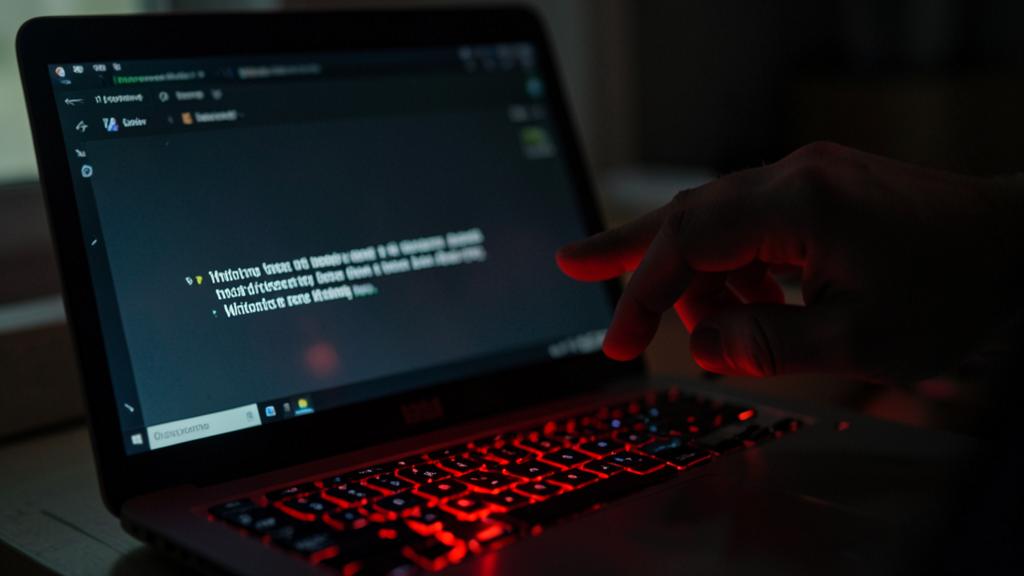
Is the webcam cover really useful?
Yes, the webcam cover is a simple, inexpensive, and perfectly useful accessory: it is the most RADICAL and most reliable protection against any visual spying via the camera of your computer. Its principle is unbeatable: it’s a PHYSICAL barrier. No malware, no hacker, no matter how sophisticated, can see through a piece of plastic or tape that covers the lens; whereas software protections can theoretically be bypassed by spyware, a physical cover offers absolute certainty. In practice, it is usually a small sliding shutter that you stick on the edge of the screen, at the level of the camera: you slide it to open the camera when you need it (video conference, video call), and you close it the rest of the time. It only costs a few euros, and a simple piece of opaque tape or a sticker can do the trick at a lower cost. Is this paranoia? No: many IT security professionals and high-profile personalities cover their webcam out of common sense; it’s a proportionate precaution, without anxiety, that guarantees you that even in the worst case (device infected without your knowledge), no one can observe you. The webcam cover is therefore particularly recommended for COMPUTERS (laptops and desktops with cameras), where it is easy to install and where the camera is used occasionally. On a PHONE, it’s less practical (the camera is often used, and there are several of them); there, the best protection is rather controlling permissions and a healthy device. Note that the cover protects the view, but not the MICROPHONE: for sound privacy, protection comes from permissions and a healthy device. In summary, yes, the webcam cover is really useful: it’s the simplest and most infallible visual protection for the computer, at a negligible cost; adopting it is not excessive, it’s common sense that offers you total peace of mind, in addition to a well-secured device.

I received an email saying I was filmed through my webcam, what should I do?
Do not panic, do not pay anything: in the vast majority of cases, this message is a BLUFF, and you were NOT filmed. This is the so-called « sextortion » scam, very common, and it is essential to recognize it to avoid falling into the trap. The message claims that a hacker has taken control of your webcam, filmed you in an intimate situation, and threatens to share the video with your contacts if you do not pay a ransom (often in cryptocurrency). To scare you, it sometimes displays one of your old passwords. The truth: the hacker has NO VIDEO. They send this identical message, blindly, to thousands of people, hoping that a few, panicked and possibly feeling guilty, will pay; it’s pure mass manipulation. The displayed password, if there is one, does not come from a hack of your webcam but from a PUBLIC DATA LEAK (a site where you were registered was hacked), and the scammer uses it to make you believe they know you. What to DO: 1) do NOT PANIC; 2) never PAY (paying only indicates that you are a target who gives in, and stops nothing, since there is nothing to stop); 3) do NOT RESPOND to the message and do not click on any link; 4) delete the message; 5) if one of your passwords is displayed, CHANGE it (it has indeed leaked) and do not reuse it anywhere; 6) you can report the scam via official channels. Do NOT FEEL GUILTY at all: receiving this message does not mean you have been filmed at all; it only plays on fear and shame to manipulate you. If you are very worried despite everything, know that a webcam cover and a healthy device protect you; but above all, do not give in to blackmail. Finally, warn your LOVED ONES, especially young people (often targeted): the rule is simple — never pay, do not panic, and talk about it. In summary, in response to this webcam blackmail email: it’s almost always a bluff; do not pay, do not respond, change a possible exposed password, report and delete; the hacker’s only weapon is fear, do not give it to them.
What to remember
Webcam spying is a REAL but LIMITED risk: technically, malware installed on a device can activate the camera without the user’s knowledge, but on a healthy, up-to-date, and well-used device, this risk is low. You should therefore neither panic (everyone’s webcam is not constantly being spied on), nor ignore the subject. Modern devices do offer protections: an indicator light that turns on when the camera is active, and permissions to grant to applications. To protect yourself effectively and without anxiety: the most RADICAL and infallible solution for the computer is a PHYSICAL WEBCAM COVER (a shutter or a piece of tape; no software can see through it), at a negligible cost — this is not paranoia, but common sense. Beyond that, keep your device HEALTHY (updates, trusted software, caution with attachments and suspicious links, active security tool), because spying almost always assumes a prior infection; control CAMERA PERMISSIONS for applications (remove access from those that do not need it); be attentive to the indicator light; and secure your connected objects with cameras (surveillance cameras, baby monitors: changed password, updates). But remember especially the most common aspect of the subject: BLACKMAIL via the webcam (« sextortion »). These messages claiming to have filmed you and demanding a ransom are almost always a BLUFF: the hacker has no video, they send this message in bulk blindly; a displayed password comes from a public leak, not from your webcam. Do NOT PANIC, never PAY, do not respond, change a possible exposed password, and report. Do not feel guilty: these scams play on fear and shame. And protect your loved ones, especially young people, by passing on the rule: never pay, do not panic, talk about it. By adopting PROPORTIONATE caution — a webcam cover for peace of mind, a healthy device, controlled permissions, and a categorical refusal of blackmail — you effectively protect your privacy without living in fear. The real risk is mastered by simple steps; the imagined risk dissipates through knowledge. Neither paranoia nor negligence: common sense.
Doubts about your security, a device to check or clean up? Our assistance service guides you step by step.
Leave a Reply
You must be logged in to post a comment.