
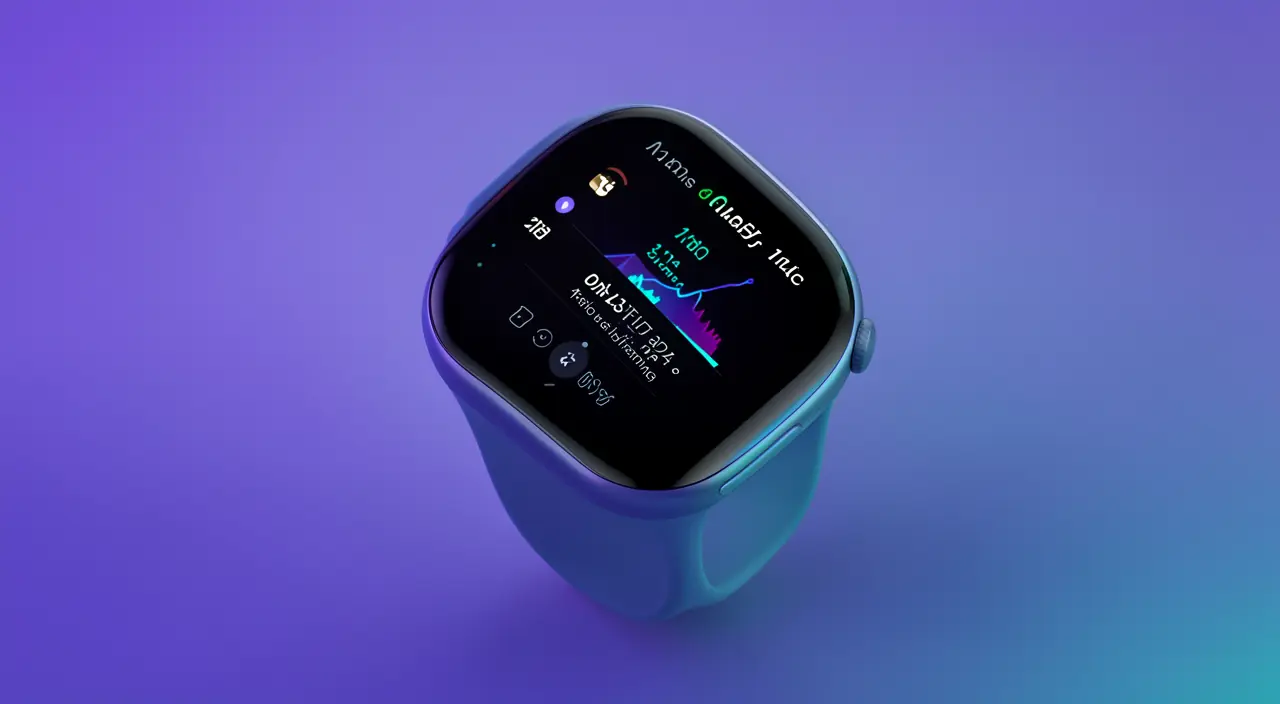
The Apple Watch is much more than a smartwatch: it’s a true health companion on your wrist. Activity, sleep, heart rate tracking, alerts in case of anomalies: its health features are impressive but often underused. When used well, it can help you move more, sleep better, and stay mindful of your well-being. This guide shows you how to make the most of its health potential every day.
Comprehensive daily tracking
The Apple Watch continuously measures numerous indicators: your movements, heart rate, calories, and standing hours. These data, gathered in the Health app, provide an accurate picture of your activity. The value isn’t in the numbers themselves, but in the awareness they enable: you often realize you move less than you thought, which motivates change.
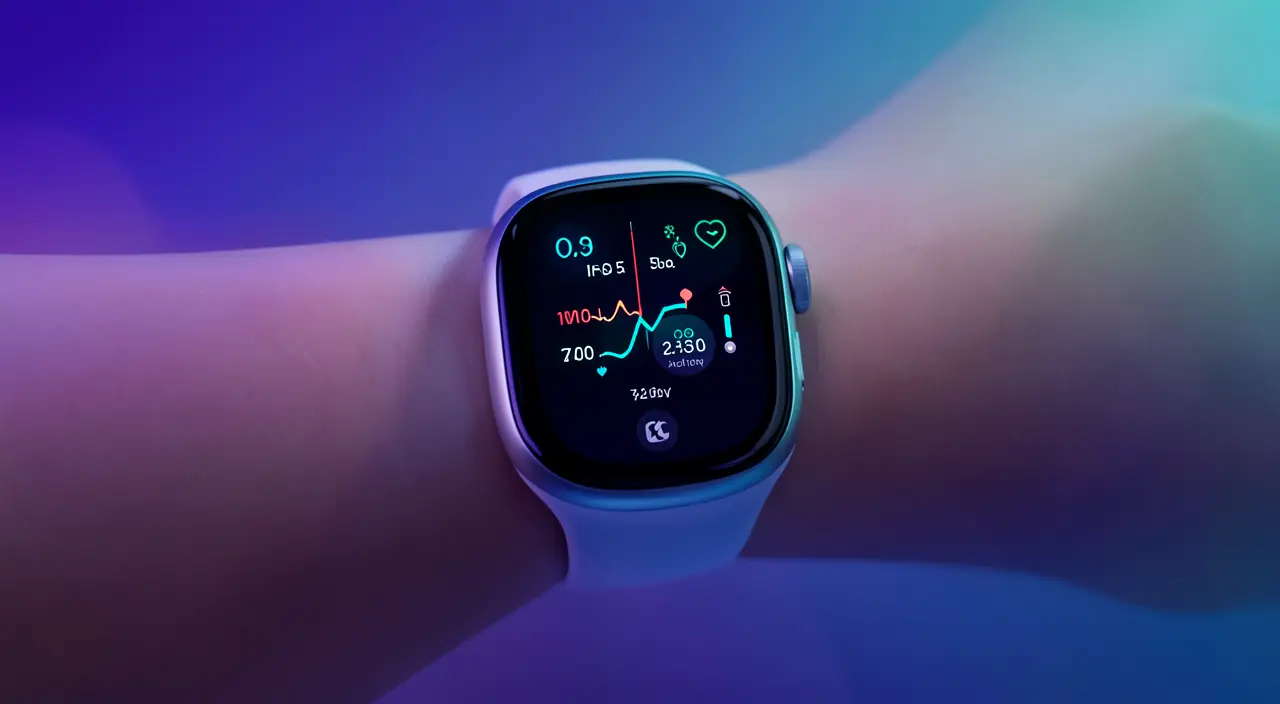
The Apple Watch helps you see how much you really move, which can push you to be more active without feeling like a chore.
A 35-year-old office worker notices their Apple Watch shows only 2,000 steps per day. By setting a 7,000-step goal, they start taking short walks after lunch and see their energy levels improve within weeks.
Activity rings, a powerful motivator
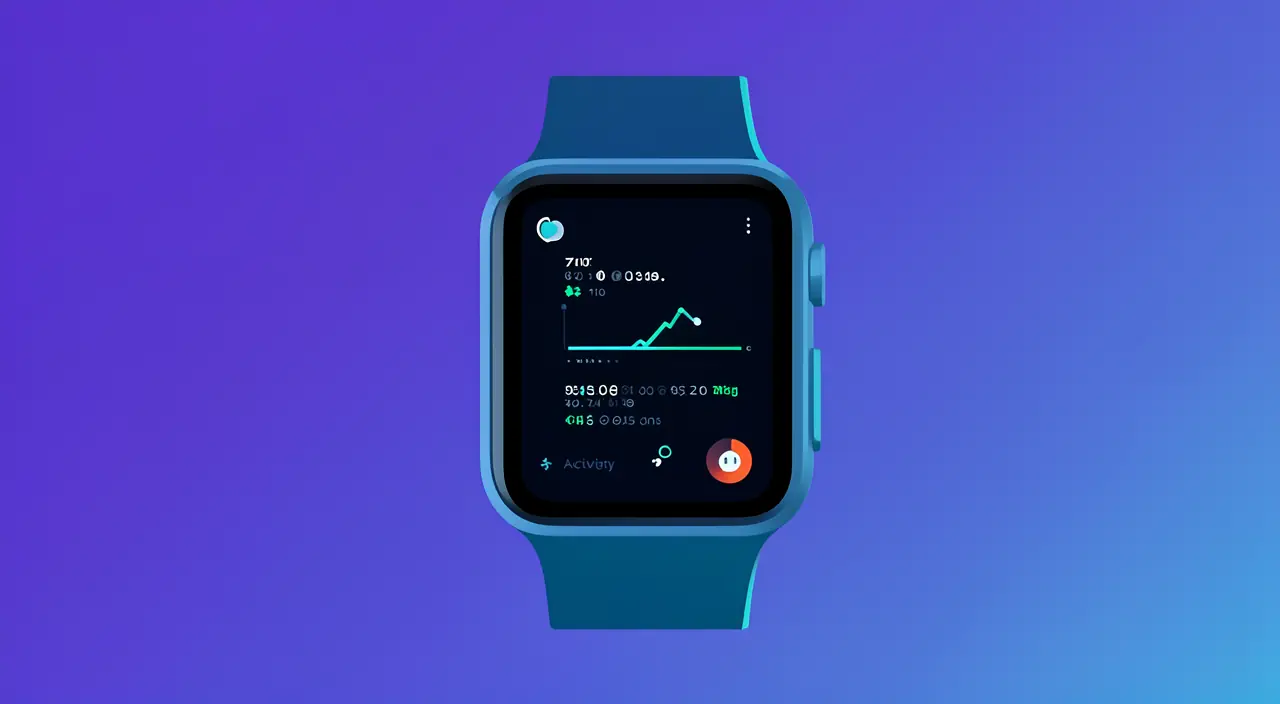
The activity rings system—move, exercise, stand—turns exercise into a game. Completing your rings every day becomes a fun and motivating goal. This gamification, seemingly trivial, is surprisingly effective in anchoring lasting habits: you walk a little more, take the stairs, and get up regularly. Small gestures that, when combined, truly improve health.
The right reflex. Set realistic and progressive activity goals rather than overly ambitious ones. Rings that are regularly completed maintain motivation; unattainable goals discourage. Consistency matters more than intensity for building lasting habits.
Sleep and heart monitoring
Beyond activity, the Apple Watch monitors your sleep, helping you understand and improve your nighttime habits. It also tracks your heart rate and can alert you to abnormally high or low resting values. While these features don’t replace medical advice, they provide valuable vigilance and have, in some cases, helped detect anomalies warranting a consultation.
Reassuring safety features
The Apple Watch includes useful safety features: fall detection, emergency calling, and location sharing. For an elderly person, athlete, or someone living alone, these features provide real peace of mind for both themselves and their loved ones. They remain discreet in daily life but can make a difference in a critical situation.
Keep in mind. The Apple Watch is a wellness tool, not a medical device. Its measurements are indicative and never replace professional advice. If you experience symptoms or concerns, consult a doctor: never rely solely on the watch’s data for health decisions.
Frequently asked questions
Are the measurements reliable?
They are of good quality for general use and trend tracking but remain indicative. For a diagnosis, only a healthcare professional is authoritative.
Should you wear it at night?
Yes, for sleep tracking. Make sure to charge it at another time of the day, for example, during your morning routine.
Key takeaways
The Apple Watch is an excellent daily health companion: activity, sleep, and heart monitoring, plus reassuring safety features. Its true power lies in the awareness and motivation it generates, especially through activity rings. Set realistic goals, use sleep tracking, and take advantage of safety features. Just remember that it supports your well-being without ever replacing a healthcare professional’s advice.
Want to discover the best health apps?
Leave a Reply
You must be logged in to post a comment.