
Opening your site to other languages is opening your business to new markets. A multilingual site reaches a much wider audience, inspires confidence in an international clientele, and can significantly expand your opportunities. But translating a site is not something you can improvise: done poorly, it harms your image and your search rankings. Here’s how to approach multilingualism effectively.
Why go multilingual
Internet users prefer to browse and shop in their own language. Offering your site in multiple languages removes a major barrier and makes you accessible to customers you would never have reached otherwise. For an international-facing business, tourism, exports, or a border region, multilingualism is not a luxury: it’s a direct growth driver.

More than just a simple translation
A successful multilingual site does more than translate word for word. You need to adapt the tone, cultural references, sometimes the images, and think about the user experience in each language. A raw machine translation, full of errors, will drive users away; a carefully adapted version inspires confidence. The quality of the language is directly associated, in the visitor’s mind, with the professionalism of your business.

The right reflex. Use machine translation as a starting point, but always have it reviewed by a native speaker, especially for key pages. This combination offers the best balance between cost, speed, and quality — essential for your credibility.

Technical aspects not to neglect
A well-built multilingual site allows each visitor to easily access their language via a clear selector and helps Google understand which version to display based on the user’s location. A clean structure prevents different versions from « competing » in search results. These technical aspects, invisible to the visitor, are crucial for international SEO.
Starting smart
There’s no need to translate everything at once. Start with the most strategic languages for your business and the most important pages. You can then expand based on results. This progressive approach limits costs and allows you to learn what works with each audience.
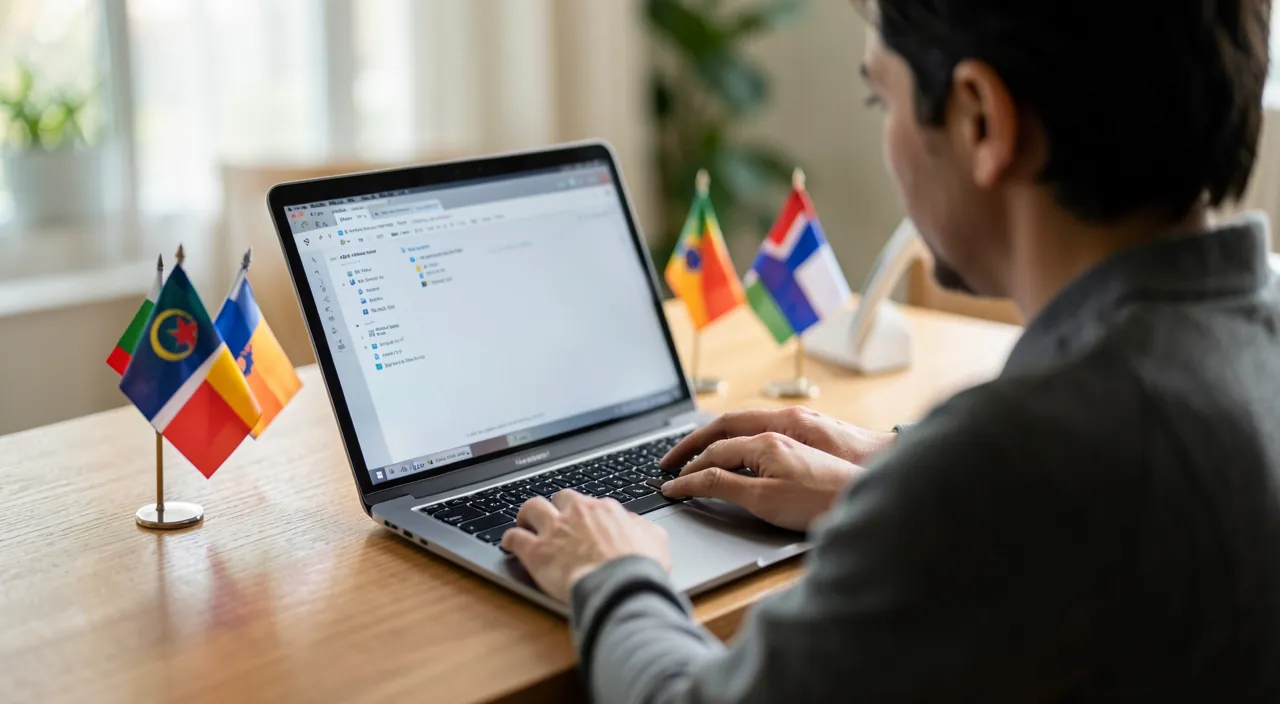
To avoid. Never publish a raw machine translation on key pages thinking you’re « saving money. » Poor language betrays a lack of professionalism and can cost you far more in lost customers than a careful review. Linguistic quality is an investment, not an expense.
Frequently asked questions
Should you have a separate site for each language?
No, generally a single well-structured site handles multiple languages. It’s easier to maintain and more effective for SEO.

Should all pages be translated?
Ideally, start with the most important ones. A partial but well-done translation is better than a rushed full translation.
Key takeaways
A multilingual site opens your business to new markets and inspires confidence in an international clientele — provided it’s well done. The key: high-quality adaptation (not a raw machine translation), a clean technical structure for SEO, and a progressive approach focused on your strategic languages. Done right, multilingualism is a powerful growth driver; done poorly, it harms your image. Invest in language quality: your credibility is at stake.


Planning a multilingual site to reach an international audience?
A multilingual site isn’t just about translating words. It’s about making your content feel natural in each language, so people trust your business. Bad translations make you look unprofessional, while good ones help you grow.
A French e-commerce site adds a Spanish version. Instead of just using machine translation, they hire a native Spanish speaker to adapt the product descriptions, payment instructions, and customer service pages. Sales from Spanish-speaking countries increase by 30% in the first three months.
Leave a Reply
You must be logged in to post a comment.