
Where does your money go each month? Many people don’t know, and they’re often surprised at the end of the month. Budget and expense-tracking apps help you see clearly: they record your spending, categorize it, show where your money goes, and help you set and stick to a budget. Result: less stress, more control, and often savings. No need to be a finance expert: these apps make tracking accessible to everyone. Here’s how to track your budget and expenses with an app, simply and effectively.
Why track your budget?
Understanding the benefits of tracking motivates you to get started. The COMMON PROBLEM: many people only have a vague idea of where their money goes; « invisible » expenses (daily small purchases, forgotten subscriptions, outings) add up; you realize at the end of the month that there’s little left, without knowing why; this is a source of stress and a feeling of not being in control. What TRACKING brings: CLARITY (seeing exactly where your money goes, by category: housing, food, transportation, leisure, subscriptions…); awareness (identifying spending categories that cost more than you thought, unnecessary expenses, forgotten subscriptions); CONTROL (setting a budget and sticking to it; anticipating; avoiding unpleasant surprises); SAVINGS (by seeing where you spend, you easily spot where to cut back; the mere act of tracking tends to moderate spending); SERENITY (less financial stress when you know where you stand and have a plan); and the achievement of PROJECTS (saving for a goal becomes concrete when you track your budget). What an APP brings compared to paper/spreadsheets: EASE (record an expense in a few seconds, anywhere), automatic CATEGORIZATION (by category), GRAPHS and summaries (visualize at a glance), reminders and alerts (budget overruns), sometimes CONNECTION with your bank (automatic import of transactions—see later, with caution), and tracking OVER TIME (month-by-month evolution). FOR WHO? For everyone: those who want clarity, to save, to save for a project, to get out of financial stress, or simply to manage better; no need to be an expert: apps make this accessible. TYPES of apps: some simple (manually entering expenses by category), others connected to your bank (automatic import of transactions), others focused on budget/savings, others on shared expenses (roommates, couples); choose according to your needs and comfort (especially regarding bank connection). What to remember to get started: tracking your budget with an app means seeing clearly where your money goes, becoming aware of your spending, setting and sticking to a budget, saving, and gaining financial serenity; it’s accessible to everyone, not just experts; tracking itself is the first step toward control. Let’s see how to proceed.
Effectively tracking your budget with an app
Here’s how to use a budget app effectively, without it becoming a chore. CHOOSE an app that suits you: according to your needs and comfort—a SIMPLE manual entry app (you enter your expenses), or an app CONNECTED to your bank (automatic import of transactions, more practical but raises trust issues—see later); start simple if you’re a beginner. RECORD your expenses: either manually (enter each expense: amount, category; the app is designed to be quick, in a few seconds); or automatically (if the app is connected to your bank, transactions are imported automatically; you categorize them). CATEGORIZE: classify your expenses by category (housing, food, transportation, leisure, health, subscriptions…); this is what shows you where your money goes; apps offer categories, customizable. SET a BUDGET: define a budget per category or overall (how much you want not to exceed); the app shows you where you stand and alerts you in case of overrun; it’s the control tool. CHECK the SUMMARIES: regularly look at the graphs and summaries: breakdown of your expenses, evolution, comparison with the budget; this is where you become aware and decide to adjust. IDENTIFY areas to reduce: tracking often reveals surprises (a higher-than-expected category, forgotten subscriptions, small purchases that add up); target what you can reduce. TRACK SUBSCRIPTIONS: recurring subscriptions (streaming, apps, services) are « silent leaks »; tracking helps you spot those you no longer use and cancel them; a frequent source of savings. BE REGULAR (the secret): as with any tracking, REGULARITY makes it effective; record your expenses regularly (as you go, or by reviewing each week); an app abandoned after three days is useless; make it a habit, keep it simple. STAY SIMPLE: don’t complicate things; a basic but MAINTAINED tracking is better than a complicated system abandoned; start with the essentials (major categories), refine later if you want. SET GOALS: save for a project, reduce a category; concrete goals motivate. ADAPT over time: your budget evolves; adjust; tracking is a living tool. In summary: choose an app that suits you (simple for beginners; connected to the bank with caution), record and categorize your expenses, set a budget, check the summaries (to see where your money goes and become aware), track unnecessary subscriptions, and above all be REGULAR and STAY SIMPLE; tracking maintained over time is what helps you gain clarity, control, and savings.
Tracking your budget helps you see exactly where your money goes. When you see your spending broken down by category, you often realize you’re spending more than you thought on certain things. This awareness alone can help you spend less. The key is to do it regularly, even if it’s just a few minutes each week. Don’t try to track every little thing – focus on the big categories and you’ll see the biggest benefits.
The breakthrough: seeing where your money really goes (and regularity does the rest). The main benefit of a budget app is the AWARENESS it triggers: seeing in BLACK AND WHITE where your money really goes. Many people underestimate certain spending categories and are surprised when they visualize them: daily small purchases that add up, outings, forgotten subscriptions, a category (food, leisure…) much higher than they remembered; this realization often changes behaviors: when you SEE that you’re spending so much on a category, you naturally adjust. That’s the first benefit: awareness. To get it: record your expenses (manually or via bank import), categorize them, and LOOK at the summaries (the breakdown by category: it’s revealing). Two particularly profitable targets: SUBSCRIPTIONS (streaming, apps, recurring services: tracking often reveals subscriptions you no longer use and pay without thinking; canceling them is an immediate and effortless source of savings), and « INVISIBLE » EXPENSES (frequent small purchases that, added up, weigh heavily). But the breakthrough isn’t enough: the real secret of effective tracking is REGULARITY. Like many habits, a budget app downloaded with enthusiasm and then abandoned after three days is useless; for tracking to bear fruit, you have to MAINTAIN it over time. So make it SIMPLE and quick: record your expenses as you go (in a few seconds, as soon as you pay) or review at a fixed time each week; choose a practical app; if manual entry discourages you, an app connected to your bank (which automatically imports) can help you maintain (with the usual precautions about security). Don’t aim for perfection or a complex system: a BASIC but REGULAR tracking (major categories, done weekly) is infinitely more useful than a sophisticated system abandoned. The winning combo: the AWARENESS breakthrough (seeing where your money goes) that motivates, and REGULARITY (simple tracking, maintained over time) that turns this awareness into lasting control and savings. Many discover that by simply tracking their expenses, they spontaneously spend less and live their budget with more serenity: tracking itself is already a powerful lever for control. Get started simply, and maintain regularity: the rest follows.
Let’s say you use a budget app for one month. You notice that your “Dining Out” category is $300 higher than you expected. You also discover you’re paying for three streaming services you barely use. By canceling two of them and reducing your dining out budget by $100, you’ve just saved $340 in one month without making major sacrifices. This is exactly how tracking reveals opportunities to save money.
Bank connection, security, and good use
An important point: some apps connect to your bank; here’s what you need to know. The BANK CONNECTION: some budget apps can connect to your bank accounts to AUTOMATICALLY IMPORT your transactions (no need to manually enter them); this is very practical and helps with regularity; BUT it raises SECURITY and trust issues that need to be weighed. The NECESSARY CAUTION: connecting an app to your bank means giving it access to your banking data (transactions, balances); so you must: choose a REPUTABLE and trustworthy app (not just any unknown app); understand how it secures access (bank connections normally go through secure and regulated systems); NEVER communicate your banking credentials to a suspicious app. If in DOUBT, prefer a MANUAL ENTRY app: it doesn’t have access to your bank (you enter the expenses yourself); it’s a bit more work, but no banking data is entrusted to a third party; for many, it’s the most reassuring choice to start. GENERAL SECURITY: your financial data is sensitive; protect access to the app (code, Face ID/Touch ID if the app allows); protect your phone (unlock code); don’t leave your financial information exposed. PRIVACY: your spending data says a lot about you; check what the app does with it (does it collect it? Does it sell it?); prefer transparent and respectful apps. Beware of FAKE apps: download from official stores; beware of apps that ask for your banking credentials in a suspicious way (scam risk—see our guides on recognizing phishing); a serious budget app uses regulated bank connections, not your password in plain text. Manual tracking as a SAFE alternative: if bank connection worries you, simple manual tracking (or even a spreadsheet, or even a notebook) already does a lot; the important thing is to track, not sophistication. Don’t become OBSESSED: tracking should bring you serenity, not stress; don’t fall into the obsession of every penny to the point of making yourself anxious; the goal is control and well-being, not deprivation or anxiety. Tracking as a TOOL, not an end: the app helps you see and decide, but IT’S YOU who manages; adapt to your values (the budget should serve your life, your projects, not the other way around). In case of REAL financial difficulties: an app helps you see clearly, but for serious difficulties (over-indebtedness), support and advice devices exist; don’t stay alone. In summary: bank connection is practical but requires choosing a REPUTABLE app and understanding security issues; if in doubt, manual entry is a safe alternative; protect your financial data (sensitive), beware of fake apps, keep tracking as a tool for serenity (no obsession), and know that simple tracking is enough for many.
Warning: be careful with bank connection, protect your financial data, and keep tracking serene. Budget tracking is beneficial, but a few precautions are necessary, as it involves your FINANCIAL DATA (sensitive) and your well-being. The BANK CONNECTION: some apps connect to your bank to automatically import your transactions; this is practical, but only do it with a REPUTABLE and trustworthy app; connecting an app to your bank gives it access to your banking data; only entrust this to serious and recognized players, never to an unknown or suspicious app; understand that legitimate bank connections go through secure and regulated systems; if in DOUBT, prefer a MANUAL ENTRY app (which doesn’t have access to your bank): it’s a bit more work, but much more reassuring. NEVER communicate your banking credentials to a suspicious app or service: this is an open door to scams and fraud; beware of fake « budget » apps trying to get your banking access (see our guides on recognizing phishing). Protect your FINANCIAL DATA: it’s sensitive; protect access to the app (lock with code/Face ID if possible) and to your phone (strong unlock code); check the app’s reputation and what it does with your data (does it collect it, sell it?); prefer transparent and privacy-respecting apps. Download from OFFICIAL stores. Keep tracking SERENE, without obsession: the goal is control and tranquility, NOT to make yourself anxious by monitoring every penny; don’t let tracking become a source of stress or excessive deprivation; it should serve your well-being and your projects; adapt it to your life. Don’t aim for PERFECTION: a too-complicated tracking discourages; stay simple, the important thing is to maintain it over time. Beware of « miracle » apps promising easy savings or offering dubious financial products: a serious budget app helps you SEE and DECIDE, it doesn’t sell you miracle solutions or easy credits; beware of apps that push you to subscribe to financial products. In case of REAL financial DIFFICULTIES (debts, over-indebtedness): an app helps you see clearly, but it doesn’t replace support; advice and help devices exist; don’t stay alone in a difficult situation. Finally, remember that the app is a TOOL: it’s you who manage your money according to your values and priorities. By choosing a reliable app (caution with bank connection), protecting your financial data, keeping tracking serene and simple, and being wary of fake apps and miracle solutions, you benefit from budget tracking safely and for your well-being—without unnecessary risk or stress.
Frequently asked questions
Should I connect the app to my bank?
It’s not mandatory, and it depends on your comfort with security; weigh the pros and cons. Bank connection (the app automatically imports your transactions from your accounts) has ADVANTAGES: it’s PRACTICAL (no need to manually enter each expense), it helps with REGULARITY (everything is imported, you only have to categorize), and it’s COMPLETE (nothing is missed). But it has SECURITY implications: you give the app access to your banking data; so you need a REPUTABLE and trustworthy app, and understand that this access (for serious apps) goes through secure and regulated systems. The ALTERNATIVE: MANUAL ENTRY (you enter your expenses yourself); advantages: no banking data entrusted to a third party (more reassuring), and the fact of entering each expense yourself reinforces awareness; disadvantage: it’s a bit more work (but quick, a few seconds per expense), and you have to be regular to not forget anything. How to choose? If you’re COMFORTABLE with the idea and you choose a SERIOUS and recognized app: bank connection is comfortable and helps maintain tracking. If bank connection WORRIES you (which is legitimate, your banking data is sensitive): start with a manual entry app; you’ll already see a lot, without any risk related to bank access. In all cases: NEVER connect an UNKNOWN or suspicious app to your bank, and never communicate your banking credentials to a suspicious service (scam risk); download from official stores; check the app’s reputation. In summary: no, it’s not mandatory; bank connection is practical but reserved for reputable and trustworthy apps; if in doubt, manual entry is a safe and sufficient alternative; choose according to your comfort with security, but stay cautious about who has access to your banking data.
How to stick to a budget without it being constraining?
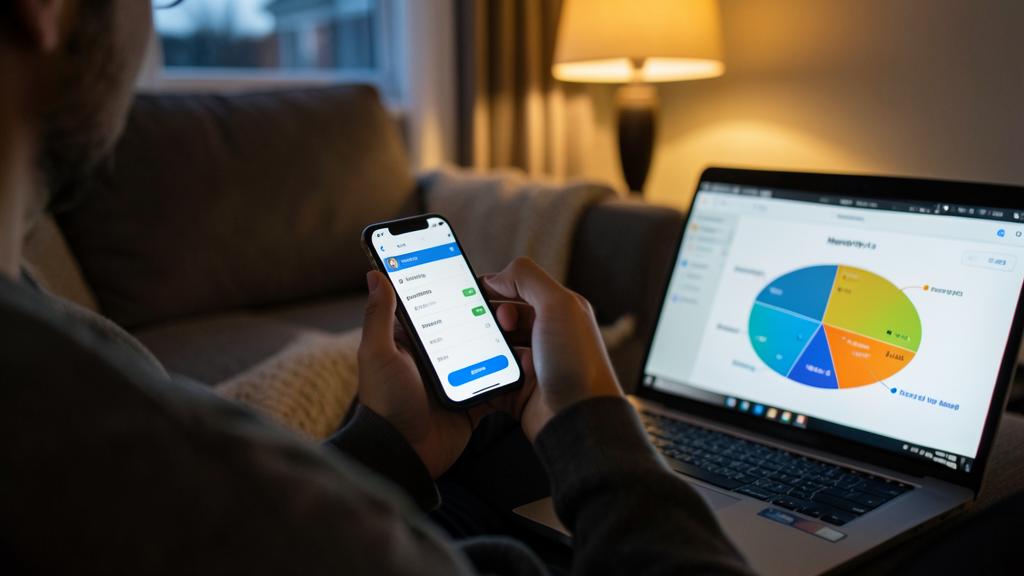
By staying SIMPLE and REGULAR, without aiming for perfection: the key is to make tracking easy to maintain. First, stay SIMPLE: don’t try to track everything to the penny or create a complicated system with dozens of categories; start with the essentials: a few major categories (housing, food, transportation, leisure, subscriptions…) and an overall budget or by major category; a basic but MAINTAINED tracking is infinitely better than a sophisticated system abandoned after a week. Then, make ENTRY quick: record your expenses as you go (in a few seconds, as soon as you pay: it’s a matter of a moment), or review at a FIXED TIME (for example once a week, a few minutes); if manual entry discourages you, a reputable app connected to your bank automatically imports everything, which reduces the constraint (you have to weigh security and comfort). Adopt a HABIT: associate tracking with a moment (the Sunday evening budget review, for example), so it’s automatic and not a chore to « squeeze in. » Don’t GUILT yourself for forgetting: if you miss a few days, just pick up again; consistency over time counts more than stressful perfection. Keep tracking SERENE: the goal is control and tranquility, not obsession or deprivation; don’t make yourself anxious; the budget should serve your life and your projects, not become a straitjacket. Focus on the ESSENTIAL: identifying major categories and avoidable expenses (unnecessary subscriptions, superfluous purchases) brings most of the benefit, without having to micro-track everything. Finally, let tracking MOTIVATE you: seeing your progress, achieving a savings goal, reducing a category are rewards that make tracking pleasant rather than constraining. In summary: to stick to a budget without constraint, stay simple (major categories, no perfectionism), make entry quick (as you go or weekly review, or automatic import), make it a habit at a fixed time, don’t guilt yourself for forgetting, and keep it serene (tool for control, not source of stress); thus, tracking becomes a light reflex and even motivating, not a chore.
Does a budget app really help you save?
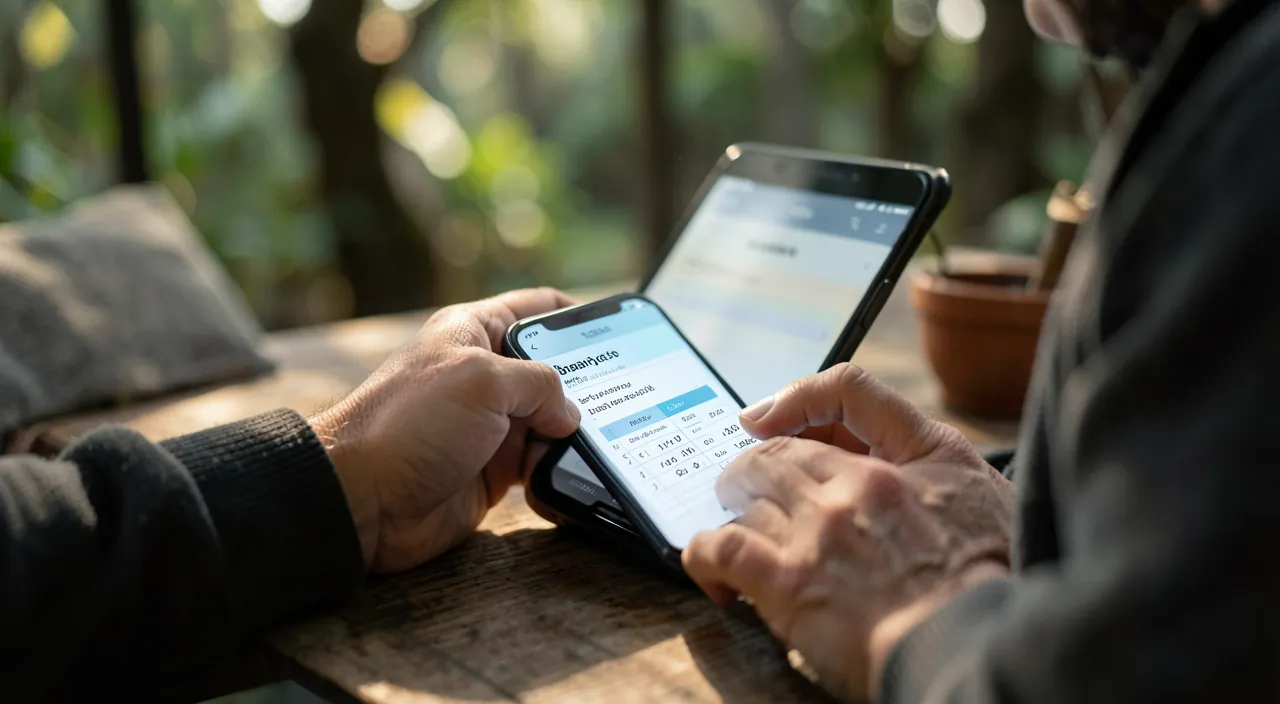
Yes, often, and in several ways: tracking itself is a powerful lever for savings. The first mechanism is AWARENESS: when you SEE in black and white where your money goes (by category), you often discover surprises—categories higher than expected, unnecessary expenses, small purchases that add up; this realization frequently moderates spending: the mere act of tracking tends to reduce expenses, as you become more attentive to each purchase. The second mechanism is tracking SUBSCRIPTIONS and leaks: tracking reveals recurring subscriptions you no longer use but continue to pay (streaming, apps, services); spotting and canceling them is immediate and effortless savings, often significant over the year; the same goes for other avoidable expenses identified. The third is CONTROL through the budget: by setting a budget per category and tracking your progress, you avoid overruns and unpleasant surprises; you spend more intentionally. The fourth is SAVINGS motivation: tracking your budget makes saving for a project concrete; seeing your savings progress motivates. However, beware: the app doesn’t make savings ALL BY ITSELF; it GIVES you visibility and decision-making power, but IT’S YOU who act (reduce a category, cancel a subscription, adjust your habits); the app is a tool for awareness and control, not a magic wand. And savings depend on your situation (you can’t reduce the inescapable). But in most cases, tracking reveals unsuspected margins and spontaneously moderates spending; many people actually save as soon as they start tracking, simply through awareness and tracking unnecessary expenses. In summary: yes, a budget app really helps you save—through awareness (seeing where your money goes moderates spending), tracking unnecessary subscriptions and expenses (immediate savings), and control through the budget; provided you act on what tracking reveals. Tracking itself is already a powerful lever toward more control and savings.
What to remember
Tracking your budget with an app means seeing clearly where your money goes (by category), becoming aware of your spending, setting and sticking to a budget, saving, and gaining financial serenity; it’s accessible to everyone, not just experts. The MAIN BREAKTHROUGH: seeing in BLACK AND WHITE where your money goes; this realization (often surprising: underestimated categories, forgotten subscriptions, accumulated small purchases) frequently moderates spending; two profitable targets: UNNECESSARY SUBSCRIPTIONS (canceling them = immediate savings) and « INVISIBLE » EXPENSES. To TRACK WELL: choose an app that suits you (simple for beginners; connected to the bank with caution), record and categorize your expenses, set a budget (the app alerts you to overruns), check the summaries (to see and decide), and above all be REGULAR and STAY SIMPLE (a basic but maintained tracking is better than a complicated system abandoned; make entry quick, make it a habit at a fixed time). The secret: the AWARENESS breakthrough that motivates + REGULARITY that turns it into lasting control. About BANK CONNECTION (automatic import): practical, but only entrust it to a REPUTABLE and trustworthy app (it accesses your banking data); if in doubt, MANUAL ENTRY is a safe and sufficient alternative; NEVER communicate your banking credentials to a suspicious app (scam). Protect your FINANCIAL DATA (sensitive: lock the app and your phone; check the app’s reputation and what it does with your data); download from official stores; beware of fake apps and « miracle solutions »/dubious financial products. Keep tracking SERENE (tool for control and well-being, no obsession or stressful deprivation; it should serve your life and your projects). A budget app really helps you SAVE, through awareness, tracking unnecessary subscriptions, and control—provided you act on what it reveals. In case of real financial difficulties, it helps you see clearly but doesn’t replace support (devices exist; don’t stay alone). Get started simply, maintain regularity, keep tracking serene and secure: it’s the path to more clarity, control, and financial tranquility.
Want to go further with your phone and apps? Our practical training is made for you.
Leave a Reply
You must be logged in to post a comment.