
Drinking more water, exercising, reading every day, meditating, spending less time on your phone: we all have good resolutions that evaporate after a few days. Adopting a good habit—or quitting a bad one—is difficult, not due to lack of willpower, but due to lack of follow-up and consistency. That’s precisely where habit-tracking apps come in: they help you set your goals, check off each day what you’ve accomplished, visualize your progress, and avoid “breaking the chain.” Simple and motivating, they turn vague intentions into concrete, regular actions. Let’s see how they work, why they really help, and how to get the most out of them.
How a habit-tracking app works
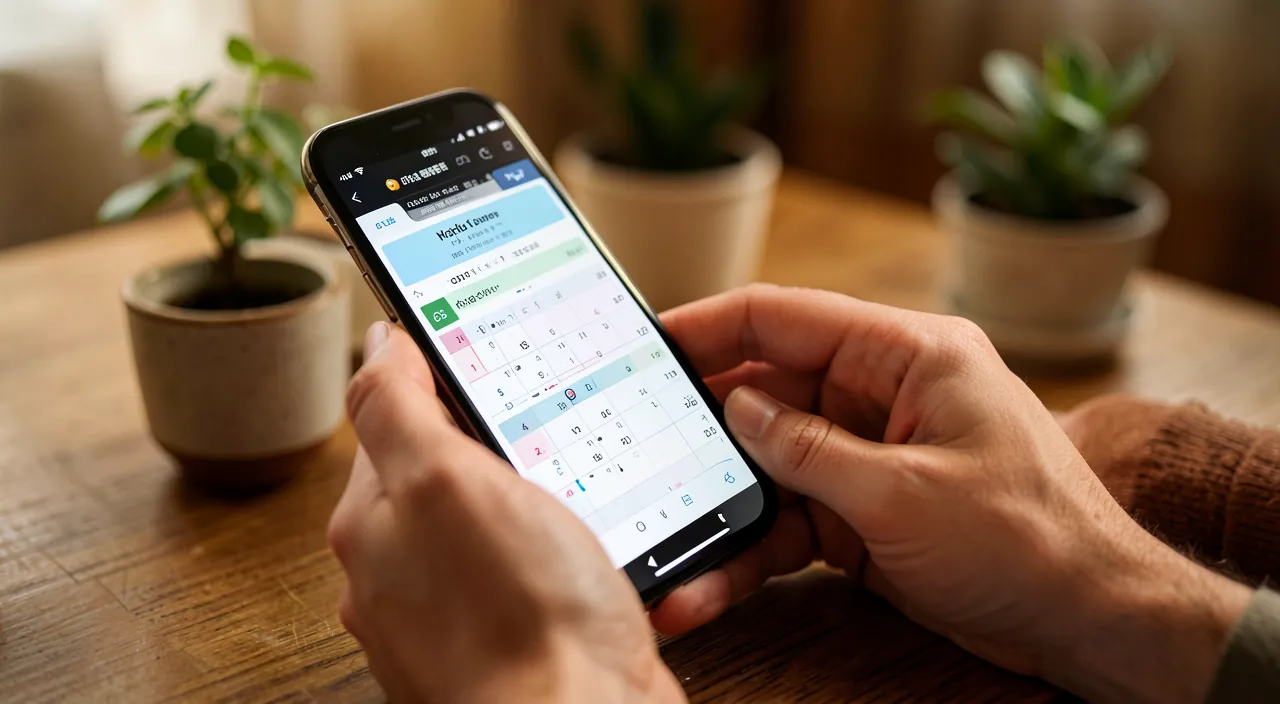
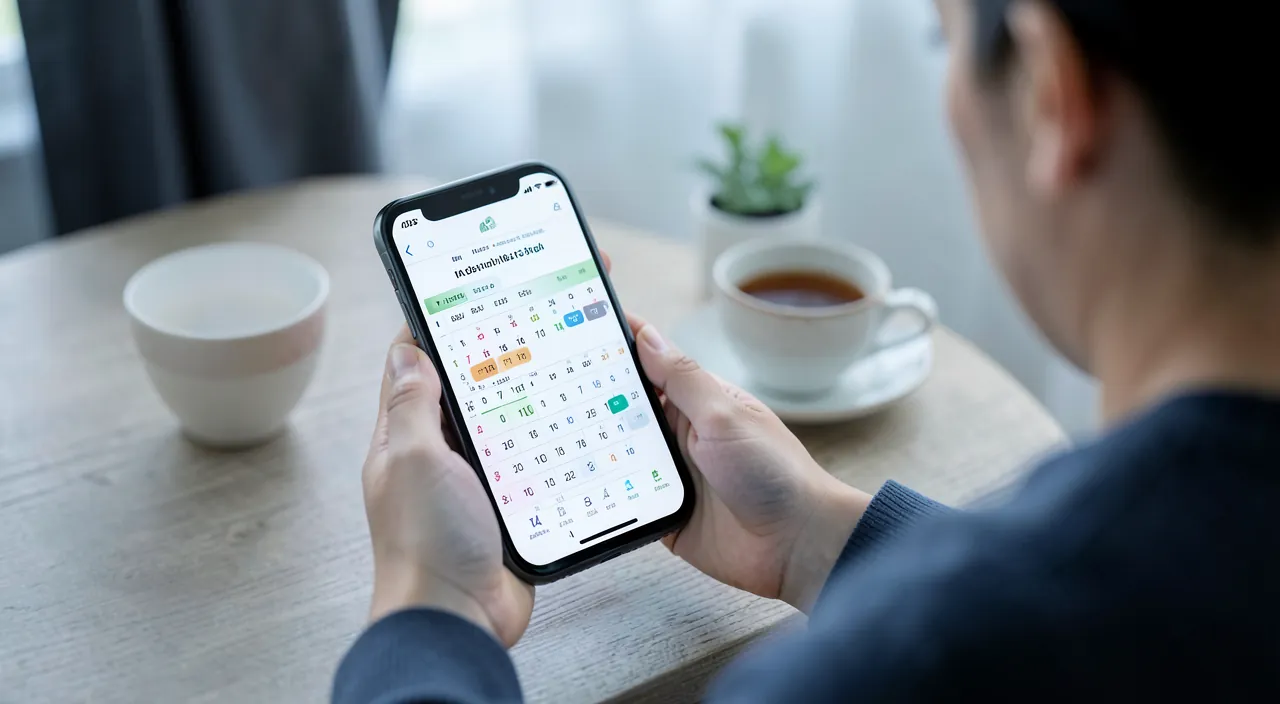
The principle is simple, and that’s its strength. Here’s what these apps offer. DEFINE your habits: you create a list of the habits you want to adopt (drinking water, walking, reading, meditating) or quit (less sugar, less screen time); you specify their frequency (every day, certain days, X times a week). CHECK off each day: the central action; every time you complete a habit, you check it off in the app; this small validation gesture is surprisingly satisfying and reinforces the habit. VISUALIZE your progress: the app displays your consistency—a checked calendar, a “streak” (number of consecutive days), statistics, graphs; seeing your progress is very motivating. Avoid “BREAKING the chain”: the most powerful mechanism; as the checked days accumulate, you don’t want to break the streak; this desire to preserve your “chain” pushes you toward consistency. REMINDERS: the app can remind you of your habits at the right time (reminder to drink water, to do your session); useful to avoid forgetting. ENCOURAGEMENTS: positive messages, milestones reached, sometimes a playful side (points, badges); this maintains motivation. WHAT it SERVES, and why it WORKS: adopting a habit relies on REGULAR repetition until the action becomes automatic; yet we often fail not due to lack of desire, but because we forget, lose track, or don’t see our progress and get discouraged; the app addresses this exactly: it REMINDS (against forgetting), it TRACKS (against losing track), it VISUALIZES progress (against discouragement), and it MOTIVATES (the streak, the encouragements); making the habit VISIBLE and MEASURABLE truly increases the chances of sticking to it. The key idea: a habit-tracking app helps you turn good intentions into regular actions, thanks to a simple but effective mechanism: defining your habits, checking them off each day, visualizing your progress and your “streak,” receiving reminders and encouragements. It addresses the real causes of failure—forgetting, loss of consistency, discouragement—by making the habit visible, measurable, and motivating. It’s not magic: the willpower is still yours; but the app is a precious ally to anchor new behaviors durably, one checked day at a time.
These apps work because they help you remember, track, and see your progress. When you check off each day, you build a streak that motivates you to keep going. It’s like having a coach that reminds you and celebrates your small wins.
Imagine you want to read 20 pages a day. On day 1, you check it off. By day 7, you have a full week of checks. Seeing that streak, you’re less likely to skip day 8. If you miss one day, the app helps you bounce back quickly without guilt.

How to anchor good habits durably
These apps are effective if you use them methodically; here’s how to truly anchor your habits. START small—the classic mistake: wanting to change everything at once; choose only one or two habits at first, and set yourself MODEST goals (five minutes of reading, not an hour); a small habit kept is better than a big one abandoned; you’ll increase later. Be PRECISE—a vague habit (“exercise”) doesn’t stick well; a precise habit (“walk 20 minutes after lunch”) sticks better; define what, when, how much. ANCHOR to an existing moment or action—associate the new habit with something you already do (“after my morning coffee, I meditate for 5 minutes”); relying on an existing routine helps a lot. CHECK off religiously—take the habit of checking off each accomplishment; this gesture reinforces the habit and feeds your streak; it’s the heart of the system. Use REMINDERS—set reminders at the right time to avoid forgetting, especially at first; over time, the habit will become automatic and the reminder unnecessary. Aim for REGULARITY, not perfection—what matters is consistency over time, not absolute flawlessness; a missed day is not a failure. If you break the chain, RESUME immediately—the golden rule: “never miss twice in a row”; a missed day happens to everyone; what matters is to resume the next day, without guilt or giving up. CELEBRATE your progress—watch your calendar fill up, reach milestones (a week, a month); savor these small victories, they fuel motivation. Be PATIENT—anchoring a habit durably takes time (often several weeks, sometimes more); don’t get discouraged if it’s not yet automatic; persevere. Adjust if needed—if a habit isn’t sticking, ask yourself: is it too ambitious? Poorly placed in the day? Adapt rather than give up. In summary: start small (one or two habits, modest goals), be precise, anchor to an existing routine, check off religiously, use reminders at first, aim for regularity rather than perfection, resume immediately after a missed day (never miss twice), celebrate your progress, and be patient. That’s how a good intention becomes, day after day checked, a lasting habit.
The golden rule: never miss twice in a row. Here’s the most powerful principle to anchor a habit durably, and the one that makes all the difference between those who stick to it and those who give up. The problem is almost never the missed day itself; it’s what happens AFTER. You faithfully follow your new habit for two weeks, your “chain” is beautiful, and then one day, life intervenes—a busy day, fatigue, an unexpected event—and you miss. This missed day is completely normal and inconsequential in itself; NO ONE is perfect, and a habit isn’t judged on a single day. The real danger is the spiral that can follow: “I broke my chain, it’s over,” guilt, discouragement, and outright abandonment—when a single missed day means nothing compared to weeks of consistency! It’s the famous “oh well, I’ll do it tomorrow” effect that, from postponement to postponement, buries the best resolutions. The golden rule that avoids this trap is simple: NEVER MISS TWICE IN A ROW. Missing once is an insignificant accident; missing twice in a row is the start of a new (bad) habit: that of no longer doing it. So, no matter the missed day, your only mission is to RESUME the next day, without guilt, without trying to “catch up,” simply by checking off your habit as if nothing happened. This approach is liberating: it removes the pressure of perfection (impossible to maintain long-term) and replaces it with a realistic and robust goal—consistency, not perfection. A habit kept 27 days out of 30 is a magnificent success; don’t sabotage it for the 3 missed days. Concretely, when you see a “hole” in your calendar, don’t see it as a failure but as a simple hiccup, and focus all your energy on one thing: the next day. It’s this ability to bounce back immediately, day after day, far more than the will to be perfect, that distinguishes habits that anchor for good from those that evaporate. Be kind to your missed days, but uncompromising on one thing: never twice in a row.
Pitfalls to avoid and the right mindset
These apps really help, but a few pitfalls can make them counterproductive; here’s how to keep the right mindset. Too many habits AT ONCE: the most common trap; wanting to adopt ten habits simultaneously almost always leads to failure; you scatter, you get discouraged; start with one or two, add more once the first ones are anchored. UNREALISTIC goals: aiming too high too fast (running an hour a day when you never run) exhausts and demoralizes; modest and progressive goals stick much better. COUNTERPRODUCTIVE guilt: if the app (or you) turns every missed day into a guilt-inducing failure, it becomes a source of stress, and you end up avoiding it; keep kindness; it’s a tool for progress, not a judge. OBSESSION with streaks: the “chain” is motivating, but if the fear of breaking it becomes an anxiety, or pushes you to “cheat” by checking off without doing, it backfires; the streak is a means, not an end. Tracking that replaces ACTION: beware of spending more time setting up and admiring your statistics than acting; the app should serve the habit, not become an activity in itself. DEPENDENCE on rewards: if your motivation relies only on points and badges, it’s fragile; the ideal is to find an intrinsic meaning to the habit (feeling better, progressing), so it lasts beyond the game. Giving up at the first SLUMP: motivation fluctuates; there are tougher periods; don’t throw in the towel at the first dry spell, persevere. COSTS: some habit-tracking apps have paid features or subscriptions; many essential functions are free; only pay if it truly brings you value (our guides on managing subscriptions). DATA: your habits reveal a lot about you; read the privacy policy and favor respectful apps (our guides on protecting your privacy). Don’t FORGET the essential: the app is a support; the real work—accomplishing the habit—is yours; and once a habit is well anchored and automatic, you might even stop tracking it. In summary, pitfalls to avoid: too many habits at once, unrealistic goals, guilt and streak obsession, tracking replacing action, dependence on rewards, and giving up at the first slump. The right mindset: kindness, progressiveness, regularity rather than perfection, and remembering that the tool serves the habit, not the other way around. Thus, the app remains an ally that helps you become, durably, the person you want to be.
Warning: don’t aim for perfection or ten habits at once—that’s the best way to fail; start small, be kind to yourself, and avoid guilt. That’s the trap most well-intentioned people fall into, often at the start of the year or after a wake-up call: carried away by enthusiasm, they decide to change everything at once—get up earlier, exercise every day, meditate, read, eat healthily, less screen time—and proudly set up a long list of habits in their shiny new app. This excess of ambition is almost always doomed to failure, for a simple reason: adopting a new habit requires energy and attention, and launching ten simultaneously scatters this energy until exhaustion; at the first sign of fatigue, everything collapses at once, and the discouragement is all the more violent because you promised a lot. Yet the science of habits is clear on this point: you succeed by starting SMALL. Choose ONE or two habits only, with deliberately MODEST goals (five minutes, not an hour; twice a week, not every day), and only think about adding others once those are solidly anchored. A small habit kept durably is infinitely better than a grand program abandoned in a week. The second trap, just as destructive, is GUILT. These apps, with their streaks and calendars, can unintentionally turn every missed day into a failure, every “hole” in the chain into a reproach; and if the tool meant to help becomes a source of stress and guilt, you’ll end up avoiding it—and the habit with it. Yet the truth is that no one is perfect, that missed days are normal and harmless, and that what matters is consistency over time, not an impossible flawlessness. So cultivate KINDNESS toward yourself: see the app as encouragement, never as a judge; celebrate what you accomplish rather than flagellating yourself for what you miss; and remember the golden rule—a missed day is nothing, it’s enough to resume the next day (never twice in a row). Also beware of OBSESSION with the streak to the point of “cheating” by checking off without doing, or of getting anxious: the chain is a motivation tool, not an end or a prison. Finally, don’t confuse TRACKING with ACTION: spending hours setting up and admiring your statistics doesn’t replace actually accomplishing the habit; the tool must remain at the service of change, not become an activity. Small, precise, regular, and kind: that’s how you anchor good habits durably; ambitious, perfect, and guilt-inducing: that’s how you abandon them. Choose the first path, and the app will become a true ally in your progress, day after day.
Frequently asked questions
How long does it take to anchor a habit?
It varies from person to person and from habit to habit, but count on several weeks at minimum, often more: patience is key, and above all, don’t get discouraged if it’s not yet automatic after a few days. Let’s clarify, as misconceptions abound. You often hear the figure of “21 days” to form a habit: it’s a simplistic myth. The reality, according to research, is more nuanced: the time needed for a behavior to truly become automatic varies greatly from one person and one habit to another—from a few weeks to several months—with an average often around two months, but with wide variations. A simple habit (drinking a glass of water upon waking) anchors faster than a demanding habit (a daily workout session). What to REMEMBER concretely: first, be PATIENT; don’t expect a habit to become automatic in a week, and don’t conclude failure if, after a few days, you still need effort and a reminder—that’s perfectly normal, automatism comes gradually. Then, know that the most DELICATE period is the beginning: the first weeks require the most conscious effort, before the action becomes more natural; that’s precisely when the app helps the most (reminders, tracking, motivation), supporting you during this critical phase. Finally, anchoring isn’t a switch that flips one day: it’s a gradual reinforcement; little by little, you’ll think about it less, the effort will decrease, and one day you’ll realize the action has become natural. My advice: think in weeks and months, not days; don’t judge your success in the short term; focus on consistency (each checked day brings you closer to automatism) and trust the process; consistency pays off. In summary, anchoring a habit takes several weeks to several months depending on the case (forget the 21-day myth), with a demanding beginning that gradually lightens; the key is patience and consistency, without getting discouraged as long as it’s not yet automatic: that’s precisely when the app is your best ally.

Do these apps really help or are they just gadgets?
They really help, provided you use them well: they’re not miracle gadgets, but tools that address the real causes of failed resolutions. Let’s explain why. Why do we usually fail to keep a good resolution? Rarely due to lack of genuine desire; most often because we FORGET (life takes over), because we LOSE TRACK (we don’t know where we stand, motivation fades), and because we DON’T SEE our progress (without visible feedback, we get discouraged and give up). Yet that’s exactly what a tracking app addresses: it REMINDS (against forgetting), it TRACKS and makes visible where you stand (against losing track), and it SHOWS your progress—calendar filling up, streak growing, statistics (against discouragement, by turning each day kept into a concrete, motivating victory). By making the habit VISIBLE, MEASURABLE, and slightly playful, it truly increases your chances of sticking to it; it’s not magic, it’s concrete support for behavior change mechanisms. That said, it’s NOT a miracle gadget, and we must be honest about its limits: the app doesn’t do the work for you—you’re the one accomplishing the habit—it doesn’t replace your willpower or commitment; and if misused (too many habits at once, unrealistic goals, guilt, streak obsession), it can even become counterproductive. Its value therefore entirely depends on how you use it. Used methodically—starting small, being precise, checking regularly, aiming for consistency rather than perfection, staying kind—it’s a true ally that has helped many people anchor habits they couldn’t keep alone. Used like a magic wand you install hoping for a miracle, it disappoints. In summary, yes, these apps really help: they’re not gadgets, as they effectively address the real causes of failure (forgetting, losing track, discouragement) by making the habit visible, tracked, and motivating; but they’re not miraculous—they support your effort, they don’t replace it. Well used, they’re precious allies; you remain the craftsman of your habits.
Do you need an app or is a simple notebook enough?
A simple notebook can work perfectly, and it’s even an excellent method: the key isn’t the tool, but the principle of regularly tracking your habits; choose what suits you best. Let’s compare. What the APP offers: automatic reminders (valuable against forgetting), effortless tracking and statistics, motivating visualizations (streaks, graphs), a playful side, and the convenience of having everything in your phone always at hand; for many, these automatisms and this motivating dimension make a real difference. What the NOTEBOOK (or a simple sheet) offers: the same basic mechanism—writing down and checking off your habits each day, visualizing your consistency—but in manual version; and this has non-negligible advantages: it’s free, screen-free, no personal data issues, and the physical act of writing and checking has, for many, a particular value of commitment and satisfaction; plus, keeping a notebook keeps you away from the phone (which is great if one of your habits is to reduce screen time!). The famous method of marking each successful day with a cross on a calendar, to “not break the chain,” works perfectly on a simple paper calendar. How to CHOOSE? According to your temperament and needs: if you like digital, need reminders to avoid forgetting, and are motivated by statistics and the playful side, the app is ideal; if you prefer simplicity, the feel of paper, or if you’re specifically trying to use your phone less, the notebook is perfect. There’s no absolute best method: the best is the one you’ll actually stick to long-term. My advice: don’t believe you absolutely need a sophisticated app; the principle matters more than the tool; try one or the other, and keep the one you’re most consistent with. You can even combine (notebook for some habits, app for others). In summary, no, an app isn’t indispensable: a simple notebook or calendar works very well and has its own advantages (free, screen-free, engaging); the app shines with its reminders and motivating dimension, the notebook with its simplicity and unplugged side. Choose according to you—the important thing is to regularly track your habits, whatever the medium.
What to remember
A habit-tracking app turns vague good intentions into regular actions, thanks to a simple but devastatingly effective mechanism: defining your habits, checking them off each day, visualizing your progress and your “streak,” receiving reminders and encouragements. Its strength is that it addresses the real causes of failed resolutions—not lack of desire, but forgetting, loss of consistency, and discouragement—by making the habit VISIBLE, MEASURABLE, and motivating. It’s not magic: you’re the one accomplishing the habit, and the app doesn’t replace your willpower or effort; but well used, it’s a precious ally to anchor new behaviors durably. To succeed, a few principles make all the difference. Start SMALL: only one or two habits, with modest goals; wanting to change everything at once is the best way to fail. Be PRECISE (what, when, how much) and anchor the new habit to an existing routine. Check off religiously, use reminders at first, and above all aim for REGULARITY rather than perfection. Remember the golden rule: never miss twice in a row—a missed day is normal and harmless, the key is to resume the next day, without guilt; it’s this ability to bounce back immediately, far more than perfection, that distinguishes habits that anchor from those that evaporate. Avoid pitfalls: too many habits at once, unrealistic goals, counterproductive guilt, streak obsession, and tracking replacing action; cultivate kindness toward yourself and patience (anchoring a habit often takes several weeks to several months—forget the 21-day myth). A simple notebook or calendar can indeed replace the app: the principle matters more than the tool, and paper has its advantages (free, screen-free, engaging); choose the medium you’ll be most consistent with. Stay mindful of your data (your habits reveal a lot about you) and the cost of potential subscriptions. Small, precise, regular, kind, and patient: with these principles, the app—or the notebook—becomes a true progress companion, helping you become, one checked day at a time, the person you want to be.
Want to go further with your phone and apps? Our practical training is made for you.
Leave a Reply
You must be logged in to post a comment.