
Morning sudoku, crossword puzzles, logic puzzles, « brain training » apps that promise an elephant’s memory: exercising your mind by playing appeals to all ages — and the market has well understood. But what are these games really worth for the brain? Between sometimes exaggerated marketing promises and the true pleasure of mental gymnastics, this guide sorts things out honestly — and helps you choose games that stimulate, relax, and, above all, make you want to come back.
What science says — and doesn’t say
Let’s be frank, because marketing rarely is: practicing a brain game mainly makes you better at that game. The « transfer » — the idea that daily sudoku would globally improve memory and intelligence — is far more modest than advertisements suggest. However, real benefits exist: regular and enjoyable cognitive stimulation (the brain loves being challenged), a moment of soothing concentration — many of these games work like mental breathing exercises —, the pleasure of progress, and a precious alternative to passively scrolling through social networks. Playing for the pleasure of thinking: that’s the right promise, and it’s more than enough.
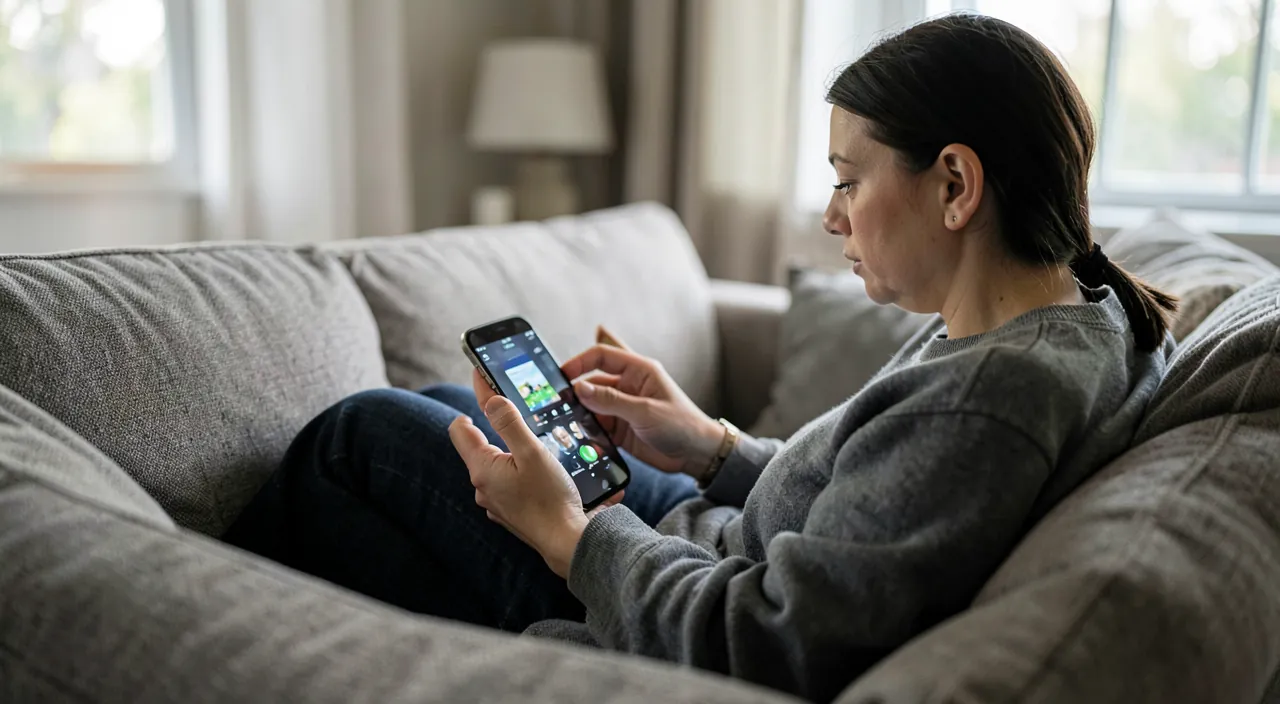
Brain games make you better at those specific games, not smarter overall. But they do offer real benefits like mental exercise, relaxation, and a fun break from scrolling.
If you play sudoku daily, you’ll get faster at solving sudoku puzzles, but it won’t necessarily make your math skills better in other areas. However, it might help you focus better during the day.
The main types of games
- Logic and numbers: sudoku, logic grids, calculation games — rigor rewarded.
- Words and language: crossword puzzles, word searches, word and vocabulary games — timeless classics, excellent for maintaining language skills.
- Memory and attention: matching pairs, sequences to remember, observation games.
- Puzzles and brain teasers: visual riddles, spatial reasoning games — often the most creative.
- « Brain training » programs: a variety of exercises with tracking — motivating if you like structure, to be taken for what they are.
The right reflex. Variety is better than repetition: alternating logic, words, memory, and puzzles engages the brain more richly than doing the same exercise on loop — and preserves the fun. And the real « brain training » remains novelty: learning something (a language, a piece of music, a complex recipe) stimulates more deeply than any grid. Games are the fun complement, not the substitute.
How to choose the right game apps
The selection is crowded, and quality varies. Key criteria: progressive difficulty that matches your progress (no boredom, no frustration); tolerable ads — the bane of the genre: avoid games that interrupt every round with an ad, a small paid version is often worth the peace of mind; an honest model — be wary of expensive subscriptions backed by exaggerated cognitive promises; and fun, plain and simple: the best brain game is the one you’ll return to with enthusiasm. A free classic that hooks you is better than a « scientific » program that bores you.

At any age, with nuances
These games span generations, with benefits specific to each age. For children: well-chosen logic and reflection games are an excellent « active » screen — you think instead of consuming — without turning them into a performance tool. For adults: mental break, daily ritual, alternative to scrolling. For seniors: the daily routine maintains agility and morale — and word games, in particular, remain loyal companions; the key being pleasure and regularity, never pressure. At any age, the social aspect (playing together, comparing grids, friendly duels) adds the best of stimulants: connection.

To put into perspective. Beware of apps that promise to « prevent cognitive decline » or « increase IQ »: these claims exceed what science establishes. And if a loved one’s memory truly concerns you, the answer isn’t an app but a consultation — games entertain and stimulate, they don’t diagnose or treat.

Frequently asked questions
Do ten minutes of games a day make you smarter?
More skilled at the games you practice, certainly; smarter in the broad sense, no. They do offer a genuine, pleasant concentration break — a good enough reason to keep playing, without expecting miracles.
What’s better: paper or app?
Pleasure decides: apps add adaptive difficulty, help when stuck, and constant availability; paper offers calm without notifications. Many alternate — paper grid on weekends, app on the go.

Are free apps full of ads worth it?
Overbearing ads ruin exactly what these games provide — relaxed concentration. A few euros for an ad-free version are often the best purchase in the store.
What to remember
Brain games deliver a more modest and beautiful promise than marketing’s: not « increasing intelligence, » but offering enjoyable mental exercise, relaxing concentration, and motivating progress — at any age. Vary the types (logic, words, memory, puzzles), choose apps with progressive difficulty and tolerable ads, avoid exaggerated cognitive promises, and keep in mind that novelty — learning, discovering — remains the best brain training. Then play for the best reason: the pleasure of thinking. That’s what makes you come back — and that’s what does you good.

Want personalized digital support?
Leave a Reply
You must be logged in to post a comment.