
Today’s car is no longer just a means of transport: it has become a CONNECTED object, packed with screens, sensors, and software, connected to the internet and your phone. Real-time navigation, driving assistance, remote updates, onboard applications, automatic emergency calls: this connectivity brings comfort and safety. But it also raises questions: our movements and habits are recorded, the car collects a lot of data, and its dependence on software poses new challenges. Understanding this phenomenon—without demonizing or idealizing it—allows you to benefit from it knowingly. Let’s see what the connected car brings, what questions it raises (especially regarding data), and how to approach it with discernment.
The connected car: what are we talking about?
The car has become a connected object; let’s understand this phenomenon. The PRINCIPLE: the modern car is increasingly CONNECTED; connected to the internet, to your phone, equipped with screens, sensors, and software; it exchanges data, updates itself; it is no longer just a means of transport, but a digital object. SCREENS and the digital: recent cars have large screens, digital interfaces, replacing many buttons; the dashboard becomes a computer; the digital is everywhere on board; a profound transformation. CONNECTED navigation: real-time navigation (traffic, optimized routes), map updates; a GPS connected to the network; more than a static map; a driving comfort. DRIVING assistance: sensors and software assist driving (parking assistance, alerts, cruise control, emergency braking); safety aids; the car « perceives » its environment; assistance is progressing. REMOTE updates: like a phone, the car can receive software updates remotely (corrections, improvements, new features); the car « evolves » after purchase; software that updates itself. ONBOARD applications: music, navigation, services, sometimes applications from your phone projected on the screen; the car hosts apps; a connected ecosystem; the digital is invited. CONNECTION to the phone: the car often connects to your phone (calls, music, messages, applications on the car screen); your digital world follows; phone-car integration; practical. SENSORS everywhere: the car is full of sensors (position, speed, component status, environment); it « knows » a lot of things; these sensors generate data (we’ll come back to this); the vehicle measures everything. Automatic EMERGENCY call: many cars automatically call emergency services in case of serious accident; precious safety; connectivity saves lives; a real benefit. Neither to IDEALIZE nor to DIABOLIZE: the connected car brings comfort and safety, but raises questions (data, software dependence); neither utopia nor threat; to be understood with discernment; the balance. What is the POINT of understanding: realizing that the car has become a connected object (with its advantages and questions) allows you to benefit from it knowingly; lucidity guides usage. The main idea: the modern car is no longer just a means of transport, but a CONNECTED object—connected to the internet and your phone, packed with screens, sensors, and software. This connectivity brings real benefits: real-time NAVIGATION (traffic, routes), DRIVING assistance (sensors, alerts, emergency braking), remote UPDATES (the car « evolves » after purchase), onboard APPLICATIONS, phone integration, and the automatic EMERGENCY call in case of accident (which can save lives). But it also raises questions: the car, full of sensors, COLLECTS a lot of DATA (your movements, your habits), and its increasing dependence on SOFTWARE poses new challenges (updates, computer failures, repairability). This phenomenon is neither to be idealized nor demonized: understanding it, with its advantages and questions, allows you to benefit from it knowingly and with discernment.
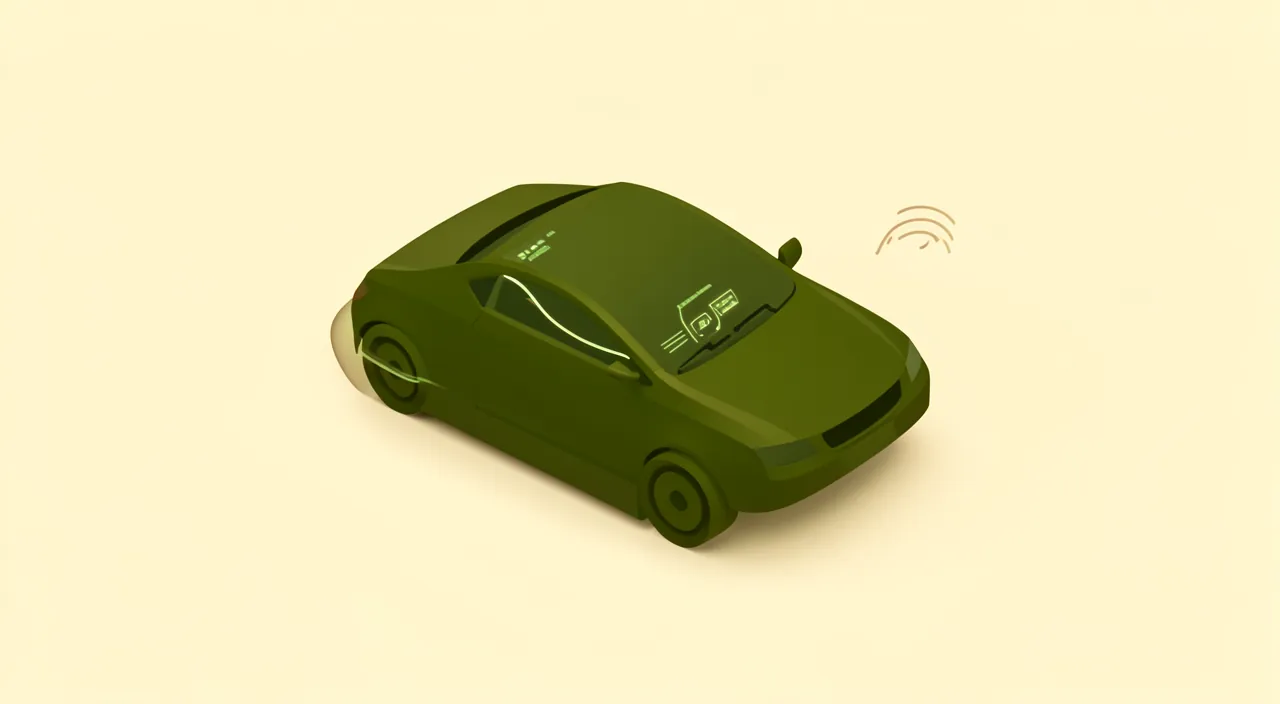
What the connected car brings, and what it questions
The connected car has real advantages and raises legitimate questions; let’s take stock. BENEFITS—safety: driving assistance (emergency braking, alerts, blind spot), automatic emergency calls improve SAFETY; these aids reduce risks; a concrete and precious contribution; connectivity protects. BENEFITS—comfort: real-time navigation, music, applications, cruise control, assisted parking; increased driving comfort; more pleasant and simple trips; facilitated use. BENEFITS—maintenance: the car can signal its maintenance needs, its breakdowns, update itself; facilitated monitoring; we anticipate problems; intelligent maintenance. The QUESTION of data: the car collects a lot of DATA (movements, driving habits, position, usage); where do these data go? who has access? a major privacy issue; the central question (we’ll come back to it). TRACKING movements: the connected car can record where you go, when, how you drive; your movements become data; potential tracking of your life; to be questioned. DEPENDENCE on software: the car increasingly depends on software; a bug, a computer failure, can affect functions; complexity increases; software reliability becomes an issue. REPAIRABILITY: more software and electronics can complicate repairs (dependence on the manufacturer, costs, obsolescence); repairing a car-computer is different; a sustainability issue (we’ll come back to it). « ON-DEMAND » functions: some functions can be activated/paid remotely (subscriptions for options); a model that raises questions; the car as a service; an evolution to monitor. COMPUTER security: a connected car can theoretically be targeted by computer attacks; automotive cybersecurity is becoming a subject; manufacturers must protect; an emerging issue. BALANCE benefits/questions: the connected car offers real benefits (safety, comfort) but raises real questions (data, dependence, repairability); weighing both allows for an informed use; neither rejection nor blind adherence. In summary, the connected car BRINGS: increased SAFETY (driving assistance, automatic emergency call), COMFORT (real-time navigation, applications, aids), and facilitated MAINTENANCE (alerts, updates). But it QUESTIONS: the collection of DATA (your movements and driving habits: where do they go?), DEPENDENCE on software (bugs, computer failures), REPAIRABILITY (more complex, dependence on the manufacturer), « on-demand » paid functions, and COMPUTER security. The challenge is to weigh these real benefits and legitimate questions for an informed use; safety and comfort on one side, privacy and dependence on the other, are at the heart of the subject.
Your car is now a computer on wheels. It collects data about where you drive, how you drive, and even your habits. This data can be used to improve your experience, but it also raises privacy concerns. The car’s software can fail, and repairs might be more complicated. It’s not all bad or all good – just something to be aware of.
A 2023 Tesla Model 3 with Enhanced Autopilot collects data every time you drive. On a 50km trip, the car records your speed, braking patterns, and location every few seconds. This data is used to improve navigation and autonomous driving features. However, if you don’t adjust your privacy settings, this data might also be shared with third parties for marketing purposes. At 30°C, the car’s software might need an update to maintain optimal performance, which could take 15 minutes while parked.
Key point to understand: your connected car collects data on your movements—inform yourself and keep control. Among all the questions raised by the connected car, the most important for you, as a user, concerns DATA: your car collects a lot of information, and it is essential to be aware of this to keep some control. Think about what a connected car « knows »: where you go and when (your movements, your usual routes, your frequented places—home, work, leisure), how you drive (your speed, your driving style, your braking), the state and usage of the vehicle, and sometimes, via the connection to your phone, even more. These data, generated by the many sensors of the car and its connectivity, paint a fairly accurate picture of your habits and your life. The central question is therefore: WHERE DO these data go, and WHO has access to them? Depending on the vehicles and manufacturers, these data can be stored, transmitted to the manufacturer, shared with partners (insurers, services), or even commercially exploited. This is not necessarily malicious—many of these data serve useful functions (navigation, maintenance, safety)—but it concerns your PRIVACY, and you have the right to be informed and to have your say. What can you do, concretely? First, INFORM YOURSELF: find out about the data collected by your vehicle and what the manufacturer does with it (privacy information, vehicle and associated application settings). Then, EXPLORE THE SETTINGS: connected cars and their applications often offer privacy and data sharing parameters—check them, and limit the sharing you do not want (for example with third parties). You can sometimes disable certain data collection or sharing functions. Be particularly attentive to offers related to INSURANCE (some insurers offer rates based on your driving data: it’s up to you to decide if you accept this tracking) and to the connection of your PHONE to the car (which can synchronize your contacts, messages, history—think about what you share, and to erase these data if you sell or return the vehicle). Just right, at RESALE or return of a vehicle (including a rental), think to ERASE your personal data from the car (accounts, contacts, navigation history, paired devices): we often forget that the car, like a phone, keeps traces of you. It is not a question of giving up the connected car or living in fear: its benefits are real. It is a question of being AWARE that your car collects data about you, of being informed about what is done with these data, and of keeping as much control as possible (privacy settings, choice to accept or not certain sharing, erasure at resale). This awareness and reasonable vigilance allow you to enjoy the benefits of the connected car while protecting your privacy. In summary, the key point to remember about the connected car is that it collects data on your movements and habits: inform yourself about these data and their use, explore and adjust the privacy settings, be careful with insurance offers based on your data and what your phone shares, and erase your data at resale. Knowledge and control of your data are the key to enjoying your connected car peacefully.
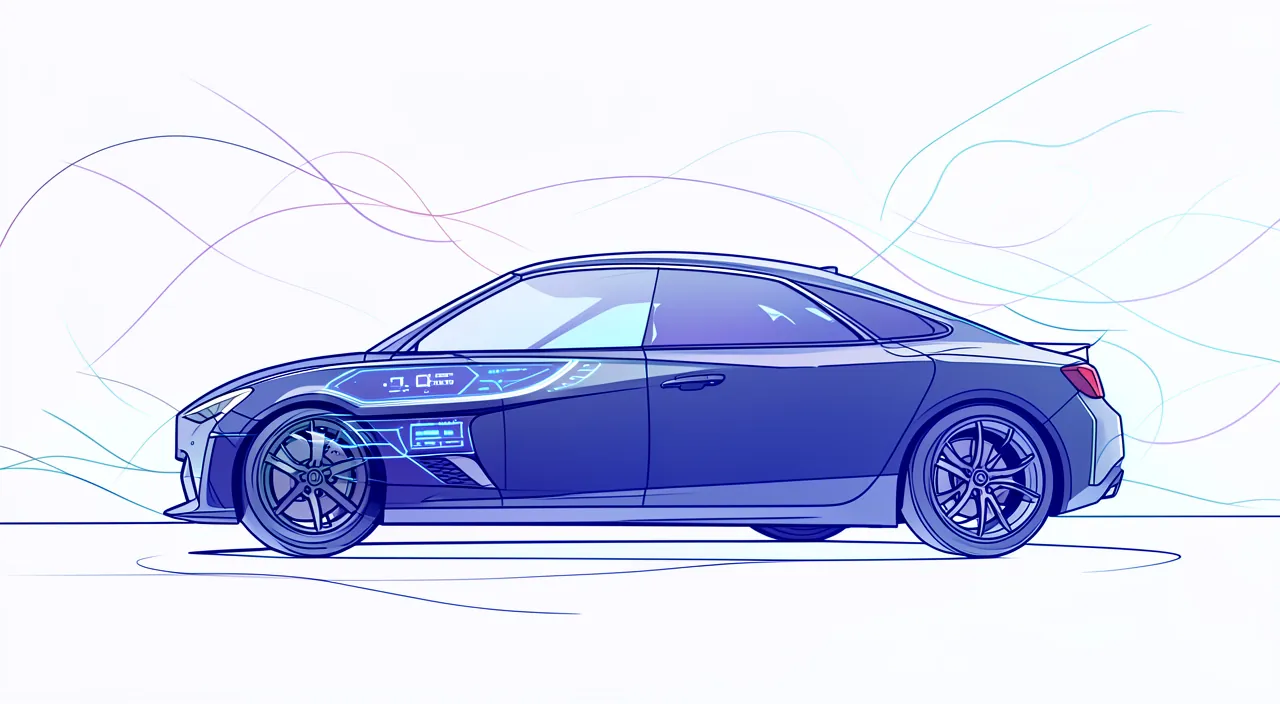
How to approach the connected car with discernment
Faced with the connected car, a few guidelines allow for an informed use; here’s the essential. BENEFIT from the benefits: take advantage of the precious aids (safety, emergency call, navigation, comfort); these benefits are real and often useful; connectivity is good; don’t reject it outright. REMAIN in control of driving: driving aids ASSIST, but do not replace your vigilance; remain in control of your vehicle, attentive to the road; the aid does not dispense with driving; keep control (we’ll come back to it). Do not let yourself be DISTRACTED by the screens: beware of large screens and interfaces that can distract; do not manipulate the screen while driving; connectivity should not impair attention; safety comes first; consult our guides on driving (we’ll come back to it). INFORM YOURSELF about data: find out about the data collected by your car and their use; explore the privacy settings; keep control of your data; vigilance on privacy (as seen). MANAGE privacy settings: adjust the data sharing parameters (car, associated applications); limit what you do not want to share; take back control; customize according to your choices. KEEP up to date (safety): accept software updates (they correct bugs, security flaws); an up-to-date car is safer (functionally and computer-wise); updates also protect the car. THINK about RESALE: when reselling or returning, erase your personal data (accounts, contacts, history, paired devices); the car keeps traces of you; don’t leave them to the next owner; clean before handing over. Consider REPAIRABILITY: when buying, take into account the repairability, the maintenance cost of a very electronic car, the dependence on the manufacturer; a criterion among others; think long term. Be wary of REMOTE paid functions: inform yourself about « on-demand »/subscription functions; know what is included or paid; evaluate the model before buying; don’t suffer from hidden costs. KEEP discernment: approach the connected car without naivety or rejection; benefit from the advantages, remain aware of the questions (data, dependence, security), keep control; balance is the key; neither utopia nor fear. In summary, to approach the connected car with discernment: BENEFIT from its advantages (safety, emergency call, navigation, comfort), but remain in control of driving (the aids assist, do not replace your vigilance) and do not let yourself be DISTRACTED by the screens (do not manipulate them while driving). INFORM yourself about the collected data and MANAGE the privacy settings (limit unwanted sharing), KEEP the software up to date (safety), think about ERASING your data at resale, consider REPAIRABILITY and costs when buying, and inform yourself about remote paid functions. Keep DISCERNMENT (neither naivety nor rejection). These guidelines allow you to benefit from the connected car knowingly; control of driving, vigilance on data, and discernment are the keys.
Warning: driving aids do not replace your vigilance, and screens must never distract you while driving. Beyond the questions of data, a point of vigilance directly affects your SAFETY and that of others: the connected car, with its driving aids and screens, must never make you lower your attention or distract you. The first point: DRIVING AIDS assist, they do not DRIVE for you. Modern cars offer many precious aids: automatic emergency braking, lane departure warning, blind spot detection, adaptive cruise control, parking assistance. These systems really improve safety, and that’s good. But BEWARE of not giving them excessive confidence or relaxing your vigilance by relying on them: they are AIDS, not systems that drive for you. They have limits (they may not detect everything, make mistakes, or not work in certain conditions), and you remain, as a driver, FULLY responsible for your vehicle and driving. The danger would be to « rely » on these aids—less monitoring the road thinking that « the car is watching »—which would make you more vulnerable if the aid fails at the wrong time. So always keep your VIGILANCE: hands on the steering wheel, eyes on the road, full attention, as if the aids did not exist (they are just an additional safety net, not a substitute for your driving). This rule is all the more important as most current cars are NOT autonomous: they assist you, but you drive. The second point, just as crucial: SCREENS and interfaces must never DISTRACT you while driving. Connected cars are equipped with large touchscreens that group many functions (navigation, music, settings, applications). It’s practical, but it creates a real risk of DISTRACTION: manipulating a touchscreen while driving—looking for a function in the menus, adjusting navigation, changing music, reading a message—diverts your gaze and attention from the road, just like a phone would. Or, as for the phone, taking your eyes off the road for even a few seconds is extremely dangerous. So do NOT manipulate the car’s screen while driving: set the navigation BEFORE starting (while stationary), use VOICE COMMANDS as much as possible (to not touch the screen or take your eyes off the road), and if you really need to intervene on the screen, STOP safely. Do not let yourself be absorbed by the car’s digital functions at the expense of your attention: connectivity and screens are tools, they must never take precedence over safety. These two points converge in a simple principle: the technology of the connected car is there to ASSIST you and be of service, but YOUR VIGILANCE and your attention to the road remain your first, irreplaceable safety. In summary: benefit from driving aids and screens, but never give them blind trust—the aids assist without driving for you (remain fully vigilant and responsible), and the screens must never distract you (set everything while stationary, use voice commands, do not manipulate the screen while driving). The connected car can enhance your safety if you use it well; it can, on the contrary, put you in danger if it makes you distracted or overconfident. Always keep control and attention: on the road, no technology replaces the driver.
Frequent questions
Does my connected car really collect data about me?
Yes, very likely: a connected car collects data about your movements, your driving, and the vehicle’s usage; inform yourself about what is collected and by whom, and adjust the privacy settings to keep control. Let’s see. YES, it collects: a connected car, full of sensors and connected to the network, collects data; it’s inherent to its connectivity; you need to be aware of this; it’s not a fantasy; the collection is real. WHAT data: your MOVEMENTS (where, when, usual routes, frequented places), your DRIVING (speed, style, braking), the STATE and usage of the vehicle, and sometimes via the connected phone; a portrait of your habits; a lot of information. WHERE do they go: depending on the vehicles/manufacturers, they can be stored, transmitted to the manufacturer, shared with partners (insurers, services); the use varies; it’s the central question; inform yourself. Not necessarily MALICIOUS: many of these data serve useful functions (navigation, maintenance, safety); it’s not necessarily a malicious exploitation; but it concerns your privacy; nuance without neglecting. INFORM YOURSELF: find out about what your VEHICLE collects and what the manufacturer does with it (privacy information, settings); knowledge is the first step; inform yourself at the source. MANAGE the settings: explore the privacy and sharing parameters (car, associated applications); limit unwanted sharing; you can often take back some control; adjust. Be careful with INSURANCE: some insurers offer rates based on your driving data; it’s up to you to decide if you accept this tracking; a choice to make knowingly; think before accepting. The PHONE connection: connecting your phone to the car shares data (contacts, messages, history); think about what you share; manage this connection; the phone adds data. ERASE at resale: when reselling/returning, erase your data from the car (accounts, contacts, history, paired devices); the car keeps traces; don’t leave them to the next owner; clean before handing over. The ADVICE: yes, your connected car collects data; inform yourself about what is collected and by whom, adjust the privacy settings, think about insurance offers based on your data and what your phone shares, and erase your data at resale. In summary, yes, a connected car very likely collects data about you: it’s inherent to its nature as an object full of sensors and connected to the network. It can record your MOVEMENTS (where you go, when, your usual routes and places), your DRIVING style (speed, braking), the state and usage of the vehicle, and sometimes more via the connection to your phone—painting a fairly accurate picture of your habits. The central question is where these data go and WHO has access: depending on the vehicles and manufacturers, they can be stored, transmitted to the manufacturer, or shared with partners (insurers, services). This is not necessarily malicious (many serve useful functions: navigation, maintenance, safety), but it concerns your PRIVACY, and you have the right to be informed and to have your say. Concretely: INFORM yourself about what your vehicle collects and what the manufacturer does with it (privacy information, settings); EXPLORE the privacy parameters of the car and its applications to LIMIT unwanted sharing; be attentive to insurance offers based on your driving data (to accept or not knowingly) and to what your PHONE connection shares; and think about ERASING your personal data at resale or return of the vehicle (accounts, contacts, history, paired devices—the car, like a phone, keeps traces of you). It’s not a question of giving up the connected car, but of being aware of this collection and keeping, as much as possible, control of your data. This reasonable vigilance allows you to enjoy it while protecting your privacy.
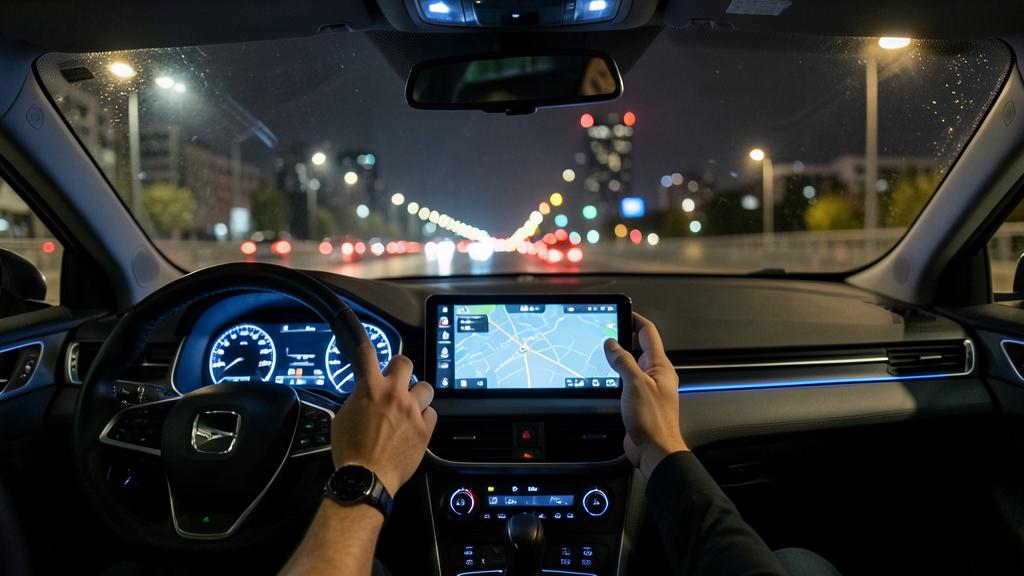
Do driving aids make driving safer?
Yes, they improve safety (emergency braking, alerts, automatic emergency calls), but they are AIDS that do not replace your vigilance: remain fully attentive and responsible at the wheel. Let’s nuance. Real BENEFITS: driving aids (emergency braking, lane alert, blind spot, cruise control, automatic emergency calls) REALLY improve safety; they avoid or mitigate accidents; a concrete and precious contribution; a real progress. The automatic EMERGENCY call: in case of serious accident, the car can automatically call emergency services; an aid that can save lives (faster help); a major benefit of connectivity; precious. BUT aids, not a pilot: these systems ASSIST the driver, they do not DRIVE for them; most cars are not autonomous; you remain the responsible driver; do not confuse aid and automatic pilot. LIMITS: aids have limits (they may not detect everything, make mistakes, not work in certain conditions); they are not infallible; do not give them blind trust; be aware of their limits. The RISK of overconfidence: « relying » on the aids (less monitoring the road) is dangerous; if the aid fails at the wrong time, you are vulnerable; overconfidence cancels the benefit; remain vigilant despite the aids. REMAIN vigilant and responsible: keep your full vigilance (hands on the steering wheel, eyes on the road), as if the aids did not exist; they are an additional safety net, not a substitute; you drive, they assist; control remains with you. AIDS WELL used: well used (in addition to your vigilance), the aids reinforce safety; poorly used (as an excuse to be distracted), they reduce it; it all depends on your use; use them wisely. Do not let yourself be DISTRACTED: also beware of screens that can distract; do not manipulate them while driving; safety depends on attention; aids do not compensate for distraction; stay focused. VIGILANCE, first safety: whatever the technology, your vigilance and attention remain the first, irreplaceable safety; aids are added, do not replace it; keep control; you are the pilot. The ADVICE: yes, driving aids improve safety (and the emergency call can save lives), but they are AIDS; remain fully vigilant and responsible (they do not drive for you), do not give them blind trust, and do not let yourself be distracted by the screens. In summary, yes, the driving aids of connected cars REALLY improve safety: automatic emergency braking, alerts (lane departure, blind spot), adaptive cruise control, and especially the automatic emergency call in case of serious accident (which speeds up the arrival of emergency services and can save lives) are real progress that avoid or mitigate accidents. It’s a precious contribution of connectivity. BUT it’s important to understand that these are AIDS that ASSIST the driver, and not systems that drive for them: most current cars are NOT autonomous, and you remain, as a driver, fully responsible for your vehicle. These aids also have LIMITS (they may not detect everything, make mistakes, or not work in certain conditions): do not give them blind trust. The real danger is OVERCONFIDENCE: « relying » on the aids by monitoring the road less, which would make you more vulnerable if the aid fails at the wrong time. So always keep your FULL VIGILANCE—hands on the steering wheel, eyes on the road, full attention—as if the aids did not exist: they are an additional safety net, not a substitute for your driving. Also beware of not letting yourself be distracted by the screens (do not manipulate them while driving). In short, driving aids reinforce safety when they complement your vigilance, but cannot replace it: your attention to the road remains your first, irreplaceable protection. Benefit from these aids as a precious support, while remaining the attentive and responsible driver of your vehicle.
Should we be wary of the connected car?
Neither be excessively wary nor idealize it: benefit from its real advantages (safety, comfort) while being aware of its questions (data, software dependence), and keep control (vigilance at the wheel, privacy settings). Balance is the key. Let’s see. Neither FEAR nor idealization: the right attitude is neither excessive mistrust (rejecting it outright) nor naive idealization; it’s DISCERNMENT; benefit from the advantages while being aware of the questions; balance; neither utopia nor threat. Real BENEFITS: the connected car brings real benefits (safety via aids and emergency calls, comfort of navigation and applications, facilitated maintenance); these advantages are concrete; benefit from them; do not reject them out of fear. Legitimate QUESTIONS: it raises real questions (collection of DATA, dependence on SOFTWARE, repairability, computer security); these questions deserve attention; do not ignore them either; remain aware. KEEP control over data: inform yourself about the collected data, adjust the privacy settings, limit unwanted sharing; you thus keep some control; vigilance on privacy (as seen); act on this key point. REMAIN in control at the WHEEL: keep your vigilance (the aids assist, do not drive); do not let yourself be distracted by the screens; safety depends on you; control remains with the driver; stay attentive. KEEP up to date: accept updates (they correct bugs and security flaws); an up-to-date car is safer; software maintenance counts; do not neglect updates. When BUYING, inform yourself: inform yourself about repairability, maintenance costs, remote paid functions, data management; criteria to consider; buy knowingly; weigh everything. An EVOLUTION to accompany: the connected car is a fundamental evolution (like the digital everywhere); approaching it with lucidity allows you to get the best out of it while limiting the drawbacks; accompany the change; adapt with discernment. The role of REGULATION: data protection and automotive safety also fall under regulation (which evolves to regulate); you are not alone; rules protect; but your vigilance remains useful. The ADVICE: do not be wary or idealize the connected car; benefit from its advantages (safety, comfort) while being aware of its questions (data, dependence); keep control (vigilance at the wheel, privacy settings, erasure at resale); discernment is the key. In summary, it is not necessary to be EXCESSIVELY wary of the connected car (to the point of rejecting it outright), nor to IDEALIZE it naively: the right attitude is DISCERNMENT. On the one hand, its BENEFITS are real and deserve to be appreciated: increased safety (driving aids, automatic emergency calls that can save lives), comfort (real-time navigation, applications, various aids), facilitated maintenance. On the other hand, it raises legitimate QUESTIONS that should not be ignored: the collection of your DATA (movements, driving habits), the increasing dependence on SOFTWARE (bugs, computer failures), more complex repairability, and computer security. The key is therefore to BENEFIT from the advantages while KEEPING CONTROL over what matters: inform yourself about the collected data and adjust the privacy settings (limit unwanted sharing, erase your data at resale); remain in control at the wheel (the aids assist but do not drive for you—keep your vigilance, do not let yourself be distracted by the screens); keep the software up to date (for security); and when buying, inform yourself about repairability, costs, and possible remote paid functions. Also know that regulation is evolving to regulate data protection and automotive safety: you are not alone, but your vigilance remains useful. In short, the connected car is a fundamental evolution that is better accompanied with lucidity than suffered or rejected: by benefiting from its advantages while remaining aware of its questions and keeping control of your data and your driving, you get the best out of it while limiting the drawbacks. Discernment, neither fear nor naivety, is the right compass.
What to remember
The modern car is no longer just a means of transport: it has become a CONNECTED object, connected to the internet and your phone, packed with screens, sensors, and software. This connectivity brings real BENEFITS: increased SAFETY (driving aids such as emergency braking and alerts, automatic emergency call in case of accident—which can save lives), COMFORT (real-time navigation, applications, driving aids), and facilitated MAINTENANCE (alerts, remote updates). But it also raises legitimate QUESTIONS that you should know about: the collection of DATA (your movements, your driving habits: where do they go, who has access?), the increasing DEPENDENCE on software (bugs, computer failures), more complex and costly REPAIRABILITY, « on-demand » paid functions, and computer security. The key point for you, the user, concerns DATA: your car collects a lot of information about your movements and habits, which paint a picture of your life. Without demonizing (many serve useful functions), be AWARE of this collection and keep control: inform yourself about what is collected and by whom, explore and adjust the privacy settings (limit unwanted sharing), be attentive to insurance offers based on your driving data and what the phone connection shares, and think about ERASING your personal data at resale or return of the vehicle (the car, like a phone, keeps traces of you). Another point of vigilance directly affects your SAFETY: driving aids ASSIST but do not DRIVE for you (most cars are not autonomous); do not give them blind trust, keep your FULL VIGILANCE (the aids are a safety net, not a substitute for your driving—you remain responsible), and above all, never let yourself be DISTRACTED by the screens while driving (set the navigation while stationary, use voice commands, do not manipulate the screen while driving, just as you would not do with a phone). The right attitude towards the connected car is neither excessive mistrust (rejection outright) nor naive idealization, but DISCERNMENT: benefit from its real advantages while being aware of its questions, and keep control of what matters (your data, your vigilance at the wheel). Keep the software up to date (for security and corrections), and when buying, inform yourself about repairability, costs, and possible remote paid functions. Finally, know that regulation is evolving to regulate data protection and automotive safety. In short, the connected car is a fundamental evolution that brings comfort and safety, but also makes your vehicle a digital object collecting data and dependent on software: by approaching it with lucidity—benefiting from the advantages, being aware of the questions, keeping control of your data, and remaining in control of your driving—you get the best out of it while protecting your privacy and safety. Neither technophobia nor naivety: discernment is the best way to drive in the era of the connected car.
Want to understand and master the technologies that change your daily life? Our training courses will enlighten you.
Leave a Reply
You must be logged in to post a comment.