
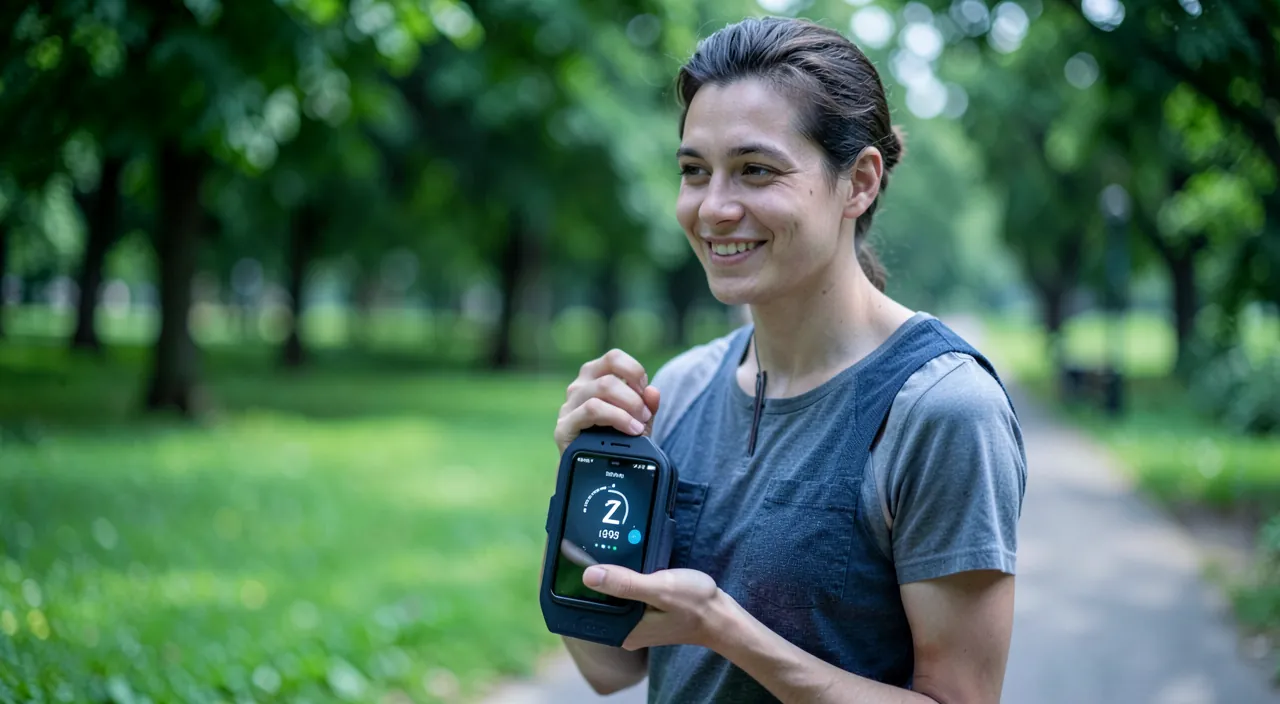
« 10 000 steps per day » : this figure, which has become a popular goal, sums up a simple and healthy idea — moving more in your daily life is good for your health. Your phone (or connected watch) automatically counts your steps without you having to do anything: it becomes a little companion that encourages you to walk more, shows your activity, and motivates you to reach your goals. Counting your steps is an accessible, free, and motivating way to take care of your fitness, without any equipment or subscription. But you need to keep a critical perspective: the count isn’t perfect, and the important thing is to move, not to reach a magical number. Let’s see how step counting works, how to use it to motivate yourself, and the good benchmarks to get the most out of it.
How step counting works
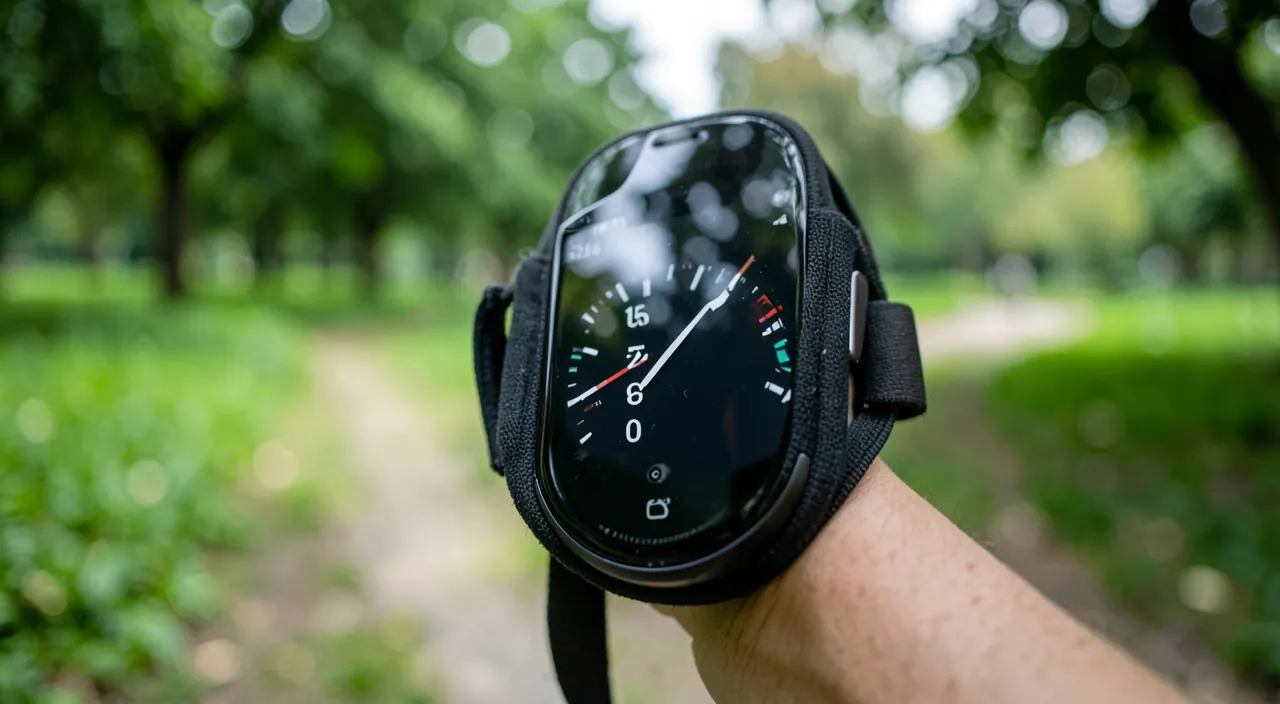
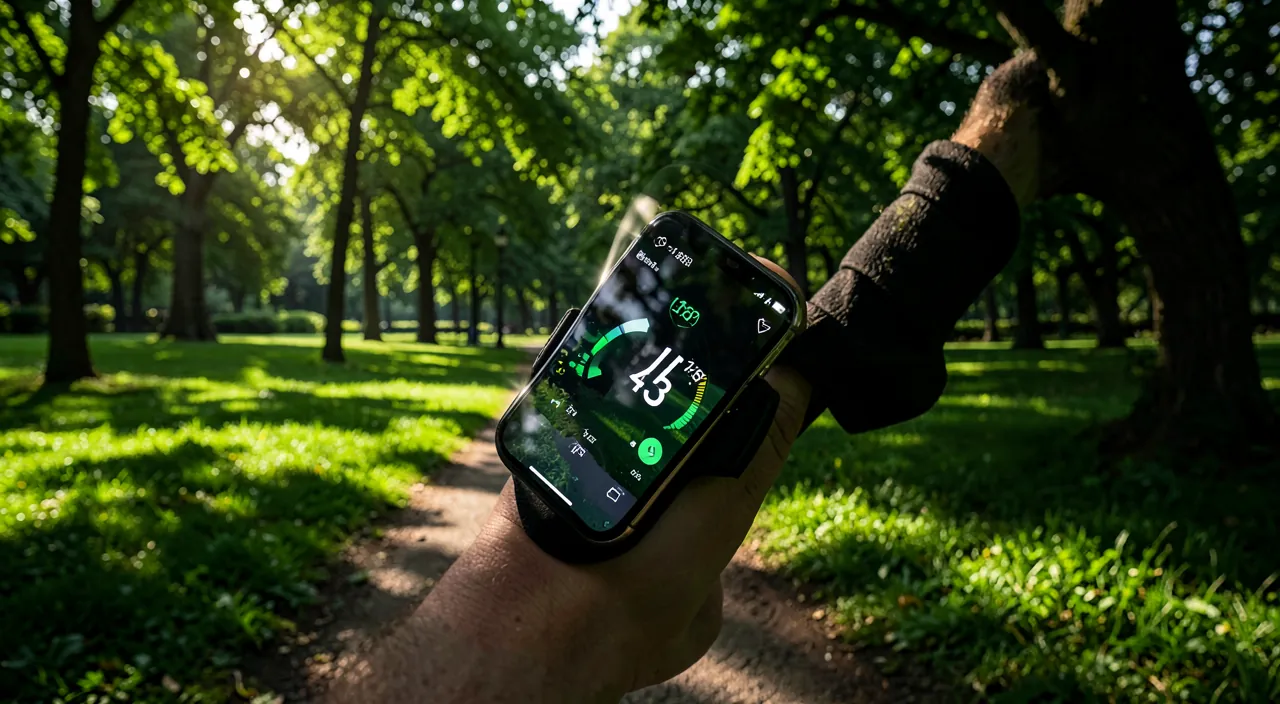
Your phone counts your steps automatically; let’s understand how. The PRINCIPLE: your phone (or connected watch) AUTOMATICALLY counts your steps thanks to its motion sensors; you don’t have to do anything; it records your walking activity throughout the day; a discreet and automatic companion. The MOTION SENSORS: the phone detects walking movements (via an integrated sensor); it « feels » your steps when you carry it with you; no need to press anything; the counting is automatic. AUTOMATIC and effortless: the counting happens ALL BY ITSELF, in the background, as long as you have the phone on you; you then check your total; no manipulation; that’s its great convenience. In the HEALTH/activity app: steps are recorded in an integrated (or dedicated) health/activity app; you can see your daily steps, history, and trends; check it out; everything is centralized there. Other DATA too: often, the app also tracks the distance covered, floors climbed, sometimes estimated calories, and active time; an overview of your activity; more than just steps; explore. FREE and no equipment: step counting is free and requires nothing more than your phone (already in your pocket); no subscription, no device to buy; accessible to everyone; no cost. The CONNECTED WATCH, more accurate: a watch/connected bracelet (worn on the wrist) counts steps more reliably (always on you, even without the phone in hand); a useful complement; but the phone is enough to start; optional. The « 10,000 STEPS » goal: the popular figure of « 10,000 steps/day » is a motivating benchmark, not an absolute rule; the idea: move more; adapt the goal to yourself (we’ll come back to this); a target, not a dogma. A MOTIVATION TOOL: seeing your steps motivates you to move more (reach the goal, beat your record); the counter encourages activity; that’s its main interest; it pushes you to walk. An APPROXIMATE precision: the count isn’t perfectly accurate (the sensor estimates); it’s an ORDER OF MAGNITUDE, a trend indicator; don’t take it step by step; it indicates a trend (we’ll come back to this). What it’S FOR: to measure and track your walking activity, to motivate yourself to move more, for free and without effort; a companion to take care of your fitness; daily encouragement. The main idea: your phone (or a connected watch) AUTOMATICALLY counts your steps thanks to its motion sensors, without you having to do anything: as long as you carry it with you, it records your walking activity in the background, which you can then check in a health/activity app (which often also shows distance, floors, active time). It’s FREE and requires no additional equipment (your phone is enough; a connected watch is more reliable but optional). The popular goal of « 10,000 steps per day » is a MOTIVATING benchmark (not an absolute rule): the idea is simply to move more, which is good for your health. Seeing your steps motivates you to walk more, to reach your goal, to beat your record — that’s the main interest of the tool. However, keep in mind that the count is APPROXIMATE (an order of magnitude, a trend indicator, not an exact number). Understood this way, counting your steps is an accessible and motivating way to take care of your fitness on a daily basis.
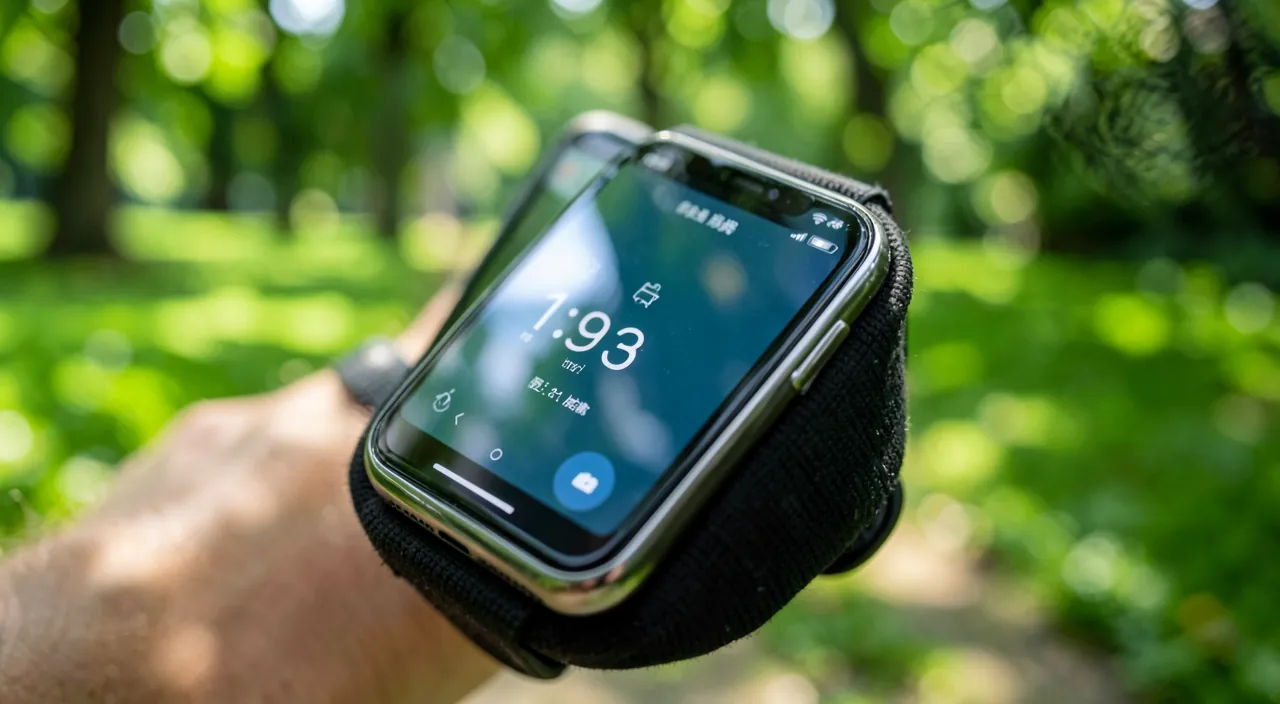
Your phone counts your steps automatically using its motion sensors. It’s not perfect – it might miss some steps or count false ones – but it gives you a good idea of how active you are. The main goal is to move more, not to reach a specific number. A connected watch is more accurate but your phone is enough to get started.
Imagine you walk to work (1,200 steps), take a 20-minute walk at lunch (2,500 steps), and walk around your neighborhood after dinner (1,800 steps). Your phone might count 5,500 steps for the day, even though you actually took 5,500 steps. The count is close enough to show you’re being active, but not exact.
How to use step counting to motivate yourself
Step counting is mainly a motivation tool; here’s how to make the most of it. CHECK your steps regularly: glance at your steps throughout the day; seeing where you stand motivates you to move more (a short walk to reach the goal); tracking encourages you; check to stimulate yourself. Set an ADAPTED goal: set a REALISTIC and personalized goal (not necessarily 10,000); if you walk little, start lower and increase gradually; an achievable goal motivates; adapt (we’ll come back to this). Follow your TREND: look at your trend over the week/month (are you walking more, less?); the trend is more meaningful than the number of a single day; aim for regularity; observe the evolution. BREAK your records: set small challenges (beat your record, a more active day) to make walking fun; the game motivates; turn the activity into a personal challenge; have fun progressing. Integrate walking into your DAILY ROUTINE: use the counter to add more walking; take the stairs, get off a stop earlier, a walk after a meal; the counter values these efforts; move more in your daily life. REMINDERS and encouragement: some apps remind you to move, congratulate you for reaching a goal; these encouragements motivate; activate them if they stimulate you; the motivating boost. WALKING, a simple activity: walking is accessible to almost everyone, free, no equipment; the counter makes it a concrete goal; moving more is good for your health (heart, mood, fitness); an accessible benefit. SHARE or CHALLENGE (optional): some people share their steps, challenge each other among friends (challenges, rankings); the emulation motivates some; do it with pleasure, without pressure; an optional social motivation. CELEBRATE your progress: rejoice in your progress (more steps than before, goal achieved for a week); satisfaction maintains motivation; value your efforts; the pleasure of progressing. STAY REGULAR: the important thing is regularity, not the performance of a single day; better to walk a little every day than a lot once; aim for a lasting habit; consistency pays. Don’t DISCOURAGE yourself: if you don’t reach the goal one day, no guilt; the important thing is to move, not to be perfect; start again the next day; self-kindness motivates more than guilt. In summary, to use step counting as motivation: CHECK your steps regularly (seeing where you stand stimulates you), set a REALISTIC and personalized goal (not necessarily 10,000: start achievable and increase gradually), follow your TREND (more meaningful than the number of a single day), have fun BREAKING your records, integrate more walking into your daily life (stairs, walk after a meal), use reminders/encouragements if they stimulate you, optionally share or challenge each other, celebrate your progress, stay REGULAR (the habit is more important than performance), and don’t feel guilty on less active days. Step counting is above all a MOTIVATION tool to move more; the adapted goal, regularity, and the pleasure of progressing are the keys.
The right approach: a goal adapted to YOU, and regularity rather than the magical number. Step counting is a great motivation tool, provided you use it with the right mindset: adapted to you, and focused on regularity rather than a magical number. First point: set a goal ADAPTED TO YOU, and not the famous « 10,000 steps » taken as an absolute rule. This figure of 10,000 steps is a popular and motivating benchmark, but it is NOT a scientific truth set in stone nor a threshold below which « it doesn’t count. » The essential idea behind this number is simply: move MORE than what you currently do. Now, the right goal entirely depends on YOUR starting point. If you are currently very sedentary (for example, 3,000 steps per day), setting 10,000 steps right away would be discouraging and doomed to failure: it’s better to aim for 5,000 first, achieve it regularly, then increase gradually. Conversely, if you are already very active, your goal can be higher. An ACHIEVABLE goal is a motivating goal: it gives you regular victories that maintain the desire to continue, while an overly ambitious and never achieved goal only discourages. Therefore, adapt the bar to your real level, and raise it little by little: even modest progress is what counts. Second point, just as important: prioritize REGULARITY over the performance of a single day or the exact number. What is beneficial for your health and fitness is to move a little MORE and REGULARLY, over time — not to explode a record one day then do nothing for a week. It’s better to walk reasonably every day than to do a huge occasional outing. Therefore, follow your TREND over the week or month (are you globally walking more than before?) rather than focusing on the number of an isolated day: it’s the trend and the lasting habit that make the difference. The counter then becomes an ally to anchor a habit: naturally integrate more walking into your daily life (take the stairs instead of the elevator, get off the bus a stop earlier, a short walk after a meal, walk instead of driving for short trips), and the counter will value these efforts. An essential corollary of this approach: don’t GUILT-TRIP yourself on days when you don’t reach your goal. A less active day (rain, fatigue, busy schedule) is not a failure: the important thing is to start again the next day, without judging yourself. Self-kindness is much more motivating in the long run than guilt, which eventually turns you off. Instead, celebrate your progress (a week where you walked more than before, a goal achieved several days in a row): satisfaction maintains the desire to continue. In summary, the right approach to step counting comes down to two principles: set a goal ADAPTED to your real level (progressive, achievable; « 10,000 » is a benchmark, not a dogma), and aim for REGULARITY and the long-term trend (move a little more each day) rather than the magical number or the performance of a single day, without guilt-tripping yourself on off days. With this mindset — kind, progressive, focused on habit —, step counting becomes a motivating and lasting companion that really helps you move more and take care of your fitness, rather than a source of pressure or guilt.
Good benchmarks and perspective to keep
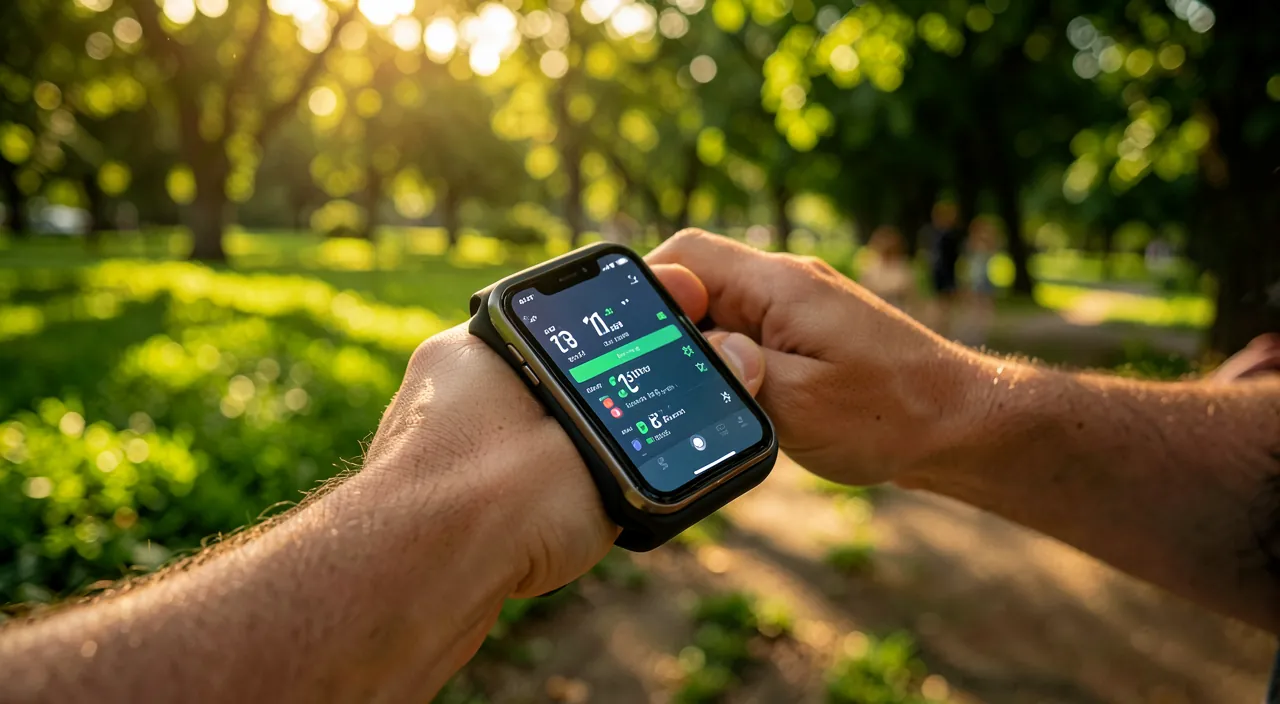
To get the most out of step counting, keep a few benchmarks and perspective in mind; here’s the essential. The count is APPROXIMATE: the number of steps is an ESTIMATE (the sensor may count false steps, miss some); it’s an order of magnitude, a trend indicator, not an exact number; don’t take it step by step; understand this limit. The important thing is to MOVE: the essential thing is not the exact number, but to move more and regularly; the counter is a means, not an end; don’t lose sight of the real goal (health); the number serves motivation, not the other way around. Don’t become OBSESSED: be careful not to become obsessed with the number (anxiety about not reaching the goal); the counter should motivate, not stress; if it becomes a source of pressure, take a step back; keep the pleasure. WALKING, not the only activity: steps only measure walking; other activities (cycling, swimming, gardening) are beneficial without being « counted » in steps; don’t reduce activity to steps; the counter ignores some activities. The phone ON YOU: counting requires having the phone on you (pocket, hand); if you put it down, steps aren’t counted; a connected watch counts better (on the wrist); the count depends on how you carry it. Don’t DISCOURAGE yourself with numbers: if the number seems low (phone put down, imprecise sensor), don’t discourage yourself; you may have moved more than counted; the number is only indicative; also judge by your feeling. A COMPLEMENT, not a health report: step counting is an activity indicator, NOT a health report; it doesn’t replace a doctor’s opinion or real medical follow-up; it’s a motivation tool, not a diagnosis (we’ll come back to this). LISTEN to your body: listen to your body more than the number; don’t push yourself to the point of pain to « do your steps »; feeling comes before the counter; well-being before the number. The CONFIDENTIALITY of health data: your activity data are HEALTH data (sensitive); check their confidentiality, choose a respectful app, secure your device; protect these data; consult our guides on data. Adapt to YOUR situation: adapt to your age, fitness, abilities; in case of health issues, ask a doctor for advice before increasing a lot; the counter for you, not against you; caution according to the situation. KEEP the pleasure: the essential thing is that moving remains a PLEASURE and an enjoyable habit; the counter should contribute to this, not spoil it; if walking becomes a numbered chore, find the pleasure again; well-being above all. In summary, the benchmarks to keep in mind: the count is APPROXIMATE (an order of magnitude, not an exact number), the important thing is to MOVE more and regularly (the counter is a means, not an end), don’t become OBSESSED with the number (it should motivate, not stress), remember that steps only measure walking (other activities count too), that the count depends on having the phone on you, and above all that it’s a motivation indicator, NOT a health report (it doesn’t replace a doctor). Listen to your body more than the number, protect the confidentiality of your health data, adapt to your situation (medical advice if needed), and keep the pleasure of moving. With this perspective, step counting remains a motivating ally without becoming a source of pressure; the assumed approximation, the real goal (moving), and pleasure are the key benchmarks.
Warning: step counting is approximate and is not a health report; it should motivate, not become an obsession or replace a doctor’s opinion. Three points of perspective are essential for step counting to remain a kind ally, and not a source of stress or illusion. The first: the count is APPROXIMATE, don’t take it step by step. Your phone’s motion sensor ESTIMATES your steps: it can count too many (a bumpy car ride, hand gestures holding the phone can be taken for steps) or miss some (if you push a cart, hold a railing, or don’t have the phone on you). The displayed number is therefore an ORDER OF MAGNITUDE and a TREND indicator, not an exact measurement. Don’t focus on the exact number: what counts is to see globally if you’re moving more or less, not to reach a number step by step. And don’t discourage yourself if the count seems low one day: you may have walked more than was counted (phone put down, imprecise sensor). The second point, important: step counting is a MOTIVATION tool, NOT a health report. This is a crucial distinction to keep in mind. Seeing your steps and setting goals is excellent to encourage you to move more — and moving is good for your health. But the number of steps says NOTHING about your overall health status: it’s neither a diagnosis, nor a medical report, nor a guarantee of good fitness. Don’t overinterpret these numbers and don’t take them for a reliable medical indicator. Above all, step counting (and more broadly the « health » functions of phones and watches) NEVER REPLACES a healthcare professional’s opinion: in case of questions about your fitness, a project to resume physical activity after a period of inactivity or at a certain age, or any health issues, consult a DOCTOR — it’s them, and not your step counter, who can assess your situation and advise you. The counter helps you move; the doctor looks after your health: don’t confuse the two roles. The third point of perspective: don’t let counting become an OBSESSION. The tool is meant to motivate you and make the activity enjoyable; it must not become a source of anxiety, pressure, or guilt. Some people start to stress about not reaching « their » number, feel guilty on less active days, or even push themselves to discomfort to « do their steps » — which is counterproductive and can even be harmful. Keep the right mindset: if you don’t reach your goal one day, it’s NOT serious (start again the next day, without guilt); LISTEN to your body more than the number (never push yourself to pain for a counter); and remember that other beneficial activities (cycling, swimming, gardening) are not « counted » in steps but are just as valuable. If counting stresses you more than it motivates you, take a step back, or even put it aside: the goal is well-being, not the performance of a number. A final point: your activity data are HEALTH DATA, sensitive; make sure they are confidential (respectful app, secured device). In summary, keep this perspective in mind: step counting is approximate (an order of magnitude, not an exact number), it’s a motivation tool and not a health report (it never replaces a doctor’s opinion), and it must remain a motivating pleasure without becoming an obsessive guilt. With this balance, step counting really helps you move more and take care of your fitness, serenely.
Frequent questions
Should you really do 10,000 steps per day?
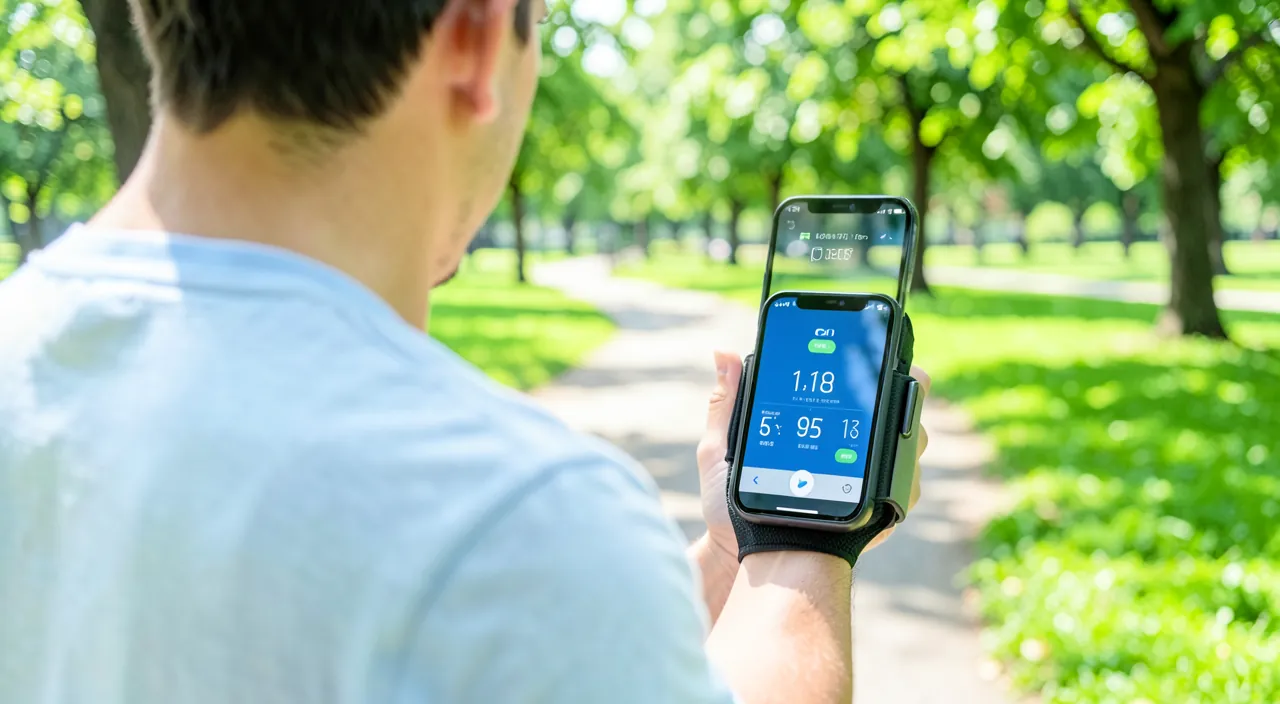
No, it’s not an absolute rule: 10,000 is a motivating benchmark, but the important thing is to move MORE than usual, with a goal adapted to your level; every extra step is beneficial. Let’s nuance. A BENCHMARK, not a rule: « 10,000 steps » is a POPULAR and motivating figure, but not an absolute scientific truth nor a magical threshold; it’s a benchmark, not a dogma; don’t take it as a strict obligation. The ESSENTIAL idea: behind this number, the idea is simple; move MORE than what you currently do; it’s the extra movement that counts, not an exact number; aim to be more active. ADAPT to your level: the right goal depends on YOUR starting point; if you walk little, aiming for 10,000 right away is discouraging; start lower (5,000?) and increase gradually; an achievable goal motivates; personalize. Every step IN ADDITION counts: even if you don’t reach 10,000, every step more than before is beneficial; going from 3,000 to 6,000 is already a great progress; don’t devalue your efforts just because you don’t reach « the » number; everything counts. PROGRESSION is key: the important thing is to PROGRESS (move more than before) and to STAY regular, not to reach an exact number; aim for the upward trend and the habit; progression is the real goal. Don’t DISCOURAGE yourself: if 10,000 seems unattainable, don’t give up moving; set a realistic and achievable goal; better to do 6,000 steps regularly than 10,000 never; the achievable motivates, the unattainable discourages. QUALITY also counts: beyond the number, a sustained, regular walk is beneficial; it’s not just about counting; move in a varied and enjoyable way; movement, not just the number. Adapt to your HEALTH: adapt the goal to your age, fitness, abilities; in case of health issues, ask a doctor for advice; the goal must suit you; caution according to your situation. The ADVICE: no, 10,000 steps is not an absolute rule; it’s a motivating benchmark; the important thing is to move more than before with an adapted and achievable goal, to progress regularly, and to value every extra step; adapt to your situation. In summary, no, you don’t « really » have to do 10,000 steps per day in the sense of an absolute rule: this number is a POPULAR and motivating benchmark, but not a scientific truth set in stone nor a threshold below which efforts « wouldn’t count. » The essential idea behind this number is much simpler and more important: move MORE than what you currently do, because being more active is good for your health. Now, the right goal entirely depends on YOUR starting point: if you are rather sedentary, aiming for 10,000 steps right away would be discouraging and doomed to failure; it’s better to start with a more modest and ACHIEVABLE goal (for example 5,000 or 6,000 steps), achieve it regularly, then increase it gradually. Remember that EVERY extra step is beneficial: going from 3,000 to 6,000 steps per day is already an excellent progress, even if you never reach 10,000. What really counts is the PROGRESSION (moving more than before) and the REGULARITY (making it a lasting habit), not an exact number. Therefore, don’t discourage yourself if « the » magical number seems out of reach: a realistic goal that you achieve regularly is infinitely better than an ambitious goal never achieved, which only demotivates. Finally, adapt your goal to your age, fitness, and abilities, and in case of health issues or resumption of activity, ask a doctor for advice. In short, forget the dogma of « 10,000 mandatory steps »; set yourself an adapted and progressive goal, value every extra step, and focus on the habit of moving more — that’s what’s beneficial, much more than a number.

Is the step counting of my phone reliable?
It is approximate: it’s a good trend indicator, but not an exact count step by step; it can count false steps or miss some, and only counts when you have the phone on you. Let’s detail. An ESTIMATE: the count is based on a motion sensor that ESTIMATES your steps; it’s not perfectly accurate; it’s an order of magnitude, a trend indicator; don’t take it step by step; understand this approximate nature. FALSE steps counted: the sensor can count movements that are not steps; a bumpy car ride, hand gestures holding the phone; hence sometimes an inflated count; the sensor can be wrong. MISSED steps: conversely, steps can go uncounted; if you push a cart, hold a railing, or don’t have the phone on you; hence sometimes an underestimated count; the sensor also misses some. The phone ON YOU: the count only works if you have the phone ON YOU (pocket, hand, bag near the body); if you put it down, your steps aren’t counted; the count depends on how you carry it; that’s a big limit. The WATCH more reliable: a watch or connected bracelet (on the wrist, always on you) counts more reliably, even without the phone in hand; more precise for tracking; a complement if you want more reliability; optional. Reliable for the TREND: despite these imprecision, the count is reliable for the TREND (are you moving more or less?); that’s its true use; it indicates the evolution, not the exact number; enough to motivate. Not serious for USE: for the use (motivate yourself to move), this approximation is not serious; the important thing is to see if you’re progressing, not the exact number; the imprecision doesn’t prevent motivation; use it for what it is. Don’t DISCOURAGE yourself: if the number seems low (phone put down), don’t discourage yourself; you’ve surely moved more; also judge by your feeling; the number is only indicative. The FEELING too: also trust your feeling and your habits (have you walked, taken the stairs?), not just the number; the counter complements the feeling; both together. The ADVICE: the count is approximate (false steps, missed steps, depends on how you carry the phone) but reliable for the TREND; use it as a motivation indicator, not as an exact count; a watch is more reliable if you want more precision. In summary, the step counting of your phone is APPROXIMATE: it’s a good TREND indicator, but not an exact count step by step. The motion sensor ESTIMATES your steps, and this estimate has its limits: it can count « false steps » (a bumpy car ride, hand gestures holding the phone can be taken for steps), or on the contrary MISS some (if you push a cart, hold a stair railing, or simply don’t have the phone on you). This last limit is important: the count only works when you CARRY the phone on you (pocket, hand); if you put it down, your steps at that time aren’t counted. For more reliable tracking, a WATCH or connected bracelet (worn on the wrist, therefore always on you) counts more precisely, even without the phone in hand — but that’s optional. However, this approximation is NOT a problem for the intended use: the count remains reliable to indicate a TREND (are you globally moving more or less?), and that’s precisely its main interest — to motivate you to be more active. For this use, the important thing is not the exact number, but to see if you’re progressing. Therefore, don’t discourage yourself if the number seems low one day (you may have moved more than counted), and also trust your FEELING and your habits (have you walked, taken the stairs?), not just the counter. In short, consider step counting as a motivating trend indicator, approximate but useful, and not as an exact scientific measurement: thus used, it perfectly fulfills its role of encouraging you to move more.
Is the tracking of my steps and activity confidential?
Your activity data are HEALTH data, therefore sensitive: make sure of their confidentiality by choosing a respectful application, securing your device, and checking what is shared. Let’s see. SENSITIVE data: your steps, your activity, your health data are PERSONAL and SENSITIVE information; they say a lot about your lifestyle, your fitness; to be protected as such; confidentiality matters. Choose a RESPECTFUL app: prefer a health/activity app RESPECTFUL of privacy (the one integrated into your phone is often a good choice, with protections); beware of third-party apps unclear about data usage; choose serious. Check what is COLLECTED/shared: check what the app collects and shares (with third parties, online); limit unwanted sharing in the settings; don’t let your health data circulate; control. SECURE the device: protect your phone (lock code, biometrics); your health data are there; a locked device protects them; basic security applies; lock. The LINKED account: if your health data are synchronized (account, cloud); secure this account (strong password, two-factor authentication); its security protects your data; consult our guides on 2FA. Be careful with SOCIAL sharing: if you share your steps/activity (challenges, networks); think about what you expose (your habits, your activity location); share with discernment; don’t divulge too much; social caution. LOCATION data: some activity apps also record your routes (location); even more sensitive; check and limit this tracking if you don’t want it; location is delicate; manage it. INTEGRATED protections: health apps integrated into phones often have enhanced protections for these sensitive data; that’s an argument to prefer them; native often protects better; prefer it. Your RIGHTS over your data: you have rights over your health data (consult them, delete them, limit their use); use the app’s privacy settings; take back control; exercise your rights. The ADVICE: your activity data being sensitive health data, protect them; choose a respectful app (the integrated one is often good), check what is collected/shared, secure your device and the linked account, and be careful with social sharing and location. In summary, yes, the confidentiality of your activity tracking deserves your attention, because your steps, your activity, and your possible other measurements are HEALTH DATA, particularly SENSITIVE: they say a lot about your lifestyle, your fitness, your habits, and sometimes your movements. To protect them: prefer a health/activity app RESPECTFUL of privacy — the one INTEGRATED into your phone is often a good choice, because these native apps generally benefit from enhanced protections for health data —, and beware of third-party apps unclear about the use they make of your data. Check what the app COLLECTS and SHARES (with third parties, online) and limit unwanted sharing in its privacy settings. SECURE your device (lock code, biometrics), because your health data are stored there, and if they are synchronized via an account or a cloud, secure this account (strong password, two-factor authentication). Be attentive to SOCIAL SHARING: if you share your performances (challenges among friends, social networks), think about what you expose (your habits, even your activity locations). Pay particular attention to LOCATION data if your app records your routes (even more sensitive: check and limit this tracking if you don’t want it). Finally, know that you have RIGHTS over your health data (consult them, limit them, delete them): use the privacy settings to take back control. In summary, treat your activity data with the care due to health data: a respectful app (preferably the integrated one), a secured device and account, control of what is collected and shared, and caution on social sharing and location. You will thus benefit from the tracking of your activity while keeping your personal data well protected.
What to remember
Counting your steps is an accessible, free, and motivating way to take care of your fitness on a daily basis: your phone (or a connected watch) automatically counts your steps thanks to its motion sensors, without you having to do anything — as long as you carry it with you —, and records your activity in a health app (which often also shows distance, floors, active time). The famous goal of « 10,000 steps per day » is a MOTIVATING benchmark, not an absolute rule: the essential idea is simply to move MORE than before, which is good for your health. The right approach is based on two principles. First, set a goal ADAPTED TO YOU: if you walk little, start with an achievable goal (5,000 or 6,000 steps) and increase gradually, because a realistic and regularly achieved goal motivates, while an overly ambitious and never achieved goal discourages. Every extra step is beneficial: going from 3,000 to 6,000 steps is already a great progress. Then, prioritize REGULARITY and the trend over time (move a little more each day) rather than the performance of a single day or the exact number; naturally integrate more walking into your daily life (stairs, walk after a meal, walking trips), and don’t guilt-trip yourself on less active days (start again the next day, without judging yourself). Step counting is above all a MOTIVATION tool: check your steps to stimulate yourself, have fun breaking your records, celebrate your progress, and keep the pleasure of moving. But also keep three essential points of perspective. The count is APPROXIMATE (an order of magnitude, not an exact number: the sensor can count false steps or miss some, and only counts when you have the phone on you — a watch is more reliable): trust the trend, not the exact number. The count is a motivation tool, NOT a health report: it says nothing about your overall health status and NEVER REPLACES a doctor’s opinion (consult a professional in case of questions about your fitness or resumption of activity). And it must not become an OBSESSION: listen to your body more than the number (never push yourself to pain), remember that other activities (cycling, swimming, gardening) are just as beneficial without being « counted, » and if the counter stresses you more than it motivates you, take a step back. Finally, your activity data being sensitive HEALTH data, make sure of their confidentiality (respectful app — preferably the integrated one —, secured device and account, caution on sharing). In short, counting your steps is a simple and motivating companion to move more, provided you use it with the right mindset: an adapted and progressive goal, regularity rather than the magical number, perspective on the approximation and the limits of the tool, and above all the pleasure of moving as a priority. The real goal is not a number, but your well-being — and the counter is just an ally to contribute to it.
Want to go further with your phone and your apps? Our practical training courses are made for you.
Leave a Reply
You must be logged in to post a comment.