
You dream of taking up knitting, pottery, woodworking, gardening, sewing, or drawing, but you don’t know where to start? Starting a manual activity can seem intimidating: what equipment to buy, what basics to learn, what realistic first project? Artificial intelligence can help you get started: it explains the basics, advises you on equipment, suggests projects suited to your level, and answers your questions. It’s a patient guide to taking the first step. But a manual activity is learned above all through practice and gesture, which AI cannot transmit. Let’s see how AI can help you get started in a manual activity, without forgetting the essential: doing, with your hands, for real.
How AI Helps You Start a Manual Activity
AI is a good guide to take the first step and get started; here are its contributions. EXPLAIN the basics: it introduces you to the fundamentals of an activity—the basic techniques, vocabulary, and principles—so you can understand where to start and demystify the discipline. ADVISE on equipment: one of the first difficulties for beginners; AI helps you know what basic equipment to buy to get started, without overspending or buying unnecessary items; it guides your first purchases. Suggest ADAPTED projects: it proposes simple first projects, achievable by a beginner; starting with a project within your reach is essential to avoid discouragement; AI helps you choose. ANSWER your questions: throughout the learning process, you can ask it questions—“how do you do this stitch?”, “why isn’t my result clear?”, “what if…?”; a guide that is available and patient. ORGANIZE learning: it helps structure a progression—what to learn first, in what order, how to improve; a guiding thread. Provide IDEAS: ideas for projects, creations, variations; to fuel your creativity once the basics are acquired. EXPLAIN a problem: when something doesn’t work, AI can help you understand why and how to fix it; troubleshooting. What AI CANNOT do (crucial): transmit the GESTURE, the knack, the feel, which can only be learned through PRACTICE; it explains, but doesn’t do it for you, and especially cannot physically show you or correct your gesture; for that, practice, videos, a class, or a mentor are irreplaceable (we’ll come back to this). What it SERVES for: to TAKE the step (know where to start); to EQUIP yourself intelligently; to choose good first PROJECTS; to ANSWER your questions; to ORGANIZE your progress; in short, to start a new activity with peace of mind. The key idea: AI helps you get started in a manual activity by playing the role of a guide to begin: it explains the basics, advises on equipment to buy, suggests first projects suited to beginners, answers questions, and helps organize your progress. It’s a precious support to take the first step and demystify a discipline. But a manual activity is learned above all through GESTURE and PRACTICE, which AI cannot transmit: it explains, but cannot do it for you, show you physically, or correct your knack. An excellent guide to get started and understand; but the heart of learning remains doing, with your hands, by practicing—complemented by videos, a class, or a mentor for the gesture.
AI is like a smart coach that helps you understand the basics of a craft, tells you what tools to buy, and suggests easy first projects. But it can’t teach you how to actually do the physical movements—you have to practice those yourself. Think of it as getting directions to a place, but you still have to drive there yourself.
Imagine you want to start woodworking. AI can tell you that a beginner needs a basic chisel set (like the 5-piece set from brand X for $50), explain how to hold a chisel, and suggest making a simple wooden box as your first project. But it can’t show you the exact angle to hold the chisel or how to apply the right pressure—you’ll need to watch a video or take a class for that.
How to Get Started with AI’s Help
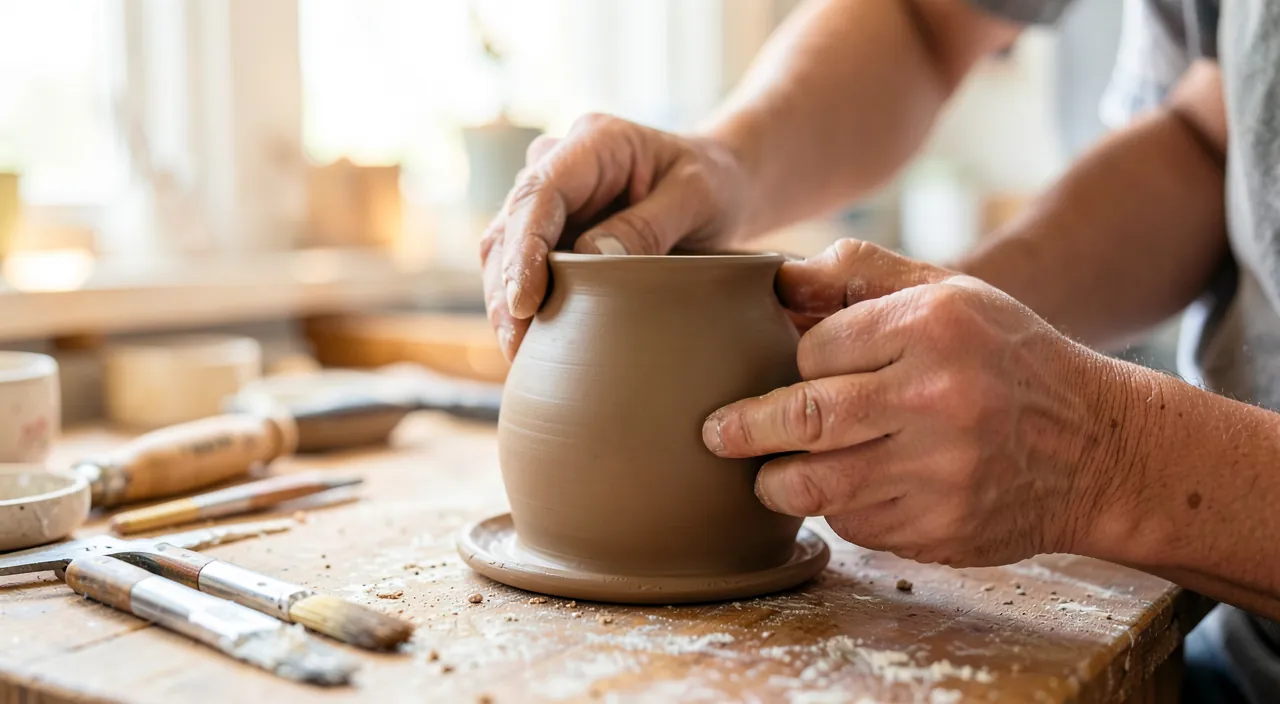
To get started in a manual activity with AI, here’s the approach. CHOOSE your activity: start with what really ATTRACTS you; desire is the best motivator; ask AI to present different activities to help you choose. Have the BASICS explained: ask AI the fundamentals of the activity, the vocabulary, where to start; you demystify the discipline and know what to expect. Ask for advice on EQUIPMENT: ask AI about the basic equipment to start—just the essentials, without overspending or buying unnecessary items; start modestly, you’ll complete it according to your real needs. Start with a SIMPLE project: ask for a first project within your reach; successfully completing a simple project builds confidence and the desire to continue; don’t aim too high too soon. COMBINE with videos and demonstrations: this is essential; for the GESTURE, supplement AI’s explanations with demonstration videos, visual tutorials; seeing someone do it is indispensable to learn a gesture (AI explains, the video shows). PRACTICE, again and again: the core of learning; a manual activity is learned by DOING; accept that the beginnings are imperfect, persevere, the gesture comes with repetition; AI does not replace practice. ASK your questions along the way: stuck on a point? A disappointing result? Ask AI to explain or help you understand; an available guide. ACCEPT imperfection and mistakes: the first attempts are rarely successful; it’s normal and educational; you learn from your failures; don’t get discouraged. CHECK SAFETY: for activities involving tools, products, or heat (woodworking, pottery, certain techniques), seriously inform yourself about safety; don’t blindly follow AI on this point; safety comes first (we’ll come back to this). CONSIDER a class or a mentor: to progress, nothing beats a real class, a workshop, or someone who shows and corrects your gesture; AI is a complement, not a substitute for human and practical learning. KEEP the PLEASURE: a manual activity is above all a pleasure, a relaxation, a pride in creating; savor the process, not just the result. In summary: choose what attracts you, have the basics explained and get advice on equipment, start with a simple project, but imperatively supplement AI with videos for the gesture and above all with PRACTICE, ask your questions along the way, accept imperfection, check safety, consider a class to progress, and keep the pleasure. AI helps you get started and understand; it’s by doing, with your hands, that you’ll really learn.
- CHOOSE your activity
- Have the BASICS explained
- Ask for advice on EQUIPMENT
- Start with a SIMPLE project
- COMBINE with videos and demonstrations
- PRACTICE, again and again
- ASK your questions along the way
- ACCEPT imperfection and mistakes
- CHECK SAFETY
- CONSIDER a class or a mentor
- KEEP the PLEASURE
AI removes the obstacles of starting, practice does the rest. AI is particularly valuable for one very specific thing in a manual activity: helping you TAKE THE FIRST STEP. Because it’s often the start that blocks you. You dream of taking up an activity, but you never do it, held back by a host of intimidating questions: where to start? What equipment to buy (and how not to make a mistake or overspend)? What basics do you need to master? What realistic first project for a beginner? These starting obstacles discourage many vocations before they even begin. That’s exactly where AI works wonders: it answers all these beginner questions, patiently and without judgment. Ask it to present the basics of the activity that attracts you, to advise you on the essential equipment to start (AI is good at avoiding unnecessary purchases and guiding you toward the necessary), and to suggest a first simple project, within your reach, to practice. In a few exchanges, what seemed like an insurmountable wall becomes a clear path: you know what to buy, where to start, and what to do first. AI thus removes the psychological and practical barrier of starting, which is often the hardest. But—and it’s crucial to understand this—once the step is taken, the real learning begins, and that’s where AI gives way to what it cannot replace: PRACTICE and GESTURE. A manual activity is not learned by reading explanations; it’s learned by DOING, with your hands, through repetition, until the gesture becomes natural. AI can EXPLAIN how to hold a tool, make a stitch, shape the clay; but it cannot physically SHOW you, FEEL for you, or CORRECT your knack. For that, two complements are indispensable. First, DEMONSTRATION videos: seeing someone do the gesture is infinitely more effective than a description; systematically supplement AI’s explanations with visual tutorials. Then, and above all, PERSONAL practice: dive in, do, fail, start over; accept that your first attempts will be imperfect (they will be, and it’s normal); it’s by practicing, again and again, that the gesture is refined and you really progress. To go further, also consider a real CLASS, a workshop, or a mentor: someone who sees your gesture, corrects it, transmits the knack—something that neither AI nor videos will ever do as well as a human by your side. The right combination, therefore: AI to remove the obstacles of starting and answer your questions, videos to see the gesture, and practice (possibly guided by a mentor) to really learn it. AI puts you in the saddle; it’s you, by doing with your hands, who learn to ride. So don’t get stuck in the explanations: once the step is taken thanks to AI, dive in and practice—that’s where the real pleasure of creating with your hands is born.
The Essentials: Gesture, Practice, and Safety
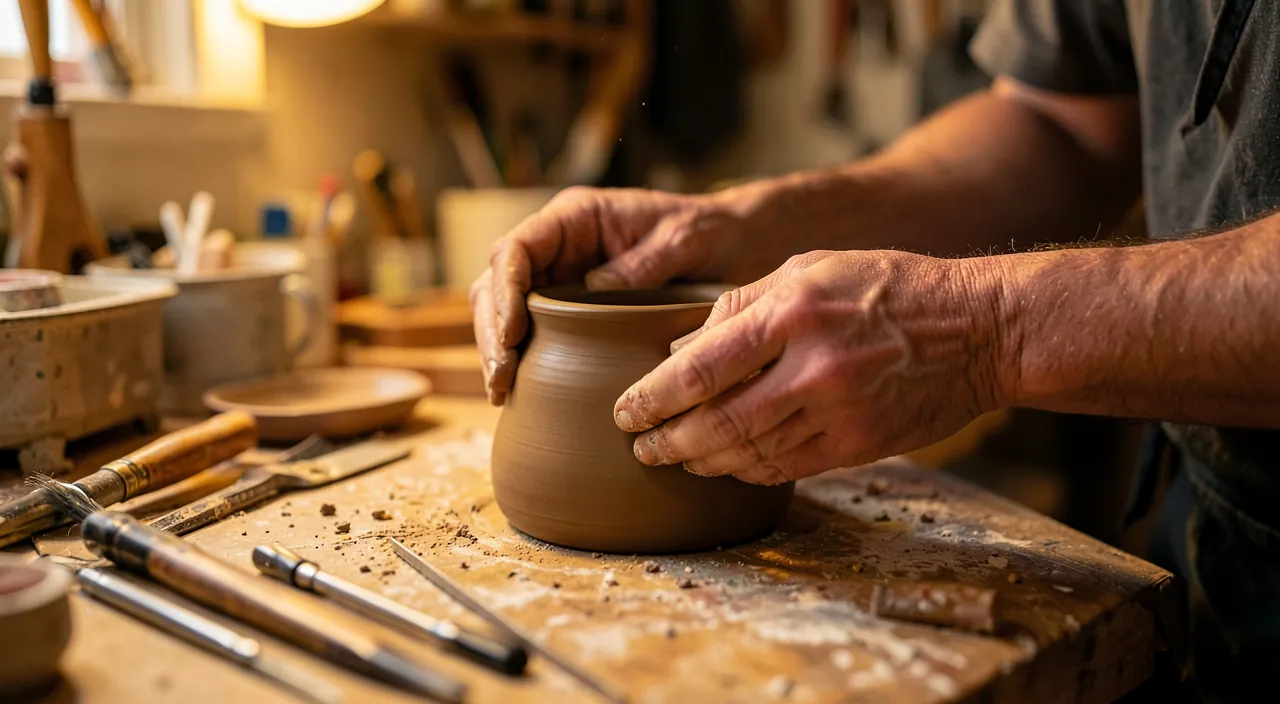
A manual activity has its own requirements that AI does not cover; here’s the essential to keep in mind. The GESTURE is learned by DOING: this is the fundamental point; the knack, the feel, the coordination, the mastery of a tool are acquired through REPEATED practice, not by reading; AI explains, but does not transmit the gesture; accept to practice, to fail, to start over; that’s how you learn a manual activity. The value of VIDEOS and demonstrations: for the gesture, seeing someone do it is much more effective than a written explanation; supplement AI with demonstration videos; the eye learns what words struggle to describe. The irreplaceable HUMAN: a class, a workshop, a mentor, a club bring what AI cannot—a correction of your gesture, the transmission of the knack, the emulation, the contact; to really progress, human and practical learning remains precious, even indispensable for some activities. SAFETY, paramount: many manual activities involve CUTTING tools, machines, HEAT (pottery, welding), PRODUCTS (paints, glues, varnishes), risky gestures; safety is essential and cannot be improvised; seriously inform yourself (reliable sources, training, professionals), do not rely solely on AI on this point, and do not undertake anything risky without the necessary precautions and supervision (we’ll come back to this). The FORMATIVE IMPERFECTION: the beginnings are imperfect, the failures frequent; it’s normal and part of the learning; do not aim for perfection right away; you progress through trial and error; patience is your ally. PATIENCE and perseverance: learning a manual activity takes time; the gesture is forged, mastery comes gradually; do not get discouraged if it’s not perfect right away; persevere, the pleasure grows with progress. The PLEASURE of doing: a manual activity is a source of relaxation, satisfaction, pride in creating with your hands; it’s also a disconnection from screens; savor the process as much as the result. AI as a COMPLEMENT: keep AI in its right place—a guide to start, understand, equip, troubleshoot—complementing practice, videos, and human learning; do not expect it to “learn” for you. Do not STAY in theory: the pitfall would be to read and explain everything without ever doing; the risk with AI is to stay in the explanations; manual activity is made to be PRACTICED; dive in. In summary, the essential: the GESTURE is learned by DOING (AI explains, practice teaches); supplement with videos to see the gesture, and with a class or a mentor for correction and transmission (the human remains irreplaceable); SAFETY is paramount and must not rely solely on AI (seriously inform yourself, especially for tools, heat, products); accept imperfection and be patient; and keep the pleasure of creating with your hands. AI is a precious starting guide; but a manual activity is lived and learned by practicing, not by reading.
Be careful with safety: for activities involving tools, heat, or products, seriously inform yourself and do not rely solely on AI—and remember that the gesture is learned by practicing, not by reading. Two essential points deserve your attention. The first, priority: SAFETY. Many manual activities, as fulfilling as they may be, involve real risks that should never be taken lightly: woodworking and DIY involve cutting tools and machines; pottery, welding, or glasswork involve intense heat; painting, resins, glues, and varnishes expose you to chemical products; sewing, sculpture, and many other activities have their own dangers. These risks—cuts, burns, splashes, toxic fumes, accidents—are serious, and safety cannot be improvised. Yet AI, as useful as it may be to guide you, is NOT a reliable and sufficient source when it comes to safety: it can give incomplete, inaccurate advice, or omit crucial precautions, without you being able to know. Therefore, NEVER rely solely on AI for safety questions in a risky activity. SERIOUSLY inform yourself from reliable sources: the instructions of tool and product manufacturers, training or classes (where you are taught safe gestures), reference books and serious videos, or even the support of a professional or experienced practitioner. Equip yourself with the necessary protections (gloves, goggles, mask, ventilation depending on the activity), learn to use each tool and machine correctly and safely before using them, respect the precautions related to products (ventilation, prohibited mixtures, storage), and never undertake an activity presenting a serious risk without the appropriate knowledge, equipment, and, if necessary, supervision. For the most risky activities (dangerous machines, high temperatures, toxic products), a supervised learning is strongly recommended before starting alone. The safety of your body is not delegated to an AI: it’s a subject where rigor and reliable sources are indispensable. The second point, less dangerous but just as important to succeed: do not remain a prisoner of AI’s explanations. The manual gesture—the knack, the feel, the coordination, the mastery of the tool—is NOT learned by reading explanations, no matter how clear they are; it is learned by DOING, through repeated practice, and by SEEING someone do it. AI can explain a gesture with words, but it cannot physically show you, feel for you, or correct your execution; to stick to its explanations without ever practicing is to remain on the sidelines of the activity without ever truly entering it. Therefore, imperatively supplement AI with two things: DEMONSTRATION videos (to see the gesture, which is much more expressive than a description) and above all PERSONAL practice (to learn it in your own hands). Accept that your beginnings will be imperfect—the failures are normal and educational—be patient, and truly dive in rather than wanting to “understand” everything before acting. And to really progress, consider a class, a workshop, or a mentor: nothing replaces a human who sees your gesture, corrects it, and transmits their knack. By keeping these two reflexes—serious safety with reliable sources, and learning by practice rather than just theory—you benefit from AI as an excellent starting guide, while giving yourself the means to truly and safely learn an activity that is lived with the hands.
Frequent Questions
Can AI really teach me a manual activity?
It can help you GET STARTED and understand, but it cannot teach you the GESTURE, which is only acquired through practice: AI is a starting guide, not a knack teacher. Let’s distinguish what it can and cannot do. What AI CAN do: it helps you take the first step and understand—explain the basics, the theory, the vocabulary; advise on equipment; suggest first projects; answer your questions; organize your progress; help you troubleshoot when something doesn’t work; on the knowledge and organization level, it’s a precious guide that removes the obstacles of starting. What AI CANNOT do: transmit the GESTURE itself; the knack, the feel, the coordination, the mastery of a tool are only learned through PRACTICE and by SEEING someone do it, not through explanations; AI cannot physically show you, feel for you, or correct your execution; yet it’s the gesture that makes a manual activity. The KEY difference: learning a manual activity is essentially learning GESTURES, and this involves the body, repetition, observation—a physical learning that AI, purely verbal, cannot ensure; it transmits knowledge, not manual know-how. What REALLY teaches the gesture: PERSONAL practice (do, fail, start over, until the gesture comes); DEMONSTRATION videos (see someone do it); and above all a CLASS, a workshop, or a MENTOR (someone who shows, corrects, transmits); that’s where you learn a manual activity, AI being only a complement. The right PERSPECTIVE: do not ask AI to “teach” you a manual activity (it cannot really do that); ask it to help you GET STARTED, understand, equip yourself, troubleshoot; then learn the gesture through practice, videos, and human learning; that’s the combination that works. The TRAP to avoid: believing you can learn a manual activity “with AI” without ever practicing; that would be staying in theory without ever acquiring the gesture; manual activity is lived with the hands. In summary, no, AI cannot really “teach” you a manual activity: it can help you get started, understand the basics, equip yourself, and troubleshoot (which is precious to take the first step), but it cannot transmit the GESTURE, which is only acquired through practice, observation, and human learning. Use AI as a starting guide, then learn the gesture by practicing, watching videos, and ideally with a class or a mentor. AI puts you on the right path; it’s by doing, with your hands, that you really learn.
How to know what equipment to buy to get started?
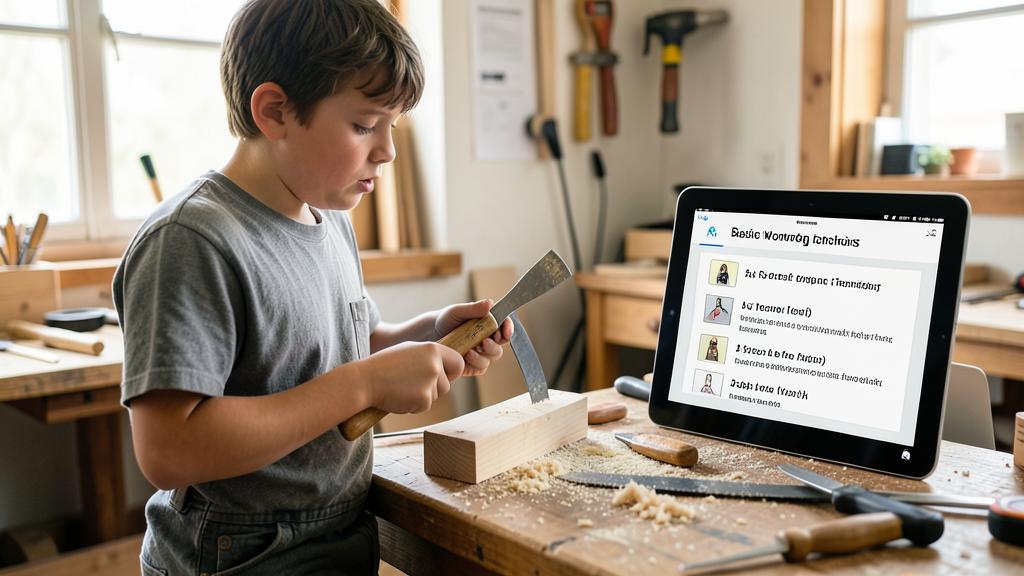
AI is actually very useful for this: it can advise you on the basic equipment to start without overspending; start modestly, and then complete according to your real needs. Here’s the approach. AI’s help for EQUIPMENT: this is one of its good uses for a manual activity; ask it what ESSENTIAL equipment to buy to get started in the chosen activity; it will guide you toward the basic essentials, avoiding unnecessary or too costly purchases; for the beginner who doesn’t know where to start, it’s a precious help to avoid making mistakes. The principle: start MODESTLY: wisdom is to begin with simple and affordable equipment, the essentials to take your first steps; no need to invest in expensive or professional equipment before being sure that the activity pleases you and knowing your real needs; you will complete and upgrade later, knowingly; ask AI for the “starter kit” minimum. What to ASK AI: the indispensable equipment to start (as opposed to the superfluous or what will come later); affordable options for beginners; possibly, what is best to avoid buying right away; and the criteria for choosing (minimum quality, pitfalls to avoid). Cross-check with other SOURCES: AI’s advice is a good starting point, but cross-check them; recommendations from practitioners (forums, videos, specialty stores), reviews, the experience of someone who practices; these sources usefully complement AI and give you concrete references. Beware of COST and impulse purchases: don’t let yourself be carried away; many beginners over-equip before even starting, then give up; invest progressively, as your practice and needs become clearer. SAFETY in equipment: also think about the necessary PROTECTION equipment (gloves, goggles, mask depending on the activity); this is a priority purchase for risky activities; do not neglect it. The ADVICE: ask AI the basic equipment to start, start modestly, cross-check with practitioners, don’t forget protection, and then complete according to your real experience. In summary, to know what equipment to buy to get started, AI is a good guide: ask it the ESSENTIAL basic equipment, favoring starting modestly (affordable essentials, without overspending or over-equipping) and then completing according to your real needs once you practice. Cross-check its advice with the experience of practitioners, don’t forget the protection equipment for risky activities, and avoid impulse purchases. AI prevents the beginner’s equipment mistakes; start simple, and let your practice guide your future purchases.
Is it better to take a class or use AI?
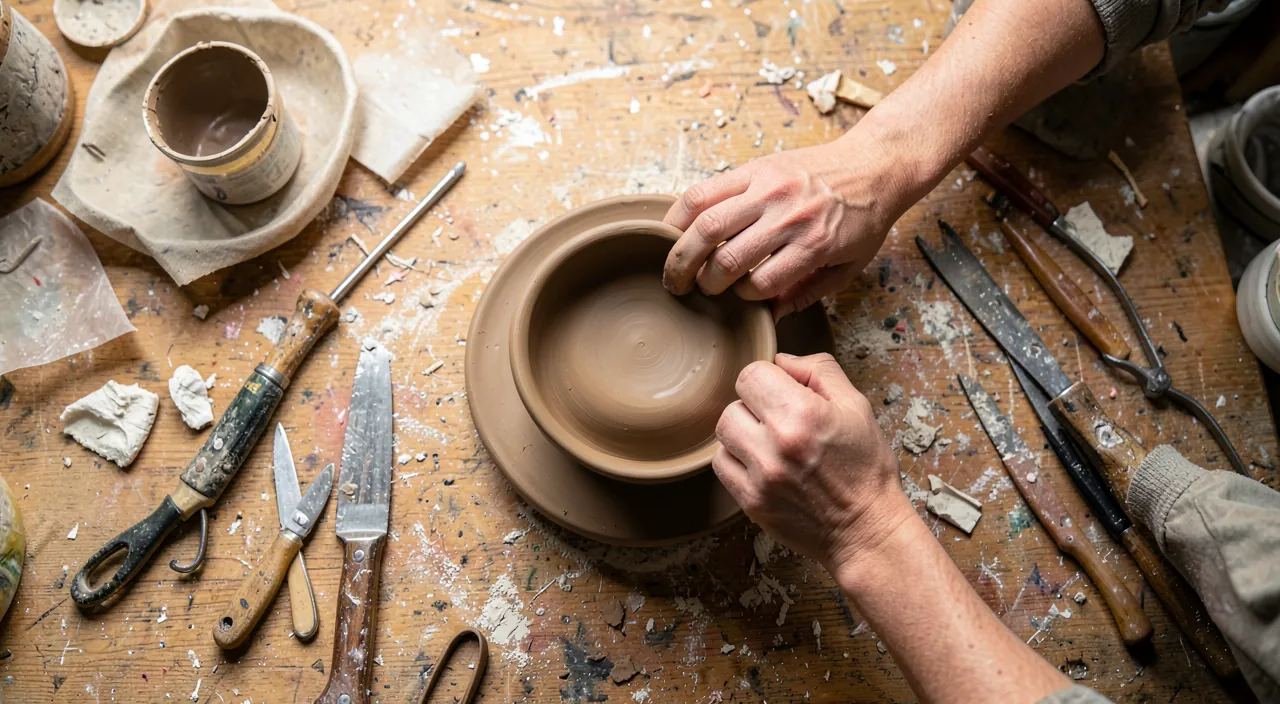
Both are complementary, but to learn the GESTURE and really progress, a class (or a mentor) brings what AI cannot; the ideal is often to combine both according to your means and needs. Let’s compare. What a CLASS brings (and not AI): a real class, workshop, or mentor offers the correction of YOUR gesture (someone sees what you do and corrects you), the transmission of the knack and experience, the physical demonstration, the emulation, human contact, and safety (supervision for risky activities); to learn the gesture and progress, this human and practical learning is irreplaceable, even indispensable for some activities; it’s the best way to learn well. What AI brings (and not the class): availability (at any time, for free or almost), infinite patience to answer your questions, help with starting (basics, equipment, projects), troubleshooting; it’s accessible and practical where a class has a cost, schedules, limited availability. Their COMPLEMENTARITY: they do not oppose each other, they complement each other; AI (and videos) to get started, understand, equip, troubleshoot, and answer questions on a daily basis; the class or mentor to learn the gesture, be corrected, progress, and ensure safety; the ideal combination associates both. How to CHOOSE according to your situation: if you just want to get initiated, test an activity, or if you are autonomous and resourceful, AI and videos may suffice to get started; if you want to progress seriously, learn the gesture correctly, or if the activity involves risks (safety), a class or mentor is strongly recommended; adapt to your ambition, your means, and the activity. The SAFETY factor: for risky activities (tools, heat, products), supervised learning (class) is particularly recommended, as it teaches safe gestures—something that AI cannot guarantee; do not neglect this aspect. The ADVICE: if you can, combine; use AI (and videos) for daily life and starting, and take at least a few classes or find a mentor to learn the gesture and progress, especially for demanding or risky activities; failing a class, assiduous practice and videos remain your best allies, with AI as support. In summary, it’s not a matter of choosing “a class OR AI”: both are complementary; AI excels at starting, understanding, equipping, and troubleshooting, while a class or mentor brings the irreplaceable—the correction of the gesture, transmission, progress, and safety. To really learn the gesture and progress (especially for risky activities), a class is better than AI alone; the ideal is to combine both according to your means. AI accompanies you on a daily basis; the human teaches you the gesture.
What to Remember
AI helps you get started in a manual activity by playing the role of a starting guide: it explains the basics, advises on equipment to buy (without overspending or over-equipping), suggests first projects suited to beginners, answers questions, and helps organize your progress. It’s a precious support, because it’s often the START that blocks—all these intimidating questions (where to start, what to buy, what first project) that discourage so many vocations. AI removes these obstacles patiently, turning an insurmountable wall into a clear path. But once the step is taken, the real learning begins, and that’s where AI gives way to what it cannot replace: the GESTURE and PRACTICE. A manual activity is not learned by reading explanations; it’s learned by DOING, with your hands, through repetition, and by SEEING someone do it. AI can explain a gesture with words, but it cannot physically show you, feel for you, or correct your knack. Therefore, imperatively supplement AI with two things: DEMONSTRATION videos (seeing the gesture is much more expressive than a description) and above all PERSONAL practice (the gesture is only acquired in your own hands). Accept that your beginnings will be imperfect—the failures are normal and educational—be patient, and truly dive in rather than staying in theory: the pitfall would be to want to “understand” everything with AI without ever doing. To really progress, consider a real CLASS, a workshop, or a mentor: nothing replaces a human who sees your gesture, corrects it, and transmits their knack—AI and videos, as useful as they may be, will never do it as well. Finally, a non-negotiable point: SAFETY. Many manual activities involve cutting tools, machines, heat, or products, with real risks (cuts, burns, toxic fumes). AI is NOT a reliable and sufficient source when it comes to safety: never rely solely on it on this point; seriously inform yourself from reliable sources (manufacturer instructions, training, professionals), equip yourself with the necessary protections, learn to use each tool safely, and do not undertake anything risky without the appropriate knowledge, equipment, and, if necessary, supervision—a supervised learning being strongly recommended for the most dangerous activities. The right combination, in short: AI to remove the obstacles of starting and answer your questions; videos to see the gesture; practice (ideally guided by a class or mentor) to really learn it; and reliable sources for safety. AI puts you in the saddle and demystifies the activity that attracts you; but it’s you, by doing with your hands, by practicing and persevering, who really learn—and who discover the deep pleasure of creating with your hands, that satisfaction and disconnection that nothing replaces. So let AI help you take the first step, then dive in: manual activity is lived and learned by practicing, not by reading.
Want to master AI and make it a real asset in your daily life? Our training courses accompany you at your own pace.
Leave a Reply
You must be logged in to post a comment.