
Playing demanding video games on a simple phone, tablet, or modest computer, without an expensive console or powerful PC? That’s the promise of CLOUD GAMING: the game runs on remote servers and is «streamed» to you like a video, while you control it remotely. It’s called the «future of gaming». But is it really up to par? What are the advantages, limitations, and conditions? Let’s take stock of cloud gaming, without hype or skepticism, to understand what it changes and who it’s for.
Cloud gaming: how does it work?
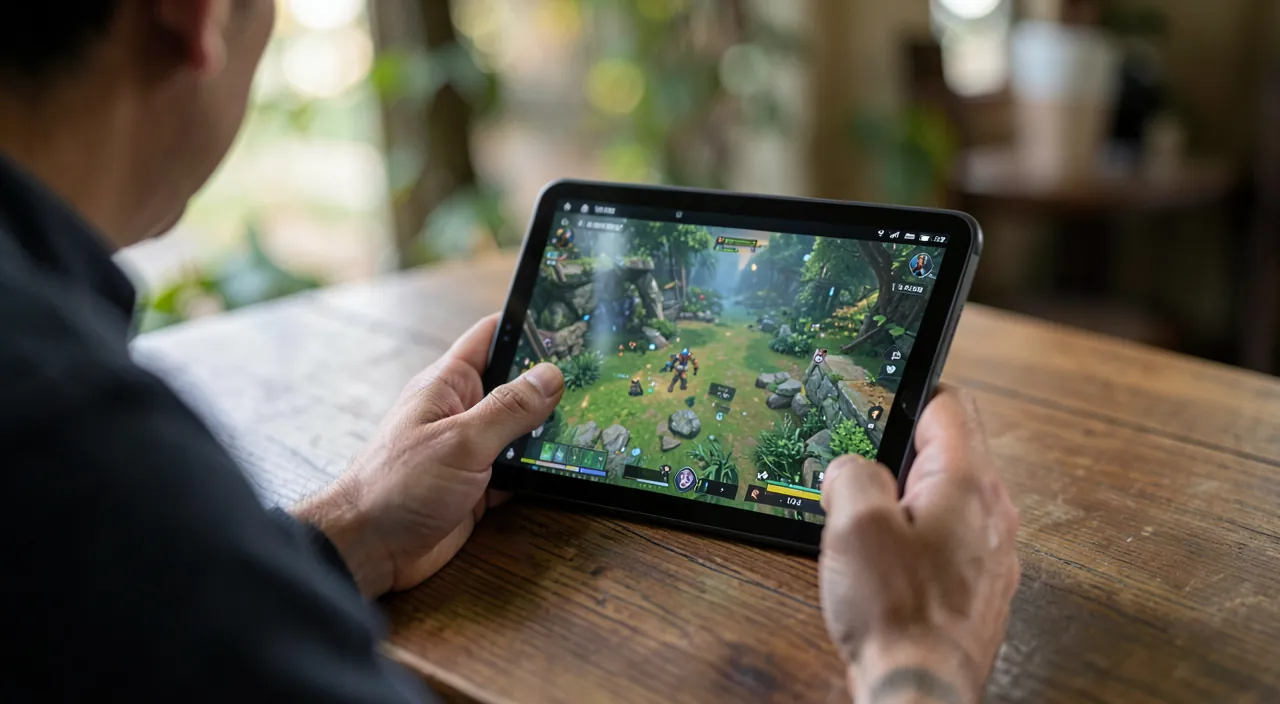
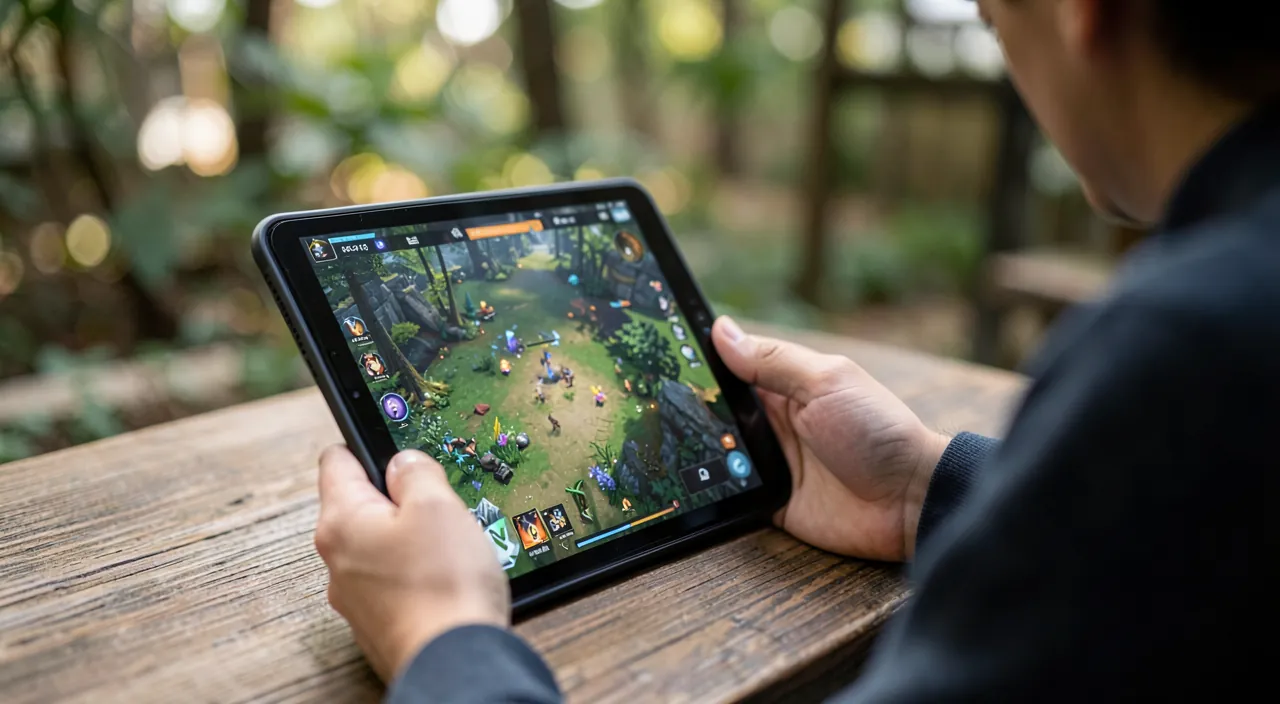
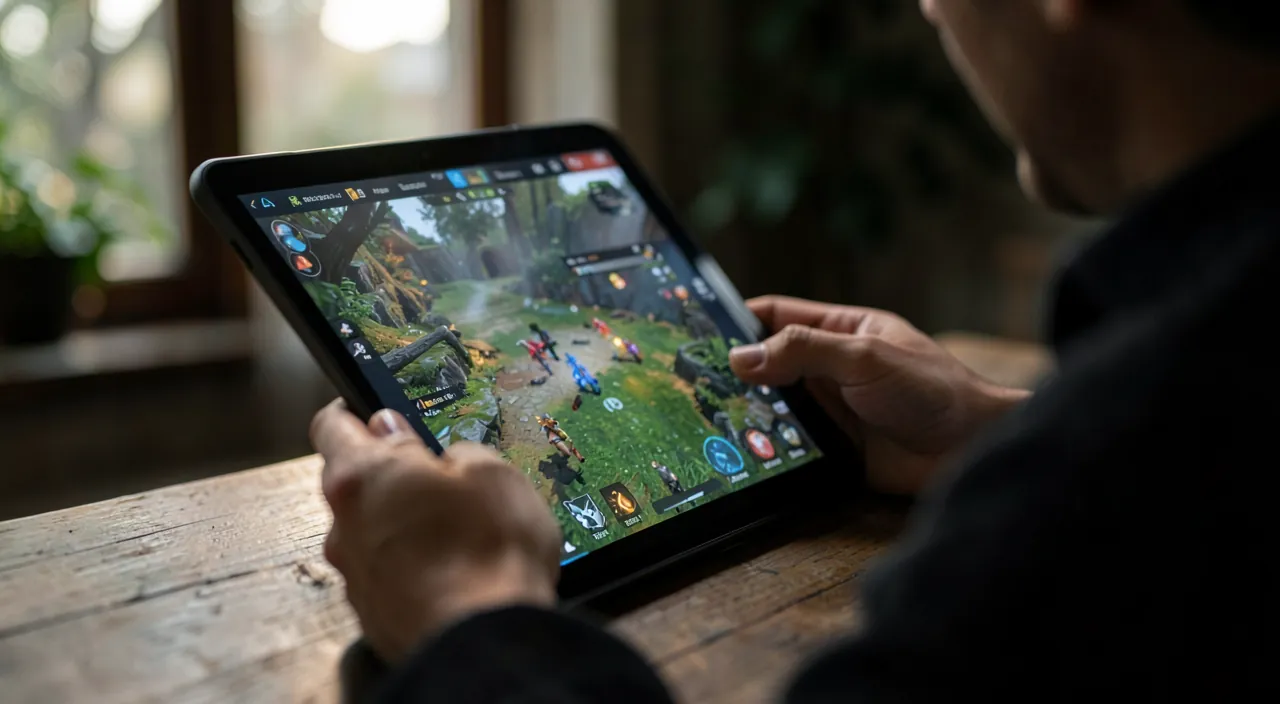
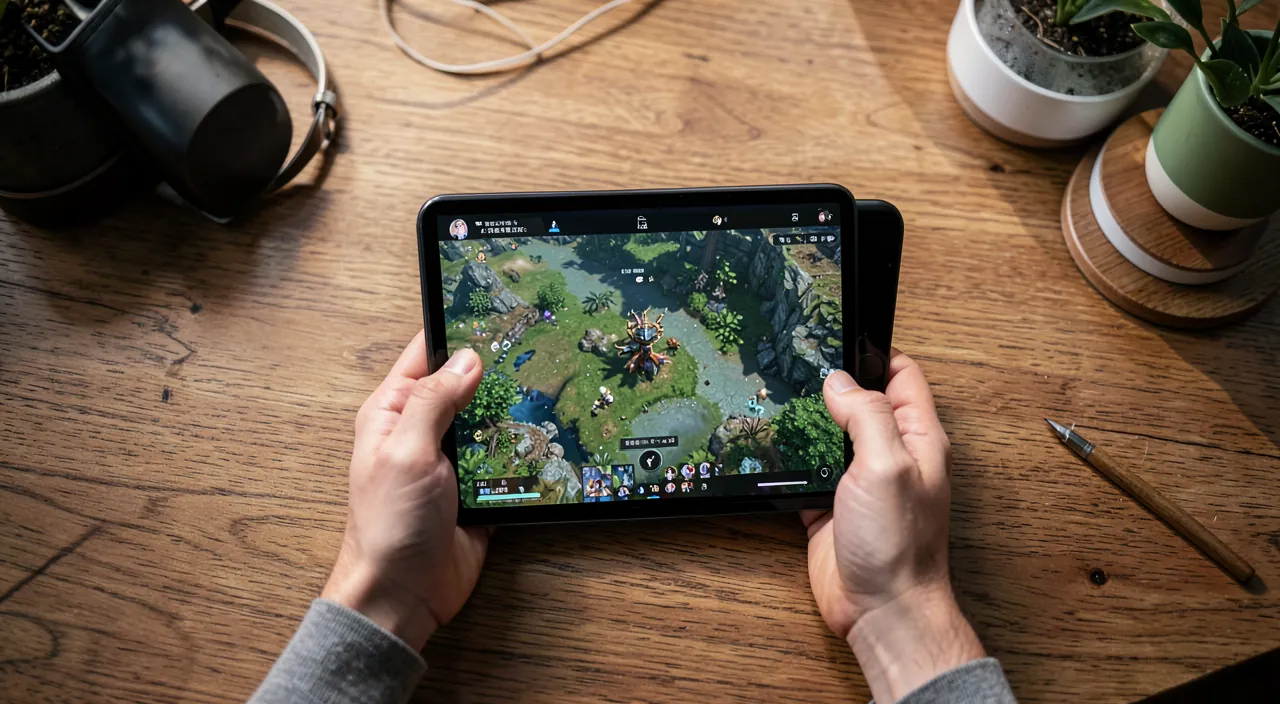
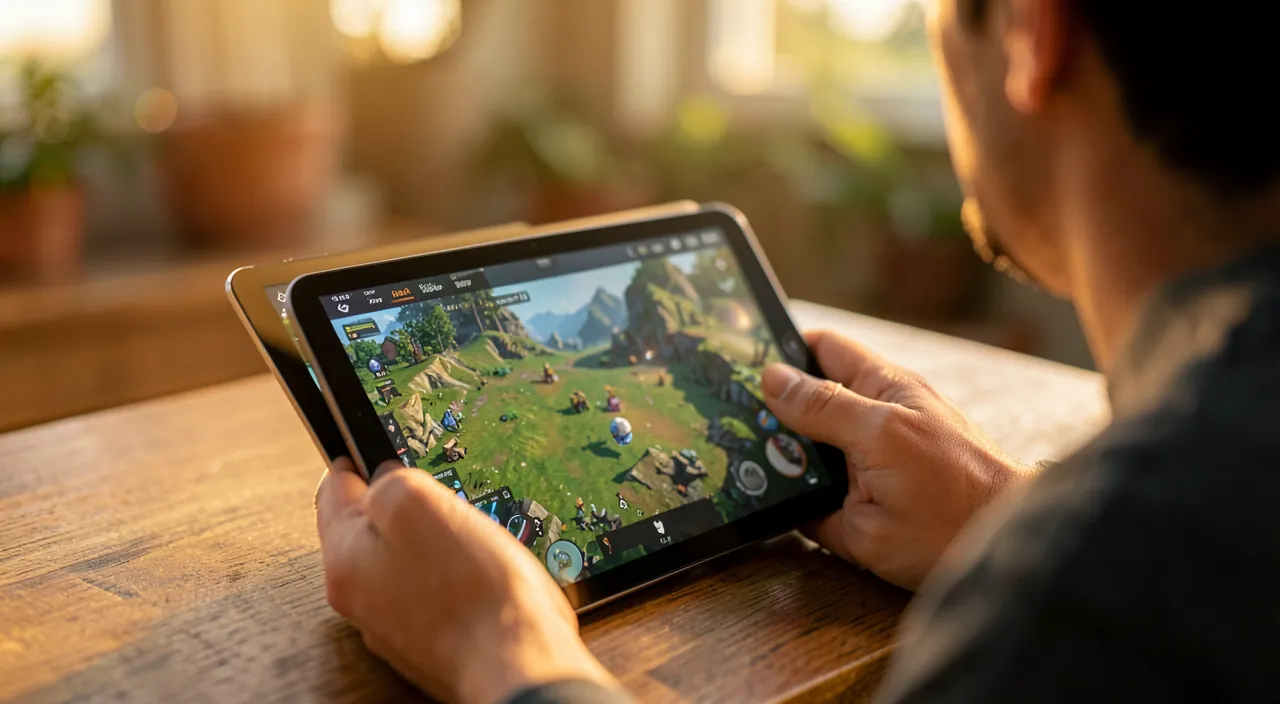
Let’s understand what cloud gaming is and how it differs from traditional gaming. The TRADITIONAL PRINCIPLE: normally, to play a demanding video game, you need a POWERFUL device (a gaming console or a high-performance computer) capable of «running» the game (calculations, graphics); the game executes ON your device. The CLOUD GAMING PRINCIPLE: with cloud gaming, it’s different; the game does NOT run on your device, but on POWERFUL REMOTE SERVERS (in data centers); these servers execute the game and STREAM the image to you in real time (like a video stream) on your screen; you, on your side, SEND your commands (via a controller, keyboard, or touchscreen); everything happens remotely, via INTERNET. The MAJOR CONSEQUENCE: you no longer NEED a powerful device; since the game runs on remote servers, you can play demanding games on a MODEST device: a simple phone, tablet, low-powered computer, or sometimes a TV; that’s the big promise: the power is «in the cloud», not in your hardware. An ANALOGY: it’s a bit like streaming a movie (the movie is on servers, and it’s streamed to you) rather than storing it on your device; here, it’s the game that’s «streamed», interactively. The POTENTIAL ADVANTAGES: playing demanding games WITHOUT buying an expensive console or PC; playing on MULTIPLE devices (phone, tablet, computer, TV); no need to DOWNLOAD or install games (they’re on the servers); access to game catalogs; starting to play quickly. What you NEED: a subscription to a cloud gaming service, a device (even modest) to receive the game, often a controller, and above all a GOOD INTERNET CONNECTION (that’s THE crucial point—we’ll come back to it). Where are we at? Cloud gaming has developed; several services exist; the technology has progressed; BUT it heavily depends on the quality of the internet connection and has not (yet?) replaced traditional gaming; it’s a promising option but with conditions. What to remember to start: cloud gaming runs the game on remote servers that «stream» it to you (like a video), while you control it remotely via the internet; the advantage: playing demanding games on a MODEST device (phone, tablet, low-powered computer), without an expensive console or PC; but it heavily depends on a good internet connection; it’s a promising option, to be understood with its conditions and limitations.
Advantages, limitations, and conditions
Cloud gaming has real strengths, but also limitations and a crucial condition; let’s examine this. The ADVANTAGES: no need for a POWERFUL device (playing demanding games on a phone, tablet, or modest computer: savings on expensive hardware—consoles, gaming PCs); playing on MULTIPLE devices (start on the TV, continue on the phone); no DOWNLOADING or installation (games are on the servers: no waiting, no storage space used); access to a CATALOG of games (depending on the service and subscription); always «up to date» (games are maintained on the server side); quick start. The CRUCIAL CONDITION: a good INTERNET CONNECTION; that’s THE determining factor; since the game is streamed live from remote servers, you need a FAST, STABLE internet connection, and above all with LOW LATENCY (delay); without a good connection, the experience degrades significantly: lower-quality image, stuttering, and above all a DELAY between your commands and the action on the screen (the «latency»); this delay is the Achilles’ heel of cloud gaming (see below). The LIMITATIONS: the LATENCY—even with a good connection, there may be a slight DELAY between the moment you press a key and the action on the screen (as the signal goes back and forth to the servers); for many games, this is acceptable; but for VERY FAST games requiring instant reactivity (fast-paced action, competitive games), this delay can HINDER the experience; that’s the main limitation. The DEPENDENCE on the CONNECTION: if your internet is slow, unstable, or drops, the experience is poor or impossible; cloud gaming is NOT suitable if you don’t have a good connection. The DATA CONSUMPTION: streaming games continuously consumes A LOT of internet data; be careful if your connection has data limits (especially on mobile). The COST: cloud gaming works by SUBSCRIPTION (to a service); to be evaluated according to your usage; sometimes you also have to buy the games, or they are included depending on the offer. The CATALOG: not all games are necessarily available on all services; check that the games you’re interested in are there. The VARIABLE QUALITY: the experience depends on the connection and the service; it can be excellent with a good connection, or disappointing otherwise. WHO IS IT FOR? It’s interesting if: you want to play demanding games WITHOUT investing in an expensive console or PC, you have a GOOD internet connection, and you play games that aren’t necessarily ultra-fast (or you tolerate a slight delay); it’s LESS suitable if: you already have a console/gaming PC (and prefer local gaming), your connection is poor, or you mainly play competitive games requiring perfect reactivity. In summary: cloud gaming allows you to play demanding games on a modest device (without expensive hardware), on multiple devices, without downloading; BUT it CRUCIALLY depends on a good internet connection (fast, stable, low latency), consumes a lot of data, works by subscription, and suffers from a slight DELAY that hinders very fast games; it’s an interesting option for those with a good connection and who don’t want to invest in hardware, less so for others.
Cloud gaming lets you play high-end games on any device, but it requires a strong internet connection. The game runs on distant servers and is sent to your screen like a video. If your internet is slow or unstable, the game will lag or freeze. It’s great if you don’t want to buy expensive hardware, but not ideal for fast-paced competitive games where every second counts.
Imagine playing Call of Duty: Warzone on a basic smartphone. With a fiber-optic connection (100 Mbps, latency under 20ms), the game runs smoothly. But if you’re on a 4G network with 50ms latency, you’ll notice delays when aiming or shooting, making it harder to compete against other players.
The decisive condition: a good internet connection (the real key factor). If you’re considering cloud gaming, remember this above all: EVERYTHING depends on your INTERNET CONNECTION. That’s THE decisive factor, far more than your device (since, after all, the device can be modest). Why? Because the game is streamed live from remote servers and your commands go back and forth via the internet; you therefore need a FAST connection (for good image quality), STABLE (to avoid stuttering and dropouts), and above all with LOW LATENCY (the shortest possible delay between your commands and the action on the screen). With an EXCELLENT connection (stable fiber, good reactivity), cloud gaming can offer a very good experience; with a MEDIOCRE connection (slow, unstable, high latency), the experience is disappointing or even unplayable: degraded image, stuttering, and above all that famous DELAY between pressing a key and the action (frustrating, especially in fast-paced games). Before subscribing to a cloud gaming service, ASSESS your connection: is it fast, stable, and low latency? Many services offer tests or trials: TEST with YOUR games and YOUR connection before committing; that’s the best way to know if the experience suits you. Other points related to the connection: prioritize a WIRING or a very good WiFi (close to the router) rather than a weak WiFi, for stability and latency; on mobile (4G/5G), the quality depends on the coverage, and be careful about DATA CONSUMPTION (cloud gaming consumes A LOT: watch out if your plan has limits). The LATENCY and the type of GAME: even with a good connection, there’s often a slight delay; for many games (adventure, puzzle, games with a moderate pace), this is perfectly acceptable; but for VERY FAST and competitive games (fast-paced action, games where every millisecond counts), this delay can be a hindrance; if you mainly play this type of demanding, reactive games, cloud gaming might disappoint you; adapt according to YOUR games. In summary, the key advice: cloud gaming is worth what your internet connection is worth; with a good connection (fast, stable, low latency), it’s a great option for gaming without expensive hardware; with a poor connection, forget it; TEST before subscribing (with your games, your connection), monitor data consumption, and take into account the type of games you play (the slight delay mainly hinders very fast games). The connection is the make-or-break factor for cloud gaming: assess it first.
The future of gaming? Perspective and discernment
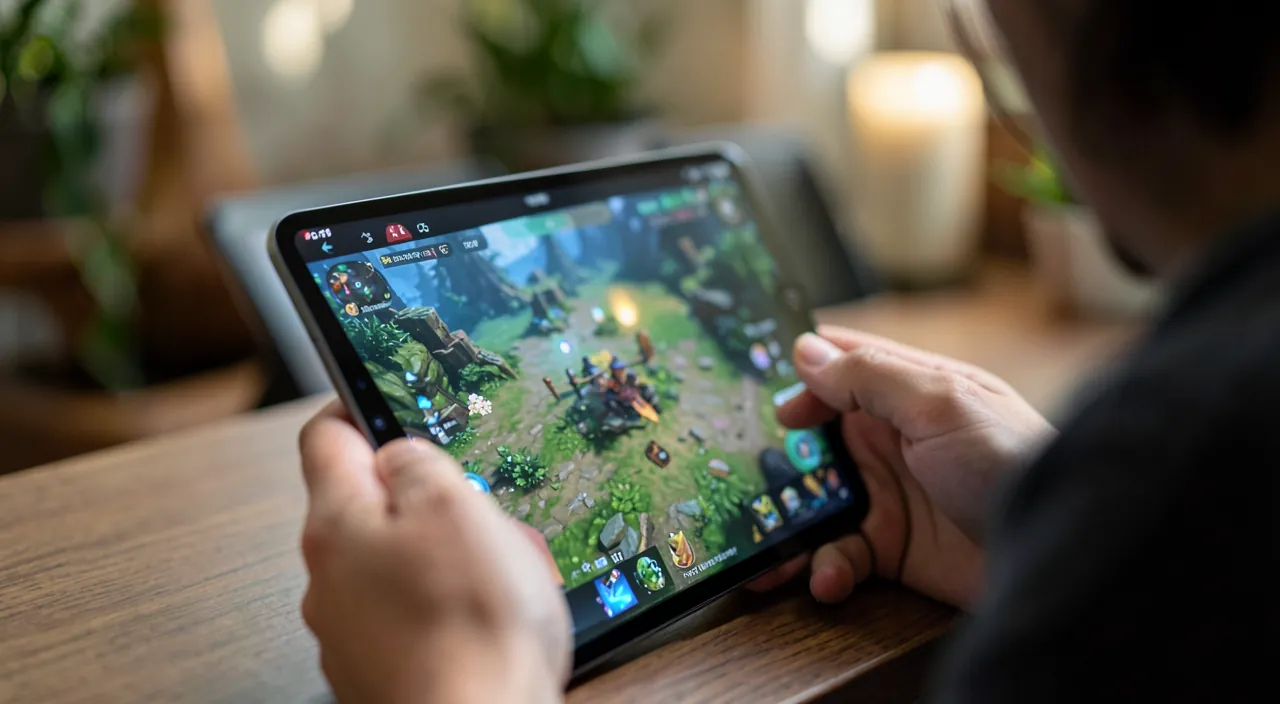
Cloud gaming is presented as «the future of gaming»; let’s look at this with discernment, between potential and current reality. The PROMISES: cloud gaming could democratize demanding video gaming (no need for expensive hardware: play on what you already have), make it accessible everywhere and on any screen, without downloading; on paper, it’s appealing, and it evokes what streaming has done for music and video (we no longer store, we «stream»). The CURRENT REALITY, more nuanced: cloud gaming has PROGRESSED and works well under good conditions, but it has NOT (yet?) replaced traditional gaming, for several reasons: the dependence on a good CONNECTION (not everyone has one); the persistent problem of LATENCY (the slight delay, hindering some games); the DATA CONSUMPTION; the cost (subscriptions); catalog issues; and many players’ attachment to LOCAL gaming (owning their games, playing without depending on the internet, having the best reactivity); the technology is not «perfect» for all uses and all connections. Neither HYPE nor skepticism: beware of speeches that present cloud gaming as «THE imminent revolution that will replace everything» (oversold); as well as those who reject it outright; the reality is nuanced: a promising technology, which works well under good conditions (good connection, suitable games), but with real limitations, and which coexists with traditional gaming rather than replacing it (for now). A COEXISTENCE: cloud gaming doesn’t necessarily make consoles and PCs disappear; it’s an ADDITIONAL OPTION, suitable for some (good connection, no desire to invest in hardware, non-ultra-fast games), coexisting with local gaming (preferred by others); both have their advantages. The EVOLUTION: technology and connections (fiber, 5G) are improving; cloud gaming could take up more space in the future, as connections improve and latency is reduced; but the future is yet to be written. FOR WHOM today? It’s a good option if: you have a good connection, don’t want to invest in an expensive console/PC, and play games that tolerate a slight delay; it’s less relevant if: you already have the hardware, a poor connection, or mainly play very reactive competitive games. The ADVICE: if cloud gaming tempts you, TEST (free trials, with your games and your connection) before committing; assess whether the experience suits you; don’t rely on the hype, but on YOUR test. In summary: cloud gaming is a promising and functional technology under good conditions, often presented as «the future of gaming»; the reality is nuanced: it has real strengths (playing without expensive hardware) but limitations (connection, latency, data, cost) and has not replaced traditional gaming; it’s an INTERESTING OPTION for some, coexisting with local gaming; approach it with discernment (neither hype nor rejection), and test before judging; its future will depend on the improvement of connections and technology.
Warning: everything depends on the connection, beware of data consumption and subscriptions, and relativize the hype. Cloud gaming is promising, but a few points of vigilance avoid disappointments. The INTERNET CONNECTION is decisive: only consider cloud gaming if you have a GOOD connection (fast, STABLE, and low LATENCY); with a poor, unstable, or slow connection, the experience will be bad (degraded image, stuttering, frustrating delay), or even unplayable; don’t subscribe without verifying that your connection is up to the task; TEST first (many services offer trials: try with YOUR games and YOUR connection). The LATENCY (delay): even with a good connection, there’s often a slight delay between your commands and the action on the screen; for many games, this is acceptable; but for VERY FAST and competitive games (fast-paced action, where instant reactivity is crucial), this delay can really HINDER; if you mainly play this type of games, cloud gaming might disappoint you; take this into account according to your games. The DATA CONSUMPTION: streaming games continuously consumes A LOT of internet data; be careful if your connection has DATA LIMITS (especially on mobile/4G/5G, or some capped offers); you might quickly reach your limits, with extra costs or slowdowns; monitor your consumption; this is a point often underestimated. The SUBSCRIPTIONS and COSTS: cloud gaming works by subscription (sometimes several: the service, and sometimes the games to buy in addition); evaluate the total cost according to your usage; check what’s included (game catalog? games to buy separately?); monitor subscriptions that renew automatically; compare with the cost of a console/PC according to your usage (cloud can be more economical if you play little, less so if you play a lot in the long term). The CATALOG: check that the games you’re interested in are available on the service (not all games are on all services); don’t subscribe without checking. The DEPENDENCE on the service and the internet: without internet (outage, travel), no gaming; and you depend on the service (if it closes, changes, or removes games); unlike local gaming (which you own), cloud gaming is access, not ownership. Relativize the HYPE: cloud gaming is often oversold as «the imminent future» that will replace everything; the reality is nuanced: promising and functional technology under good conditions, but with real limitations, which coexists with traditional gaming rather than replacing it; don’t rely on marketing, but on YOUR test and YOUR conditions (connection, games). For PARENTS: cloud gaming remains video gaming; the same precautions apply (playtime, age-appropriate content, spending/purchases, supervision—our guides on accompanying children on screens); the fact that it’s «in the cloud» doesn’t change these issues. By assessing your connection (the key factor), monitoring data consumption and subscriptions, checking the catalog, and testing before committing (without relying on the hype), you’ll know if cloud gaming suits you—excellent option with a good connection and suitable games, disappointing otherwise.
Frequently asked questions
Can you really play without a console or powerful PC?
Yes, that’s exactly the big promise of cloud gaming—provided you have a good internet connection. The principle: in cloud gaming, the game does NOT run on your device, but on POWERFUL REMOTE SERVERS that stream the image to you (like a video); it’s therefore their power that runs the game, not yours; consequently, you can play demanding games on a MODEST device: a simple phone, tablet, low-powered computer, or sometimes a TV; no need to invest in an expensive gaming console or PC; that’s the major advantage, a real potential democratization. HOWEVER, there’s an ESSENTIAL trade-off: if you no longer need a powerful device, you IMPERATIVELY need a GOOD INTERNET CONNECTION: fast, stable, and low latency (delay); since the game is streamed live from the servers, and your commands go back and forth via the internet; without a good connection, the experience degrades significantly (poor-quality image, stuttering, hindering delay); the required power has therefore «shifted» from your device to your internet connection. You also need: a subscription to a cloud gaming service, and often a controller (to play comfortably). So yes, you can really play demanding games without a console or powerful PC, on a modest device: that’s the main interest of cloud gaming, and it can save you money on hardware; BUT it only works well with a GOOD internet connection (the new condition); without it, the experience is disappointing; so check your connection before relying on it. In summary: yes, cloud gaming allows you to play demanding games on a modest device (without an expensive console or PC), since the power is «in the cloud»; but in exchange, you need a good internet connection, which becomes the determining factor; it’s a transfer of the constraint (from hardware to connection), not a suppression of all conditions.
What kind of internet connection is needed?
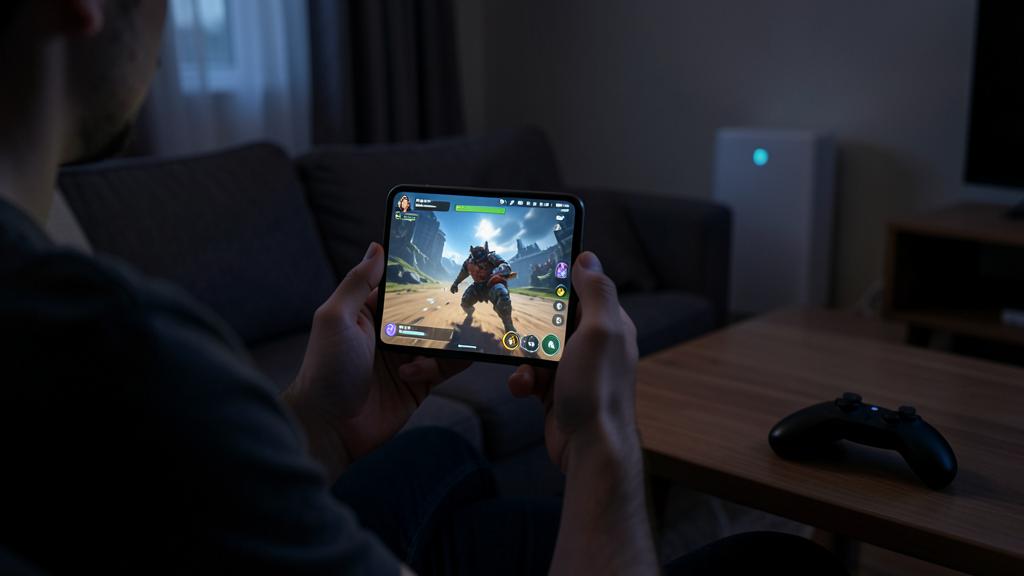
A FAST, STABLE, and above all LOW-LATENCY connection; that’s the determining factor for cloud gaming. Let’s detail the three required qualities: FAST (a good bandwidth, since the game is streamed to you live in image; insufficient bandwidth results in poor-quality image); STABLE (a connection that doesn’t fluctuate or drop; an unstable connection causes stuttering, interruptions, a choppy experience); and above all LOW LATENCY—this is the CRUCIAL and specific point for gaming: latency is the DELAY between the moment you press a key and the moment the action occurs on the screen (the signal going back and forth to the servers); the lower the latency, the more reactive and enjoyable the game; high latency makes the game «sluggish», out of sync, frustrating (especially in fast-paced games). In practice: a good STABLE FIBER connection is ideal; a good WiFi (close to the router) or a WIRING (cable) connection offers more stability and less latency than a weak or distant WiFi; on MOBILE (4G/5G), it can work with good coverage, but be careful about stability and especially DATA CONSUMPTION (cloud gaming consumes a huge amount: monitor your limits). How to know if your connection is sufficient? The best way is to TEST: many cloud gaming services offer trials or compatibility tests; try with YOUR connection and YOUR games before committing; that’s the only reliable way to know if the experience suits you (since it depends on many factors, including your specific situation). Tips to optimize: prioritize wired or very good WiFi (for stability and latency), avoid other heavy uses saturating your connection while you play, and get closer to the router in WiFi. In summary: you need a fast, stable, and low-latency connection for cloud gaming; latency (the delay) is the most important and most specific factor; good fiber or very good WiFi is ideal; test with your connection before subscribing (trials exist); without a good connection, cloud gaming doesn’t deliver its promises; it’s really THE decisive condition.
Will cloud gaming replace consoles?
Not yet, and probably not completely; the reality is more nuanced than the hype. Cloud gaming is often presented as «the future of gaming» that would replace consoles and PCs (as streaming transformed music and video); but to date, it has NOT replaced traditional gaming, for several reasons: the dependence on a GOOD internet connection (not everyone has a sufficient one); the persistent problem of LATENCY (the slight delay, hindering fast-paced/competitive games); the DATA CONSUMPTION; cost issues (subscriptions) and catalog; and many players’ attachment to LOCAL gaming (owning their games rather than accessing them by subscription, playing without depending on the internet, having the best reactivity). Cloud gaming COEXISTS therefore with traditional gaming rather than replacing it: it’s an ADDITIONAL OPTION, suitable for some (good connection, no desire to invest in hardware, games tolerating a slight delay), coexisting with consoles and PCs (preferred by others for reactivity, ownership, independence from the internet); both have their advantages. The FUTURE: technology and connections (fiber, 5G) are improving; cloud gaming could take up more space as connections improve and latency is reduced; it’s possible that it will gain ground; but to say it will replace «consoles» is premature and uncertain; the future is yet to be written, and it’s likely that several ways of playing will coexist. Beware therefore of the HYPE (cloud gaming oversold as the imminent revolution that will sweep everything away) as well as total skepticism; the reality is in between: a promising and functional technology under good conditions, with real limitations, which complements traditional gaming without (yet?) replacing it. In summary: no, cloud gaming does not (yet) replace consoles; it coexists with traditional gaming as an additional option, suitable for certain uses and conditions; it could gain ground with the improvement of connections, but the idea that it will sweep everything away is hype; choose according to YOUR situation (connection, games, desire to invest or not in hardware), without relying on definitive predictions.
What to remember
Cloud video gaming (cloud gaming) runs the game on POWERFUL REMOTE SERVERS that «stream» it to you in real time (like a video stream), while you control it remotely via the internet; the MAJOR ADVANTAGE: playing demanding games on a MODEST device (phone, tablet, low-powered computer, TV), without an expensive console or PC (the power is «in the cloud»); other advantages: playing on multiple devices, without downloading or installation, access to catalogs. The DECISIVE CONDITION: a GOOD internet connection—fast, STABLE, and above all LOW LATENCY (the delay between your commands and the action on the screen); that’s THE key factor: with a good connection, the experience can be excellent; with a poor connection, it’s disappointing or even unplayable (degraded image, stuttering, frustrating delay); the constraint has «shifted» from the hardware to the connection. The LIMITATIONS: the LATENCY (even with a good connection, a slight delay often remains; acceptable for many games, but hindering for VERY FAST and competitive games); the DATA CONSUMPTION (huge: be careful about limits, especially on mobile); the COST (subscriptions; check what’s included); the CATALOG (check that your games are there); and the dependence on the internet and the service (access, not ownership). The KEY ADVICE: TEST before subscribing (free trials, with YOUR games and YOUR connection); that’s the only reliable way to know if the experience suits you; don’t rely on the hype, but on your test. WHO IS IT FOR? Interesting if you have a good connection, don’t want to invest in hardware, and play games tolerating a slight delay; less relevant if you already have a console/PC, a poor connection, or mainly play very reactive competitive games. «The future of gaming»? Cloud gaming is promising and functional under good conditions, but has NOT replaced traditional gaming: it COEXISTS with it as an additional option; relativize the hype (neither imminent revolution that sweeps everything away, nor useless technology; the reality is nuanced); it could gain ground with the improvement of connections. For parents: this remains video gaming (same precautions: time, content, purchases). By assessing your connection (the decisive factor), monitoring data and subscriptions, and testing before judging, you’ll know if cloud gaming is for you: a great option with a good connection and suitable games, to be reserved for good conditions.
Want to understand and master the technologies that change your daily life? Our training courses will enlighten you.
Leave a Reply
You must be logged in to post a comment.