
Learning is not reserved for children or school: one can develop knowledge, maintain their brain, and acquire new skills at any age. And educational apps for adults make this learning FUN and accessible: a few minutes a day, in the form of games, challenges, and short sessions. General culture, languages, sciences, logic, practical skills: learning by having fun has become possible from your phone. Here’s how these apps can nourish your curiosity and knowledge daily, what they really bring, and how to make the most of them.
Learning at any age, for fun
The idea that learning stops at the end of schooling is false: the brain remains capable of learning throughout life, and cultivating curiosity and knowledge is beneficial at any age (intellectual stimulation, pleasure of discovery, maintenance of abilities). The problem often is the lack of time, structure, or the idea that learning is « school » and boring. That’s where playful educational apps change the game: they transform learning into A GAME (challenges, points, progress, pleasure of discovery), break it down into SHORT SESSIONS (a few minutes accessible anytime), adapt to your LEVEL and pace, and cover a wide variety of AREAS (general culture, languages — our guides learn a language —, sciences, history, logic, mathematics, practical skills, and much more). The playful side is not anecdotal: it MAINTAINS motivation (the real challenge of all learning) and makes the effort enjoyable, so one learns without feeling like « working. » These apps make learning ACCESSIBLE: no need to enroll in a course, dedicate long periods; learn in the gaps of your daily life, on a topic that interests you, at your own pace. For many, they have reignited the joy of learning or allowed them to take an interest in areas they would not have otherwise. Whether for general culture, maintaining your brain, or acquiring practical skills, learning for fun is within reach of everyone: a few minutes a day, on the topic of your choice, with the pleasure of the game.
These apps turn learning into a game, making it easier to fit into your daily routine. They keep you motivated by making it fun, not like schoolwork. You can learn a little bit every day, on topics you like, without feeling pressured.
Imagine you want to learn Spanish. Instead of signing up for a long course, you use an app like Duolingo for 10 minutes a day. You play games, earn points, and learn words and phrases at your own pace. After a few weeks, you notice you can understand and speak a little more Spanish—without feeling like you’re studying.

Types of apps and how to use them well
The variety is immense: general culture and quiz apps (test and enrich your knowledge in a fun way), language apps (our language guides), logic, memory, and « brain training » apps (exercises to stimulate the brain — with some nuances, see below), practical skills apps (cooking, music — our music guides —, DIY, IT), online course platforms (learn a subject in depth, sometimes with structured courses), and thematic discovery apps (science, history, art…). To use them well:
- FOLLOW YOUR CURIOUSITY — learn what interests you or intrigues you; pleasure is the best motivator;
- PREFER REGULARITY — a few minutes a day are better than an occasional long session; the playful side helps to anchor the habit;
- VARY — explore different areas according to your desires;
- DON’T PUT YOURSELF UNDER PRESSURE — the goal is the pleasure of discovery and maintaining your mind, not performance;
- APPLY what you learn when possible (practical skills are better retained by using them).
As for CHOICE: many apps have a free version that is already rich; beware of subscriptions for content you won’t use (test before committing — our guides clean up subscriptions); and keep an eye on the QUALITY and reliability of the content (not all sources are equal; prefer serious and recognized apps, especially for factual knowledge). AI assistants can also complement this learning (explain a concept, delve into a subject — our daily AI guides, review with AI), keeping in mind to verify important information (our guides when AI invents). The good principle: choose according to your curiosity and goals, learn regularly and with pleasure, without pressure; the app is there to make learning enjoyable and accessible, not to impose an additional constraint. The best learning is that which gives you a desire to continue.
The right reflex. Follow your CURIOUSITY and make it a short daily habit: choose a topic that really interests or intrigues you (history, a language, science, an instrument, general culture…), and dedicate a few minutes each day via a fun app. Pleasure and curiosity are the best drivers of learning: we retain and persevere much better on what we are passionate about than on what we « should » learn out of obligation. Regularity, even of a few minutes, anchors knowledge and the habit much more than an occasional long session; the game aspect of apps (challenges, progress) helps to not miss a day. Don’t put pressure on performance: the goal is the pleasure of discovery and maintaining your mind, not breaking records. Test the free versions (often rich) before any subscription, and prefer serious apps for reliable content. Learning for fun, a few minutes a day on what interests you: this is how you nourish your curiosity and knowledge sustainably, at any age and without constraint.

Realistic expectations and vigilance
To enjoy these apps with peace of mind, keep realistic expectations and some guidelines. These apps are excellent tools for MAINTAINING your curiosity, discovering, and acquiring knowledge in a fun way; but keep realistic expectations on certain points: apps of « brain training » that promise to significantly improve cognitive abilities or prevent decline should be taken with CAUTION — they can be stimulating and fun, but their benefits on general abilities are debatable, and they should not be given miraculous or medical powers (intellectual activity variety, social life, physical exercise also count for brain health — our guides); in-depth LEARNING (mastering a complex field) requires more than a fun app (more comprehensive resources, practice, sometimes support); some points of VIGILANCE: beware of SUBSCRIPTIONS and exaggerated marketing promises (test the free version, evaluate the real value before paying — our guides clean up subscriptions); check the QUALITY and reliability of the content (especially for factual knowledge: prefer serious sources); and as with any app, be mindful of the data collected if it concerns you (our privacy guides). Finally, keep balance: learning on screen is great, but don’t forget other sources of learning and fulfillment (books, exchanges, practical experiences, varied activities — our guides read more with audiobooks). In summary, playful educational apps for adults are an excellent way to nourish your curiosity and knowledge daily: they make learning accessible, pleasant, and regular, at any age and on a wide variety of subjects. Used with the right mindset — follow your curiosity, learn regularly and with pleasure, without pressure —, with realistic expectations (an entry point and maintenance rather than a complete training or a miracle remedy) and an eye on quality and subscriptions, they are a valuable ally of curiosity and intellectual fulfillment. Learning for fun, a few minutes a day: a daily small pleasure that enriches and stimulates throughout life.

Beware of exaggerated promises, especially from « brain training, » and subscriptions. Two points of vigilance: keep realistic expectations, especially in the face of « brain training » apps that promise to significantly improve cognitive abilities or prevent decline: they can be stimulating and fun, but their benefits on general abilities are DEBATED, and they should not be given miraculous or medical powers; brain health depends on a variety of activities, social life, physical exercise, and a healthy lifestyle, not on a single app. Similarly, in-depth LEARNING of a complex field requires more than a fun app (more comprehensive resources, practice, sometimes support); apps are an excellent entry point and maintenance, not always a complete training. As for practical use: beware of SUBSCRIPTIONS and exaggerated marketing promises (test the free version, often rich, and evaluate the real value before paying — our guides clean up subscriptions), check the QUALITY and reliability of the content (especially for factual knowledge, prefer serious sources), and be mindful of the data collected (our privacy guides). Also keep balance with other sources of learning (books, exchanges, practical experiences). Used with this discernment, playful educational apps are a valuable ally of curiosity: vigilance is on exaggerated promises and cost.

Frequently asked questions
Can you really learn with fun apps?
Yes, to maintain your curiosity, discover, and acquire knowledge in an accessible and pleasant way: they transform learning into a game (challenges, progress), break it down into short sessions accessible anytime, and cover a wide variety of topics. The playful side maintains motivation, so one learns without feeling like « working. » They are an excellent entry point and a means of maintenance. Keep realistic expectations: to master a complex field in depth, more than an app is needed (more comprehensive resources, practice). But for nourishing your curiosity and knowledge daily, at any age, they are a great tool: a few minutes a day on what interests you, with the pleasure of the game.
Do brain training apps make you smarter?
Take their promises with CAUTION: these apps can be stimulating and fun, but their benefits on cognitive abilities are DEBATED; do not attribute them miraculous or medical powers. Progress is mainly from the exercises offered, which do not necessarily transfer to overall intelligence or prevention of decline. Brain health depends on a variety of factors: varied intellectual activity, social life, physical exercise, and a healthy lifestyle — not on a single app. Use them for the pleasure of stimulating your mind, without expecting exaggerated effects. To really maintain your brain, variety (learning different things, reading, exchanging, moving) counts more than a single app.

Do you have to pay to learn with these apps?
Not necessarily: many educational apps have a free version that is already rich, and there is an abundance of free learning content (apps, online resources, open courses). A subscription can give access to more content, but test the free version first and evaluate the real value before committing, beware of exaggerated marketing promises and automatic renewals (our guides clean up subscriptions). An AI assistant can also complement your learning for free (explain, delve into subjects — our daily AI guides, check important information). The essential is not to pay, but to follow your curiosity regularly: free content is sufficient to nourish your mind daily.
What to remember
One can learn at any age, and playful educational apps for adults make this learning accessible and pleasant: they transform learning into A GAME (challenges, progress), break it down into SHORT SESSIONS accessible anytime, adapt to your level, and cover a wide variety of areas (general culture, languages, sciences, logic, practical skills). The playful side maintains motivation, so one learns without feeling like working: for many, they have reignited the joy of learning. To use them well: FOLLOW YOUR CURIOUSITY (pleasure is the best motivator), PREFER REGULARITY (a few minutes a day), VARY, DON’T PUT YOURSELF UNDER PRESSURE, and APPLY what you learn when possible. Keep realistic expectations: these apps are an excellent entry point and maintenance, not always a complete training to master in depth; and take their « brain training » promises with CAUTION (debated benefits, no miraculous powers — brain health depends on variety, social life, exercise). Points of vigilance: beware of subscriptions and exaggerated marketing promises (test the free version, often rich), check the quality of the content, and keep balance with other sources of learning. An AI assistant can complement (check important information). Learning for fun, a few minutes a day on what interests you: a daily small pleasure that nourishes your curiosity and stimulates your mind throughout life.

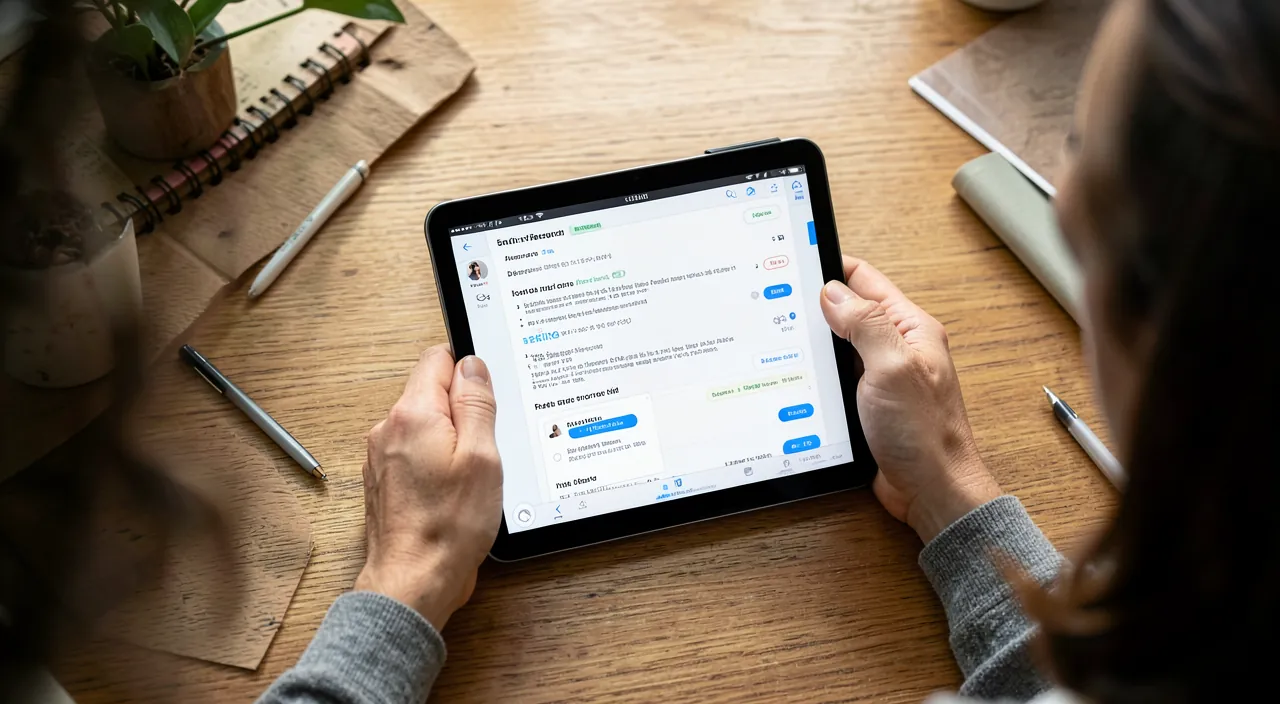

Want to go further with your phone and apps? Our practical training is for you.
Leave a Reply
You must be logged in to post a comment.