
Every day, we leave traces: searches, purchases, movements, publications. These personal data have immense value, collected and sometimes resold by many actors. Taking back control of your data is not a utopia reserved for experts: it is an accessible approach, made of conscious choices and good settings. This guide helps you understand what’s at stake and concretely limit your exposure.
What data, and why it matters
Your personal data goes far beyond your name: browsing habits, interests, location, contacts, purchases. Cross-referenced, they paint an surprisingly precise picture of your life. This information is used to target you with ads, but can also, in case of a leak, be exploited for identity theft or scams. Protecting your data means protecting your privacy and your security.

Your data isn’t just your name—it’s everything you do online. Companies use it to sell ads, and hackers can steal it. Protecting it keeps you safe and private.
Limiting what you share
The first step is to reduce what you voluntarily expose. Think before publishing personal information online: it often remains there permanently. Be wary of apps and services that demand access unrelated to their function. Limit the information provided in forms to the strict minimum. Every piece of data not shared is data that can never leak or be exploited.

A social media app asks for your contacts to “improve recommendations.” If you refuse, you still use the app, but your friends’ data stays private. This small choice reduces exposure.
The right reflex. Regularly sort through your app permissions: why would a flashlight app need access to your contacts or location? Remove all access that isn’t justified. This simple cleanup significantly reduces data collection.
Adjusting your privacy settings
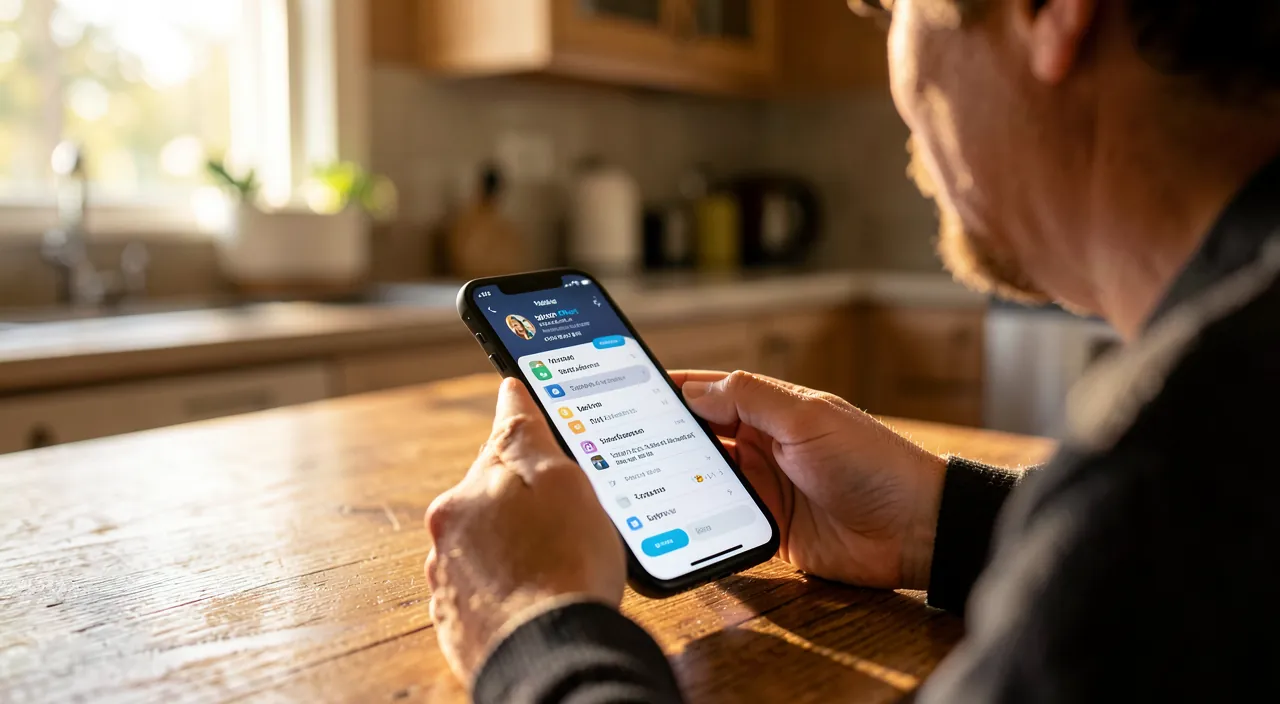
Most services offer privacy settings, often not prominently displayed. Take the time to explore them: disable ad tracking when possible, limit the retention of history, restrict the sharing of your location. On social networks, control who sees your information. Once configured, these settings work silently to protect you.
Your rights over your data
In many countries, the law grants you rights over your personal data: knowing what is collected, requesting a copy, demanding deletion, or objecting to certain uses. These rights are real levers. Don’t hesitate to exercise them, especially with services that hold a lot of information about you. Taking back control also involves knowing and using these legal protections.

To keep in mind. Be wary of « free » services: when a product is free, it’s often your data that serves as the real currency. This doesn’t mean avoiding them, but using them knowingly, by adjusting their privacy settings and limiting what you share with them.
Frequently asked questions
Is it too late if my data is already circulating?
No. You can’t erase everything, but you can always limit future collection and better protect what remains. Every action counts.
Should I refuse everything?
No, the goal isn’t to cut yourself off from the digital world, but to make conscious choices: accept what makes sense, refuse unnecessary collection.
Key takeaways
Taking back control of your personal data is an accessible approach, made of conscious choices: limiting what you share, sorting through app permissions, adjusting your privacy settings, and exercising your rights. Be wary of free services that monetize your data. It’s not about fleeing the digital world, but using it knowingly. Every small action reduces your exposure and strengthens your control over your privacy.
Need help protecting your personal data?
Leave a Reply
You must be logged in to post a comment.