
Voice-controlled lights, adjust heating from the bed or remotely, close the blinds, check everything is off when leaving: the once futuristic home automation has become accessible to everyone. From your phone, you control lighting, heating, blinds, sockets, security, and much more. Comfort, energy savings, security: the promises are seductive. But home automation also raises security and privacy questions that should not be neglected. Here’s how to control your home from your phone, with the real benefits and essential precautions.
What home automation allows
Home automation consists of connecting the equipment in your home to control and automate them: from your phone (or via voice through a virtual assistant — our daily Siri guides), you control an increasing variety of devices. The most common uses: the LIGHTING — turn on, off, adjust intensity and sometimes color, schedule (lights that turn on at sunset, turn off at a fixed time); the HEATING and climate — adjust temperature remotely, schedule according to hours and presence (one of the most useful uses for comfort and energy savings); the BLINDS and shades — open/close with a tap or automatically; the SMART PLUGS — turn on/off any plugged device; the SECURITY — cameras, detectors, alarms (our surveillance camera home guides); and the electrical appliances and miscellaneous — more and more connected devices. The real power comes from SCENARIOS and AUTOMATION: instead of controlling each device separately, you create moods and routines (a « departure » scenario that turns everything off, lowers the heating, and closes the blinds with one gesture; a « evening » scenario that dim the lights; an alarm that gradually brightens the lights — our guides to automate without coding, iPhone automation guides). The BENEFITS are real: the COMFORT (easily, remotely, by voice), ENERGY SAVINGS (heating and lighting optimized according to presence and hours — a real lever), SECURITY (surveillance, presence simulation), and ACCESSIBILITY (valuable for people with reduced mobility — our accessibility guides). Home automation is no longer a luxury gadget: it brings concrete services to daily life. But its installation requires thinking about the compatibility of devices, the budget, and especially security and privacy — because connecting your home is also opening digital doors that need to be protected.
Home automation lets you control lights, heating, blinds, and more from your phone. It saves energy, adds comfort, and improves security. But you must secure your devices to avoid hackers or spying risks.
A family installs a smart thermostat (like the Nest Learning Thermostat) and connects it to their phone. They program it to lower the heat when they leave and raise it before they return. Over a year, they save 20% on their energy bill.
Starting off and choosing your equipment
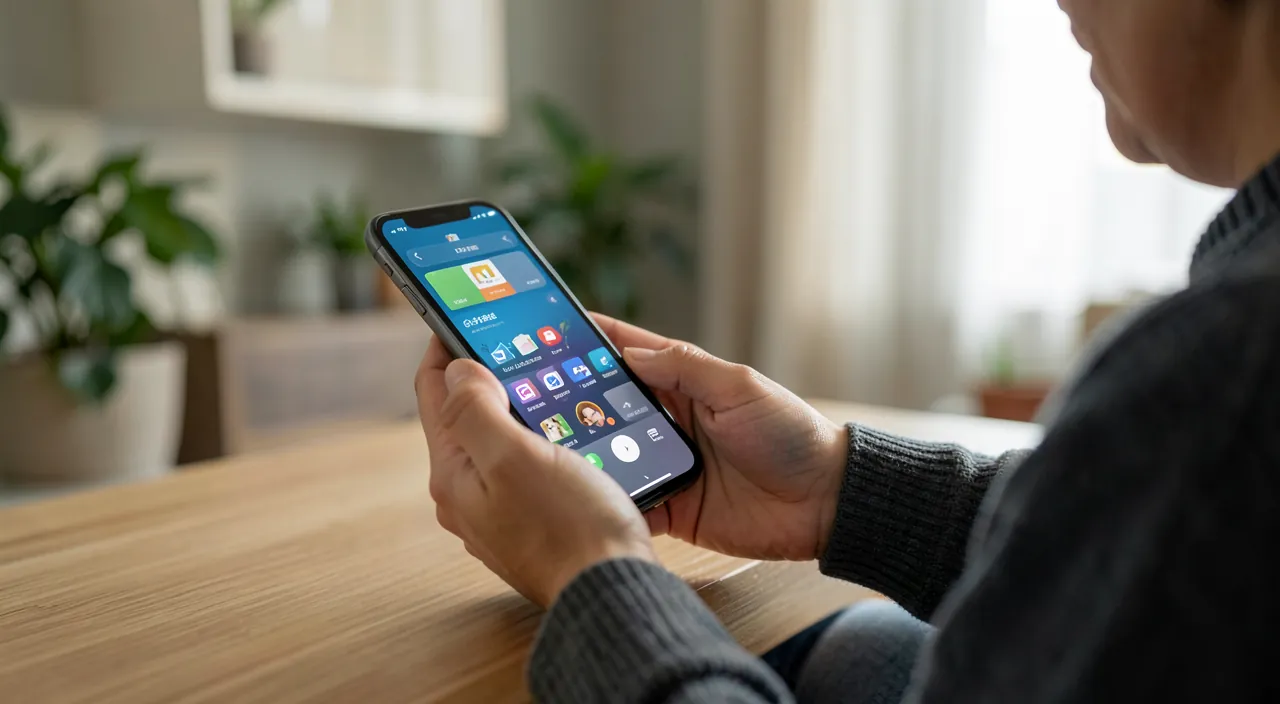
To get started without complicating things: START SMALL — there’s no need to connect everything at once; start with a useful use (connected bulbs, thermostat, a few smart plugs) and extend according to your actual needs; THINK COMPATIBILITY — the main headache of home automation is that devices from different brands do not always communicate with each other; prefer compatible devices and those that work with your ecosystem (a common standard is emerging to simplify this — our Matter guides, simplifying home automation); CHOOSE BASED ON YOUR NEEDS — what comfort or savings are you really looking for? (connected heating for savings, lighting for comfort, security for peace of mind); EVALUATE THE BUDGET — home automation has a cost; start with what provides the most value and extend gradually; and PREFER SIMPLICITY — a simple and reliable system is better than a complex one that fails (our guides to automate without coding). An important point: think about DEPENDENCY — what happens if the internet goes down, if the manufacturer stops its service, or if the app no longer works? Prefer equipment that keeps a basic manual function even without connection (so you don’t end up in the dark due to a network outage). On the PRACTICAL side: be wary of SUBSCRIPTIONS that some connected services impose (especially for cameras — our surveillance camera home guides, cleaning subscriptions), and the longevity of brands (a connected object from a disappearing manufacturer may become unusable). The good principle: start small with a useful use, choose compatible and reliable equipment, extend according to your actual needs, and think from the start about security, privacy (see below), and independence from failures. A successful connected home simplifies your life and helps you save money, not complicate it or make you dependent on a fragile system.
The right reflex. Start small, with a really useful use rather than trying to connect everything at once: for example, a connected thermostat (to control heating remotely and make real energy savings) or a few connected bulbs (for comfort and automation). You will immediately see the benefit, take control of the logic, and extend according to your actual needs. Two precautions from the start make all the difference: think COMPATIBILITY (choose devices that communicate with each other and with your ecosystem to avoid the headache of incompatible brands — a common standard is emerging for this, our Matter guides), and SECURE from the installation (change the default passwords of your connected devices — this is the most common flaw — and ideally isolate them on a separate guest network: our guides to secure your router and home network). Also prefer devices that keep a basic manual function without connection (so you are not completely dependent on the internet). Start simple, compatible, and secure: this is the recipe for a connected home that really simplifies your life without becoming a source of complications or vulnerabilities.
Security and privacy: the point not to neglect
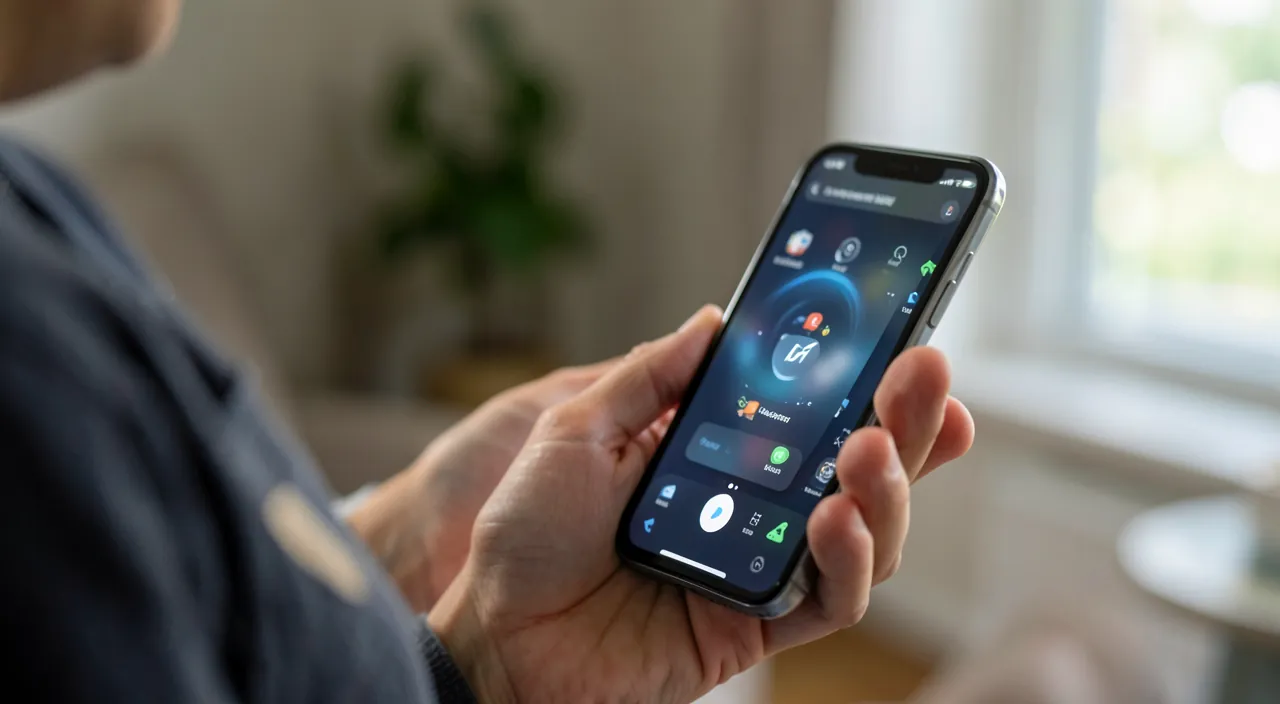
Connecting your home brings comfort, but also opens digital doors that need to be PROTECTED: this is the most important and most neglected aspect of home automation. Connected objects are often the WEAK LINK in home security (default weak passwords, rare updates — our guides to secure your router and home network): a poorly secured connected object can become an entry point for an intruder, or, for a camera or microphone, a way to spy on you (our surveillance camera home guides, protecting your webcam). Essential precautions: CHANGE the default passwords of all your connected devices (the top flaw), keep them up to date when possible, isolate them ideally on a separate guest network from your sensitive devices, SECURE your home network and router (our guides to secure your router and home network), and beware of very cheap connected objects from unknown brands (security often non-existent). On the PRIVACY side: connected objects collect intimate data about your home life (presence, habits, and for voice assistants, what is said; for cameras, images): this information is private: understand what your devices collect and do with it, set privacy settings, and favor serious and privacy-respecting brands (our privacy guides). Think particularly before installing cameras or microphones inside your home. Finally, keep CONTROL: a connected home system should serve you, not make you vulnerable or dependent: favor simplicity, security, and devices that keep a basic manual function without connection. In summary, controlling your home from your phone brings real benefits: comfort, energy savings, security, accessibility. To enjoy them with peace of mind: start small with a useful use, choose compatible and reliable equipment, and above all SECURE (passwords changed, network protected, devices up to date) and protect your PRIVACY (understand what is collected, be careful with cameras and microphones, choose serious brands). Connected home is a real progress for daily life, provided you never forget that connecting your home also means protecting it: comfort should never come at the cost of an open door to your security and privacy.
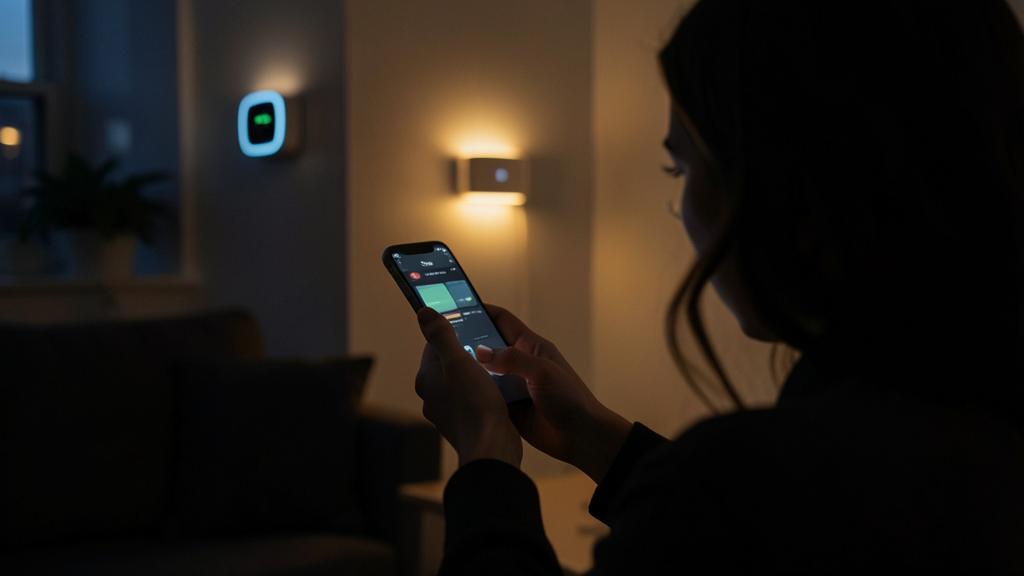
Warning: connected objects are the weak link in security and collect intimate data. Two major issues: SECURITY — connected objects are often poorly protected (default weak passwords, rare updates) and can become entry points for an intruder, or, for cameras and microphones, a way to spy on you: change the default passwords imperatively (the top flaw), keep the objects up to date, isolate them on a separate guest network, secure your router and home network (our guides to secure your router and home network, surveillance camera home guides), and beware of very cheap objects from unknown brands with non-existent security. On the PRIVACY side: connected objects collect intimate data about your home life (presence, habits, what is said near a voice assistant, images from cameras): understand what your devices collect and do with it, set privacy settings, and favor serious and privacy-respecting brands (our privacy guides), and think particularly before installing cameras or microphones inside your home. Also think about DEPENDENCY: prefer devices that keep a basic manual function without connection (so you are not completely dependent on the internet or a manufacturer that could disappear), and beware of imposed subscriptions. Connecting your home brings real benefits: provided you never forget that comfort should not come at the cost of an open door to your security and privacy.
Frequently asked questions
Where to start with a connected home?
Start small, with a really useful use rather than trying to connect everything at once: a connected thermostat (remote control of heating, real energy savings) or a few connected bulbs (comfort, automation) are excellent starting points. You will see the benefit immediately and take control of the logic before extending according to your actual needs. Two precautions from the start: think COMPATIBILITY (devices that communicate with each other and with your ecosystem — a common standard is emerging, our Matter guides) and SECURE (change default passwords, isolate objects on a separate guest network — our guides to secure your router). Starting simple, compatible, and secure avoids the headache and vulnerabilities: this is the recipe for a successful connected home.
Is a connected home risky for security?
It can be if you neglect protection: connected objects are often the weak link (default weak passwords, rare updates) and can become entry points for an intruder, or a way to spy on you for cameras and microphones. But if well secured, it is not dangerous: change default passwords (the main flaw), keep objects up to date, isolate them on a separate guest network, secure your router and home network (our guides to secure your router and home network), and beware of very cheap objects from unknown brands. Also think about PRIVACY (these objects collect intimate data about your home life). With these precautions, the connected home brings its benefits without compromising your security: the risk comes from negligence, not the technology itself.
What happens if the internet or the manufacturer goes down?
This is an important point to anticipate: some connected objects depend entirely on the internet or the manufacturer’s servers to function; if the internet goes down, if the manufacturer stops its service or disappears, they can become unusable (leaving you, for example, in the dark or without controllable heating). To avoid this, prefer devices that keep a BASIC FUNCTION without connection (a connected switch that always works manually, a locally adjustable thermostat). Also beware of the longevity of brands (an object from a disappearing manufacturer may stop working) and imposed subscriptions. The connected home should serve you without making you dependent on a fragile system: always keep a manual control method for your essential devices.
What to remember
Home automation allows you to control from your phone (or by voice) lighting, heating, blinds, sockets, security, and more, with real benefits: COMFORT (easy, remote control), ENERGY SAVINGS (heating and lighting optimized — a real lever), SECURITY (surveillance, presence simulation), and ACCESSIBILITY. Its power comes from SCENARIOS and automation (one gesture for « turn everything off when leaving », an « evening » mood). To start off well: start small with a useful use (thermostat, bulbs), think COMPATIBILITY (devices that communicate with each other — a common standard is emerging), choose based on your actual needs, favor simplicity, and anticipate DEPENDENCY (devices that keep a basic manual function without connection). But the point not to neglect is SECURITY and PRIVACY: connected objects are often the weak link (change default passwords — the top flaw —, keep them up to date, isolate them on a separate guest network, secure your router), and they collect intimate data about your home life (understand what is collected, be careful with cameras and microphones inside, choose serious brands). Also beware of imposed subscriptions and brand longevity. Home automation is a real progress for daily life, provided you never forget that connecting your home also means protecting it: comfort should never come at the cost of an open door to your security and privacy.
Want to go further with your phone and apps? Our practical training is for you.
Leave a Reply
You must be logged in to post a comment.