
Solid autonomy, slow charging, aging batteries: the Achilles heel of our smartphones, computers, and electric vehicles. But a new generation of batteries is on the horizon, promising greater autonomy, faster charging, longer lifespan, and enhanced safety. Solid-state batteries, in particular, are generating a lot of buzz. How do these promises stack up? When will these future batteries actually arrive in our devices? Without technical jargon or excessive hype, here’s what you need to know about batteries of tomorrow.
Why current batteries are showing their limits
The batteries that power today’s devices (lithium-ion technology) have made tremendous progress and are everywhere: smartphones, laptops, electric vehicles, tools. But they have well-known LIMITATIONS: insufficient autonomy for many uses (the phone that needs charging every day, the electric car and its « range anxiety »), slow charging, aging (capacity decreases over the years — our guides on how to preserve the battery), temperature sensitivity, and environmental and safety concerns (materials, recycling). That’s why research into better batteries is intense: improving autonomy, charging speed, lifespan, safety, and ecological footprint is a major issue for all our devices and the energy transition (electric vehicles, renewable energy storage). Several avenues are being explored, with the most publicized being the solid-state battery (or « solid »). Without delving into the technical details, the idea is to replace a liquid component of current batteries with a solid material, which theoretically promises several advantages: more stored energy (thus greater AUTONOMY), potentially faster RECHARGE, better DURABILITY, and enhanced SAFETY (current batteries can, in rare cases, present heating risks). Other technologies are also under study (new materials, new chemistries). The common goal: surpass current limitations for more performant, sustainable, and safer batteries.

Real promises, but a nuanced timeline
The promises of future batteries, especially solid-state ones, are REAL and promising: if they hold, they could transform our usage (smartphones that last several days, electric cars with greater autonomy and fast charging, batteries that last much longer). That’s why they generate so much interest and announcements. BUT a CRITICAL mindset is needed regarding the « hype »: the transition from the laboratory promise to reliable and affordable mass production is long and fraught with obstacles. The history of battery technology is marked by revolutionary announcements that took years to materialize, or never generalized as promised. The challenges are real: producing these batteries at scale, at a reasonable cost, with proven reliability and longevity, takes time. So: solid-state batteries and other advanced technologies will likely arrive, but the EXACT timeline is uncertain, and one should be wary of announcements promising an imminent revolution (precise predictions in this field are often overly optimistic — our guides on critical thinking when AI invents for a critical mind). The most likely scenario: a gradual arrival, first in certain uses (perhaps electric vehicles or high-end applications) before generalization to all devices over several years. Until these future batteries arrive, current batteries continue to gradually improve (better management, optimized charging, increased longevity). For the consumer, the right attitude is interest without impatience: follow these promising developments, but don’t delay purchases in anticipation of a revolution whose timeline is unclear, nor believe all sensational claims. Progress will come; it will likely come more gradually than announced.
Future batteries could last longer, charge faster, and be safer, but making them cheap and reliable for everyone will take years. Don’t believe every “revolutionary” announcement—real progress happens slowly.
The right approach. Keep a curious but CRITICAL mindset towards announcements of « revolutionary batteries »: the field of batteries is rich in spectacular promises that take years to materialize — or never generalize as announced. When you read that a battery will « change everything soon, » remember that the transition from the laboratory to reliable, durable, and affordable mass production is long and uncertain: beware of optimistic timelines and sensational headlines. Concretely, for your purchases: don’t wait indefinitely for a revolution with a vague timeline to buy a device you need (you might wait a long time), but stay informed about real developments. Until the future batteries arrive, get the most out of your current batteries by properly maintaining them (avoid heat, let optimized charging take its course — our guides on how to preserve the battery). Progress will come, probably more gradually than announced: the winning attitude is interest without impatience, distinguishing real advancements from marketing hype. Stay curious about innovations, but keep your feet on the ground in the face of hype.

What this will change (and the stake beyond gadgets)
If future batteries live up to their promises, the changes will be concrete: for our DAILY devices (smartphones, laptops), greater autonomy and faster charging would significantly improve usability; for electric VEHICLES, greater autonomy and fast charging would lift a major barrier to their adoption (the « range anxiety » and charging times — our guides on the vehicle becoming a computer); and beyond individual devices, better batteries are a CRUCIAL stake for the ENERGY TRANSITION: storing renewable energy (solar, wind, inherently intermittent) requires high-performance, affordable, and durable batteries; progress in this field conditions our ability to decarbonize energy. That’s why the stake goes far beyond the comfort of our gadgets: it touches major environmental and energy questions. Another important aspect is the ENVIRONMENT of the batteries themselves: their production (materials, extraction), their lifespan (longer-lasting batteries reduce waste — our guides on fighting obsolescence), and their RECYCLING are real ecological issues that future technologies also aim to improve. In summary, future batteries — solid-state and other advanced technologies — carry real and important promises: greater autonomy, faster charging, better durability and safety, with stakes ranging from daily comfort to the energy transition. These advances will likely come, but in a PROGRESSIVE manner and with an uncertain timeline: be wary of revolutionary announcements « imminent » that rarely materialize as quickly as promised. The right attitude: follow these promising developments with interest and a critical mindset, without impatience or credulity in the face of hype: distinguishing real progress from marketing hype allows you to understand real developments without being carried away by sensationalism.
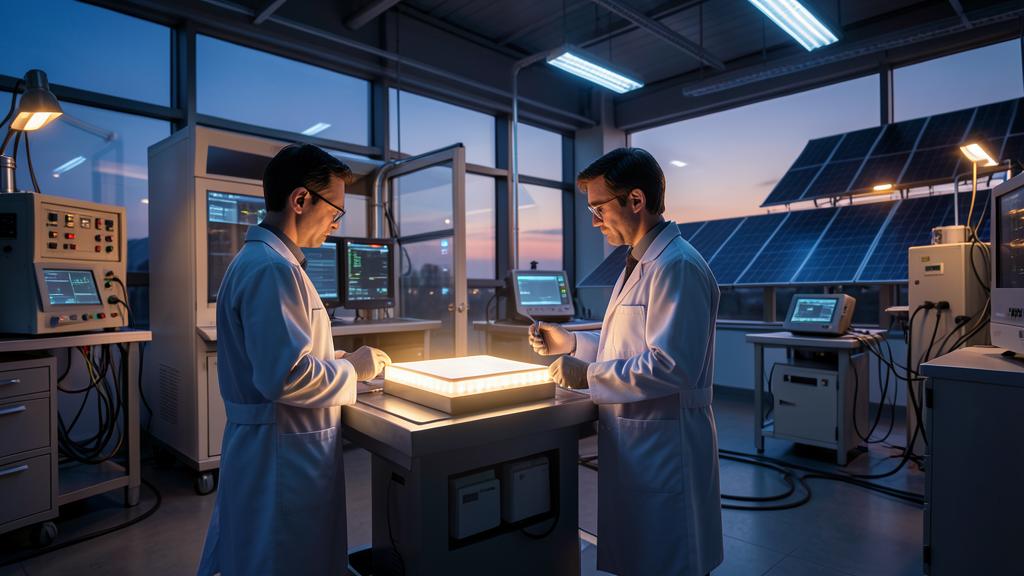
A Tesla Model 3 with a 75 kWh battery today has a range of about 260 miles (420 km) on a full charge. A solid-state battery could potentially double that range to 520 miles (840 km) while charging in 15 minutes instead of 30.
Be wary of hype and overly optimistic timelines. The battery field is particularly prone to SENSATIONAL ANNOUNCEMENTS: regularly, a « revolutionary battery » that will change everything is announced. Yet history shows that the transition from the laboratory promise to reliable, durable, and affordable mass production is long, uncertain, and fraught with obstacles (large-scale production, cost, proven reliability); many revolutionary announcements took years to materialize, or never generalized as promised. Be wary of overly optimistic timelines and announcements of an « imminent revolution »: precise predictions in this field are often overly enthusiastic (our guides on critical thinking when AI invents for a critical mind). Concretely: don’t wait indefinitely for a revolution with a vague timeline to buy a device you need. Future batteries (solid-state and others) will likely arrive, but gradually: first in certain uses before generalization, over several years. Keep a curious interest in these real and promising advancements, but a critical mindset towards hype: distinguishing real progress from marketing hype allows you to understand real developments without being carried away by sensationalism. Until then, properly maintain your current batteries (our guides on how to preserve the battery), which continue to gradually improve.
Frequently asked questions
What is a « solid » battery and what does it bring?
Without delving into the technical details, the idea is to replace a liquid component of current batteries with a solid material, which theoretically promises several advantages: more stored energy (thus greater AUTONOMY), potentially faster RECHARGE, better DURABILITY, and enhanced SAFETY. These promises are real and promising: if they hold, they could transform our usage (smartphones lasting several days, electric cars with greater autonomy). But the transition from the laboratory to reliable, durable, and affordable mass production is long and uncertain: the exact timeline remains vague. Solid-state batteries will likely arrive, but gradually, over several years: promising, but to be followed with a critical mindset towards « imminent » announcements.
When will these future batteries arrive in our devices?
The timeline is uncertain, and this is the key point: advanced batteries will likely arrive, but gradually, at a pace difficult to predict. The arrival will likely first occur in certain uses (perhaps electric vehicles or high-end applications) before generalization to all devices, over several years. Be wary of announcements promising an « imminent revolution »: the history of batteries shows that these promises often materialize much more slowly than announced. Don’t wait indefinitely for a revolution with a vague timeline to buy a device you need: stay informed about real developments, but without impatience. Progress will come, more gradually than announced.

Should we wait for these new batteries to buy?
No: don’t wait for a revolution with an uncertain timeline to buy a device you need, you might end up waiting a long time. Future batteries will arrive gradually, over several years, and announcements of an « imminent revolution » rarely materialize as quickly as promised. Until then, current batteries continue to gradually improve, and you can get the most out of them by properly maintaining them (avoid heat, let optimized charging take its course — our guides on how to preserve the battery). The winning attitude is interest without impatience: follow these promising developments with curiosity and a critical mindset, but buy according to your current real needs rather than waiting for a revolution whose true timeline is unknown.
What to remember
Current batteries (lithium-ion) show their limitations: insufficient autonomy, slow charging, aging, environmental and safety concerns. A new generation is on the horizon, with the most publicized being the solid-state battery (replacing a liquid component with a solid material), promising greater autonomy, faster charging, longer lifespan, and enhanced safety. These promises are REAL and promising: they could transform our usage (smartphones lasting several days, electric cars with greater autonomy) and are crucial for the energy transition (storing renewables). BUT a critical mindset is needed towards the HYPE: the transition from the laboratory to reliable, durable, and affordable mass production is long and uncertain, and the field is marked by revolutionary announcements that often materialize much more slowly than announced. Future batteries will likely arrive, but gradually and with an uncertain timeline: beware of « imminent » revolutions. The right attitude: follow these developments with interest and a critical mindset, without impatience or credulity, distinguishing real progress from marketing hype, and getting the most out of current batteries in the meantime (properly maintaining them). Don’t wait for a revolution with an uncertain timeline to buy what you need. A fascinating field to follow, where real progress coexists with a lot of sensationalism: keeping both in mind allows you to understand real advancements without being carried away by sensationalism.


Want to understand and master the technologies that change your daily life? Our training programs enlighten you.
Leave a Reply
You must be logged in to post a comment.