
5G, this generation of mobile network deployed in recent years, has sparked a lot of buzz — and quite a bit of confusion and concerns. Beyond the marketing promises and debates, what does it **ACTUALLY** do in everyday life? Does it really change anything for the average user? Do you need a 5G plan, a new phone? Without technical jargon or hype, here is a clear and honest take on 5G: what it brings concretely, what it promises, and what it changes (or not) for you.
What is 5G and what does it bring?
5G is simply the **FIFTH** generation of mobile network, succeeding 4G (which itself succeeded 3G, etc.). Each generation brings improvements: 5G primarily promises higher **BANDWIDTH** (faster mobile internet), reduced **LATENCY** (the network’s reaction time, the delay before an action is realized — useful for certain real-time applications), and better **CAPACITY** (handling more connected devices simultaneously, useful in dense areas and for the rise of connected objects). Concretely, for the average user, what does this change in everyday life? The honest truth: for common uses (browsing, social networks, video, messaging), the difference with a good 4G is often barely noticeable in everyday life — 4G is already largely sufficient for most mobile uses. The benefits of 5G are more pronounced in certain cases: quickly downloading very large files, in densely populated areas where the network is saturated (5G clears the congestion), or for more demanding future uses. But on a daily basis, the average user will not necessarily see a revolution: 5G is a progressive improvement and an investment for the future (it prepares for future uses and the rise of connected objects), more than an immediate upheaval of daily experience. It is important to say this clearly, as marketing has sometimes oversold 5G as an imminent revolution for all: the reality is more nuanced. 5G brings real technical improvements, useful in certain contexts, but for common use, it does not radically transform daily life — good old 4G does a very good job for the most part.
5G is faster and more reliable than 4G, but for everyday tasks like browsing or messaging, you won’t notice a huge difference. It’s more useful for big downloads, crowded areas, or future tech like smart cities.
In a busy city center, 5G can handle 10,000 connected devices per square kilometer (vs. 4G’s 2,000), making it ideal for events like concerts or sports matches where many people stream simultaneously.
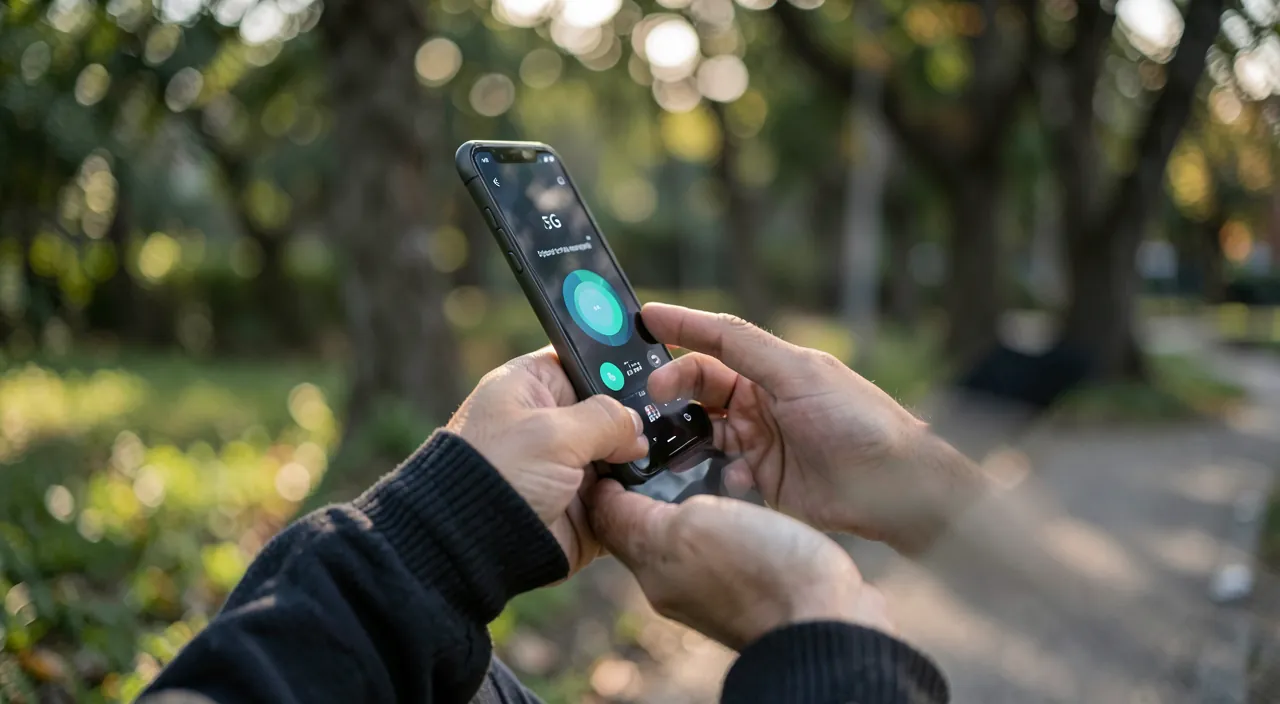
Do you need to switch to 5G and the debates around it
So, do you need a 5G plan and a compatible phone? The answer depends on **YOUR** needs: if your use is common (browsing, social networks, video, messaging) and your 4G is satisfactory, there is no urgency to change — you probably won’t see a major difference; 4G remains very performant for the most part. 5G becomes more interesting if: you have very data-intensive uses, you live or work in a densely populated area where the network is saturated, or you change phone anyway (newer models integrate 5G, you might as well take advantage of it). There is no need to rush to change your phone or plan just to « have 5G »: evaluate if it brings something concrete for **YOUR** uses (our Wi-Fi 7 guides, for a similar reasoning on new network technologies). A word on the **DEBATES** and concerns around 5G: the deployment has sparked questions and fears (health, environment, notably). On **HEALTH**, health authorities and scientists regulate exposure levels and assess risks; much of the fears surrounding 5G are based on misinformation or unfounded claims, and it is important to inform yourself from reliable and scientific sources rather than rumors (our guides when AI invents for critical thinking against claims). On the **ENVIRONMENT**, the deployment of new networks and the encouragement to change devices raise legitimate questions (carbon footprint, obsolescence — our guides reduce your digital footprint): this is a real subject of collective reflection, distinct from unfounded fears. The right attitude: inform yourself reliably, distinguish facts from rumors, and make a personal choice based on your real needs rather than marketing or fears.
The right approach. Do not change your phone or plan just to « have 5G »: first evaluate if it brings something **CONCRETE** for **YOUR** uses. For most common uses (browsing, social networks, video, messaging), 4G is already largely sufficient, and the difference with 5G is often barely noticeable in everyday life: there is therefore no urgency if your 4G is satisfactory. 5G becomes interesting in specific cases: very data-intensive uses, densely populated areas where the network is saturated, or if you change phone anyway (newer models integrate 5G, you might as well take advantage of it). This approach — evaluating the real benefit for your needs rather than following marketing — avoids unnecessary spending and protects you from hype. And if you hear alarming claims about 5G (health, notably), inform yourself from reliable and scientific sources rather than rumors: much of the fears circulating are based on misinformation (our guides when AI invents for critical thinking). Neither rush to be at the cutting edge, nor fear based on rumors: a rational choice based on your real needs and reliable information. The best network technology is the one that meets **YOUR** uses; for many, 4G still works very well.
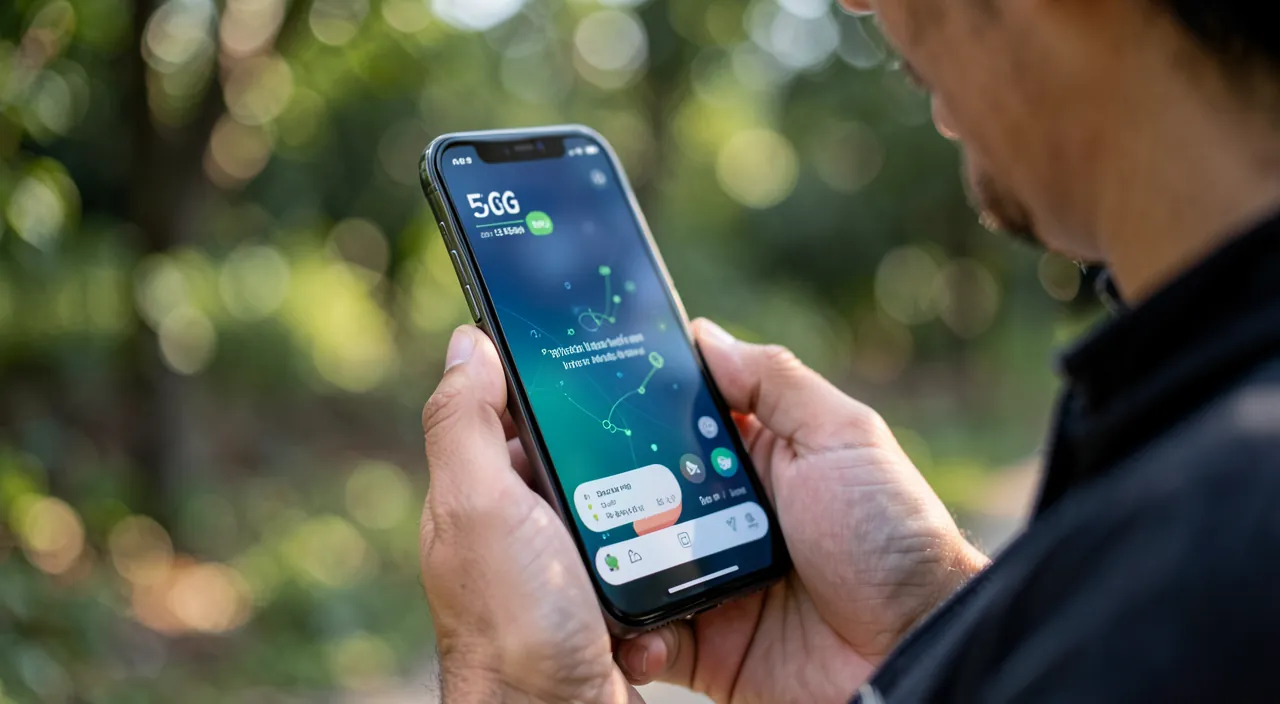
Beyond the individual use: a larger issue
5G is not just « faster mobile internet for you »: it is part of larger issues that it is useful to understand. It is thought of as a **FUTURE INFRASTRUCTURE**: its ability to connect many devices with low latency prepares emerging uses — the rise of **CONNECTED OBJECTS** (smart home, smart city, industry — our guides control your home from your phone), certain professional and industrial applications, and future services. That is partly why 5G was deployed before its « revolutionary » uses for the general public were obvious: it prepares the ground. This explains the gap between the hype and the daily experience: for the average user today, the contribution is modest; but the infrastructure aims at uses that will develop. There are also issues of **SOVEREIGNTY** and geopolitics (5G networks, their equipment, and suppliers are a strategic issue — our guides digital sovereignty), and **ENVIRONMENTAL** issues (the deployment of networks and the renewal of devices have a cost — our guides reduce your digital footprint). These dimensions go beyond individual use and are issues of collective choice and societal debate. For the user, the essential is: understand what 5G brings concretely (real technical improvements, but a modest daily impact for common uses today), make a choice based on your real needs, and inform yourself reliably on the debates (distinguishing facts from rumors). In summary, 5G is the fifth generation of mobile network, bringing more bandwidth, less latency, and more capacity: real technical improvements. But for common daily use, the difference with a good 4G is often modest — 4G suffices for the most part. 5G is more useful in certain cases (data-intensive uses, saturated zones) and mainly as an investment for the future (connected objects, emerging uses). There is no need to rush for « having 5G »: evaluate its real benefit for your uses. And inform yourself reliably on the debates (health, environment), distinguishing facts from unfounded fears. A real improvement but a gradual one, to be approached with pragmatism rather than marketing hype or rumors.

Be wary of marketing hype and unfounded rumors. Two opposite pitfalls: the **MARKETING** hype — 5G has sometimes been oversold as an imminent revolution for all, while for common daily uses, the difference with a good 4G is often barely noticeable (4G suffices largely for the most part); do not rush to change your phone or plan just to « have 5G » without a concrete benefit for your uses — evaluate your real needs rather than following marketing (our Wi-Fi 7 guides, for a similar reasoning). Conversely, **UNFOUNDED** rumors — the deployment of 5G has sparked fears, notably on health, much of which is based on misinformation or unfounded claims; health authorities and scientists regulate exposure levels and assess risks: inform yourself from reliable and scientific sources rather than rumors (our guides when AI invents, scams for critical thinking). Distinguish real questions from unfounded fears: the environmental issues of the deployment and device renewal are legitimate, but different from the unfounded health fears that often circulate. The right attitude: neither excitement for the new, nor fear based on rumors, but a rational choice based on your real needs and reliable information. Neither hype nor panic: pragmatism.
Frequently asked questions
Does 5G really change anything in everyday life?
For common uses (browsing, social networks, video, messaging), the difference with a good 4G is often barely noticeable in everyday life: 4G is already largely sufficient for the most part. 5G brings real technical improvements (more bandwidth, less latency, more capacity), but their benefits are more pronounced in certain cases: downloading very large files, densely populated areas where the network is saturated, more demanding future uses. On a daily basis, the average user will not necessarily see a revolution: 5G is a progressive improvement and an investment for the future (connected objects, emerging uses), more than an immediate upheaval. Marketing has sometimes oversold it: the reality is more nuanced.
Should you switch to 5G?
It depends on your needs: if your use is common and your 4G is satisfactory, there is no urgency — you probably won’t see a major difference. 5G becomes interesting if you have very data-intensive uses, live in a densely populated area where the network is saturated, or change phone anyway (newer models integrate 5G, you might as well take advantage of it). There is no need to rush to change your device or plan just to « have 5G »: evaluate if it brings something concrete for **YOUR** uses. Neither rushing to be at the cutting edge, nor rejection: a rational choice based on your real needs. For many, 4G still works very well.
Is 5G dangerous for health?
Health authorities and scientists regulate exposure levels and assess risks; much of the fears surrounding 5G are based on misinformation or unfounded claims. It is important to inform yourself from reliable and scientific sources rather than rumors (our guides when AI invents for critical thinking against claims). Distinguish real questions from unfounded fears: the environmental issues of the deployment (carbon footprint, device renewal) are legitimate, but different from the unfounded health fears that often circulate. The right attitude is to verify information from serious sources before panicking or sharing, rather than relying on sensational rumors that thrive on this type of topic.
What to remember
5G is the fifth generation of mobile network, bringing more **BANDWIDTH**, less **LATENCY**, and more **CAPACITY**: real technical improvements. But the honest truth: for common daily uses (browsing, social networks, video, messaging), the difference with a good 4G is often barely noticeable — 4G suffices for the most part. The benefits of 5G are more pronounced in certain cases: large file downloads, densely populated areas, and mainly as an investment for the future (connected objects, emerging uses). Marketing has sometimes oversold 5G as an imminent revolution for all: the reality is more nuanced. Should you switch to 5G? It depends on your needs: no urgency if your use is common and your 4G is satisfactory; more interesting for data-intensive uses, densely populated areas, or if you change phone anyway. Do not buy just to « have 5G »: evaluate its real benefit for your uses. On the debates, inform yourself from reliable and scientific sources (much of the fears about health are based on misinformation), distinguishing real questions (deployment environmental issues, sovereignty) from unfounded rumors. 5G is also part of larger issues (future infrastructure, sovereignty, environment) that go beyond individual use. The winning attitude: neither hype, nor panic, but pragmatism — a choice based on your real needs and reliable information.
Want to understand and master the technologies that change your daily life? Our training programs enlighten you.
Leave a Reply
You must be logged in to post a comment.