
Devices that mysteriously slow down after a few years, a software update that makes it less fluid, a battery that can’t be replaced, a part that is impossible to find: we all have the feeling that our devices don’t last long enough, and that we are pushed to replace them too often. This is obsolescence — programmed or de facto. In the face of this costly and polluting waste, it is possible to act: extending the life of your devices is good for your wallet AND for the planet. Here’s how to fight obsolescence and extend the life of your devices.
Understanding obsolescence to better fight it
Obsolescence is the fact that a device becomes unusable, outdated, or unattractive, pushing to replace it, when it could last longer. It takes several forms: material obsolescence — the device breaks down or a part fails (non-replaceable battery, component that breaks, repair impossible or too expensive); software obsolescence — the device, still good mechanically, becomes slow, incompatible, or no longer updated (a phone that no longer receives updates becomes outdated and sometimes vulnerable, even in perfect physical condition); and psychological obsolescence — marketing and constant newness give the desire or the impression that one « must » change for the latest model, even though the old one works very well. The debate on programmed obsolescence (deliberate strategies to shorten the life of products) is real, but beyond intentions, the FACT is there: our devices often last less than they could, which is costly (constantly buying new ones) and pollutes enormously (manufacturing new products has a major environmental cost, and electronic waste is a scourge — our guides reduce your digital footprint). The good news: understanding these mechanisms allows us to ACT. Much of obsolescence is not a fait accompli: a battery can be replaced, a slow device can often be rejuvenated, the desire for newness can be questioned. Fighting obsolescence is about regaining control over the life of your devices, against the logic of disposability — an economic, ecological, and common-sense choice.
Obsolescence means devices stop working or become outdated faster than they should. It can be because they break, the software stops working, or marketing makes you want the latest model. But you can fight it by repairing, maintaining, and resisting the urge to always buy new things.
A smartphone from 2020 with a replaceable battery can still work well in 2026 if the battery is replaced and the software is updated. However, a similar model with a non-replaceable battery might slow down or stop receiving updates, forcing you to buy a new one.
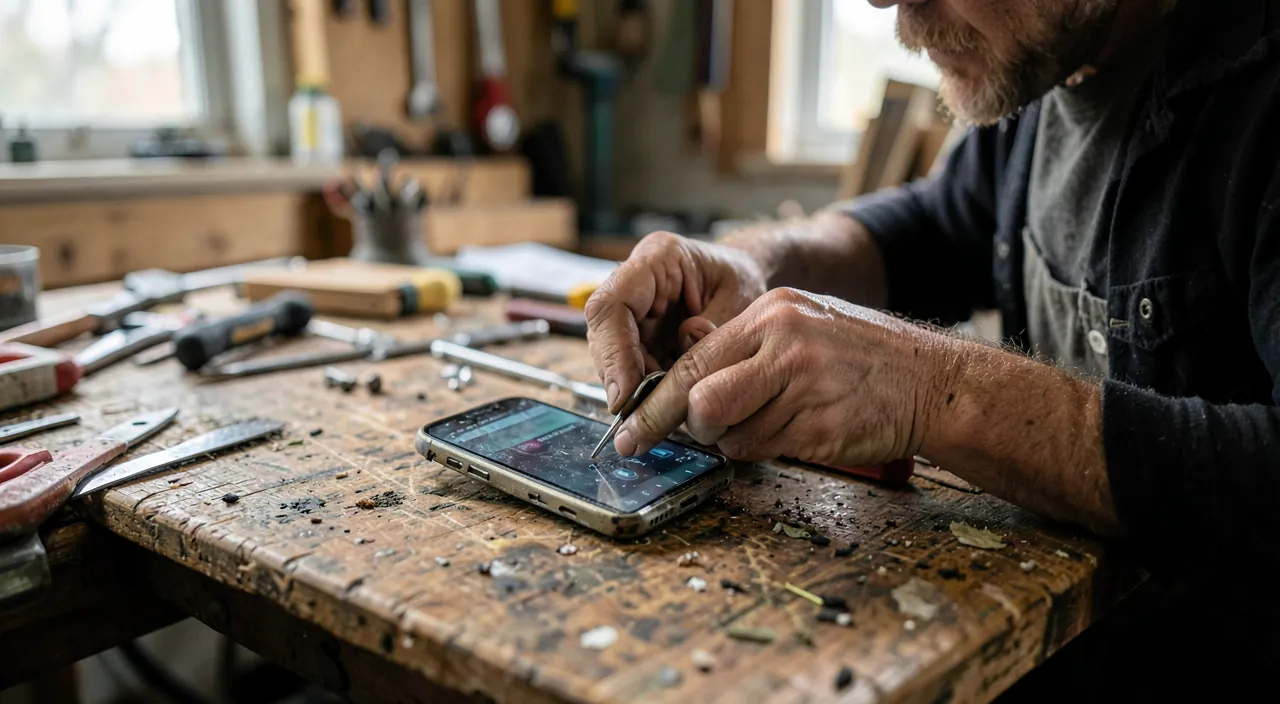
Concrete actions to extend the life of your devices
Here’s how to extend the life of your devices at each step: AT PURCHASE — choose durable and repairable (check the repairability index, replaceable battery, availability of parts, and especially the manufacturer’s commitment to software updates — our guides repairability index); a device designed to last is the first step; RESIST THE CONSTANT NEWNESS (do you really need the latest model?); consider RECONDITIONED items (giving a second life avoids manufacturing a new one). DURING THE LIFE OF THE DEVICE — take care of it (protect it, preserve the battery: avoid heat, optimize charging — our battery preservation guides); MAINTAIN THE SOFTWARE (a slow device can often be rejuvenated: do some cleaning, uninstall the unnecessary, restart — our slow computer guides; many « tired » devices regain a second youth with a little maintenance); KEEP IT UPDATED for security and functionality. WHEN A PROBLEM OCCURS — REPAIR instead of replacing when possible and profitable (replacing a worn battery can give years to a device; repairing a breakdown often costs much less than buying a new one; the right to repair is increasingly facilitating this); DIAGNOSE BEFORE THROWING AWAY (an apparent breakdown may have a simple cause — our troubleshooting guides). AT THE REAL END OF LIFE — recycle or give away (a device that no longer serves you can serve others, be reconditioned, or be recycled to recover its materials; don’t throw it in the trash). The guiding principle: at each step, prioritize DURATION — buy durable, take care, repair, reuse, recycle — rather than the logic of buy-dispose-buy again. These actions, combined, significantly extend the life of your devices. And remember that much of « obsolescence » is reversible or avoidable: a little software maintenance, a battery replacement, a bit of resistance to marketing, and an « outdated » device can still serve for years.
THE RIGHT REACTION. Before replacing a device that seems « finished, » ask yourself: can it be REANIMATED or REPAIRED? Many devices considered obsolete are actually recoverable: a phone or computer that has become slow often regains a second youth with a little software maintenance (do some cleaning, uninstall the unnecessary, restart — our slow computer guides, a sluggish browser); a worn battery that drains autonomy can often be replaced, giving years to a device in good condition (our battery preservation guides); an apparent breakdown may have a simple cause to fix (our troubleshooting guides). Repairing generally costs much less than buying, and the right to repair is increasingly facilitating access to parts and repair. This reaction — seek to reanimate or repair before replacing — saves you substantial money AND significantly reduces your ecological impact (manufacturing a new device weighs heavily — our guides reduce your digital footprint). Also resist psychological obsolescence: do you really need the latest model, or does the old one still do a very good job? A device that is kept in use is good for your wallet and the planet: before giving in to desire or the replacement reflex, check what can be reanimated, repaired, or simply kept longer.
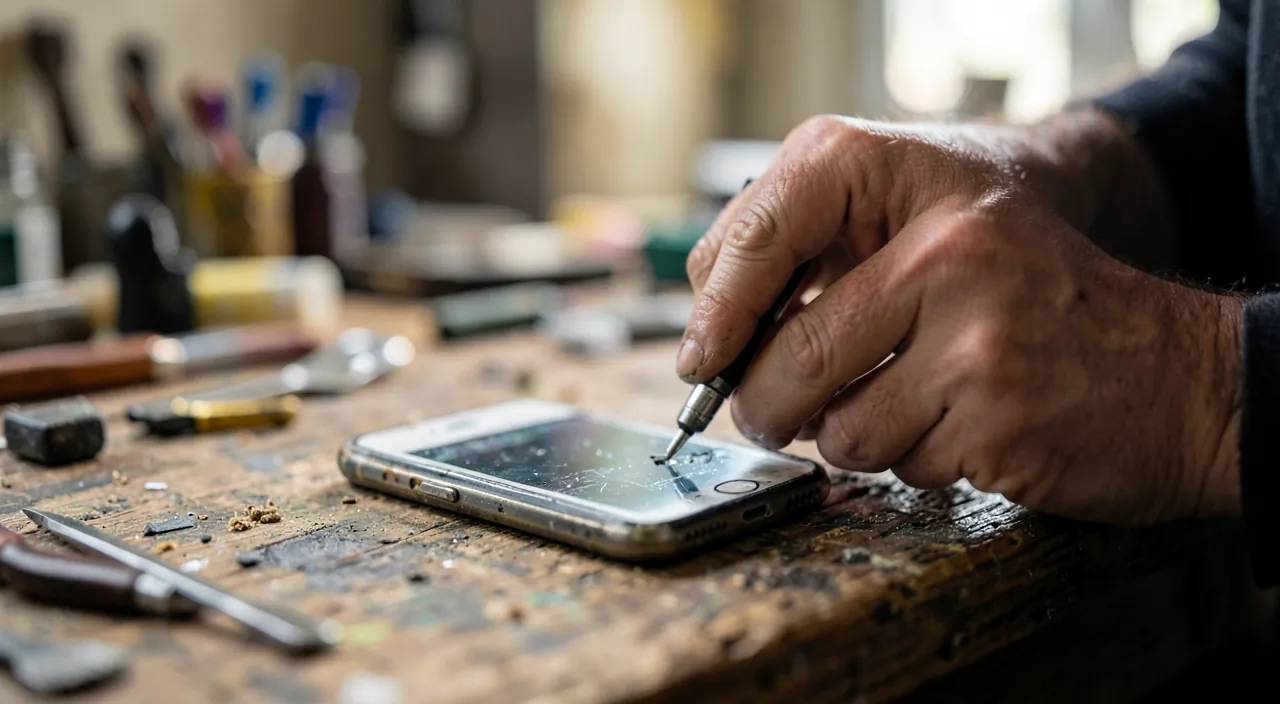
An individual and collective issue
Fighting obsolescence is both an INDIVIDUAL approach and a COLLECTIVE issue. At the individual level, your choices matter: buy durable and repairable, take care of your devices, repair, reuse, recycle — all these gestures extend the life of your devices, save you money, and reduce waste. It’s common sense that’s both economic and ecological, within reach of everyone. But obsolescence is also a COLLECTIVE issue that goes beyond the individual: the RIGHT TO REPAIR (measures that make repair easier: availability of parts, documentation, fight against repair barriers), regulation of programmed obsolescence, the REPAIRABILITY INDEX (which informs the consumer — our repairability index guides), requirements for software updates, and more sustainable product design are societal choices, regulations, and pressures on manufacturers. By favoring durable and repairable devices, consumers also send a signal to manufacturers and encourage more responsible design: individual action and collective evolution reinforce each other. This struggle is part of a broader awareness on the SUSTAINABILITY of our electronic consumption model (buy-dispose-buy again) and on the environmental impact of digital (our guides reduce your digital footprint). A final balance point: fighting obsolescence does not mean keeping a device at all costs (sometimes a repair costs more than it’s worth, or a device is really at the end of its life, or a replacement is justified for real needs); it’s about making INFORMED choices based on cost, condition, and real needs, not falling into an extreme. In summary, obsolescence — material, software, psychological — makes our devices last often less than they could, which is costly and polluting. We can resist by taking concrete actions at each step: buy durable and repairable, take care of your devices, maintain the software (many « tired » devices can be rejuvenated), repair rather than replace, reuse and recycle. Much of obsolescence is reversible or avoidable: before replacing, check what can be reanimated or repaired. It’s an issue that is both individual (your choices count, economically and ecologically) and collective (right to repair, regulation, sustainable design). Extending the life of your devices, against the logic of disposability, is a sensible choice: good for your wallet, good for the planet.
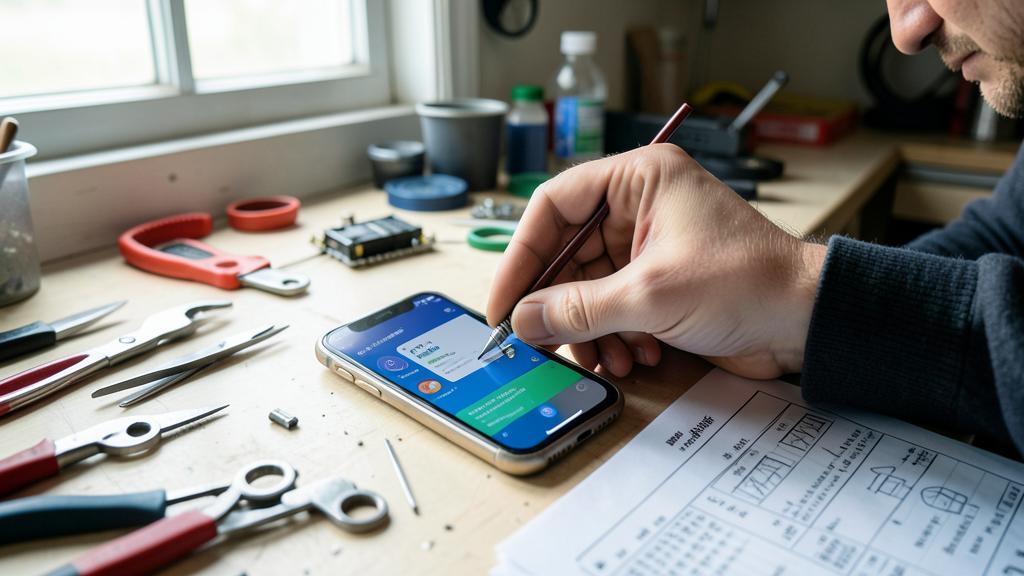
BE CAREFUL: much obsolescence is avoidable, but keep a sense of proportion and beware of greenwashing. A positive point: much of « obsolescence » is NOT a fait accompli — a slow device can often be rejuvenated (software maintenance), a worn battery can be replaced, a breakdown can be fixed — before replacing, always check what can be recovered (our slow computer guides, battery preservation, troubleshooting). But keep a sense of proportion: fighting obsolescence does not mean keeping a device at all costs — sometimes a repair costs more than it’s worth, a device is really at the end of its life, or a replacement is justified for real needs (including security, if a device no longer receives updates and becomes vulnerable). It’s about making INFORMED choices based on cost, condition, and real needs, not falling into an extreme. Also beware of GREENWASHING: some brands highlight durability or « repairability » without it really translating — look at the concrete facts (repairability index, availability and price of parts, real commitments on software updates) rather than just the claims (our repairability index guides). Finally, at the end of life: never throw an electronic device in the trash (recycle it or give it away: it contains materials to be recovered and can serve others). Extending the life of your devices is a sensible economic and ecological choice: as long as you remain clear about what is worth repairing and vigilant against marketing rhetoric.
Frequently asked questions
What is obsolescence, and is it really « programmed »?
Obsolescence is the fact that a device becomes unusable, outdated, or unattractive, pushing to replace it when it could last longer. It takes several forms: material (breakdown, non-replaceable part), software (device still good but slow, incompatible, or no longer updated), and psychological (marketing that gives the desire to change). The debate on programmed obsolescence (deliberate strategies to shorten the life of products) is real, but beyond intentions, the fact is there: our devices often last less than they could, which is costly and polluting. The good news: understanding these mechanisms allows us to act, because much obsolescence is reversible or avoidable (maintenance, repair, resistance to marketing).
How can I make my devices last longer?
At each step: at purchase, choose durable and repairable (repairability index, replaceable battery, commitment to updates — our repairability index guides), and consider reconditioned items; during the life of the device, take care of it (preserve the battery), maintain the software (a slow device often rejuvenates — our slow computer guides) and keep it updated; when a problem occurs, REPAIR rather than replace when it’s profitable (a replaced battery can give years); at the real end of life, recycle or give away. The principle: prioritize DURATION (buy durable, take care, repair, reuse, recycle) rather than the logic of buy-dispose-buy again. Many « outdated » devices can still serve for years with a little maintenance or repair.
Is repairing always better than replacing?
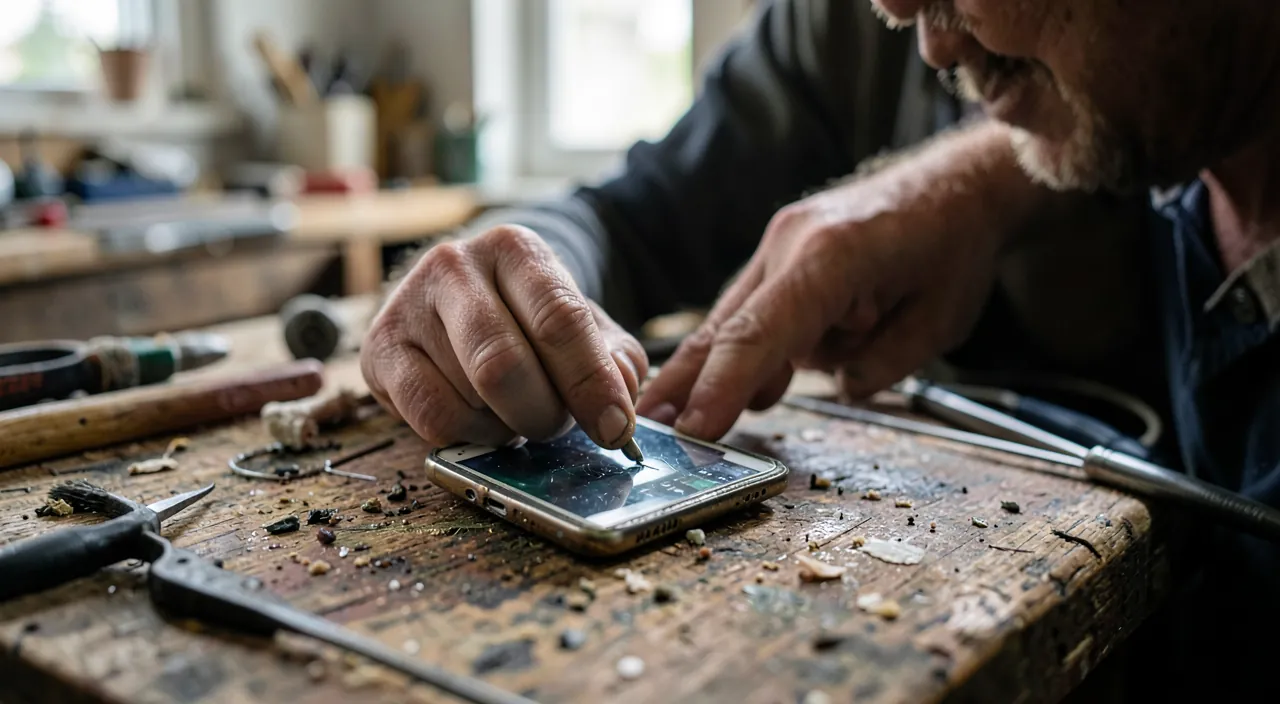
Often, but not always: repairing is generally much more economical and ecological than buying new, and many breakdowns or slowdowns are repairable (battery, software maintenance, failed part). Before replacing, always check what can be rejuvenated or repaired. But keep a sense of proportion: sometimes a repair costs more than it’s worth, a device is really at the end of its life, or a replacement is justified (including for security, if a device no longer receives updates and becomes vulnerable). It’s about making INFORMED choices based on cost, condition, and real needs, not keeping a device at all costs or replacing it out of reflex. Common sense: repair when appropriate, get out of the logic of disposability without falling into an extreme.
What to remember
Obsolescence — MATERIAL (breakdown, non-replaceable part), SOFTWARE (device still good but slow or no longer updated), and PSYCHOLOGICAL (marketing that pushes for the latest model) — makes our devices last often less than they could, which is costly (constantly buying new ones) and pollutes enormously (manufacturing new products and electronic waste). We can resist by taking concrete actions at each step: at PURCHASE, choose durable and repairable (repairability index, replaceable battery, commitment to updates) and consider reconditioned items; DURING THE LIFE, take care of the device, maintain the software (many « tired » devices can be rejuvenated) and keep it updated; IN CASE OF PROBLEM, repair rather than replace when it’s profitable (a replaced battery can give years); AT THE REAL END OF LIFE, recycle or give away. The principle: prioritize DURATION rather than the logic of buy-dispose-buy again. Much obsolescence is reversible or avoidable: before replacing, check what can be rejuvenated or repaired. It’s an individual issue (your choices count, economically and ecologically) and a collective issue (right to repair, repairability index, regulation, sustainable design — your choices send a signal to manufacturers). Keep a sense of proportion (repair when appropriate, not at all costs) and beware of greenwashing (look at the facts, not the claims). Extending the life of your devices, against the logic of disposability, is a sensible choice: good for your wallet and the planet.

Want to understand and master the technologies that change your daily life? Our training programs enlighten you.
Leave a Reply
You must be logged in to post a comment.