
Traveling is expensive, and driving alone in your car is a waste of money and energy. Ride-sharing and carpooling apps offer a clever alternative: sharing a trip with others (as a driver or passenger) for a more economical, friendly, and eco-friendly journey. Whether for a long trip between cities or daily commutes, these apps facilitate connections. Here’s how carpooling and shared transportation work, how to use them safely, and their benefits.
How carpooling and shared transportation work
CARPOOLING involves sharing a car ride among several people heading in the same direction: a DRIVER with available seats and PASSENGERS looking to take the same route; they share the road and costs. Carpooling apps CONNECT drivers and passengers: the driver offers their trip (departure, destination, date, time, seats, price per passenger), and passengers search and book. It’s simple and organized. Two main uses exist. LONG-DISTANCE CARPOOLING (between cities): for trips, weekends, vacations; an economical alternative to trains or solo driving. DAILY CARPOOLING (home-work): sharing regular trips (commuting, etc.) with neighbors or colleagues taking the same route; often encouraged (sometimes with incentives) to reduce solo cars. Beyond carpooling, SHARED TRANSPORTATION includes other forms: CAR-SHARING (self-service cars rented by the hour or per ride, without ownership), FREE-FLOATING BIKES and SCOOTERS (in cities), and various shared mobility solutions. Apps make all this easy: finding, booking, paying, navigating. The BENEFITS of sharing trips: ECONOMICAL: sharing costs (fuel, tolls) is far cheaper than traveling alone (for both the driver and passenger); it’s often a budget-friendly alternative to other transport. ECO-FRIENDLY: fewer cars on the road (several people in one car instead of multiple cars) reduces pollution and traffic jams. SOCIAL: sharing a trip means meeting, chatting, and breaking the loneliness of travel. PRACTICAL: where public transport is lacking (rural areas, off-peak hours), carpooling offers a solution. What to understand: these apps rely on SHARING and TRUST; they connect individuals (or offer shared services) with mechanisms to secure (profiles, reviews, protected payments). The key idea: carpooling and shared transportation allow you to share a trip (as a driver or passenger) or a mode of transport (car, free-floating bike), to travel in a more economical, eco-friendly, and social way; apps facilitate connections and organization. A clever solution for long trips and daily commutes, accessible to everyone.
Carpooling is like splitting a ride with others to save money and reduce pollution. You can do it for long trips or daily commutes, and apps help you find matches. It’s cheaper, greener, and a good way to meet people.
Imagine you’re driving from Paris to Lyon. Instead of going alone, you find three passengers through a carpooling app. You charge them €20 each to cover fuel and tolls. Instead of spending €100 alone, you now pay just €20, and your passengers pay less than a train ticket. Everyone wins!
How to use shared trip apps effectively
Here’s how to use these apps confidently and efficiently. Choose the right SERVICE for your needs — long-distance carpooling (trips between cities), daily carpooling (home-work), car-sharing (renting a car occasionally), free-floating bikes/scooters (urban travel); there’s an app for each use. Create a TRUSTWORTHY PROFILE — a complete and verified profile (photo, info) builds trust and eases exchanges; useful whether you’re a driver or passenger. As a PASSENGER: search and book — specify your trip (departure, destination, date), compare offers (schedule, price, driver reviews), and book the one that suits you; payment is usually handled via the app (protected and secure). As a DRIVER: offer your trip — post your trip (with available seats and a passenger price covering shared costs), and accept bookings; it’s a great way to offset a trip you’d take anyway. Check REVIEWS and ratings — apps often have a review system: look at driver (or passenger) ratings before sharing a trip; it’s a key trust indicator. COMMUNICATE clearly — specify details (exact meeting point, luggage, times); good communication avoids misunderstandings. Keep your COMMITMENTS — be punctual, notify of changes; carpooling relies on mutual respect. Some SECURITY TIPS and common sense: prioritize well-rated drivers/passengers (reviews are valuable); verify info before a trip; for a solo woman traveler, some apps offer options (e.g., choosing female passengers); keep the usual caution you’d have when getting into a stranger’s car; and pay VIA the app when required (protected payment safeguards both parties — beware of off-app payment requests). A note on FEES and LEGALITY: carpooling between individuals is a COST-SHARING arrangement (the driver doesn’t profit, they share expenses); it’s different from a professional transport service; respect this framework (see our guides on understanding cost-sharing). For free-floating bikes/scooters: follow traffic and parking rules, and prioritize safety (helmet, caution — see our urban mobility guides). In short, to use these apps well: pick the service matching your need, create a trustworthy profile, search or offer trips, check reviews (essential for trust), communicate clearly, honor commitments, and keep security common sense. Pay via the app when required, and respect the cost-sharing framework. This way, you travel economically, socially, and peacefully.
The smart move. First, choose the service that fits YOUR needs: long-distance carpooling (trips between cities), daily carpooling (home-work), car-sharing (renting a car occasionally without owning one), or free-floating bikes and scooters (urban travel). Create a COMPLETE and verified profile (photo, info): this builds trust and eases exchanges, whether you’re a driver or passenger. As a passenger, search for your trip, compare offers (schedule, price, driver reviews), and book; as a driver, offer your trip with available seats and a cost-sharing price. The most important trust gesture: check REVIEWS and ratings before sharing a trip — prioritize well-rated drivers or passengers, a valuable sign of reliability. Communicate clearly (exact meeting point, luggage, times) to avoid misunderstandings, and honor commitments (punctuality, notifying of changes): carpooling relies on mutual respect. For SECURITY, keep the common sense you’d naturally have when getting into someone’s car: verify info, trust reviews, and know that some apps offer reassuring options (like female-only passengers for solo women). Crucial point: pay VIA the app when required — this protected payment safeguards both parties; BEWARE of any request to pay outside the app (a scam red flag). Finally, respect the framework: carpooling between individuals is COST-SHARING (the driver shares expenses, no profit), unlike professional transport. For free-floating bikes and scooters, follow traffic and parking rules, and prioritize safety (caution, gear). Good service, trustworthy profile, checked reviews, clear communication, and protected payment: this is how these apps help you travel more economically, eco-friendly, and socially, with peace of mind.
Travel differently, smartly, and socially
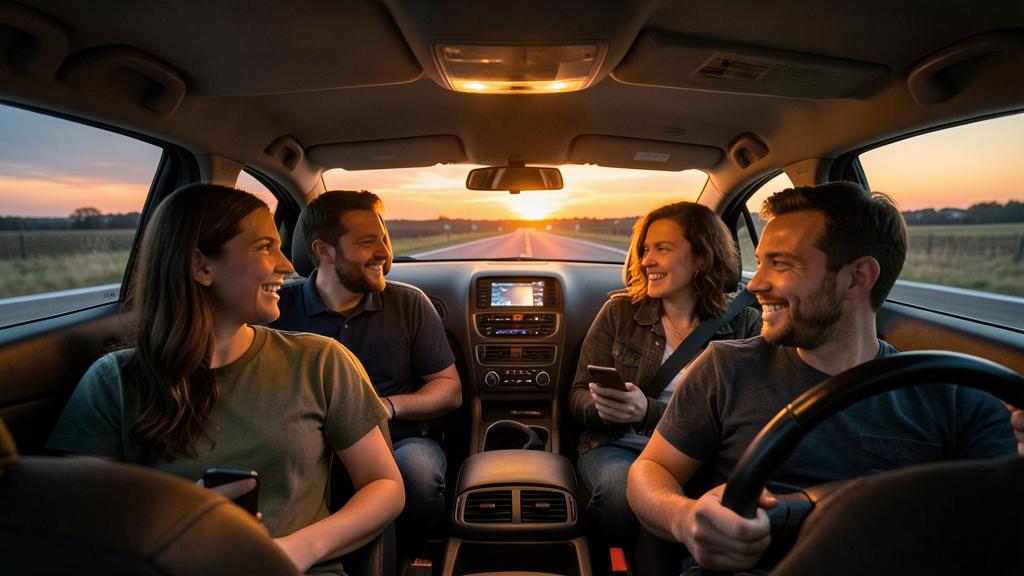
Shared transportation offers a new way to travel: more economical, eco-friendly, and social. Some thoughts. DAILY ECONOMY: sharing trips significantly cuts transport costs (for drivers sharing expenses and passengers paying less than other modes); on regular trips, savings are real. ECOLOGY: fewer cars for the same number of people means less pollution and traffic; sharing is a concrete step for the environment without radically changing habits. SOCIAL: sharing a trip means meeting, exchanging, and breaking travel loneliness; many enjoy these spontaneous encounters and renewed social bonds. A SOLUTION where transport is lacking: in rural areas or off-peak hours, carpooling fills a gap; it provides mobility where public transport is scarce. FLEXIBILITY of shared mobility: car-sharing (a car when needed, without ownership constraints), bikes and scooters in cities (short trips, no car); these solutions offer flexibility. TRUST as a foundation: these services rely on trust between individuals; reviews, profiles, and protected payments build it; use these mechanisms, and bring your own seriousness and respect. ACCESSIBILITY: these apps are simple and accessible to all; they open travel possibilities to many. In short, carpooling and shared transportation allow you to share a trip (as a driver or passenger) or a mode of transport (car, free-floating bike), to travel more economically, eco-friendly, and socially; apps facilitate connections, bookings, and payments. To benefit: choose the service matching your need, create a trustworthy profile, check reviews, communicate clearly, honor commitments and the cost-sharing framework, and keep security common sense (reviews, app payment). Beyond simple mobility, these solutions outline a smarter, more responsible, and humane way to travel: save money, pollute less, meet people, rather than traveling alone and expensively. Whether for a long trip between cities or daily commutes, they’re accessible to all: a concrete and peaceful alternative, worth trying to rediscover the pleasure — and benefits — of sharing the road.
Warning: check reviews, pay via the app, and keep security common sense. Some tips for sharing trips peacefully. REVIEWS TO CHECK — don’t share a trip blindly: review systems and ratings help you choose reliable drivers or passengers; prioritize well-rated individuals, and be wary of profiles with no reviews, incomplete info, or negative ratings; reviews are the foundation of trust in these services. PAYMENT VIA THE APP — always pay through the app’s designated channel (protected payment safeguarding both parties and serving as proof); BEWARE of any request to pay OUTSIDE the app (in cash upfront, via transfer, on another channel): a classic SCAM signal (a fake driver who takes payment and never shows); never pay outside the secure framework. SECURITY COMMON SENSE — keep the caution you’d naturally have when getting into a stranger’s car or taking a passenger: verify info, trust reviews, notify a loved one of your trip if desired, and know that some apps offer reassuring options (like female-only passengers for solo women); if uncomfortable, you’re never obliged to take a trip. Other points: respect the COST-SHARING framework (carpooling between individuals isn’t disguised professional transport — the driver shares costs, no profit), for free-floating bikes and scooters, follow CIRCULATION and PARKING rules (and your safety: caution, gear), and read terms (cancellation, insurance) before booking. Carpooling and shared transportation are economical, eco-friendly, and social solutions, with no real danger if you keep a few reflexes: check reviews, pay via the app (never outside), and maintain security common sense. These trust mechanisms and your usual vigilance are enough to share trips peacefully: use them to travel differently, smarter, and more humanely, with tranquility.
Frequently asked questions
How does carpooling work?
Carpooling involves sharing a car ride among several people heading in the same direction: a DRIVER with available seats and PASSENGERS looking to take the same route; they share the road and costs. Apps connect drivers and passengers: the driver offers their trip (departure, destination, date, time, seats, price per passenger), and passengers search and book the one that suits them. Payment is usually handled via the app (protected and secure). Two main uses exist: LONG-DISTANCE CARPOOLING (trips between cities, an economical alternative to trains or solo driving) and DAILY CARPOOLING (home-work trips shared with neighbors or colleagues). The benefits: it’s economical (shared costs), eco-friendly (fewer cars on the road), social (meeting and chatting), and practical where public transport is lacking. It’s simple to use: create a profile, search or offer a trip, check reviews, book, and pay via the app. A smart solution for traveling at lower cost.
Is it safe to share a trip with a stranger?
Yes, provided you keep some common-sense reflexes, as these services include trust mechanisms. The key: REVIEWS and ratings. Check them before sharing a trip: prioritize well-rated drivers or passengers, and be wary of profiles with no reviews or negative ratings. Verified profiles (photo, info) also build trust. Always pay VIA the app (never outside): this protected payment safeguards both parties; a request for off-app payment is a scam signal. Otherwise, keep the caution you’d naturally have when getting into someone’s car: verify info, communicate clearly (meeting point, details), and notify a loved one of your trip if desired. Some apps offer reassuring options (like female-only passengers for solo women). If uncomfortable, you’re never obliged to take a trip. Millions of people carpool without issues: with reviews, protected payment, and your usual common sense, sharing a trip is a safe and social practice.
Does the driver make money from carpooling?
No, in principle: carpooling between individuals is COST-SHARING, not a money-making activity. The driver shares expenses (fuel, tolls, wear) with passengers, reducing their own trip costs — but they don’t profit; the passenger price covers shared costs, not a professional transport fare. This sharing logic distinguishes carpooling from paid transport services (like taxis or ride-hailing), which are professionally regulated and different. In practice, for the driver, carpooling makes a trip they’d take anyway less costly; for the passenger, it offers an affordable ride; everyone benefits, but within the sharing framework, not for profit. Respect this framework: offer a reasonable price covering shared costs (apps often help calculate it), and don’t turn carpooling into disguised commercial activity. This sharing logic, economical and solidarity-based, is the essence of carpooling’s appeal: sharing the road and costs to travel cheaper, together.
Key takeaways
Carpooling and shared transportation allow you to share a trip (as a DRIVER with available seats or as a PASSENGER seeking the same route) or a mode of transport (car-sharing, free-floating bikes and scooters), to travel more ECONOMICALLY (shared costs), ECO-FRIENDLY (fewer cars), and SOCIALLY (meetings, social bonds). Apps facilitate connections, bookings, and payments. Two main carpooling uses: LONG-DISTANCE (trips between cities, affordable alternative) and DAILY (shared home-work trips). To use them well: choose the service matching your need, create a TRUSTWORTHY PROFILE (photo, info), search or offer trips, and especially CHECK REVIEWS before sharing (prioritize well-rated individuals — the trust foundation). Communicate clearly (meeting point, details), honor commitments (punctuality), and keep the security common sense you’d have when getting into someone’s car. Crucial point: always pay VIA the app when required (protected payment safeguarding both parties); BEWARE of any off-app payment request (scam signal). Respect the COST-SHARING framework: carpooling between individuals isn’t professional transport — the driver shares costs without profiting. For free-floating bikes and scooters, follow traffic and parking rules, and prioritize safety. Beyond simple mobility, these solutions outline a smarter, more responsible, and humane way to travel: save money, pollute less, meet people, rather than traveling alone and expensively; they also fill gaps where public transport is lacking. Simple and accessible to all, they’re a concrete and peaceful alternative — for long trips and daily commutes — provided you keep a few reflexes: check reviews, pay via the app, and maintain common sense. Share the road, share the costs: you’ll travel better, cheaper, and not alone.
Want to go further with your phone and apps? Our practical training is made for you.
Leave a Reply
You must be logged in to post a comment.