
A few minutes a day on your phone to learn Spanish, English, or Japanese: the promise of language apps has seduced hundreds of millions of people. And it is partly fulfilled — provided you understand what these apps do very well, what they don’t do, and how to integrate them into a real learning strategy. Because the trap exists: months of “streaks” that reassure… without ever allowing you to hold a conversation. This guide helps you turn the app into a real lever — not an illusion of progress.
What the apps do remarkably well
Let’s acknowledge their real strengths: consistency — the genius of these apps is to bring you back every day, through games, reminders, and streaks not to break; yet consistency is THE decisive factor in language learning. Vocabulary memorization: spaced repetition systems (reviewing a word just before forgetting it) are scientifically sound and devastatingly effective. Accessibility: five minutes on the subway are better than zero, and the entry barrier has never been so low. To start a language, anchor the basics, and build a vocabulary foundation, the app is an excellent tool.
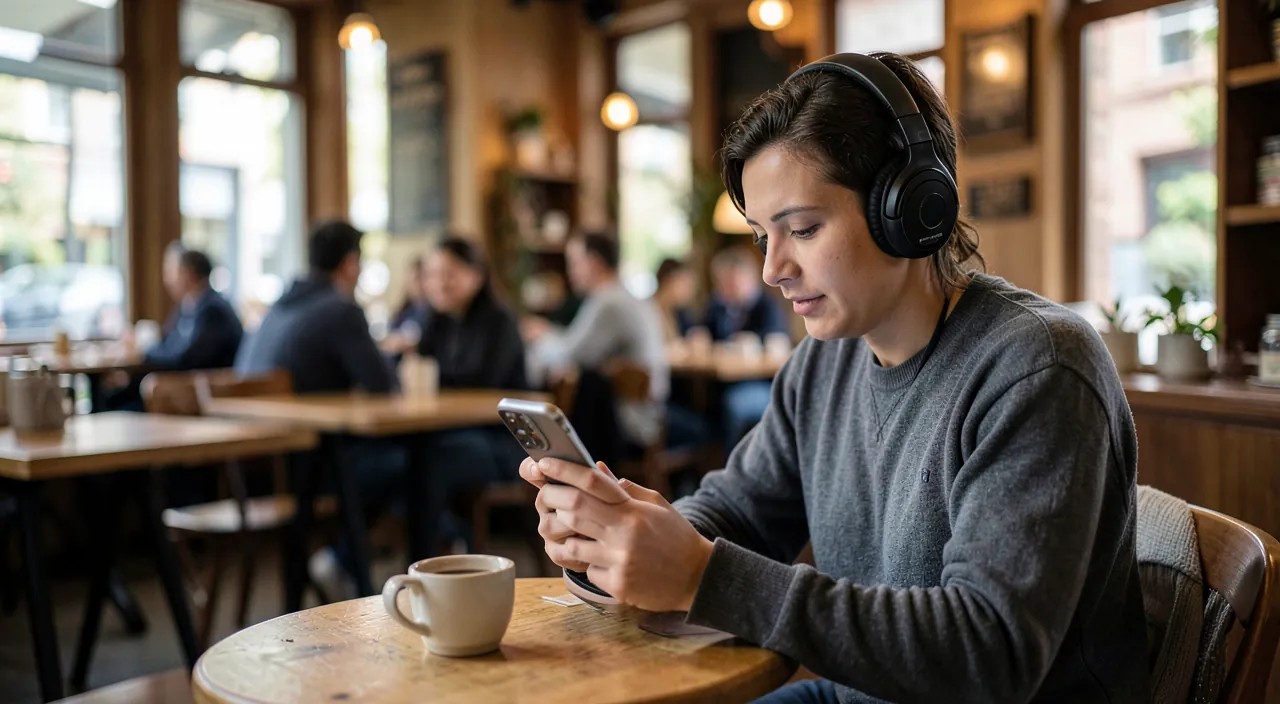
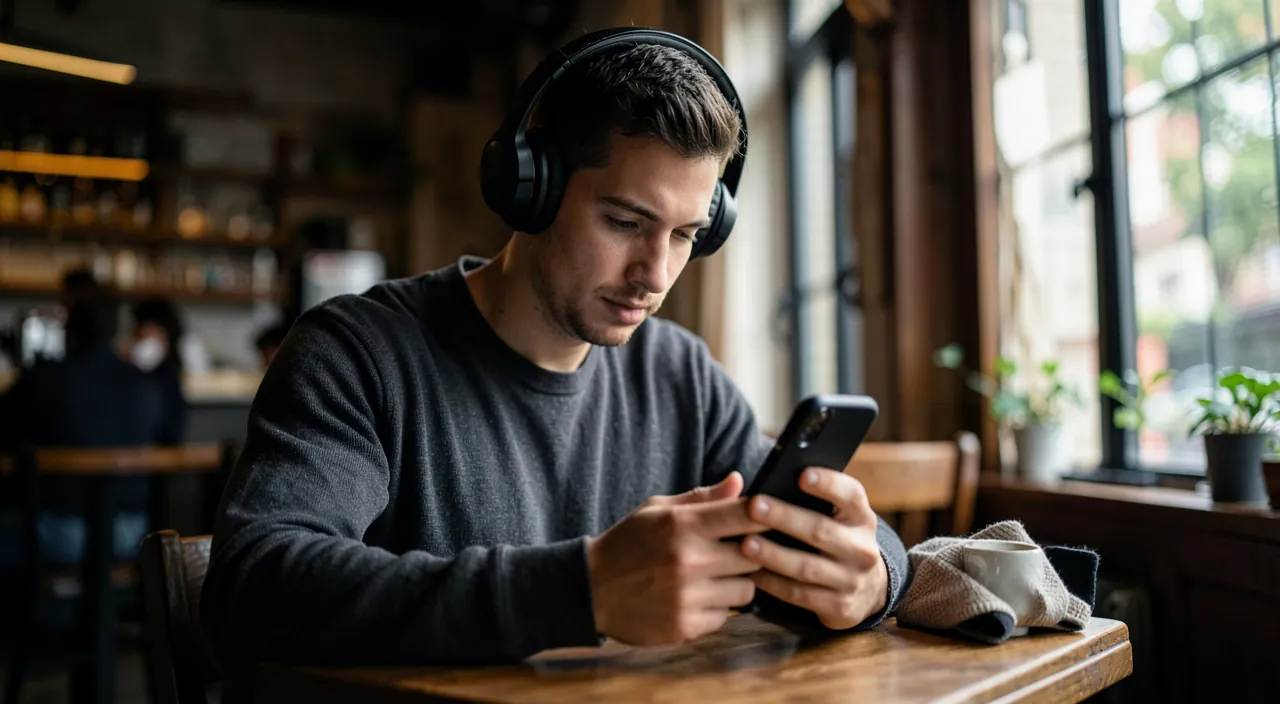
Apps help you build good habits and learn words, but they can’t replace real conversations. They’re like a gym for vocabulary, but you still need to practice speaking.
What they don’t replace
The limit is just as clear: a language is learned to communicate, and communication is only imperfectly simulated through exercises. What the app covers poorly: real conversation — improvising, understanding natural speech, daring to speak; fine pronunciation — voice recognition exercises remain lenient; and the living culture of the language. Hence the well-known phenomenon: regular users for a year, unable to order a coffee in person. The problem isn’t the app: it’s believing it’s enough.
The right reflex. Use the app as a foundation, not as the whole: it ensures vocabulary and consistency. Add real language as soon as possible — TV shows in the original version with subtitles, music, podcasts for beginners — and especially conversation: exchanges with native speakers, language tandems, or dialogue with an AI, an tireless and judgment-free partner to dare your first sentences. It’s this combination that turns accumulated points into a truly spoken language.

Imagine you’ve used a language app for 6 months, 10 minutes a day. You know 500 words, but when you visit Spain, you can’t ask for directions because you’re not used to real conversations. The app helped with vocabulary, but you need practice speaking with real people to be fluent.
Choosing the right app
The criteria that matter: the method (spaced repetition for vocabulary, structured lessons with explained grammar, or immersion — depending on your profile); the oral — prioritize those that actually make you speak and listen, not just associate words with images; the target language — content quality varies greatly from one language to another in the same app; and the business model — free versions are enough to test, and the subscription is justified if the tool becomes your daily practice. Test two or three for a week each: the right choice is the one you’ll still open in three months.
The 20-minute method that works
A realistic and effective framework to truly progress, about 20 minutes a day:
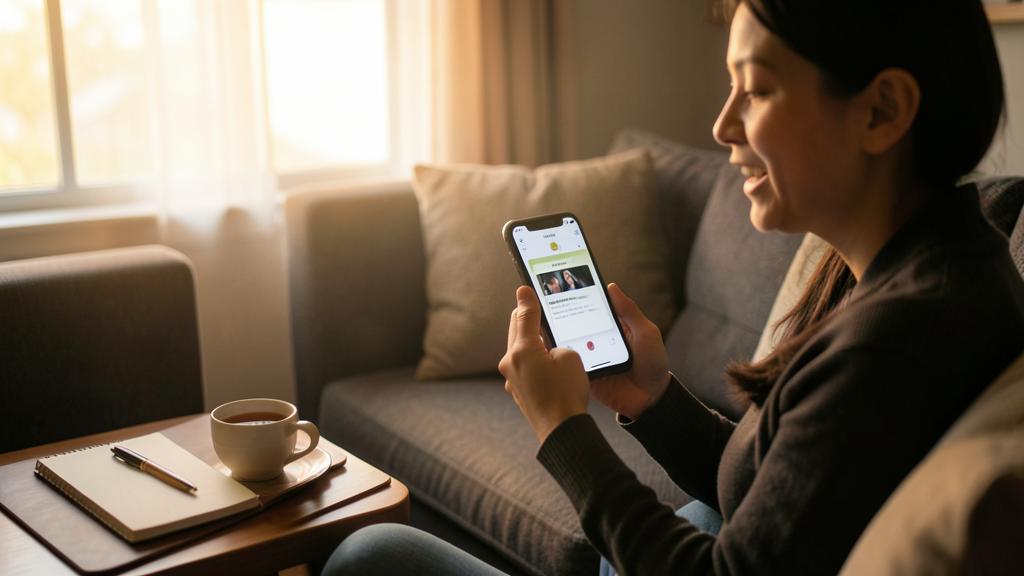
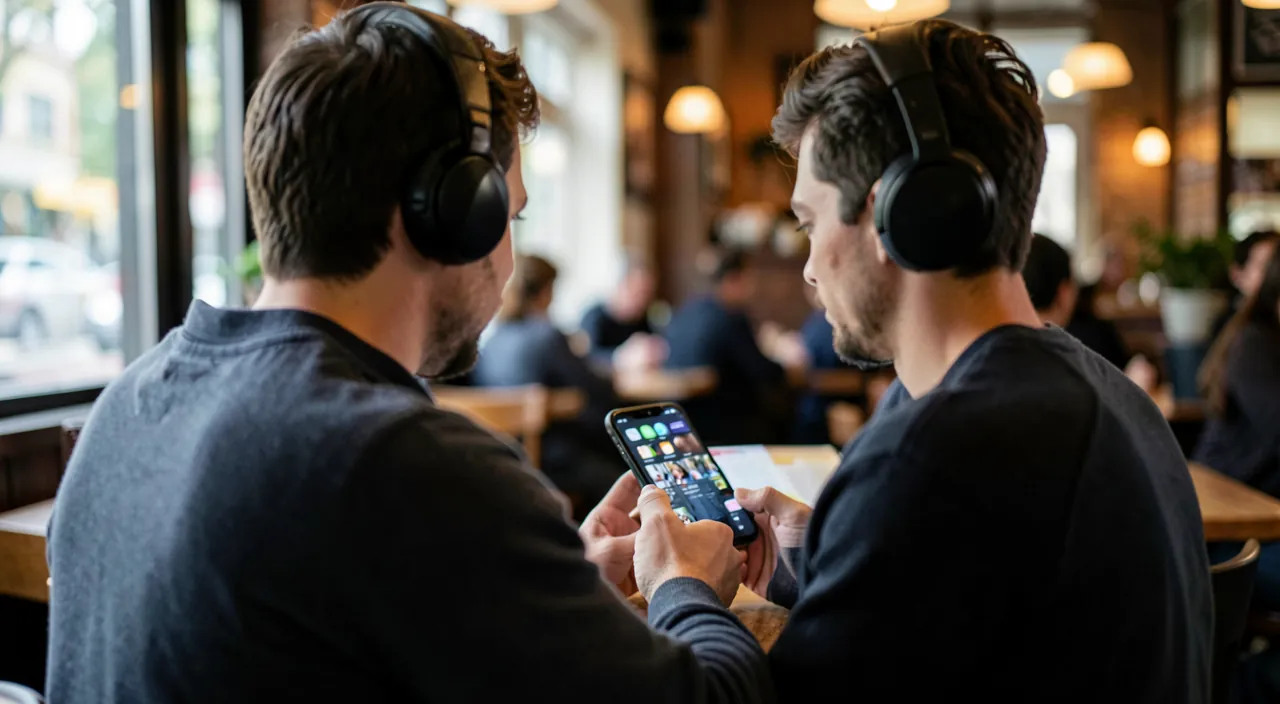
- 10 minutes of app: vocabulary in spaced repetition, daily lesson — the foundation.
- 5 minutes of real listening: a podcast excerpt, a song, a TV show scene in the language — that’s where the ear is built.
- 5 minutes of production: describing your day out loud, writing three sentences, conversing with an AI — that’s how you learn to speak.
This triptych beats any concentrated weekly hour: in languages, frequency crushes volume. And set concrete deadlines — a trip, an exchange with a pen pal: nothing motivates like a real conversation on the horizon.
The streak trap. Beware of the “gamification” drift: when maintaining your streak of consecutive days becomes the goal, you chain easy exercises to “validate” — and you confuse accumulated points with acquired skills. The truth test, regularly: are you able to say or understand something new this month in a real situation? If the answer is no for months, change the method, not the app.
Frequently asked questions
Can you become bilingual with an app?
No, with an app alone. With an app as a foundation plus real exposure and regular conversation, you can reach a very good communication level. It’s the mix that creates fluency.
How long to hold a simple conversation?
With 20 well-distributed daily minutes, a few months are enough for common situations in a close language. Distant languages require more — consistency remains the number one factor.
Do conversations with an AI replace a real interlocutor?
It’s an excellent springboard: available, patient, non-judgmental — ideal to dare and practice. The real speaker is the next step, with their natural pace, expressions, and spontaneity.
What to remember
Language apps excel where learning used to fail: daily consistency and vocabulary memorization. But they’re not enough to make you speak: integrate them into a daily triptych — app, real listening, oral or written production — and add conversation as soon as possible, with an AI to dare and with speakers to progress. Choose the app that makes you come back, beware of the streak that reassures without progress, and set real deadlines. Twenty well-distributed minutes a day: that’s the real secret — and it fits in your pocket.

Want to learn effectively with digital tools?
Leave a Reply
You must be logged in to post a comment.