
Pay with your phone by simply holding the device near the terminal, without taking out your card or wallet: MOBILE PAYMENT is everywhere. In stores, on public transport, between individuals, or online, paying with your smartphone (or smartwatch) has become a common gesture for many. Fast, practical, and often more secure than you might think, it also raises questions: how does it work, is it safe, what are the pitfalls? Let’s take a look at mobile payment, its rise, and how to use it confidently.
Mobile payment: how does it work?
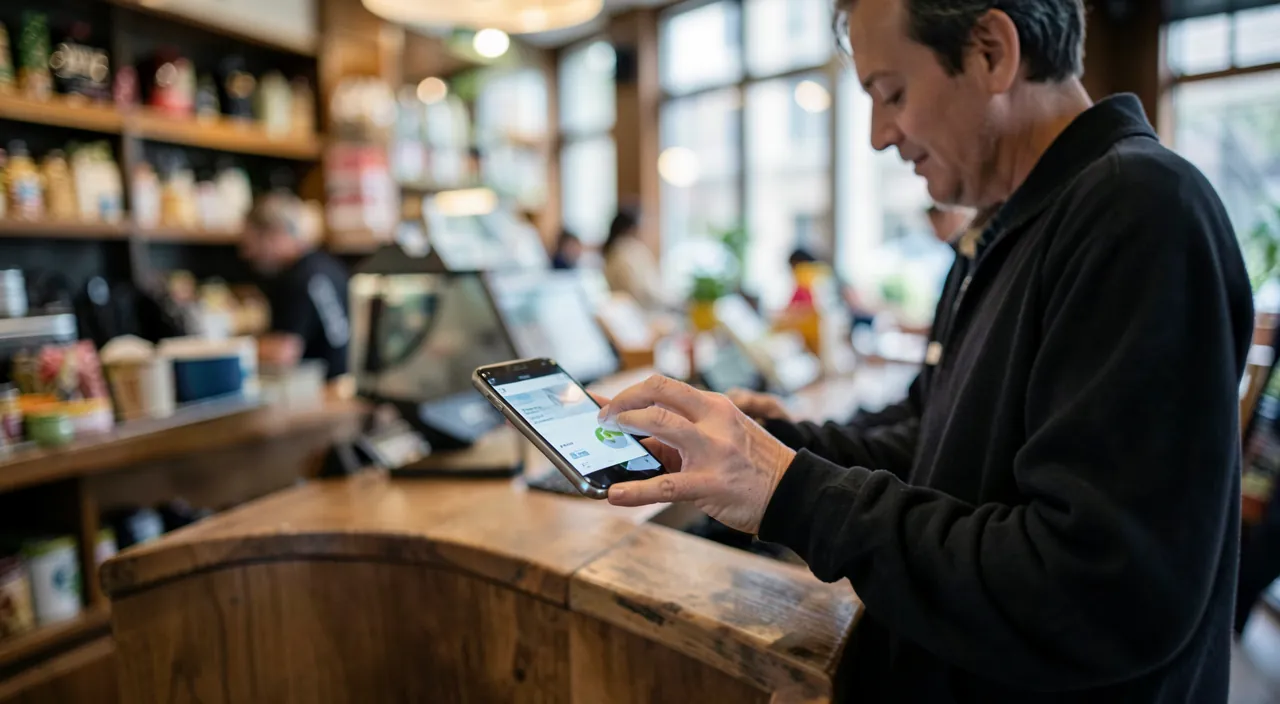
Let’s understand what mobile payment is and how it works. THE PRINCIPLE: mobile payment allows you to PAY with your PHONE (or smartwatch) instead of your physical bank card or cash; in stores, you simply hold your device near the payment terminal (like a “contactless” card), and the payment is made. HOW IT WORKS: you register your bank card in a PAYMENT app (the “wallet” of your phone or a dedicated app); to pay, you hold the phone near the terminal (NFC “contactless” technology), usually confirming your identity (via Face ID, fingerprint, or code); the payment is validated; it’s as fast as a contactless card, without taking out the card. THE DIFFERENT USES: in STORES (hold the phone near the terminal); on PUBLIC TRANSPORT (validate with the phone); ONLINE (pay for an online purchase with mobile payment, without re-entering your card); between INDIVIDUALS (send/receive money from a friend via dedicated apps: repay a friend, split a bill); sometimes for other services. THE TOOLS: the WALLET integrated into your phone (which securely stores your payment cards); your BANK’s payment apps; apps for payments between INDIVIDUALS. WHY ITS RISE: mobile payment is PRACTICAL (pay without taking out your card or wallet; you always have your phone with you), FAST (one gesture), and often more SECURE than you might think (we’ll come back to that); it has become widespread: more and more businesses accept it, and more and more people use it; it has become a common gesture. WHAT IT REPLACES: mobile payment can replace the physical bank card and cash for many purchases; some people only carry their phone. What to remember to get started: mobile payment allows you to pay with your phone (or watch) by holding it near the terminal, after registering your bank card in a payment app (wallet); it is used in stores, on public transport, online, and between individuals; it is practical, fast, often well-secured, and has become widespread; it is a common gesture, with its advantages and a few precautions to know. Let’s take a look.
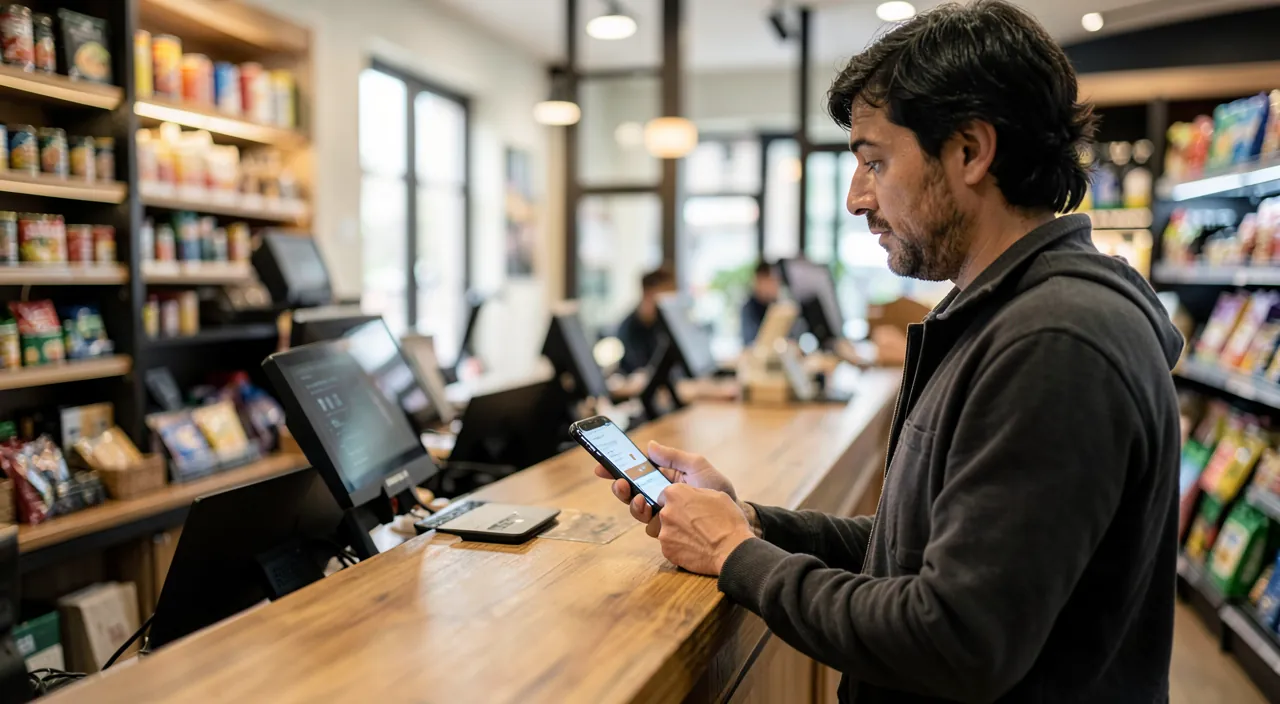
Is it safe? The security of mobile payment
The question of security is central; the good news: mobile payment is often MORE SECURE than you might think, even more so than a physical card. WHY IT’S SECURE: mobile payment includes several protections. Your card number is generally NOT TRANSMITTED directly to the merchant; the system uses a “token” (a kind of substitute number) for each transaction, so your real banking details do not circulate; it’s safer than a physical card whose number is visible. AUTHENTICATION: to pay (especially for amounts above small amounts), you must generally confirm your identity (Face ID, fingerprint, or code); thus, even if someone steals your phone, they cannot pay without this authentication (unlike a stolen contactless card, which can be used for small amounts without a code). The card is not “exposed”: your banking details are stored in an ENCRYPTED way in the phone, protected. IN CASE OF LOSS/THEFT of the phone: you can remotely block/erase (via “Find My”), and payment remains protected by authentication; you can also suspend the cards. COMPARED TO THE PHYSICAL CARD: in many ways, mobile payment is AS SECURE, or even MORE SECURE (token instead of the real number, mandatory authentication) than a classic bank card (whose number is visible and which can be used contactless without a code for small amounts). THE CONDITIONS for good security: this security depends on a few elements YOU are responsible for: protecting access to your PHONE (a strong unlock code, Face ID/fingerprint: this is essential, as your phone contains your payment methods), securing your ACCOUNT (the account linked to the wallet/bank: strong password, two-factor authentication), and only using OFFICIAL and reliable payment apps (your phone’s, your bank’s; beware of suspicious apps). General precautions: as with any payment method, monitor your bank statements, beware of phishing (never share your banking details in response to a message — our guides on recognizing phishing), and act quickly in case of issues (contact the bank). WHAT’S REASSURING: mobile payment is regulated, encrypted, with authentication; major mobile payment systems are designed with security as a priority; used with the right precautions (protected phone, official apps), it is reliable. In summary: yes, mobile payment is safe, often MORE SECURE than a physical card (token instead of the real card number, mandatory authentication via Face ID/fingerprint/code, encrypted data); its security depends on protecting your phone (strong code, Face ID/fingerprint), your account, and using official apps; with these precautions, you can use it with confidence; concerns are often exaggerated, but basic vigilance (protected phone, monitoring statements, caution with phishing) remains necessary.
Mobile payment is safer than a card because it uses a fake number (token) instead of your real card details, and it requires your fingerprint or face scan to confirm payments. Even if someone steals your phone, they can’t use it to pay without your biometric data. Just make sure your phone is locked with a strong code and you only use trusted apps.
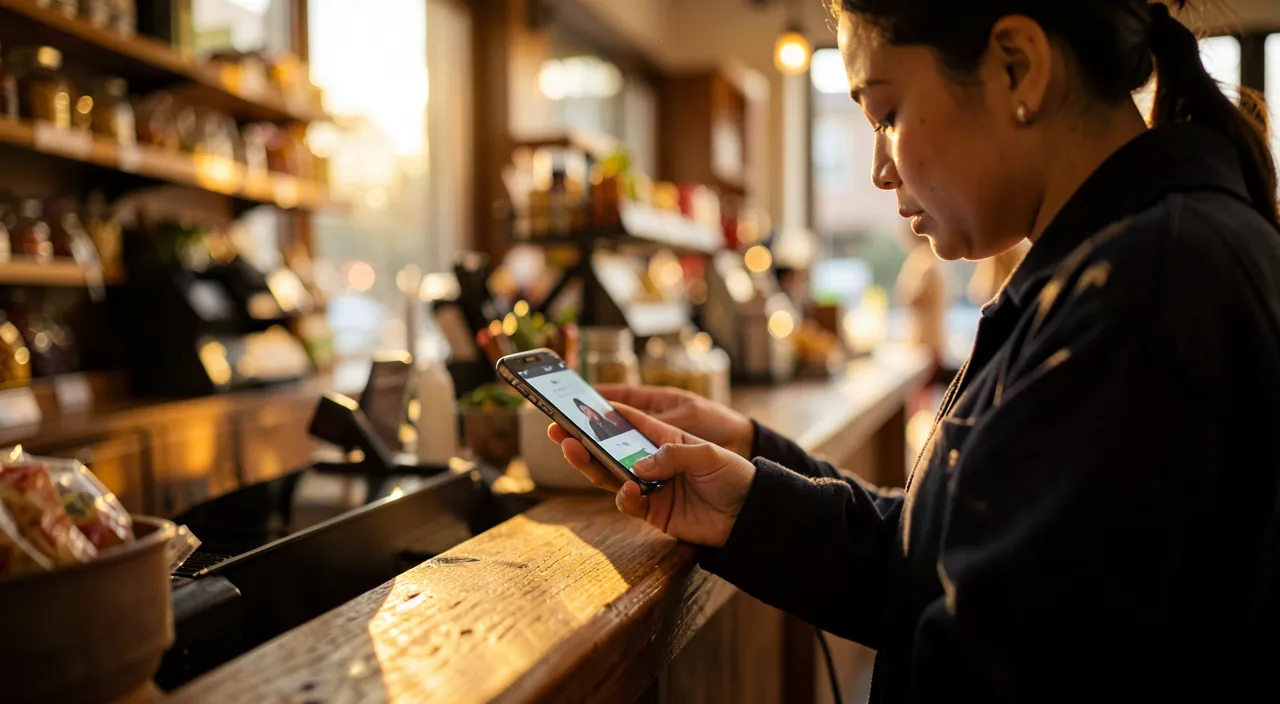
Imagine you’re buying a coffee at a café. You hold your iPhone near the contactless terminal, and the payment is approved in seconds. Your real card number isn’t sent to the café—only a temporary token is used. If your phone is stolen, a thief can’t pay with it because they don’t have your Face ID or fingerprint. This is safer than a physical card, which can be used for small amounts without a PIN.
Rest assured: mobile payment is often safer than a card — provided you protect your phone. Many hesitate to use mobile payment out of concern for their security; yet, when used properly, it is often SAFER than a physical bank card; understanding why alleviates apprehension. Two key protections make it secure. ONE, the “TOKEN” instead of the real number: during a mobile payment, your real card number is generally NOT TRANSMITTED to the merchant; the system uses a substitute number (a “token”) for the transaction; your real banking details therefore do not circulate and are not exposed; it’s safer than a physical card, whose number is visible (and can be copied). TWO, MANDATORY AUTHENTICATION: to pay (especially for amounts above small amounts), you must confirm your identity via Face ID, fingerprint, or code; important consequence: if someone STEALS your phone, they CANNOT PAY with it, as they don’t have your face, fingerprint, or code; this is an advantage over the physical contactless card, which, for its part, can be used by a thief for small amounts without a code. Add to this that your data is stored in an ENCRYPTED way, and that in case of loss you can remotely block it: mobile payment is overall very secure. BUT this security depends on ONE ESSENTIAL CONDITION on your part: PROTECTING access to your PHONE; since your phone now contains your payment methods, it must be well locked: a STRONG unlock code (not “0000” or your date of birth) and the use of Face ID/fingerprint; don’t leave your phone unlocked and unattended; this is the main safeguard. Other conditions: only use OFFICIAL and reliable payment apps (your phone’s wallet, your bank’s app; never a suspicious payment app), secure the ACCOUNT associated (strong password, two-factor authentication), monitor your BANK STATEMENTS (to spot any anomalies), and beware of PHISHING (never share your banking details in response to a message — our guides on recognizing phishing). With these simple precautions (well-protected phone, official apps, secure account, monitoring), mobile payment is a reliable and practical payment method; concerns are often exaggerated: the real risk is not the technology (well-designed and secure), but a poorly protected phone or a scam you fall for. By protecting your phone and keeping basic reflexes, you can adopt mobile payment with confidence: it’s often safer, and much more practical, than taking out your card.
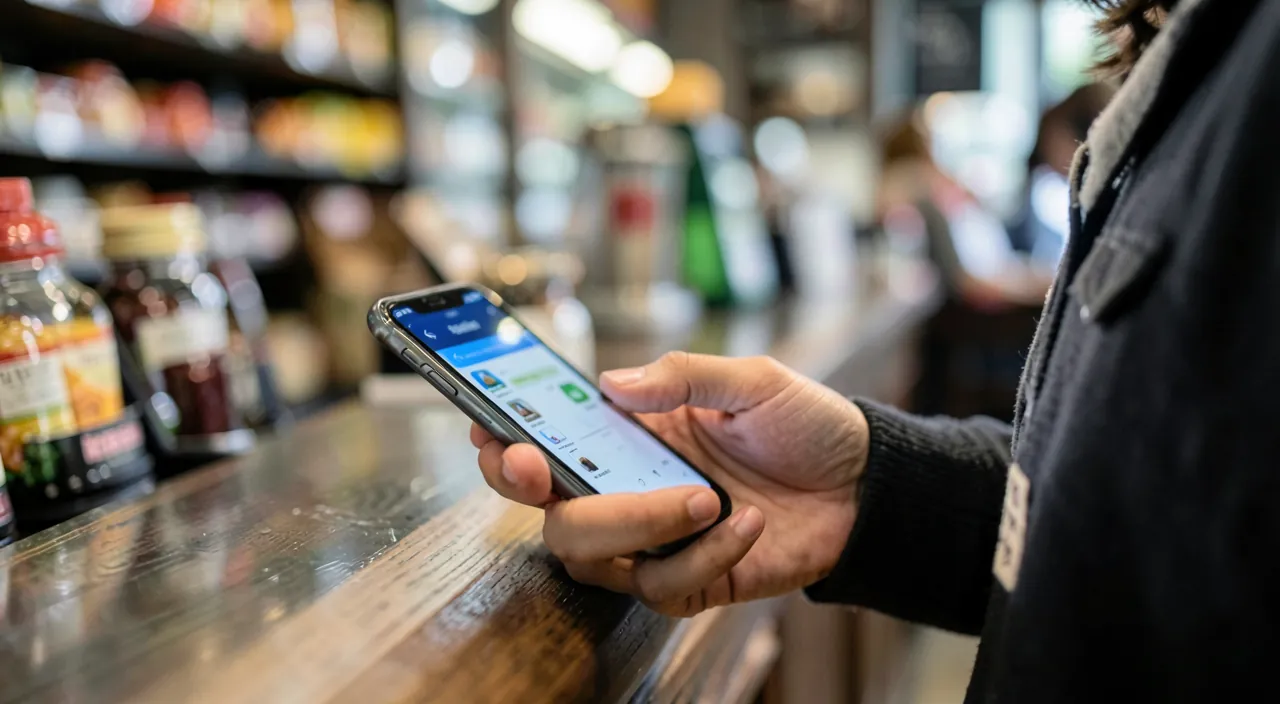
Using mobile payment safely in everyday life
Here’s how to adopt and use mobile payment confidently. SETTING UP: register your bank card in the payment app (the WALLET of your phone, or your bank’s app); follow the steps (often a validation with your bank); once configured, you can pay. PAYING in stores: hold your phone (or watch) near the payment terminal (where contactless cards are used), confirm via Face ID/fingerprint/code if requested; the payment is made; it’s fast. PAYING online: on websites/apps that offer it, choose mobile payment at checkout (avoids re-entering your card; practical and secure). PAYING on public transport: validate with the phone where possible. BETWEEN INDIVIDUALS: to send/receive money from a friend (repay, split a bill), dedicated apps exist; practical, but choose RELIABLE apps and be careful (see below). MANAGING your cards: you can register multiple cards, choose which one to use, manage them in the app. THE SMARTWATCH: if you have one, it also allows you to pay (even more practical: a gesture on the wrist, without taking out the phone). EVERYDAY ADVANTAGES: go light (sometimes just with your phone), pay quickly, not expose your card, keep a record of your payments in the app. CHECK ACCEPTANCE: more and more businesses accept mobile payment (wherever contactless is accepted, generally); but keep a backup solution (see below), as not all accept it yet, and a phone can run out of battery. SECURITY CONFIGURATION: make sure payment requires AUTHENTICATION (Face ID/fingerprint/code); this is usually the case by default; don’t disable these protections. MONITOR your statements: as with any payment, regularly check your bank statements to spot any unusual transactions; mobile payment also keeps a record of your transactions in the app, practical for tracking. IN CASE OF LOSS/THEFT of the phone: payment remains protected by authentication, but as a precaution: use “Find My” to remotely block/erase the phone, and you can suspend the concerned cards via your bank or the app; act quickly. DON’T RELY ENTIRELY on the phone: keep a BACKUP payment method (your physical card, some cash) in case your phone is out of battery, broken, or mobile payment is not accepted; don’t be completely unprepared. In summary: register your card in an official payment app, pay by holding the phone near the terminal (with authentication), use it in stores, online, on public transport, between individuals (reliable apps); protect your phone, monitor your statements, know how to react in case of loss, and keep a backup solution; thus, mobile payment becomes a practical and safe everyday gesture.
Warning: protect your phone, beware of scams, and keep a backup solution. Mobile payment is safe and practical, but a few precautions ensure a serene use. PROTECTING your PHONE is ESSENTIAL: since it now contains your payment methods, lock it securely (STRONG unlock code — not “0000” or your date of birth — Face ID/fingerprint enabled), and never leave it unlocked and unattended; this is the main safeguard; the good news: payment requiring authentication (Face ID/fingerprint/code), a thief generally cannot pay even with your phone in hand; but NEVER disable these authentication protections. ONLY use OFFICIAL and RELIABLE apps: the wallet integrated into your phone, your bank’s app, or recognized payment apps; beware of DOUBTFUL or unknown payment apps, and NEVER register your banking details in a suspicious app; only download from official stores. BEWARE of PHISHING and scams: no bank or legitimate service will ask you for your codes or to validate a payment following an unsolicited message; NEVER share your banking details, codes, or validate a payment at the request of someone who contacts you (email, SMS, call); scammers try to divert payments; in particular, a new form of scam involves making you register YOUR card on THEIR device, or making you validate a fraudulent transaction; be vigilant, only validate YOUR OWN payments that you initiate (our guides on recognizing phishing). BETWEEN INDIVIDUALS, be careful: apps for sending money between individuals are practical, but only send money to people you KNOW and for legitimate reasons; beware of scams (you are asked to send money for a fake reason, a fake purchase, a fake emergency); a transfer between individuals is often difficult to recover; don’t pay strangers for dubious purchases. MONITOR your BANK STATEMENTS: regularly check your transactions to spot any unusual transaction. React quickly in case of issues (contact your bank). IN CASE OF LOSS/THEFT of the phone: although payment is protected by authentication, act as a precaution: use “Find My” to remotely block/erase the phone, and suspend the concerned cards with your bank. KEEP a BACKUP SOLUTION: don’t rely SOLELY on mobile payment; keep your physical card and/or some cash, in case your phone is out of battery, broken, stolen, or mobile payment is not accepted (not all businesses accept it yet); don’t be left unprepared. BEWARE of CONFIDENTIALITY: your payments generate data (where, when, how much you spend); be aware of what payment apps collect; prefer serious players. By protecting your phone (strong code, authentication), only using official apps, being wary of phishing and scams (especially between individuals), monitoring your statements, and keeping a backup solution, you will enjoy mobile payment with complete peace of mind — a safe and practical payment method, provided you keep these basic reflexes.
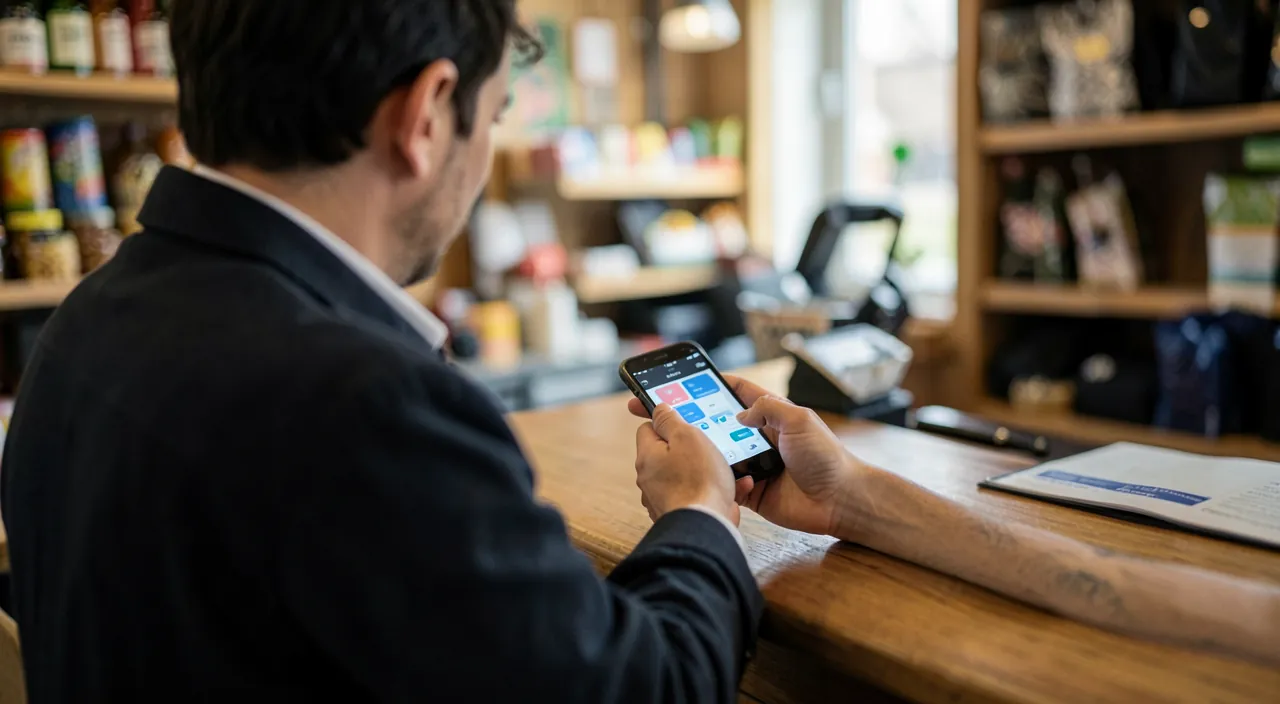
Frequently asked questions
Is mobile payment safe?
Yes, and often MORE SECURE than a physical bank card; concerns are generally exaggerated. Several protections make mobile payment secure. THE “TOKEN”: during a payment, your real card number is generally NOT TRANSMITTED to the merchant; the system uses a substitute number (a “token”) for the transaction; your real banking details do not circulate and are not exposed — safer than a physical card whose number is visible. AUTHENTICATION: to pay (especially for amounts above small amounts), you must confirm your identity via Face ID, fingerprint, or code; therefore, if someone steals your phone, they CANNOT PAY with it (they don’t have your face/fingerprint/code) — an advantage over the physical contactless card, which can be used by a thief for small amounts without a code. Your data is stored in an ENCRYPTED way, and in case of loss you can remotely block it. In many ways, mobile payment is therefore AS SECURE, or even MORE SECURE, than a classic card. BUT this security depends on a few conditions YOU must meet: PROTECT access to your phone (STRONG unlock code, Face ID/fingerprint: essential, as the phone contains your payment methods; don’t leave it unlocked and unattended); only use OFFICIAL and reliable payment apps (your phone’s wallet, your bank’s app; never a suspicious app); secure the ACCOUNT associated (strong password, two-factor authentication); monitor your BANK STATEMENTS; and beware of PHISHING (never share your banking details or validate a payment following an unsolicited message). With these simple precautions, mobile payment is reliable; the real risk is not the technology (well-secured), but a poorly protected phone or a scam. In summary: yes, mobile payment is safe, often more than a physical card (token, authentication, encryption); its security depends on protecting your phone, using official apps, and basic reflexes (monitoring statements, caution with phishing); use it with confidence, with these precautions.
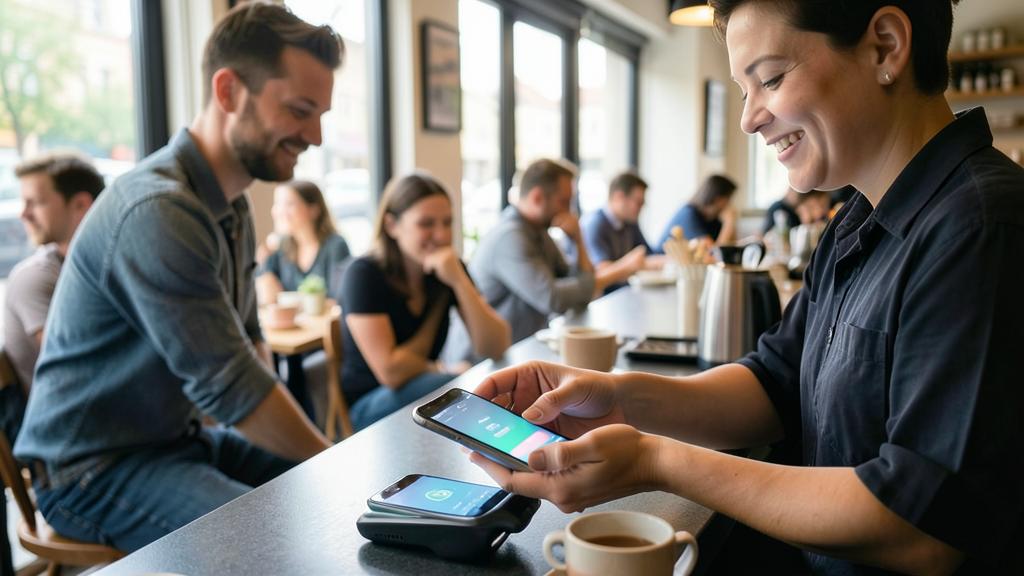
How to pay with your phone?
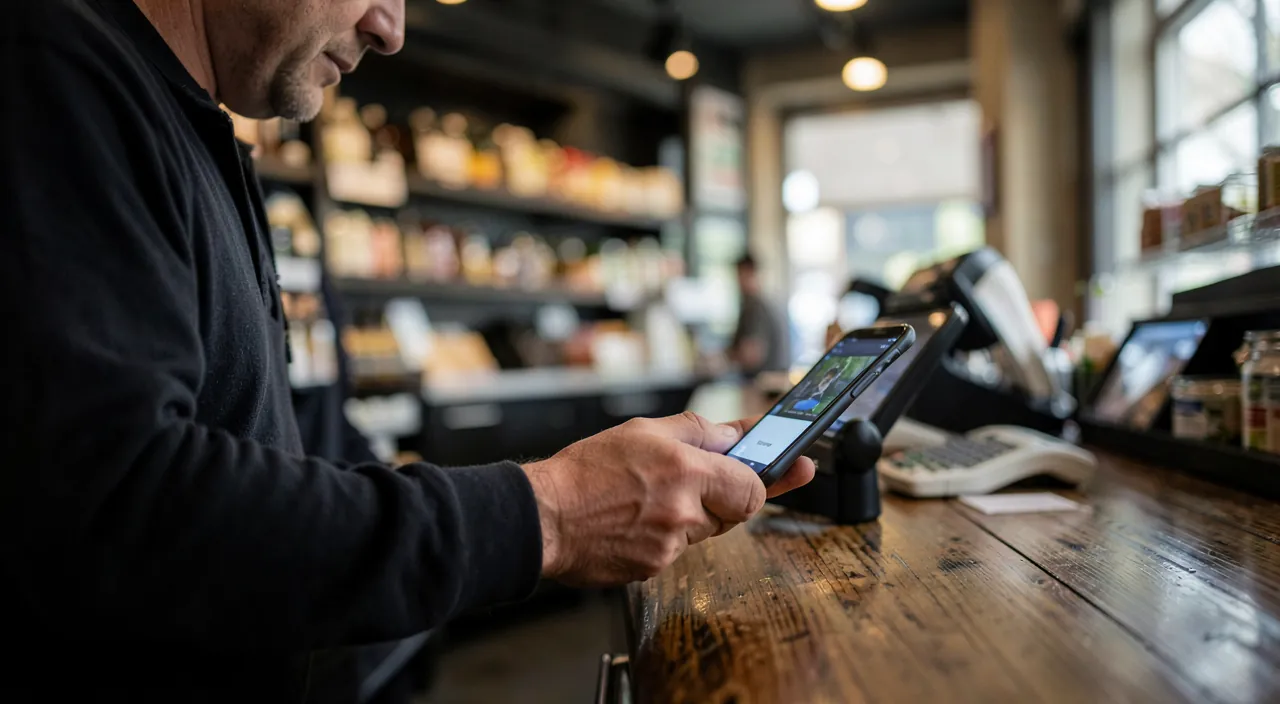
It’s simple: register your card, then hold the phone near the terminal. STEP 1, SETUP: register your bank card in a payment app: either the WALLET integrated into your phone (often already present), or your BANK’s app; follow the steps (card entry, often a validation with your bank to confirm); once the card is registered, you’re ready. STEP 2, PAYING in stores: at the time of payment, HOLD your phone (or smartwatch) near the payment terminal, where “contactless” cards are used; CONFIRM your identity if requested (via Face ID, fingerprint, or code — generally required for security); the payment is made, as quickly as with a contactless card, without taking out the card; the terminal confirms. That’s all! Depending on the phone, you sometimes need to “wake up” the payment (double-click on a button, or open the app); check the exact gesture for your device. TO PAY ONLINE: on websites and apps that offer it, choose the mobile payment option at checkout (this avoids re-entering your card; practical and secure). ON PUBLIC TRANSPORT: validate with the phone where possible. WITH a SMARTWATCH: it’s even more practical (hold the wrist near the terminal, without taking out the phone). A few tips: make sure your phone has BATTERY (a dead phone doesn’t pay); check that the business accepts contactless (most today); and keep a backup solution (physical card) just in case. The first time may require a small learning curve, but once you get the hang of it, it’s very fast and practical: many people only carry their phone. In summary: register your card in your phone’s wallet or your bank’s app, then to pay, hold the phone near the contactless terminal and confirm via Face ID/fingerprint/code; it’s as simple and fast as a contactless card, even more practical.
What happens if I lose my phone?
Your payments remain protected, but act as a precaution; it’s not the disaster you might imagine. First, reassure yourself: even if someone finds or steals your phone, they generally CANNOT PAY with it, as mobile payment requires AUTHENTICATION (Face ID, fingerprint, or code) that they don’t have; this is a major advantage over a stolen physical card (usable without a code for small contactless amounts); your banking details are also stored in an encrypted way, protected; the risk is therefore limited, provided your phone is well locked (strong code, Face ID/fingerprint). Nevertheless, act as a PRECAUTION and without delay: use the “FIND MY” feature (if enabled) to try to locate the phone, REMOTELY LOCK it, or as a last resort REMOTELY ERASE it (which deletes your data and payment methods); this is why it’s important to have enabled “Find My” in advance. SUSPEND your payment cards if you have any doubt: you can do this via your bank (or the banking app from another device); as a precaution, this blocks any potential fraudulent use; contact your bank. MONITOR your bank statements in the following days to spot any unusual transaction. This is where the importance of PRECAUTIONS TAKEN IN ADVANCE is measured: a STRONG unlock code (the safeguard: without it, no payment possible for a thief), the “FIND MY” feature ENABLED (to remotely lock/erase), and a well-secured account; with these protections, losing your phone does not expose your payment methods. Also think about having a BACKUP SOLUTION to pay in the meantime (physical card, cash): don’t rely solely on the phone. In summary: if you lose your phone, your payments remain protected by authentication (a thief cannot pay without your face/fingerprint/code), provided the phone is well locked; nevertheless, act quickly: locate/lock/erase remotely via “Find My”, suspend your cards as a precaution, monitor your statements; hence the importance of having in advance a strong code, “Find My” enabled, and a backup payment solution; thus, losing the phone remains manageable without financial consequences.
What to remember
MOBILE PAYMENT allows you to pay with your phone (or watch) by holding it near the terminal, after registering your bank card in a payment app (the WALLET of your phone or your bank’s app); it is used in stores, on public transport, online, and between individuals; it is practical, fast, and has become widespread. REASSURING POINT: mobile payment is SAFE, often MORE SECURE than a physical card — thanks to the “TOKEN” (your real card number is not transmitted to the merchant), MANDATORY AUTHENTICATION (Face ID/fingerprint/code: a thief cannot pay with your phone), and data encryption; concerns are often exaggerated. BUT its security depends on precautions YOU must take: PROTECT your PHONE (STRONG unlock code, Face ID/fingerprint: essential, as it contains your payment methods; don’t leave it unlocked and unattended), only use OFFICIAL and reliable apps (never a suspicious payment app), secure the ACCOUNT associated (strong password, two-factor authentication), and monitor your BANK STATEMENTS. TO USE IT: register your card, then hold the phone near the terminal (with authentication); simple and fast. POINTS OF VIGILANCE: beware of PHISHING and scams (never share your banking details or validate a payment following an unsolicited message; only validate YOUR OWN payments); between INDIVIDUALS, only send money to known people and for legitimate reasons (beware of scams; a transfer is difficult to recover); in case of LOSS/THEFT of the phone, your payments remain protected by authentication, but act quickly (Find My to lock/erase, suspend the cards, monitor statements — hence the importance of having in advance a strong code and “Find My” enabled); and keep a BACKUP SOLUTION (physical card, cash: don’t rely solely on the phone, which can be out of battery or mobile payment not accepted). Also beware of confidentiality (your payments generate data: prefer serious players). By protecting your phone, only using official apps, being wary of scams, and keeping a backup solution, you will adopt mobile payment with complete peace of mind: a modern, safe, and practical payment method — often more than the card — provided you keep basic reflexes.
Want to understand and master the technologies that change your daily life? Our training courses will enlighten you.
Leave a Reply
You must be logged in to post a comment.