
Robots at home, long confined to science fiction, are now a reality for many households: autonomous vacuum cleaners, self-mowing lawnmowers, voice-activated assistants, and soon, it is promised, even more versatile robots. Should we see this as a **revolution** in daily life, an expensive gadget, or something in between? Where do we really stand between the useful robots already present in our homes and the futuristic promises of the « robot butler »? Let’s take stock with lucidity about domestic robots: what they actually bring today, what still belongs to the realm of promises, and how to approach them without naivety or excessive fascination.
The robots already present in our homes
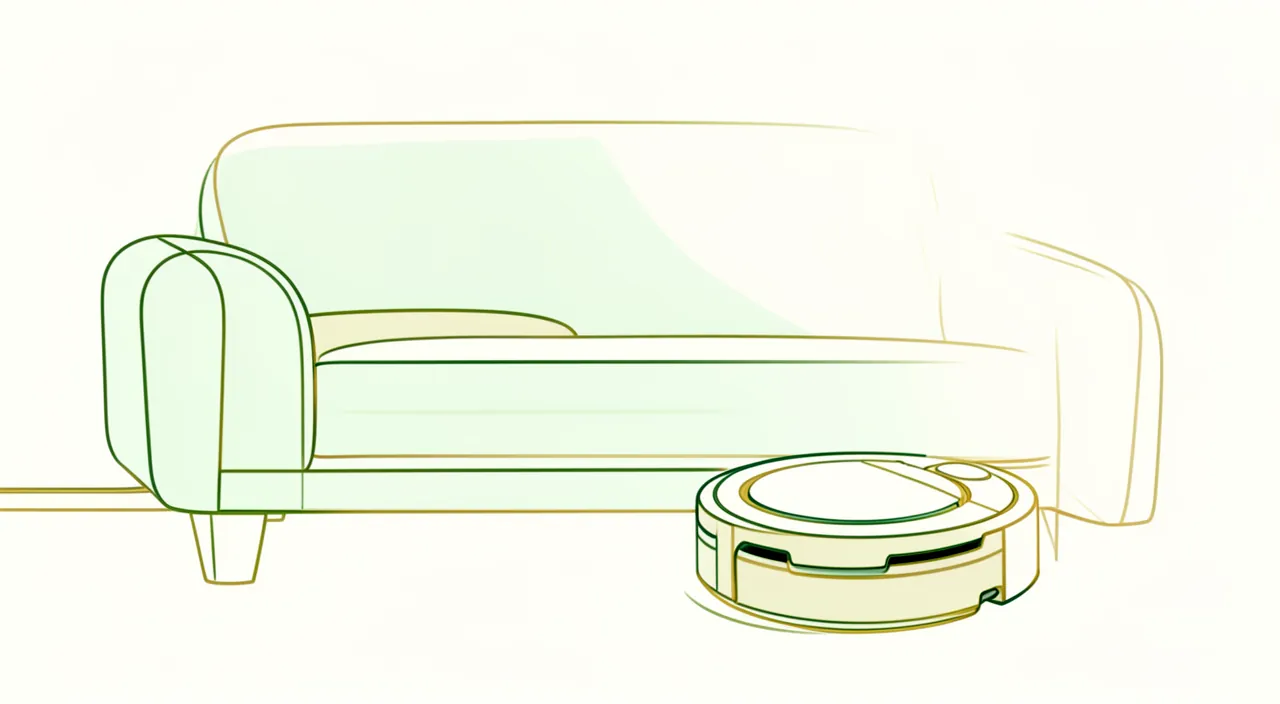
Unlike the image of the humanoid robot, today’s **domestic robots** are mostly specialized, discreet, and useful devices; here’s what already exists. ROBOT VACUUMS: the most widespread; they clean floors autonomously, move on their own, avoid obstacles, return to recharge; some also wash; it’s the most common and concretely useful domestic robot. ROBOT LAWNMOWERS: for those with a garden; they mow the lawn autonomously, regularly, without intervention; a real comfort. VOICE ASSISTANTS (smart speakers): although stationary, these are « robots » in the sense of assistants; they answer questions, control the smart home, play music, set timers; very present in households. Other AUTONOMOUS devices: window cleaners, pool cleaners, and various « smart » appliances that automate a specific task. The common point: SPECIALIZATION: today’s domestic robots are effective because they perform ONE specific task within a defined framework; they are not versatile like a human, but excellent in their restricted field; that’s what makes them really useful today. The CONCRETE BENEFITS: saving time and freeing yourself from repetitive tasks (cleaning, mowing); daily comfort; and potentially precious help for the elderly, tired, or mobility-impaired, for whom these tasks are burdensome. What it SERVES for: to AUTOMATE chores (the floor cleans itself, the lawn mows itself, without you); to SAVE time for what matters; to EASE life, especially for those who find these tasks tiring; and to bring a certain comfort. These are NOT butlers: keep things in perspective; these robots do not « take care of the house » in the broad sense; they perform specific tasks; the versatile robot is yet to come (we’ll come back to that). The key idea: robots are already present in our homes, but in a modest and specialized form: autonomous vacuums, lawnmowers, voice assistants, various cleaners; each excels in ONE specific task. Far from the humanoid butler of science fiction, they bring real comfort by automating chores, save time, and can be a precious help for tired or mobility-impaired people. Their strength is precisely their specialization: by focusing on a well-defined task, they perform it effectively. That’s the reality of today’s domestic robots: useful, concrete, but far more modest than the imagination, and that’s already appreciable.
Today’s home robots are like specialized workers – each does one job really well, like cleaning floors or mowing lawns. They’re not like human butlers that can do everything, but they make daily chores easier by handling specific tasks automatically.
A popular robot vacuum like the iRobot Roomba 694 cleans an average 1,000 sq ft home in about 90 minutes, avoiding obstacles and returning to its charging dock. It handles daily floor cleaning without human intervention, saving about 2-3 hours per week for homeowners.

Between useful reality and futuristic promises
It is important to **distinguish** between the really useful robots of today and the spectacular promises of tomorrow; here’s how to make the distinction. The REALITY of today: specialized, mature, and useful robots (vacuums, lawnmowers, voice assistants) that provide real services in their restricted field; it’s concrete and proven. The PROMISES of tomorrow: the arrival of versatile, « humanoid » robots capable of performing multiple household tasks like a butler is regularly announced; these projects exist, progress, but remain largely at the prototype stage, demonstrations, or very expensive and limited products; the « all-in-one » robot accessible to everyone is not yet here. Why the VERSATILE robot is difficult: performing varied tasks in a messy human environment (tidying up, cooking, taking care of everything) is extraordinarily complex for a machine; what is easy for us (picking up an object, understanding a situation) is very difficult to automate; hence the fact that robots succeed in SIMPLE and structured tasks, but not yet in versatility. Beware of HYPE: spectacular demonstrations of humanoid robots make headlines, but there is often a huge gap between the impressive demo and a reliable, affordable, and truly autonomous product for daily use; don’t take promises for imminent realities; the history of domestic robots is marked by unfulfilled announcements. The REAL progress: robots are indeed progressing, driven by advances in artificial intelligence; it is likely that they will become more capable over time; but at a pace and in ways that are difficult to predict; humility is required regarding the timeline. The REAL questions: beyond the fascination, domestic robots raise legitimate issues — cost, privacy (robots equipped with cameras and microphones that roam your home!), security, dependence, impact on certain jobs, and the place we want to give to machines in our homes; these questions deserve reflection. The RIGHT attitude: appreciate the useful robots of today for what they actually bring, follow with interest but caution the promises of tomorrow (without taking them for granted), and remain lucid about the issues; neither naive fascination nor rejection, but an informed perspective. In summary, let’s distinguish useful reality (specialized, mature, and concretely useful robots) from futuristic promises (the versatile « butler » robot, still largely to come, as versatility is extraordinarily difficult); beware of the hype of spectacular demonstrations, while recognizing real progress in the field; and keep in mind the real questions (cost, privacy, dependence). The right attitude: enjoy the concrete benefits of today, follow with caution the promises of tomorrow, without naivety or excessive fascination.
Robots that can do many different household tasks (like a butler) are still far from being practical. Today’s robots are good at one specific job, but making a robot that can do everything in a messy home is much harder than it seems in demo videos.
The Tesla Bot (Optimus) shown in 2022 demonstrations could fold laundry and carry objects, but as of 2026 it remains a research project with no commercial release. Meanwhile, a specialized robot like the Husqvarna Automower 450X can maintain a 1.25-acre lawn autonomously, but can’t do anything else beyond mowing.
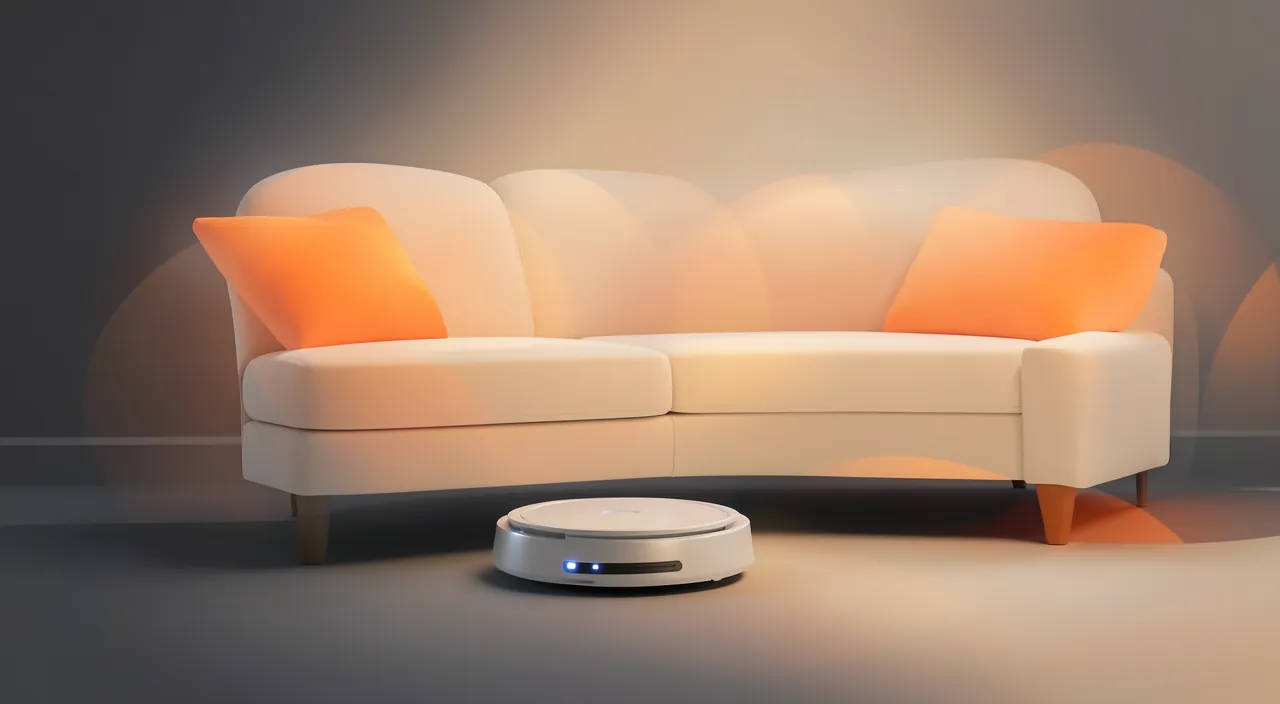
Choosing a domestic robot well: real utility before fascination. If you are considering buying a robot for your home, a few principles will help you avoid spending money on a disappointing gadget and guide you toward a truly useful purchase. First principle: prioritize CONCRETE utility over technological fascination. The robots that bring the most satisfaction are the most modest and specialized — a good robot vacuum that frees you from daily floor cleaning, an autonomous lawnmower if you have a garden — precisely because they perform ONE well-defined task and do it well. First, ask yourself: what specific chore do I want to automate? Then choose the specialized robot that meets this need, rather than being seduced by an « intelligent » device with vague and impressive promises. Beware of overhyped products that promise the moon and the stars: in domestic robotics, it’s the simple and proven functions that deliver on their promises, not the all-in-one gadgets. Second principle: think about the ADAPTATION to your home and lifestyle. For example, a robot vacuum is wonderful in a suitable interior (clear floors, few obstacles, not too many wires on the floor), but can be frustrating in a very cluttered or multi-level home; think about your configuration before buying. Third principle, and it’s important: PRIVACY and security. Many modern domestic robots are connected and equipped with SENSORS, sometimes CAMERAS and MICROPHONES, and they move around the intimacy of your home while mapping your rooms; these are not just appliances, but small connected computers that collect data about your home and habits. Before buying: find out what the robot collects and about the manufacturer’s data practices (prefer serious and transparent brands); check if it’s really necessary for your use that it’s connected and equipped with a camera; and once acquired, secure it like any connected object (strong password, updates, secure Wi-Fi), and adjust its privacy settings. Fourth principle: the COST/benefit ratio. These robots represent an investment; evaluate whether the comfort they bring justifies the expense for you, without succumbing to the allure of novelty. In summary, to choose well: start with the specific chore you want to automate, prefer a proven specialized robot over a gadget with vague promises, check its suitability for your home, be attentive to privacy (data, cameras, connection) and secure it, and weigh the cost against the real benefit. A well-chosen domestic robot — useful, adapted, safe — is a real comfort; a purchase guided by fascination risks disappointment. Utility before wonder: that’s the compass.
Issues to keep in mind
Domestic robots, present and future, raise **questions** that it is wise to anticipate; here are the main issues. PRIVACY: this is a major issue often overlooked; modern robots are connected, equipped with sensors, sometimes cameras and microphones, and roam the intimacy of your home while mapping it; they collect data about your home and habits; ask yourself: what data? Where does it go? Prefer serious brands, adjust privacy settings, and be attentive to cameras (our guides on protecting your privacy). CYBERSECURITY: like any connected object, a robot can present vulnerabilities; a hacked robot (especially with a camera) would be a serious intrusion; secure it (password, updates, secure Wi-Fi) and choose brands that ensure follow-up. COST: domestic robots represent an investment, and ambitious models are expensive; evaluate the utility/price ratio; beware of paying dearly for gadget functions. DEPENDENCE and longevity: these devices depend on electricity, sometimes the internet and the manufacturer’s servers; a manufacturer may stop support; be aware of these dependencies; and don’t let technology completely replace certain skills (knowing how to do things yourself remains useful). Impact on the AUTONOMY of vulnerable people: robots can help the elderly or people with reduced mobility, which is precious; but be careful that the machine does not replace the HUMAN bond and support that these people need; the robot complements, it does not replace the presence. SOCIETAL questions: on a larger scale, robotization raises questions (impact on certain jobs, place of machines in our lives, relationship with technology); these are legitimate collective debates. Keeping CONTROL: as with any home technology, remain in control of your installation; understand what the robot does, keep control, and don’t become a prisoner of a system. Don’t ROBOTIZE everything: not everything needs to be automated; some tasks have meaning (movement, activity), and an over-robotized home is not necessarily progress; keep a sense of measure and common sense. The right PLACE for robots: the ideal is to see robots as tools that free us from burdensome chores to free up time and energy for what really matters (relationships, leisure, what has meaning); that’s their best use. In summary, the issues to keep in mind: privacy (data, cameras, mapping of your home), cybersecurity, cost, dependence and longevity, maintaining the human bond (especially for vulnerable people), and societal questions. The wise attitude: benefit from useful robots to free yourself from chores, while remaining attentive to these issues, keeping control, and reserving robots for what makes sense. Technology at the service of life, not the other way around.
Warning: a modern domestic robot is often a connected object equipped with sensors, sometimes cameras and microphones, that roams the intimacy of your home — privacy is a real issue. This is the most underestimated aspect of domestic robots, precisely because they are perceived as simple, harmless household appliances. Yet a robot vacuum, a connected lawnmower, or a domestic assistant today are not just machines: they are small COMPUTERS connected to the internet, equipped with SENSORS to navigate, often with CAMERAS and MICROPHONES, and — this is the crucial point — they move around the INTIMACY of your home, room by room, while MAPPING it in detail. Think about what this implies: these robots can collect a surprising amount of information about your home — the layout of your house, the arrangement of your rooms, your habits (what times you’re there, how you live), and for those equipped with cameras and microphones, potentially images and sounds of your interior. This data, transmitted and stored on the manufacturers’ servers, raises real questions: what information is actually collected? Where does it go? Who can access it? For what purpose? Is it well protected? These are not theoretical concerns: the mapping of your home and the images of your interior are among the most intimate data there is, and their collection by a domestic object deserves serious consideration. In addition, there is the SECURITY issue: like any connected object, a poorly protected robot can present vulnerabilities, and a hacked robot — especially if it is equipped with a camera that moves around your home — would constitute a particularly serious intrusion into your privacy. This does not mean you should give up these useful devices, but that you should adopt them knowingly and with caution. Before buying: find out what the robot collects and about the manufacturer’s privacy practices (prefer SERIOUS and transparent brands, avoid cheap devices of dubious origin); ask yourself if it is really necessary, for your use, that it is connected and equipped with a camera (a vacuum that cleans well does not necessarily need to film you). Once acquired: secure it like any connected object (strong password, regular updates that fix vulnerabilities, well-protected Wi-Fi), explore and adjust its PRIVACY settings (deactivate collections and functions you don’t need), and be particularly vigilant with camera-equipped models. Also keep in mind the other related issues: dependence on these devices (electricity, internet, manufacturer’s servers) and their longevity (a manufacturer may stop support), cost, and — especially for vulnerable people that a robot can help — the importance of never letting the machine replace the human bond and support. Domestic robots are real allies of daily life; but they are also connected eyes, ears, and mappers in your home: adopt them as a prudent master, attentive to your privacy and security, never as a careless consumer. Your home is your privacy: make sure the robots that move around it remain under your control and respectful of what happens there.
Frequently asked questions
Are domestic robots really useful or just a gadget?
It depends on the robot: specialized and mature robots (vacuums, lawnmowers) are **genuinely useful** for many households, while devices with vague promises are often more of a gadget. Let’s distinguish. The really USEFUL robots: robots that perform ONE specific and well-defined task, and that are technologically mature, provide a concrete benefit; the typical example is the robot vacuum, which actually frees you from daily floor cleaning and saves time; similarly, the robot lawnmower for a garden, or voice assistants for certain uses; these devices deliver on their promises because they focus on a task within their reach; for households whose lifestyle suits them, they are a real comfort, and a precious help for people who find these tasks tiring. What is more of a GADGET: on the other hand, « intelligent » devices with vague functions, gadgets, or overhyped, which promise the moon and the stars without excelling in a specific task, often disappoint; similarly, current « versatile » or humanoid robots, very expensive and limited, remain more demonstration or curiosity objects than reliable daily aids. How to TELL the difference: ask yourself the question of CONCRETE utility — what specific chore will this robot take off my hands, and does it really do it well? — rather than being seduced by impressive promises; check the maturity and reputation of the product; and evaluate its suitability for your home and lifestyle (a robot vacuum is great in a suitable interior, less so in a very cluttered home). The COST/BENEFIT criterion: a useful robot justifies its price by the time and comfort it brings; a gadget, no; think about what you will actually get from it. In summary, domestic robots are neither all useful nor all gadgets: specialized and mature robots (vacuums, lawnmowers) are genuinely useful and provide concrete comfort for suitable households, while devices with vague or overhyped promises often fall into the gadget category. The key is to choose based on concrete utility (what specific chore?) and suitability for your situation, rather than fascination. Well chosen, a robot is a real ally; poorly chosen, a disappointing expense.
Is the « butler » versatile robot coming soon?
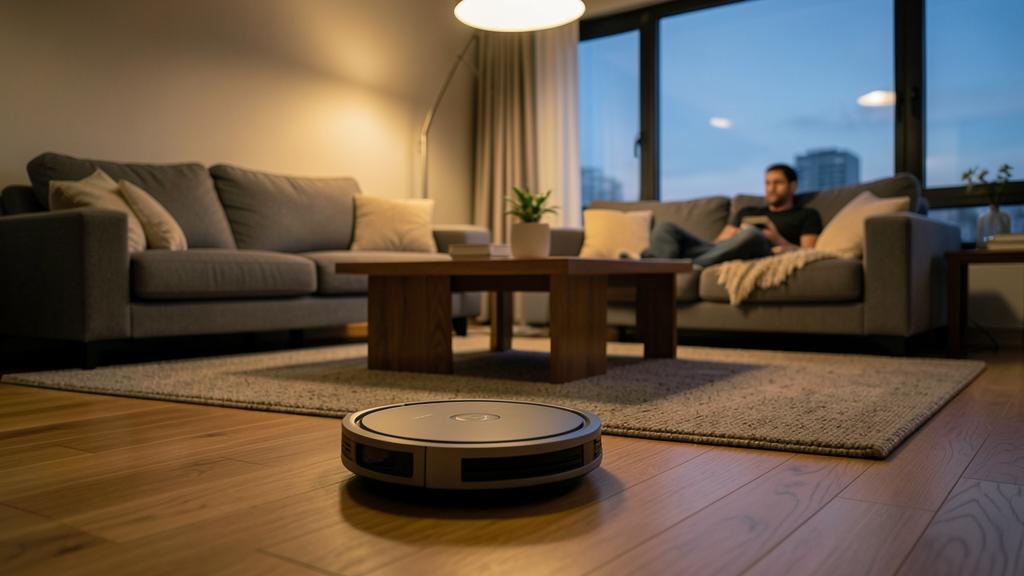
Not in the immediate future, despite the spectacular announcements: the versatile robot capable of doing everything at home remains a **major challenge**, still largely at the prototype stage or very expensive and limited product. Let’s nuance. Why it’s DIFFICULT: performing varied tasks in the messy and unpredictable environment of a home (tidying up various objects, cooking, taking care of multiple tasks) is extraordinarily complex for a machine; what seems easy to us — picking up a fragile object, understanding a new situation, adapting to the unexpected, manipulating various things — represents immense challenges in robotics; that’s why robots succeed in SIMPLE and structured tasks (vacuuming a floor) but struggle with versatility; the « all-in-one » robot faces this fundamental difficulty. Where are the PROJECTS: versatile humanoid robots are indeed in development, and impressive demonstrations circulate; but there is a huge gap between a carefully staged demonstration (often in a controlled environment) and a reliable, autonomous, affordable, and truly useful product for daily use; these robots remain today at the prototype stage, niche professional products, or very expensive devices with still limited capabilities; the robotic butler accessible to the general public is not here. Should we BELIEVE the announcements: be cautious; the history of domestic robots is marked by spectacular promises not kept within the announced deadlines; demonstrations make headlines, but the commercialization of a reliable and affordable product takes much longer; don’t take announcements for imminent realities. Is the progress REAL: yes, undeniably; robots are progressing, driven in particular by advances in artificial intelligence that improve their perception and adaptation; it is likely that they will gradually become more capable; but the PACE and exact modalities are difficult to predict, and the leap to a truly versatile and affordable product remains a major challenge; humility is required regarding the timeline. What to RETAIN: follow these developments with interest and curiosity, but with CAUTION; don’t take the robotic butler for granted in the short term; and in the meantime, enjoy the already real and useful specialized robots of today, which already bring concrete comfort. In summary, no, the versatile « butler » robot is not coming soon in the sense of a reliable and affordable product for the general public: versatility in a domestic environment remains a major technological challenge, and existing projects remain prototypes or expensive and limited products, despite impressive demonstrations. The field is indeed progressing, but at an uncertain pace; follow it with caution, without taking announcements for imminent realities, and appreciate in the meantime the already useful specialized robots.
Can a robot help an elderly person at home?
Yes, some robots can provide **useful help** for the home care of the elderly, provided they remain a complement and not a substitute for human contact, and are adapted and respectful of the person. Let’s see how. POSSIBLE HELP: for an elderly person, domestic robots can lighten tasks that have become burdensome — for example, a robot vacuum that avoids the effort of cleaning — which contributes to comfort and autonomy; voice assistants can also help (reminders of appointments or medications, voice calls without handling a device, answers to questions, home control without moving); some devices can provide security (alerts in case of problems); these aids can actually facilitate home care and relieve the person and their loved ones. CONDITIONS for it to be beneficial: SIMPLICITY of use is essential (a complicated device would be a source of confusion rather than help; voice control is often ideal); ADAPTATION to the person’s real needs (install what really helps them); RELIABILITY and backup in case of failure; SUPPORT for installation and use; and respect for DIGNITY and privacy (devices, especially those with cameras, must be chosen with the person and their consent, without intrusive surveillance). The ESSENTIAL LIMIT: the robot must NEVER replace the HUMAN BOND and support that the elderly person needs; isolation is a real risk for the elderly, and no machine replaces presence, visits, conversation, human care; the robot is a TOOL that can relieve certain tasks and provide security, freeing up time for what matters; but it complements human support, it does not replace it; relying on robots to « take care of » an elderly person instead of humans would be an unacceptable drift. POINTS of VIGILANCE: beware of privacy (connected devices in the intimacy of the person), security, cost, and not imposing technology that the person does not want or does not master. In summary, yes, some robots can help an elderly person at home by lightening burdensome tasks, facilitating certain gestures (especially by voice) and providing security, which supports autonomy and home care; but provided they are simple, adapted, reliable, respectful of dignity and privacy, and above all remain a COMPLEMENT to human contact, never a substitute. Technology can relieve and secure; it does not replace presence, care, or human warmth, of which the elderly need more than anything. Well thought out and well supported, it is a real help; substituted for humans, it would be a regression.
What to remember
Robots are already present in our homes, but in a far more modest form than the science fiction imagination: autonomous vacuums, lawnmowers, voice assistants, various cleaners; each excels in ONE specific task. Their strength is precisely this specialization: by focusing on a well-defined and manageable task, they perform it effectively and bring real comfort — automating chores, saving time, and helping people who find these tasks tiring. That’s the useful and concrete reality of today’s domestic robots. It must be distinguished from futuristic promises: the versatile « butler » robot capable of doing everything remains a major technological challenge, still largely at the prototype stage or expensive and limited product, as versatility in a messy domestic environment is extraordinarily difficult; beware of the hype of spectacular demonstrations, often far from a reliable and affordable product, while recognizing that the field is indeed progressing, at an uncertain pace. To choose a robot well, prioritize CONCRETE utility over fascination: start with the specific chore you want to automate, opt for a proven specialized robot rather than a gadget with vague promises, check its suitability for your home, and weigh the cost against the real benefit. But above all, keep in mind an often underestimated issue: PRIVACY. A modern domestic robot is often a connected object equipped with sensors, sometimes cameras and microphones, that roams the intimacy of your home while mapping it and collects data about your home and habits; find out what it collects and about the manufacturer’s practices (prefer serious brands), ask yourself if it really needs to be connected and equipped with a camera, and secure it like any connected object (password, updates, protected Wi-Fi, privacy settings). Also be attentive to other issues: cybersecurity, cost, dependence and longevity, and — especially for vulnerable people that a robot can help — the importance of never letting the machine replace the human bond and support (the robot relieves and secures, it does not replace presence or human warmth). The right attitude, in short: appreciate the useful robots of today to free yourself from burdensome chores and free up time for what matters, follow with interest but caution the promises of tomorrow without taking them for granted, and remain lucid about the issues — privacy in particular. Neither naive fascination nor rejection: an informed perspective, which puts technology at the service of life, and not the other way around.


Want to understand and master the technologies that are changing your daily life? Our training courses will enlighten you.
Leave a Reply
You must be logged in to post a comment.