
The smart home is fascinating, but it has long been a headache: bulbs from one brand that don’t talk to a thermostat from another, multiple apps, incompatible devices, or devices that are incompatible with your voice assistant. This chaos discouraged many people. A new standard, called « Matter, » promises to simplify all of this by finally making connected objects communicate with each other, regardless of their brand. Is the smart home finally simple? Here’s what you need to understand about Matter, its promises, and its limitations.
The problem Matter aims to solve
Until now, the smart home suffered from a major flaw: INCOMPATIBILITY. Devices from different brands did not always communicate with each other; often, you needed an app per brand, laboriously checked the compatibility of each device with its ecosystem (its voice assistant, its platform), and ended up with a heterogeneous set of devices that did not work together. This compatibility puzzle was a major barrier to the adoption of the smart home: many people, discouraged by the complexity, gave up or limited their devices (our guides control your home from your phone). Matter is a COMMON STANDARD, supported by major players in the industry, designed so that devices from different brands can communicate with each other and work together, regardless of the ecosystem. The idea: a « Matter-compatible » object should work with different platforms and other Matter objects without worrying about the brand; you would choose your devices for their qualities, not their compatibility with a certain system. This is an important promise: radically simplify the smart home, make it more accessible and less frustrating, by solving the interoperability puzzle. If Matter lives up to its promises, choosing and installing connected objects would become much simpler: you wouldn’t have to fear incompatibility, the main obstacle that discouraged so many people. That’s why this standard is generating a lot of hope in the world of domotics.
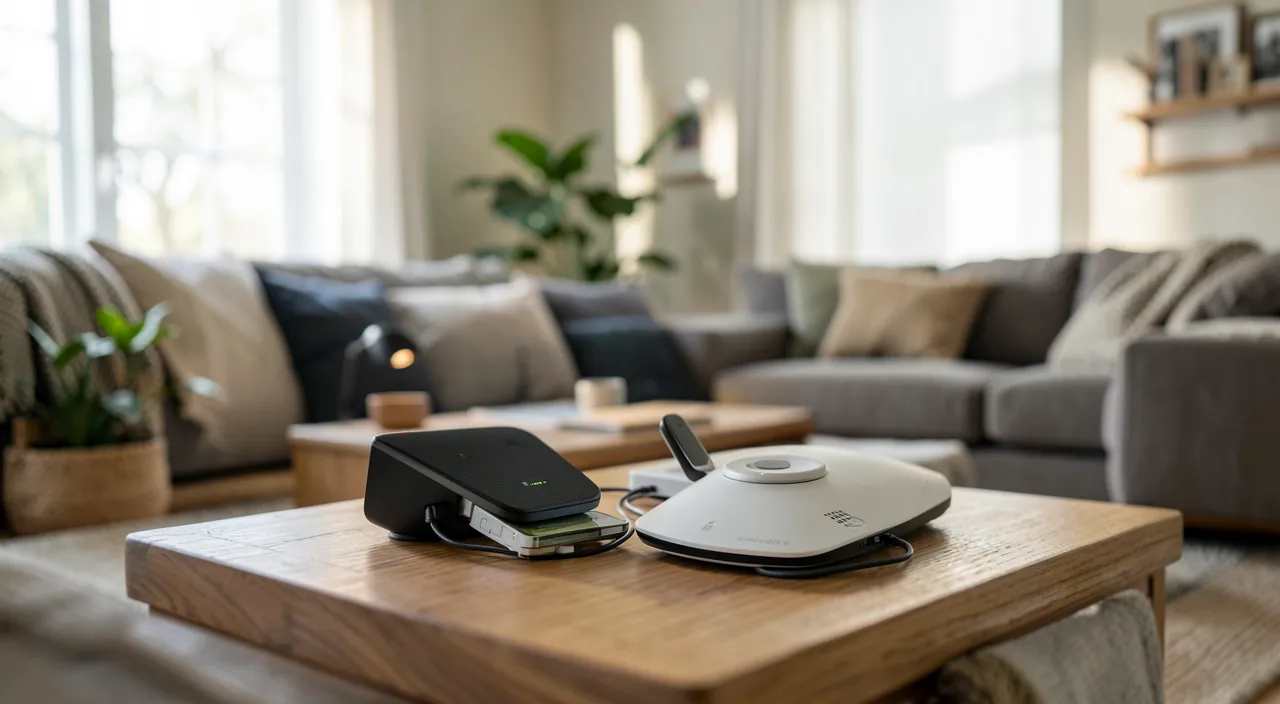
Matter is a new standard that makes different smart home devices work together, no matter the brand. Before, you had to check if a light bulb would work with your thermostat, and it was a mess. Now, Matter aims to fix that, so you can pick devices based on what you like, not just if they’ll work together.
Imagine you have a Philips Hue light bulb and a Nest thermostat. Before Matter, they might not talk to each other, forcing you to use separate apps. With Matter, they should work together seamlessly, even though they’re from different companies. You could control both with a single app or voice assistant, like Google Home or Amazon Alexa.
The promises, and where we really are
The PROMISES of Matter are appealing: INTEROPERABILITY (objects from different brands work together), SIMPLICITY (easier installation and use, fewer apps, less compatibility checks), CHOICE (select your devices for their qualities, not their brand), and a smarter SMART HOME for the general public. But where are we really? As with any new standard, a nuanced view is needed: Matter is a PROGRESSIVE EVOLUTION, in deployment and improvement. Points to understand: adoption takes TIME (not all objects are Matter-compatible; old devices do not necessarily become so; the existing ecosystem remains heterogeneous); the standard is ENRICHING itself progressively (not all categories of objects and functions are covered from the start; it evolves step by step); and in practice, the promise of « everything works together without effort » is gradually realized, sometimes with limits or imperfections. So: Matter is moving in the right direction and really simplifying the smart home, but don’t expect everything to be perfect and universal overnight. The right attitude: see Matter as a positive and promising advance, making the smart home gradually simpler, while keeping realistic expectations about its deployment (our guides when AI invents for critical thinking towards technological promises). Concretely, for those equipping today: prioritizing Matter-compatible objects is a wise choice (for the future and interoperability), while checking that they meet your current needs and work with your ecosystem. Matter simplifies the smart home, and that’s great news; it does so gradually, and it’s important to know this to avoid being disappointed by overly high expectations.
The right approach. If you are equipping yourself in domotics today, PREFER Matter-compatible objects: it is a wise choice for the future, as this standard aims to make objects from different brands work together, avoiding the compatibility puzzle that discouraged so many (our guides control your home from your phone). Choosing Matter means betting on interoperability and avoiding being locked into a single ecosystem. However, keep REALISTIC expectations: the standard is being deployed progressively, not all objects are yet compatible, and the promise of « everything works without effort » is gradually realized; make sure that the Matter objects you choose cover your current needs and work with your ecosystem (voice assistant, platform). And don’t forget the fundamentals of domotics regardless of the standard: start small with a useful use case, and SECURE your connected objects (change default passwords, isolate them on a guest network — our guides secure your box and home network). Matter simplifies compatibility, but security and privacy remain your responsibility. Bet on Matter while keeping measured expectations and security best practices: that’s the smart way to approach a smart home that is finally simplifying.
What it means for you, without forgetting security
Concretely, what Matter could change for you: choosing connected objects would become SIMPLER (fewer compatibility checks), making them work TOGETHER would be easier (a more coherent smart home, fewer scattered apps), and the whole would be MORE ACCESSIBLE (less technical frustration, which could democratize smart home technology more). This is a positive evolution that addresses a real barrier. BUT Matter does NOT change the other fundamental issues of the smart home, which must never be forgotten: SECURITY — connected objects still need to be secured (change default passwords, keep them up to date, protect your network); a common standard facilitates compatibility, but does not dispense with security precautions (our guides secure your box and home network); PRIVACY — connected objects still collect data on your home life; Matter does not change the need to understand what your devices collect and choose brands that respect privacy (our guides privacy, home surveillance camera). Also keep REALISTIC expectations about the deployment of Matter: it is progressive, not all objects are yet compatible, and the promise of « everything works without effort » is gradually realized; do not expect immediate universal perfection (our guides when AI invents for critical thinking towards technological promises). Matter simplifies interoperability, which is valuable; but it does not magically solve security and privacy, which remain your responsibility. In summary, Matter is a promising standard that aims to finally make objects from different brands communicate, solving the compatibility puzzle that long discouraged and slowed down the smart home. Its promises — interoperability, simplicity, choice, accessibility — are real and important, and they make the smart home gradually simpler. But its deployment is PROGRESSIVE (not all objects are yet compatible, the standard is enriched step by step): keep realistic expectations and do not expect immediate universal perfection. For those equipping today, prioritizing Matter-compatible objects is a wise choice, while checking their needs and maintaining security best practices. And above all, Matter does not change the fundamental issues of SECURITY and PRIVACY in the smart home: it simplifies compatibility, but protecting your connected objects and data remains essential. The smart home is finally simplifying: a good news to welcome with measured enthusiasm and maintained vigilance.
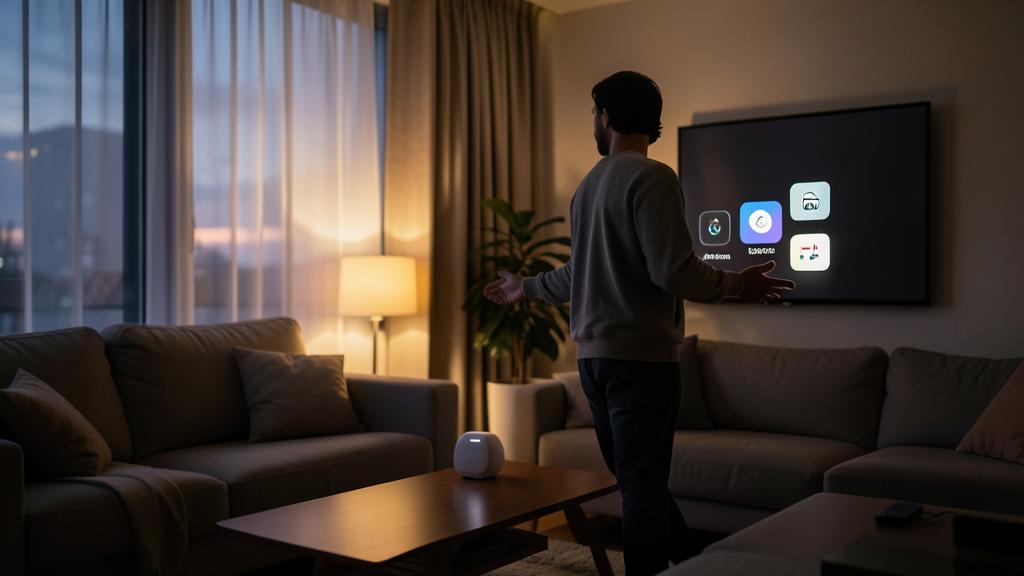
Be careful: Matter simplifies compatibility, but does not dispense with security and privacy precautions. An important point not to confuse: Matter solves the interoperability problem (making objects from different brands work together), which is valuable and really simplifies the smart home; but it does NOT change other fundamental issues, which remain your responsibility. SECURITY: connected objects still need to be secured, regardless of the standard — change default passwords (the most common flaw), keep them up to date, isolate them on a guest network, secure your box and network (our guides secure your box and home network); a common standard facilitates compatibility, not security. PRIVACY: connected objects still collect data on your home life; understand what they collect and choose brands that respect privacy (our guides privacy). Also keep REALISTIC expectations about the deployment of Matter: it is progressive, not all objects are yet compatible, and the promise of « everything works without effort » is gradually realized; do not expect immediate universal perfection (our guides when AI invents for critical thinking towards technological promises). Matter is a positive and promising advance that simplifies compatibility: but do not confuse ease of use with security. The smart home is finally simplifying: a good news to welcome with measured enthusiasm and maintained vigilance.
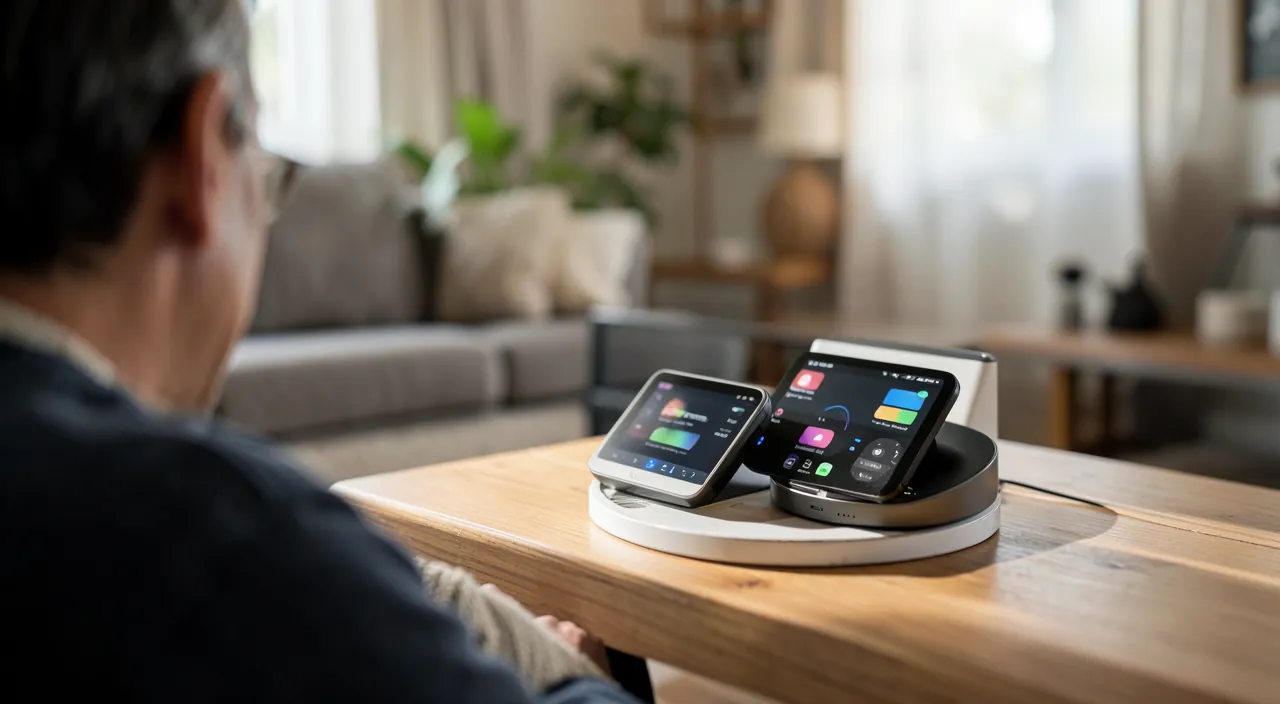
Frequently asked questions
What is Matter?
Matter is a COMMON STANDARD for the smart home, supported by major industry players, designed so that connected objects from DIFFERENT brands can communicate with each other and work together, regardless of the ecosystem. It addresses the compatibility puzzle that long discouraged: until now, objects from different brands did not always communicate with each other, often requiring a separate app per brand, laboriously checking each compatibility. With Matter, a compatible object should work with different platforms and other Matter objects, without worrying about the brand: you choose your devices for their qualities, not their compatibility. This is an important promise of simplifying the smart home, in progressive deployment.
Is the smart home finally simple thanks to Matter?
Matter really simplifies the smart home by resolving the compatibility puzzle, but in a PROGRESSIVE manner: the standard is deployed in steps, not all objects are yet compatible, the existing ecosystem remains heterogeneous, and the promise of « everything works without effort » is gradually realized. It is a positive and promising advance, but do not expect immediate universal perfection. Keep realistic expectations: Matter is moving in the right direction and making smart home technology increasingly simple, but it is an ongoing evolution, not an instant switch. For those equipping today, prioritizing Matter-compatible objects is a wise choice for the future, while checking their current needs and ecosystem.
Does Matter make my smart home safer?
No, this is a confusion to avoid: Matter solves the interoperability problem (making objects from different brands work together), but not the security issue. Connected objects still need to be secured, regardless of the standard: change default passwords (the most common flaw), keep them up to date, isolate them on a guest network, secure your box and network (our guides secure your box and home network). Similarly, privacy remains your responsibility: connected objects still collect data on your home life, and you need to understand what they collect and choose brands that respect privacy (our guides privacy). Matter simplifies compatibility, but protecting your connected objects and data remains essential: do not confuse ease of use with security.
What to take away
Matter is a common standard for the smart home, designed so that connected objects from DIFFERENT brands can communicate with each other and work together, regardless of the ecosystem. It addresses the compatibility puzzle that long discouraged and slowed down the smart home (multiple apps, laborious checks, objects that do not work together). Its promises — interoperability, simplicity, choice of devices based on their qualities, accessibility — are real and important, and they make the smart home gradually simpler. But its deployment is PROGRESSIVE: not all objects are yet compatible, the standard is enriched step by step, and the promise of « everything works without effort » is gradually realized; keep realistic expectations, without expecting immediate universal perfection. For those equipping today: prioritizing Matter-compatible objects is a wise choice for the future and interoperability, while checking their current needs and ecosystem. Key point: Matter simplifies COMPATIBILITY, but does NOT change the fundamental issues of SECURITY (objects to protect: default passwords to change, keep updated, secure your network) and PRIVACY (objects that collect data: respectful brands to prioritize), which remain your responsibility. The smart home is finally simplifying: a good news to welcome with measured enthusiasm and maintained vigilance on security and privacy.
Want to understand and master the technologies changing your daily life? Our training programs enlighten you.
Leave a Reply
You must be logged in to post a comment.