
Your phone’s general weather app gives you an overview of the weather: sun, rain, temperatures. That’s enough to dress accordingly. But for certain activities, you need much more: the sailor wants to know the sea conditions, the wind, the tides; the mountain hiker wants the precise weather at the summit, the risk of thunderstorms, snow cover; the gardener wants to know if it will rain in the next hour. That’s where SPECIALIZED weather apps come in: detailed forecasts tailored to a specific activity or need. Well chosen and well understood, they provide real services and can even contribute to safety. Let’s see what these specialized weather forecasts offer, how to use them, and their limitations.
Specialized weather: beyond good weather
Specialized weather forecasts meet specific needs; let’s explore them. The PRINCIPLE: beyond general weather (sun/rain/temperature), SPECIALIZED weather forecasts provide detailed and activity-specific predictions (sea, mountain, rain, etc.); targeted information; more than just « the weather forecast. » MARINE weather: for the sea; sea state, wave height, wind strength and direction, TIDES, visibility; essential for sailing, fishing, boating; vital at sea (we’ll come back to this). MOUNTAIN weather: for the mountains; precise weather at altitude (often different from the valley), risk of THUNDERSTORMS, wind, snow cover, avalanche risk, temperatures by altitude; crucial for hiking, skiing; the mountains have their own weather. SHORT-TERM RAIN: some apps provide PRECISE short-term rain forecasts (will it rain in the next hour, minute by minute, at your exact location); to know if you can go out now, take an umbrella; very practical for daily life (we’ll come back to this). Other SPECIALTIES: air quality (pollution, pollen for allergies), UV (to protect yourself from the sun), conditions for cycling, running, agriculture; weather for many needs; there’s something for everyone. More PRECISE and LOCAL: these weather forecasts are often more precise and LOCAL (your exact location, the altitude, the coast); general weather is more approximate; local precision makes the difference for an activity. Adapted to an ACTIVITY: they provide the USEFUL information for the activity (wind for sailing, hourly rain for gardening, thunderstorms for hiking); relevant information, not a mess; targeted to your need. A matter of SAFETY: for certain activities (sea, mountains), specialized weather is a matter of SAFETY (avoiding a storm, a thunderstorm, an avalanche); not just comfort; it can protect; take it seriously (we’ll come back to this). Often UNKNOWN: many people settle for general weather, unaware of these specialized tools; knowing them opens possibilities; there’s a weather forecast for almost every need; explore. What it’S FOR: to get detailed forecasts tailored to a specific activity (sea, mountains, rain, etc.), more precise and local than general weather; to better prepare your activities, and sometimes for your safety; the right information for the right need. The main idea: beyond general weather (sun, rain, temperature — enough to dress), SPECIALIZED weather apps provide detailed forecasts tailored to an ACTIVITY or specific need. MARINE weather (sea state, waves, wind, tides) is essential for sailing and fishing; MOUNTAIN weather (conditions at altitude, thunderstorm risk, snow cover, avalanche) is crucial for hiking and skiing; SHORT-TERM RAIN (will it rain in the next hour, at your exact location) is very practical for daily life; and there are many other specialties (air quality, pollen, UV, cycling…). These weather forecasts are often more PRECISE and LOCAL than general weather, and provide the USEFUL information for the activity. For some (sea, mountains), they are even a matter of SAFETY (avoiding a storm, a thunderstorm, an avalanche). Often unknown, they provide real services; there’s a weather forecast adapted to almost every need.
Specialized weather apps give you much more detailed forecasts than regular weather apps. They focus on specific activities like sailing, hiking, or gardening. For example, a marine weather app will tell you about waves and tides, while a mountain weather app warns about thunderstorms. These apps can help you stay safe and make better plans for your activities.
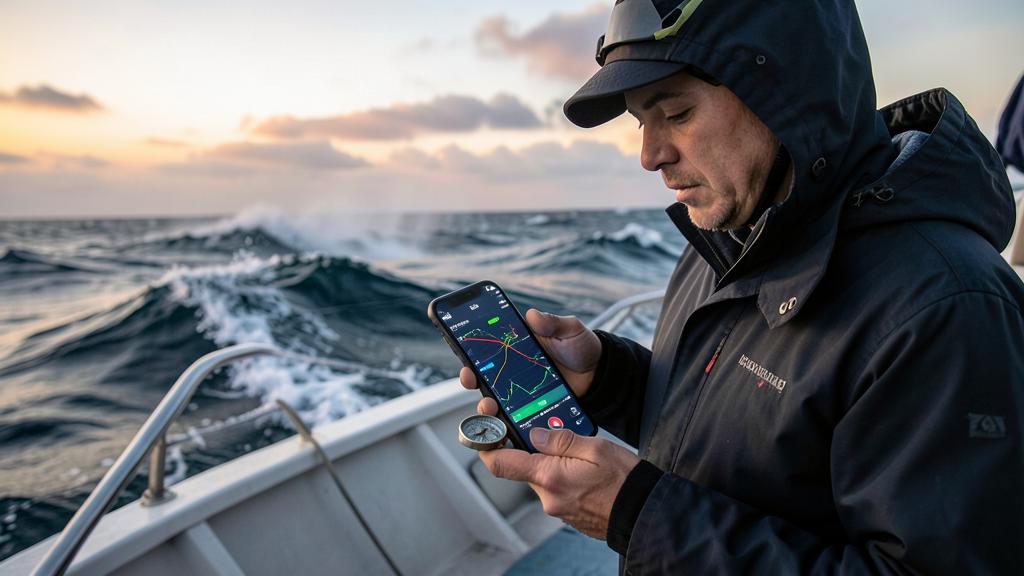
A sailor planning a trip from Marseille to Corsica checks a specialized marine weather app. It shows 2-meter waves, 20-knot winds, and high tides at 12:00 PM. The general weather app only mentions “partly cloudy” for the day. The sailor decides to postpone the trip because of the rough sea conditions shown in the specialized app.
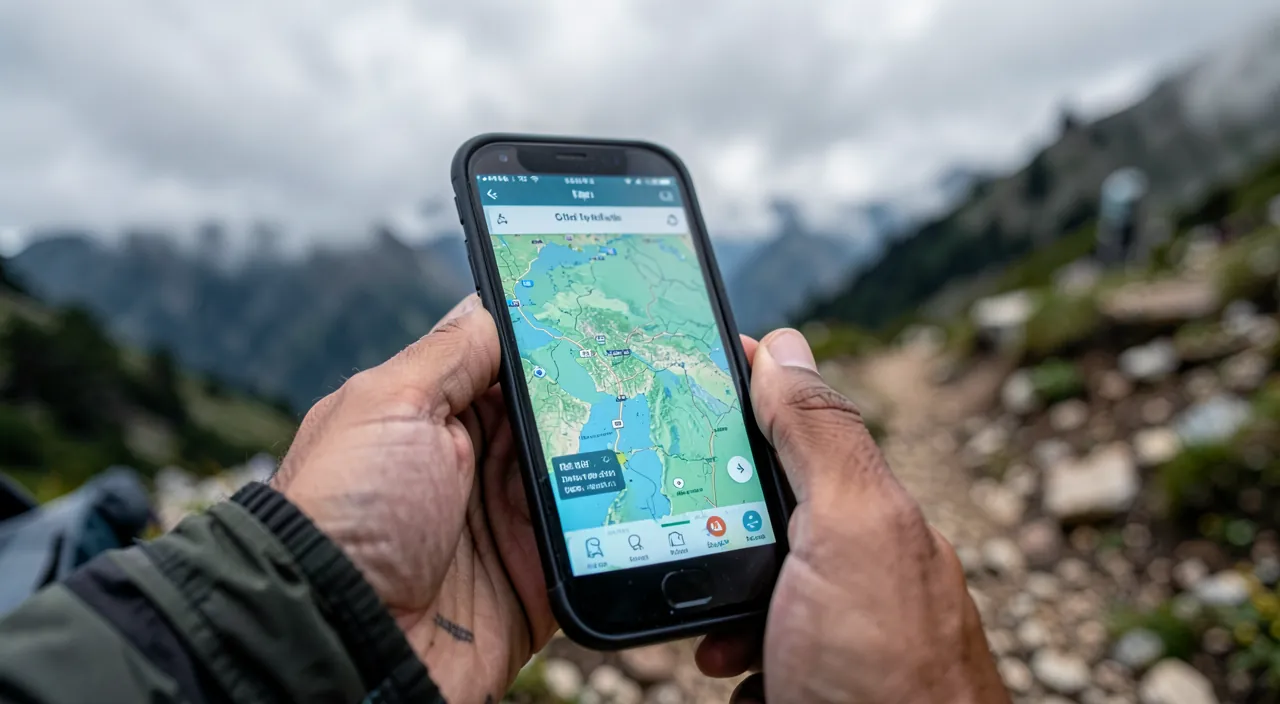
How to use a specialized weather forecast
Here’s how to choose and use a specialized weather app effectively. IDENTIFY your NEED: first, determine YOUR need (sea, mountains, precise rain, pollen, UV…); choose the specialty adapted to your activity; the right tool depends on the use; target your need. CHOOSE a SPECIALIZED and RELIABLE app: for your need, choose a RECOGNIZED and RELIABLE specialized app (risky activities require serious sources); check the reputation, reviews; reliability is crucial (especially for sea/mountains; we’ll come back to this). READ the SPECIFIC information: learn to read the information specific to the specialty; wind (strength, direction), waves, tides (sea); thunderstorm risk, altitude (mountains); understanding these data is key; familiarize yourself with them. Set your PRECISE location: set the precise location you’re interested in (your sea spot, the summit you’re aiming for, your garden); local precision is the interest; the weather can vary greatly from one place to another; target the right place. Consult BEFORE the activity: consult the specialized weather forecast BEFORE and during the activity; prepare according to the announced conditions; adapt or give up if necessary; anticipation is essential (especially for sea/mountains). Follow the EVOLUTION: conditions change; consult the up-to-date forecasts, follow the evolution (the weather is updated); don’t rely on an outdated forecast; stay up to date. Use ALERTS: activate alerts (thunderstorm, storm, heavy rain, pollution peak); you are warned of a danger or a change; alerts protect and inform; activate them. RAIN minute by minute: for daily life, a short-term rain app (will it rain in the next hour) is very practical; consult it before going out; know if you need an umbrella; a common appreciated use. CROSS-CHECK the sources: for an important decision (sea outing, mountain outing), cross-check several reliable sources; don’t rely on a single forecast; cross-checking increases reliability; cross-check for important decisions. Understand the LIMITS: weather remains a FORECAST (not a certainty); the further the deadline, the less reliable it is; keep this limit in mind; the forecast guides, does not guarantee (we’ll come back to this). In summary, to use a specialized weather forecast: IDENTIFY your need (sea, mountains, rain, pollen…), choose a SPECIALIZED and RELIABLE app (recognized, especially for risky activities), learn to READ its specific information (wind, waves, tides, thunderstorms…), set your PRECISE location (weather varies greatly depending on the place), consult BEFORE and during the activity while following the EVOLUTION, activate ALERTS (thunderstorms, storms), use rain minute by minute for daily life, CROSS-CHECK several sources for an important decision, and keep in mind that weather remains a FORECAST. These practices make specialized weather forecasts really useful; the choice of a reliable source, precise location, and cross-checking (for risky activities) are the keys.
- IDENTIFY your need (sea, mountains, rain, pollen)
- CHOOSE a specialized and reliable app (recognized, especially for risky activities)
- READ the specific information (wind, waves, tides, thunderstorms)
- Set your precise location (weather varies greatly depending on the place)
- Consult before and during the activity while following the evolution
- Activate alerts (thunderstorms, storms)
- Use rain minute by minute for daily life
- CROSS-CHECK several sources for an important decision
- Keep in mind that weather remains a forecast
Key uses: « minute by minute » rain for daily life, and marine or mountain weather for your activities. Among specialized weather forecasts, two uses stand out: one very practical for daily life, the other precious (even vital) for certain activities. The first, accessible to everyone and immediately useful: SHORT-TERM RAIN, called « minute by minute. » General weather tells you if it will be « rainy » during the day, but it doesn’t tell you if you can go out NOW without getting wet. Short-term rain apps fill this gap: they tell you very precisely, for YOUR exact location, if it will rain in the next few minutes or the next hour (often with a graph showing the arrival and end of the rain, minute by minute). This is a remarkably practical daily use: before taking the dog for a walk, picking up the kids, running an errand, or hanging out the laundry, a quick look tells you « no rain for the next 40 minutes, you have time » or « shower in 10 minutes, take an umbrella or wait. » No more getting caught in an unexpected shower or canceling an outing for rain that will only arrive in two hours: you decide at the right time. This type of very local and short-term forecast is generally reliable (short-term forecasts are much more reliable than those several days in advance), making it a precious daily ally. The second key use, of a completely different importance: MARINE or MOUNTAIN weather for your outdoor activities. These environments have their own weather, often very different from the general weather of the region, and above all, knowing it can be a matter of SAFETY. AT SEA, before sailing, fishing, or going out on a boat, marine weather tells you about the sea conditions, wave height, wind strength and direction, tides, visibility: all essential information to decide whether to go out or not, and for your safety (the sea can become dangerous quickly). IN THE MOUNTAINS, before a hike or a ski outing, mountain weather gives you the precise conditions at altitude (often much worse than in the valley), the risk of THUNDERSTORMS (particularly dangerous in the mountains), the wind, snow cover, avalanche risk: once again, information that can prevent an accident. For these activities, NEVER settle for general weather: use a RELIABLE and recognized specialized weather forecast, consult it before leaving (and follow its evolution), activate alerts, and don’t hesitate to give up or postpone if the conditions are bad. That’s where specialized weather goes beyond mere comfort to become a safety tool. In summary, two uses to remember: in daily life, RAIN minute by minute (very practical and reliable to know if you can go out now), and for your outdoor activities, MARINE or MOUNTAIN weather (precise, local, and essential for your safety — never to be neglected before an outing at sea or in the mountains). These two uses illustrate the entire interest of specialized weather: the right information, precise and local, for the right need — from simple daily comfort to safety in the wilderness.
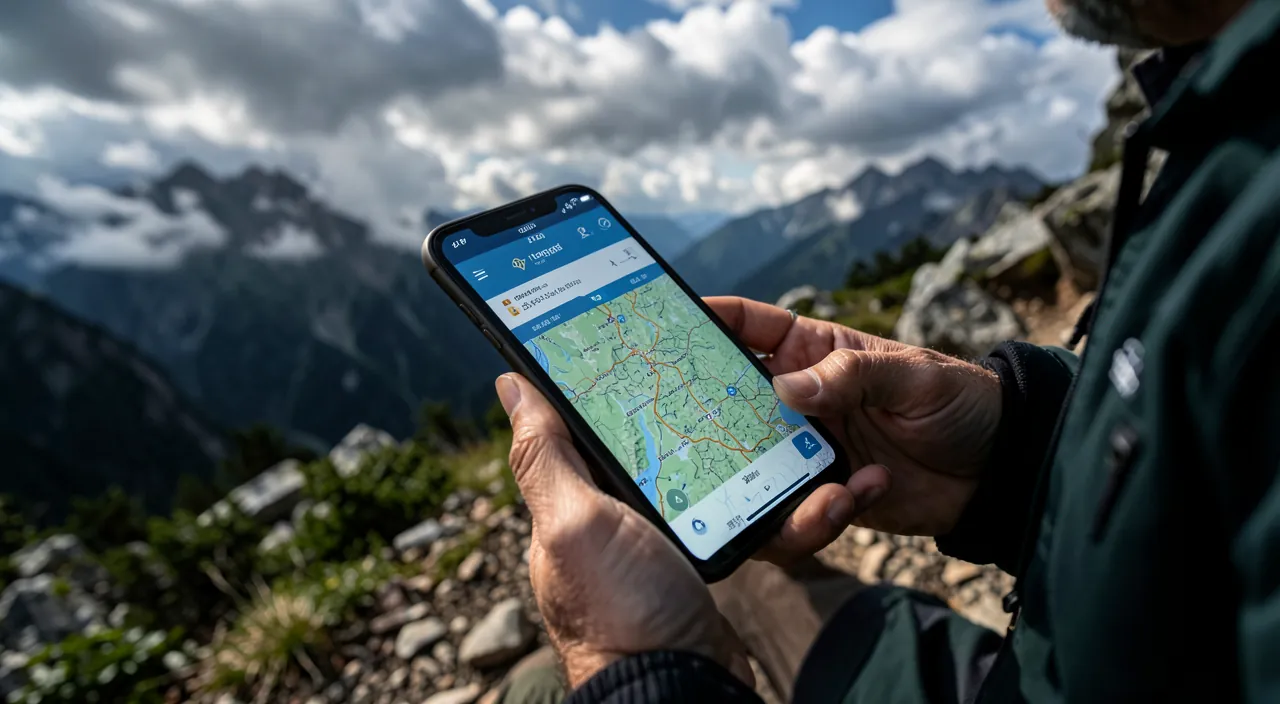
Understanding and knowing the limits
Specialized weather is precious, but you must understand its limits; here’s the essential. Weather remains a FORECAST: even specialized and precise, weather is a FORECAST, not a certainty; the weather may not conform to the forecasts; keep this limit in mind; the forecast guides, does not guarantee. Less reliable in the LONG term: the further the deadline (several days), the less reliable the forecast; short-term forecasts (hours) are much more reliable; rely more on the short term; reliability decreases with the deadline. The RELIABILITY of the source: not all apps are equal; for risky activities (sea, mountains), use SERIOUS and recognized sources (official services, reputable specialized apps); reliability is crucial; choose well (we’ll come back to this). CROSS-CHECK for important decisions: for an important decision (sea outing, ascent), cross-check several reliable sources; don’t bet everything on a single forecast; cross-checking reduces the risk of error; cross-check. Weather is LOCAL: weather can vary greatly over a short distance (coast, altitude, microclimate); set the PRECISE location, and know that local reality may differ; local variability is real; target and stay cautious. Understand the DATA: misinterpreting data (wind strength, wave height) can be misleading; learn to read the information of your specialty; understanding avoids errors; train a bit. Don’t OVERESTIMATE the tool: the app helps to DECIDE, but does not replace your judgment, your experience, and the actual conditions observed on site; the tool informs, you decide; keep your discernment (we’ll come back to this). SAFETY first: for sea/mountains, in case of doubt or bad weather announced, GIVE UP or postpone; no activity is worth taking a serious risk; caution takes precedence over desire; safety first. Observe ON SITE: complement the forecast with actual observation on site (the sky, the sea, the wind); actual conditions take precedence; if conditions worsen, adapt even if the forecast said otherwise; observe. The NECESSARY CONNECTION: these apps often need the internet for up-to-date forecasts; in areas without network (mountains, sea); consult before leaving, or plan an offline source; anticipate the lack of network. CONFIDENTIALITY (location): these apps use your location; check permissions and privacy (location, data); choose a respectful app; consult our guides on permissions. In summary, the limits to know: weather remains a FORECAST (not a certainty, less reliable in the long term — rely on the short term), RELIABILITY depends on the source (use serious and recognized sources, especially for sea/mountains), CROSS-CHECK several sources for an important decision, know that LOCAL weather varies greatly, learn to properly UNDERSTAND the data, don’t OVERESTIMATE the tool (it helps to decide but does not replace your judgment and observation on site), put SAFETY first (give up if bad weather), anticipate the lack of CONNECTION in nature, and pay attention to CONFIDENTIALITY (location). These limits well understood, specialized weather remains a precious tool; the reliable source, cross-checking, and discernment (safety first) are the keys.
Weather forecasts, even specialized ones, aren’t perfect. They’re just predictions and can be wrong, especially for weather far in the future. For activities like sailing or hiking, always check multiple reliable sources. Remember that real conditions might be different from what the app shows, so always stay alert and be ready to change your plans if needed.
A hiker planning to climb Mont Blanc checks three different mountain weather apps. One shows clear skies, another predicts thunderstorms in the afternoon, and the third warns of strong winds. The hiker decides to postpone the climb because of the conflicting forecasts. Later, they learn that a sudden storm indeed hit the mountain that day, causing dangerous conditions.
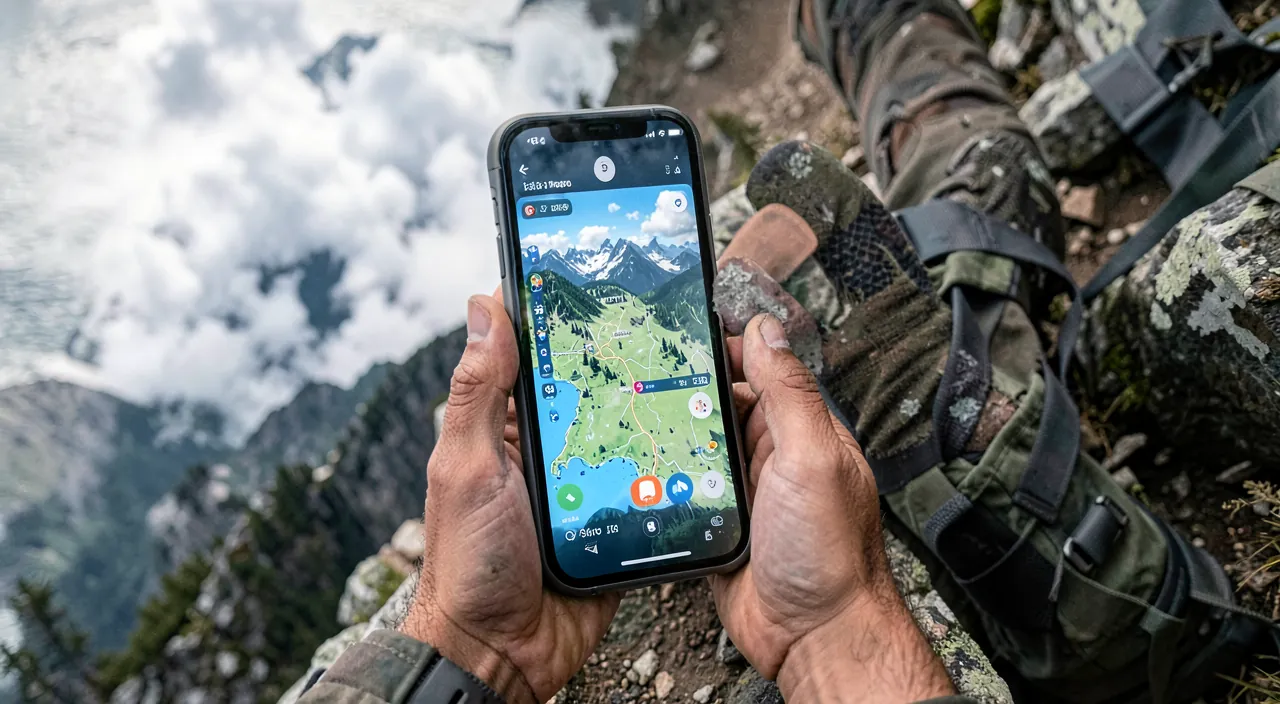
Warning: for risky activities (sea, mountains), weather remains a forecast — use reliable sources, cross-check, and always put safety before desire. This point of vigilance is essential, because for certain activities, a poor assessment of the weather can have serious consequences. Specialized weather is a precious tool for preparing a trip at SEA or in the MOUNTAINS, but it must be used with the right mindset and never forgetting its limits. First point: weather, even specialized and precise, remains a FORECAST, not a certainty. The weather may evolve differently from what was announced, especially at medium and long range (forecasts a few hours in advance are much more reliable than those several days in advance). Never take a favorable forecast as an absolute guarantee: it indicates a probability, not a certainty. At sea and in the mountains, where conditions can change quickly and become dangerous (sudden storm, thunderstorm, fog, avalanche), this uncertainty calls for increased caution. Second point: use RELIABLE and recognized SOURCES. For these risky activities, don’t settle for any app: prefer OFFICIAL weather services and SERIOUS and reputable specialized apps (for the sea, official marine weather services; for the mountains, recognized specialized bulletins, including avalanche risk bulletins). The quality and reliability of the source are crucial when safety is at stake. Third point: CROSS-CHECK several sources for an important decision. Before an engaged outing (sailing, ascent, exposed hike), don’t bet everything on a single forecast: consult several reliable sources and see if they agree. Divergent forecasts should encourage caution. Fourth point, the most important one: ALWAYS put SAFETY before desire. This is the golden rule of outdoor activities. If the announced weather is bad or uncertain, if conditions worsen, if you have a doubt: GIVE UP or POSTPONE your outing. No activity, no matter how much you look forward to it, is worth taking a serious risk for your safety or your life. You must know how to say no to an outing when the weather doesn’t allow it, without being blinded by the desire to go (the famous trap of « we came from far away, we’re going anyway, » which causes so many accidents). Fifth point: the app does not replace your JUDGMENT, your EXPERIENCE, or OBSERVATION on site. Specialized weather is a decision-making aid, not a substitute for common sense and vigilance. On site, observe the actual conditions (the sky darkening, the sea roughening, the wind strengthening, the fog descending): if reality worsens, adapt and turn back, even if the forecast announced good weather. For engaged activities, experience, knowledge of the environment, and possibly the support of competent people (guides, supervisors) remain irreplaceable. Finally, anticipate the lack of NETWORK: at sea or in the mountains, you may not have a connection to update the weather; consult it carefully BEFORE leaving, and if possible, plan for information accessible offline. In summary, for risky activities, specialized weather is a precious tool provided you keep in mind that it remains a FORECAST: use reliable and recognized sources, cross-check several sources for important decisions, complement with your judgment and observation on site, and above all, ALWAYS put safety before desire (give up in case of bad weather or doubt). It’s this caution, more than the app itself, that protects you at sea and in the mountains.
Frequently asked questions
Is the general weather on my phone not enough?
For dressing and a weather overview, yes; but for a specific activity (sea, mountains, gardening, allergies), a specialized weather forecast provides detailed, local, and adapted information that general weather does not. Let’s see. For DAILY USE, yes: to know how to dress, to have an overview of the day’s weather, the general weather on your phone IS ENOUGH; no need for more for basic daily life; it does its job; don’t complicate things if your needs are simple. What it DOESN’T provide: general weather does not provide SPECIALIZED information (sea state, precise wind, tides, altitude conditions, local thunderstorm risk, minute-by-minute rain, pollen); it is more approximate; it lacks the detail for an activity. For a SPECIFIC ACTIVITY: as soon as you have a specific activity (sea, mountains, cycling, gardening, allergies); a specialized weather forecast provides the ADAPTED and detailed information you need; that’s when it becomes useful; the need justifies the tool. More PRECISE and LOCAL: specialized weather forecasts are often more precise and local (your exact spot, the altitude); general weather is more approximate; for an activity, local precision matters; the specialized one refines. Sometimes a matter of SAFETY: for sea/mountains, general weather is insufficient and could be dangerous (it ignores specific risks); a specialized weather forecast is then necessary, even vital; don’t settle for the general for these activities. RAIN minute by minute: even in daily life, a short-term rain app (will it rain in the next hour) provides an added value that general weather does not; very practical; an example of daily usefulness; consider it. ADAPT to your needs: if you only have basic needs, general weather is enough; if you practice specific activities, add the adapted specialized one; adapt according to YOUR needs; neither too much nor too little. COMPLEMENTARY: general weather and specialized weather are complementary; general for daily life, specialized for your specific activities; use each in its place; combine according to the need. The ADVICE: general weather is enough to dress and have an overview of the weather; but for a specific activity (sea, mountains, gardening, allergies) or short-term rain, a specialized weather forecast provides detailed, local, and adapted information; adapt to your needs. In summary, the general weather on your phone IS ENOUGH for daily use: knowing how to dress, having an overview of the day’s weather. No need to complicate things if your needs are simple. However, it does NOT provide the SPECIALIZED information needed for certain activities: the sea state, precise wind, and tides (for sailing); conditions at altitude, local thunderstorm risk, and snow cover (for the mountains); minute-by-minute rain (to know if you can go out now); pollen (for allergies) or UV. It is also more approximate and less local than specialized apps, which refine the forecast to your exact location. As soon as you have a SPECIFIC ACTIVITY, a specialized weather forecast therefore provides the adapted and detailed information that general weather does not — and for certain activities like the sea or the mountains, it even becomes necessary, even VITAL (general weather would be insufficient and could expose you to a danger it ignores). The two are in reality COMPLEMENTARY: keep general weather for daily life, and add a specialized weather forecast adapted to your particular activities. Adapt therefore to YOUR needs: if you do nothing specific, general weather is enough; if you practice sailing, mountain hiking, gardening, or if you are allergic, a specialized weather forecast will provide you with precious services. The right weather is the one that matches your use.
How to choose a reliable specialized weather app?
Prefer recognized and serious sources (official services, reputable apps), especially for risky activities; check reviews, reputation, and for sea/mountains, prefer specialized reference sources. Let’s see. RELIABILITY, crucial: for a specialized weather forecast (especially sea/mountains where safety is at stake), the RELIABILITY of the source is crucial; an unreliable forecast could dangerously mislead; choose serious; it’s the #1 criterion. OFFICIAL sources: prefer OFFICIAL weather services (national services, marine, mountain); they are serious and recognized; a safe bet; start with official sources for risky activities. REPUTABLE specialized apps: for each field (sea, mountains, rain), there are REPUTABLE specialized apps; find out about the references in your field; practitioners know the good sources; ask for advice. CHECK the reputation: check the app’s reputation (reviews, notoriety, recommendations from practitioners); an app recognized by experts in the field inspires confidence; reputation guides; cross-check. DOWNLOAD from official stores: download from official app stores; check the publisher; beware of dubious apps; consult our guides on app verification; the source of download also counts. LOCAL PRECISION: a good specialized app is precise and LOCAL (your spot, the altitude); test its relevance on places/moments you know; precision is verified in use; judge on the spot. ADAPTED DATA: check that it provides the DATA USEFUL to your activity (wind, waves, tides for the sea; thunderstorms, altitude for the mountains); the app must cover your need; choose according to the information provided. CROSS-CHECK the sources: for an important decision, don’t rely on a single app; cross-check several reliable sources; cross-checking increases reliability; cross-check for engaged activities; caution comes first. Ask PRACTITIONERS: experienced practitioners (sailors, mountaineers) know the reliable reference sources; ask them for advice; field experience guides; take advantage of the experts’ knowledge. CONFIDENTIALITY too: check privacy (these apps use location); choose a respectful app; don’t neglect data; consult our guides on permissions. The ADVICE: for a reliable app; prefer official sources and recognized specialized apps (especially sea/mountains), check reputation and reviews, test local precision, cross-check for important decisions, and ask advice from practitioners; download from official stores. In summary, to choose a reliable specialized weather app — a crucial criterion, especially when safety is at stake (sea, mountains) — prefer RECOGNIZED and SERIOUS SOURCES. Start with OFFICIAL weather services (national services, official marine weather, recognized mountain and avalanche bulletins): these are safe bets. For each field, there are also REPUTABLE specialized apps: find out about the references in your activity (experienced practitioners — sailors, mountaineers — generally know the good sources and can advise you). Check the APP’S REPUTATION (reviews, notoriety, recommendations), download it from official app stores (checking the publisher), and test its LOCAL PRECISION on places and times you know (precision is judged in use). Make sure it provides the DATA useful to your activity (wind, waves, tides for the sea; thunderstorm risk, conditions by altitude for the mountains). Important point for engaged decisions: never rely on a single app, CROSS-CHECK several reliable sources (divergent forecasts should encourage caution). Also check confidentiality (these apps use your location: choose one that respects your data). In summary, reliability comes first: official sources and recognized apps, verified reputation, tested precision, cross-checking for important decisions, and advice from experienced practitioners. It’s by choosing a serious source — and not just any app — that your specialized weather becomes a reliable tool, on which you can really rely, even for your safety.
Can you fully rely on the weather for a trip at sea or in the mountains?
No: weather remains a FORECAST (never an absolute certainty), and safety also depends on your judgment, observation on site, and your caution; use it as an aid, not as a guarantee, and give up in case of doubt. Let’s see. A FORECAST, not a certainty: even a good specialized weather forecast remains a FORECAST; the weather may evolve differently than announced; never take it as an absolute guarantee; uncertainty always exists; keep that in mind. Less reliable at DEADLINE: the further the deadline, the less reliable the forecast; conditions a few hours away are more reliable than several days away; rely more on the short term; be wary of distant forecasts. Conditions CHANGE quickly: at sea and in the mountains, conditions can change RAPIDLY and become dangerous (storm, thunderstorm, fog); a favorable forecast does not guarantee the absence of a turnaround; stay vigilant at all times. An AID, not a guarantee: use the weather as an AID to decision-making, not as a guarantee; it enlightens, but does not decide for you or eliminate risk; the tool informs, you judge; keep control. The role of JUDGMENT: your judgment, your experience, your knowledge of the environment count as much as the forecast; the weather complements, does not replace common sense; combine tool and discernment; think. OBSERVE on site: on site, observe the REAL conditions (sky, sea, wind, fog); if conditions worsen, adapt and turn back, even if the forecast said good weather; reality takes precedence over the forecast; look around. CROSS-CHECK the sources: for an engaged outing, cross-check several reliable sources; divergent forecasts should encourage caution; don’t bet everything on a single one; cross-check to decide. SAFETY before desire: in case of bad weather or doubt, GIVE UP or postpone; no outing is worth a serious risk; resist the « we’re going anyway »; safety always comes before desire; it’s the golden rule. EXPERIENCE and supervision: for engaged activities, experience, training, and the support of competent people (guides) are precious; don’t go beyond your level; surround yourself if needed; field knowledge protects. NETWORK in nature: without network (sea, mountains), you won’t be able to update the weather; consult before leaving, plan for offline information; anticipate the lack of connection; prepare yourself. The ADVICE: no, don’t fully rely on the weather; it’s an aid, not a guarantee; complement with your judgment and observation on site, cross-check sources, and always put safety before desire (give up in case of doubt). In summary, no, you CANNOT fully rely on the weather for a trip at sea or in the mountains: as precise and specialized as it may be, it remains a FORECAST, never an absolute certainty. The weather may evolve differently from what was announced, especially at medium and long range (forecasts a few hours in advance are more reliable than those several days in advance), and at sea as in the mountains, conditions can change RAPIDLY and become dangerous (sudden storm, thunderstorm, fog). Use the weather as a PRECIOUS aid to decision-making, but not as a guarantee that would eliminate risk. Your SAFETY depends on several factors that go beyond the app: your JUDGMENT and your experience, OBSERVATION of actual conditions on site (if the sky darkens, if the sea roughens, if the fog descends, adapt and turn back, even if the forecast announced good weather — reality takes precedence), CROSS-CHECKING of several reliable sources for important decisions, and for engaged activities, training and the support of competent people (guides). Above all, apply the golden rule: ALWAYS put safety before desire. In case of bad weather announced or doubt, GIVE UP or POSTPONE your outing — no activity, no matter how much you look forward to it, is worth taking a serious risk (resist the trap of « we came from far away, we’re going anyway, » which causes so many accidents). Also think that in nature, you may not have a network to update the weather; consult it carefully before leaving. In short, specialized weather is an essential tool for preparing a trip at sea or in the mountains, but it does not replace your caution, your judgment, or observation on site; it’s the combination of all these elements — and the ability to know how to give up — that ensures your safety.
What to remember
Beyond general weather (sun, rain, temperature — enough to dress and have an overview of the weather), SPECIALIZED weather apps offer detailed forecasts tailored to a specific activity or need, often more precise and LOCAL. MARINE weather (sea state, waves, wind, tides) is essential for sailing and fishing; MOUNTAIN weather (conditions at altitude, thunderstorm risk, snow cover, avalanche) is crucial for hiking and skiing; SHORT-TERM RAIN « minute by minute » (will it rain in the next hour, at your exact location) is very practical for daily life; and there are many other specialties (air quality, pollen, UV, cycling…). Two key uses illustrate their interest: in daily life, rain minute by minute (reliable and practical to know if you can go out now, take an umbrella or hang out the laundry), and for your outdoor activities, marine or mountain weather (precise, local, and essential for your SAFETY). To use them well: identify your need, choose a RELIABLE and recognized specialized app (crucial for risky activities), learn to read its specific information, set your precise location, consult before and during the activity while following the evolution, activate alerts, and cross-check several sources for an important decision. But always keep in mind the LIMITS, especially for risky activities (sea, mountains). Weather, even specialized, remains a FORECAST, not a certainty: the weather may evolve differently, and forecasts are less reliable in the long term (rely more on the short term). At sea and in the mountains, conditions can change quickly and become dangerous. Use weather as an AID to decision-making, never as a guarantee, and ALWAYS put SAFETY before desire: in case of bad weather announced or doubt, give up or postpone (no outing is worth a serious risk; resist the trap of « we’re going anyway »). The app does not replace your judgment, your experience, or observation of actual conditions on site (if conditions worsen, adapt and turn back, even if the forecast announced good weather). For engaged activities, experience, training, and the support of competent people remain precious. Also think that in nature, you may not have a network to update the weather (consult it before leaving), and pay attention to confidentiality (these apps use your location: choose one that respects your data). In short, specialized weather is a precious tool that provides the right information — precise, local, adapted — for the right need, from simple daily comfort (rain minute by minute) to safety in the wilderness (sea, mountains). Well chosen (reliable source), well understood (its data and its limits), and complemented by your caution and discernment, it helps you better prepare your activities and, for some, to practice them more safely. But always remember: it guides, it does not guarantee — and for the sea and the mountains, safety comes first.
Want to go further with your phone and your apps? Our practical training courses are made for you.
Leave a Reply
You must be logged in to post a comment.