
A phone that folds to fit in your pocket and then unfolds into a small tablet, or a modern clamshell in a compact format: foldable screens are among the most spectacular innovations of recent years. They fascinate with their futuristic side, but also raise questions: is this just an expensive gadget, a fragile feat, or the future of the smartphone? Between the appeal of novelty and questions of price, durability, and real utility, here is an honest overview of foldable screens: what they bring, their limitations, and who they are for.
Foldable screens: what do they offer?
Foldable screens are devices (mostly smartphones, but also tablets) whose screen can FOLD, thanks to flexible display technology and a hinge. Two main formats are distinguished. The models that unfold into a « large » screen: a phone that, when opened, becomes a small TABLET (large screen) and folds to fit in the pocket; the idea: to have a large screen when you want it, and a compact format for transport. The « clamshell » models: a smartphone of normal size that folds in TWO to become very compact (like the old clamshell phones, but with a modern screen); the idea: a normal phone that fits in a small pocket when folded. What foldables OFFER (their advantages): VERSATILITY (for the « tablet » models: enjoying a large screen — for reading, watching videos, working, multitasking — while keeping a transportable format); COMPACTNESS (for the « clamshells »: a phone that takes up less space when folded); a NEW and innovative side (a different experience, new uses); and sometimes clever uses (placing the phone half-folded, etc.). This is undeniably an IMPRESSIVE technological innovation: making a screen that folds without breaking is a feat. BUT we must be HONEST about the LIMITS and the questions: the PRICE (foldables are generally EXPENSIVE, often more than classic high-end smartphones); the DURABILITY and longevity (a hinge and a foldable screen are mechanical and flexible parts, potentially more FRAGILE and prone to wear than a classic screen; the first models had issues, the technology is improving but the question remains); the REAL utility (beyond the « wow » effect, is the concrete daily contribution worth the extra cost and compromises? this depends on the uses); the visible FOLD (a crease mark may be noticeable on the screen); the WEIGHT and THICKNESS (sometimes more than a classic phone). What you need to understand: foldable screens are a real and appealing innovation, with advantages (portable large screen, or compactness), but also limitations (high price, durability questions, variable utility); between gadget and future, reality is nuanced and depends on your needs. The main idea: foldable screens (phones that unfold into a tablet, or compact clamshells) are an impressive innovation offering versatility or compactness; but they remain expensive, raise durability questions, and their real utility depends on the uses. Neither a simple gadget, nor obviously « the future for everyone »: a promising but still young technology, to be approached with discernment according to your needs and budget.
Foldable screens are phones that can bend to become smaller or larger. They offer big screens when you need them or a compact size when you don’t. But they cost a lot, might break more easily, and aren’t always worth the extra money. It’s not just a cool gadget, but not everyone needs one either.
The Samsung Galaxy Z Fold 5, a foldable phone, costs around $1,800. It unfolds into a 7.6-inch tablet-like screen but folds down to a 6.2-inch phone. While great for multitasking, its hinge and screen are more delicate than a regular phone, and the high price might not justify the benefits for casual users.
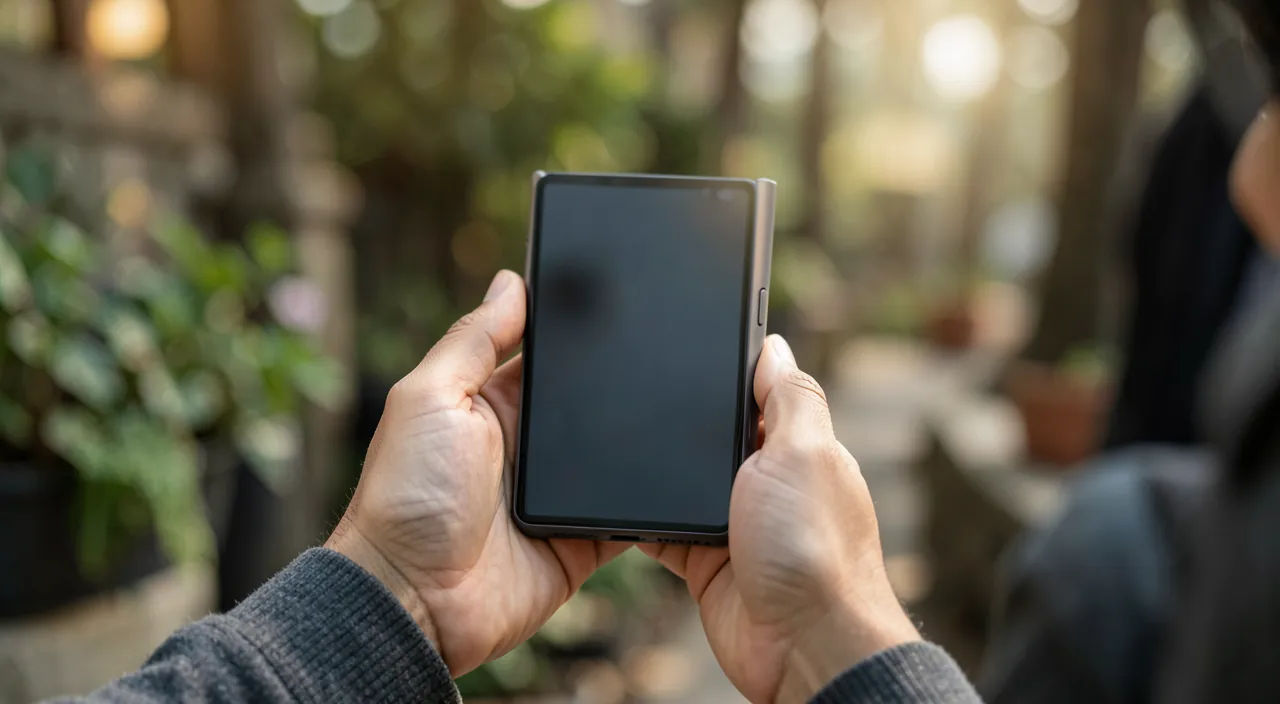
Gadget or future? The nuanced reality
So, foldable screens: expensive gadget or the future of the smartphone? The honest answer is NUANCED. The « future » arguments: this is a real innovation that meets an old desire (combining large screen and compactness); the technology is IMPROVING (foldables are more reliable and slightly more affordable than at their inception); for certain uses (portable large screen, multitasking, reading), the contribution is concrete; and the innovation could become more widespread over time. The « gadget » arguments (or at least, caution): the HIGH PRICE reserves them for a minority; questions of DURABILITY and longevity persist (hinge, flexible screen more fragile); for many, the real contribution does not justify the extra cost and compromises (a good classic smartphone does the job very well); and part of the appeal lies in the novelty effect. The NUANCED reality: foldables are neither a purely useless gadget (the innovation is real and useful to some), nor obviously « the future for everyone » (price, fragility, variable utility reserve them, for now, to those who truly benefit and can afford them); this is a YOUNG and promising technology that could mature. WHO is it for? Rather for: those who have a REAL use for the portable large screen (reading, video, work, multitasking on the go) and value it; technology enthusiasts who can afford it; those who are truly seduced by compactness (clamshell). Less for: those looking for the best value for money (a good classic smartphone is more affordable and proven); those who want maximum durability without compromises; those who have no concrete use for the foldable format. How to APPROACH the purchase: Evaluate your REAL NEED — would the foldable format really bring you something on a daily basis (portable large screen, compactness), or is it mostly the appeal of novelty? Weigh the PRICE and compromises — is the extra cost worth it for YOU? Are you ready for durability questions and compromises (weight, fold)? Gather information on DURABILITY — longevity, warranty, usage precautions (a foldable often requires more care than a classic phone). Don’t just give in to the « wow » effect — innovation fascinates, but a purchase is judged on real utility and budget, not just novelty. A few TIPS: try before buying if possible (see if the format really suits you); compare with a good classic smartphone (often more affordable and proven); and remember that technology evolves (waiting may bring more mature and less expensive models). In summary, foldable screens are an impressive innovation offering versatility (portable large screen) or compactness (clamshell), but with real limitations (high price, durability questions, variable utility). Neither a simple gadget, nor an obvious « future for everyone »: a young and promising technology, whose interest depends on YOUR uses and budget. Evaluate your real need, weigh the price and compromises, gather information on durability, and don’t just give in to the novelty effect.

The right reflex. Faced with the fascination for foldable screens, keep a cool head and evaluate your REAL NEED before any purchase: would the foldable format really bring you something on a daily basis, or is it mostly the appeal of novelty that attracts you? A « tablet » foldable makes sense if you have a concrete use for the portable large screen (reading, watching videos, working, multitasking on the go) and value it; a « clamshell » makes sense if compactness really appeals to you. But if you have no concrete use for this format, a good classic smartphone will do the job, for much less and in a more proven way. Exactly, weigh the PRICE and COMPROMISES: foldables are generally EXPENSIVE (often more than classic high-end smartphones), and they imply compromises — questions of DURABILITY and longevity (the hinge and flexible screen are more fragile and prone to wear than a classic screen), a sometimes visible FOLD mark, a weight or thickness sometimes greater. Is the extra cost and these compromises worth it for YOU? Gather information on durability, longevity, warranty, and usage precautions (a foldable often requires more care). If possible, TRY before buying to see if the format really suits you, and honestly compare with a good classic smartphone. Don’t just give in to the « wow » effect: innovation fascinates, but a purchase is judged on real utility and budget, not just novelty. Also remember that technology EVOLVES (it improves and becomes slightly more affordable): waiting may bring more mature, more reliable, and less expensive models. Foldable screens are neither a simple useless gadget, nor obviously « the future for everyone »: a young and promising technology, whose interest depends on your uses and budget. Evaluating your real need, weighing the price and compromises, gathering information on durability, and not giving in to the sole appeal of novelty: this is how you decide with discernment whether a foldable is for you.
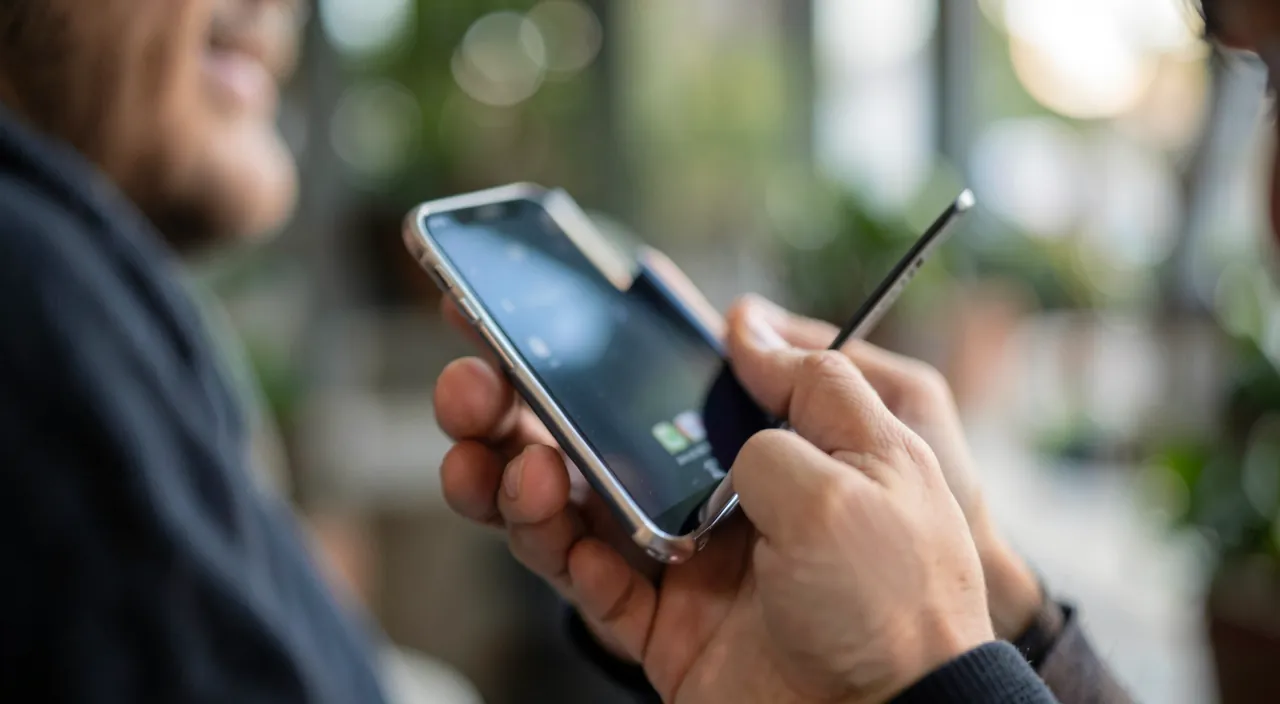
An innovation in its rightful place
Foldable screens perfectly illustrate the importance of judging an innovation in its RIGHTFUL place: recognizing the feat without being blinded by novelty or rejecting it on principle. A few guidelines. The REAL INNOVATION: making a screen that folds without breaking is a true technological feat; foldables meet an old desire (combining large screen and compactness); this is not nothing. The CURRENT LIMITS: high price, durability questions, variable utility; the technology is young and has not yet convinced everyone or for all uses. The ADEQUACY to the need: the key is to know if YOUR uses and budget match; useful and appealing to some, superfluous and expensive to others. REALISM against marketing: foldables are presented as « the future »; keep your distance, judge on real utility and value for money, not on hype. The EVOLUTION to follow: the technology is improving (more reliable, slightly more affordable); what is true today may change; waiting is often wise for a young technology (more mature models, lower prices). The PERSONAL CHOICE: there is no « right » universal answer; a foldable can be an excellent choice for those who benefit from it, a regrettable purchase for those who just follow the trend; each person decides according to their needs. The WISDOM of not rushing: for an expensive and young technology, it is reasonable not to be an « early adopter » at any cost; letting the technology mature and prices drop makes sense. In summary, foldable screens are an impressive innovation, offering versatility (portable large screen) or compactness (clamshell), which meets a real desire. But they have concrete limits: high price, durability and longevity questions, variable utility depending on uses. Between gadget and future, reality is NUANCED: neither a simple useless gadget (the innovation is real and useful to some), nor obviously « the future for everyone » (the limits reserve them, for now, to those who truly benefit and can afford them). This is a YOUNG and promising technology that could mature and become more widespread. To decide: evaluate your real need (does the foldable format really bring you something?), weigh the price and compromises, gather information on durability, and don’t give in to the sole novelty effect. Judge this innovation in its rightful place: an appealing feat, useful to some, expensive and perfectible for now. If the format really matches your uses and budget, a foldable can be an excellent choice; otherwise, a good classic smartphone remains perfectly relevant, and waiting for the technology to mature is a reasonable option. Each person finds their rightful answer, according to their real needs — not according to fascination or principle rejection.
Warning: high price, durability questions, and don’t give in to the sole novelty effect. Points to consider before being tempted. THE HIGH PRICE — foldable screens are generally EXPENSIVE, often more than classic high-end smartphones; this is a significant budget; ask yourself if the real contribution of the foldable format justifies this extra cost for YOU, or if a good classic smartphone (much cheaper) would do just as well according to your uses. DURABILITY QUESTIONS — a foldable includes a HINGE and a FLEXIBLE SCREEN, mechanical and flexible parts potentially more FRAGILE and prone to wear than a classic rigid screen; the first models had issues (hinges, screens), the technology has improved but durability remains a question; a foldable often requires more CARE (be careful with pressure, dust in the hinge, protections); gather information on durability, warranty, and precautions before buying. THE DECEPTIVE « WOW » EFFECT — the appeal of novelty and the futuristic side are appealing, but should not dictate an expensive purchase: a smartphone is judged on its REAL UTILITY on a daily basis and its value for money, not on the novelty effect; don’t pay dearly just to « have the latest innovation » if the format brings you nothing concrete. Other points: the sometimes visible FOLD mark on the screen, the sometimes greater WEIGHT or thickness, and the fact that the technology is YOUNG (waiting may bring more mature, more reliable, and less expensive models — being an « early adopter » of an expensive technology has a cost). Foldable screens are a real and appealing innovation, but neither a useless gadget, nor obviously « the future for everyone »: the key is REALISM. Honestly evaluate your need (does the foldable format really serve you?), weigh the high price and compromises (durability, weight, fold), and don’t give in to the sole appeal of novelty. For those who have a real use for the format and can afford it, a foldable can be an excellent choice; for others, a good classic smartphone remains relevant, and letting the technology mature is reasonable. Judge this innovation on its adequacy to YOUR needs and budget, not on fascination: this is how you avoid a costly and regrettable purchase.
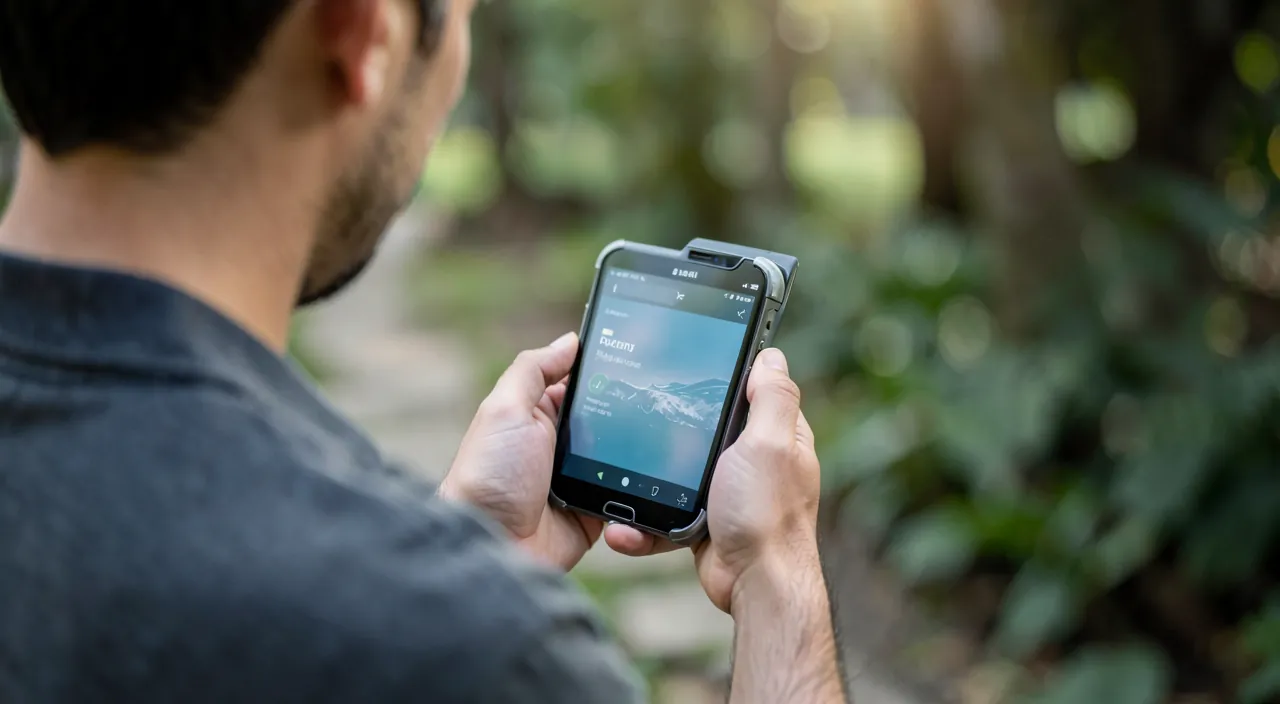
Frequent questions
What is a foldable screen, and what is it for?
It’s a device (mostly a smartphone) whose screen can FOLD, thanks to flexible display technology and a hinge. Two main formats. The models that unfold into a « large » screen: a phone that, when opened, becomes a small TABLET (large screen) and folds to fit in the pocket; the interest: to have a large screen when you want it (for reading, watching videos, working, multitasking), while keeping a transportable format. The « clamshell » models: a smartphone of normal size that folds in two to become very compact; the interest: a phone that takes up less space when folded. The advantages are therefore VERSATILITY (portable large screen) or COMPACTNESS, plus an innovative side. This is a real technological feat (a screen that folds without breaking). But with limits: high price, durability questions (hinge and flexible screen more fragile), and variable utility depending on uses. What it « serves » depends on YOU: if you have a real use for the portable large screen or compactness, it can be useful; otherwise, it’s mostly a novelty appeal that does not necessarily justify the extra cost. Evaluate your real need before deciding.
Are foldable screens fragile?
This is one of the real questions to consider. A foldable includes specific parts: a HINGE (mechanical) and a FLEXIBLE SCREEN (flexible), which are, by nature, potentially more fragile and more prone to wear than a classic rigid screen. The first models had durability issues (hinges, marked or damaged screens); the technology has IMPROVED since (recent models are more reliable), but the question of long-term durability remains, and a foldable often requires more CARE than a classic phone: be careful with pressure on the screen, dust or objects that could get into the hinge, and it’s better to protect it. Before buying, gather information on the durability of the model, its warranty, and the recommended usage precautions. This is not necessarily a dealbreaker (recent foldables hold up better), but it is a real compromise to weigh against a proven and robust classic screen. If you are careful and the format really brings you something, it may be worth it; if you are looking for maximum durability without compromises or special precautions, a classic smartphone remains safer from this point of view.
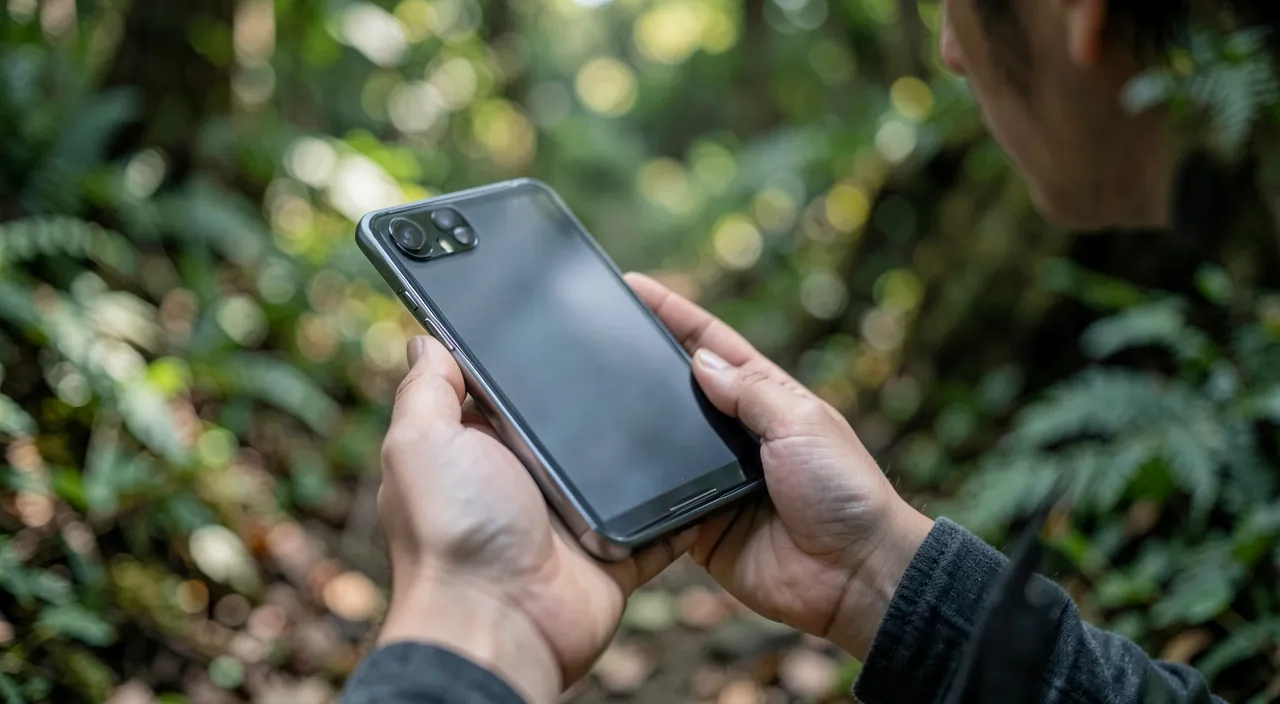
Should you buy a foldable phone now?
This depends on your uses, your budget, and your taste for novelty; there is no universal answer. A foldable can be a good choice NOW if: you have a REAL use for the format (portable large screen for reading, video, work, multitasking; or compactness of the clamshell), you truly value it, and you can afford the extra cost. It is more debatable if: you are looking for the best value for money (a good classic smartphone is more affordable and proven), you want maximum durability without compromises, or you have no concrete use for the format (the appeal of novelty alone does not justify an expensive purchase). A reason to WAIT: the technology is young and improving; waiting may bring more mature, more reliable, and less expensive models; being an « early adopter » of an expensive technology has a cost (in money and risk of fragility). The right reflex: honestly evaluate your real need, weigh the high price and compromises (durability, weight), try before buying if possible, compare with a good classic smartphone, and don’t just give in to the « wow » effect. If the format really matches your uses and budget, go for it; otherwise, a classic smartphone remains relevant, and waiting for the technology to mature is perfectly reasonable.
What to remember
Foldable screens (phones that unfold into a small TABLET, or « CLAMSHELLS » compacts) are an impressive technological innovation: making a screen that folds without breaking is a feat, which meets an old desire — combining large screen and compactness. Their ADVANTAGES: VERSATILITY (enjoying a portable large screen — reading, video, work, multitasking — while keeping a transportable format) or COMPACTNESS (a phone that takes up less space when folded), plus an innovative side. BUT they have real LIMITS: the HIGH PRICE (often more than classic high-end smartphones), questions of DURABILITY and longevity (hinge and flexible screen more fragile and prone to wear — they require more care; the technology is improving but the question remains), variable UTILITY depending on uses (is the concrete contribution worth the extra cost and compromises?), and compromises (sometimes visible fold, weight/thickness). So: gadget or future? Reality is NUANCED: neither a simple useless gadget (the innovation is real and useful to some), nor obviously « the future for everyone » (price, fragility, and variable utility reserve them, for now, to those who truly benefit and can afford them); this is a YOUNG and promising technology that could mature and become more widespread. FOR WHO? Rather for those who have a REAL use for the portable large screen or compactness and value it, and technology enthusiasts who can afford it; less for those looking for the best value for money (a good classic smartphone is more affordable and proven) or who have no concrete use for the format. To decide: evaluate your REAL NEED (does the foldable format really bring you something, or is it the appeal of novelty?), weigh the HIGH PRICE and compromises, gather information on DURABILITY, try before buying if possible, compare with a good classic smartphone, and don’t just give in to the « wow » effect (a purchase is judged on real utility and budget, not on novelty). Remember that technology EVOLVES: waiting may bring more mature, reliable, and affordable models. Judge this innovation in its rightful place: an appealing feat, useful to some, expensive and perfectible for now. If the format really matches your uses and budget, a foldable can be an excellent choice; otherwise, a good classic smartphone remains perfectly relevant, and letting the technology mature is a reasonable option. Each person finds their rightful answer, according to their real needs — neither blind fascination, nor principle rejection.
Want to understand and master the technologies that change your daily life? Our training courses will enlighten you.
Leave a Reply
You must be logged in to post a comment.