
How many people visit your site? Where do they come from? What pages do they view? What do they do? Your site’s statistics answer these questions—but facing the tables filled with numbers and technical terms, one quickly gets lost, and ends up never looking at them. Yet, understanding the essentials of your statistics helps improve your site and activities. Here’s how to read and understand your site’s statistics, without jargon, focusing on what truly matters—and respecting the privacy of your visitors.
What the statistics teach you
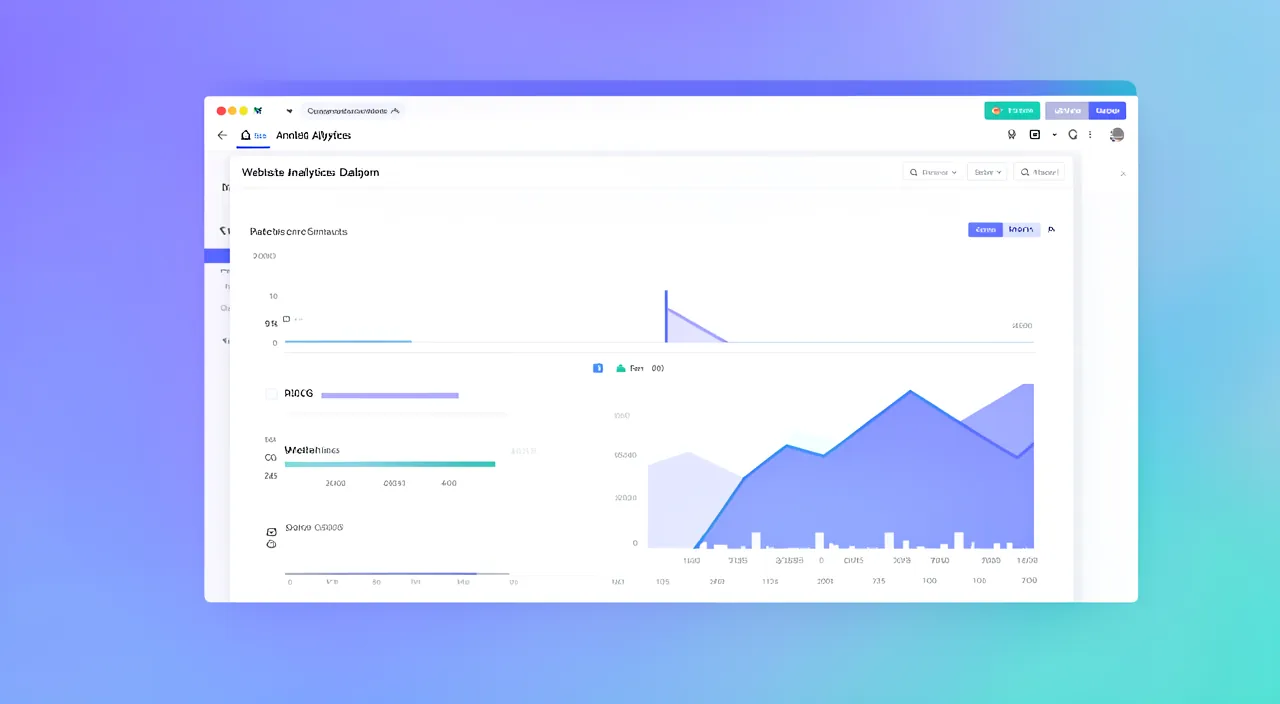
Statistics (or « analytics ») measure what happens on your site: who comes, where, what they look at, what they do. Properly understood, they are valuable because they replace ASSUMPTIONS with FACTS: instead of guessing what works, you KNOW. The ESSENTIAL INDICATORS to understand (without drowning in the dozens of metrics): the number of VISITORS and visits (how many people come—traffic frequency); traffic SOURCES (where your visitors come from: search engines, social networks, direct access, other sites—this tells you what brings the world to you); the most VIEWED PAGES (what interests your visitors, your working contents); the BEHAVIOR (how long they stay, if they leave quickly or explore, the path they follow); and if you have OBJECTIVES (contacts, sales, reservations), how many visitors achieve them (conversion). This information helps concretely: understanding what ATTRACTS (which sources, which contents), improving what WORKS LESS (a page that drives away, a path that jams), orienting your EFFORTS (invest where it works), and measuring the RESULTS (is your ranking improving? Has a change helped?—our beginner’s SEO guides, track your position on Google). You don’t need to understand everything or become an expert: a few key indicators (traffic, sources, popular pages, conversions) are enough to draw useful lessons. Statistics are not reserved for specialists: their value is to help you UNDERSTAND your site and your visitors, to improve it—not to be overwhelmed by numbers. Properly approached, they transform the management of your site: from blind intuition to decisions enlightened by what your visitors actually do.
Focus on the essentials, without drowning
The trap of statistics is to drown in the numbers: the dashboards are full of metrics, most of which are useless for you. The key is to focus on FEW indicators that count for YOUR activity. To do it well: identify your OBJECTIVES—what do you want visitors to do? (contact you, buy, reserve, read)—these determine the relevant indicators; follow a FEW KEY NUMBERS—traffic (is it increasing?), traffic sources (where does the world come from? this tells you where your visitors come from), popular pages (what works), and conversions if you have them (how many reach your objective)—look at TRENDS rather than raw numbers—a single number says little; its EVOLUTION says a lot (is traffic increasing? Has a change had an effect?); take ACTIONS—statistics only serve if they guide decisions (a page that drives away? improve it; a source that works? invest in it; a popular content? produce more). The important thing is to use statistics to TAKE ACTION, not just to look at numbers. A few TIPS: don’t obsess (checking your statistics every day is counterproductive; a regular look, weekly or monthly, is enough to see trends), keep some PERSPECTIVE (the quality of a contact is better than the number of visits), and prioritize the CONCRETE (what statistics teach you that is ACTIONABLE to improve your site and your activity). An important point: website statistics touch the PRIVACY of your visitors (they collect data on their navigation); their use is REGULATED (GDPR, consent to audience measurement cookies according to the tools—our guides on compliant websites)—respect these rules, choose tools respectful of privacy when possible, and collect only what is useful and legal. In summary, understanding the statistics of your site is valuable: they replace assumptions with facts (who comes, where, what they look at, what they do), to improve your site and your activity. You don’t need to understand everything: focus on a few key indicators (traffic, sources, popular pages, conversions), look at trends rather than raw numbers, and take ACTIONS (improve, invest, adjust). Don’t drown in metrics, don’t obsess (a regular look is enough), keep some perspective (quality is better than quantity), and respect the privacy of your visitors (statistics are regulated: GDPR, consent, tools respectful of privacy). Properly handled, statistics transform the management of your site: from blind intuition to decisions enlightened by what your visitors actually do—an invaluable tool to progress your site and your activity, provided you put it to the service of action and handle it with discernment.
Web statistics show you who visits your site, where they come from, and what they do. The key is to focus on a few important numbers—like traffic, sources, and popular pages—rather than getting lost in all the data. Use these numbers to make decisions, like improving pages that don’t work or investing in what attracts visitors. Also, remember to check your stats regularly but not too often, and always respect your visitors’ privacy.
Imagine you run a small online store. Your statistics show that most visitors come from Instagram, but very few make purchases. This tells you that while Instagram brings traffic, it might not be the best source for sales. You could then focus on improving your product pages or trying a different marketing strategy to turn those visitors into customers.

The right reflex. Focus on FEW key indicators linked to your OBJECTIVES, and look at TRENDS rather than raw numbers. Don’t drown in the dozens of metrics in the dashboards (most are useless for you): first ask yourself what you want visitors to do (contact you, buy, reserve, read), then follow only the numbers that matter for that—traffic (is it increasing?), traffic sources (where does the world come from? this tells you where your visitors come from), popular pages (what interests), and conversions if you have them (how many reach your objective). Most importantly, look at the EVOLUTION over time, not the isolated number: a single number of visits says little; knowing if it’s going up or down, or if a change had an effect, says a lot. And take ACTIONS: statistics only serve if they guide decisions (a page that drives away? improve it; a source that works? invest in it; a popular content? produce more). Don’t obsess (a weekly or monthly look is enough; checking every day is counterproductive), and keep some perspective (the quality of a contact is better than the number of visits). Finally, respect the privacy of your visitors: statistics are regulated (GDPR, consent to audience measurement cookies), prefer tools respectful of privacy (our guides on compliant websites). A few key indicators, followed in trends and turned into actions: this is how statistics really help improve your site without drowning you.
From numbers to the service of your activity
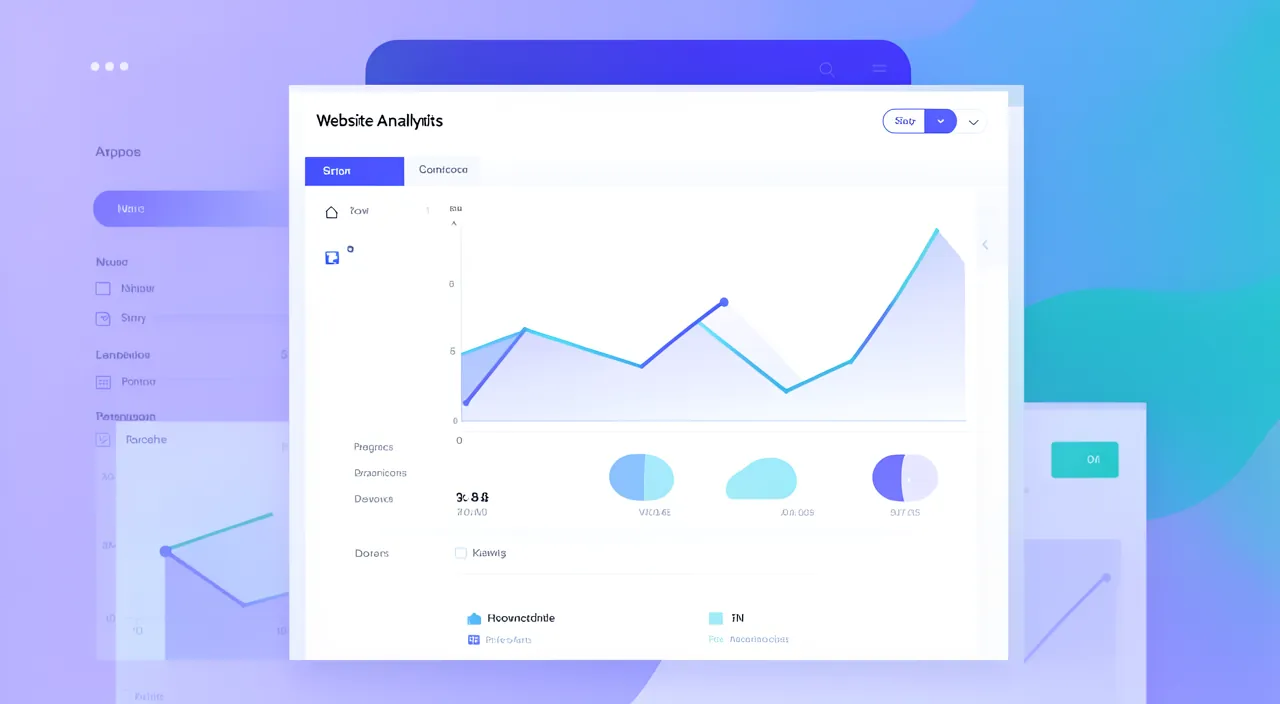
Statistics are an asset only if they SERVE your activity, not if they become an obsession or an accumulation of numbers without follow-up. Keep these references. ACTIONABILITY: each useful statistic must guide a decision (otherwise, it serves no purpose); always ask « what does this teach me that is useful? » MODERATION: don’t compulsively check your statistics (it creates stress without value); a regular and calm follow-up (weekly, monthly) is enough to see trends. PERSPECTIVE: numbers don’t say everything—a site with few visits but quality contacts may be more effective than a site with high traffic without conversion; look at what counts for YOUR activity (concrete results, not just visits). PRIVACY (important point): statistics collect data on your visitors; their use is regulated (GDPR, consent to audience measurement cookies according to the tools); respect these rules, choose if possible tools respectful of privacy (some measure audience without individually tracking visitors), and collect only what is useful and legal (our guides on compliant websites, privacy). CONTINUOUS IMPROVEMENT: statistics help improve your site progressively (see what works, correct what jams, measure the effect of changes—our guides on SEO for beginners, update your site); it’s a tool of management, to be used over time. In summary, understanding the statistics of your site is useful and accessible: they replace assumptions with facts (who comes, where, what they look at, what they do) to improve your site and your activity. You don’t need to be an expert or understand everything: focus on a few key indicators (traffic, sources, popular pages, conversions) linked to your objectives; look at TRENDS rather than raw numbers; and especially take ACTIONS (improve, invest, adjust). Don’t drown in metrics, don’t obsess (a regular look is enough), keep some perspective (quality is better than quantity), and respect the privacy of your visitors (statistics are regulated: GDPR, consent, tools respectful of privacy). Properly handled, statistics transform the management of your site: from blind intuition to decisions enlightened by what your visitors actually do—an invaluable tool to progress your site and your activity, provided you put it to the service of action and handle it with discernment.
Be careful: respect the privacy of your visitors, don’t obsess, and keep some perspective. Three points: PRIVACY (important) — website statistics collect data on the navigation of your visitors; their use is REGULATED (GDPR, consent to audience measurement cookies according to the tools): respect these rules, choose if possible tools respectful of privacy (some measure audience without individually tracking visitors), and collect only what is useful and legal (our guides on compliant websites, privacy); excessive or non-compliant collection exposes you to sanctions and betrays your visitors. OBSESSION — don’t compulsively check your statistics (daily): it creates stress without value, as trends are seen over time, not day by day; a regular and calm follow-up (weekly or monthly) is enough. LACK OF PERSPECTIVE — numbers don’t say everything: high traffic without conversion is worth less than modest but qualified traffic (quality contacts); don’t focus on the number of visits at the expense of the concrete results that count for your activity. Also avoid drowning in the DOZENS of metrics (most are useless for you): focus on a few key indicators linked to your objectives. Statistics are a valuable tool of improvement, provided they are used to TAKE ACTION (guide decisions), with MODERATION and PERSPECTIVE, and in respect of the privacy of your visitors. Accumulated numbers without follow-up, obsessive monitoring, or non-compliant collection miss the point: put statistics to the service of action and respect, not anxiety or neglected compliance.
Frequently asked questions
What do my site’s statistics serve?
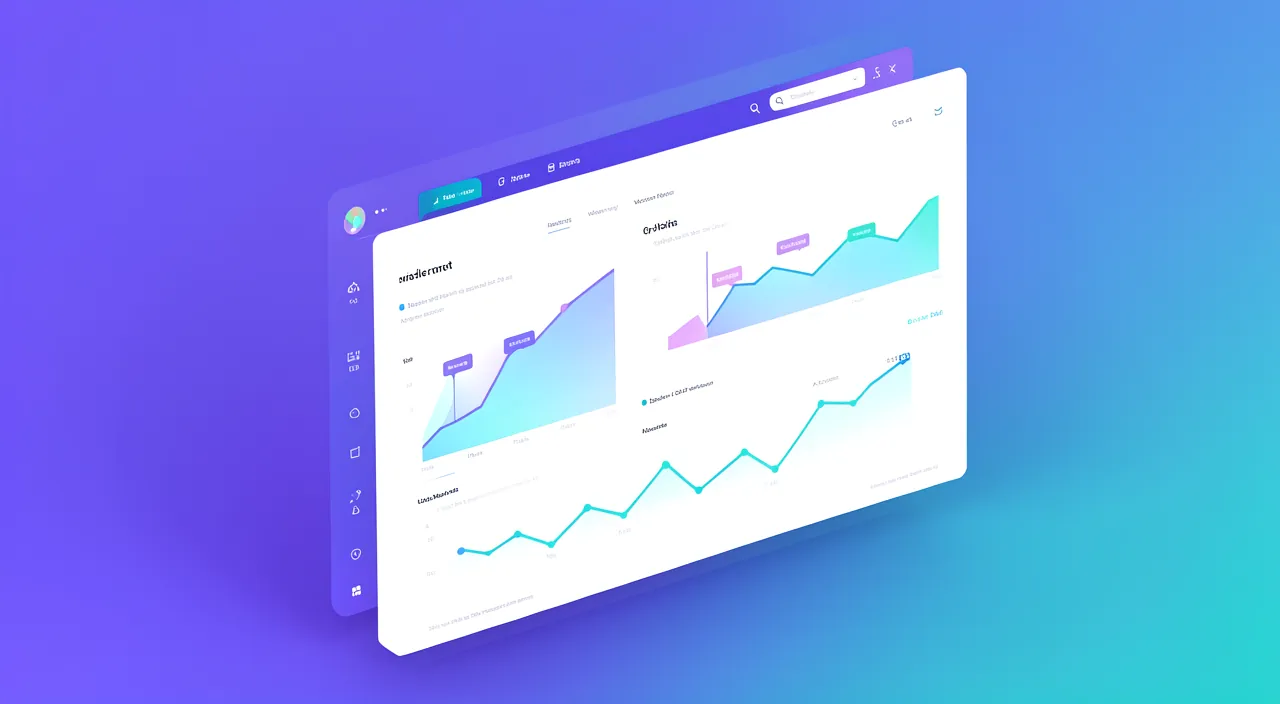
They replace ASSUMPTIONS with FACTS: instead of guessing what works, you know who visits your site, where (search engines, social networks, direct access), what they look at (your popular pages), what they do (how long, what path), and if they achieve your objectives (contacts, sales). This helps concretely: understanding what attracts, improving what works less, orienting your efforts towards what works, and measuring the results (is your ranking improving? Has a change helped?). You don’t need to understand everything: a few key indicators (traffic, sources, popular pages, conversions) are enough to draw useful lessons. Statistics transform the management of your site: from blind intuition to decisions enlightened by what your visitors actually do—an invaluable tool to improve your site and activity.
How to avoid drowning in statistics?
Focus on FEW key indicators linked to your OBJECTIVES, and ignore the rest. Dashboards are full of metrics, most of which are useless for you: ask yourself what you want visitors to do (contact you, buy…), and follow only the relevant numbers for that—traffic, traffic sources, popular pages, conversions. Look at TRENDS (evolution over time) rather than raw numbers, and take ACTIONS (statistics only serve if they guide decisions). Don’t obsess: a regular look (weekly or monthly) is enough; checking every day is counterproductive. A few key indicators, followed in trends and turned into actions: this is how you make the most of statistics without drowning or stressing out.
Do statistics respect the privacy of visitors?
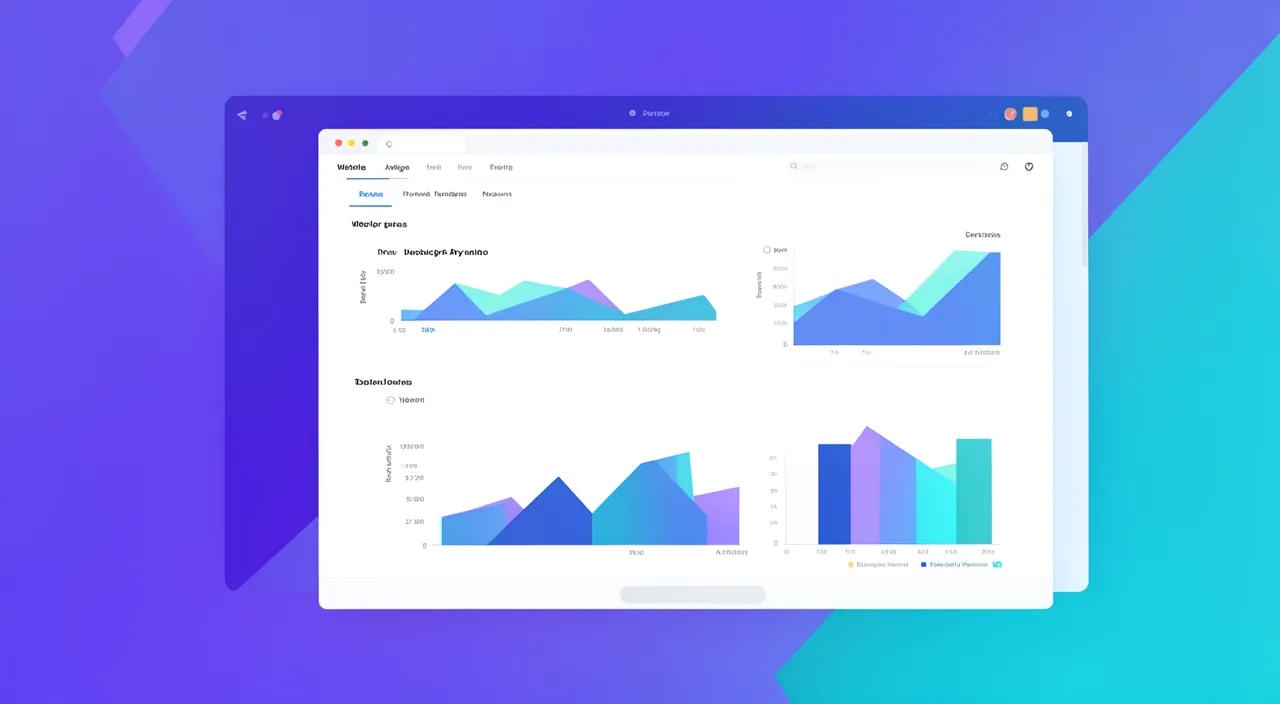
It depends on the tools, and it’s an important point: website statistics collect data on the navigation of your visitors, and their use is REGULATED (GDPR, consent to audience measurement cookies according to the tools). You must respect these rules: inform, obtain consent when required, collect only what is useful and legal (our guides on compliant websites, privacy). Prefer if possible tools of statistics respectful of privacy: some measure audience without individually tracking visitors, which simplifies compliance and respects your visitors. Do not put in place an excessive or non-compliant collection: it exposes you to sanctions and betrays trust. Useful and respectful statistics are possible: choose the right tools and respect the rules.
What to remember
Understanding the statistics of your site is useful and accessible: they replace ASSUMPTIONS with FACTS (who comes, where, what they look at, what they do), to improve your site and activity—from blind intuition to enlightened decisions. You don’t need to be an expert or understand everything: focus on FEW key indicators linked to your OBJECTIVES—traffic (is it increasing?), traffic sources (where does the world come from?), popular pages (what works), and conversions if you have them (how many reach your objective). Look at TRENDS (evolution) rather than raw numbers (a single number says little, its evolution says a lot), and especially take ACTIONS (improve what jams, invest in what works, produce more of what pleases). Don’t drown in the dozens of metrics (most are useless), don’t obsess (a regular look—weekly or monthly—is enough), and keep some perspective (quality is better than quantity, numbers don’t say everything). An important point: respect the PRIVACY of your visitors—statistics collect data, their use is regulated (GDPR, consent to cookies); prefer tools respectful of privacy (some measure without individually tracking visitors) and collect only what is useful and legal. Statistics are a tool of continuous improvement, to be used over time: they help see what works, correct what jams, measure the effect of changes. Properly handled—few key indicators, followed in trends, transformed into actions, with moderation, perspective, and respect for privacy—they transform the management of your site into decisions enlightened by what your visitors actually do.
Your online presence deserves a real website: storefront, shop, SEO—let us create the site that matches you.
Leave a Reply
You must be logged in to post a comment.