
Your photos « in the cloud, » your emails, your streaming videos, your searches, the AI you use: all of this does not float in an « invisible cloud. » Behind these reassuring words are real buildings: data centers (data centers), vast warehouses filled with computers running day and night somewhere on the planet. Where do your data really live? What are these installations that power our entire digital world? And what real issues—energy, sovereignty, privacy—do they raise? Here is an overview of the little-known but fundamental world of data centers.
The « cloud » is very real: what are data centers
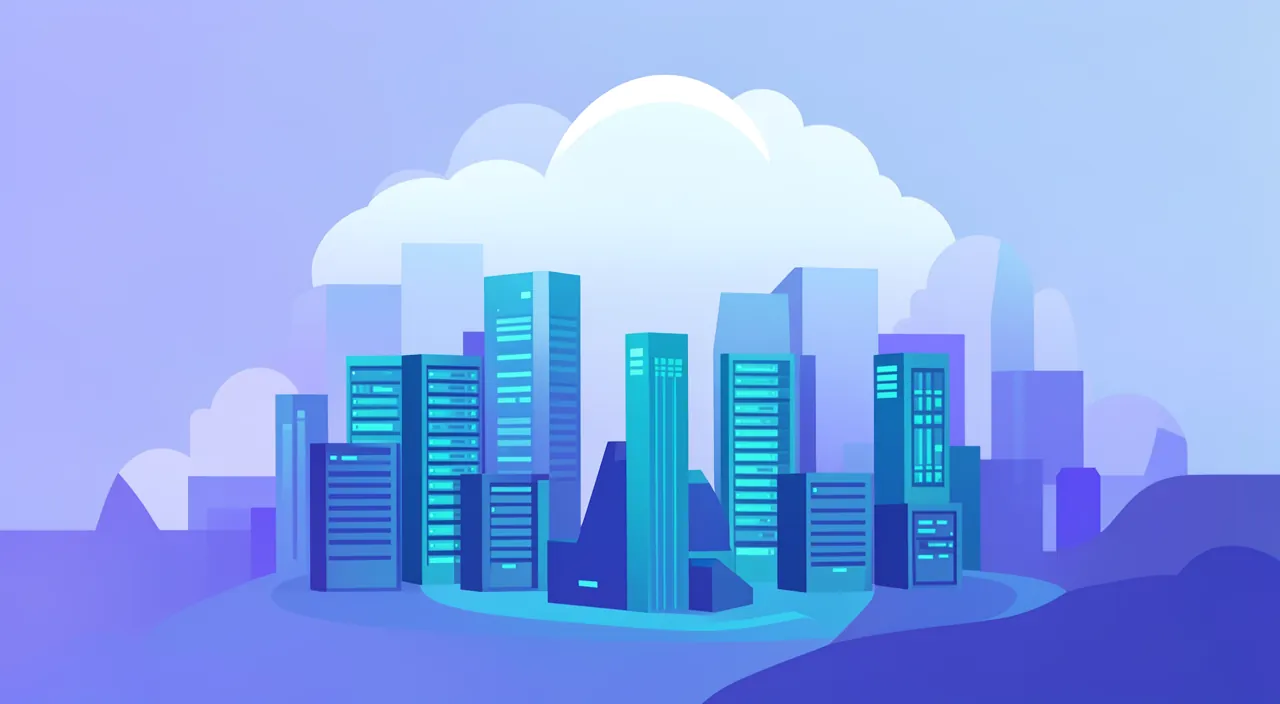
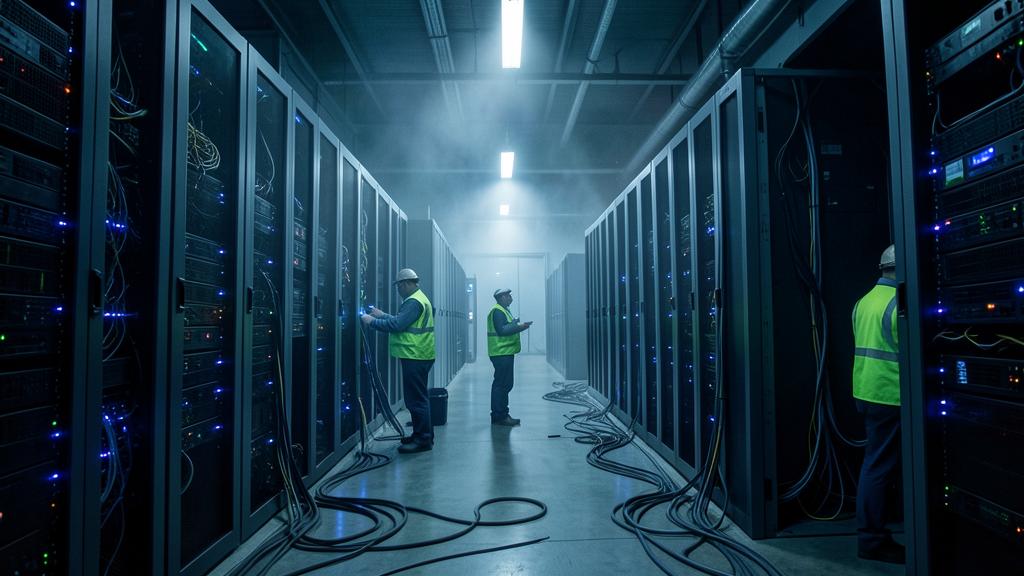
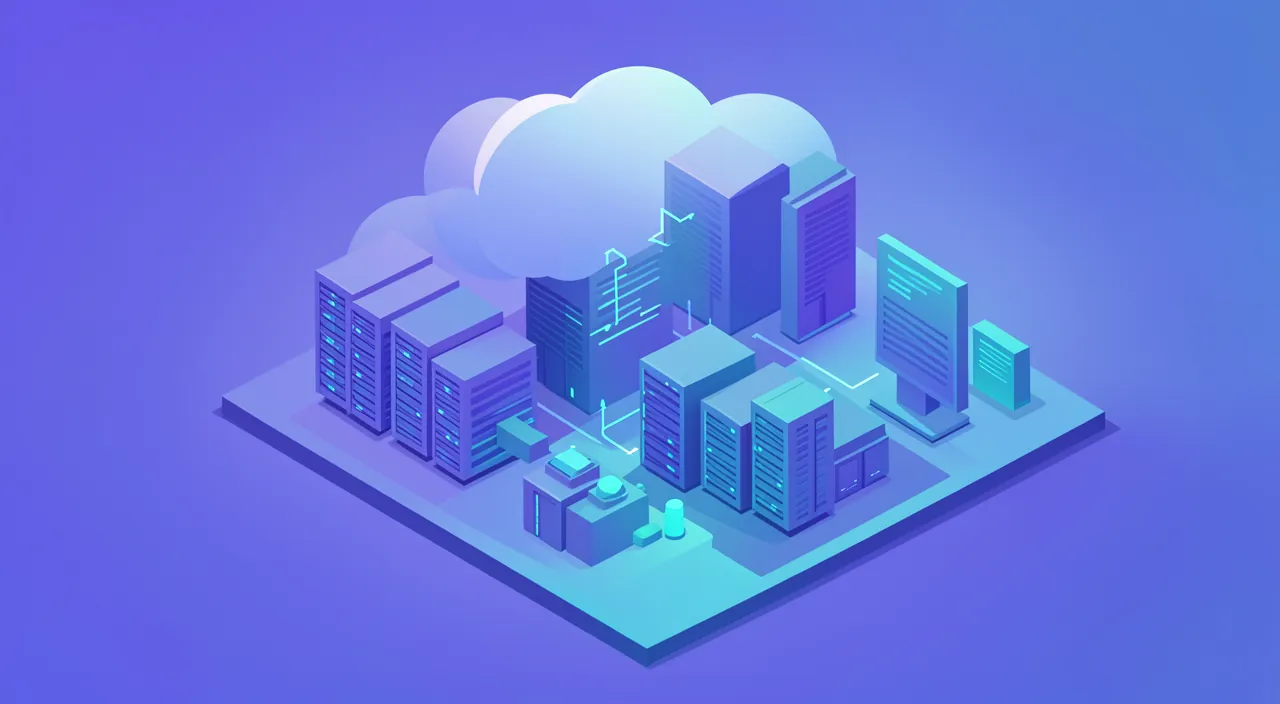
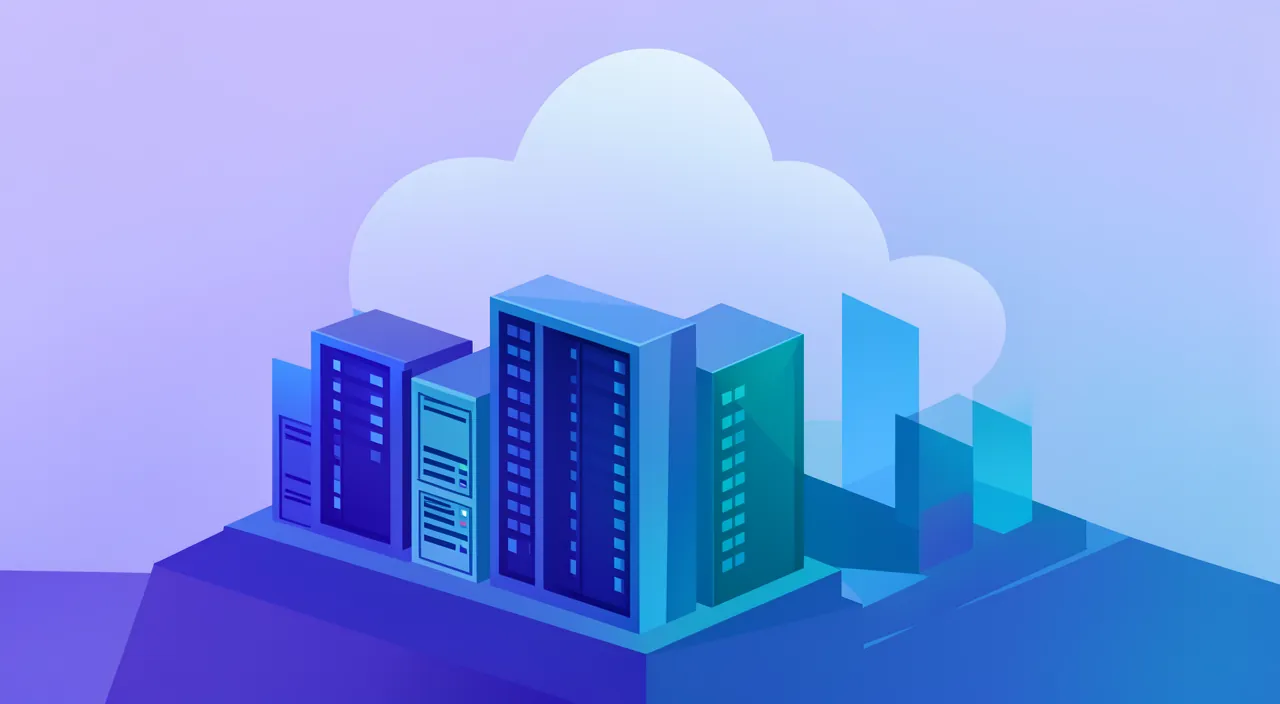
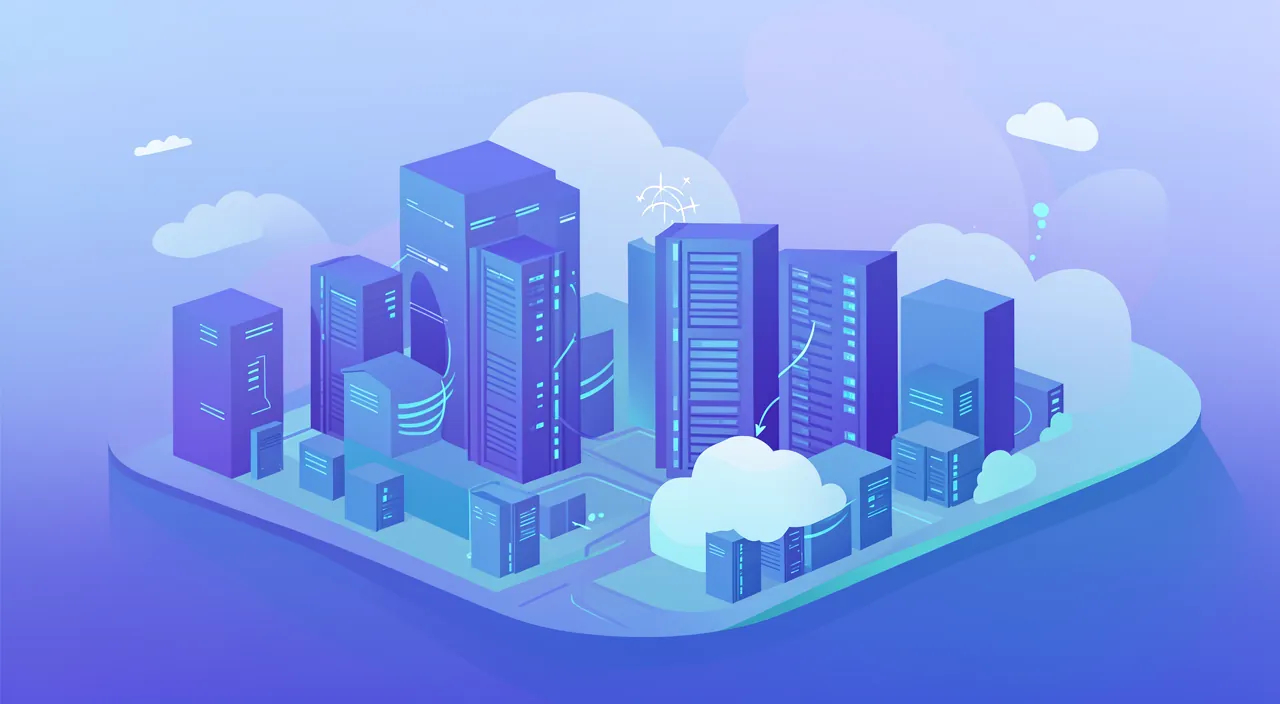
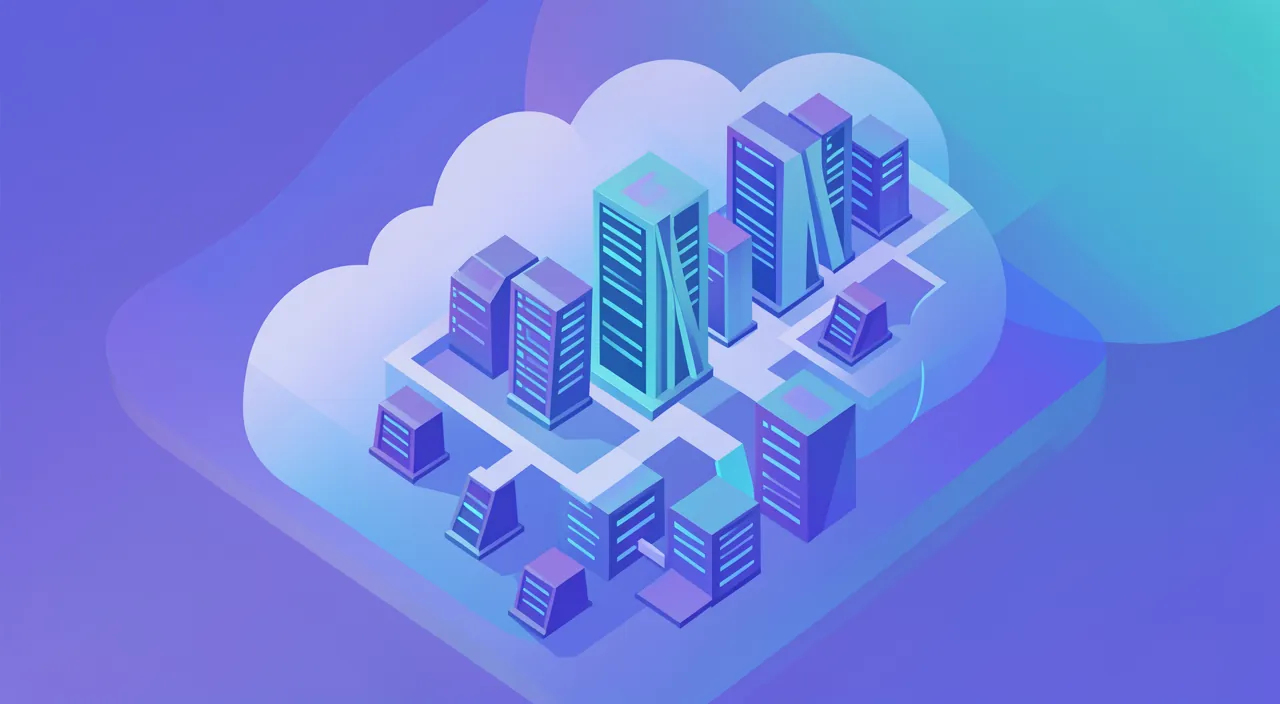
Let’s start by demystifying the « cloud » (the « cloud »): this poetic term hides a very tangible reality. When you store a photo « in the cloud, » it is actually recorded on disks in a physical building: a data center. These data centers are immense installations—sometimes hangars as large as several football fields—filled with thousands of COMPUTERS (servers) that store data and run online services 24/7, 7 days a week. Our entire digital world relies on them: file and photo storage, emails, social networks, video and music streaming, websites, online services, and increasingly artificial intelligence (whose training and operation require enormous computing power, thus data centers). These installations require a significant amount of energy—to run the servers, but also to cool them (thousands of computers produce a lot of heat, which must be constantly evacuated). They are distributed worldwide, often in locations chosen for practical reasons (climate, energy costs, network connections, regulations). Understanding that the « cloud » is actually a set of real physical buildings, consuming energy and located somewhere, is the first step to grasping the issues they raise. Far from being intangible, our digital world has a massive physical infrastructure, largely invisible to the user, but absolutely fundamental: without data centers, there is no cloud, no streaming, no AI, no internet as we know it.
The “cloud” isn’t magic—it’s just a bunch of giant buildings full of computers. These buildings use a lot of electricity to keep everything running and cool. When you use the internet, you’re actually using these real places, not some invisible space.
A big data center like the one in Iowa, USA, can use as much electricity as 180,000 homes. That’s enough to power a small city! And it’s all just to keep your photos, videos, and AI services running.
The main issues: energy, sovereignty, privacy
Data centers raise several important issues: ENERGY and ENVIRONMENT—this is the most discussed issue: these installations consume enormous amounts of electricity (to operate and cool), and their number is growing, especially with the rise of AI; their environmental footprint (electricity, water for cooling, materials) is a real issue, even if efforts are made to make them more efficient and powered by renewable energy (our guides reduce your digital footprint: our digital uses have a real energy cost, often invisible). SOVEREIGNTY—where are your data physically stored? Many data centers belong to large companies and are located in various countries, sometimes outside the European Union, under other legal regimes; this raises questions of DIGITAL SOVEREIGNTY—the dependence on foreign infrastructure, and the fact that data can be subject to the laws of the country where they are stored (our guides digital sovereignty, rights over your data). PRIVACY and SECURITY—your data live on servers managed by companies: their confidentiality and security depend on these managers and the location; understanding that your « cloud » data are actually somewhere, with someone, helps better grasp privacy issues (our guides privacy, use AI without sacrificing your privacy). CONCENTRATION—a large part of the global infrastructure is in the hands of a few major players, raising questions of dependence and resilience. These issues—energy, sovereignty, privacy, concentration—make data centers an important societal issue beyond their technical aspect. They touch on our collective dependence on the digital world, its environmental cost, and the control of our data: questions that go beyond the individual and also involve political and societal choices.
The right reflex. Be aware that the « cloud » is very REAL and has a COST: each stored photo, each streaming video, each request to an AI involves physical buildings that consume energy somewhere. This awareness is not to guilt-trip you, but to enlighten your choices: it helps understand that our digital uses have a real environmental impact (often invisible), and invites simple acts of sobriety (not accumulating indefinitely useless files in the cloud, sorting, being aware of your streaming consumption—our guides reduce your digital footprint). It also illuminates your privacy choices: your « cloud » data are actually somewhere, with someone, sometimes outside Europe under other laws; this can guide your choice of services (prefer actors and a location that suit you for sensitive data—our guides privacy, digital sovereignty). Understanding where your data really live, is to regain some awareness and control over a digital world that we think intangible but is based on a massive physical infrastructure. The cloud has an address, an energy bill, and a owner: knowing this changes the way you look at your uses.
Understanding to better grasp the digital world
Beyond curiosity, understanding data centers helps better grasp our digital world and its issues. It illuminates our DEPENDENCE: our digital life (work, communication, leisure, essential services) entirely relies on this physical infrastructure; a major data center outage can disrupt entire services (this happens occasionally); this dependence, largely invisible, is a reality of our societies. It illuminates the ENERGY ISSUE of the digital world: at a time when energy and environmental sobriety are crucial, the growing footprint of data centers (accentuated by AI) is a real issue, inviting both industrial efficiency efforts and user awareness of their uses (our guides reduce your digital footprint). It illuminates questions of SOVEREIGNTY and data control: who owns and manages the infrastructure hosting our digital lives? Where are our data and under what laws? (our guides digital sovereignty). And it invites a more CONSCIOUS use of the digital world: without renouncing the valuable services it offers, one can have acts of sobriety (not accumulating the unnecessary) and informed choices (services, data location for sensitive data). It is not about demonizing data centers—they are the indispensable infrastructure of our digital world, with immense benefits—but to understand that the digital world rests on a massive physical infrastructure with real issues. Also be aware of the DEPENDENCE: a large part of this infrastructure is concentrated in a few players, and a major outage can disrupt entire services. Understanding where your data really live, is to regain some awareness and control over a digital world that we wrongly think intangible: a valuable knowledge for more conscious uses and informed choices, at the individual and societal level on our digital future.
Caution: your data « in the cloud » are very real, located somewhere, and managed by someone. The word « cloud » is misleading: your data do not float in an intangible space, they live on physical servers in physical buildings (data centers), consuming energy, located somewhere in the world—sometimes outside the European Union, under other legal regimes—and managed by companies. Two implications to keep in mind: PRIVACY and SOVEREIGNTY—your data are subject to security, practices, and sometimes the laws of the manager and the storage country (our guides privacy, digital sovereignty, rights over your data). For sensitive data, this can guide your choice of services and location. Understanding where your data really live helps make more informed choices about what you entrust to the « cloud » and to whom. Knowing the cloud has an address, an energy bill, and an owner, changes the way you look at your uses.
Frequently asked questions
What is a data center and what does it do?
A data center (data center) is a vast building—sometimes as large as several football fields—filled with thousands of computers (servers) that store data and run online services 24/7. This is the physical reality behind the « cloud »: your photos « in the cloud, » your emails, streaming, social networks, websites, and increasingly AI all rely on these installations. They consume a lot of energy (to operate and cool) and are distributed worldwide. Without data centers, there is no cloud, no streaming, no internet as we know it: our digital world, which we think intangible, actually relies on this massive and largely invisible physical infrastructure.
Where are my data « in the cloud » stored?
On physical servers in data centers, located somewhere in the world—often managed by large companies, sometimes outside the European Union, under other legal regimes. The « cloud » is not intangible: your data are real, in a building, with someone. This has implications for privacy and sovereignty: your data are subject to security, practices, and sometimes the laws of the manager and the storage country (our guides digital sovereignty, privacy). For sensitive data, this can guide your choice of services and location. Understanding where your data really live helps make more informed choices about what you entrust to the « cloud » and to whom.
Are data centers an environmental problem?
They have a REAL environmental footprint: they consume enormous amounts of electricity (to operate and cool) and water for some cooling systems, and their number is growing, especially with the rise of very energy-intensive AI. This is a serious issue, even if efforts are made to make them more efficient and powered by renewable energy. Our digital uses have a real energy cost, often invisible. Without guilt-tripping or renouncing the valuable services of the digital world, being aware of this invites simple acts of sobriety (not accumulating indefinitely useless files, sorting, being aware of your consumption—our guides reduce your digital footprint). The issue also involves industrial and societal choices on the efficiency and energy of this infrastructure.
What to remember
The « cloud » is not intangible: your data live in DATA CENTERS, vast physical buildings filled with thousands of servers that store data and run online services 24/7, consuming a lot of energy (operation and cooling), located somewhere in the world and managed by companies. These installations run our entire digital world: storage, emails, social networks, streaming, websites, and increasingly AI (very energy-intensive). They raise real issues: ENERGY and environmental (growing consumption, invisible but real footprint—where simple acts of sobriety are important), SOVEREIGNTY (where are your data, under what laws, our dependence on sometimes foreign infrastructure), PRIVACY (your data are with someone, somewhere), and CONCENTRATION (infrastructure in the hands of a few players). Understanding that the cloud has an address, an energy bill, and an owner illuminates our choices: more conscious uses (sobriety, sorting), privacy choices (services, location for sensitive data), and understanding our collective dependence on the digital world. It is not about demonizing data centers—indispensable and beneficial infrastructure—but to understand them to better grasp their issues. Knowing where your data really live, is to regain some awareness and control over a digital world that we wrongly think intangible: valuable knowledge at the individual and societal level on our digital future.
Want to understand and master the technologies that change your daily life? Our training programs will enlighten you.
Leave a Reply
You must be logged in to post a comment.