
Walking is the simplest, most accessible, and one of the most beneficial physical activities for health: no equipment, no room, no special skill required. Yet, we often walk less than we think, sucked into the sedentary daily life. Walking apps and activity trackers can help you move more: count your steps, set goals, motivate, transform walking into a habit. Here’s how these apps can help you walk more every day, what they really bring, and how to use them with the right mindset.
Why walking, and how apps motivate
Walking is a treasure of simplicity: good for the heart, mood, weight, sleep, accessible to almost everyone, free, and integrable into daily life (moving around, taking a short active break). The problem is not knowing how to walk, but doing it enough in a sedentary lifestyle (commuting, sitting at work, screens). That’s where the apps help, by playing on MOTIVATION and awareness: they COUNT your steps and activity (often revealing: we walk less than we think), allow you to set GOALS (a daily step count, a distance) and track your progress, bring a FUN and motivating dimension (series, badges, challenges, comparison with yourself or others), and give you FEEDBACK on your efforts (graphs, trends) that encourage you to keep going. The most powerful effect is often the simple AWARENESS: seeing your step count encourages you to move more (take the stairs, walk a few extra steps, a short walk). The apps transform a vague intention (« I should walk more ») into a concrete and trackable goal: they make progress VISIBLE and therefore motivating. They don’t do the walking for you, but they create the spark and habit: the small satisfaction of meeting your daily step goal, day after day, anchors the habit of moving. For many, it’s the little push that turns sedentary behavior into regular activity — without superhuman effort, just a few extra steps each day, encouraged and tracked.
Walking apps help you move more by showing you how much you walk (often less than you think). They set goals, track progress, and make walking fun. The key is seeing your steps, which pushes you to move a little more each day without stress.
A 30-year-old office worker uses a walking app and discovers they only take 3,000 steps a day. They set a goal of 5,000 steps and add small walks: taking the stairs, walking during calls, and a 10-minute evening stroll. In a month, they reach 7,000 steps daily, feeling more energized and less sluggish.
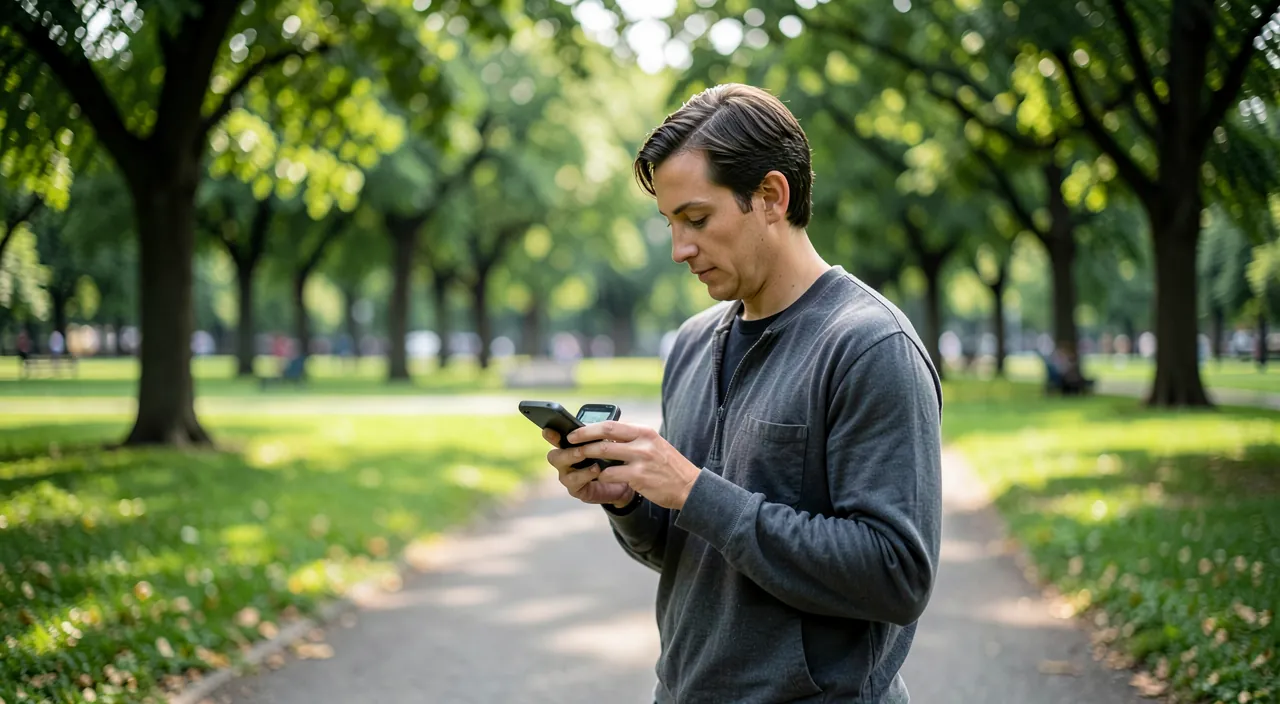
How to use a walking app effectively
To get the most out of these apps: USE what you already have — your phone probably counts your steps via an integrated health/fitness app (no need to install anything to start); a smartwatch can refine the tracking if you have one (our guides on starting with your smartwatch for health aspects); SET a realistic and progressive goal — there’s no need to aim for a huge number from the start; start from your current level and gradually increase (a reachable goal motivates; an unrealistic goal demotivates); INTEGRATE walking into your daily routine — rather than relying on long walks, add steps throughout the day (stairs, get off one stop earlier, walk while on the phone, a walk after dinner); USE motivation without obsession — goals and challenges motivate, but they shouldn’t become a source of stress or guilt; FIND pleasure — walking to music, podcasts (our guides on reading more with audiobooks), with someone, or in beautiful places makes the habit enjoyable and lasting; and CELEBRATE your progress — regularity counts more than performance. On the PRACTICAL side: step counting apps are often free (the built-in functions are sufficient for most needs); be wary of subscriptions for coaching functions you won’t use (our guides on cleaning up subscriptions); and be careful with health data, which is sensitive: an app that tracks your activity collects personal information (your movements, your health); check what it does with this data and prefer apps that respect your privacy or the built-in functions of your device (our guides on privacy, health data). The key principle: start simple (the tool already on your phone), set a realistic goal, integrate walking into your daily routine, and let the app’s motivation help you form the habit — without making the tracking a constraint or source of stress. The app is a tool for your well-being: it should encourage you to move with pleasure, not put pressure on you.
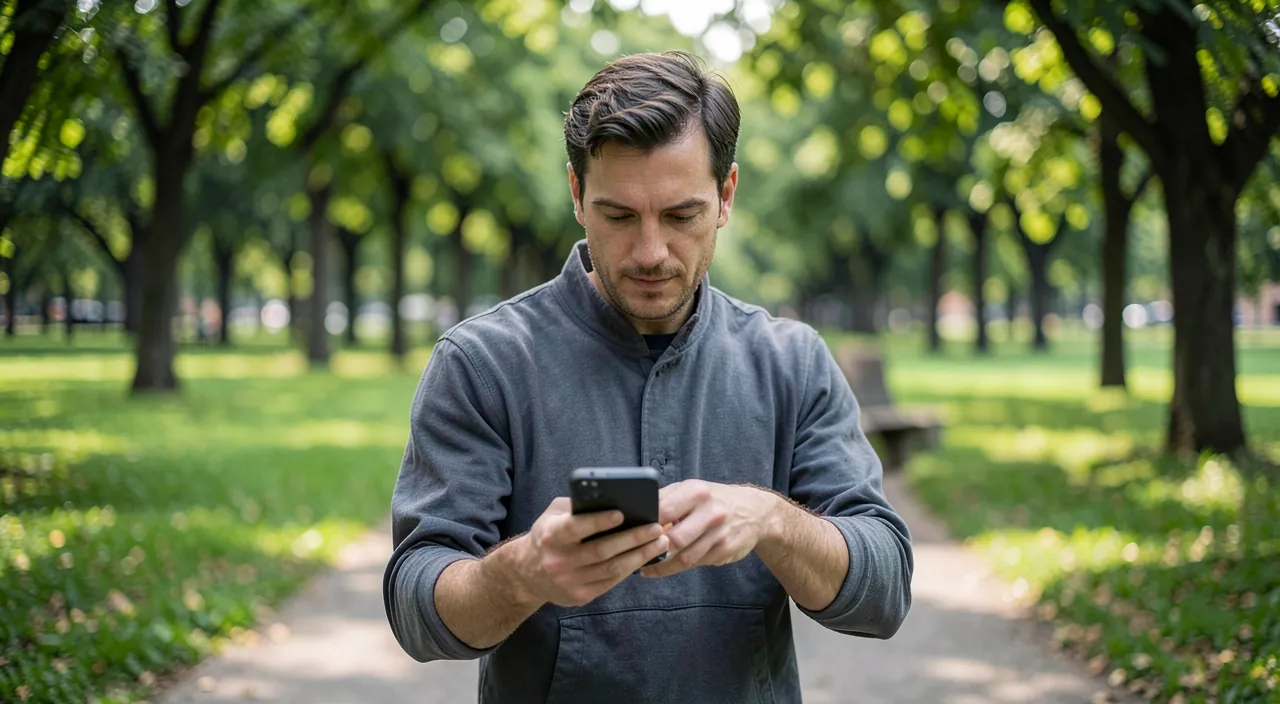
THE RIGHT REACTION. Start by being AWARE of your current level before setting goals: your phone probably already counts your steps (via its integrated health app — no need to install anything). Look at how much you walk right now: it’s often a revelation (we generally walk less than we think). Then set a REALISTIC and progressive goal, starting from YOUR current level rather than a theoretical number: if you take few steps, aim a bit more, and increase gradually. A reachable goal motivates and anchors the habit; an unrealistic goal demotivates. Most importantly, integrate walking into your DAILY routine in small steps — take the stairs, get off one stop earlier, a walk after dinner, walking while on the phone — rather than relying on long walks that are hard to fit in. These extra steps each day, encouraged by the app’s tracking, accumulate and transform your activity in a lasting way. Walking is the most accessible activity: the app just makes visible and motivating this daily effort, which, repeated, makes a real difference for your health and mood.
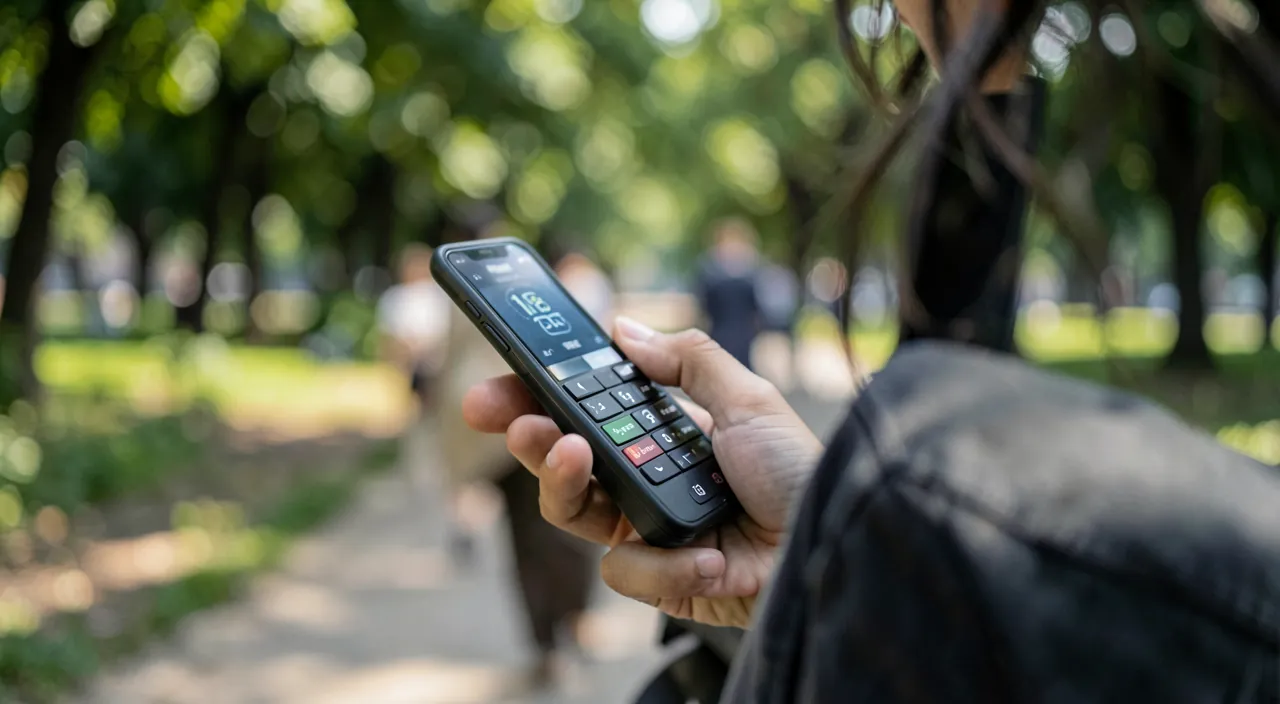
The right mindset and limits
To help you use the app effectively over the long term, keep the RIGHT mindset: the goal is WELL-BEING and the pleasure of moving, not performance or chasing numbers. Be careful not to let the tracking become a source of OBSESSION or guilt: if you don’t meet your goal one day, it’s not a big deal; regularity over time counts more than a perfect daily number. Some people develop an anxious relationship with activity numbers: keep some distance, the app is a MOTIVATION tool, not a judge. A few common sense and HEALTH points: listen to your BODY (walking is gentle, but adapt to your condition; if you have a health issue, consult a professional before intensifying); standard step goals are references, not absolute rules (what matters is moving MORE than before, at your level); tracking apps are not medical devices: their measurements are indicative, and for any health question, a professional remains the reference (our guides on health data). A word on CONFIDENTIALITY: your activity and location data are personal and sensitive: be careful who you share them with (prefer built-in functions on your device or privacy-respecting apps — our guides on privacy). In summary, walking apps are an excellent tool to move more every day: they create awareness, motivation, and habit, which turn sedentary behavior into regular activity, through the simplest and most accessible activity. Used with the right mindset — for the pleasure of moving, without obsessing over numbers — starting with the tool already on your phone, with realistic goals and integrating walking into your daily routine, they are a valuable ally for your health and mood. A few extra steps each day, encouraged and tracked: it’s little, but accumulated regularly, it makes a real difference for feeling better.
CAUTION: Keep some distance from the numbers and protect your health data. Two points: don’t let the tracking become an OBSESSION or a source of guilt — the goal is well-being and the pleasure of moving, not performance; if you don’t meet your goal one day, it’s not a big deal, regularity over time counts more than a perfect daily number. Some people develop an anxious relationship with activity numbers: the app is a tool of motivation, not a judge: keep some distance. Standard step goals are references, not absolute rules: what matters is moving MORE than before, at your level. Listen to your body, and if you have a health issue, consult a professional before intensifying: tracking apps are NOT medical devices (their measurements are indicative — our guides on health data). Second point: your ACTIVITY and location data are personal and sensitive (they reveal your health, habits, routes): be careful who you share them with, check what the app does with this data, and prefer built-in device functions or privacy-respecting apps (our guides on privacy). Used properly, with a balanced mindset and attention to your data, a walking app is a valuable ally for your health.
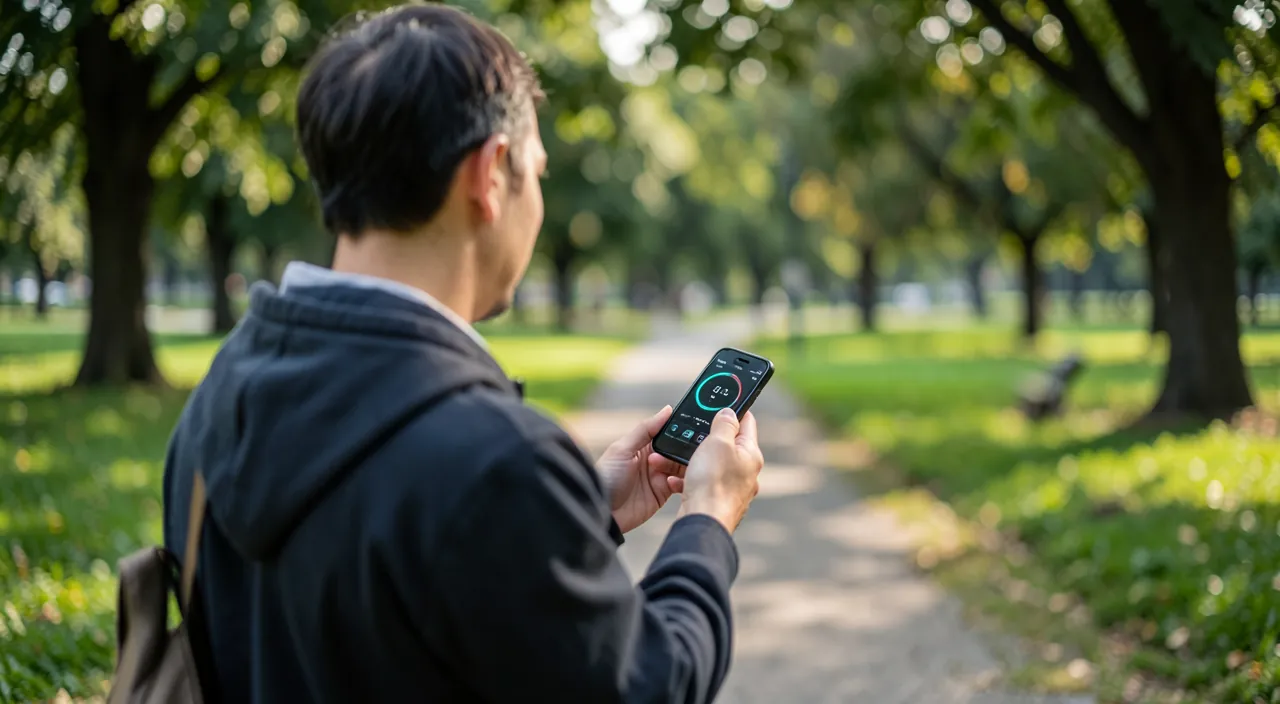
Frequently asked questions
Is a walking app really useful for moving more?
Yes, especially through awareness and motivation: it counts your steps (often revealing — we walk less than we think), allows you to set goals and track your progress, and brings a motivating dimension (series, challenges) that encourages you to keep going. The most powerful effect is making progress VISIBLE: seeing your step count encourages you to move more (stairs, a few extra steps). It doesn’t do the walking for you, but creates the spark and habit: the satisfaction of meeting your goal, day after day, anchors the habit of moving. For many, it’s the little push that turns sedentary behavior into regular activity — through the simplest and most accessible activity.
Do you need a smartwatch or a paid app?
No: your phone probably already counts your steps via its integrated health app (free, no installation needed): that’s enough to start. A smartwatch can refine the tracking if you have one, but it’s not essential. Be wary of subscriptions for coaching functions you won’t use (our guides on cleaning up subscriptions): free built-in functions cover the essentials (counting steps, setting goals, tracking progress). Start with the tool already on your phone: the key is not the equipment, but being aware of your activity and moving a little more each day. No need to spend to walk more.
Are standard step goals mandatory to achieve?
No, they are references, not absolute rules. What matters is moving MORE than before, at YOUR level: if you walk little, doing a bit more is already beneficial, without having to reach a theoretical number. Set a realistic goal starting from your current level and increase gradually. Don’t feel guilty if you don’t meet a goal one day: regularity over time counts more than a perfect daily number. Listen to your body, and if you have a health issue, consult a professional before intensifying: the goal is the well-being and pleasure of moving: the app is a tool of motivation, not a judge whose numbers must be satisfied.
What to remember
Walking is the simplest, most accessible, and most beneficial physical activity — the challenge is not knowing how to walk, but doing enough in a sedentary daily life. Walking apps help through MOTIVATION and awareness: they count your steps (often revealing: we walk less than we think), allow you to set goals and track your progress, bring a fun and motivating dimension, and make progress visible (therefore encouraging). To use them effectively: start with the tool ALREADY on your phone (free, no installation needed), be aware of your current level, set a REALISTIC and progressive goal starting from this level, and integrate walking into your DAILY routine in small steps (stairs, get off one stop earlier, a walk after dinner) rather than relying on long walks. Find pleasure (music, podcasts, company) to anchor the habit. Keep the RIGHT mindset: the goal is well-being, not performance: don’t let the numbers become an obsession or a source of guilt (regularity counts more than a perfect daily number, standard goals are references, the app is a tool, not a judge). Two points of vigilance: apps are not medical devices (for any health question, consult a professional), and your activity data are sensitive (prefer built-in functions or privacy-respecting apps). A few extra steps each day, encouraged and tracked with the right mindset: it’s little, but accumulated, it makes a real difference for your health and mood.
Want to go further with your phone and apps? Our practical training is for you.
Leave a Reply
You must be logged in to post a comment.