
« I don’t have time to read anymore », « I can’t do it anymore »: Many regret having abandoned reading. However, digital reading applications can help reconnect with books: entire library in your pocket, read anywhere, audiobooks for journeys, comfort settings, access to thousands of free books. Far from killing the book, the digital can give back the taste and opportunity to read. Here’s how digital reading apps—e-books and audiobooks—can make you read more, daily, at your own pace and according to your desires.
Read more with digital tools: the advantages
Reading apps lift several obstacles to reading: the AVAILABILITY—your entire library in your phone or e-reader, always with you: you can read on public transport, in a waiting room, a few minutes here and there (these lost moments, accumulated, represent a lot of reading); the COMFORT of reading—adjust the text size (precious for comfort or eyesight), brightness, night mode (read at night without fatigue), font: reading adapts to YOU (our accessibility guides); the ENLARGED ACCESS—thousands of books instantly accessible, many of them FREE (the great classics of the public domain, notably—our free ebook guides), and access to libraries now lending digital books; the AUDIO BOOKS—listen to a book while walking, driving, cooking: a way to « read » during moments where you couldn’t hold a book, which has given a taste for stories to many; and the practical functions—text search, integrated dictionary, annotations, synchronized bookmarks (resume reading on another device). Digital does not REPLACE the pleasure of paper books (which many cherish), but it OFFERS opportunities and reading comfort that, for many, make the difference between reading and not reading. The idea is not to oppose paper and digital, but to see digital as an ADDITIONAL door to reading: more opportunities, more comfort, more access. For those who thought « no more time », having a book in your pocket and audiobooks for journeys often reveal an unsuspected reading time.
Digital reading apps help you read more by making books easier to access, more comfortable to read, and available in more formats (like audiobooks). They don’t replace paper books but give you more ways to enjoy reading when you have small pockets of free time.
A commuter who spends 30 minutes on the train each day can read 10 pages of an e-book during that time. Over a week, that’s 70 pages—more than a short novel. If they also listen to an audiobook during a 20-minute drive, they add another 20 pages to their reading count.
Forms of digital reading and how to choose
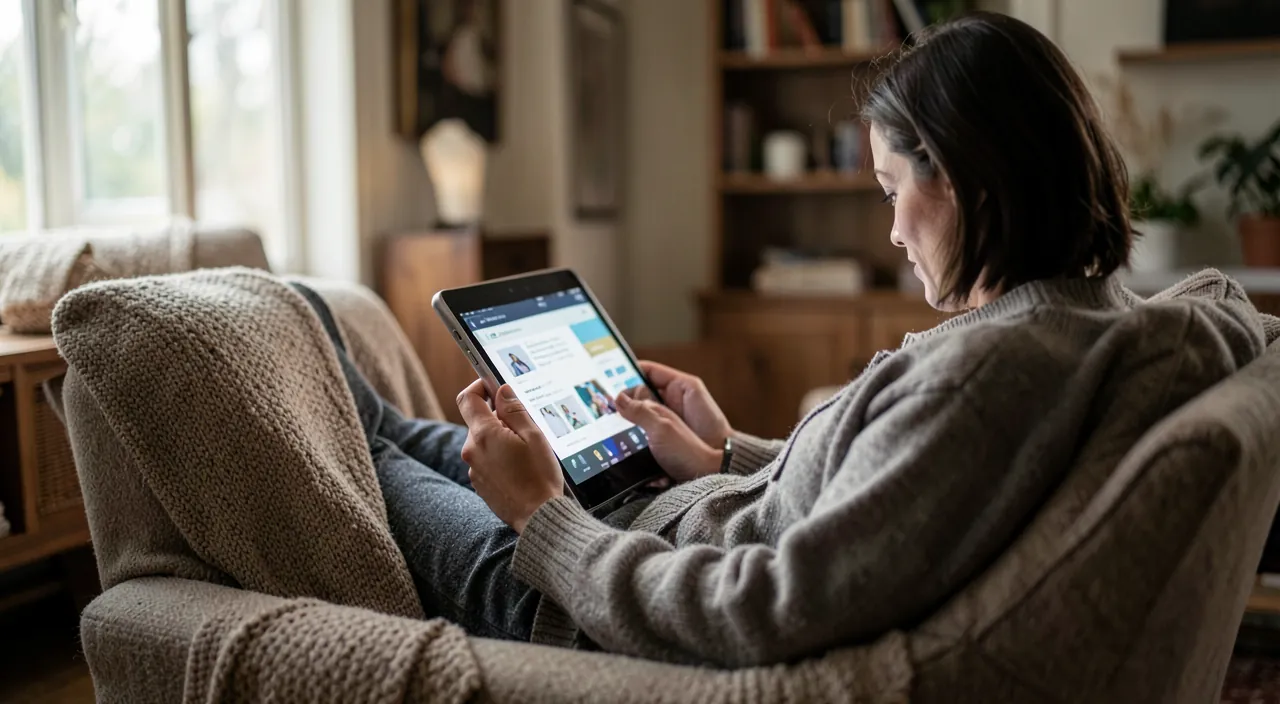
Several formats and approaches: the reading apps on phone/tablet—practical (the device you already have), but the bright screen can tire you out over long sessions and invites distractions (notifications); the Dedicated e-readers—specialized devices with an « e-ink » screen that mimics paper (eye-friendly, readable in sunlight, no distractions, weeks of battery life): ideal for avid readers who want the comfort of digital without the fatigue of a regular screen; the audio book apps—to listen to books read aloud (by subscription or purchase, with also free sources); and the digital libraries—many libraries now lend free digital and audio books to their members (a valuable and underutilized resource). To CHOOSE according to your needs: if you read OCCASIONALLY, a phone app is sufficient (free, convenient); if you read A LOT, a dedicated e-reader offers superior comfort; if you lack time for reading but have journeys, audiobooks are a revelation; and to READ FREE, explore the classics of the public domain, digital libraries, and legal free offers (our free ebook guides). On COST: digital books have a price (often cheaper than paper), audiobooks often work by subscription (evaluate your reading pace before committing—our guides to clean up subscriptions), but much content is FREE and legal (classics, libraries). The good choice depends on how you read: test, combine (many alternate between paper, digital, and audio according to the moment), and find what makes you read more. The key is not the format but the fact of reconnecting with reading: the best tool is the one that brings you back to a book.
The right reflex. If you think « no more time to read », exploit the LOST MOMENTS and AUDIO BOOKS: keep an e-book on your phone to read a few pages on public transport, in a queue, a waiting room (these scattered minutes, accumulated, represent a lot of reading over weeks); and discover audiobooks to « read » while walking, driving, cooking, or exercising—moments where a classic book would be impossible. Many people who thought they no longer had time to read have rediscovered the taste of stories precisely thanks to daily audiobook journeys. Also think about your LIBRARY: many now lend free digital and audiobooks to their members (a valuable and underutilized resource). And to read without spending, the great classics of the public domain are accessible for free and legally (our free ebook guides). The secret is not to find long reading periods you don’t have, but to slip reading into the gaps of your daily life: a book always in your pocket and audiobooks for journeys reveal an unsuspected reading time.
Reconnect with reading and read with peace of mind
Beyond the tools, some reflections to really read more with digital: don’t put yourself under PRESSURE—the goal is pleasure, not performance; read what you LIKE, at your own pace, without feeling guilty about abandoning a book that doesn’t grab you; VARY the formats according to the moment (an audiobook for journeys, an e-book at night, a paper book on weekends); and enjoy the ACCESSIBILITY that digital offers to those who had difficulties (text enlarged for vision, audiobooks for those who struggle to read, synthesized voice—our accessibility guides: digital has opened reading to many). Some common sense points: be careful with DISTRACTIONS on versatile devices (the phone that notifies during reading—a concentration mode helps—our concentration mode guides; a dedicated e-reader avoids this problem); evaluate audiobook subscriptions according to your actual reading pace (our guides to clean up subscriptions); favor LEGAL SOURCES (free legal offers and libraries abound—beware of illegal download sites, risky and unfair to authors—our guides); and for reading at night, night mode and reduced blue light can help (though some prefer a dedicated e-reader or paper before sleeping—the bright screens can disrupt sleep). A final word: digital is not the enemy of the book, it is an ally for those who want to read more—it does not replace the charm of paper (everyone has their preferences), but it multiplies the opportunities and comfort of reading. In summary, digital reading apps—e-books and audiobooks—are a great way to reconnect with reading and read more daily: library in your pocket, read anywhere, adjustable comfort, audiobooks for journeys, and an abundance of free and legal content. Find the forms that suit you, slip reading into your daily moments, and let the pleasure of reading—perhaps lost to you—return. The best reading tool is the one that makes you open a book; digital offers many, each can find their own.
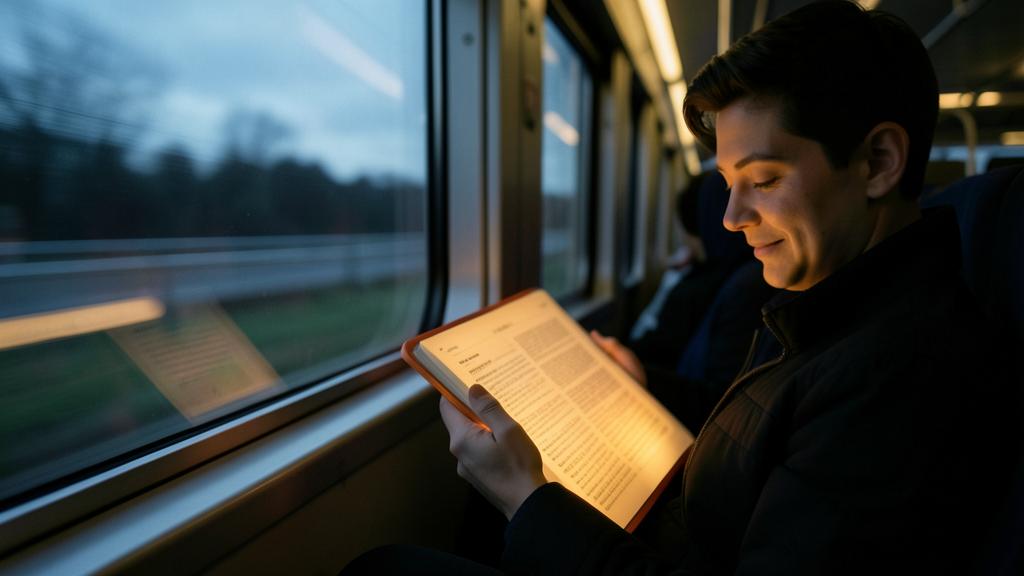
Be careful with distractions, subscriptions, and illegal sources. Three points of common sense: reading on a versatile device (phone, tablet) exposes you to DISTRACTIONS (notifications that interrupt, temptation to do something else): for true focused reading, activate a concentration mode (our concentration mode guides), or consider a dedicated e-reader (e-ink screen, eye-friendly, no distractions, weeks of battery life). On COST: audiobook apps often work by subscription; evaluate your actual reading pace before committing (a poorly utilized subscription if you read little—watch renewal dates, our guides to clean up subscriptions); remember that much content is FREE and legal (classics of the public domain, libraries lending digital books). Finally, favor LEGAL SOURCES: beware of illegal download sites for books, which are risky (malicious software, scams) and unfair to authors; free legal offers and libraries abound (our free ebook guides). A final point: night mode helps for reading at night, but some prefer a dedicated e-reader or paper before sleeping (bright screens can disrupt sleep). Digital is a great ally for reading: vigilance is needed regarding distractions, subscription costs, and respecting legal sources and authors.
Frequently asked questions
Can digital really help me read more?
Yes, by lifting several obstacles: your entire library in your pocket allows reading in lost moments (public transport, queues), adjustable comfort (text size, night mode) adapts reading to you, and especially AUDIO BOOKS allow you to « read » while walking, driving, or cooking—moments where a classic book would be impossible. Many who thought « no more time » have rediscovered the taste of reading thanks to these opportunities. Digital does not replace the charm of paper, but it multiplies opportunities and reading comfort. The secret: slip reading into the gaps of your daily life rather than waiting for long periods that you don’t have.
Dedicated e-reader or app on my phone?
It depends on how you read. If you read OCCASIONALLY, a phone app is sufficient (free, convenient, always with you). If you read A LOT, a dedicated e-reader offers superior comfort: its « e-ink » screen mimics paper (eye-friendly, readable in sunlight), has no distractions (no notifications), and lasts weeks on battery. The phone is convenient but tires more over long sessions and invites distractions. Many alternate according to the moment. Test first with the app on your phone (free): if you develop a taste for reading a lot, a dedicated e-reader will become a good investment for comfort.
How to read for free and legally?
Several paths: the great classics of the public domain are accessible for free and legally (an immense literary wealth—our free ebook guides); many LIBRARIES now lend free digital and audiobooks to their members (a valuable and underutilized resource: check with yours); and there are legal free offers from some publishers and platforms. Beware, however, of illegal download sites for books, which are risky (malicious software, scams) and unfair to authors. The free and legal content is so abundant that you can read a lot without spending anything: classics and libraries suffice for years of reading. Explore these legal sources before any paid subscription.
What to remember
Digital reading apps—e-books and audiobooks—can really make you read more, by lifting obstacles to reading: library always in your pocket (read in lost moments), adjustable comfort (text size, night mode, precious for eyesight and accessibility), access to thousands of books many of which FREE and legal (classics of the public domain, libraries lending in digital), and especially AUDIO BOOKS for « reading » while walking, driving, cooking—a revelation for those who lack time. Digital does not replace the charm of paper, but it multiplies opportunities and comfort: an additional door to reading. Choose according to your reading habits: app on phone for the occasional reader, dedicated e-reader for avid readers (eye-friendly, no distractions), audiobooks for journeys, digital library for free reading. The secret to reconnecting with reading: slip reading into the gaps of your daily life rather than waiting for long periods. Points of vigilance: distractions on versatile devices (concentration mode or dedicated e-reader), audiobook subscriptions (evaluate your reading pace), and legal sources (free legal offers abound; avoid illegal downloads, risky and unfair to authors). Find the forms that suit you, and let the pleasure of reading return: the best tool is the one that makes you open a book.
Want to go further with your phone and apps? Our practical training is for you.
Leave a Reply
You must be logged in to post a comment.