
Selling products online is a dream come true: an open shop 24/7, accessible everywhere, without the constraints of a physical location. But the dream and a shop that ACTUALLY sells are two different things: there are choices to be made and steps to be followed: the platform, product descriptions, payment, delivery, legal obligations. Jumping in without a plan often leads to a beautiful but empty shop in terms of sales. Here are the first concrete steps to open a solid online shop without getting lost or discouraged.
Before you start: the right questions
An online shop is not just a website: it is a BUSINESS, with its logistics and legal obligations. Before choosing a tool, clarify: WHAT to sell — how many products, what type (physical to be shipped? digital? services?); this guides everything else; WHO to sell to — your customer base, their buying habits; HOW to DELIVER — often underestimated: shipping, shipping costs, delivery times, returns (logistics makes or breaks a shop); how to BE PAID — the payment methods to offer and their fees; and what LEGAL obligations — selling online adds important legal rules (terms of sale, right of withdrawal, customer information — our guides on a compliant site). These questions determine the rest: a shop selling three handmade artisanal products is very different from a catalog of hundreds of references. The beginner’s trap: rushing into the tool and design while neglecting logistics and legal framework — then being overwhelmed by poorly prepared orders or legal issues. Thinking carefully about your business before going online gives you the means to sell calmly rather than scrambling in a rush. The shop is the storefront; the business is what lies behind.

Choosing your solution and building your product descriptions
For the PLATFORM, several options (our guides on which tool for your site): specialized e-commerce solutions — designed for selling, with all the commercial tools integrated and ready to use (catalog, cart, payment, order management); ideal for those who want to SELL first and foremost without dealing with the technicalities; e-commerce modules on a flexible content management system — add selling to a CMS; more freedom, a bit more technical; the choice depends on your project and your comfort level. Once the platform is chosen, the heart of the shop: the PRODUCT DESCRIPTIONS, which make or break sales. A good product description includes: QUALITY PHOTOS — crucial, as the customer cannot touch or try the product: show the product from different angles, in context, clearly (our guides on professional photos with a smartphone); a USEFUL DESCRIPTION — not just features, but benefits and answers to the buyer’s questions (AI can help write clear and engaging descriptions — our guides on writing with AI); a CLEAR PRICE and availability; PRACTICAL INFORMATION — shipping, delivery times, returns; and CUSTOMER REVIEWS if possible (they reassure greatly — our guides on testimonials). Also pay attention to the SHOPPING EXPERIENCE: simple, with as few steps as possible from the cart to the payment (each friction leads to abandoned carts). And don’t forget MOBILE: many people buy on their phones (product pages and payment must be impeccable — our guides on a mobile-friendly site).
The right approach. Start SMALL and test before scaling: open your shop with a few well-presented products (carefully photographed, complete descriptions) rather than a poorly done catalog. This allows you to test the ENTIRE CHAIN — from order to payment, packaging to shipping, return management — on a small volume before being overwhelmed. Place a test order yourself: live the customer journey from start to finish (is it smooth? does the payment work? do you receive the order well? ). You will detect the frictions and problems BEFORE your real customers. A shop that sells well with ten products is ready to sell a hundred; a shop that offers a hundred without testing its logistics will collapse under the first wave of orders. It’s better to grow on solid foundations than to launch too quickly and disappoint your first customers — the most precious.

Running an online shop is like running a real store, but with extra rules. You need to think about what you’re selling, who you’re selling to, how you’ll deliver it, how you’ll get paid, and the legal stuff. If you skip any of these, your shop might not work well, and you could lose money or get in trouble.
Imagine you sell handmade candles online. You start with 10 products, each with great photos and clear descriptions. You test the checkout process, shipping, and returns with a few friends. Everything works smoothly, so you add 50 more products. If you had started with 50 products without testing, you might have had shipping delays or payment issues, which would frustrate your first customers.
Payment, delivery, trust: the foundations of a shop that sells
Three pillars decide the success: the PAYMENT — offer RASSURING and VARIETY of payment methods (buyers have their preferences); the process must be secure (a security certificate is essential — our guides on choosing hosting) and seamless; compare the FEES of payment solutions (they eat into your margin); and above all, payment security must be IRREPROCHABLE (this is the most sensitive moment: the customer entrusts their banking data). DELIVERY — often the main cause of abandonment: clear shipping costs (surprise fees at the last minute drive customers away), announced and kept delivery times, simple return policy; anticipate logistics (packaging, shipping, tracking) because a poorly delivered order is a lost customer and a negative review. TRUST — crucial online where the customer cannot see you: clear information on who you are (our guides on the contact page), transparent terms of sale, customer reviews, a way to contact you in case of problems, and scrupulous compliance with legal obligations (right of withdrawal, pre-contractual information, data protection — our guides on a compliant site: online sales are regulated, do not improvise). Finally, once the shop is open, you need to ATTRACTION visitors (a shop without traffic does not sell): SEO (our guides on beginner SEO), online presence, possibly advertising. Opening the shop is only the beginning: making it known, keeping your delivery promises, and inspiring trust turn visitors into loyal customers. A solid online shop rests as much on these invisible foundations as on its storefront.
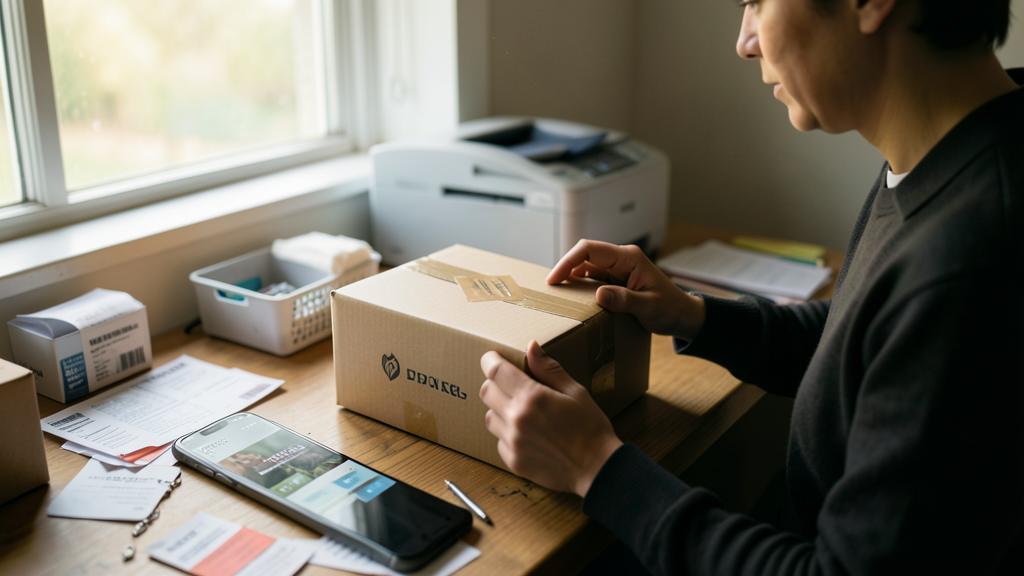
Caution: online sales are regulated, and payment requires impeccable security. Two non-negotiable points: LEGAL OBLIGATIONS — online sales add important rules (terms of sale, clear pre-contractual information, customer right of withdrawal, mandatory notices, protection of buyer’s personal data): non-compliance exposes you to sanctions and disputes, and these rules cannot be improvised (for a shop, a serious compliance support or verification is strongly recommended — our guides on a compliant site). And PAYMENT SECURITY — you handle the moment when the customer entrusts their banking data: the process must be perfectly secure (security certificate, reliable and recognized payment solution), or you risk endangering your customers and your reputation. Never fiddle with payment: use established and secure solutions. Anticipate also LOGISTICS (a overwhelmed shop that delivers poorly destroys itself with negative reviews) and remember that a shop without traffic sells nothing: opening is only the first step. Online sales are a real business with its requirements: seriousness about the legal, payment, and delivery aspects is not optional.

Frequently asked questions
What solution should I choose to open an online shop?
It depends on your project and your technical comfort. Specialized e-commerce solutions integrate all the commercial tools (catalog, cart, payment, order management) ready to use: ideal for those who want to SELL first and foremost without dealing with the technicalities. Adding an e-commerce module to a flexible CMS offers more freedom but requires a bit more skill. For most beginners wanting to sell quickly, a specialized solution is the simplest choice. Start from your needs (number and type of products, ambitions) rather than the reputation of a tool: the right one is the one that suits YOUR business.
What causes the most cart abandonment?
Two major causes: SHIPPING FEES surprises (discovered at the last minute: clearly announce them from the start), and a COMPLEX CHECKOUT process (too many steps, mandatory account creation, long forms: simplify as much as possible from the cart to the payment). Add a lack of trust (a not-so-reassuring site, payment that worries) and technical issues (especially on mobile). To limit abandonments: transparency on fees and delivery times, the shortest possible checkout, secure and varied payment methods, and a flawless mobile shop. Each friction eliminated is a saved cart: fluidity is as important as the product itself.

Do you need to manage the legal compliance of your online shop yourself?
Online sales add important and specific obligations (terms of sale, right of withdrawal, pre-contractual information, protection of buyer’s personal data) that cannot be improvised and whose non-compliance exposes you to sanctions. For a shop, unlike a simple website, a support or at least a serious verification of compliance is strongly recommended: the stakes are real (our guides on a compliant site). Do not rely on generic templates: your situation (products, customer base, sector) may call for specific rules. Online commerce deserves the same legal seriousness as physical commerce: it is an investment that protects your activity.
What to remember
Opening an online shop is launching a BUSINESS, not just a website. Before choosing the tool, clarify: what to sell, to whom, how to deliver (logistics, often underestimated), how to be paid, and what legal obligations. Then choose an appropriate platform (specialized e-commerce solutions integrate everything, ideal for selling without technical hassle), then carefully craft your PRODUCT DESCRIPTIONS — quality photos, benefit-oriented descriptions, clear price, customer reviews — and a simple, flawless shopping experience on mobile. Three pillars make the success: PAYMENT (varied, reassuring, perfectly secure — never fiddle with it), DELIVERY (clear costs and delivery times, simple returns — main cause of abandonment), and TRUST (transparency, reviews, scrupulous legal compliance — online sales are regulated). Start SMALL to test the entire chain (place a test order) before scaling up. And remember that a shop without traffic sells nothing: making it known (SEO, online presence) is the indispensable continuation. A solid online shop rests as much on these invisible foundations — logistics, security, legality, traffic — as on its beautiful storefront.



Your business deserves a real online presence: website, shop, SEO — we create the site that matches you.
Leave a Reply
You must be logged in to post a comment.