
The watch that alerts on heart rate, the ring that notes sleep, the blood pressure monitor that sends to the doctor, the scale that traces the curve, the non-invasive glucose sensors: connected health has left the realm of the sports gadget to enter care — and the promises are real (early detection, chronic disease monitoring, extended autonomy). The data, however, are the most intimate of all — and coveted. Between genuine medical progress and wellness marketing, between help and anxiety: a clear guide to your measured body.
What belongs to care (and what belongs to the gadget)
The fundamental sorting — because not everything is medicine: the REAL medical devices (CE medical marking, clinically validated, sometimes prescribed and reimbursed): continuous glucose monitors (a documented revolution in diabetes — the needle replaced, continuous monitoring), validated blood pressure and pulse oximeters, heart rate monitors from watches (detection of arrhythmias — documented lives saved, our Apple Watch guides), chronic disease remote monitoring devices (heart failure monitored remotely — hospitalizations avoided): here, the benefit is PROVEN, the medical data, the strict framework; the WELLNESS objects (without medical pretense — estimation, trend): activity watches and bracelets (steps, sleep ESTIMATED, resting heart rate — our Health guides: useful for trends, not for diagnosis), connected rings, scales, health apps: the value is real but OTHER — motivation, self-awareness, the weak signal that pushes to consult (never the verdict); and the GRAY ZONE that is growing — public objects that add quasi-medical functions (apnea detected by the watch, fibrillation — the boundaries shift: the benchmark remains the STATUT — validated medical device or comfort estimation: the label is sought, and the reliability gap is real). The overarching rule (our Health guides) remains unchanged: the object ALARMS and DOCUMENTS, the doctor DIAGNOSES — even medical devices serve the medical decision, they do not replace it.
Some devices are real medical tools with proven benefits, while others are just wellness gadgets. The key is knowing which is which and using them correctly.
An Apple Watch can detect atrial fibrillation, a serious heart condition, and has been credited with saving lives. However, its sleep tracking is just an estimate, not a medical diagnosis.
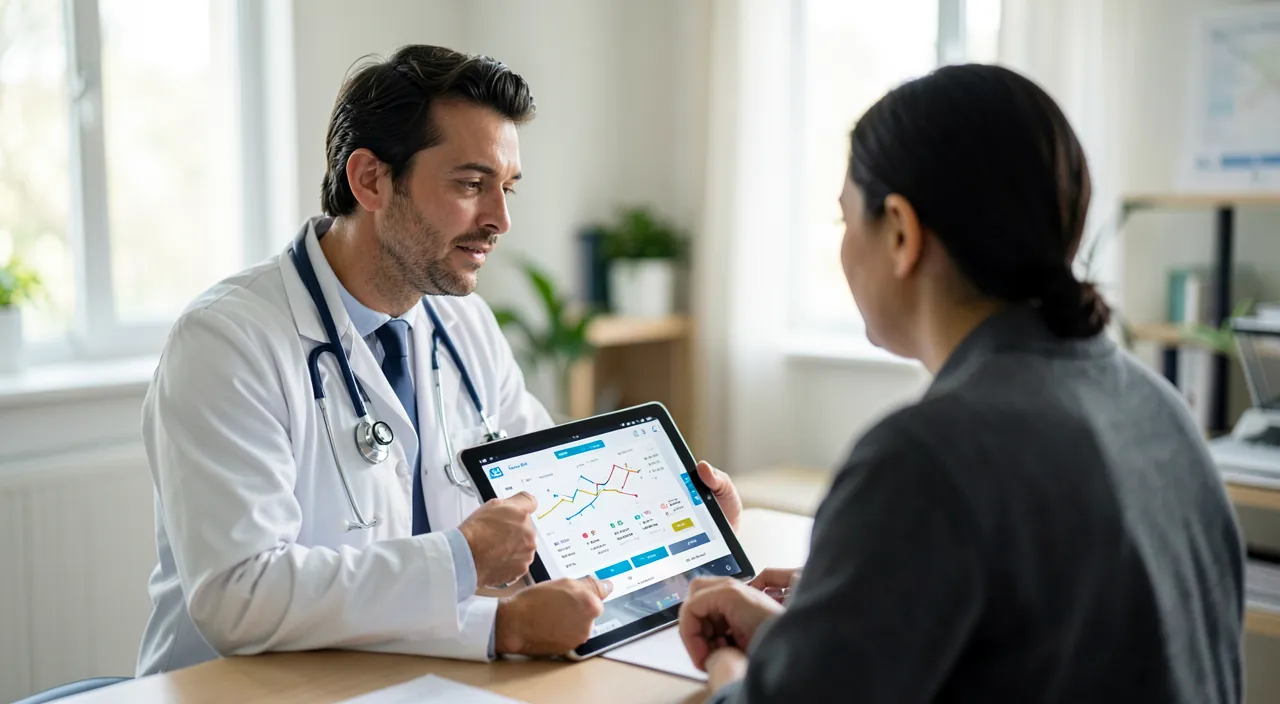
The real promises: early detection, chronic diseases, autonomy
Where connected health changes lives: the EARLY DETECTION — the signal captured before the symptom (asymptomatic arrhythmia detected by the watch — sometimes preventing stroke — the main, real, and growing use), trends that alert (increasing resting heart rate, decreasing walking speed — the markers the medical profession watches: our guides — the body that warns, to whom the listening); the CHRONIC DISEASES — the most transformed field: diabetes (continuous monitors + algorithms — reduced mental burden, improved balance), hypertension (self-measurement that refines treatment — connected blood pressure monitor to the doctor), heart and respiratory failure (remote monitoring that anticipates decompensation — reimbursable programs being rolled out): the connected chronic patient is better monitored, less hospitalized — the best-documented progress of the kind; the AUTONOMY OF ELDERLY — the benevolent vigilance (fall detection, inactivity alert, emergency card — our autonomy guides: extended home stay), and monitoring of vulnerabilities; and RESEARCH — large-scale studies nourished by objects (large health cohorts — knowledge progresses: the voluntary contribution makes sense). These promises are REAL — they justify the interest: provided they are distinguished from the surrounding marketing noise (the next chapter).
THE RIGHT REACTION. In the face of a health object, ask the THREE QUESTIONS OF THE INFORMED PATIENT: 1) is it a VALIDATED MEDICAL DEVICE or a wellness object? (the status — reliability depends on it: the ECG from a watch is validated, its stress estimation is not), 2) what DO I DO WITH IT? (the object that encourages movement and consultation — excellent; the object that causes anxiety and over-consultation — counter-productive — see the box), 3) where do my DATA go? (medical device with strict framework, or wellness app with commercial policy — our guides: who sees my heart, my sleep, my cycle? ). Three questions before purchase or sharing — and the object finds its rightful place: a servant of your health, not a master of your anxiety or a data siphon.
The flip side: intimate data, anxiety, marketing
Proportional vigilance in line with the intimacy at stake: the HEALTH DATA, the most sensitive of all — the heart, sleep, activity, menstrual cycle, mood, effort location — the most intimate portrait of a person (data scandals of cycle and health resale have occurred — our Health space guides: a strict regime is imposed — medical devices with protective framework (certified hosting), wellness apps with read policy (who stores, who sells, who cross-references: the free app of mood or periods is chosen for its confidentiality, not its pretty graphs), minimal permissions (our Health guides: the background app has no place in heart rate), and the underlying insurance question (the insurance dream of health data — regulatory safeguards to defend: health data should not become a score that penalizes: our car guides show the slope on driving, health would be worse).
Living well with: the use that serves care
Balanced practice: the OBJECT SERVING MEDICAL DIALOGUE — data brought to consultation (trends in blood pressure, rhythm alerts, symptom journal — the doctor who loves facts: our guides — the object becomes the ally of care, not its competitor), and usage on PRESCRIPTION or advice for medical devices (the monitor that counts is chosen WITH the caregiver — not on an ad): the MEASUREMENT SOBERNESS — measure what SERVES (clear objective: follow-up of a disease, resumption of activity —, not the indiscriminate collection that overwhelms and causes anxiety), trends monthly rather than daily figures (our guides: the recollection against obsession), and assumed breaks (a month without a watch is a right — the body knows how to live without a report card): the family accompanied — the elderly equipped WITH them and for their real needs (useful fall detection, surveillance that reassures without snooping: our guides: consent and dignity), children PRESERVED from over-measurement (healthification of childhood is a risk: the child’s body is lived, not scored), and home data protected (consented accounts, shared with family: our guides): and the DEEP CLARITY — connected health is a TOOL among others (it does not replace sleep, movement, nutrition, the doctor, or social connection: the real determinants: our guides: the most expensive monitor is not worth a daily walk and a good general practitioner): the well-used object prolongs awareness of your body and dialogue with care — misused, it adds screen time, anxiety, and data leakage to a life that did not ask for it.
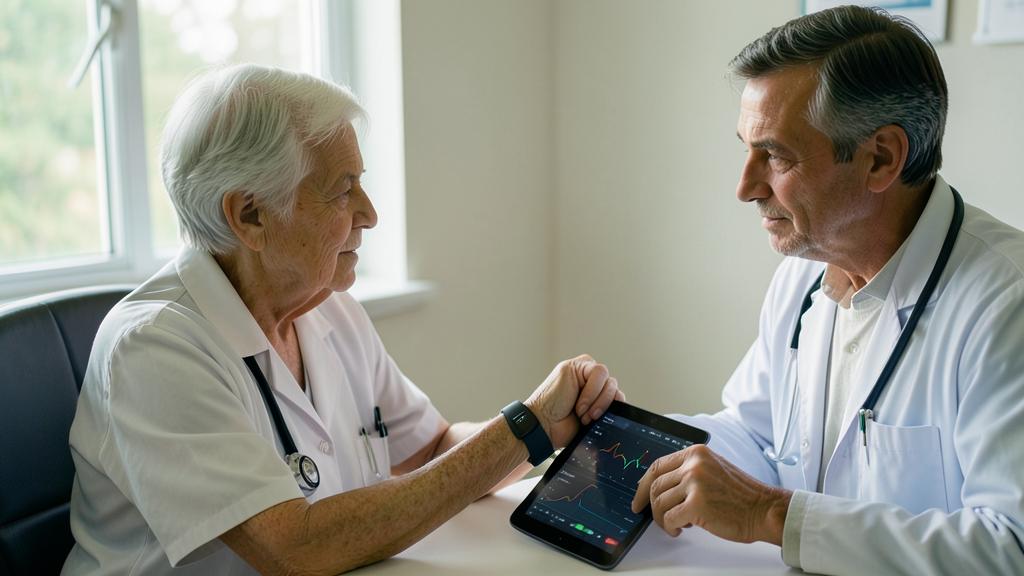
BE CAREFUL WITH FALSE DEVICES AND DATA THAT FLOW TO INSURANCE. Two specific dangers: OBJECTS THAT LIE ABOUT THEIR STATUS — the gadget that takes on a medical appearance without validation (disease detection by public-use sensors not proven — our guides: false screening reassures or alarms wrongly, both are harmful: demand the medical device status for anything claiming to DETECT or MONITOR a disease), and PSEUDO-CONNECTED THERAPIES (miracle anti-pain, anti-stress objects — health marketing without proof): and the ASSURANCE DERIVE — insurer programs « move, be rewarded » (activity data for benefits — the principle is debatable: the slope towards health-by-behavior pricing, double jeopardy for the sick and sedentary, normalized surveillance: our guides — consent given with eyes open, and regulatory safeguards defended as a citizen). Your measured body is your most intimate possession: who knows it knows you — entrust it only to those who care for you.
Frequently asked questions
My watch alerted me about my heart: I rush to the ER?
Depending on the alert: the discomfort, chest pain, shortness of breath WITH the alert = 15 without hesitation (our ER guides): the alert alone without symptoms = the doctor QUICKLY with watch data (the recorded ECG is precious to the cardiologist: the object did its job: alert and document): and false positives exist (the alert that turns out to be nothing after medical verification — relief, not blame for the object). The watch opens the door to the cardiologist: that is exactly its role — no panic, no negligence.
Are non-invasive glucose monitors for everyone?
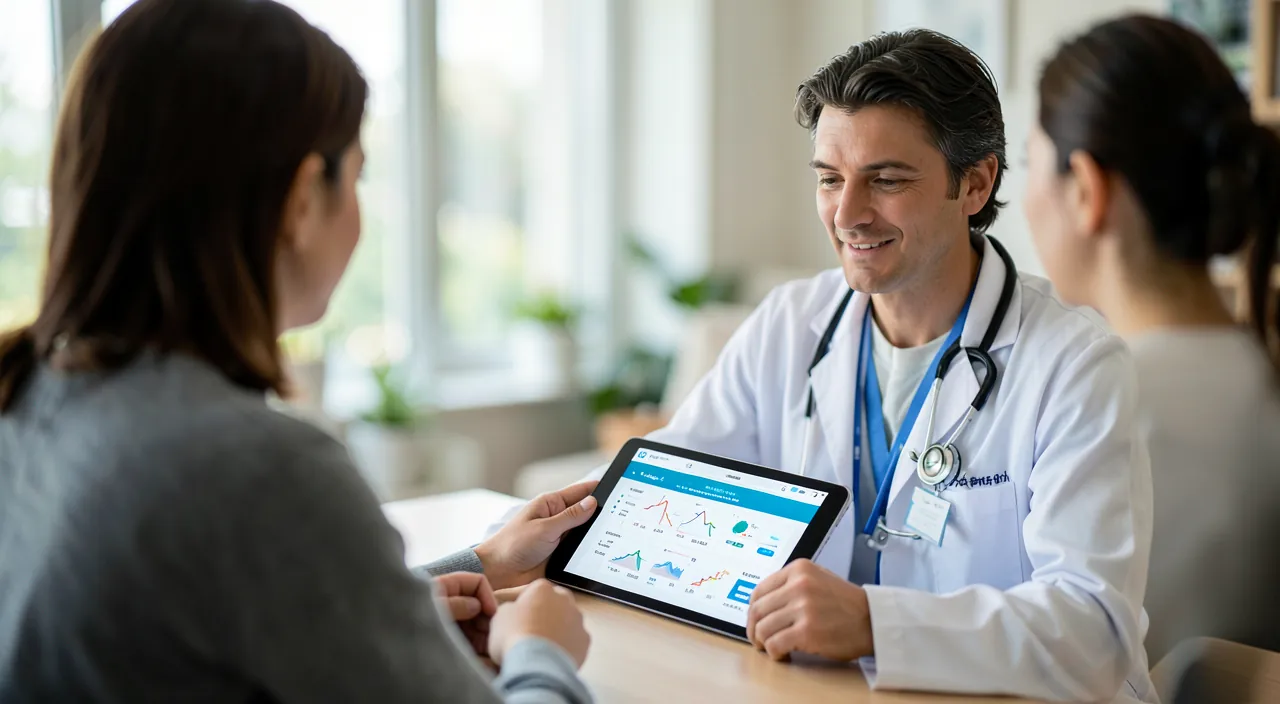
The validated ones are medical devices (diabetes — prescribed, reimbursed in some cases: a real progress for those concerned): the « well-being » versions for non-diabetics emerging are costly curiosities (medical interest for the non-sick is not established: the marketing of metabolic optimization: our guides). For the diabetic: to be seen with the diabetologist; for the curious healthy: the subject of the expensive gadget, not the care.
How to protect health data from connected objects?
The maximum regime (our Health space guides): medical devices PREFERRED for seriousness (protective framework), wellness apps chosen for their data policy (and not the freebie too good), minimal permissions, strong accounts (single password, two-factor authentication — health data is critical), family sharing consented, and annual audit of apps accessing your Health (our guides: the forgotten app that still reads your heart is revoked). The rule in one sentence: share your health widely with caregivers, never with merchants.
What to remember
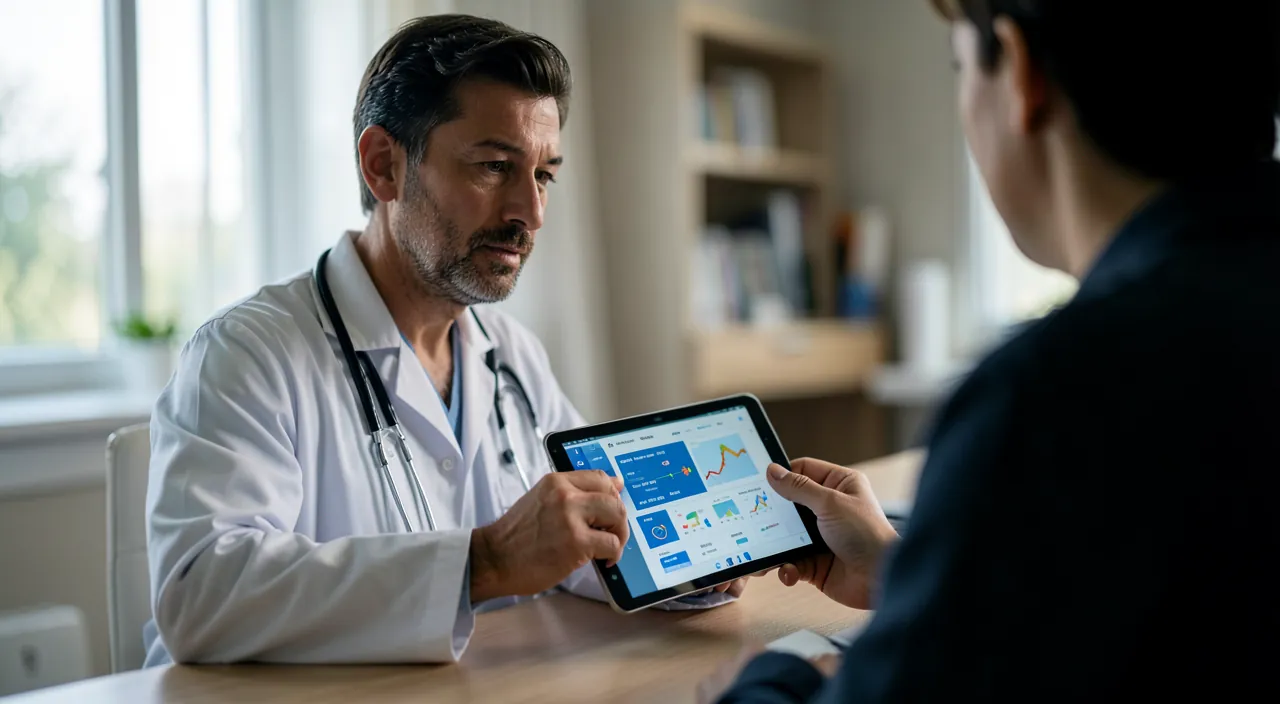
Connected health is real AND to be sorted: the VALIDATED medical devices transform care (glucose monitors, watch ECGs, remote monitoring of chronic conditions, elderly care — early detection, extended autonomy: proven progress), the WELLNESS objects have their value OTHER (motivation, trends, signal that pushes to consult — never diagnosis), and the GOLDEN RULE holds everywhere: the object alerts and documents, the doctor decides. Vigilance follows the intimacy at stake — health data are the most sensitive (strict regime, read policy, regulatory defense against insurance creep), the anxiety of measurement is monitored (the feeling judges, the break is a right), and healthification marketing is laughed at. Well-used — in service of medical dialogue, in sobriety, without data siphoning — the object prolongs awareness of your body. But no sensor will ever replace the real determinants: sleep, move, eat well, keep social ties, and see your doctor. The best connected health object is a good pair of walking shoes and a good general practitioner: technology complements — it does not displace them.
Want to understand and master the technologies that change your daily life? Our training programs enlighten you.
Leave a Reply
You must be logged in to post a comment.