
Drones — these small remote-controlled flying devices — are no longer reserved for professionals or enthusiasts. Taking spectacular aerial photos and videos, having fun piloting, and many other uses: drones are becoming more accessible. But flying is not trivial: there are RULES to follow (safety, privacy, restricted zones), which are often ignored. Between pleasure and responsibility, here’s an overview of everyday drone uses, and especially the rules to know to fly legally and safely.
Drone uses and why they are becoming more accessible
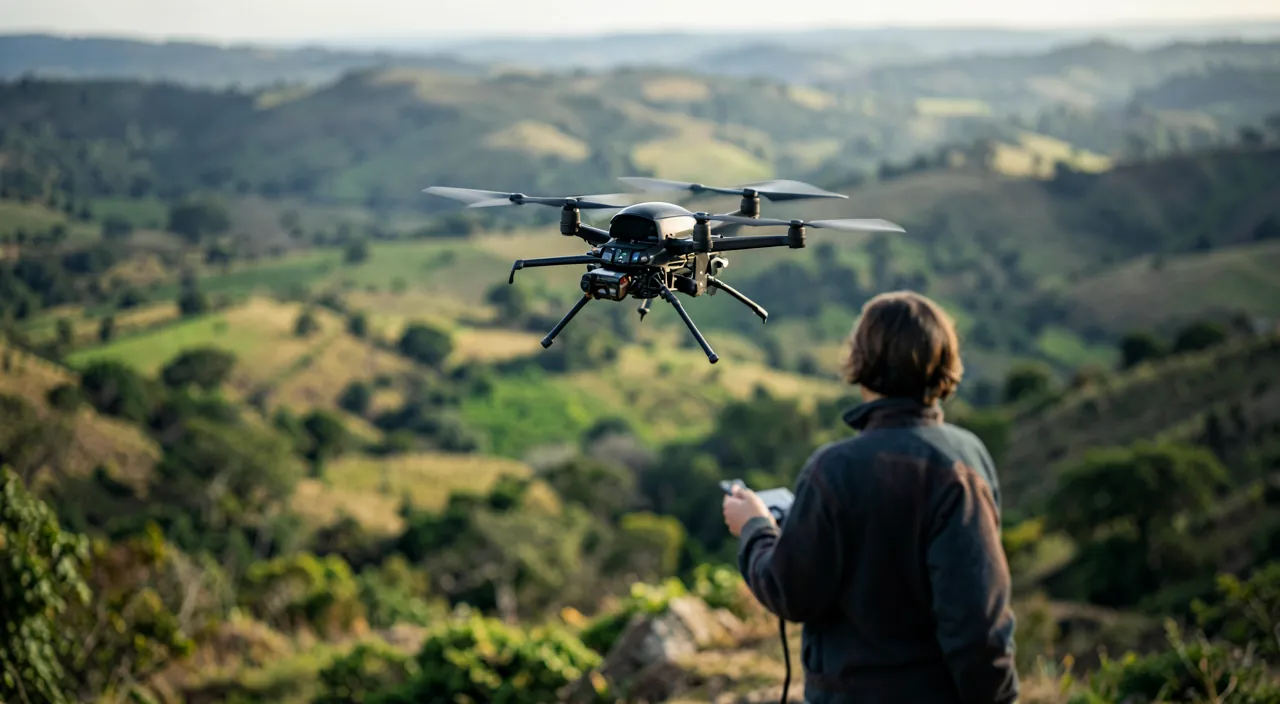
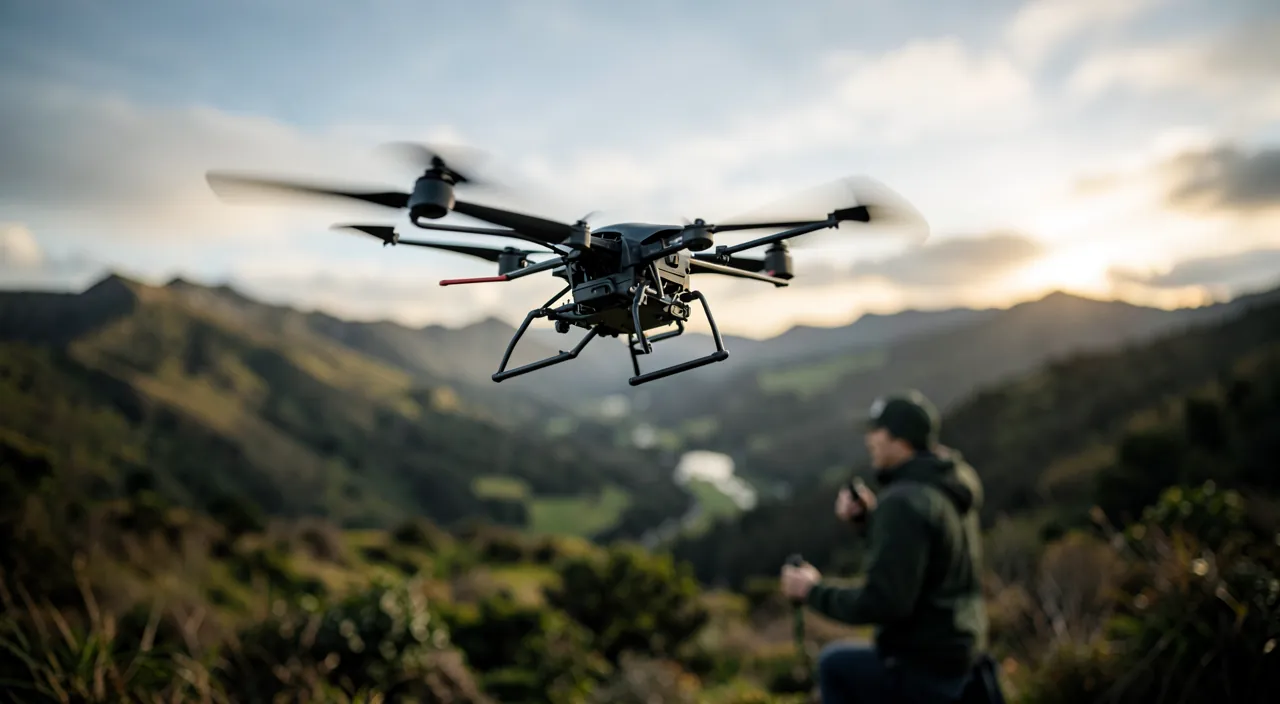
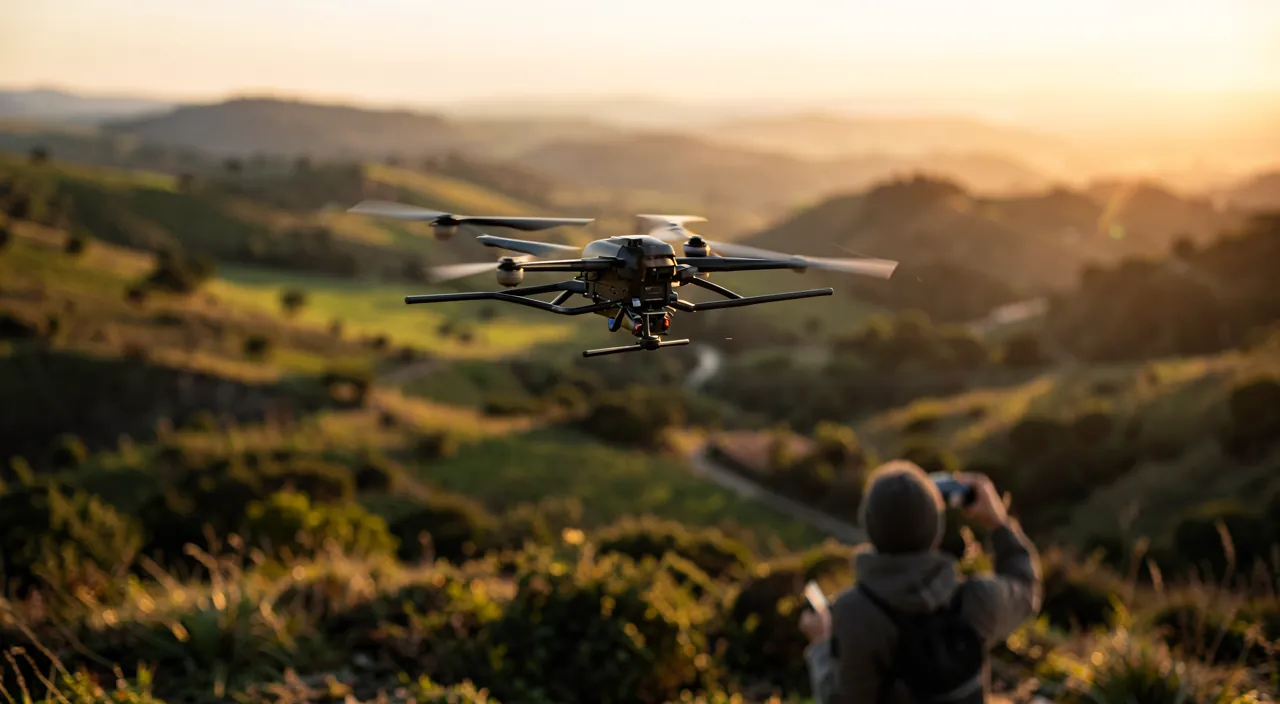
A drone is a small unmanned aircraft, remote-controlled (from a controller or a phone), often equipped with a CAMERA. Consumer drones have become more accessible: more affordable, easier to pilot, they attract more and more individuals. Their USES, in everyday life and beyond: AERIAL PHOTO and VIDEO — the flagship use — capturing images from the sky (landscapes, events, trips) offers spectacular perspectives, once reserved for professionals; LEISURE and piloting — the pleasure of flying, piloting, sometimes drone racing (a discipline in its own right); and many PROFESSIONAL USES (beyond the general public): inspection (buildings, hard-to-reach structures), agriculture (monitoring crops), mapping, rescue and surveillance, delivery (in development), cinema, etc. Why this DEMOCRATIZATION? Because drones have become more AFFORDABLE (models for all budgets), EASIER to pilot (automatic stabilization, flight aids that make piloting accessible to beginners), more PERFORMANT (good cameras, decent autonomy), and more COMPACT (some fit in a pocket). The result: taking beautiful aerial images or having fun piloting is now within reach of many individuals. BUT — and this is essential — flying a drone is NOT TRIVIAL: it raises safety issues (a drone can injure, cause an accident, disrupt aviation), privacy (a flying camera can film people, properties), and RULES (drone flying is REGULATED by law: restricted zones, altitudes, obligations depending on weight and use). Many new users IGNORE these rules and fly without knowing they are breaking the law or creating a danger. What to understand: consumer drones offer exciting and accessible uses (especially aerial photo/video), but their use is REGULATED for good reasons (safety, privacy); flying responsibly and legally means KNOWING and RESPECTING the rules. The key idea: drones are becoming more accessible thanks to more affordable, easy, and performant devices; they offer exciting uses, with aerial photo and video at the forefront. But flying a drone is not trivial: it is regulated by rules (safety, privacy, restricted zones) that must be known and respected. Between pleasure and responsibility, using drones requires knowing how to fly legally and safely.
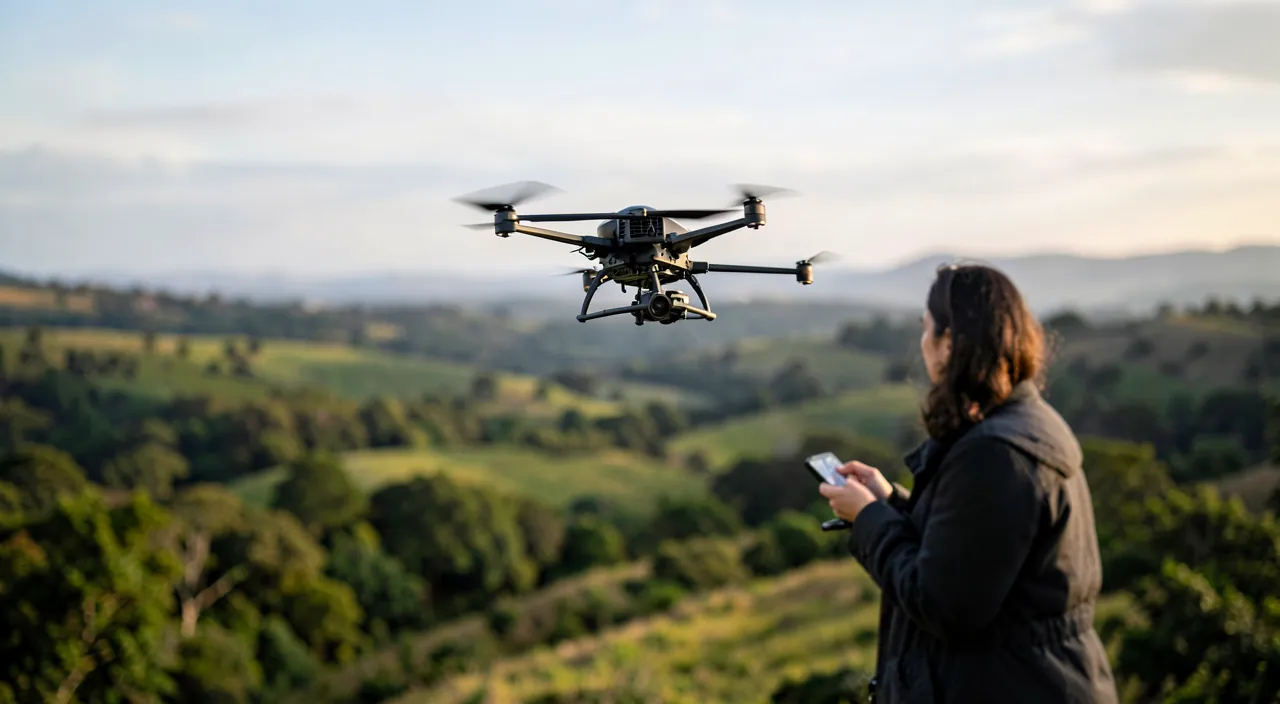
Drones are fun but flying them safely and legally requires following rules. These rules exist to protect people, privacy, and aircraft. The main rules are about where you can fly, how high, and what you can film. Ignoring these rules can lead to accidents or legal trouble. Always check the rules for your area before flying.
In France, you can’t fly a drone weighing more than 800g within 5km of an airport. For example, if you want to film a beach near Nice, you’d need to check if it’s within 5km of Nice Côte d’Azur Airport. If it is, you’d need special authorization. This rule exists because a drone could collide with an airplane taking off or landing.
Rules to know to fly legally and safely
Flying a drone implies following RULES, for everyone’s safety and respect for privacy. These rules vary depending on the country, the drone’s weight, and the use, but the GENERAL PRINCIPLES are largely common. IMPORTANT: check the EXACT regulations in force where you are (they evolve and depend on your situation); what follows are common-sense principles and frequent rules, to be confirmed with official sources. The main rules to know: RESTRICTED ZONES — you can’t fly EVERYWHERE: some zones are restricted or regulated (near AIRPORTS and airstrips — danger for aviation —, above sensitive, military, or certain sites, sometimes in cities or public spaces); check the zones where flying is authorized (official maps and tools exist). MAXIMUM ALTITUDE — there is generally a maximum flight altitude (to avoid disrupting aviation). KEEP THE DRONE IN SIGHT — you must generally keep the drone in sight (do not let it fly too far or out of sight). DO NOT FLY OVER PEOPLE — avoid flying over people (gatherings, crowds), for their safety. RESPECT FOR PRIVACY — do not film people, private properties, or others’ privacy without authorization; a flying camera is very intrusive; it’s a major issue (and often a legal obligation). OBLIGATIONS DEPENDING ON WEIGHT AND USE — depending on the drone’s weight and type of use (leisure or professional), there may be obligations: drone registration/immaterialization, pilot training or certification, insurance, etc.; check what applies to YOUR situation. SAFETY RULES — do not fly in dangerous conditions (bad weather, night without authorization), check your equipment, pilot carefully. To fly RESPONSIBLY: INFORM YOURSELF BEFORE FLYING — about the applicable regulations, authorized zones, obligations depending on your drone; it’s the first thing to do (authorities and manufacturers often provide information). Respect PRIVACY — do not film people and properties without consent; it’s a matter of respect AND law. Fly SAFELY — in authorized and clear zones, away from people and obstacles, keeping the drone in sight, in good weather, carefully. Train yourself — learn to pilot (in a safe and clear place), master your drone before venturing out. Take out INSURANCE if necessary (a drone can cause damage for which you would be responsible). A few TIPS: start CAREFULLY (a beginner practices in a large clear space, away from everything); do not take the rules lightly (breaking them exposes you to penalties and real dangers); and keep in mind RESPECT for others (noise, privacy, tranquility — a drone can bother others). In summary, to fly legally and safely: inform yourself BEFORE about the applicable regulations (authorized zones, altitude, obligations depending on your drone), respect privacy (do not film without consent), fly safely (authorized and clear zones, away from people, drone in sight, good weather), train yourself, and insure yourself if needed. The pleasure of drones goes hand in hand with responsibility: knowing and respecting the rules is the condition for a serene use.
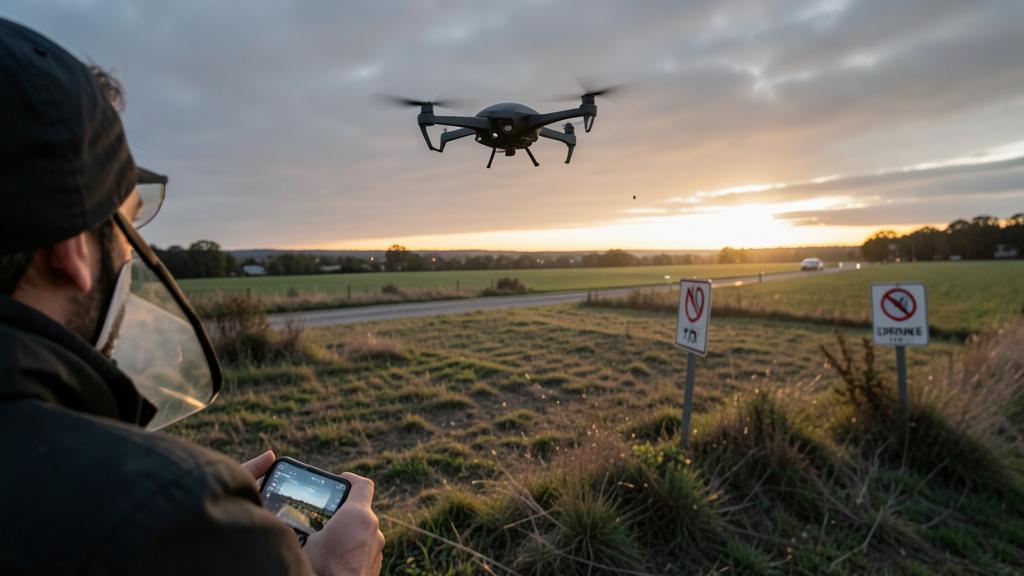
The right reflex. Before flying a drone, the first thing to do — too often neglected — is to INFORM YOURSELF about the APPLICABLE RULES: flying a drone is NOT TRIVIAL, it is REGULATED by law, and many new users fly without knowing they are breaking the law or creating a danger. Check with OFFICIAL SOURCES (the regulations vary depending on the country, the drone’s weight, and the use, and evolve): where are you allowed to fly? Some ZONES are restricted or regulated — especially near AIRPORTS and airstrips (a drone is a real danger for aviation), above sensitive zones, sometimes in cities; official maps and tools indicate the authorized zones. Also respect the MAXIMUM flight altitude, keep your drone IN SIGHT (do not let it fly too far), and do not fly over PEOPLE (gatherings, crowds) for their safety. Check the OBLIGATIONS depending on your drone and use: drone registration, pilot training or certification, insurance may be required; inform yourself about what applies to YOUR situation. Crucial point: respect PRIVACY — a flying camera is very intrusive; do NOT film people, their privacy, or private properties without authorization (it’s a matter of respect AND often law). Fly SAFELY: in an authorized and clear zone, away from people and obstacles, in good weather, carefully; and if you are a beginner, practice in a large clear space, away from everything, to master your drone before venturing out. Take out insurance if necessary (a drone can cause damage for which you would be responsible). Informing yourself before flying, respecting zones and altitude, protecting others’ privacy, flying safely, and training: this is how you enjoy the pleasure of drones responsibly and legally. Pleasure goes hand in hand with responsibility: do not take the rules lightly — they protect everyone’s safety, privacy, and prevent penalties and accidents.
Pleasure and responsibility: flying with full awareness
Drones perfectly illustrate that accessible and fun technology can also come with responsibilities; being aware of this allows you to enjoy them peacefully. A few guidelines. The REAL PLEASURE: drones offer unique experiences (spectacular aerial images, pleasure of piloting); it’s a passionate and creative hobby; there’s no reason to deprive yourself of it. The RESPONSIBILITY that comes with it: but flying an object in the air, with a camera, is not trivial; it involves safety (your own, others’, aviation), privacy (others’), and respect for the rules; pleasure implies responsibility. KNOWLEDGE of the rules: most problems come from IGNORANCE of the rules; informing yourself before flying (zones, altitude, obligations) is the basic responsible gesture; the rules are not hassles, but protections. RESPECT for others: privacy (not filming people without consent), tranquility (noise, the presence of a drone can bother), people’s safety; flying while respecting others is essential. SAFETY first: flying in good conditions and zones, keeping the drone in sight, avoiding people and obstacles; a poorly controlled drone can cause accidents. EVOLUTION of uses: drones are developing (delivery, various professions), and the regulations are evolving; stay informed if you use them. MEASURE: like any technology, using drones requires common sense and moderation; enjoying the pleasure, without harming or breaking the rules. In summary, consumer drones are becoming more accessible and offer exciting uses (first and foremost, aerial photo and video) accessible to many. But flying a drone is not trivial: it is regulated by rules (restricted zones, altitude, keeping in sight, not flying over people, respecting privacy, obligations depending on weight and use) that must be KNOWN and RESPECTED, for everyone’s safety and respect for others. To fly legally and safely: inform yourself BEFORE about the applicable regulations, respect privacy (do not film without consent), fly safely (authorized and clear zones, away from people, drone in sight), train yourself, and insure yourself if needed. At the core, using drones combines PLEASURE and RESPONSIBILITY: the pleasure of aerial images and piloting, the responsibility of flying consciously — by knowing the rules, respecting safety and others’ privacy. It’s not contradictory: it’s by flying responsibly that you fully and peacefully enjoy this passionate hobby. Informing yourself, respecting the rules and others, flying carefully: a few simple precautions to turn an accessible technology into a safe and worry-free pleasure. Drones open the sky to everyone; it’s up to each of us to fly with awareness, so that this pleasure remains a pleasure — for ourselves and for others.
Warning: drone flying is regulated, respect privacy, and fly safely. Essential points not to neglect. RULES OFTEN IGNORED — flying a drone is REGULATED by law, and many new users are unaware: they fly in restricted zones, too high, or without the required obligations, exposing themselves to PENALTIES and creating DANGERS; inform yourself BEFORE flying about the applicable regulations (they vary depending on the country, the drone’s weight, and the use); respect the AUTHORIZED ZONES (especially: NEVER near airports and airstrips — a drone is a danger to aviation —, nor above sensitive zones), the maximum altitude, the obligation to keep the drone in sight, and any obligations (registration, training, insurance). OTHERS’ PRIVACY — a flying camera is VERY INTRUSIVE: do NOT film people, their privacy, private properties, gardens, windows without authorization; it’s a violation of privacy, often illegal, and a nuisance; respecting others’ privacy is a MAJOR issue in drone use; do not fly over people (gatherings). SAFETY — a drone can INJURE (propellers), cause an accident, fall on someone or something, disrupt aviation; do not fly over people, in dangerous conditions (bad weather, obstacles), or without mastering your device; keep the drone in sight, in a clear zone, and pilot carefully; start in a large space far from everything. Other points: NOISE and nuisance (a drone can disturb others’ tranquility — respect it), RESPONSIBILITY in case of damage (a drone that causes damage engages your responsibility — hence the interest of insurance), and EVOLUTION of the regulations (stay informed). The pleasure of drones (aerial images, piloting) is real and accessible, but it goes hand in hand with RESPONSIBILITY: knowing and respecting the rules (zones, altitude, obligations), protecting others’ privacy (not filming without consent), and flying safely (away from people, drone in sight, carefully). Do not take these rules lightly: they protect everyone’s safety (including aviation), privacy, and prevent penalties and accidents. Flying with awareness is enjoying this hobby fully and peacefully: informing yourself before, respecting the rules and others, piloting carefully. The sky is for everyone; it’s up to each of us to fly responsibly.
Frequently asked questions
What are the uses of consumer drones?
The main one: AERIAL PHOTO and VIDEO — capturing images from the sky (landscapes, events, trips), with spectacular perspectives once reserved for professionals; it’s the flagship use that attracts most individuals. Then, LEISURE and piloting: the pleasure of flying, piloting, sometimes drone racing (a discipline in its own right). Beyond the general public, drones have many professional uses: inspection of buildings and hard-to-reach structures, agriculture (monitoring crops), mapping, rescue and surveillance, cinema, and delivery (in development). This diversity of uses, combined with devices that have become more affordable, easier to pilot (stabilization, flight aids), and performant (good cameras), explains the democratization of drones. But whatever the use, flying a drone is not trivial: it is regulated by rules (zones, altitude, privacy, obligations) that must be known and respected, for everyone’s safety and respect for others. The pleasure of drones goes hand in hand with the responsibility of flying legally and safely.
Can you fly a drone anywhere?
No, absolutely not: it’s one of the most important and most ignored rules. Some ZONES are restricted or regulated for drone flying: primarily near AIRPORTS and airstrips (a drone is a serious danger to aviation), above sensitive, military, or certain sites, and sometimes in cities or public spaces. You must therefore INFORM YOURSELF about the zones where flying is authorized (official maps and tools exist for this). Other rules apply: a maximum altitude not to exceed, the obligation to keep the drone in sight, the prohibition to fly over people, and respect for privacy (not filming people or properties without consent). These rules vary depending on the country, the drone’s weight, and the use, and may include obligations (drone registration, training, insurance): check what applies to your situation with official sources. Flying without knowing these rules exposes you to penalties and real dangers. Before taking off with your drone, always inform yourself: it’s the basic responsible gesture that conditions a legal and safe use.
Do drones pose a privacy problem?
Yes, it’s a MAJOR issue in their use. A drone equipped with a camera is a flying device capable of filming from above: it can therefore capture images of people, their privacy, private properties (gardens, windows, terraces), in a very INTRUSIVE way. Filming people or their property without authorization is a violation of privacy, often ILLEGAL, and a nuisance that can legitimately bother. The rule is therefore clear: respect others’ privacy — do NOT film people, their privacy, or their properties without their consent, and do not fly over people. It’s a matter of respect as much as law. If you do aerial photo or video, make sure not to capture others’ privacy (choose places and framings that do not violate privacy), and be aware of what your flying camera can see. Respecting others’ privacy is one of the central responsibilities of a drone pilot: a camera in the sky gives intrusive power that must be handled with awareness and restraint. Flying while respecting others’ privacy is an integral part of responsible drone use.
What to remember
Consumer drones are becoming more accessible — more affordable, easier to pilot (stabilization, flight aids), and performant — and offer exciting uses, with AERIAL PHOTO and VIDEO (spectacular images from the sky) and the pleasure of piloting at the forefront; beyond that, many professional uses (inspection, agriculture, rescue, delivery in development). But flying a drone is NOT TRIVIAL: it is REGULATED by law, for good reasons — SAFETY (a drone can injure, cause an accident, disrupt aviation) and PRIVACY (a flying camera is very intrusive). Many new users IGNORE these rules and fly without knowing they are breaking the law or creating a danger. The main RULES to know (variable depending on the country, weight, and use — to be verified with official sources): RESTRICTED OR REGULATED ZONES (especially near AIRPORTS and airstrips — danger for aviation —, sensitive zones, sometimes in cities), MAXIMUM ALTITUDE, keeping the drone IN SIGHT, not FLYING OVER people, RESPECTING privacy (not filming people or properties without consent), and OBLIGATIONS depending on weight and use (registration, training, insurance). To fly legally and safely: INFORM YOURSELF BEFORE flying (applicable regulations, authorized zones, obligations — the basic responsible gesture), RESPECT others’ privacy, fly SAFELY (authorized and clear zones, away from people and obstacles, drone in sight, good weather, carefully), TRAIN YOURSELF (start in a large clear space, away from everything), and INSURE YOURSELF if necessary (a drone can cause damage for which you would be responsible). At the core, using drones combines PLEASURE and RESPONSIBILITY: the pleasure of aerial images and piloting, the responsibility of flying consciously (knowing the rules, respecting safety and others’ privacy, not bothering with noise). It’s not contradictory: it’s by flying responsibly that you fully and peacefully enjoy this passionate hobby. Do not take the rules lightly — they protect everyone’s safety, privacy, and prevent penalties and accidents. Informing yourself, respecting the rules and others, piloting carefully: a few simple precautions to turn an accessible technology into a safe and worry-free pleasure. The sky opens to everyone; it’s up to each of us to fly with awareness.
Want to understand and master the technologies that change your daily life? Our training courses will enlighten you.
Leave a Reply
You must be logged in to post a comment.