
Daily commute, dishes, walking, DIY: hours of hands occupied and mind free — filled by audiobooks and radios: the novel that swallows traffic jams, the documentary that accompanies ironing, the world radio in the kitchen. Listening has become the second reading channel for the French — and an ecosystem to know: the paying offers and their traps, the immense free (public libraries, public domain, radio), the good practices that make « reading » more. The ear that reads guide.
Audiobook: What’s in it (and for whom)
Let’s settle the debate first: is listening to a book reading? — Research answers better than purists: understanding of a text listened to is largely comparable to reading for narratives (the story, ideas, emotion pass through — the narrative brain doesn’t care about the channel), with honest nuances (very dense or technical texts benefit from writing — going back, diagrams; the scattered attention skips pages without noticing — rewinding exists): audiobook is not cheap reading — it’s reading for times when reading is impossible: the net gain in « reading » hours is the mass argument (40 minutes of daily commute make 20 novels a year — the regular listener « reads » more than the average reader): the winning publics — commutes and hands occupied (universal target core), tired eyes and the visually impaired (historical accessibility of the format — our guides), dyslexics (the audiobook is a documented reading bridge — the child dyslexic who « hates reading » and devours in audio really reads: the format changes everything, our guides), families (sometimes the evening story is delegated, long commutes are pacified — and listening that feeds vocabulary), and insomniacs (the bedtime novel with a timer — our sleep guides): and the voice that does it all — the narrator is half the work (the excerpt is listened to first — a voice that irritates ruins the masterpiece, the great narration elevates the medium: renowned actors have their faithful, rightly so).
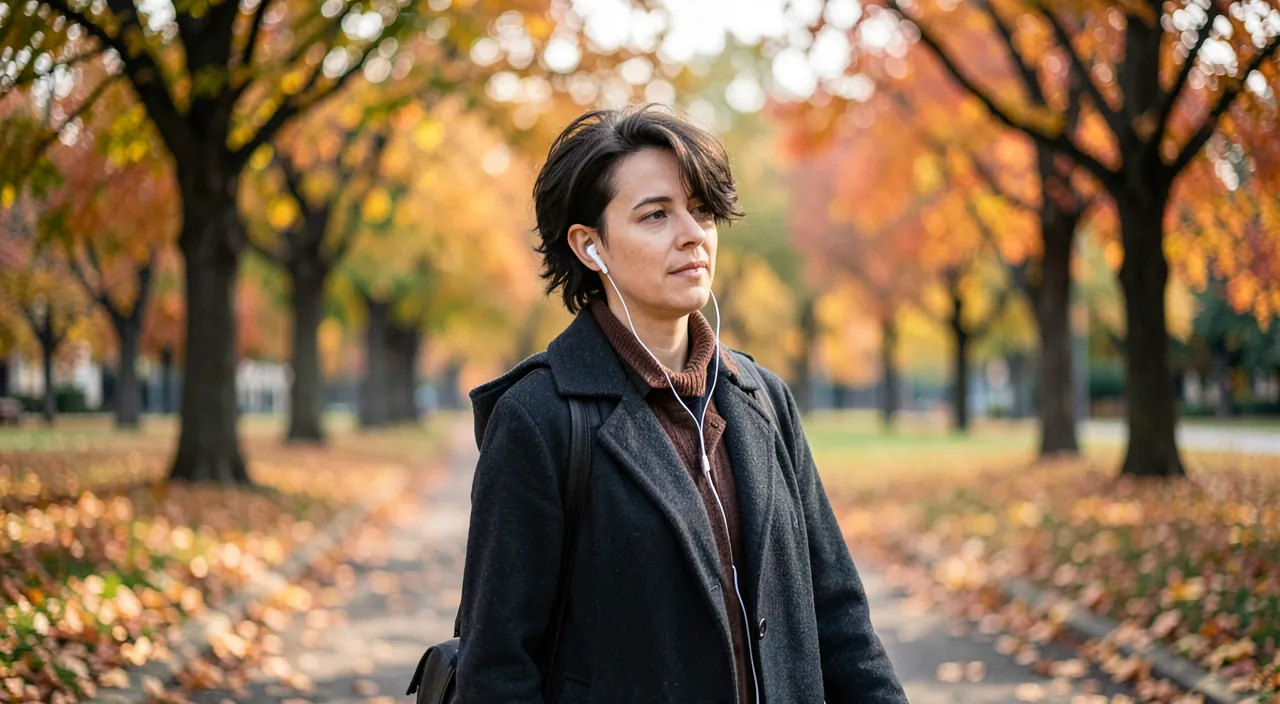
Audiobooks are a real way to read, especially when you can’t hold a book. They’re great for commutes, chores, or when your eyes are tired. The narrator’s voice makes a big difference—pick a good one!
A busy professional listens to 40 minutes of audiobooks daily during their commute. Over a year, that adds up to about 20 novels—more than the average reader who only reads on weekends.
Where to listen: paid offers and the immense free
The complete landscape: the dedicated subscriptions — audiobook platforms (monthly credit for a chosen book — the dominant model: profitable for the audiobook listener with one book a month and more, judge after three months — our subscription guides: the pause and rotation exist here too), unlimited catalogues of reading services, and audiobooks by the unit (the title that counts — our property guides): the massive legal free — public libraries first (our guides — digital lending includes audiobooks: the recent free catalogue almost no one uses — the library card is the best audio subscription in France), the public domain read (recorded classics by volunteers — free audio libraries: variable quality, total free — and the professional versions of classics often on sale), the fiction and reading podcasts (public radio’s radio dramas — an enormous and free heritage: great texts read by actors, original audio series — the hidden treasure of the genre), and the synthetic voice as a fix (articles and documents read by phone — our accessibility guides: modern synthetic voice makes it possible to listen to any text — the background article listened to while walking): and the reinvented radio — world radio apps (all stations live — the holiday country radio re-listened in winter, niche music stations: the radio object is dead, the radio lives on): and the replays and podcasts of stations (the missed show caught up — live broadcast turned on-demand: our podcast guides): the direct broadcast.
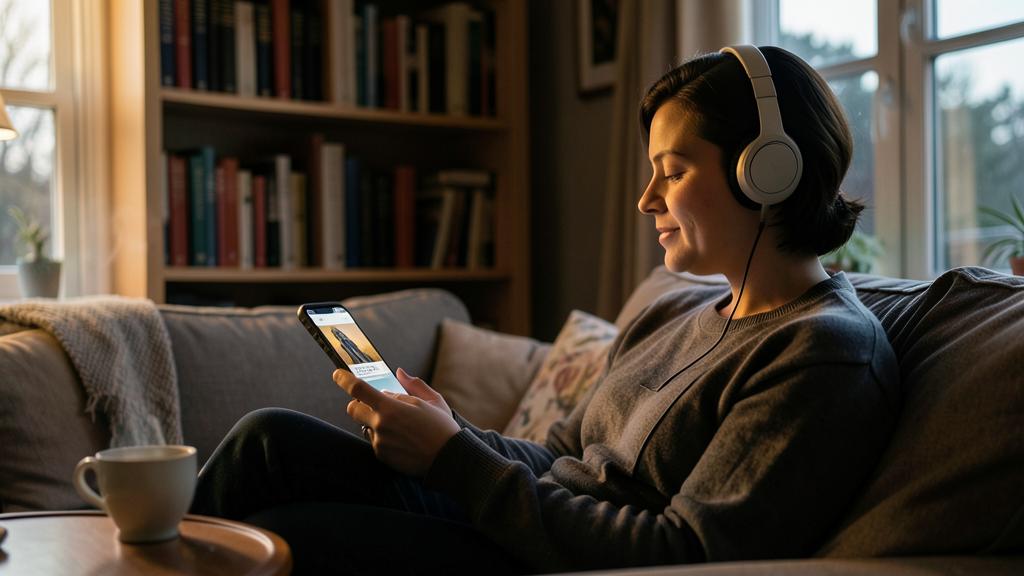
The right reflex. Adopt the listener’s settings — three sliders that change the experience: the speed (the ×1.2-1.5 comfortable after a week of ear — the natural narration pace is slow: gentle acceleration saves a third of time without loss — and ×1 is kept for long narrations to savor), the sleep timer (the chapter or 20 minutes — falling asleep to a novel without losing the night’s thread: our guides), and the short rewind (the -30 seconds button — the attention that drifted catches up with a tap: the equivalent of a glance back up the page): plus the synchronized bookmark (the book resumed in the car where the ear left off — the multi-device continuity of good apps). Listening is set up like a reading installs: three sliders, and the ear becomes a reader.

Listen more (and better): the uses that make the difference
The art of the listener: the matched moments — listening anchors to compatible activities (hands occupied, mind free: commute, cleaning, simple cooking, walking, gardening, repetitive DIY — our guides habits: the book of the commute, the audio series of the ironing: the matching makes regularity), and the incompatible ones assumed (intellectual work, creative cooking — listening that requires two minds frustrates both sides: music returns there): the choice by form — the narrative suits better than dense (novel, biography, narrative history, thriller — the kings of audio; the dense essay and practice prefer writing or hybrid), and the format to the situation (short story for the short commute, saga for long vacations — the 8-hour drive with the family listened to is a genre in itself: the choice VOTED before departure, our guides): the hybrid that optimizes — the same book in audio and text (synchronized offers allow this — the evening chapter read by eye, the next day’s chapter listened to: total reading of busy schedules), and the audio as a light — the listened book that makes you want to buy the paper to annotate: the two savings complement each other): and the sound family — children’s audio stories (storytelling speakers and youth catalogues — the screen less: the format plucked by commutes and evenings, our guides), the family book (shared listening in the living room — the Sunday evening family serial: a tradition reinvented), and the elderly (return to « reading » for the visually impaired — the installation of our accessibility guides: library + simple speaker + three settings: the gift that reopens books).
Organizing your listener’s life: lists, memory, discoveries
Listening organizes like the rest: the playlist (our guides watchlist — same mechanics: the desire captured on the fly — the book recommended at lunch noted in ten seconds — and the evening choice made in YOUR list), the cross-discoveries (literary prizes in audio, celebrated narrations, booksellers and reader recommendations — and the educated algorithm: our guides), the listening memory — the reading journal that includes audio (the listened book counts — the unified annual list: our guides followed — and voice notes: the heard quote is captured — our guides voice notes: « note: the sentence from chapter 12 on… »: the equivalent of underlining), and the budget mastered — the portfolio hierarchy: the library first (free), promotions and public domain next, monthly credit for new favorites, purchase for treasures to re-listen (audiobooks re-listen — the beloved novel in comfort re-listen is a real genre use: ownership makes sense here): the organized listener listens more and spends less — the formula of all our guides, applied to the ear.
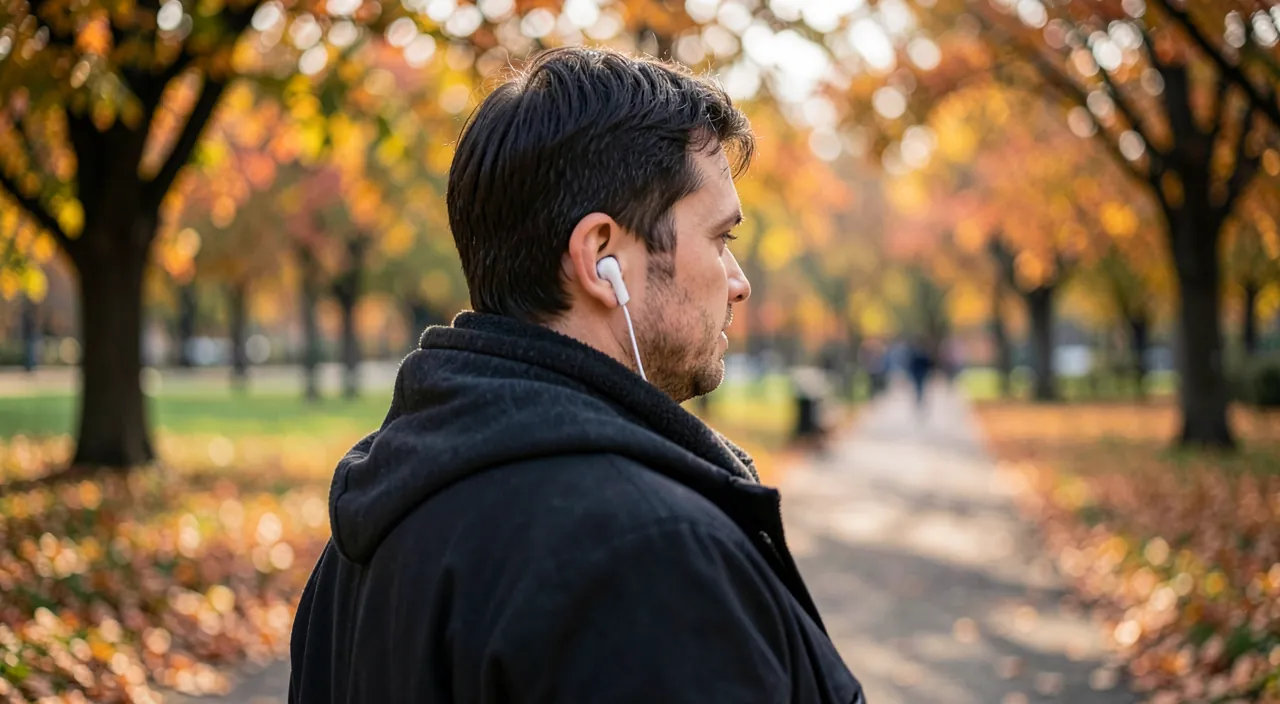
Watch out for your ears — volume is the hidden cost of listening. Daily hours of earbuds engage hearing (our guides — the auditory capital does not recharge): the long-term listener’s rules — moderate volume (the 60% rule — and the phone alerting on sound doses: check it, it knows you), noise reduction as a health ally (the isolating headphones allow listening LOW in noise — the inverse of volume that compensates: the anti-noise investment is an investment in hearing), ear breaks (the earbud hour deserves its breaths), the home speaker (the ear free as soon as possible — the kitchen is listened to in a speaker, not in-ear), and conscious street (the urban walk leaves ONE ear to the world — and cycling, NEVER: our guides — law and survival converge). Listening is an endurance pleasure: it is practiced like such — gently, long.
Frequently asked questions
Will voice synthesis (AI) replace narrators?
They’re on the rise (catalogues « read by AI » exploding — modern synthesis is listenable, and it makes audible the vast unrecorded fund: a real service), actors keep the irreplaceable (interpretation — the embodied character, irony, rhythm: narration is an art, the gap is heard on great works): the selection is made by the excerpt, as always — and the labeling of AI narrations progresses (our guides transparency): demand to know who (or what) reads you.
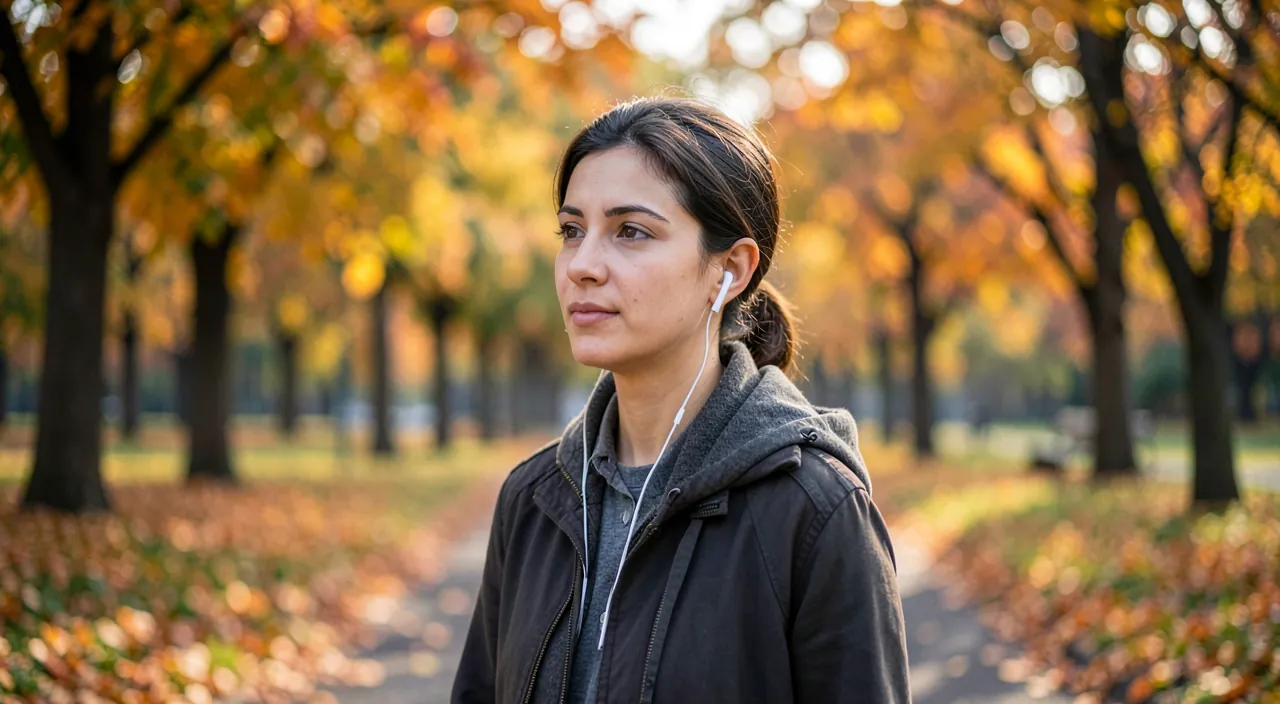
Do I fall asleep or get distracted while listening: incompatible with me?
No — only poorly matched: listening requires a light PHYSICAL activity in parallel (walking and cleaning hold attention — the sofa puts you to sleep: it’s actually the sleep usage, embrace it with a timer), the engaging narrative in the run-up (the thriller before the essay), the adjusted speed (too slow puts you to sleep — the ×1.3 wakes you), and the -30 seconds without guilt. The ear muscles with a few books — the initial decoders become the big listeners of the following year.
Podcast or audiobook: what’s the difference for my commutes?
The podcast is the magazine (the standalone episode, the news, the conversation — short engagement), the audiobook is the novel (the long work, immersion, construction — long-term engagement): the two complement in the same ear (podcast for short commutes, audiobook for long — and mid-length audio fictions: our podcast guides). The only bad choice is the silent one — commutes are too precious for it.
What to remember
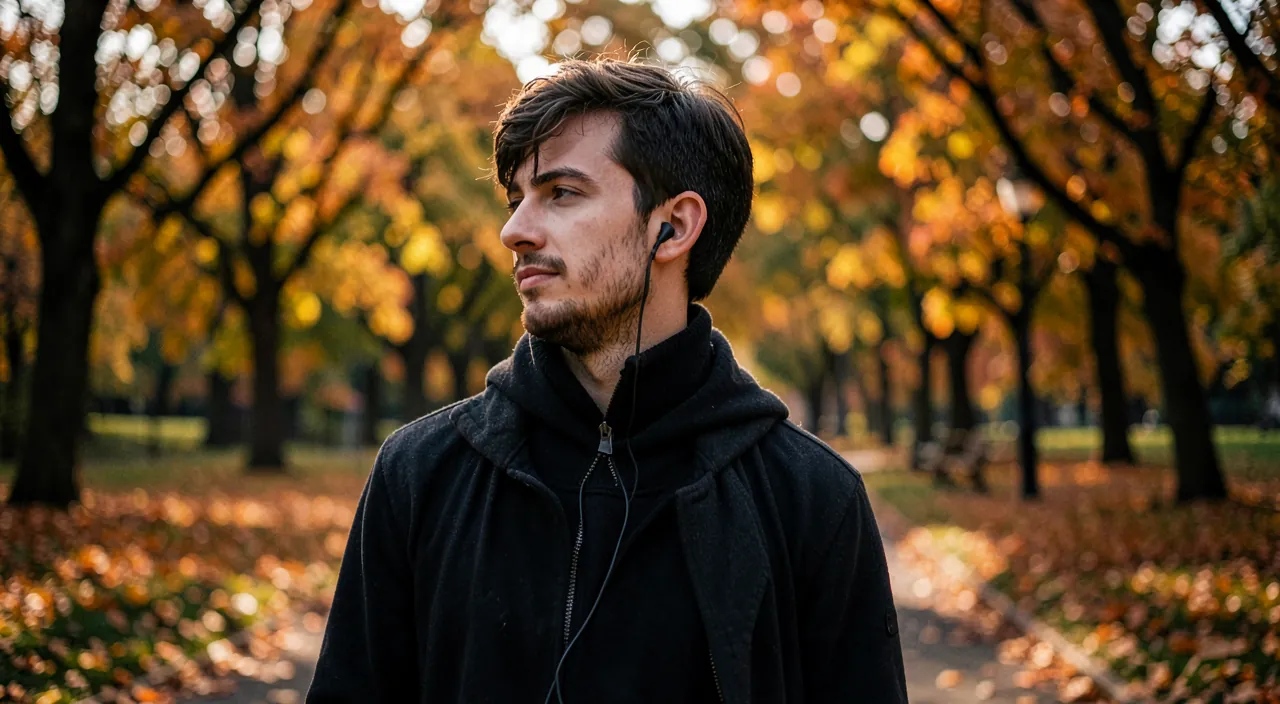
Listening is a full reading — that of times when reading is impossible: the format judged for what it’s worth (stories that carry, winning publics — commutes, dyslexics, visually impaired, families —, the listened narrator by excerpt), the hierarchized sources (public libraries free first — the best kept secret —, public domain and radio fiction, monthly credit judged by use, purchase for treasures), the craft settings (gentle speed, timer, -30 seconds, synchronized bookmark), the matched uses (book of the commute, audio-text hybrid, sound family) — and ear care (low volume, noise reduction, home speaker, never on a bike). Twenty novels sleep in your year’s commutes: all you need is a headset, a library card, and the first chapter — tonight’s in the kitchen.
Want to go further with your phone and apps? Our practical training is for you.
Leave a Reply
You must be logged in to post a comment.