
The urban bicycle is experiencing a revival — bike lanes are proliferating, electric bikes are everywhere, and the phone has become its natural companion: the route that avoids major roads, the unlocked bike-sharing service with a single scan, the connected bike lock, maintenance tracking, and trip records. Better equipped, the urban cyclist rides more safely, smarter, and more often. Apps that count, well-designed bicycle navigation, anti-theft measures (the real threat), and reasonable connected equipment: the guide to the everyday bicycle.
Bicycle route: navigating differently than in a miniature car
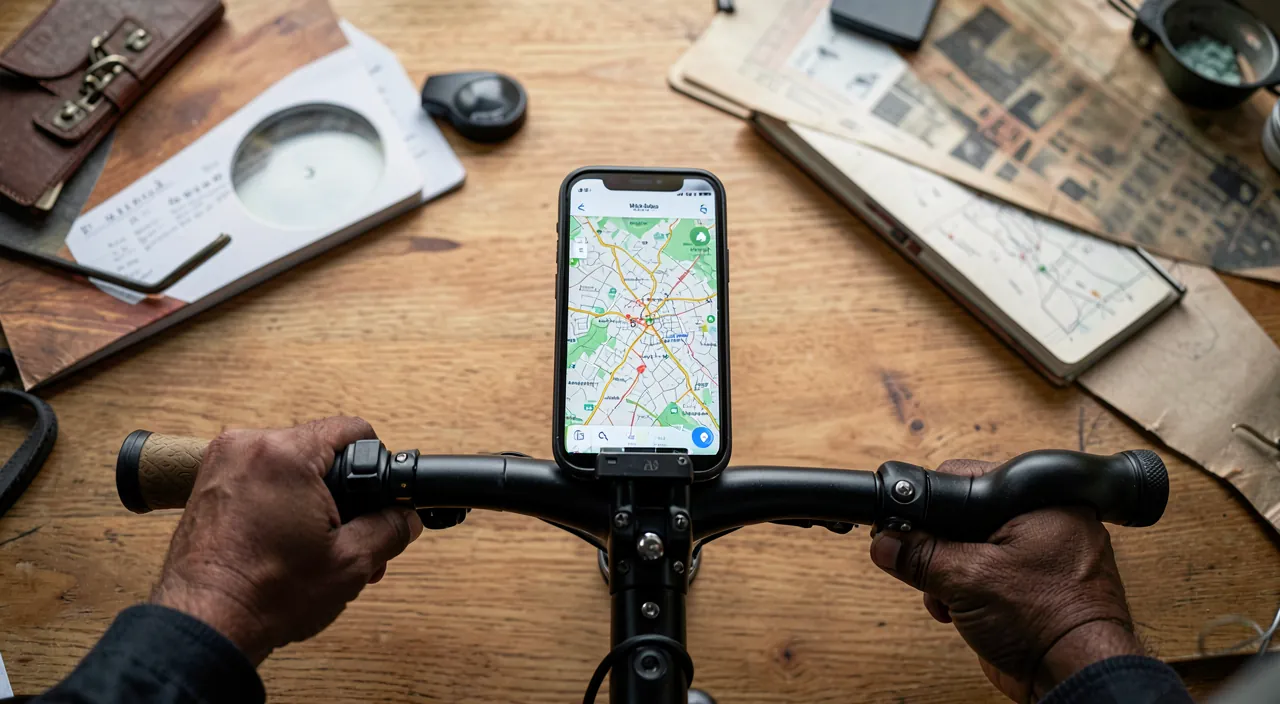
Bicycle navigation is a specialized craft: the bicycle modes of major maps (the bikeable routes of generalist mapping apps — correct and always there) and the dedicated bicycle apps (the specialists that weigh what matters on a bike: protected bike lanes, quiet streets, avoided elevation, pavement — the « serenity » route against the « direct » route: the choice that changes a practice — the urban beginner who discovers the home-to-work route without major roads adopts the bike; those thrown into traffic give up).
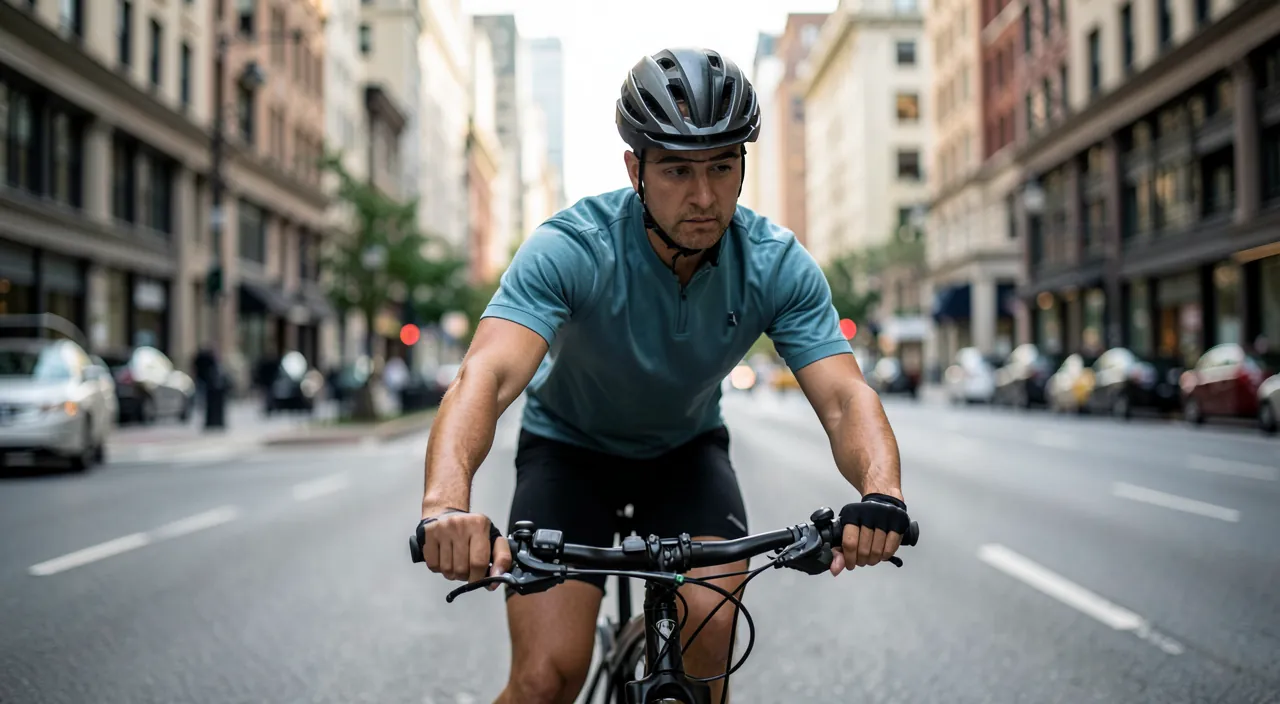
Biking apps don’t just give directions—they help you pick routes that are safer and more enjoyable. A “serenity” route avoids traffic, while a “direct” route might be faster but scarier. Choosing the right one can make or break your biking experience.
In Paris, an app like Citymapper might suggest a 15-minute detour to avoid the busy Boulevard de Sébastopol. The detour uses quieter streets and protected bike lanes, making the ride safer and more pleasant for a beginner.
Theft: the real issue, the real strategy
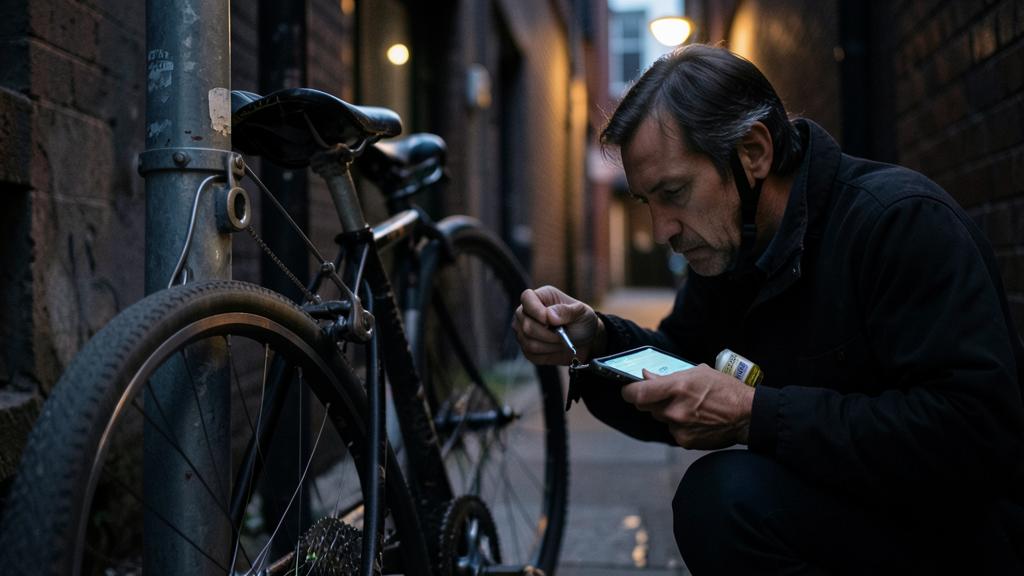
The scourge that kills the practice (the stolen bike discourages one-third of cyclists permanently): the deep defense — serious bike locks first (U certified — the anti-theft budget is 10-15% of the bike’s price is the golden rule: a cable alone is a courtesy), the method (frame and wheel at a fixed point, in a passable location — our posture guides apply to bikes), and the home variant (half of thefts: the garage and courtyard also secure — wall mounting, the bike attached even inside); the mandatory and useful marking — the engraved ID of new bikes (and second-hand: the national database is checked before purchase — stolen bikes are identifiable, our second-hand guides: demand the receipt and check the marking), registration in your name kept up to date (the found bike returns to its registered owner — thousands of found bikes sleep due to outdated records); the tracker — the AirTag or equivalent hidden (the bell, the seat tube, dedicated mounts — our AirTag guides: location supports the complaint, never personal delivery), and dedicated bike trackers for subscription for high-value mounts; the insurance — home insurance sometimes covers (terms: certified anti-theft required, theft away from home often optional), dedicated bike insurance for electric bikes and high-end models (our guide calculations: the premium against value and usage); and the post-theft reflex — the complaint with the marking number and tracker location, reporting to the database, monitoring local ads (stolen bikes sell quickly nearby — report to law enforcement, not a bait meeting). A well-defended bike is rarely stolen — thieves target the weak link next door.
The right reflex. Create the bike identity sheet in your notes (our inventory guide): photos from multiple angles (with a unique detail — the sticker, the scratch), serial number (under the pedal), marking number, scanned receipt, and the tracker sheet: the dossier that does everything — the precise complaint, seamless insurance, proof of ownership in case of recovery. Five minutes at purchase — and if stolen, the theft becomes a procedure rather than a double penalty (the lost and unprovable bike).
Bike-sharing, rental, test: the bike without ownership
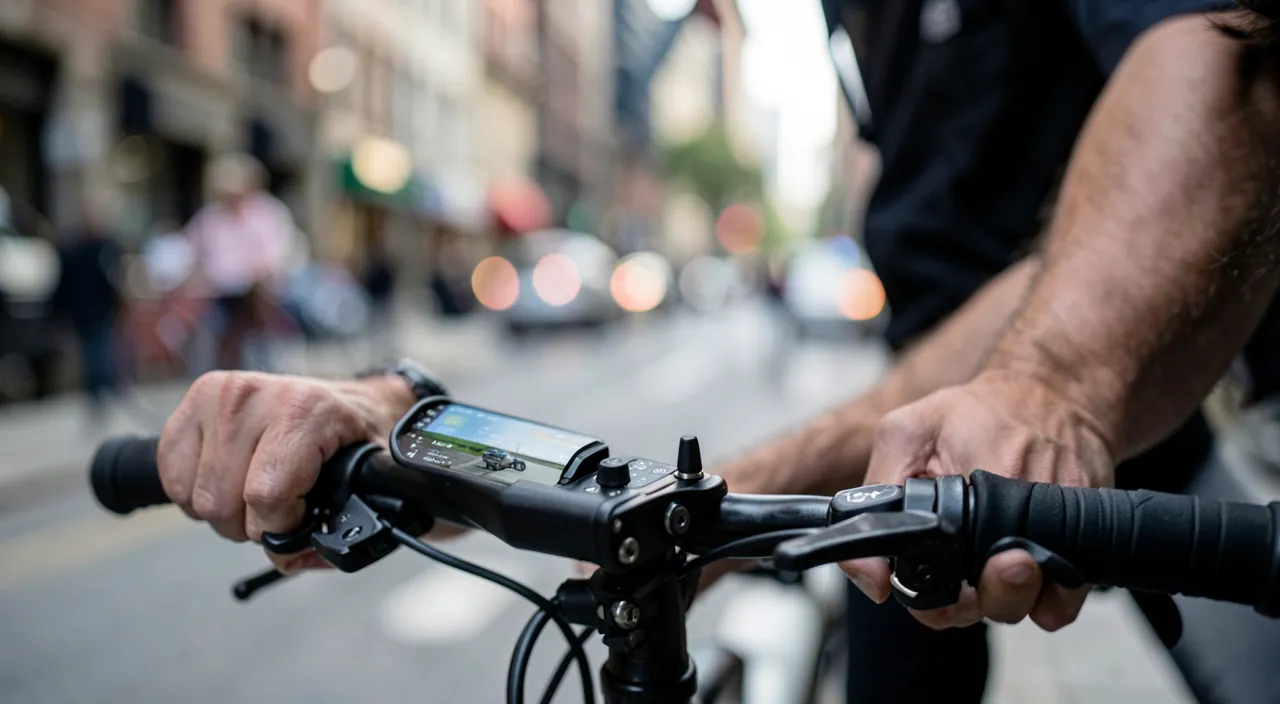
Practice without purchase: the bike-sharing — your city app (the scan that unlocks, stations on the map, included minutes from subscriptions — often unbeatable: the annual bike-sharing subscription costs less than a month of gas); smart uses — the simple trip (bike to work, bus if it rains — the freedom of the non-owner), test the practice before purchase (three months of bike-sharing say if the velotaf suits you — the cheapest test on the market), and known pitfalls (checking the bike before departure — brakes, tires: a defective bike signals in the app and can be exchanged; the end-of-rental photo where the app requests it — disputes over « bike left improperly » are resolved by proof); the electric and shared scooters and devices — same apps, same rules, plus their own (helmet recommended, speed and area limits, designated parking — the fine for free-floating recklessness is real); the long-term rental — monthly electric bike offers (included maintenance — the rising formula: the VAE tested for a quarter before the 2,000€ purchase, or the sustainable solution for non-owners); and the aided purchase when the time comes — local and national subsidies (check conditions and cumulative amounts before purchase — VAE and cargo subsidies change budgets: the detour through your community website saves hundreds of euros), and verified second-hand (still the marking). Bicycles are now practiced on demand — your city app is the free entry point: push it on a sunny morning.
Maintenance, electric, and data: the bike that lasts
The long-term companion: the equipped maintenance — the bike maintenance notebook (apps or notes — chain lubrication, pads, servicing: real mileage from apps gives actual deadlines), basic skills tutorials (tire changes, derailleur adjustments — our DIY guides: the bike is the best mechanical learning ground — and city workshops teach in practice), professionals for the rest (annual VAE servicing is not optional); the VAE and its battery — our battery guidelines (partial charging lived better than 0-100 permanently, hibernation at mid-charge in a dry place, never charging a damaged battery — and VAE batteries are recycled: our guides), the manufacturer app (diagnostics, motor updates — yes, the bike updates), and real autonomy learned (yours, by your traces — not the one on the sheet); and the biker’s data — the motivating trace (cumulative kilometers, CO2 saved, calculated savings — the dashboard that sustains the practice: our podometer guides are worth it for the bike), the sustainable mobility package at work (the velotaf is declared — the employer can pay: the little-known covoiturage bonus applies to the bike), and the privacy of published traces (home departures/arrivals masked — apps offer this: the public map revealing the bike’s address and times at 3,000€ is a thief’s catalog: the zone masking is the forgotten security setting for the connected cyclist).
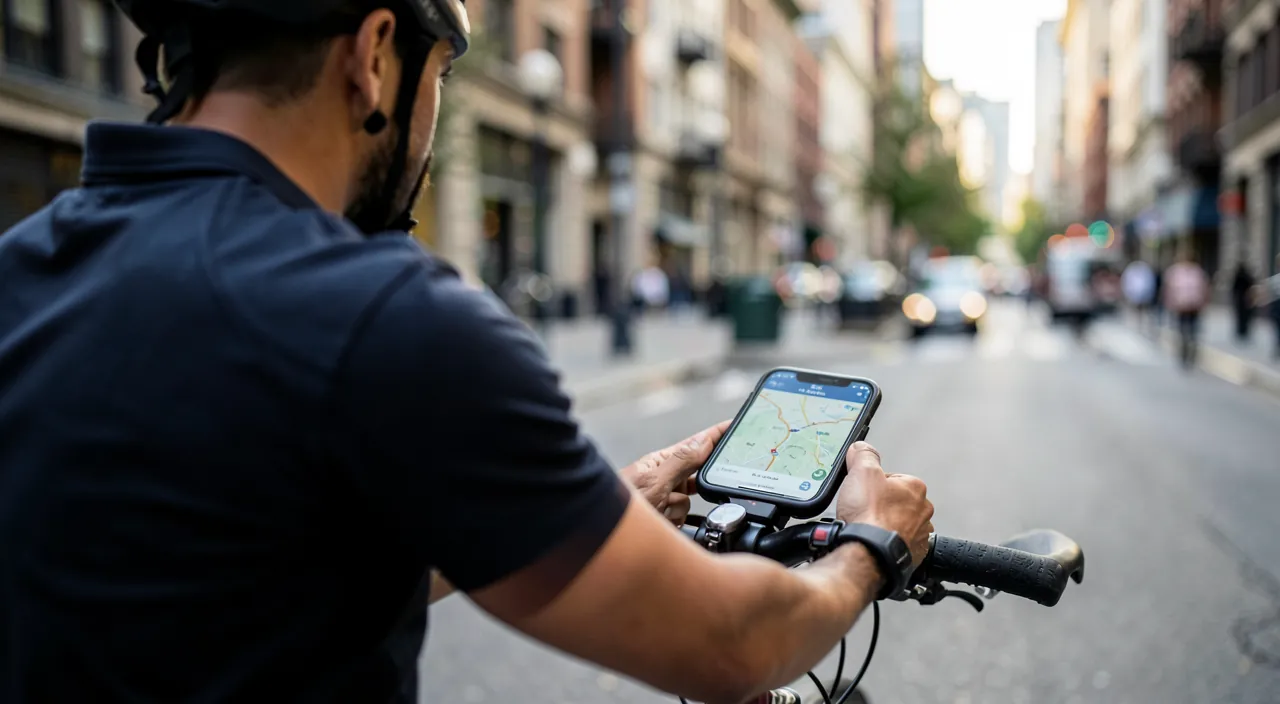
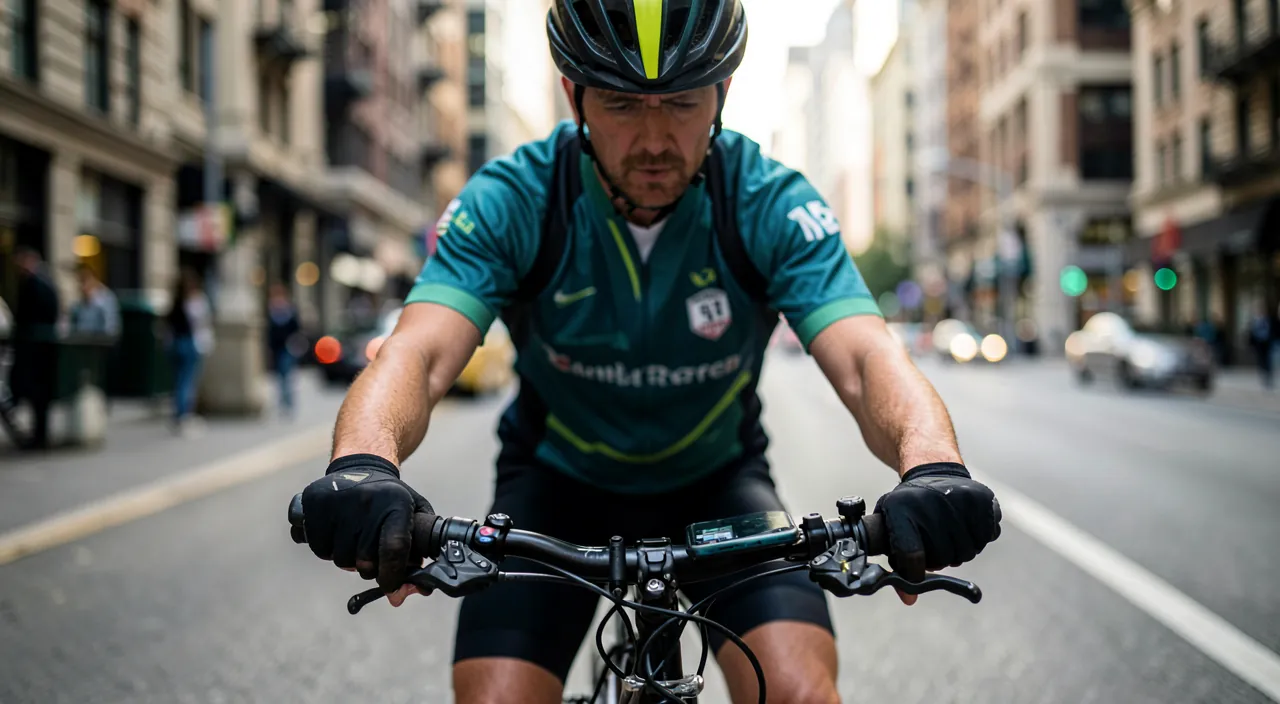
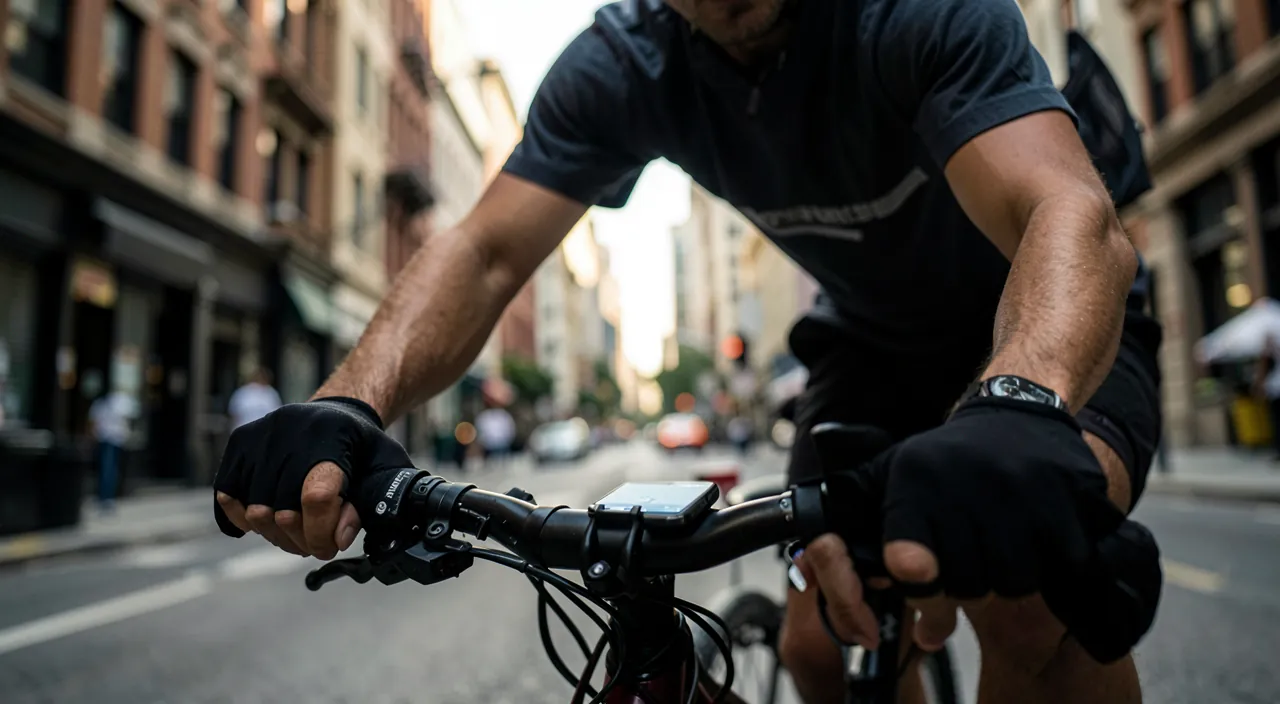
Attention: the phone on the handlebar has its rules — and the road its priorities. The legal and vital rule: holding the phone while biking is forbidden (the fine exists) and earbuds as well (using audio devices on your ears is sanctioned while biking as in a car — audio guidance passes through the phone’s speaker to the handlebar mount, or not at all): the handlebar mount + simplified instructions + checking while stopped are the regulatory and safe trio; and vigilance remains queen — the bike lane does not negate the open doors, blind spots of trucks (never right of a truck at a red light — the rule that saves lives every year), or night without lighting (lighting is mandatory and visibility is a strategy: the vest and lights make the cyclist visible). The app makes the bike smarter — the helmet and eyes make it durable: in this order of priorities, always.
Frequently asked questions
Personal bike or annual bike-sharing: how to decide?
The simple calculation: the annual bike-sharing subscription against the cost of ownership (depreciated purchase + anti-theft + maintenance + insurance — and the risk of theft): the city dweller without secure storage and short trips often wins with shared bikes; the regular with long trips and reliable garage storage wins with a personal bike (especially with subsidies — the grants). And the mix exists: a personal bike for the week, a shared bike for the supplement — mobility is composed.
The used VAE: good deal or battery trap?
Good deal if the battery is verified (its condition is the hidden price — diagnosis via the manufacturer’s app or workshop: the number of cycles and health are displayed; a dead battery costs several hundred euros — negotiate or pass): the more our second-hand guides verify (marking in the database, receipt, real test). A recent used VAE verified is one of the best pleasure-to-price ratios in mobility.
Winter and rainy cycling: does the phone and cyclist survive?
The cyclist, very well (the equipment does it all — the rule of skiers: no bad weather, just bad clothes); the phone too (recent models handle rain well — our guides; the foldable mount protects; cold drains the battery: the inner pocket between navigation sessions). Winter adjustments: enhanced lighting (17:00 at night), adapted tires, and even more protected routes (the rainy night traffic warrants the lane, even longer).
What to remember
The well-equipped urban bike thrives on four pillars: the bike-friendly route (apps prioritizing bike lanes and quiet streets, the home-to-work route tested on a Sunday, guidance on the handlebar — never in hand or ears: the law), the deep anti-theft defense (U lock at 10-15% of the price, up-to-date registration marking, hidden tracker, bike identity sheet — and even in the garage), the bike on demand (bike-sharing for testing and repairs, long-term rental, verified subsidies before purchase, second-hand in the database), and the connected maintenance (real mileage in the maintenance log, VAE battery care, published traces without home). The city is redrawing for you — the app says where, the U says for long, and the helmet says when: everything is ready, just the pedal push is missing.
Want to go further with your phone and apps? Our practical training is for you.
Leave a Reply
You must be logged in to post a comment.