
The « delivered » parcel that no one saw, the delivery notice for an afternoon spent at home, the « customs fees » SMS that smells like a scam, the back-and-forth trips to the relay point: delivery has become a constant flow in households — and a source of friction and traps of equal magnitude. Good news: everything can be tamed — centralized tracking, well-adjusted delivery preferences, effective recourse when things go wrong, and the anti-scam radar. The complete guide for the household that receives.
Track without thinking: centralize the flow
Scattered tracking (one email per merchant, one SMS per carrier) is centralized: the carrier apps — install those of your recurring couriers (national postal service + the two or three private ones that serve your area): account created with your addresses, they group ALL your parcels with them (including those you didn’t know were coming — the sender having provided your number), notify each step in real time (their data is fresher than the merchants’ emails) and above all open the delivery choices (see below); the parcel aggregators — the apps that track all carriers combined by number (useful for purchases abroad with exotic carriers): you paste the number, they monitor; and the email inbox reflex — the search « tracking » or « tracking » finds any lost number (and our email guides recommend the automatic « Orders » folder or label — the current order has its folder until it arrives AND is verified). The right level of notifications: « shipped » and « delivery today » are enough — the rest is noise (our notification guides apply: the parcel doesn’t need to interrupt you six times).
Centralizing your parcel tracking means using carrier apps or aggregator apps to see all your deliveries in one place. This way, you avoid missing updates and can manage deliveries more easily.
If you order from three different online stores, you might receive tracking emails from three different carriers. Instead of checking each one separately, you can use a carrier app like FedEx or UPS to see all your parcels in one place, with real-time updates.
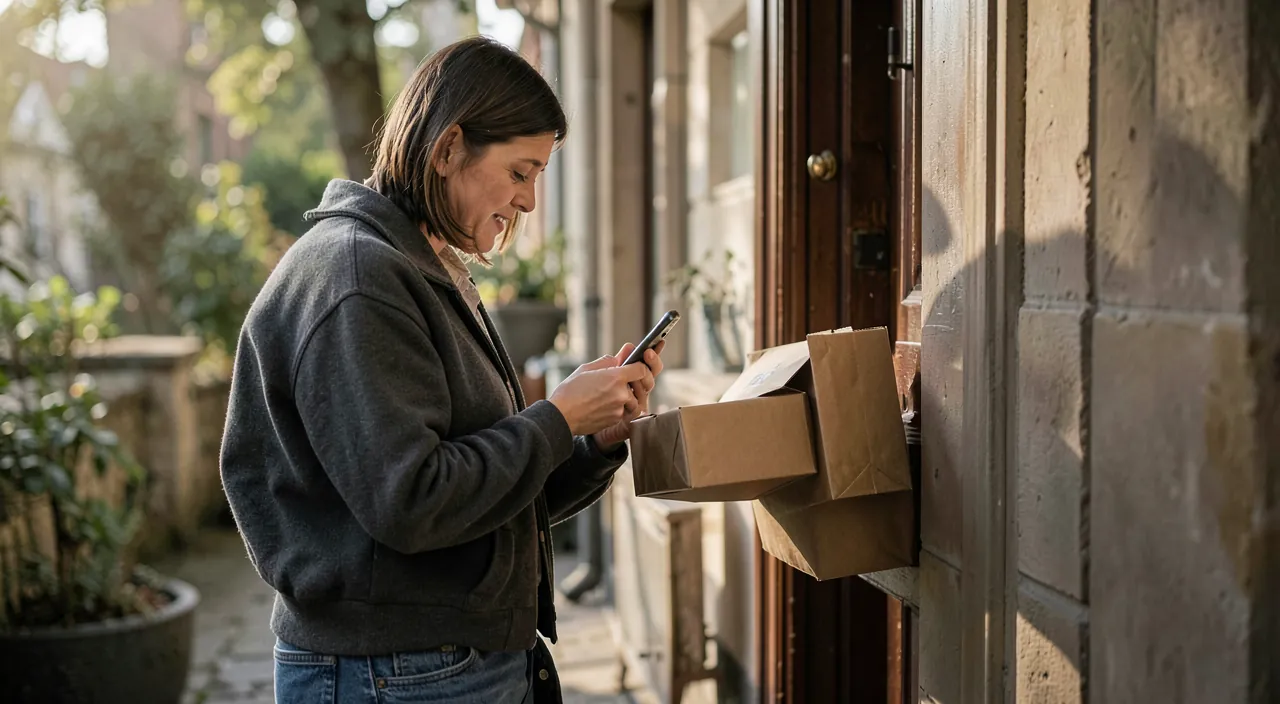
Take back control: preferences that change everything
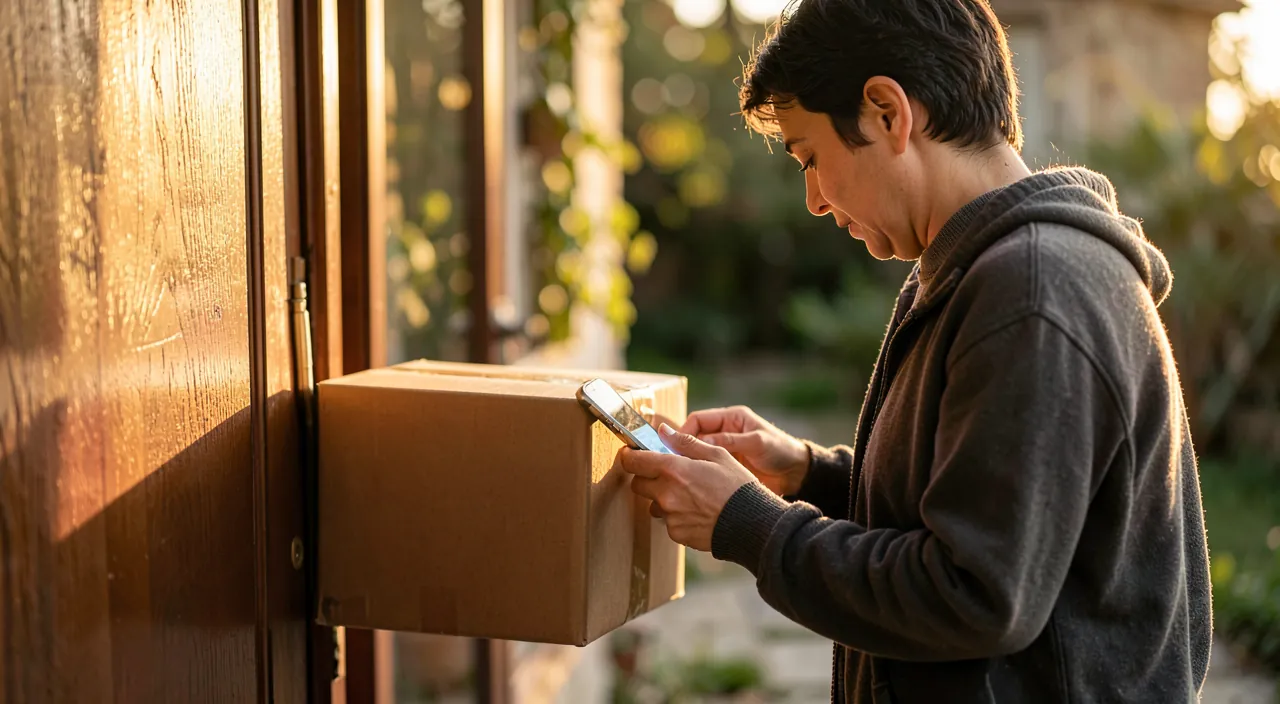
The little-known real power: carrier accounts allow you to control YOUR deliveries: the permanent instructions — the authorized deposit location (« gateway, parcel box, neighbor’s house #3 »: the discharge signature avoids the return to the agency — knowing that a parcel deposited on instruction is considered delivered: reserve instructions for safe places), the default preferred relay point, days to avoid; the redirection en route — the parcel diverted to a relay or another date when the schedule changes (the option of many carriers, free or low-cost): no more fatal delivery notice; the parcel box — the rising investment: the sealed code box in front of the house (the courier deposits, closes — standardized models are recognized by carriers): for households absent during the day, it changes everything; and the choice AT the time of purchase — the relay point by default for everything that doesn’t require home delivery (more reliable: no missed slot, pickup at your convenience, seven days of storage — and often cheaper): home delivery is earned for the heavy and bulky. Add the household calendar for the big ones: the sofa delivery is a shared event (our family organization guides) — not a surprise for the one who is there.
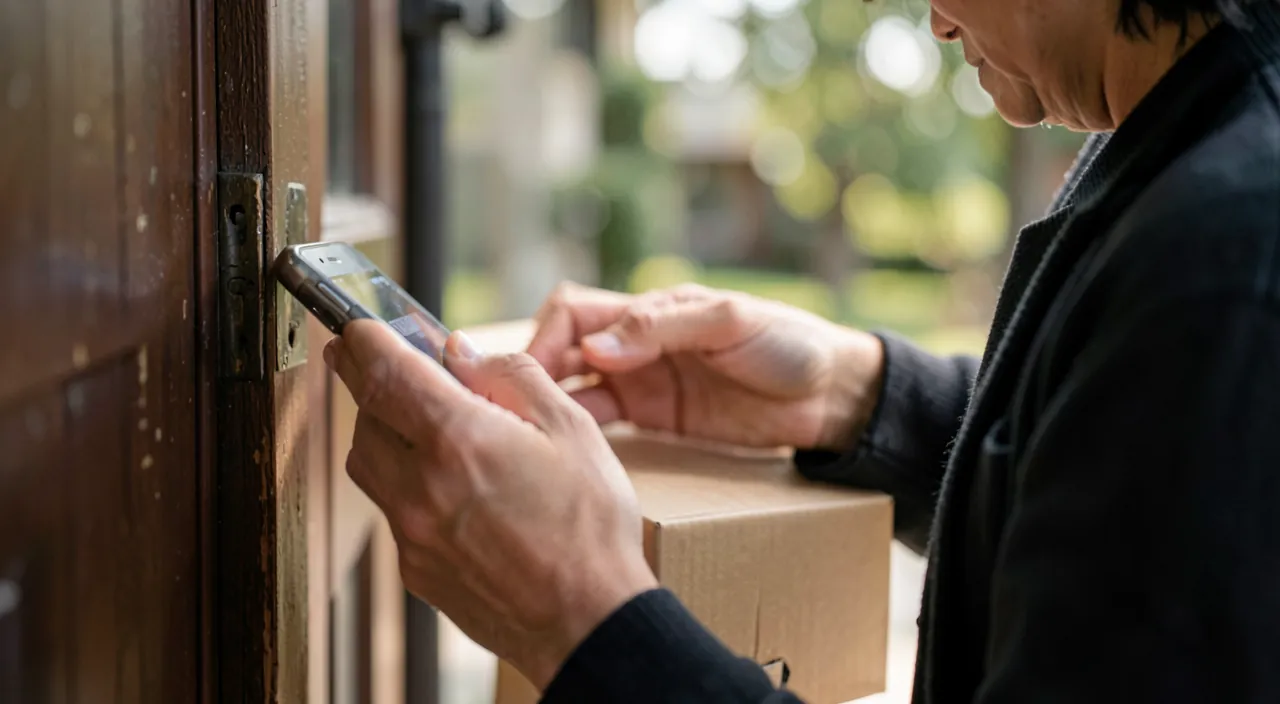
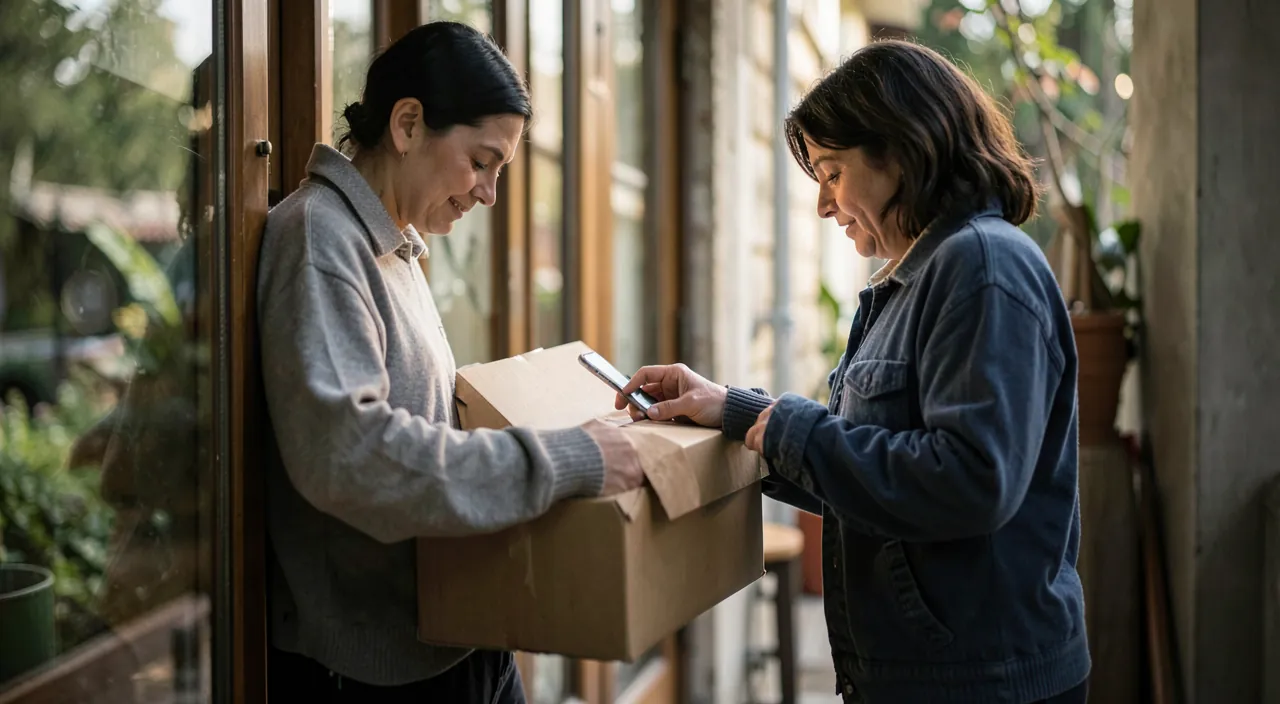
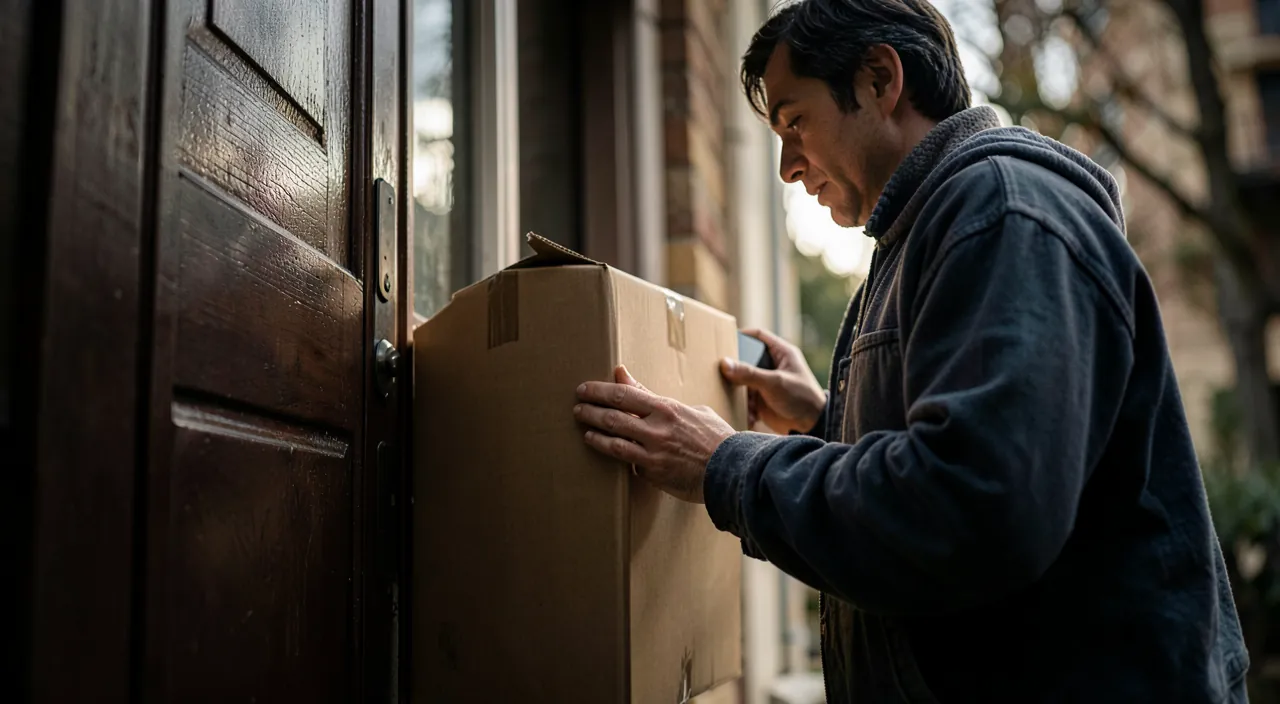
The right reflex. At each reception, thirty seconds of inspection BEFORE accepting what is signed (and during the day for the deposited): the box is examined (impacts, opening, suspicious noise) — a clearly damaged parcel is refused or accepted WITH precise written reservations on the courier’s form (« box dented on the right side » — not just « subject to unpacking », which is worth nothing legally); and for valuable items, the unboxing video (thirty seconds on the phone, from the closed parcel to the object) — the queen of evidence in the « broken/missing item » dispute, which turns a questionable case into a won case. Two reflexes, zero cost, and most disputes defused in advance.
When things go wrong: effective recourses
Common failures and their remedies — with THE golden legal rule in mind: for an online purchase, your contact is the SELLER, not the carrier — it is they who owe you the delivery (the « see with the carrier » return is unfounded: respond that the responsibility for delivery lies with them until actual handover): the « delivered » parcel never received — check the nooks (neighbors, neighbor’s mailbox, unlikely drop-off points — the carrier’s delivery photo helps: ask for it), then declaration to the seller within a few days: without proof of delivery TO YOU, they must resend or refund — insist in writing, escalate (platform dispute, bank contestation — our claim guides provide the letters); the damaged parcel — reservations or refusal upon receipt, immediate photos (parcel AND contents), reporting to the seller within short deadlines (often 48-72 hours to be comfortable); the delay that drags on — beyond the announced date: formal notice to deliver within a reasonable time, then cancellation and right to refund; the relay point that returns — the expired storage period returns the parcel: monitor the arrival notification (and the refund follows the return — remind if it lingers); and the delivery notice without delivery — reportable to the carrier (overloaded routes exist: the report feeds corrections) and bypassable by redirection to a relay. In all cases: written, photos, dates — the file makes the recourse (our letter and warranty guides complete).
The anti-scam radar: fake parcels in ambush
Delivery is the preferred disguise for phishing — because everyone is always waiting for a parcel: the SMS with « fees » (« customs/return shipping fees of 1.99€ » with payment link): the dominant scam — the small amount is the bait, the card capture the goal (and sometimes the hidden subscription behind): NO carrier demands fees via SMS-link — real customs fees are paid on the app/the official website or upon delivery; the fake delivery notice (« your parcel is waiting, confirm your address ») that harvests coordinates and cards; the fake courier on the phone (« I’m downstairs, give me the code you received » — the code actually validates something else: nothing is communicated); and the brushing — the parcel never ordered (seeds, trinket) used to post fake notices in your name: report, obviously pay nothing. The three reflexes that cancel everything: never via the link — any parcel alert is verified in the official carrier app (your centralized account also serves for THIS: the real status in two seconds); the tracking number is conclusive — no verifiable number = no parcel; and the expectation of a parcel excuses nothing — it is precisely because you are expecting one that the fake SMS works: vigilance increases during your orders, it does not decrease.
Scammers often pretend to be delivery services to trick you into paying fake fees or giving away personal information. Always verify any delivery notification through the official carrier app before taking action.
You receive an SMS saying you owe 1.99€ in customs fees for a parcel you didn’t order. Instead of clicking the link, you check the official carrier app and see no such parcel exists. This is a scam, and you ignore the message.
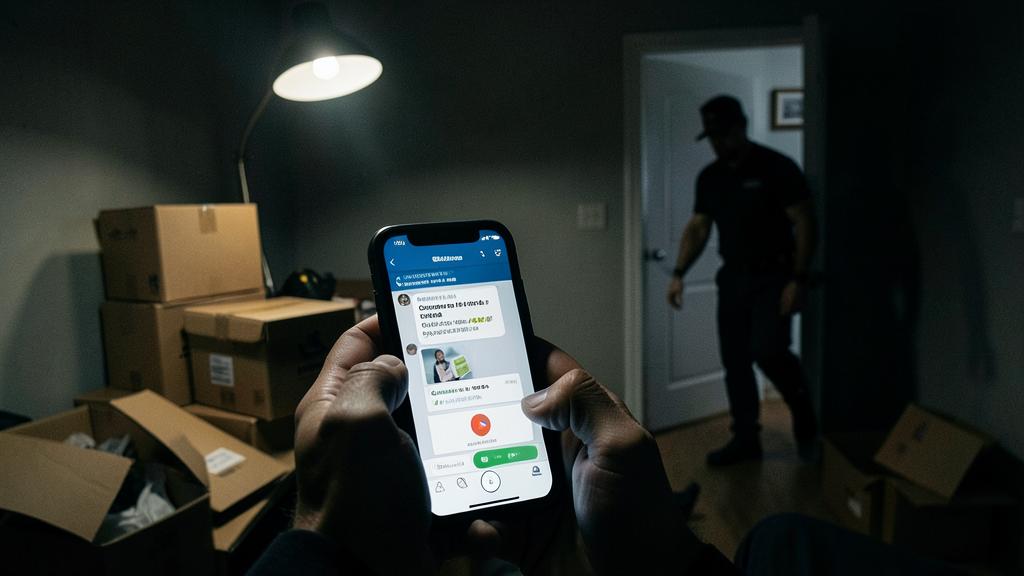
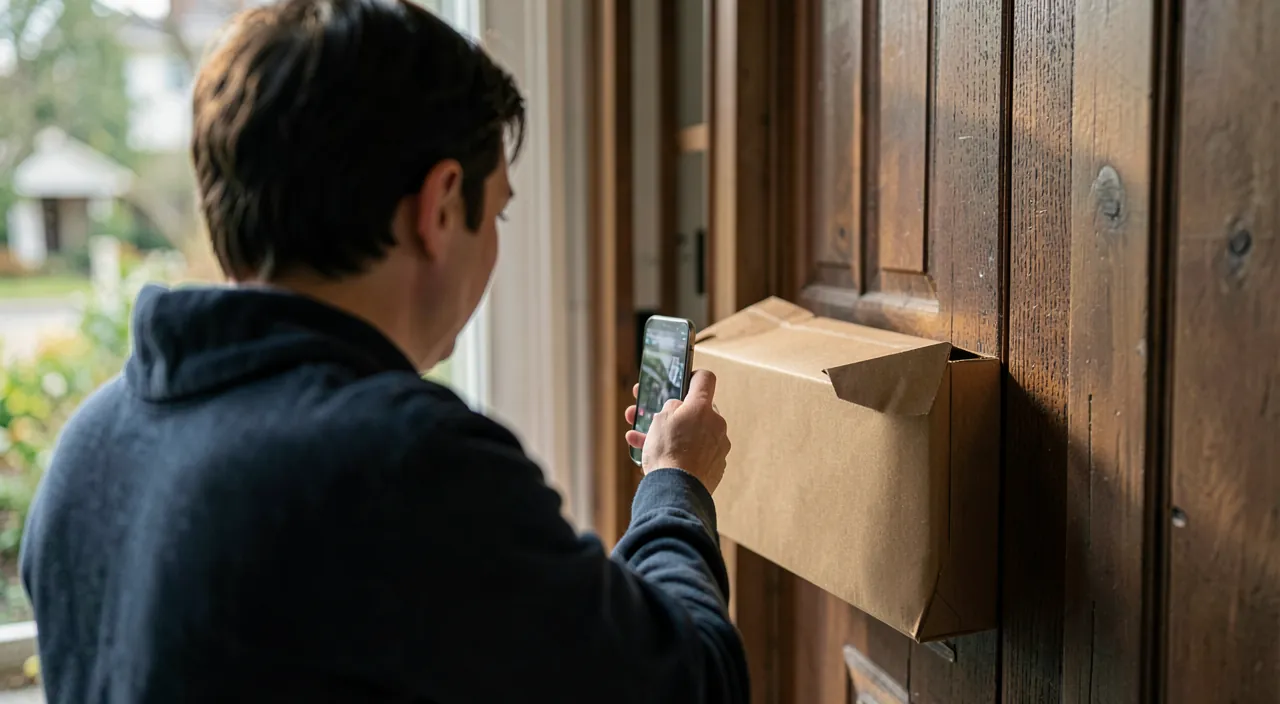
Beware of deliveries that expose the home. Two blind spots in domestic security: the talkative boxes — the packaging of the 65-inch TV left intact in recycling announces the equipment to the neighborhood: fold, turn over, make it ordinary (and the address labels are torn or scratched — name, phone number and sometimes email are listed: the reflex before the yellow bin); and the flow that reveals your absences — repeated « leave if absent » instructions and parcels piling up on the facade signal an empty house (vacations: suspend orders or reroute everything to a relay — the trusted neighbor remains the best carrier in the world). Delivery is a gateway to information about the household: it is managed as such.
Frequent questions
Can the courier demand a code or ID?
The pickup code (received in the official app/SMS) is legitimate for certain deliveries and at relay points — it is given TO the courier in person, never by phone or message. ID may be requested at relay points and for shipments with verified signature: normal. What is never normal: an unplanned payment at the door — polite refusal and verification in the app.
What to do with deliveries when living in an apartment without a concierge?
The winning trio: relay point by default (the most reliable in the city), automatic instructions (lockers in stations and shops — selectable at checkout with many merchants), and for home delivery — the chosen time slots of premium carriers and the intercom listed in the instructions (« ring NAME, 3rd left »): half of delivery failures in buildings are due to illegible intercoms.
Packaging is piling up: what does common sense say?
Boxes folded for recycling (made ordinary — see above), padding reused for your own shipments (your second-hand sales — our guides take advantage), and the stock of one or two sturdy boxes « just in case » (returns: sending back in the original packaging remains the best protection — keep those of devices under warranty, at least the first year).
What to remember
Delivery is tamed in four areas: centralize (the apps of recurring carriers — real tracking, surprise parcels, and the instant refutation of fake SMS), pilot (permanent instructions, redirections, default relay, parcel box for absentees), protect yourself upon receipt (inspection before signing, precise reservations, unboxing video for value — and the seller as the only contact in dispute, in writing, within deadlines), and smell the scam (no fees via SMS-link, never communicate a code, everything is verified in the official app). Add the ordinary boxes and absences not announced by your instructions: the flow that suffered becomes a flow that obeys. The next « your parcel is waiting » will no longer make you run or click — and that’s exactly the goal.
Want to gain ease with your digital tools? Our personalized training adapts to your level.
Leave a Reply
You must be logged in to post a comment.