
The gesture has become automatic without us noticing: the card lightly brushed, the phone held up, the watch extended — and the ringing species becoming exceptional: more than half of in-store payments now go through contactless, ATMs are closing by the hundreds, and a generation is growing up without ever having made change. What happened, where is this going — ceilings, « cashless » stores, digital euro — and what should we think, between real comfort and legitimate questions about the disappearing money? State of play.
How contactless won (and why it deserved it)
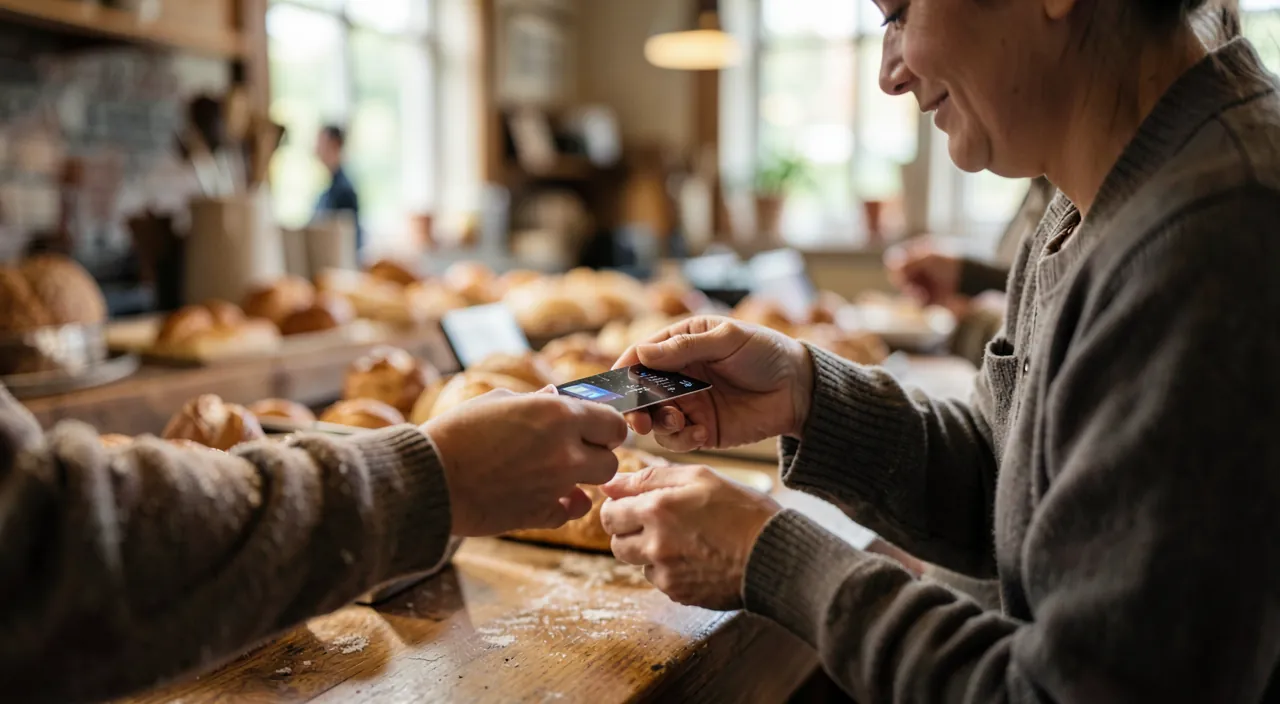
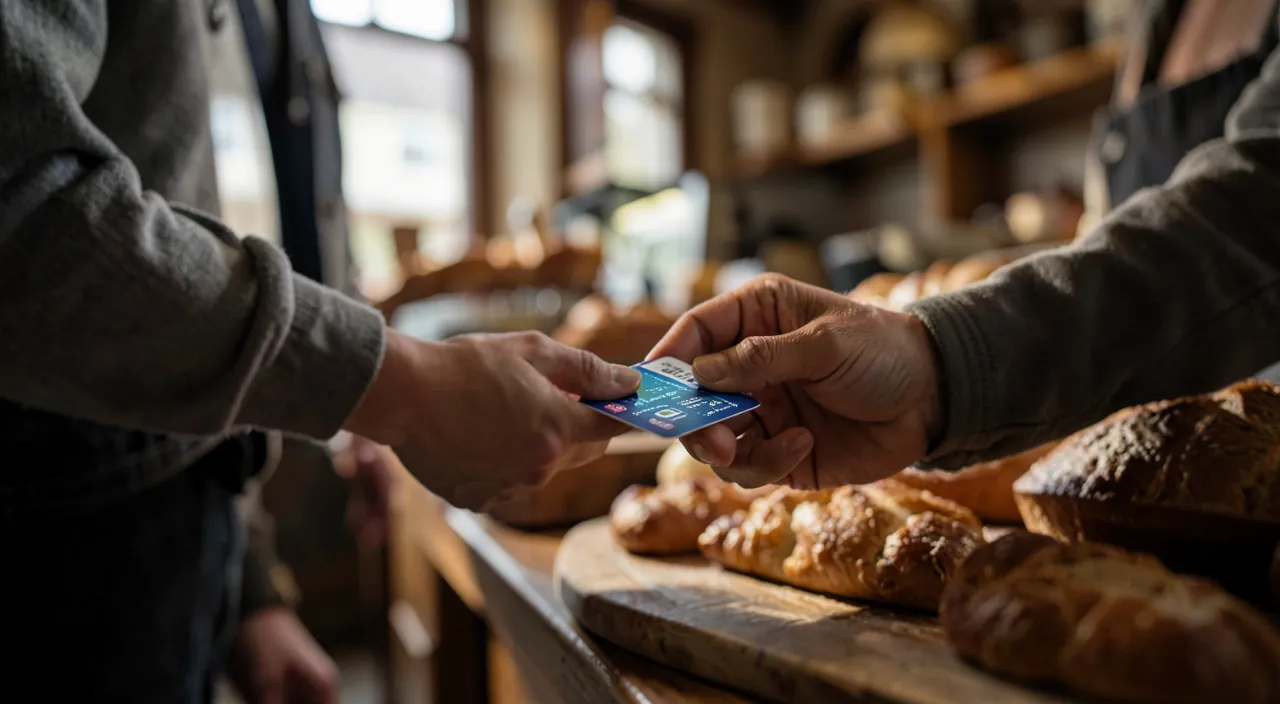
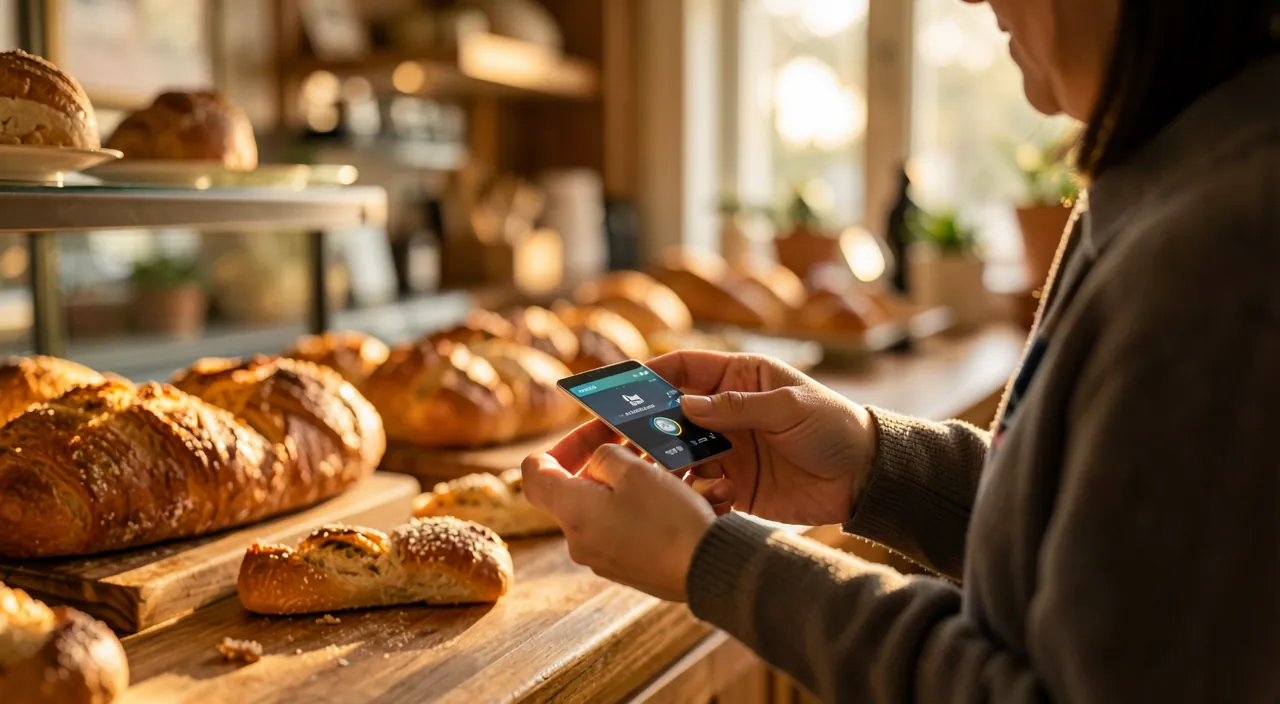
The shift comes from a combination: hygiene and habit (the pandemic years’ accelerator never slowed down), the raised ceiling (50€ per card — and unlimited via phone, with biometric authentication removing the limit: mobile payment covers everything from coffee to the shopping cart), speed (shorter checkout benefits everyone — contactless has won over bakeries, the last bastion), and universal equipment — including for merchants: terminals have become widespread (readers for a few dozen euros, and the merchant’s phone as a terminal itself — the cashier function without a reader equips artisans and markets): the greengrocer accepts card payments, completing the loop. On security, let’s recap the essentials (our Apple Pay guide details it): contactless via phone is safer than the physical card (authentication for each payment, tokenized number never transmitted), and the contactless card itself is a low and limited risk — massive fraud happens elsewhere (phishing, fake advisors). Comfort hasn’t come at the expense of security: it has actually improved it.
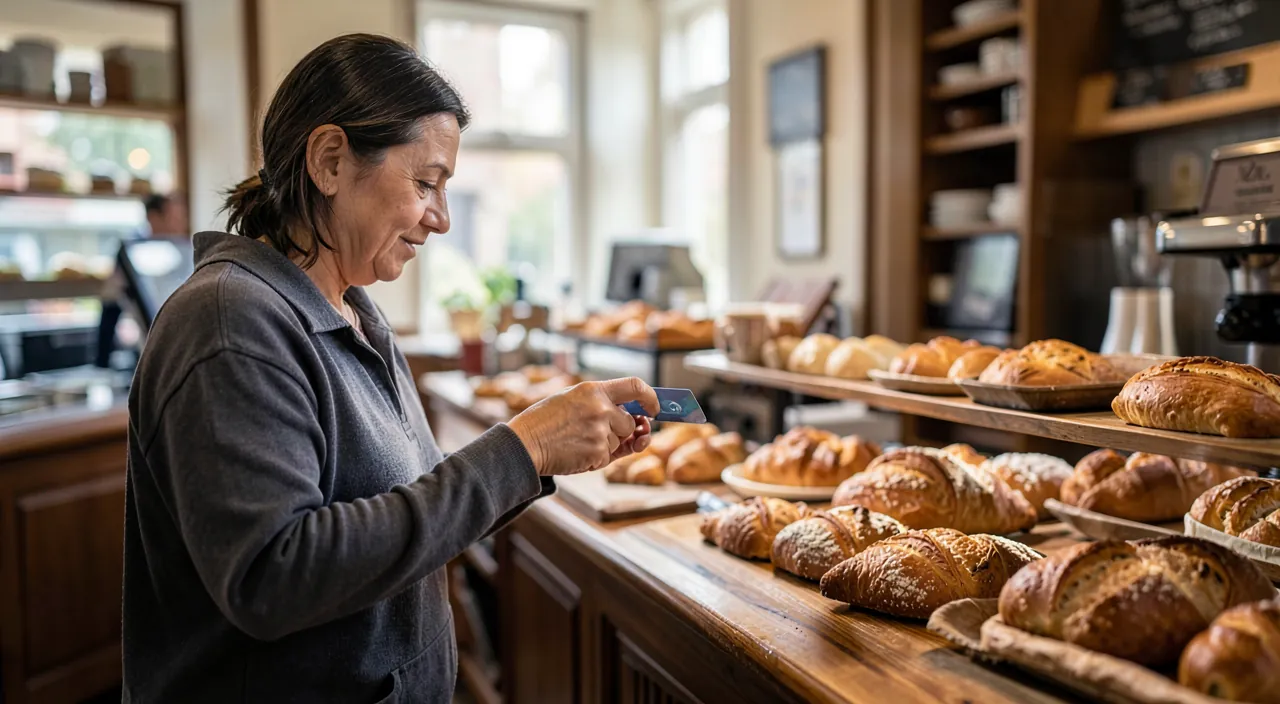
Contactless payments took over because they’re faster, more hygienic, and work for big or small purchases. Phone payments are even safer than cards because they use biometric checks and encrypted data.
In France, a typical supermarket checkout now processes 80% of transactions via contactless cards or phones. A bakery in Paris reports that 95% of customers under 30 pay this way, even for a single croissant.
The hidden side: what the disappearance of cash raises as questions
The decline of cash isn’t neutral — serious issues at stake: inclusion — millions of people rely on cash (precariousness, old age, banking bans, legitimate preference): « 100% cashless » commerce excludes them — in France, refusing cash is actually illegal for a merchant (legal tender applies, with framed exceptions): a right to know and assert; access to cash — the closure of ATMs (bank rationalization) creates cash deserts in rural areas: withdrawals at merchants (cashback) and relay points partially compensate — the network becomes a territorial planning issue; resilience — all-digital assumes everything works: network outages, cyberattacks, power cuts (massive payment system failures exist — highly dematerialized countries now officially recommend keeping cash at home): a reasonable cash reserve remains a sensible advice, not nostalgia; privacy — cash is the last untraceable payment: all-card payments draw a complete history of your purchases (banks, platforms — and the debate on the use of this data has only just begun); and the relationship with money — paying without « feeling » it leads to more spending (the effect is documented): children who have never seen coins learn about money in the abstract — a real educational challenge for parents (cards and apps for teens, with limits and tracking, are a good learning tool… if accompanied).
The right reflex. Adopt the three-tier rule: phone/watch for daily use (the safest and most practical), a physical card as a permanent backup (unreliable terminal, dead battery), and a reasonable cash reserve — a little on you (the market, tips, emergencies), a fund at home (outages, emergencies — official resilience recommendations from several European countries mention enough to last a few days). Contactless has won the day; cash keeps two jobs — inclusion and outages — that no app can replace.
Ceilings, rights and usage: what you need to know
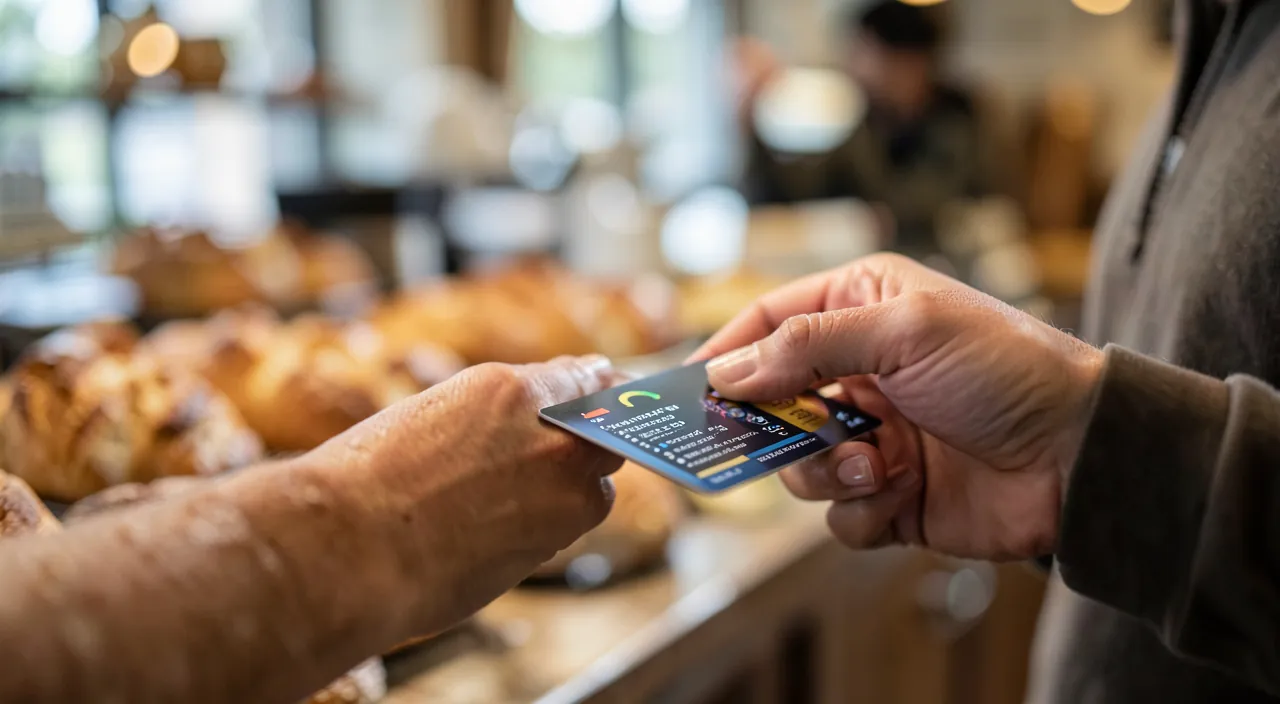
The citizen’s guide to modern payment: ceilings — 50€ per contactless card transaction (with cumulative limits before re-entering the code, varying by banks — the randomly requested code is a security, not a failure), unlimited via biometrics on phone, and your own adjustable ceilings in the banking app (the airbag to adjust — see our guide); rights — cash cannot be refused (up to 50 coins per payment, and excluding exceptional amounts), cash payment is legally capped for large amounts between individuals and professionals (thresholds exist — relevant for buying a used car), and the merchant can require exact change but not a card; tips and donations — the silent victims of dematerialization (no coins = no tip jar): terminals with integrated tips and donation QR codes are becoming widespread — think about it, tip-based jobs depend on it; and foreign countries — contactless travels remarkably (same gestures everywhere, automatic currency conversion — watch out for fees depending on your bank and the « payment in euros » trap offered by foreign terminals: ALWAYS choose the local currency, terminal conversion is systematically unfavorable). Payment has become an area where three settings and two rules actually save money every month.
And after: digital euro, disappearing accounts and cards
The next step: the digital euro — the European Central Bank’s project for a public digital currency (an « electronic bill »: free, usable offline for small amounts, with holding limits to protect banks — and partial anonymity for small transactions, precisely designed to succeed cash on this front): cautious schedule, real political debates (privacy, role of banks), but direction set — a public alternative to the duopoly of private card networks, which is the discreet geopolitical issue of the whole affair (Europe pays today via American infrastructures); the physical card on borrowed time — banks are testing digital cards first (the card created in the app before existing in plastic — or never): the next generation may never hold a card in hand; account-to-account payments — instant transfer (made free by European regulation) and its public interfaces (pay by scanning, between friends as in stores) are rising as an alternative to cards; and biometrics expanding — paying with a glance or palm is being tested here and there: the question will soon no longer be « card or phone » but « which body proof » — with the accompanying societal debates. Payment, long immobile, has become one of the most dynamic fields of everyday tech: the habits taken today (security, settings, critical thinking) are the best equipment for the future.
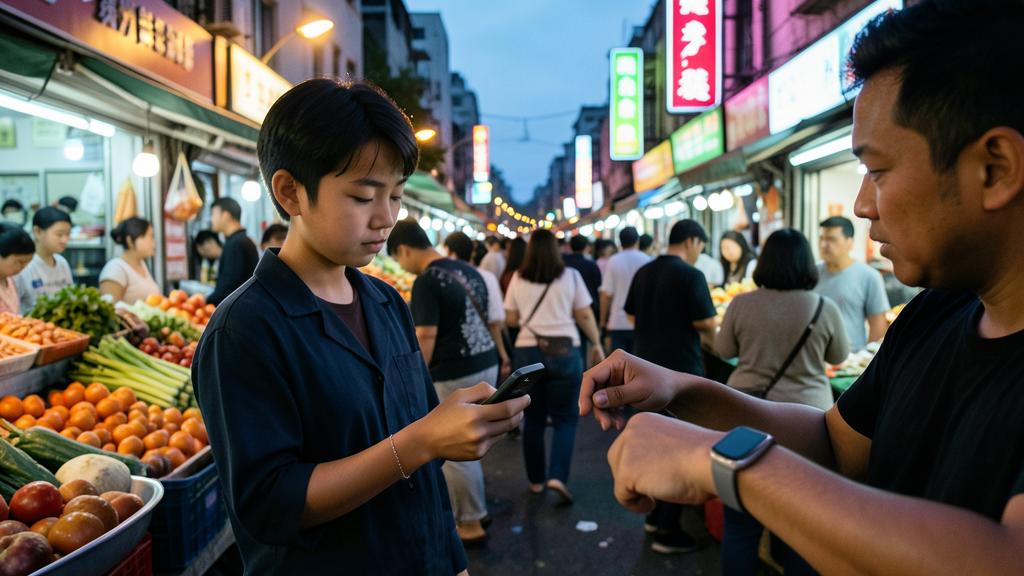
The digital euro is like electronic cash: you can use it without internet for small purchases, and it’s designed to replace physical money while keeping some privacy. Banks will still play a role, but this could reduce Europe’s reliance on American payment systems.
In Estonia, a pilot project for the digital euro allowed users to pay for a €5 coffee with a phone app, even when offline. The transaction was anonymous, and the system worked like cash but without physical coins.
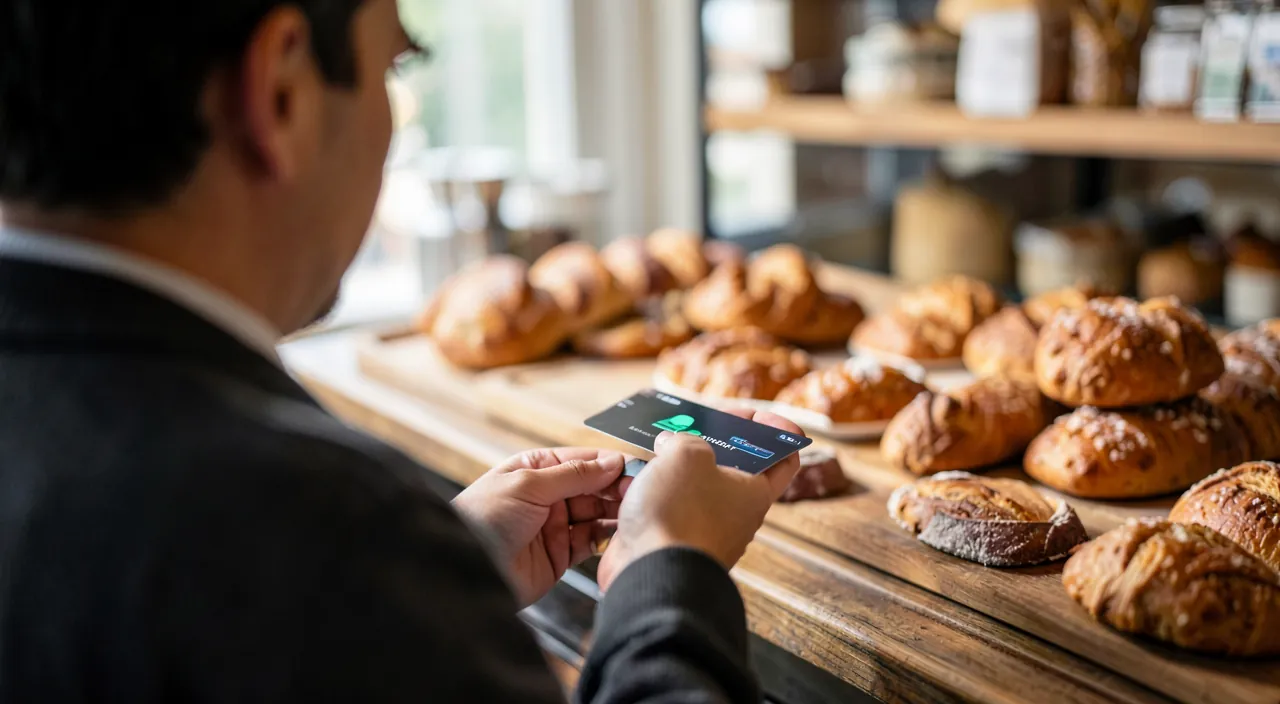
Beware of contactless fraud — the real ones. Forget the myth of the hacker « sucking » cards in the metro (economically marginal, capped, reimbursable): the real attacks of modern payment are social — the fake bank advisor who validates payments (our dedicated guide), the terminal with inflated amount handed without showing the screen (ALWAYS check the displayed amount before approaching card or phone — authentication is like a signature), fraudulent payment requests between individuals (the payment link received by SMS), and the double charge from the terminal « that didn’t work, try again » (check the history before re-paying). The gesture is safe; vigilance focuses on the amount, recipient and context — as always, humans are the attack surface.
Frequently asked questions
Can a merchant refuse my card or impose a minimum?
Yes — the card is contractual (the merchant pays commissions): minimum purchase and refusal are legal if displayed. The opposite is true for cash: its refusal is illegal (legal tender). Hence the interest of the three tiers — the household equipped with both never gets stuck.
Does phone payment work without network?
Yes for paying: Wallet cards work without connection (tokens are in the secure chip) — it’s the merchant’s terminal that needs the network. And a payment reserve remains available even with very low battery on recent phones. The real systemic failure (banking networks) is rare — and it’s cash that covers it.
What to think of group funds and app payments between friends?
Very practical (reimburse the restaurant in ten seconds, the gift fund) with two rules: only accept payment requests from people you can certainly identify (fake requests exist), and consider these balances as passing money — the bank account remains the home of money, not app wallets.
What to remember
Contactless has won because it deserved it: faster, more practical, and — via phone — safer than the card it replaces. Serious questions lie elsewhere: the inclusion of those who live on cash (their refusal is illegal — a right to defend), access to cash in territories, resilience in case of failure (a cash reserve remains official sensible advice), the traceability of all purchases, and the learning of money that has become invisible. The three-tier rule equips daily life (phone, backup card, cash reserve); banking settings and vigilance on amounts and recipients make real security; and the digital euro, on the horizon, will tell if Europe equips itself with a public electronic cash. Money is changing shape faster than in centuries — keeping it in YOUR hands, in all its forms, is the real issue.
Want to understand and master the technologies that change your daily life? Our training courses will enlighten you.
Leave a Reply
You must be logged in to post a comment.