
Silent, nervous, increasingly affordable to use: the electric car has gone in a few years from a militant curiosity to an ordinary choice — to the point that the question is no longer « for or against » but « when and how ». Behind the wheel, however, an entire technology has refined itself: batteries, charging, electronic management, recycling. Understanding these behind-the-scenes helps to see clearly — for a potential purchase, or simply to follow one of the greatest industrial mutations of our time. Guided tour, without jargon and without dogma.
The battery, heart (and price) of the car
Everything revolves around it: the battery represents a major share of the vehicle’s cost, determines the range, and crystallizes the debates. Yet the progress is spectacular and continuous: increasing density (more kilometers for the same weight), costs on the decline steadily over a decade, diversified chemistries — including variants without expensive critical materials for affordable models — and a longevity that has defied fears: batteries age better than announced, retaining most of their capacity after long years, backed by manufacturer warranties. The fuel tank was a simple can; the battery is an intelligent organ, monitored cell by cell by its management electronics.
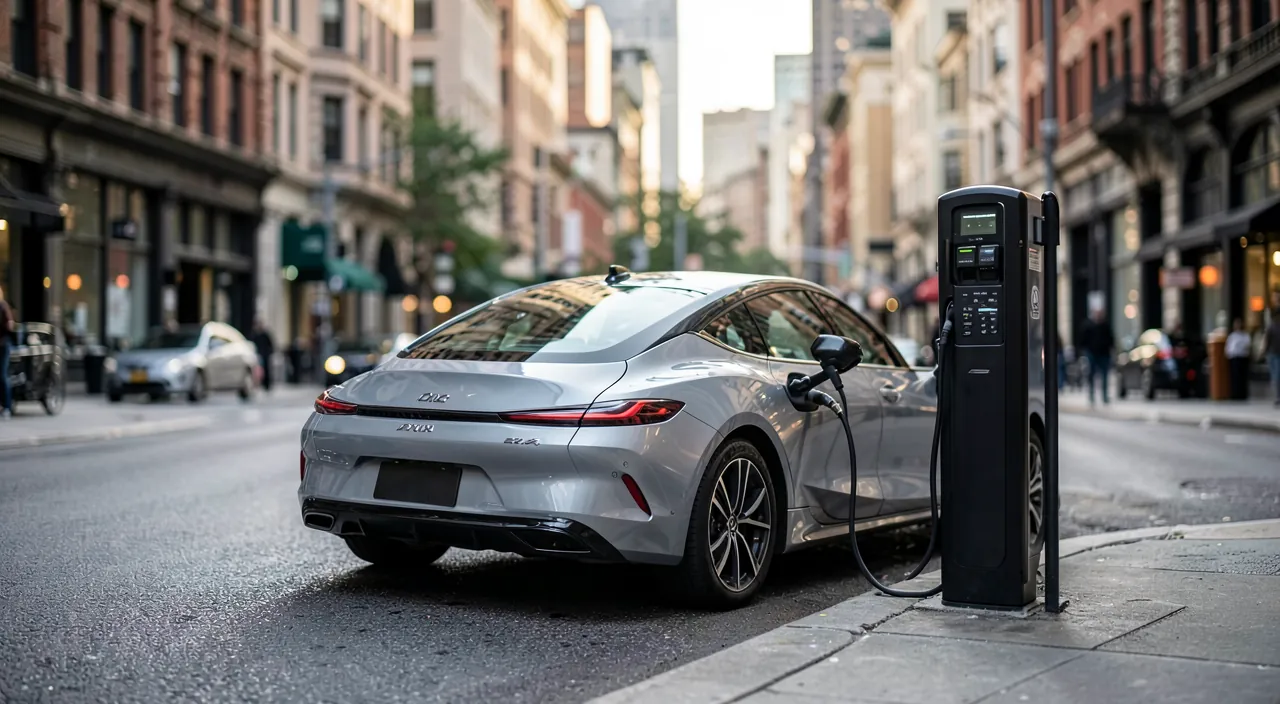
The battery is the most expensive and crucial part of an electric car. It’s getting better over time: cheaper, lighter, and lasting longer than expected. But it’s also complex, with electronics managing each cell to keep it safe and efficient.
A Tesla Model 3 with a 75 kWh battery can travel around 400 km on a full charge. After 100,000 km, it might lose only 10-15% of its range, thanks to better battery management systems.
Charging: the real change in habits
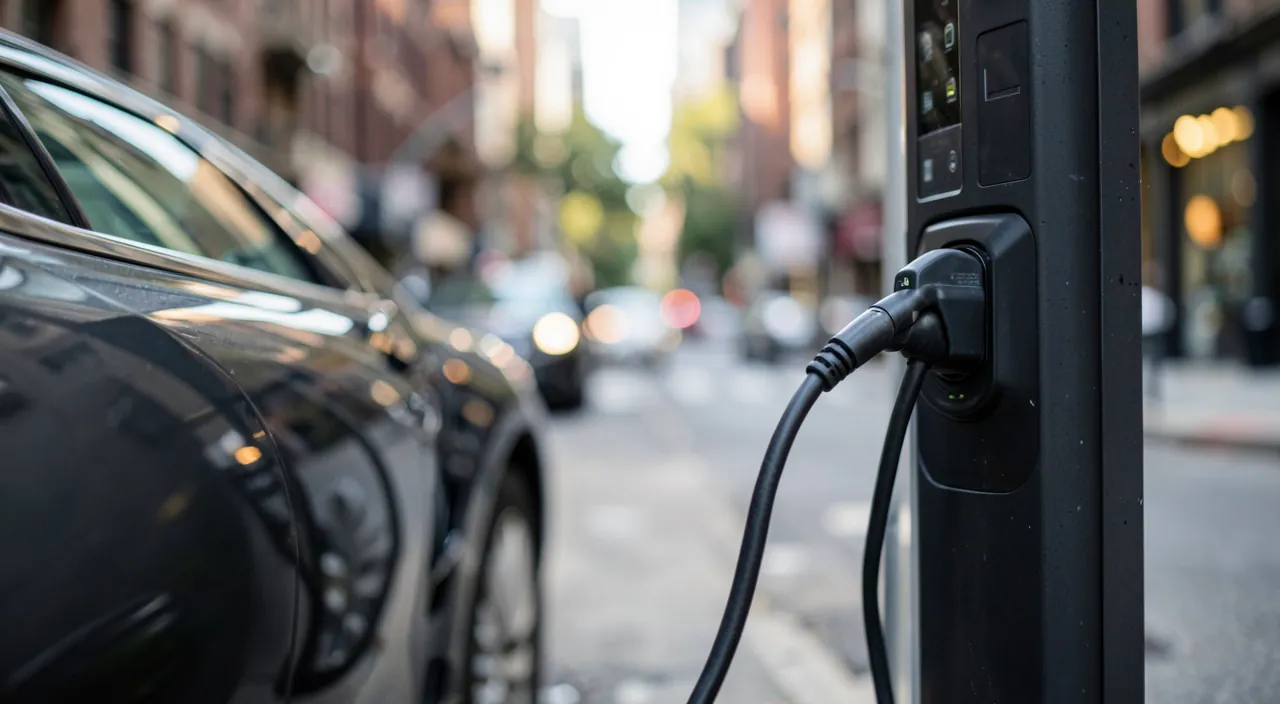
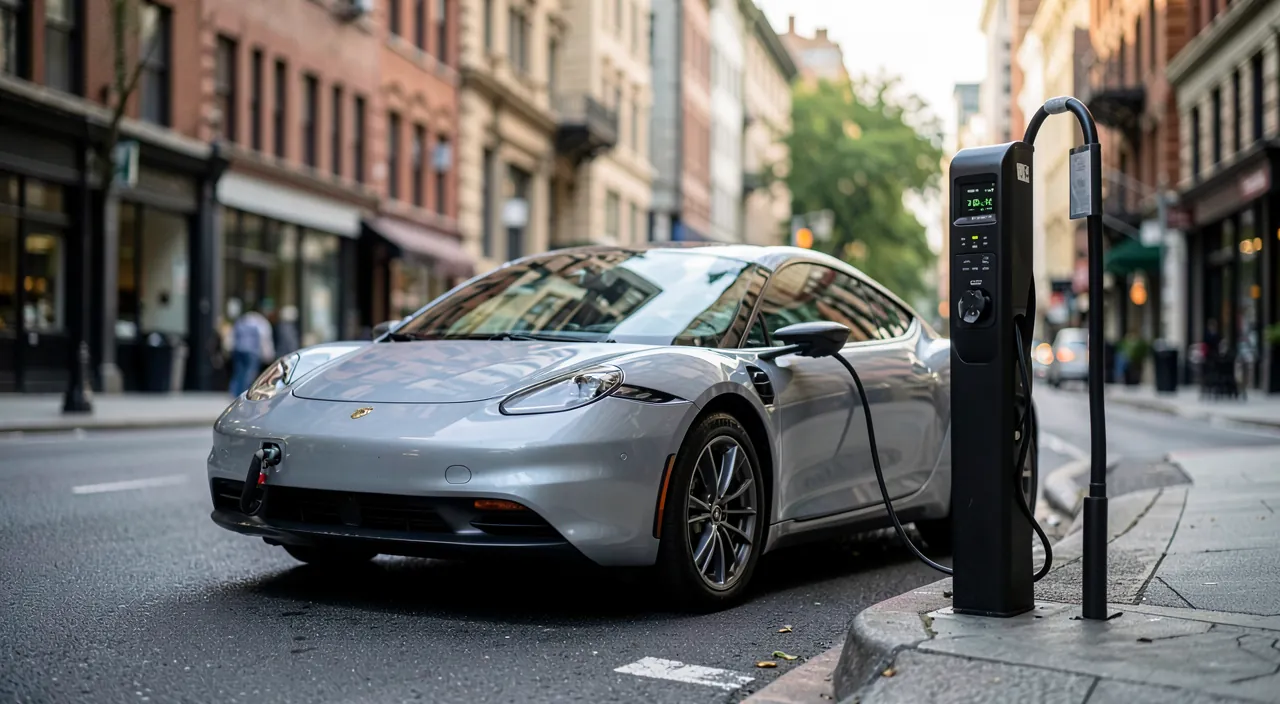
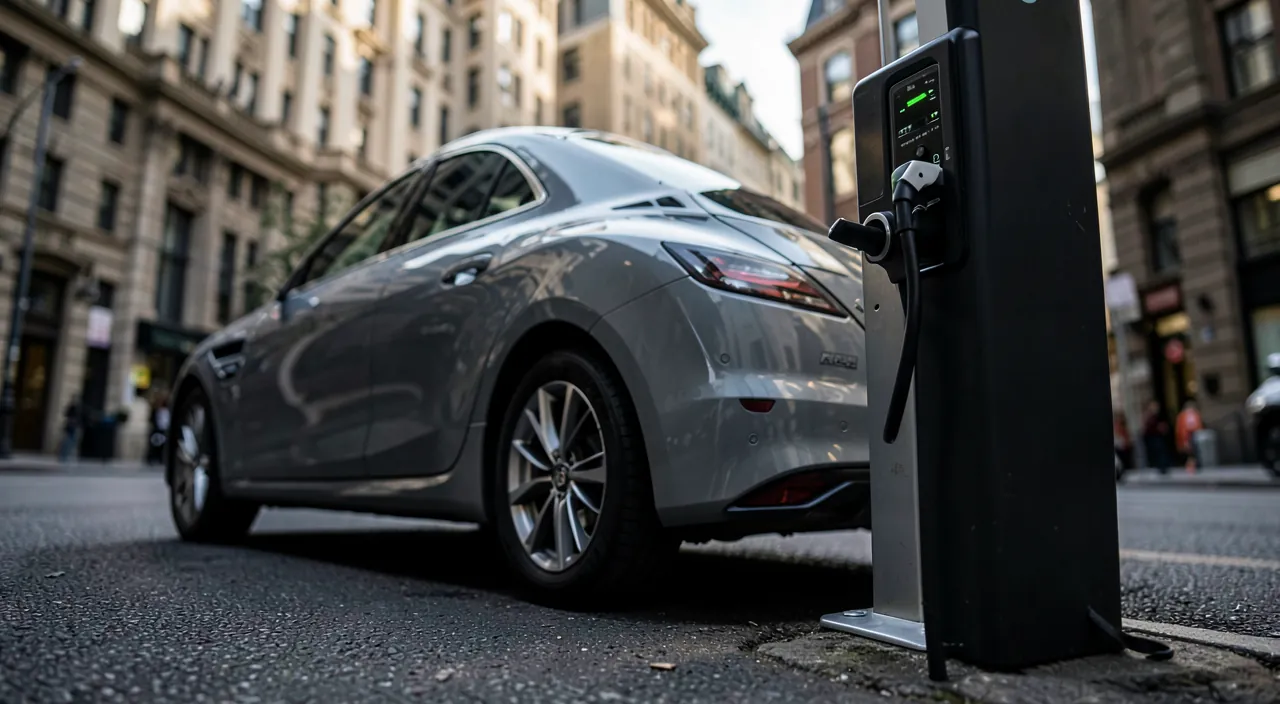
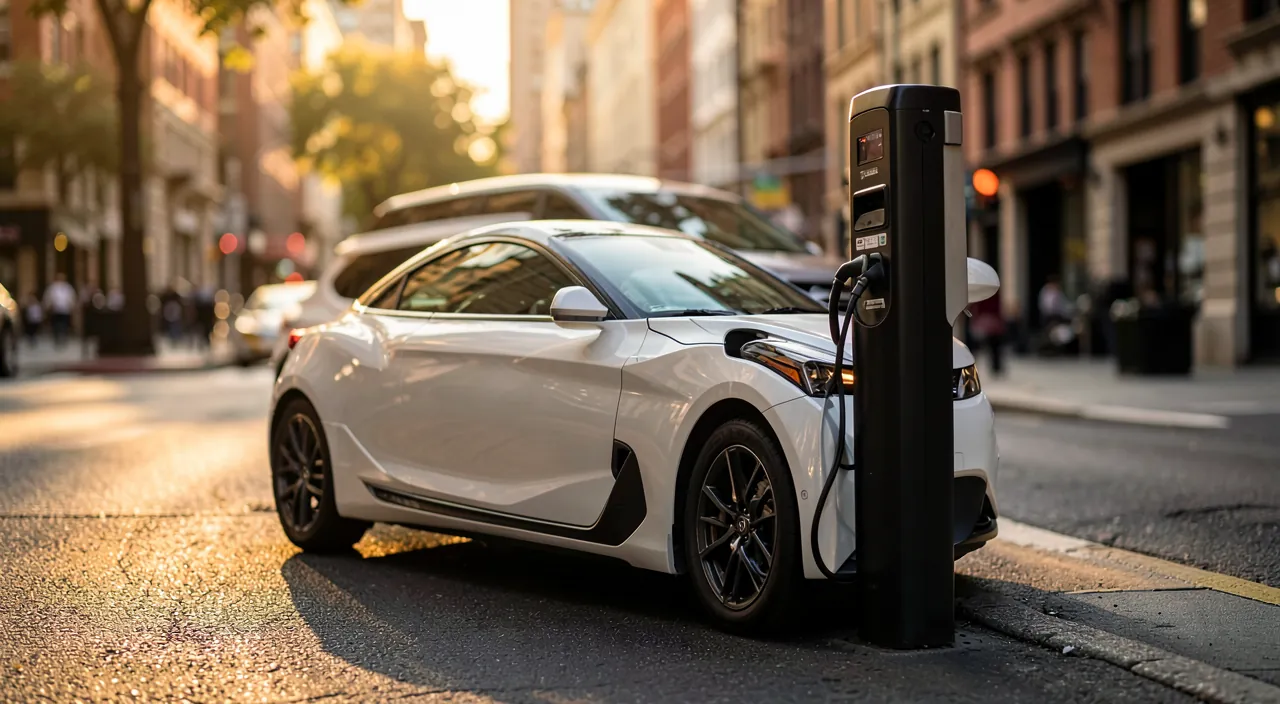
Switching to electric means less changing your car than changing your relationship with the « full tank ». The logic is reversed: you no longer go to fill up, you charge where the car sleeps — mostly at home for the majority of uses, with the ordinary day’s driving largely covered. Fast chargers have transformed long trips: a coffee break is enough to regain a large part of the range, and the highway network has become so dense that the « fear of running out of power, » while not completely gone from people’s minds, has largely disappeared in practice — the car itself plans its charging stops. Two real issues remain: charging for residents without private parking, improving but uneven across territories, and the readability of prices between operators.
The right reflex. If you’re considering electric, think about your actual trips rather than the maximum range displayed: the car charges overnight like a phone, and range only really matters on long trips — a few times a year, handled by fast chargers. The decisive criterion is not « how many kilometers maximum? » but « where will the car sleep, and can I plug in a charger there? »
Under the hood: a different mechanics
The electric motor is disarmingly simple compared to the thermal engine: very few moving parts, no clutch or complex gearbox, immediate torque that explains these sharp accelerations — and reduced maintenance (no oil changes, no belts, no exhaust; the brakes themselves wear less thanks to regenerative braking, which recharges the battery while decelerating). The complexity has shifted to the electronics and software: fine management of the battery, remote updates that improve the vehicle after purchase, driving aids. The car becomes an evolving technological object — with all that implies in terms of dependence on software and manufacturer updates.
Ecology: the real balance, without slogans
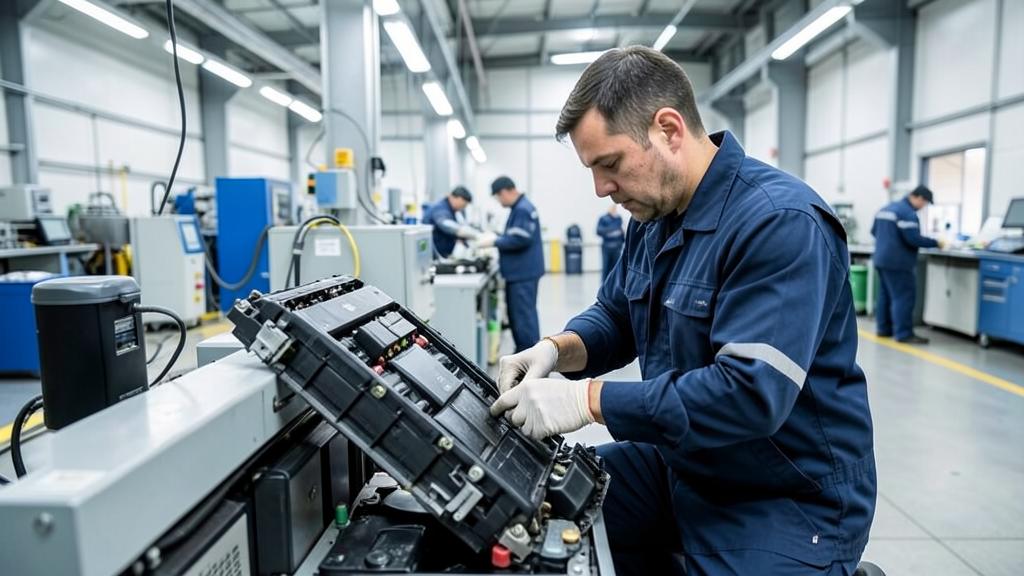
Let’s be frank: manufacturing an electric car — especially its battery — emits more than manufacturing a thermal car. This initial « carbon backpack » is then offset during use: after a mileage of the order of a few tens of thousands of kilometers (variable depending on the country’s electricity), the overall balance clearly favors the electric, and the gap then widens with each kilometer — especially with low-carbon electricity. Added to this are the absence of air pollution in cities and the silence. The real remaining challenges: the extraction of materials and its conditions, and the recycling of batteries — a sector that is gaining momentum, with used batteries often having a second stationary life (energy storage) before recycling. Neither miracle nor scandal: a clearly favorable balance, and improvable.
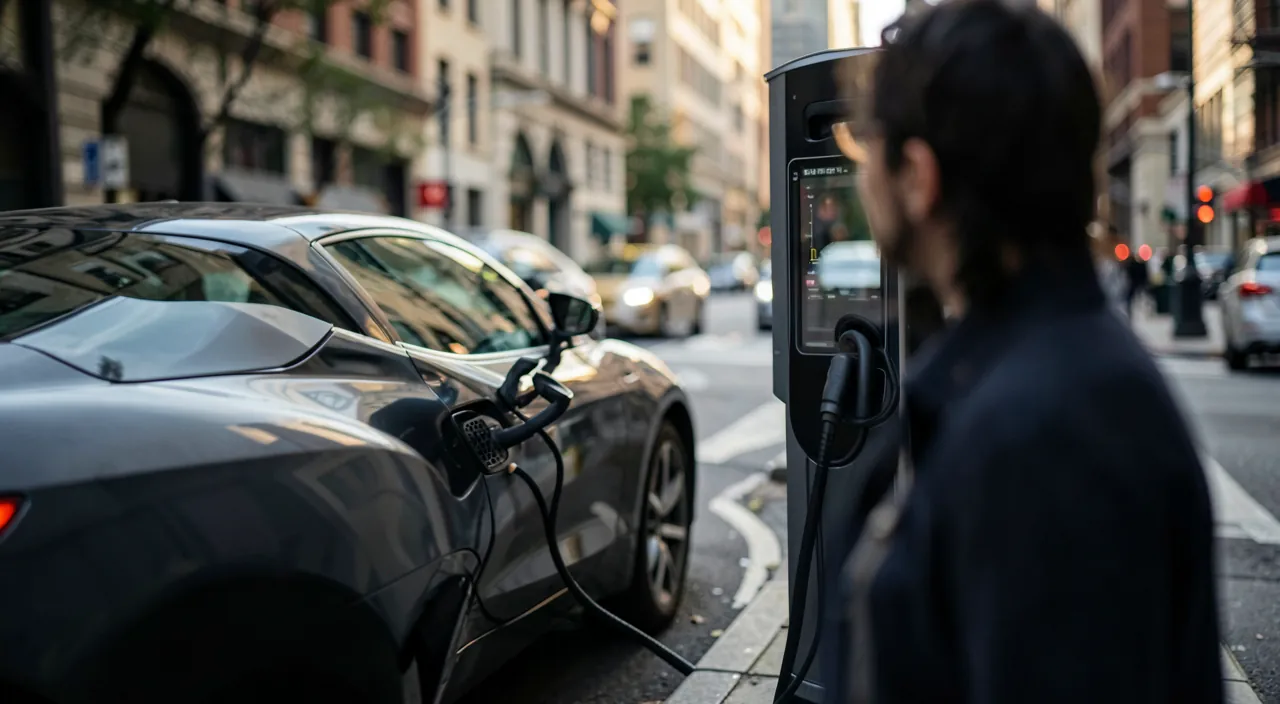
To anticipate if you take the plunge. Three checks are worth it before buying: the charging solution at home or nearby (the point that changes everything in daily life), the real cost of use — electricity, reduced maintenance, taxation — to be compared over several years rather than just the purchase price, and the state of the battery for a used vehicle (a battery health report has become a standard to demand). The electric car is chosen based on usage, not the technical sheet.
Frequently asked questions
Do batteries really last?
Better than expected: degradation is slow and manufacturer warranties cover long durations. A battery at the end of its automotive life still has value — second life in storage, then recycling of materials.
Will the electrical network support everyone?
Charging, mostly nocturnal and controllable, spreads over off-peak hours — it’s even an asset for the network, the car being able to become a backup storage. The transition is managed, it is not suffered.
Hybrid or fully electric?
The plug-in hybrid makes sense for specific profiles (heavy drivers without reliable charging); for daily use with accessible charging, the fully electric is simpler, more economical in use, and more consistent. Once again: your trips decide.
What to remember
The electric car has gained its normality through technology: denser, cheaper, and durable batteries, fast charging that has changed long trips, simple mechanics with reduced maintenance, software that improves the vehicle over time. Its ecological balance, honestly assessed — heavier manufacturing, much cleaner use — clearly favors it, with recycling as an ongoing challenge. For the driver, everything comes down to a question of usage: where does the car sleep, and can you plug in a charger there? If the answer is yes, electric is no longer a gamble — it’s, more and more often, the simplest choice.
Curious about new technologies? Let’s train together.
Leave a Reply
You must be logged in to post a comment.