
A base of cream, three tired carrots, some leftover rice, two eggs: open the fridge, don’t know what to make, and often end up in the trash. Food waste weighs on the budget and the planet, yet with a bit of imagination, these leftovers can become good meals. Artificial intelligence is here a surprising and concrete helper: tell it what you have on hand, and it will propose recipes adapted to your tastes, the time you have, or your dietary constraints. A kitchen assistant available at any time. Here’s how to use it to cook smart and throw away less.
How AI transforms leftovers into meals
AI (generative AI tools — our guides to understanding generative AI) is skilled at combining elements and proposing ideas: cooking with what you have is an exercise it excels at. Concretely, here’s what it can do. PROPOSE RECIPES FROM INGREDIENTS: give it the list of what you have (even disparate), and it will imagine one or more possible dishes. ADAPT TO YOUR CONSTRAINTS: specify the time you have (e.g., « I have twenty minutes »), the number of guests, your tastes, a specific diet (vegetarian, gluten-free, lactose-free), the available equipment; it takes these into account. VARY IDEAS: if the first suggestion doesn’t inspire you, it will propose others, in a different style (Asian, gratin, salad, soup). EXPLAIN THE STEPS: it details the preparation step by step, which helps beginner cooks. SUGGEST SUBSTITUTIONS: missing an ingredient? Ask what you can use instead, and it will propose an alternative. HELP TO NOT WASTE: it can suggest how to use a specific leftover, how to use an ingredient before it spoils, or how to cook in large quantities for later. GIVE CONSERVATION TIPS: how long to keep a dish, how to freeze, how to recognize when an ingredient is no longer good (with caution, see below). What’s the point? To LESS WASTE (use what you have instead of throwing it away — our guides to anti-waste applications); to cook MORE VARIETY (step out of your habits, discover new combinations); to save TIME (no longer need to search for a recipe that exactly matches what you have); and to IMPROVE in the kitchen (understand how to combine ingredients). The main idea: AI is a partner in kitchen improvisation. It doesn’t replace taste, common sense, or your knowledge of what’s still good to eat; but it unlocks imagination, proposes paths you wouldn’t have thought of, and turns « I don’t know what to do with this » into a concrete meal. A real boost to cook smart, throw away less, and enjoy with three times less.
AI helps you turn random ingredients into meals by suggesting recipes based on what you have. It adapts to your time, diet, and equipment, but you must always check if ingredients are still fresh.
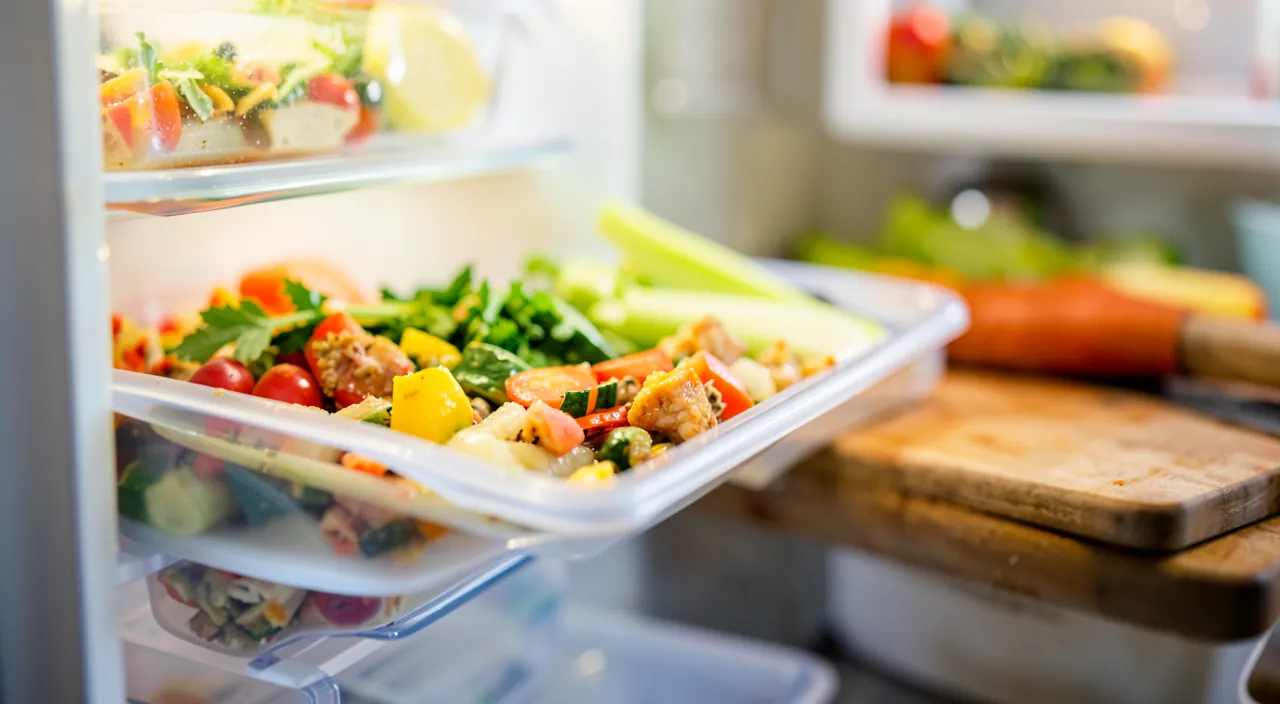
You have 200g of cooked rice, 100g of leftover chicken, half a bell pepper, and a spoonful of cream. Ask AI: “Propose a 20-minute dish for two using these ingredients, no oven.” It might suggest a creamy chicken and rice stir-fry with peppers.
How to get started
Here’s how to get useful and adapted recipes. MAKE AN INVENTORY — list what you really need to use: leftovers, tired vegetables, those close to their expiration date; this is the starting point. You can also mention the basics you always have (oil, flour, spices, rice, pasta). GIVE A SPECIFIC REQUEST — the more precise, the better the result: « I have carrots, some leftover chicken, and cream; propose a dish for two, ready in thirty minutes, comforting. » SPECIFY YOUR CONSTRAINTS — time, number of guests, diet, allergies, equipment (do you have an oven? A blender? ), cooking level; these avoid inappropriate recipes. ASK FOR MULTIPLE OPTIONS — « propose three different ideas »; you choose the one that appeals to you, and vary the pleasures. ASK FOR THE STEPS TO BE EXPLAINED — once a recipe is chosen, ask for the detailed steps, quantities, cooking times; don’t hesitate to ask for clarifications if a step is unclear. ADAPT TO YOUR TASTE — you know your preferences: adjust the seasoning, replace an ingredient, add a personal touch; the AI recipe is a base, not a law. KEEP YOUR COMMON SENSE — essential: you judge if an ingredient is still good (by smell, appearance), not the AI which sees nothing; in case of doubt about freshness or safety, don’t take any risks. Some tips: think of « catch-all » dishes that accommodate leftovers well (soup, gratin, pan-fried, omelette, savory cake, composed salad, stir-fried rice); cook in quantity to have meals in advance; and note the recipes you liked to redo them. In summary: make an inventory, formulate a precise request with your constraints, ask for multiple options, ask for the steps to be explained, adapt to your taste, and always keep your common sense on freshness.
THE RIGHT REACTION. The key to a good « anti-waste » recipe with AI lies in the PRECISION of your request. Don’t settle for « what to do with carrots? « : first, make an inventory of what you really need to clear out (leftovers, tired vegetables, those close to their expiration date), don’t forget to mention your always-present basics (oil, spices, rice, pasta, eggs). Then formulate a complete request: ingredients, number of guests, time available, diet or allergies, equipment, and the desired atmosphere (« something comforting, » « light, » « quick »). Ask for THREE different ideas rather than one: you choose the one that appeals to you. Think of « catch-all » dishes that can accommodate anything: soup, gratin, pan-fried, omelette, savory cake, stir-fried rice, composed salad — they can accommodate almost any leftover. But most importantly, keep one rule in mind, non-negotiable: you, not the AI, decide if an ingredient is still good. The AI can’t see, smell, or taste; it can propose a recipe with an ingredient you should actually throw away. Rely on your senses, appearance, and dates: at the slightest doubt about freshness, don’t take any risks. The AI unlocks your imagination and turns « I don’t know what to do » into a real meal; taste and safety remain in your hands.
Limits and necessary vigilance
Cooking with AI is fun and useful, but a few points call for caution. First, FOOD SAFETY: this is the most important point; the AI can’t see, smell, or taste anything; it can’t know if your leftover chicken is still edible or if your cream has soured; never delegate this judgment to it; rely on your senses and basic food safety rules, and if in doubt, throw it away. Second, ALLERGIES and diets: if you have an allergy or a medical condition, always check the ingredients of a proposed recipe yourself; an AI error could have serious consequences; don’t rely solely on it for a health issue. Third, APPROXIMATE RECIPES: the AI may suggest imprecise quantities, cooking times, or questionable ingredient combinations (our guides on the limits of AI); use your cooking common sense; adjust, taste, and correct. Fourth, UNREALISTIC RECIPES: it may suggest a recipe requiring an ingredient or equipment you don’t have; that’s why it’s crucial to clearly specify your constraints. Fifth, CONSERVATION: the AI’s advice on storage durations is indicative; in matters of food safety, it’s better to follow official recommendations and be cautious than to blindly trust a generated response. Sixth, VARIABLE RESULTS: a generated recipe hasn’t been tested; it can be successful or disappointing; consider it a suggestion to adapt, not a proven recipe. Finally, PRIVACY: there’s nothing sensitive here, but as always, don’t share unnecessary personal information. In summary: food safety and allergies require your vigilance, never that of the AI (it can’t see or smell anything); recipes are suggestions to adapt and taste, not truths; keep your common sense on quantities, cooking, and storage. Properly used, AI helps you cook smart and throw away less; caution and taste remain your responsibility.
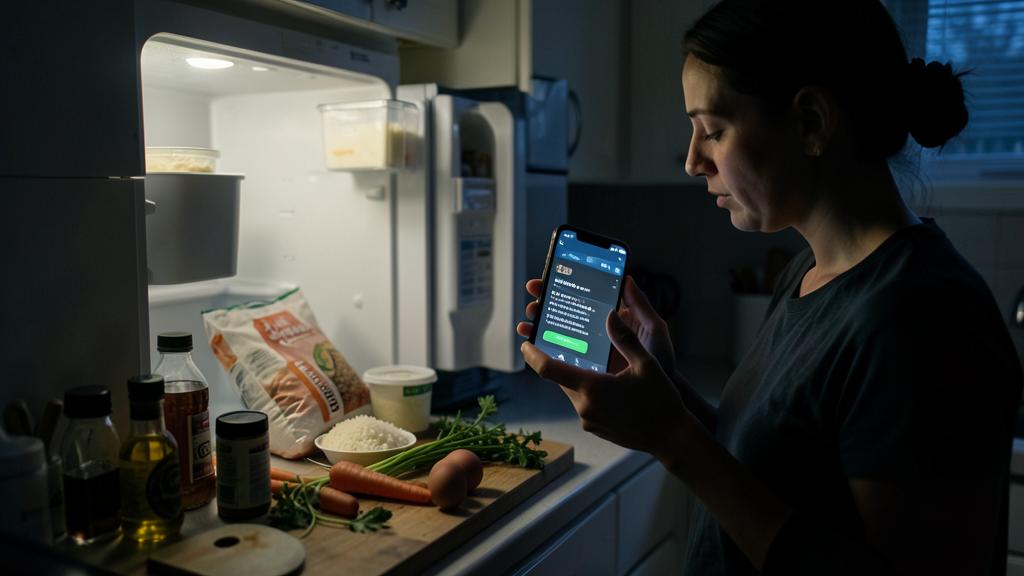
ATTENTION: food safety is never delegated to AI. This is the key point of this usage. Artificial intelligence can’t see, smell, or taste anything: it can’t possibly know if your leftover meat is still edible, if your cream has soured, or if a vegetable is good to discard. When you give it a list of ingredients, it will propose a recipe without ever questioning their freshness. The judgment on what is still edible is entirely yours: rely on your sense of smell, appearance, expiration dates, and basic food safety rules; at the slightest doubt, don’t take any risks and throw it away — an food poisoning is never worth it. Be particularly vigilant with sensitive foods (meat, fish, eggs, pre-cooked dishes, dairy products). Second major vigilance: ALLERGIES and medical diets. If you or your guests have an allergy, always check the composition of a proposed recipe yourself: the AI can make mistakes or forget that an ingredient contains an allergen, and the error could be serious. Never delegate a health issue to it without control. Finally, use your cooking common sense: the quantities, cooking times, and storage durations it provides are approximate and untested; adjust, taste, and follow official recommendations for storage. AI is a great partner for improvisation to throw away less and enjoy — but the safety of what you eat rests solely on you.
Frequently asked questions
How do I ask for a recipe based on what I have?
The simplest way: first, make an inventory of what you want to use, then formulate a precise request. For example: « I have some cooked rice, a can of tuna, half a pepper, and an onion; propose a dish for two people, ready in twenty minutes, without an oven. » The more details you give — ingredients, number of guests, available time, equipment, diet, tastes — the more the recipe will be adapted and realistic. Don’t hesitate to add your always-present basics (oil, spices, flour, eggs), as they broaden the possibilities. Ask for MULTIPLE ideas (« propose three different options ») to choose the one that appeals to you, then, once decided, ask for the steps and quantities to be detailed. If a suggestion doesn’t inspire you, specify what you want (e.g., « more soup-like, » « something lighter, » « lactose-free ») — the exchange refines the result. It’s a real dialogue: start from what you have, specify your constraints, and let AI imagine combinations you’d never have thought of.
Are AI recipes reliable?
Yes, as suggestions to adapt, no, as proven recipes. AI proposes logical and often successful combinations, but its recipes haven’t been tested in the kitchen: quantities may be imprecise, cooking times approximate, and some combinations more strange than tasty. Use your cooking common sense: adjust the seasoning, taste along the way, correct what doesn’t work. Two serious reservations: first, AI doesn’t judge the FRESHNESS of your ingredients (it’s up to you and you alone to decide if an ingredient is still good); second, for ALLERGIES or medical diets, always check the composition, as an error could be dangerous. Beyond these points of vigilance, AI recipes are an excellent way to step out of your habits and use your leftovers: see them as suggestions from a creative chef friend, but not in your kitchen — it’s up to you to roll up your sleeves, taste, and adjust.
Can AI really help me reduce waste?
Yes, in a very concrete way. Waste often comes from a lack of ideas: you don’t know what to do with a leftover, a tired vegetable, and it ends up in the trash. AI precisely solves this problem by turning « I don’t know what to do » into a concrete meal: tell it what you have, and it will propose ways to use it. It also helps you anticipate (how to cook an ingredient before it spoils, how to use a leftover from the previous day), cook in quantity to use everything, and discover « catch-all » dishes that recycle everything (soups, gratins, pan-fried, savory cakes). Beyond recipes, it can give you anti-waste principles: better organize the fridge, understand expiration dates, and smartly freeze. Combined with some good habits — making an inventory before going shopping, cooking what needs to be used first — it becomes a real ally for your budget and the planet. For a deeper approach, dedicated apps also exist (our guides to anti-waste apps). AI doesn’t do the shopping or the dishes; but it removes the barrier of a lack of ideas, and that’s often all that was missing to throw away less.
What to remember
Cooking with what you have instead of throwing it away: AI is a concrete and fun helper here. Tell it what you have on hand, and it will PROPOSE recipes adapted to your tastes, ADAPT to your constraints (time, guests, diet, equipment), VARY ideas, EXPLAIN steps, SUGGEST substitutions, and HELP you not to waste. Its main merit: removing the barrier of a lack of ideas, that often leads to so many leftovers ending up in the trash, and turning « I don’t know what to do » into a concrete meal. To use it well: make an inventory of what you want to use up, formulate a precise request (ingredients, constraints, tastes), ask for multiple options, ask for steps to be explained, and adapt to your taste — the AI recipe is a base, not a law. But keep absolute vigilance: FOOD SAFETY is never delegated. AI can’t see, smell, or taste anything; it can’t know if an ingredient is still good; this judgment is entirely yours (rely on your senses, dates, and if in doubt, throw it away). For ALLERGIES and medical diets, always check the composition — an error could be dangerous. Its recipes are untested suggestions: keep your common sense on quantities, cooking, and storage, taste, adjust. Properly used — AI for imagination, you for taste and safety — it helps you cook more variety, throw away less, and lighten both your budget and your impact on the planet. A creative kitchen assistant; it’s up to you to hold the pan and keep a cool head.

Want to master AI and make it a real asset in your daily life? Our training programs will guide you at your own pace.
Leave a Reply
You must be logged in to post a comment.