
Rebuilding sports, we often feel like doing it; but where to start, at what pace, with which exercises? Without a plan, we quickly lose motivation or get injured trying to do too much. Artificial intelligence can help you build a personalized fitness program based on your level, goals, and schedule: a pocket coach, patient and available, who structures your efforts and explains the exercises. However, be cautious: sports affect your BODY and HEALTH; AI is neither a doctor nor a certified coach, and its caution has limits. Here’s how to use it intelligently to get (back) into motion without risk.
What AI can do for your sports
AI (generative AI tools — our guides understand generative AI) can accompany you in the preparation and organization of your physical activity. BUILDING A PROGRAM: From your level, goal (losing weight, building muscle, running one day, getting back in shape, feeling better), available time, and equipment, it proposes a structured plan for the week. EXPLAINING EXERCISES: It describes how to perform a movement, what it affects, and common mistakes to avoid. PROGRESSING GRADUALLY: It can build a progression over several weeks, gradually increasing intensity, which limits risks and discouragement. ADAPTING TO YOUR CONSTRAINTS: No equipment, little time, at home, with a fragile joint; specify, and it adjusts. VARYING SESSIONS: To avoid boredom, it suggests different exercises, alternatives, and ways to make the training more fun. ANSWERING YOUR QUESTIONS: On recovery, warming up, stretching, frequency, and combining cardio and strength training. MOTIVATING AND ADVISING: It can help you set realistic goals, keep track, and understand why regularity trumps intensity. What’s the point? TO START (having a clear plan rather than jumping in blindly); TO STRUCTURE YOUR EFFORT (progress instead of stagnating or burning out); TO LEARN THE RIGHT MOVES (understanding the exercises); and TO STAY MOTIVATED (a framework, variety, and goals). The main idea: AI is an organizational and explanatory assistant for your sports practice. It helps you structure, understand, and vary—everything that’s missing when you start alone. But it has a fundamental limitation, on which we will return: it knows neither your body nor your health status, nor can it see if you perform a movement correctly. It provides a general framework; caution, listening to your body, and, if needed, professional advice remain essential. Used with common sense, it is an excellent starting point for a structured and progressive return to sports.
AI helps you plan and explain exercises, but it doesn’t know your body or health. It’s a tool to get started, not a replacement for a doctor or coach.
A 35-year-old office worker with no sports background asks AI for a beginner-friendly program. The AI suggests 3 weekly 30-minute sessions with bodyweight exercises, warm-ups, and rest days. It explains proper squat form and warns against knee strain. The user follows the plan, avoids injury, and builds consistency.
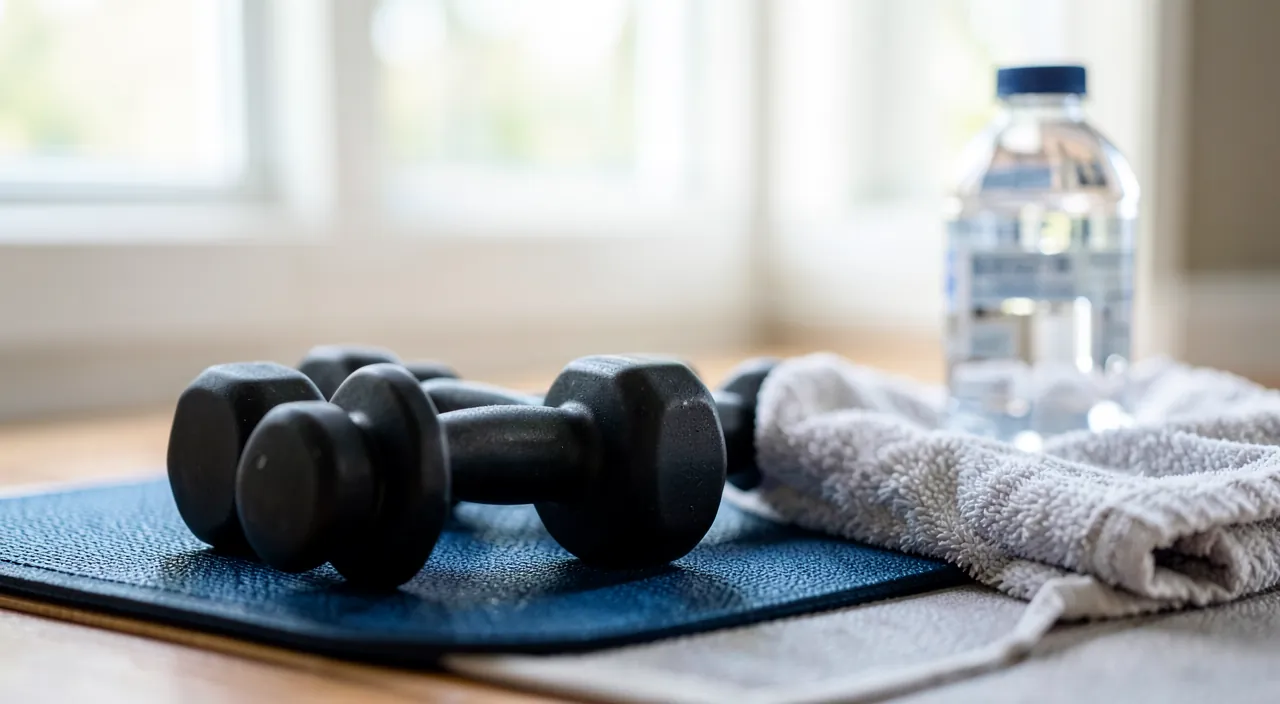
How to build and follow a program
Here’s how to do it safely. DO A HEALTH CHECK FIRST — before you start, especially after a long break, being overweight, having a health issue, being elderly, or having an injury, TALK TO A DOCTOR; this is a non-negotiable prerequisite; AI does not replace this advice. Define a REALISTIC GOAL — what do you want? Feeling better, moving more, losing weight gradually, preparing for a specific goal? A clear and achievable goal structures everything else. Give the CONTEXT to AI — your level (beginner, former athlete who is restarting), your age and general fitness, the available time (e.g., three 30-minute sessions), the equipment (none, some dumbbells, a gym), any potential weaknesses; and ask for a program tailored to you. Start SLOWLY — insist on a cautious progression: « I’m a beginner, propose a safe and gradual program with warm-ups and rest days »; better to start too light and increase than too hard and get injured or discouraged. GET EXPLANATIONS FOR EXERCISES — for each movement, ask how to perform it correctly and what common mistakes to avoid; proper technique prevents injuries. Supplement with reliable demonstration videos (a movement is better seen than described). LISTEN TO YOUR BODY — this is the golden rule: unusual pain, abnormal shortness of breath, discomfort: stop; muscle soreness is normal, sharp pain is not; AI doesn’t feel anything, you do. Don’t Forget WARM-UP AND RECOVERY — ask AI to include warm-ups, stretching, and rest days; recovery is part of the progression. FOLLOW AND ADJUST — note your sessions and how you feel; if it’s too hard or too easy, ask AI to adjust; the program should evolve with you. Some TIPS: REGULARITY trumps intensity (three moderate sessions a week are better than one heroic session followed by a week of soreness); HYDRATION and sleep count; and so does pleasure (choose activities you enjoy, you’ll stick to them better). In summary: health check first, realistic goal, precise context for AI, slow start, well-understood exercises, body listening, warm-up and rest, follow and adjust. AI structures the framework; your body has the final say.
The right reflex. Before even opening an AI, ask yourself the only question that matters: am I in a state to resume sports? After a long break, with a health issue, being overweight, being elderly, or having an old injury, a MEDICAL OPINION is the real starting point — AI does not replace this. Once this green light is obtained, give AI a complete context: your actual level, your fitness, the time you have, your equipment, and especially your weaknesses. Then demand CAUTION: « I’m a beginner, propose a safe and gradual program with warm-ups and rest days. » The biggest rookie mistake is doing too much, too fast: you get injured or discouraged, and you give up. Start lighter, even if you have to increase later; REGULARITY (three moderate sessions a week) always beats the heroic session followed by a week of soreness. Get explanations for each exercise — how to perform it, common mistakes to avoid — and supplement with reliable demonstration videos, as a movement is better seen than described. Finally, always keep in mind the golden rule: LISTEN TO YOUR BODY. AI doesn’t feel anything; you do. Muscle soreness is normal, but sharp pain, abnormal shortness of breath, or discomfort require stopping. AI gives you a framework and explanations; it’s your body, never the machine, that has the final say.
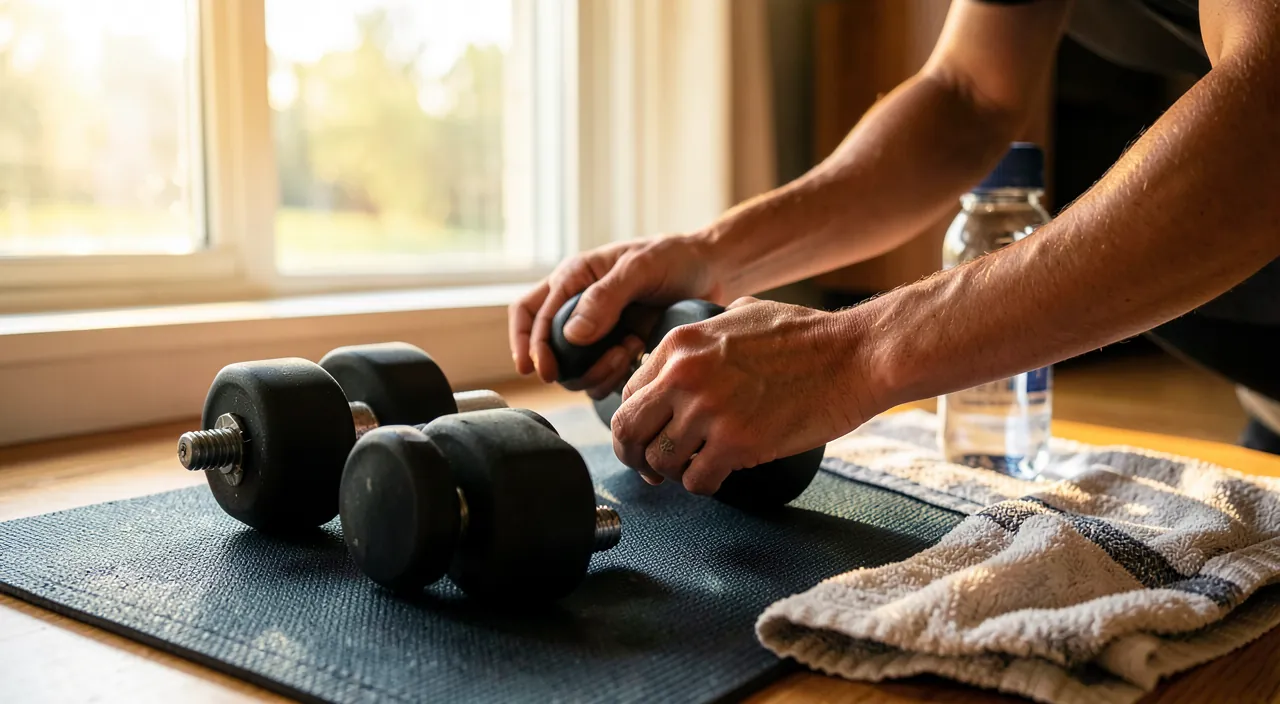
Limits: AI is neither a doctor nor a coach
This is the crucial point of this usage: AI has serious limitations in sports because it concerns your body. It does NOT KNOW your health: it ignores your medical history, your heart condition, your joint weaknesses, and any potential contraindications; a « standard » program may be inappropriate or even dangerous for your specific case; hence the importance of a medical consultation beforehand. It CANNOT SEE your execution: most injuries come from a bad move; yet AI cannot correct your posture as a coach would; a poorly executed movement, repeated, can cause damage. It CAN MAKE MISTAKES: giving incorrect advice, a too-rapid progression, wrong information on nutrition or recovery (our guides on the limits of AI); do not take its recommendations as expert advice. It is NOT a DIETITIAN: nutritional advice touches on health; for a diet or nutrition related to a medical condition, consult a professional, not an AI. It does not handle EMERGENCIES: in case of pain, discomfort, or injury, your common sense and a healthcare professional count, not a conversation with a tool. The risk of OVERESTIMATION: a motivating program can push you to do too much; stay reasonable, caution trumps performance. When to consult a real professional? Before resuming if you have any doubts about your health; to learn the right moves (a few sessions with a coach at the beginning are valuable); in case of pain or injury; and for an ambitious or specific goal. In summary: AI structures and explains, but it does not know your body, cannot see your movements, can make mistakes, and is neither a doctor, coach, nor dietician. It is an excellent starting point and an organizational assistant; for everything that touches your health and technique, a qualified human opinion remains irreplaceable. Sports do good; poorly managed, they can do harm: keep caution at the forefront.
Attention: it’s about your body — AI has serious limitations. Never lose sight of one thing: artificial intelligence is NEITHER a doctor, NEITHER a certified coach, NEITHER a dietician. It does not know your health status, your medical history, your heart, your joints: a « standard » program that works for many may be inappropriate or even dangerous for your specific situation. That’s why a medical consultation is necessary before any resumption, especially after a long break, with a health issue, being overweight, being elderly, or having an old injury; AI does not replace this consultation. Another major limitation: AI cannot SEE your movements. Yet most injuries come from a bad execution; a coach present can correct your posture, but AI cannot; a poorly executed movement, repeated, can damage your back, knees, shoulders. Get explanations for the technique, rely on reliable demonstration videos, and if possible, take a few sessions with a real coach at the beginning to learn the right moves. Be wary also of the AI’s NUTRITIONAL ADVICE: for any diet or nutrition related to a medical condition, consult a professional. And above all, respect the absolute rule: LISTEN TO YOUR BODY. Muscle soreness passes; sharp pain, abnormal shortness of breath, a chest point, discomfort require immediate stopping and, if necessary, a medical consultation — don’t wait, don’t « push. » AI can help you start in an organized and gradual way; but your safety depends on caution, listening to your body, and the advice of real professionals when needed. Sports should do you good, not harm.
Frequently asked questions
Can AI replace a sports coach?
No, but it can complement a coach usefully. A present coach brings what AI cannot: it SEES your execution and corrects your posture (which prevents injuries), it adapts in real-time to your reactions, it knows your progress, and it motivates you with human presence. AI, on the other hand, sees nothing and does not know your body: it cannot play the role of correction and personalized follow-up. However, it is an excellent organizational and explanatory assistant: building a structured program, explaining exercises, proposing a progression, varying sessions, answering your questions — all this at any time and at a lower cost. The right use: use AI to structure and understand, especially if you are starting alone; and if your budget allows, take a few sessions with a real coach at the beginning to learn the right moves and get corrected — it’s a valuable investment against injuries. For an ambitious goal, a medical condition, or a delicate resumption, the human professional remains indispensable. AI democratizes access to a training framework; it does not replace the eye and expertise of a real coach.
How can I avoid getting injured while following an AI program?
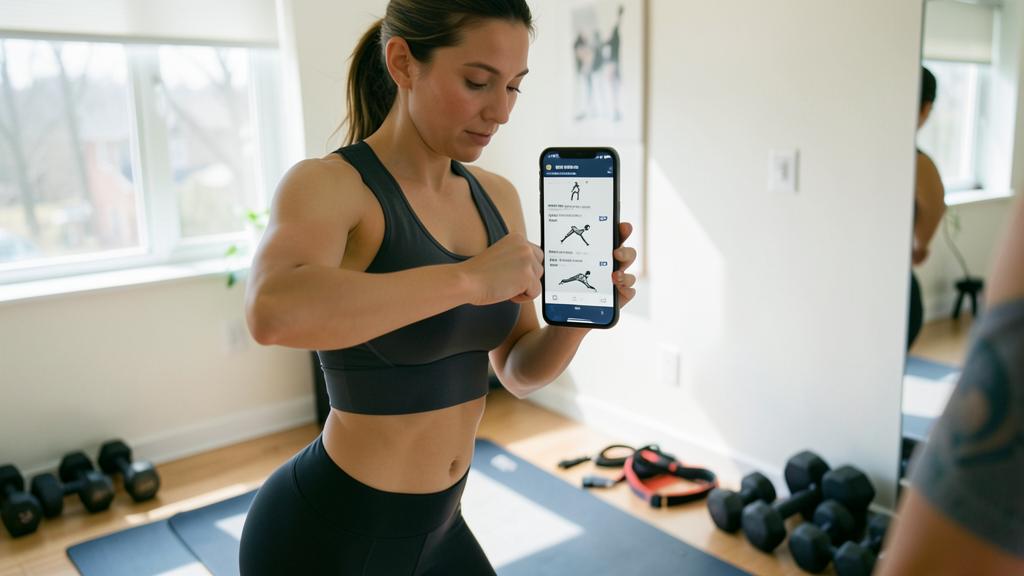
Several reflexes significantly reduce the risk. First, a medical consultation before resuming if you have any doubts about your health. Then, START SLOWLY: explicitly request a progressive and cautious program, and resist the urge to do too much; most beginner injuries come from overexertion. Pay attention to TECHNIQUE: get explanations for each exercise, its common mistakes, and rely on reliable demonstration videos — because a movement is better seen than described; ideally, a few sessions with a coach at the beginning will teach you the right movements. Never forget WARM-UP before effort and RECOVERY afterward (stretching, rest days): ask AI to include them. Above all, LISTEN TO YOUR BODY: muscle soreness is normal, but sharp pain, joint pain, or abnormal shortness of breath should make you stop; never « push » against pain. Finally, HYDRATE, get enough sleep, and progress in steps rather than leaps. These simple rules — supervised resumption, gradual progress, good technique, warm-up, body listening — prevent the vast majority of injuries. AI can structure all of this, but your caution and attention to your sensations depend only on you.
Can I ask for nutritional advice from AI to accompany my sports activities?
For general principles, yes; for a specific diet or a health question, no. AI can remind you of useful and widely accepted basics: staying well hydrated, eating balanced meals, not exercising on an empty stomach for long efforts, preferring varied foods, the importance of sleep in recovery. These guidelines are useful for accompanying a return to sports. However, as soon as it comes to a SPECIFIC DIET (significant weight loss, supervised muscle gain), a MEDICAL CONDITION (diabetes, cholesterol, allergy, eating disorder), or supplements, AI is NOT a reliable reference: nutrition touches health, it is individual, and bad information can have consequences. In these cases, consult a professional (doctor, dietician, nutritionist). Be wary also of « miracle » diets or categorical statements: AI can relay misconceptions or make mistakes. In summary, use AI for common sense reminders that accompany your activity, but confine any serious nutritional or medical questions to a qualified professional. Your diet, like your training, deserves better than a generated response: it deserves an advice tailored to YOU.
What to keep in mind
To get (back) into sports in an organized way, AI is a valuable assistant. It BUILDS a program adapted to your level, goal, time, and equipment; it EXPLAINS exercises; it CONSTRUCTS a gradual progression; it VARIES sessions; and it answers your questions on warming up, recovery, frequency. It provides what’s missing when you start alone: a clear framework rather than a haphazard start. The right method: health check first (medical advice if any doubt), realistic goal, precise context given to AI, voluntary slow start, well-understood exercises (supplemented by reliable demonstration videos), body listening, warm-up and rest included, then follow-up and adjustment. Remember that REGULARITY trumps intensity. But always keep in mind the fundamental limitation: it’s about your BODY, and AI is NEITHER a doctor, NEITHER a coach, NEITHER a dietician. It does not know your health (a standard program may be inappropriate for your case), it cannot SEE your movements (as poor execution is the main cause of injuries), it can make mistakes, and it does not handle emergencies. A medical consultation before resuming, learning the right moves (ideally with a real coach at the beginning), caution on nutrition, and especially body LISTENING — immediate stop in case of sharp pain, abnormal shortness of breath, or discomfort — are non-negotiable. Used properly — AI for structuring and explaining, professionals for health and technique — it helps you start calmly and progressively. Sports should do you good; it’s by keeping caution at the forefront that they will do so durably.
Want to master AI and make it a real asset in your daily life? Our training programs will accompany you at your own pace.
Leave a Reply
You must be logged in to post a comment.