
Social media is part of adolescents’ lives, and often those of younger children than one might think. For parents, it is a legitimate source of concern: bad encounters, inappropriate content, bullying, privacy exposure, screen time, social pressure. Should everything be banned? That is illusory and often counterproductive. Should everything be left to them? Definitely not. The right path is GUIDANCE: understanding, dialogue, supervision, protection. Here’s how to help your children navigate social media safely, without demonizing or abandoning them.
Understand before you supervise
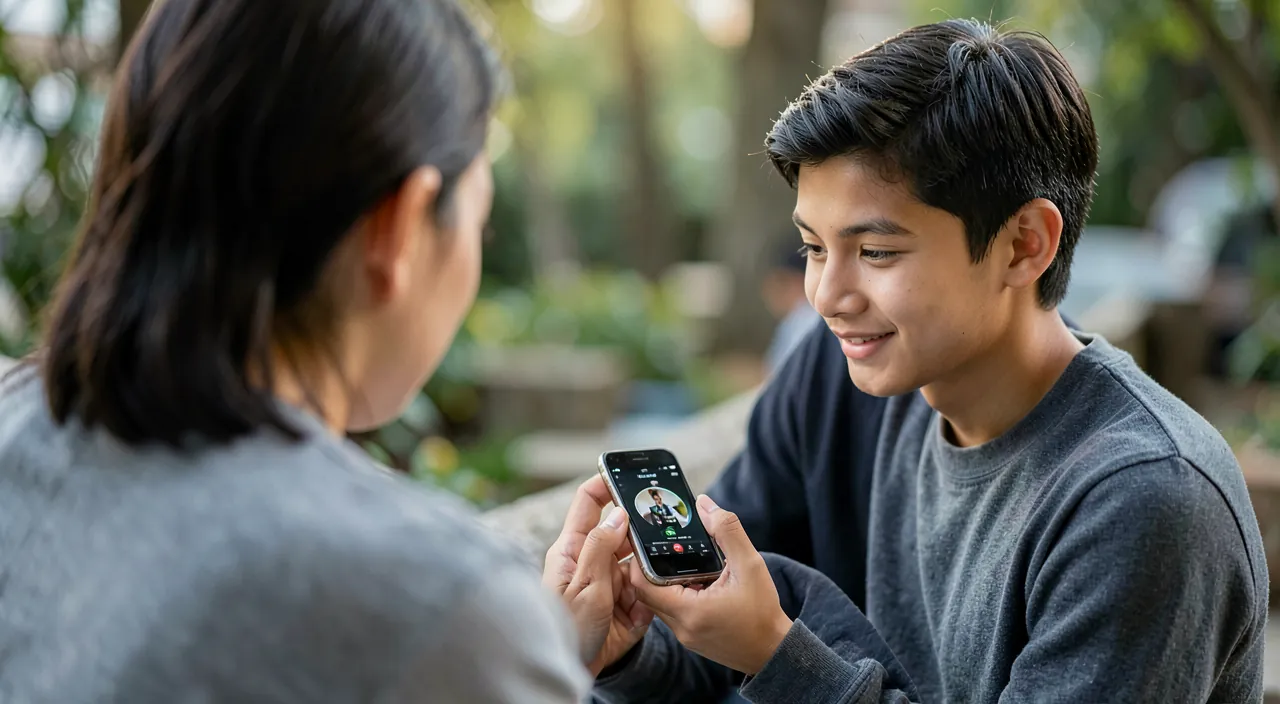
The first parental instinct is often fear and the desire to ban it. But first, one must UNDERSTAND: social media addresses REAL needs of young people (belonging to a group, communicating with friends, expressing themselves, discovering), and a total ban is both difficult to enforce (they will find a way) and risks cutting them off from their social life or pushing them to hide from you. The goal is not to BAN but to GUIDANCE: help your child develop the right reflexes to protect themselves, as they will not always be under your watch. This starts by showing INTEREST in what they do online: which networks does he use, who does he exchange with, what attracts him there — without judgment, with a kind curiosity. This open dialogue is the foundation of everything: a child who can TALK to their parents about what they experience online (including when it goes wrong) is infinitely better protected than a child who must hide everything out of fear of punishment or ban. Trust and dialogue are your best tools of protection — much more than pure surveillance or ban, which push to secrecy. Understanding the online world of your child, without demonizing it, is the starting point of effective guidance: you can only protect what you understand, and you can only help by talking.

The real risks and how to address them
The main dangers to know and address: BAD ENCOUNTERS AND PREDATORS — the greatest risk: teach your child never to share personal information with strangers, to be wary of people who contact them, and to always talk to you about a contact that makes them uncomfortable; ONLINE BULLYING (cyberbullying) — frequent and painful: stay alert to the signs (withdrawal, sadness, anxiety related to the phone), maintain the dialogue so that they can speak about it, and know that there are recourse; INAPPROPRIATE CONTENT — violent, shocking, or inappropriate for their age: parental controls and age-appropriate settings help limit them; PRIVACY EXPOSURE — teach them that what is posted online can remain and spread (photos, information); the importance of privacy settings and prudence about what is shared (our privacy guides); the SOCIAL PRESSURE and self-image — comparisons, quest for validation, influence: an important topic for dialogue; and SCREEN TIME — balancing with sleep, studies, other activities. To concretely address this: use PARENTAL CONTROLS (settings that allow limiting time, filtering content, supervising according to age — a useful tool, to be combined with dialogue and not in place of it); respect the MINIMUM AGES of platforms (they exist for a reason); establish CLEAR RULES discussed together (screen-free times and places, like meals or at night); configure with him the privacy settings of his accounts; and keep the OPEN DIALOGUE ongoing. Technical guidance (parental controls, settings) and human guidance (dialogue, rules, education) go TOGETHER: neither is sufficient without the other.
Social media can be dangerous for kids, but banning it outright isn’t the answer. Instead, parents should teach their children how to stay safe online by talking to them, setting rules, and using tools like parental controls. The goal is to help kids learn to protect themselves, not just to control them.
A 12-year-old girl receives a friend request from someone she doesn’t know. Instead of accepting it, she tells her parents, who explain the risks of talking to strangers online. They help her block the account and adjust her privacy settings. This way, she learns to stay safe without feeling restricted.
The right approach. Cultivate OPEN DIALOGUE above all: make sure your child knows they can come to you about anything they experience online — even when it goes wrong — WITHOUT fearing an immediate punishment or a harsh ban. This is the most powerful protection: a child who dares to say « someone contacted me and it makes me uncomfortable » or « they are mocking me online » is infinitely better protected than a child who must hide everything out of fear of your reaction. React to these confidences calmly and with support, not with blame or immediate confiscation of the phone (which would push them to stay silent next time). Combine this dialogue with appropriate technical guidance (parental controls, privacy settings configured together) and clear family rules. The winning duo: the trust that makes them come to you, AND the guidance that protects them. A total ban pushes to secrecy; a benevolent guidance builds their ability to protect themselves — the real goal, since they will not always be under your watch.

Guide towards autonomy and responsibility
The long-term goal is not to indefinitely monitor your child, but to help them become an autonomous and responsible digital user: guidance must EVOLVE with age (tighter for a young child, more based on trust and dialogue for a growing teenager). Some principles for this guidance: develop their CRITICAL THINKING — teach them to doubt what they see online (false information, misleading images, scams that also target young people — our scam guides), recognize manipulations; teach them PRUDENCE with their data and strangers (not sharing everything, being wary of unsolicited contacts); talk about SELF-IMAGE and comparison (social media shows an idealized life: help them relativize); set an EXAMPLE — your own relationship with screens influences theirs; and adapt according to the MATURITY of YOUR CHILD (each child is different). Also know that there are RESOURCES for parents (associations, websites on digital parenting, support mechanisms for cyberbullying) to turn to in case of need. At the core, guiding your children on social media is a balance between PROTECTION (keeping them safe from real dangers, adapted to their age) and EDUCATION (making them capable of protecting themselves and making informed choices). Neither total surveillance (impossible and stifling) nor laissez-faire (irresponsible), but a benevolent, evolving, and dialogued guidance. Social media and digital will be part of their lives: the best gift you can give them is not to cut them off, but to teach them to navigate it with discernment, prudence, and critical thinking. It’s a long-term effort, made of dialogue and example, more than bans — and that’s how you raise responsible digital adults.

BE CAREFUL: stay alert to signs of distress, and prioritize dialogue over intrusive surveillance. Two key points: be ATTENTIVE to signs of distress that could signal a problem online (cyberbullying, bad encounter, shocking content): sudden withdrawal, sadness, phone-related anxiety, behavioral changes, sleep disturbances. Cyberbullying in particular is frequent and can be very painful: maintain the dialogue so that your child can speak about it, take seriously what they confide, and know that there are resources and support mechanisms (associations, dedicated devices). Second point: be careful not to fall into INTRUSIVE SURVEILLANCE that destroys trust — secretly spying on a teenager’s phone, when they find out, breaks the dialogue and pushes them to hide more. Prioritize transparency and trust: a discussed guidance (explained parental controls, rules established together) is more effective and healthier than secret surveillance. The balance is delicate between protecting and respecting the growing privacy of the child: it evolves with age, towards more trust as they grow. The best defense is a child who TALKS to you: cultivate this relationship above all, because no surveillance can replace the trust that makes them come to you when something is wrong.
Frequently asked questions
Should I ban social media for my child?
A total ban is hard to enforce (they will find a way) and often counterproductive (it cuts them off from their social life or pushes them to hide from you). Better to GUIDANCE: respect the minimum ages of platforms (more strict for younger children), supervise with parental controls and discussed rules, configure privacy settings, and above all maintain an open dialogue. The goal is not to ban but to help your child develop the right reflexes to protect themselves, as they will not always be under your watch. Adapt according to age and maturity: more supervision for a young child, more trust for a teenager.
How can I protect my child from cyberbullying?
Stay alert to signs (withdrawal, sadness, phone-related anxiety, sleep disturbances), and especially maintain an OPEN DIALOGUE so that they can speak to you if they are a victim — without fearing punishment. Take seriously what they confide, react calmly and with support (not by confiscating the phone, which would silence them). Know that there are resources and support mechanisms (associations, dedicated devices for cyberbullying) to turn to. Teach them also not to respond to provocations, to keep evidence, and to block/report. The best protection is a child who talks to you: cultivate this trust, because it allows you to act if something goes wrong.

Are parental controls enough?
No, they are useful but insufficient alone: parental controls (limiting time, filtering content, supervising according to age) are a good technical tool, but they do not replace EDUCATION and DIALOGUE. A determined child can bypass filters; and most importantly, the goal is to help them develop their own discernment to protect themselves when they are no longer under control. Combine technical guidance (parental controls, privacy settings) with human guidance (dialogue, critical thinking, discussed rules, example). Neither is sufficient alone: the technical guidance sets a framework, the education builds responsible autonomy. It is the duo that truly protects.
What to remember
Guiding your children on social media is finding the balance between protection and education, without demonizing or abandoning them. Before you supervise, UNDERSTAND: social media addresses real needs of young people, and a total ban is illusory and counterproductive (it pushes to secrecy). The goal is not to ban but to help the child develop the right reflexes to protect themselves. The real risks to address: bad encounters, cyberbullying, inappropriate content, privacy exposure, social pressure, screen time. Combine TECHNICAL guidance (parental controls, age respect, privacy settings configured together, clear rules) and HUMAN guidance (dialogue, critical thinking, education) — neither is sufficient alone. The most powerful approach: cultivate an OPEN DIALOGUE where the child can talk about everything, even when it goes wrong, without fearing punishment — a child who talks to you is infinitely better protected than a child who hides. Stay alert to signs of distress (cyberbullying), and avoid intrusive surveillance that destroys trust. Guidance evolves with age, towards more autonomy. The best gift: not cutting them off from the digital world, but teaching them to navigate it with discernment — a work of dialogue and example, to raise responsible digital adults.


A security concern, an appliance to check or clean? Our support service will guide you step by step.
Leave a Reply
You must be logged in to post a comment.