
Stress, anxiety, tension, difficulty falling asleep, need for a break: our fast-paced lives put our well-being to the test. What if your phone, often a source of stress, could also help you relax? RESPIRATION and relaxation apps offer simple guided exercises—just a few minutes are enough—to soothe the body and mind: deep breathing, heart coherence, meditation, calming sounds. Accessible to everyone, without equipment, they are a precious tool to regain calm. Here’s how to relax with breathing apps.
Breathing and relaxation: why it works
Let’s understand why breathing is such a powerful and accessible relaxation tool. The BREATHING-STRESS link: our breathing is closely linked to our emotional state; when we’re stressed or anxious, breathing becomes fast and shallow; on the contrary, SLOWING DOWN and DEEPENING your breathing sends a calming signal to the body and helps reduce stress; it’s a powerful natural mechanism; acting on your breathing is one of the simplest and most effective ways to calm your body and mind; and it requires NO equipment, it’s always available. What the APPS offer: GUIDED breathing exercises (the app guides you: inhale, hold, exhale, at a soothing pace; often with a visual that expands and contracts to pace your breathing); HEART COHERENCE (a breathing technique at a regular pace, known for its calming effects); GUIDED meditations (a voice accompanies you to relax, refocus); relaxation exercises (releasing body tension); calming SOUNDS (nature, soft music, “white noise”) to relax or fall asleep; programs for SLEEP, stress management, ANXIETY. The BENEFITS: reduce STRESS and anxiety in the moment (calm yourself before a stressful event, after a setback); sleep BETTER (relax before falling asleep); take soothing BREAKS in a busy day; release TENSIONS; cultivate a more general well-being with regular practice; regain CALM and refocus. ACCESSIBILITY: that’s their great strength—just a few MINUTES are enough, ANYWHERE (at home, at work, on public transport), without equipment, step-by-step guided (ideal for beginners who don’t know “how to do it”); many apps are free or offer free exercises; it’s within everyone’s reach, at any time. FOR WHOM? For anyone experiencing stress, anxiety, sleep difficulties, or simply wanting moments of calm and well-being; at any age; beginners welcome (guidance makes everything simple). What to remember to get started: acting on your breathing (slowing it down, deepening it) is a natural, simple, and powerful way to calm the body and mind; breathing and relaxation apps offer GUIDED exercises (breathing, heart coherence, meditation, calming sounds), accessible in just a few minutes, anywhere, without equipment; they are a precious tool to reduce stress, sleep better, and regain calm, within everyone’s reach. Let’s see how to make the most of them.
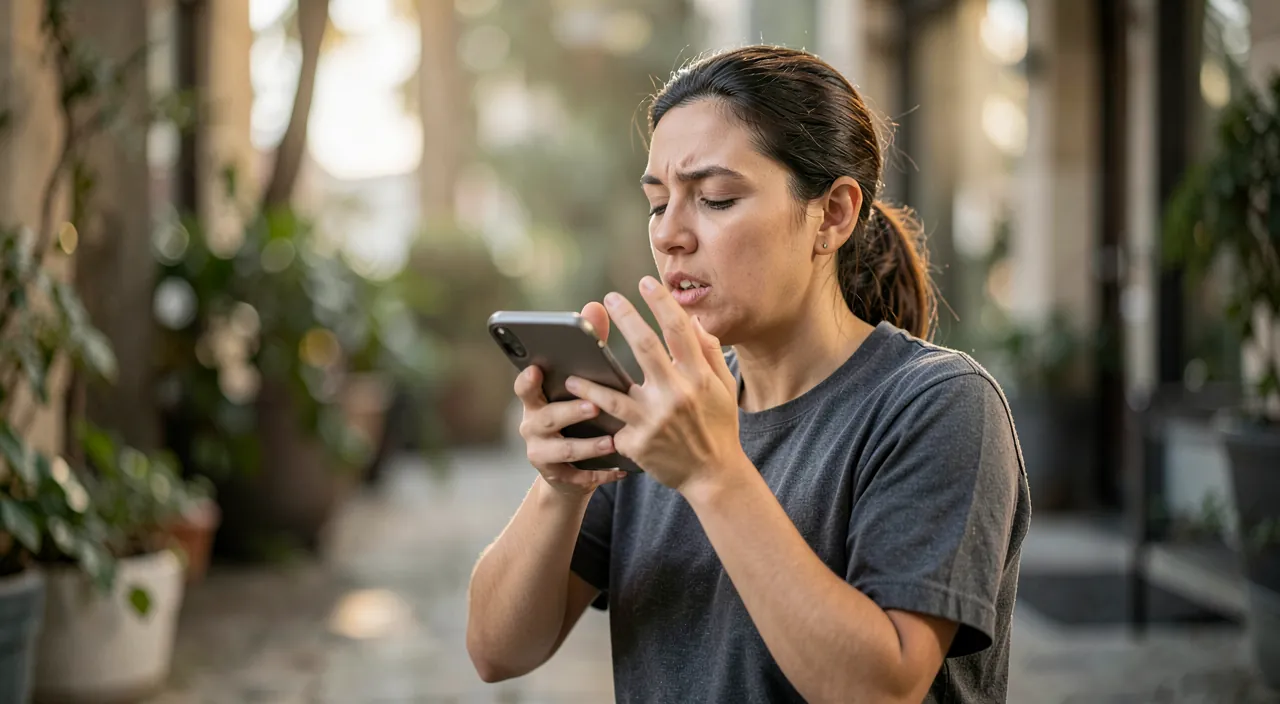
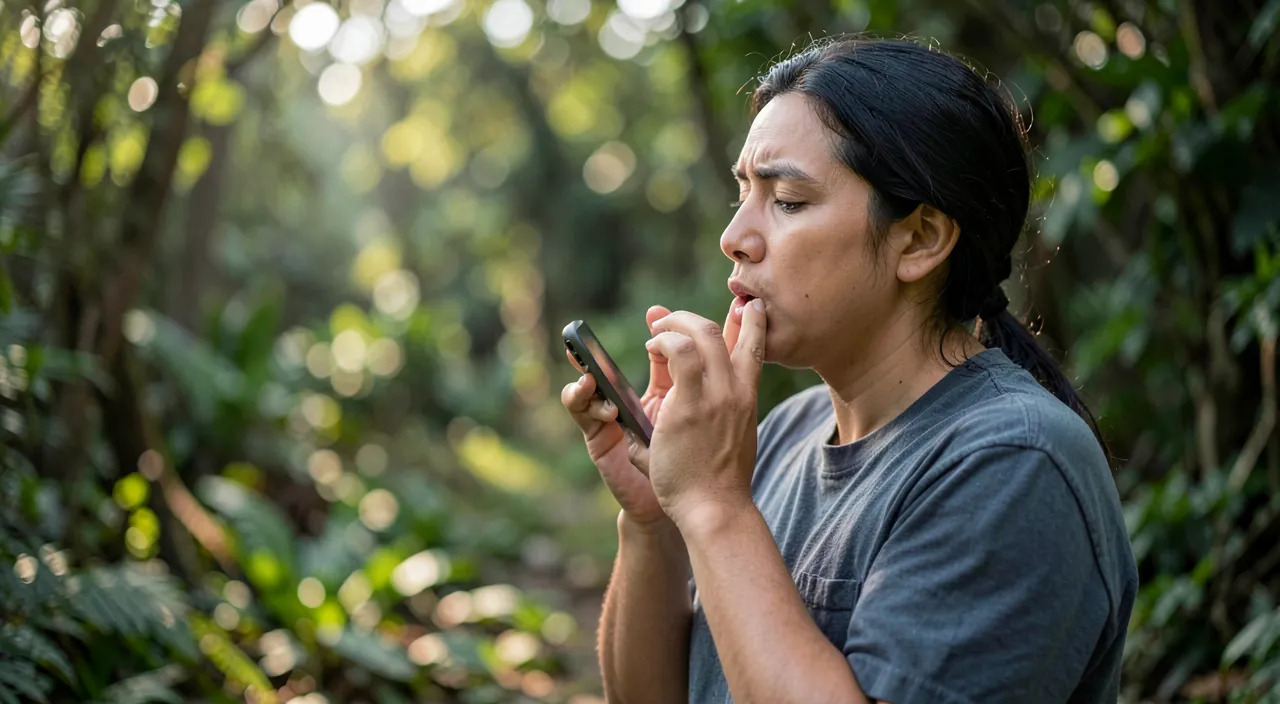
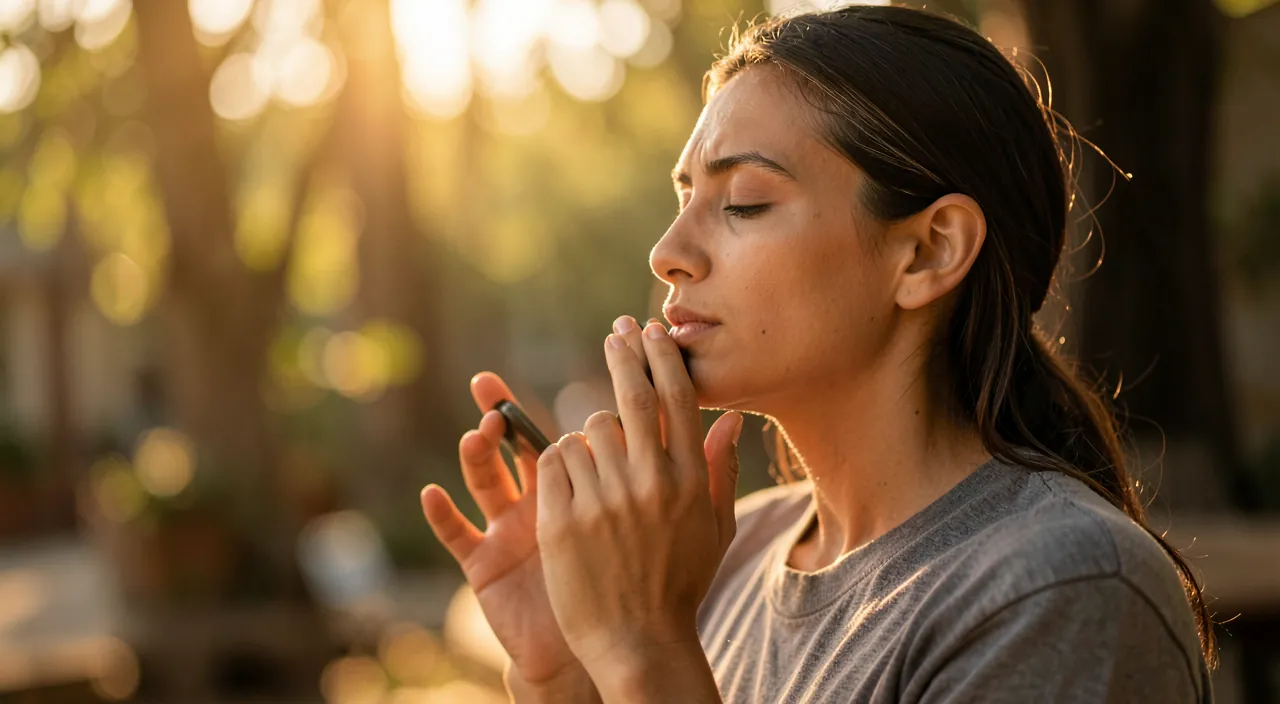
When you’re stressed, your breathing speeds up. By slowing it down on purpose, you tell your body to relax. Apps guide you through this process, making it easy to do anywhere, anytime.
Imagine you have a big presentation at work. Five minutes before, you open a breathing app. It guides you through slow, deep breaths. By the time you start speaking, your heart rate has slowed, and you feel much calmer.
How to use a breathing app effectively
Here’s how to get the most out of these apps for your well-being. CHOOSE an app: there are many (breathing, meditation, relaxation, sleep); some free, others with free exercises and paid options; choose one you LIKE (soothing voice, pleasant atmosphere, exercises suited to your needs); try a few. START SIMPLE: to begin, a simple GUIDED breathing exercise for a few minutes is ideal; let yourself be GUIDED (the app tells you when to inhale, hold, exhale; follow the pace and the visual); no need to know “how to do it,” that’s the whole point of guidance. SETTLE COMFORTABLY: find a QUIET place (as much as possible), a comfortable position (sitting or lying down), and give yourself these few minutes without being disturbed (turn off notifications—our guides turn off notifications). FOLLOW the pace: let the app guide your breathing; slow down, deepen; focus on your breath; it’s this attention and slowing down that soothe. CHOOSE the exercise based on your NEED: a short breathing exercise to calm yourself in the moment (before a stressful appointment, after a setback); a guided meditation to refocus; a “sleep” program or calming sounds to fall asleep; a relaxation break during the day; adapt to what you need. REGULARITY for lasting benefits: as with many practices, REGULARITY reinforces the benefits; a few minutes each day (or regularly) cultivates a more lasting well-being; but even occasionally, in case of stress, an exercise does good. INTEGRATE into your DAY: some do an exercise in the morning (start the day well), in the evening (relax, prepare for sleep), or during stressful moments; find what works for you; some apps offer reminders. Don’t PUT PRESSURE on yourself: relaxation shouldn’t become a constraint; no need to “succeed” perfectly; just let yourself be guided, without judgment; a wandering mind is normal; gently return to your breath; the goal is well-being, not performance. EXPLORE the features: calming sounds for sleep, meditations on themes (stress, anxiety, confidence, gratitude), progressive programs; discover what does you good. FOR SLEEP: a breathing exercise or calming sounds before bed, in the dark, help relax and fall asleep (our guides sleep better by limiting screens: keep the phone at a distance afterward). In summary: choose an app you like, start with a simple breathing exercise (let yourself be guided), settle in a quiet place without being disturbed, choose the exercise based on your need (calm down, refocus, sleep), cultivate regularity for lasting benefits, without putting pressure on yourself; these few minutes of guided breathing or relaxation truly soothe the body and mind.
The power of a few minutes of breathing: simple, accessible, effective. What makes breathing apps so valuable is their SIMPLICITY and IMMEDIATE effectiveness: in just a few minutes, without equipment, anywhere, you can ease your stress. The principle is natural and powerful: when stressed, breathing speeds up and becomes shallow; by SLOWING DOWN and DEEPENING your breathing intentionally, you send a calming signal to your body, and stress decreases; it’s a real physiological mechanism, at your disposal at any time. Apps make this EASY thanks to GUIDANCE: you don’t need to know “how to breathe” or “how to meditate”; the app guides you step by step (inhale now… hold… exhale slowly…), often with a soothing visual that expands and contracts to pace your breath; just FOLLOW; it’s ideal for beginners and reassuring. Some concrete uses where it really helps: BEFORE a stressful moment (an appointment, an interview, a speech: a few deep breaths calm the nerves); AFTER a setback or a stress surge (to calm down, refocus); IN THE EVENING to relax and prepare for sleep (calming breathing or soft sounds); DURING a BREAK in a busy day (a few minutes to literally catch your breath); IN CASE of ANXIETY or agitation (return to calm through the breath). The huge advantage: it’s ALWAYS available (your breath accompanies you everywhere), it only takes a few minutes, it’s discreet (no one notices you breathing deeply), and it really works. To get the most out of it: start SIMPLE (a few minutes of guided breathing), settle in a QUIET place without being disturbed, LET yourself be guided without putting pressure on yourself (it doesn’t matter if your mind wanders, gently return to your breath), and practice REGULARLY for more lasting benefits (even a few minutes a day). Don’t seek “performance”: the goal is simply to soothe yourself; it’s a moment FOR YOU. Many people are surprised to see how a few minutes of guided breathing can truly calm them; it’s one of the simplest, free, and most effective well-being tools; and paradoxically, your phone, often a source of stress, becomes an ally for your relaxation here. Try it: a few minutes are enough to feel the difference.
Digital well-being and limits to know
Well-being apps are valuable, but let’s keep a few guidelines for a healthy and aware use. A TOOL, not a miracle cure: breathing and relaxation apps are excellent tools for managing daily stress, taking breaks, sleeping better; BUT they do NOT replace medical or psychological support in case of serious issues (severe anxiety, depression, persistent sleep disorders, deep distress); if you suffer from significant or lasting difficulties, consult a HEALTH PROFESSIONAL; the app is a well-being complement, not a treatment (see the warning). REGULARITY for lasting benefits: benefits set in with regular practice; but don’t feel guilty if you’re not consistent; even occasional use (in case of stress) does good; adapt to your life. The QUALITY of the experience: choose an app whose voice, atmosphere, and exercises SUIT you; well-being comes from what soothes YOU; what works for one may not work for another; test. The PARADOX of the phone: using the phone (often a source of stress and overstimulation) to relax may seem paradoxical; for it to work, ISOLATE the moment: turn off notifications, put the device in “Do Not Disturb” mode, don’t let yourself be distracted by the rest (our guides turn off notifications); the risk is to want to relax and end up caught by a notification; protect this moment. FOR SLEEP: if you use the app in the evening to fall asleep, be careful: the bright screen can, itself, disrupt sleep; prioritize AUDIO exercises (eyes closed), lower the brightness, activate warm light, and put the phone away once the exercise is launched (our guides sleep better by limiting screens). SUBSCRIPTIONS: many well-being apps work on a paid subscription (with limited free exercises); check what’s free, test before paying, and monitor renewals; you can already do a lot with free exercises; only pay if the app truly brings you value. PRIVACY and DATA: some well-being apps collect data (sometimes sensitive: about your mood, sleep, stress); choose REPUTABLE and respectful apps, and check what they do with your data (our guides check app permissions). Don’t PUT PRESSURE on yourself: well-being shouldn’t become an injunction or an additional source of stress (“I must meditate every day”); keep it LIGHT and kind; it’s a moment for you, not a performance. Combine with other GOOD habits: breathing fits into overall well-being: physical activity, sleep, diet, social connections, screen-free time; the app is one tool among others. In summary: breathing apps are excellent daily well-being tools, but they do NOT replace a professional in case of serious issues; isolate the moment (turn off notifications; phone paradox), be careful with screens in the evening, monitor subscriptions and privacy, keep the practice light and pressure-free, and integrate it into overall well-being; thus, they truly bring you calm and relaxation, serenely.
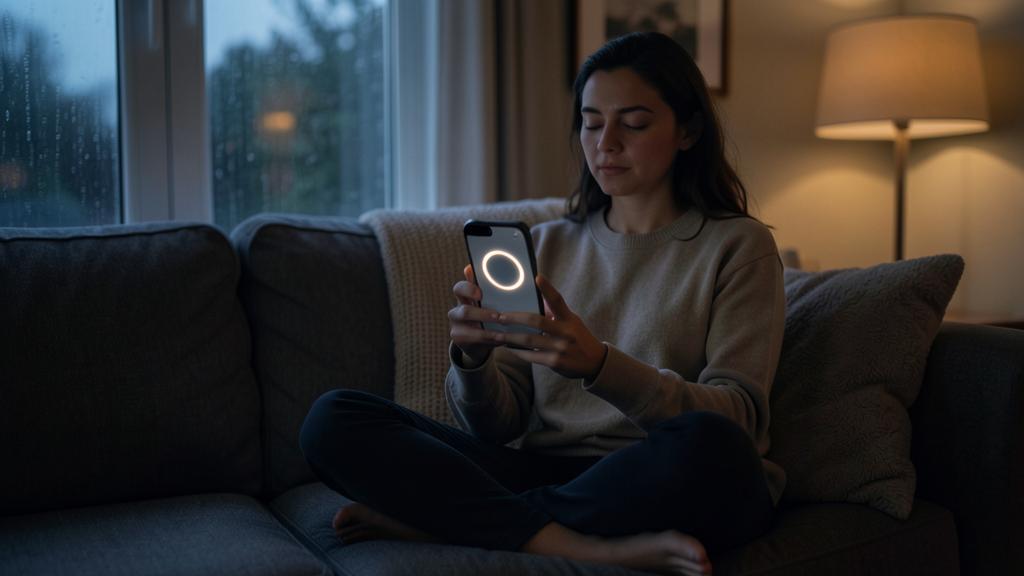
Warning: an app doesn’t replace a professional in case of serious distress, and beware of screens in the evening and subscriptions. Breathing and relaxation apps are beneficial, but a few limits and precautions are essential. The MOST important point: an app is NOT medical treatment; it helps manage daily stress, take breaks, sleep better occasionally, but it does NOT replace MEDICAL or PSYCHOLOGICAL support in case of SERIOUS issues; if you suffer from severe anxiety, depression, persistent sleep disorders, deep or lasting distress, or crisis, CONSULT a health professional (doctor, psychologist); don’t rely on an app alone for a real mental health problem; breathing exercises are a well-being complement, not a cure; and in case of crisis, listening and help devices exist; don’t stay alone. Don’t let an app keep you from seeking real help if you need it. The PARADOX of the phone: relaxing WITH the device that is often a source of stress is tricky; for it to work, ISOLATE the moment: turn off notifications, “Do Not Disturb” mode, don’t let yourself be caught by the rest; otherwise, you risk wanting to soothe yourself and ending up stressed by a notification or sucked in elsewhere. Beware of SCREENS in the EVENING: if you use the app to fall asleep, the bright screen can DISRUPT your sleep (opposite of the intended effect); prioritize AUDIO exercises (eyes closed), lower the brightness, activate warm light, and put/remove the phone once the exercise is launched (our guides sleep better by limiting screens); the ideal remains to limit screens before bed. Beware of SUBSCRIPTIONS: many well-being apps push for a paid subscription (sometimes expensive), with limited free access; check what’s free, test before paying, monitor automatic renewals, and only pay if the app truly brings you value (you can already do a lot for free, and simple breathing exercises don’t necessarily require a paid app). Beware of PRIVACY: some well-being apps collect SENSITIVE data (mood, sleep, stress, sometimes health); choose REPUTABLE and respectful apps, check their permissions and what they do with your data (our guides check permissions); this information about your psychological state is personal. Don’t PUT PRESSURE on yourself: well-being shouldn’t become a stressful injunction or a source of guilt (“I didn’t meditate today”); keep the practice LIGHT, kind, and without judgment; it’s a moment FOR YOU, not a performance to succeed. Finally, keep in mind that well-being is GLOBAL: a breathing app is a useful tool, but it fits into a whole (sleep, physical activity, social connections, screen-free time, diet); don’t look for a one-size-fits-all solution in an app. By keeping these guidelines—an app doesn’t replace a professional in case of serious issues, isolate the moment, beware of screens in the evening and subscriptions, protect your privacy, and stay light and pressure-free—you fully and healthily benefit from these relaxation tools; they are a precious ally for your daily well-being, in their rightful place.
Frequently asked questions
How can a simple app help you relax?
Thanks to a powerful natural mechanism: the link between BREATHING and stress. Our breathing is closely linked to our emotional state: when we’re stressed or anxious, it becomes fast and shallow; on the contrary, SLOWING DOWN and DEEPENING your breathing intentionally sends a CALM signal to the body, which truly helps reduce stress and agitation; it’s a real physiological mechanism, available at any time. The app doesn’t do “magic”: it GUIDES you to activate this mechanism; it tells you when to inhale, hold, exhale, at a soothing pace (often with a visual that paces your breath); you just have to follow; this guidance makes it easy, even if you’ve never “done breathing exercises”; that’s the whole point: no need to know, the app accompanies you. Beyond breathing, apps also offer GUIDED meditations (a voice that helps you refocus, release tension), calming SOUNDS (nature, soft music: to relax or fall asleep), and targeted programs (stress, sleep, anxiety); all these tools help slow down, pause, calm the mind. Why it WORKS so well: because these techniques (breathing, relaxation, meditation) have real calming effects on the body and mind, and the app makes them ACCESSIBLE (guided, in a few minutes, without equipment, anywhere); the step-by-step guidance removes the obstacle of “I don’t know how to do it.” Many people are surprised by the effectiveness of a few minutes of guided breathing to calm down. Of course, an app helps with DAILY stress; it doesn’t replace a professional in case of serious issues (see above). But to relax, take a break, manage ordinary stress, or fall asleep more peacefully, a simple breathing app is surprisingly effective, as it guides you to activate your body’s natural calming mechanisms. Try a few minutes: you’ll likely feel the difference.
Should you practice every day?
Regularity reinforces benefits, but it’s not mandatory; adapt to yourself, without pressure. For LASTING benefits (a more general well-being, better stress management over time), REGULARITY helps: like many well-being practices, a few minutes each day (or several times a week) gradually installs the effects, trains the body and mind to find calm more easily; regular practice is therefore ideal if you’re looking for a deep benefit. BUT it’s not mandatory, and you should never make it a source of PRESSURE or guilt: even PONCTUAL use does good; in case of stress, before a difficult moment, after a setback, or when you feel the need, a simple exercise of a few minutes soothes you in the moment; it’s already very useful; you don’t need to “practice every day” to benefit from it occasionally. The important thing is to find what SUITS you: some do a daily exercise (morning, evening), others only when needed; both are valid; adapt to your life and preferences. Don’t GUILT yourself if you’re not consistent: well-being shouldn’t become a stressful injunction (“I must meditate every day”); keep the practice LIGHT and kind; if you skip days, it’s not a problem; resume when you want; it’s a moment FOR YOU, not a performance or an additional constraint. If you want to build a habit, associate the exercise with a moment (morning coffee, before bed), and some apps offer gentle reminders; but stay flexible. In summary: practicing regularly (a few minutes a day or often) reinforces lasting benefits and is ideal if you can and want to; but it’s not mandatory: occasional use when needed already does good; the essential is that it remains a pleasure and a soothing moment for you, without pressure or guilt; adapt to your life, you decide.
Can these apps replace medical follow-up?
No, absolutely not: that’s an essential point to understand. Breathing and relaxation apps are excellent WELL-BEING tools for DAILY stress, taking breaks, relaxing, sleeping better occasionally; but they are NEITHER medical treatment NOR a substitute for professional support. If you suffer from SERIOUS or LASTING issues—severe anxiety, depression, persistent sleep disorders, deep distress, psychological crisis, or any significant mental health problem—an app is NOT ENOUGH; you must consult a HEALTH PROFESSIONAL (doctor, psychologist, psychiatrist); these professionals can assess your situation, make a diagnosis, and propose appropriate support or treatment, which an app cannot do. Don’t let an app give you the illusion of “managing” a real problem alone, or keep you from seeking the help you need; that would be risky. Breathing exercises can be a USEFUL complement (and are sometimes recommended by professionals themselves), but as a COMPLEMENT to support, not a replacement. When to consult? If your distress is intense, lasting, if it disrupts your daily life (sleep, work, relationships), if it’s accompanied by dark thoughts, or simply if you feel you can’t manage alone; don’t hesitate to talk to a professional; it’s a sign of good sense, not weakness. In case of DISTRESS or worrying thoughts, listening and emergency devices exist; don’t hesitate to contact them; don’t stay alone. In summary: no, a breathing app doesn’t replace medical or psychological follow-up; it’s a well-being tool for ordinary stress, precious and useful, but with its limits; for a serious or lasting issue, consult a health professional; the app can accompany, but doesn’t cure; your mental health deserves proper care when necessary.
What to remember
Acting on your BREATHING (slowing it down, deepening it) is a natural, simple, and powerful way to calm the body and mind: when you slow your breath, you send a calming signal to the body that reduces stress; it’s available everywhere, without equipment. Breathing and relaxation apps offer GUIDED exercises (breathing, heart coherence, meditation, calming sounds), accessible in a few minutes, anywhere, without experience (guidance makes everything simple: no need to know “how to do it”); they help reduce stress and anxiety, sleep better, take breaks, and regain calm. To USE them WELL: choose an app you LIKE, start SIMPLE (a few minutes of breathing, let yourself be guided), settle in a QUIET place without being disturbed, choose the exercise based on your need (calm down before a stressful moment, refocus, fall asleep), and cultivate REGULARITY for lasting benefits—without putting pressure on yourself (even occasional use does good). The great advantage: in just a few minutes, discreetly, these exercises truly soothe; paradoxically, your phone (often a source of stress) becomes an ally for your relaxation here. ESSENTIAL points of VIGILANCE: an app does NOT REPLACE a professional in case of SERIOUS or lasting issues (severe anxiety, depression, deep distress)—consult a doctor or psychologist then; the app is a well-being complement for daily stress, not a treatment. ISOLATE the moment (turn off notifications: otherwise the phone distracts you instead of relaxing you). Beware of SCREENS in the evening (prioritize audio with eyes closed, lower brightness, put the phone away; the bright screen disrupts sleep). Monitor SUBSCRIPTIONS (test the free version; you can already do a lot without paying) and PRIVACY (these apps sometimes collect sensitive data about your state: choose reputable apps). Keep the practice LIGHT and without guilt (it’s a moment for you, not a performance), and integrate it into overall well-being (sleep, activity, social connections, screen-free time). In their rightful place—as a precious tool for daily well-being, not a substitute for medical follow-up—breathing apps offer you, in a few accessible minutes, a real way to regain calm and take care of yourself.

Want to go further with your phone and apps? Our practical training is made for you.
Leave a Reply
You must be logged in to post a comment.