
Buying online has become a reflex: convenient, fast, often cheaper. But disclosing your banking details online can be worrying, rightly so: between fake sites, scams, and data protection, caution is warranted. Good news: buying online securely is not complicated, provided you know a few key tips. Here’s how to recognize a reliable site, protect your payments, and shop online with peace of mind, avoiding pitfalls.
Recognizing a Reliable Online Merchant Site
The first protection is knowing WHERE you are shopping: not all sites are equal, and fake sites (imitating real stores or entirely fraudulent) do exist. Signs of a RELIABLE site: the SECURE CONNECTION — check the « lock » (HTTPS) in the address bar, especially during payment (essential, but not sufficient on its own: a lock means the connection is encrypted, not that the site is honest); the EXACT ADDRESS — verify that you are on the REAL site (is the address correct, without typos or strange variations? Fake sites mimic real addresses with subtle differences — our scam guides); the LEGAL MENTIONS AND CONTACT INFORMATION — a serious site displays who it is (company identity, address, real contact methods: their absence is a bad sign — our guides on compliant sites); the REVIEWS AND REPUTATION — research the site (customer reviews, online reputation); be wary of an unknown site; CLEAR TERMS — sale, delivery, return, customer service terms identifiable; and the GENERAL PROFESSIONALISM — a site riddled with typos, poorly designed, or too « too good to be true » (unbelievably low prices) should raise suspicion. The major alarm signal: UNUSUAL LOW PRICES on sought-after products (the classic scam trap: an item at a third of its normal price often hides a scam — our scam guides). In case of doubt about a site, prudence dictates avoiding or verifying further: it’s better to forgo a « good deal » that seems suspicious than to fall into a trap. Shop on KNOWN and reputable sites, or verified ones, is the foundation of a secure online purchase.
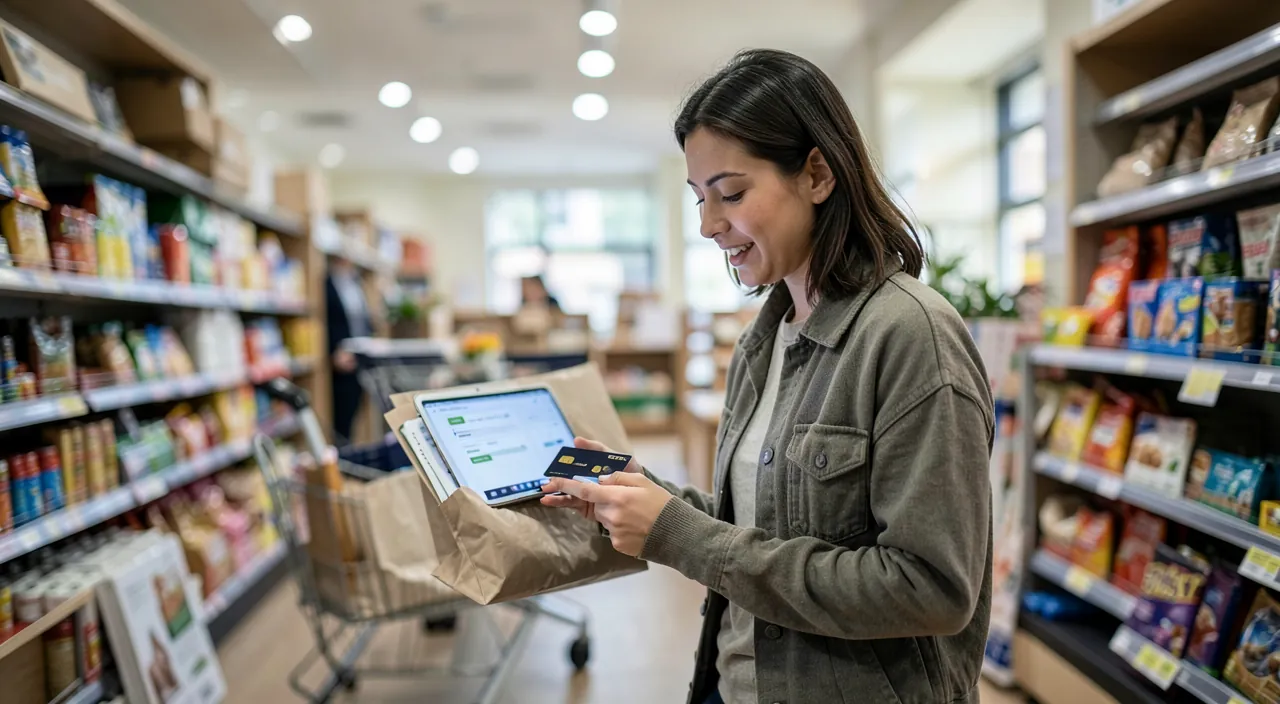
A reliable site has a secure connection (HTTPS), a correct address, clear contact details, good reviews, and professional design. If a site offers prices that seem too good to be true, it’s likely a scam. Always check these signs before buying.
You want to buy a new smartphone online. A site called “Amaz0n-Deals.com” (with a zero instead of an “o”) offers the latest model for $300, while the real Amazon sells it for $900. This is a fake site. Always check the exact address and compare prices with known retailers.
Protecting Your Payments
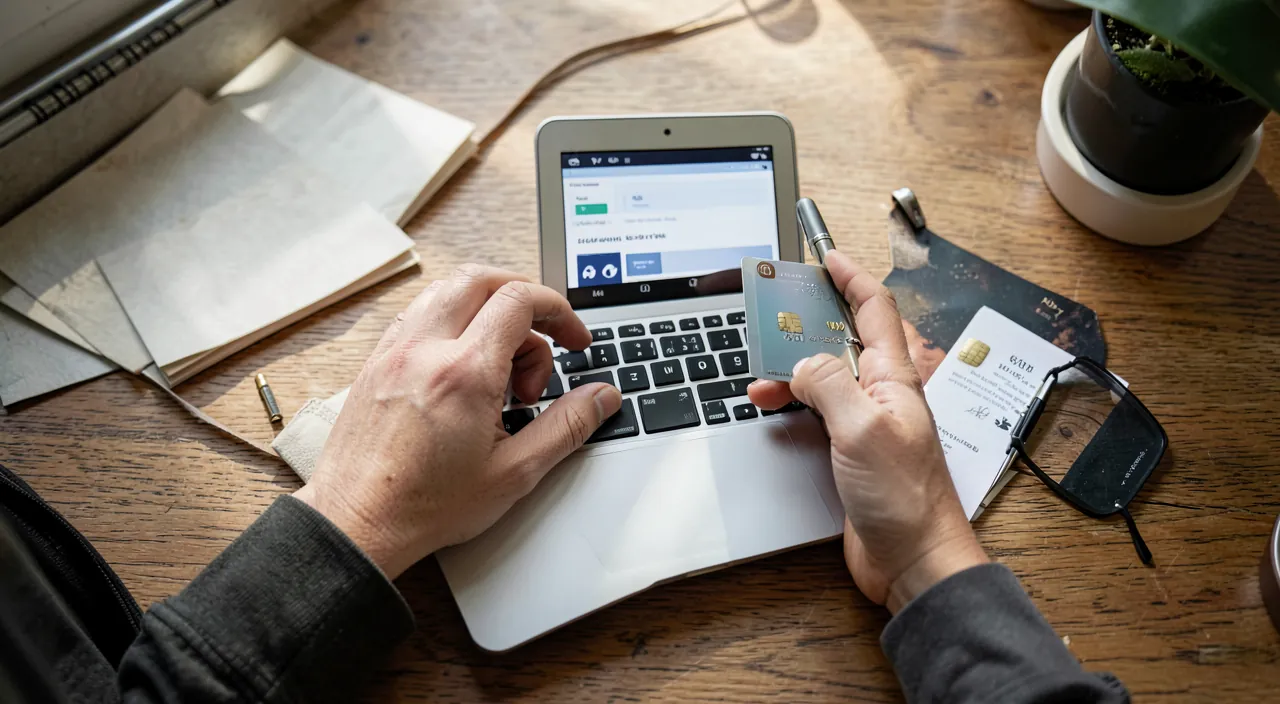
Once on a reliable site, secure the PAYMENT: prefer SECURE AND RECOGNIZED payment methods — many offer protection (like certain payment solutions that intercede without transmitting your banking details to the merchant, or mobile payment systems); use DOUBLE BANQUARY SECURITY — most online payments now require CONFIRMATION (via your banking app or a code): this is a valuable protection, don’t bypass it; be wary of UNUSUAL PAYMENT REQUESTS — a genuine merchant won’t ask you to pay by direct bank transfer to an individual, gift card, or untraceable means (these requests are almost certainly scam signals — our scam guides); never enter your banking details on a page outside a SECURE CONNECTION (lock) of a reliable site, never in response to an email or message; consider ADDITIONAL PROTECTIONS — some banks offer single-use virtual cards or numbers for online purchases (a valuable security to avoid exposing your real card); and REGULARLY CHECK your bank statements (to spot any suspicious debits quickly). An important principle: give only the NECESSARY information for the purchase — a site asking for excessive data (social security number, irrelevant information) is suspicious. And remember that payment is the most sensitive moment: it’s where your banking details circulate, so vigilance (reliable site, secure page, recognized payment method, bank confirmation) is most crucial. Well-protected on this point, online shopping becomes secure: modern payment systems combined with your caution offer good security.
The Right Reflex. Before entering your banking details, take three seconds to check two things: the LOCK (secure HTTPS connection) and especially the EXACT ADDRESS of the site in the address bar (are you on the REAL site, without typos or strange variations? Fake sites mimic real addresses with subtle differences). Be particularly wary of too good to be true PRICES: a sought-after product at a third of its normal price is the classic scam trap — if it’s too good, it’s almost always fake. And never enter your banking details in response to an email, text, or message: always go directly to the site (by typing its address), never via a received link. Finally, don’t bypass your bank’s payment confirmation (via the app or a code): it’s a valuable protection. These simple reflexes — check the site, beware of too good to be true prices, don’t use received links, validate via the bank — exclude the vast majority of online shopping scams.
After the Purchase and in Case of Issues
Online purchase security continues AFTER the payment: CHECK your bank statements (to spot unauthorized debits quickly), KEEP order confirmations and exchanges (useful in case of dispute), and know your RIGHTS (online commerce offers consumer protections: right of withdrawal, warranties, recourse — our guides on compliant sites from the seller’s perspective, but these rights protect you as a buyer). If something goes wrong: UNRECEIVED OR NON-COMPLIANT PRODUCT — contact the seller, and if a reliable site doesn’t respond, you have recourse (depending on the payment method, your bank, consumer protections); SUSPICIOUS DEBIT OR FRAUD — contact your bank IMMEDIATELY (to contest, make an objection; act quickly limits damage), and report if necessary; REALIZE YOU BOUGHT ON A FAKE SITE — monitor your accounts closely, contact your bank, change your passwords if you entered them. A word on PREVENTING specific scams: beware of « offers » received by unsolicited email or message (incredible promotions, fake sites of well-known brands), fake sites during peak commercial periods (scammers take advantage of sales and holidays), and unusual payment requests. Finally, think also about the CONFIDENTIALITY of your data: online merchants store your information; prefer trusted sites, don’t create unnecessary accounts (guest checkout limits data exposure), and use unique passwords for your online accounts (our password manager guides). In summary, safe online shopping relies on simple reflexes: choose reliable sites, verify before paying, use secure payment methods, beware of too good to be true offers and received links, and monitor your accounts. With these habits, online shopping — convenient and often advantageous — becomes as safe as it is pleasant.

Beware: too good to be true prices and unusual payment methods are traps, and never buy via a received link. Several scam signals to know: UNUSUAL LOW PRICES on sought-after products (an item at a third of its normal price is the classic trap: too good to be true = almost always fake); unusual or untraceable payment requests (direct bank transfer to an individual, gift card, exotic payment methods: a genuine merchant never demands this — these are almost certain scam signals); unsolicited offers via email or message to unknown sites; and fake sites mimicking well-known brands (always check the exact address). Never enter your banking details in response to an email, text, or message, or via a received link: always go directly to the official site (our scam guides). Never bypass your bank’s payment confirmation, which protects you. And if you are a victim of fraud or a suspicious debit, contact your bank IMMEDIATELY (act quickly limits damage). Be particularly wary during sales and holiday periods, when scammers take advantage of the rush. The golden rule: shop on known and reliable sites, verify before paying, and beware of anything that seems too good or unusual.
Frequently Asked Questions
How can I tell if an online merchant site is reliable?
Check several signs: the secure connection (lock/HTTPS, especially during payment — essential but not sufficient on its own), the exact address of the site (the real one, without typos or strange variations; fake sites mimic real addresses), legal mentions and contact information (their absence is a bad sign), site reviews and reputation, and general professionalism. Be wary of unusually low prices (the classic trap) and unknown sites. In case of doubt, abstain or verify further: it’s better to forgo a « good deal » that seems suspicious than to fall into a trap. Shop on known and reputable sites, or verified ones, is the foundation of security.
Which payment method is the safest for online shopping?
Prefer secure and recognized payment methods, which often offer protection: certain payment solutions intercede without transmitting your banking details to the merchant, mobile payment systems, or single-use virtual cards/numbers offered by some banks (to avoid exposing your real card). Never bypass your bank’s payment confirmation (via the app or a code), which is a valuable protection. And be wary of unusual or untraceable payment requests (direct bank transfer to an individual, gift card), which are scam signals. Also, regularly check your bank statements to spot any suspicious debits quickly.

I’ve been a victim of online fraud, what should I do?
Contact your bank IMMEDIATELY: to contest the charge, make an objection if necessary, and limit damage (acting quickly is crucial). Keep all evidence (confirmations, exchanges, screenshots). If you bought on a fake site, monitor your accounts closely and change your passwords if you entered them. Depending on the situation, you can also report the scam to the relevant authorities. Know your consumer rights (online commerce offers protections: right of withdrawal, warranties, recourse). The absolute priority is to quickly inform your bank: this most effectively protects your money against fraud.
What to Remember
Safe online shopping relies on simple reflexes. First, choose WHERE you are shopping: a reliable site is recognized by its secure connection (lock/HTTPS), exact address (the real one, without strange variations; fake sites mimic real addresses), legal mentions and contacts, reviews, and professionalism — be wary of too good to be true prices (the classic trap) and unknown sites. Then, protect the PAYMENT: secure and recognized payment methods (some do not transmit your details to the merchant, or offer single-use virtual cards), bank confirmation (never bypass it), and be wary of unusual payment requests (direct bank transfer to an individual, gift card: scam signals). Never enter your banking details via a received link: always go directly to the site. After the purchase: check your bank statements, keep evidence, know your rights, and if fraud occurs, contact your bank immediately. Be wary of unsolicited offers and fake sites, especially during sales and holidays. With these habits — reliable sites, verification before payment, secure payment methods, beware of too good to be true offers, and account monitoring — online shopping becomes as safe as it is pleasant.
Any doubts about your security, a device to check or clean? Our support service will guide you step by step.
Leave a Reply
You must be logged in to post a comment.