
Remote work, long considered marginal, has become massively widespread in recent years. After the initial enthusiasm and debates, where do we stand? Many have experienced working from home—and often, something remains: partial remote work, video meetings, and collaborative tools that have become the norm. The world of work has changed durably. What tools have emerged, what remains of this transformation, and how to live remote work well? Here’s an overview of what remote work has left behind, between its advantages, challenges, and now indispensable tools.
What remote work has transformed, and what remains
Remote work (working from a distance, often from home rather than the office) has seen a spectacular rise, notably due to circumstances (such as the health crisis). After this period, we observe a STABILIZATION: the all-in-person model of before has not returned everywhere, nor has the all-remote model; what dominates is often a HYBRID model (a mix of in-person and remote work), with partial remote work now common in many professions (those that lend themselves to it). What remote work has TRANSFORMED durably: the NORMALIZATION of remote work (what was exceptional has become common and accepted in many companies); the massive adoption of DIGITAL collaboration tools (see below); new habits (video meetings now normal, written communication, flexible schedules and locations); and a reflection on the WORK-LIFE BALANCE, the purpose of the office, trust, and autonomy. What remains today: PARTIAL or hybrid remote work in many organizations; videoconferencing as a common meeting mode (even for meetings between people who could be together); collaborative tools now ingrained in habits; and an expectation of FLEXIBILITY from many workers. But also PERSISTING debates: on productivity, social ties, remote management, inequalities (not all jobs can be remote), and balance. The TOOLS that have emerged and become established: VIDEOCONFERENCING (remote video meetings), messaging and team collaboration platforms (exchanging, sharing, group discussions), online document SHARING and editing tools (working together on the same files), remote PROJECT and task management, CLOUD storage (accessing files from anywhere), and remote access to company resources. These tools, long used by some, have become the norm for many. What to understand: remote work has durably transformed the world of work—not by entirely replacing it with remote work, but by introducing new FLEXIBILITY and now indispensable tools; the hybrid model has largely taken hold. The key idea: after a massive rise, remote work has stabilized in an often HYBRID model (in-person + remote), durably transforming work: normalization of remote work, collaborative tools now the norm (video, team messaging, document sharing), and an expectation of flexibility. What remains is not « all remote work, » but new flexibility and digital habits established. A real transformation, with its advantages and challenges, that needs to be lived well.
Remote work has changed how we work, but it’s not all or nothing. Most companies now use a mix of office and home work. The key changes are: video meetings are normal, digital tools are everywhere, and people expect more flexibility. But there are still challenges like staying connected with coworkers and not working too much.
At tech company XYZ, 3 days a week are remote and 2 are in-office. They use Zoom for meetings, Slack for quick messages, and Google Docs for shared work. Employees save 2 hours daily by avoiding commutes, but they schedule weekly in-office days to maintain team spirit. Their hybrid model works because they’ve set clear rules about when to be online and when to disconnect.
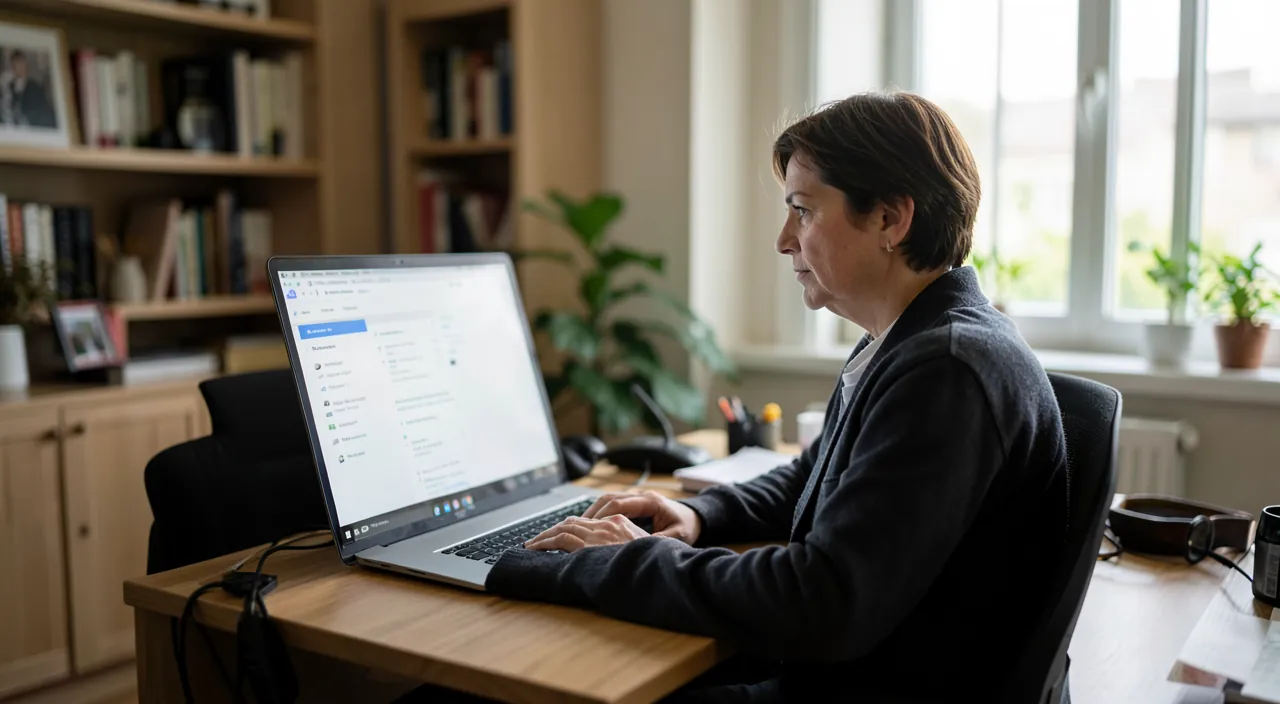
Living remote work and its tools well
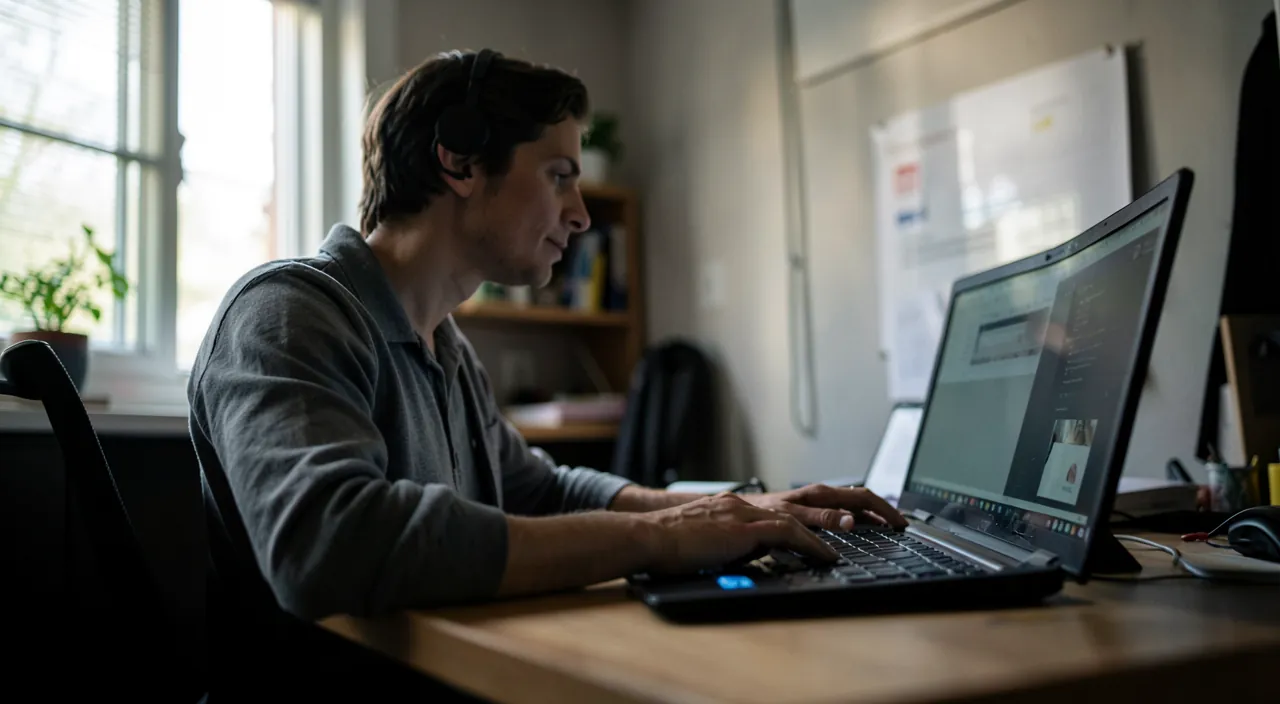
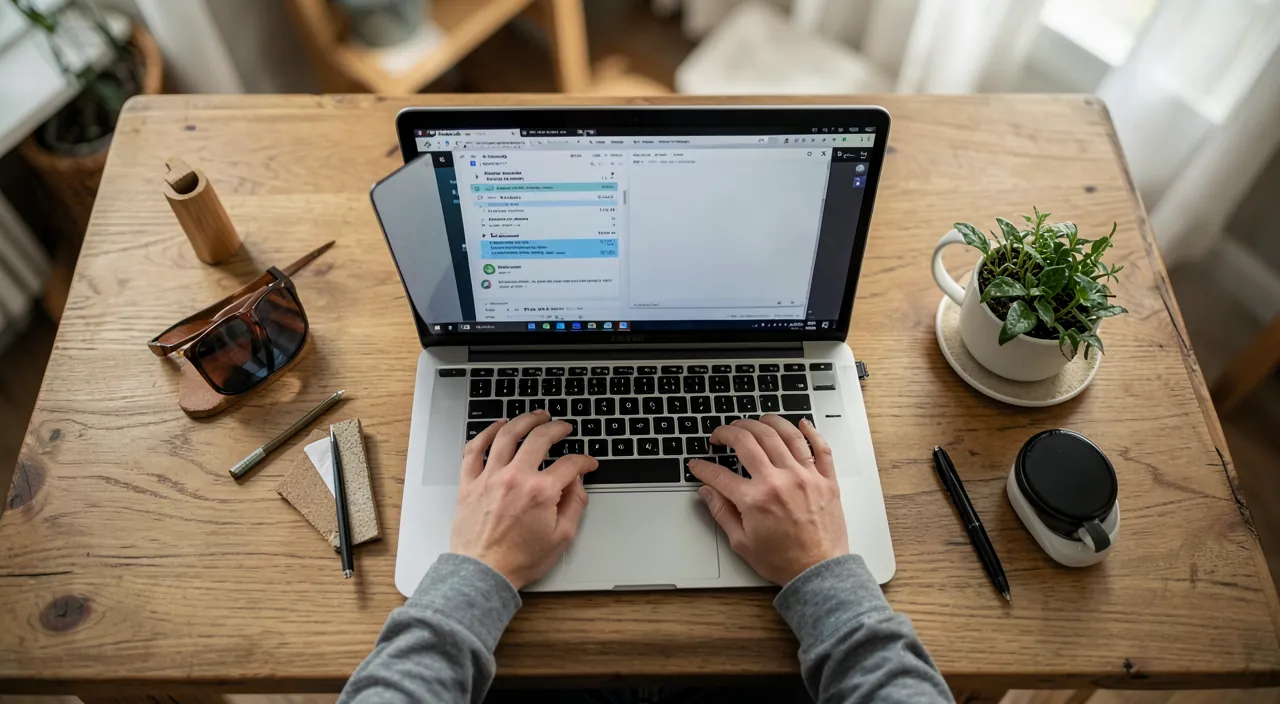
Whether remote work is occasional or regular, a few good practices help make the most of it and avoid pitfalls. To live remote work well: Set up a WORKSPACE—a dedicated corner, if possible, helps focus and separate work from personal life; a proper setup (chair, desk, lighting) also protects your body (our guides on how to set up for work). Structure your DAYS—schedules, breaks, a rhythm; the autonomy of remote work requires DISCIPLINE to stay effective without burning out. Separate PRO and PERSONAL life—one of the biggest challenges: remote work blurs the boundaries; set limits (end times, disconnection), to avoid working all the time or being overwhelmed (our guides on the right to disconnect). Communicate WELL—at a distance, communication requires more effort; be clear, responsive, and maintain contact with colleagues (social ties are a challenge of remote work). Master the TOOLS—video, messaging, document sharing: take the time to use them properly (this smooths out work and avoids frustration). To use the tools well: VIDEO—good connection, quiet and well-lit space, mute microphone when not speaking (for group meetings), and a proper frame; a well-run video call is effective (our guides on successful videoconferencing). DOCUMENT SHARING—working together on the same online files avoids version back-and-forths; learn the basics. TEAM MESSAGING—practical for communication, but be careful not to be overwhelmed (manage notifications, set quiet times). A few TIPS: preserve your BALANCE (the main risk of remote work is working too much or failing to separate times); move and go out (remote work can be sedentary and isolating—take breaks, exercise, maintain social ties); take care of your SETUP (your body suffers from prolonged poor posture); and manage your ATTENTION (home distractions, or conversely, over-connection). A note on SECURITY and PRIVACY: working remotely means accessing company data from home; follow security rules (secure connection, protected devices, caution with data—our work security guides), and be mindful of what your video shows of your privacy (background, what’s heard). In short, to live remote work well: set up a space, structure your days, separate pro and personal life (the big challenge), communicate well, and master the tools (video, sharing, messaging). Preserve your balance and body, maintain social ties, and respect data security. Remote work is a flexibility asset if lived well; poorly managed, it can harm balance—each person must find their own way.
The right reflex. Whether remote work is occasional or regular, the biggest challenge—and the most important to succeed—is SEPARATING professional and personal life. Remote work blurs the boundaries: without a physical office where you « leave » and « return, » you risk working all the time or being constantly solicited. Set CLEAR LIMITS: start and end times, a disconnection moment, and if possible a dedicated WORKSPACE (a corner, a room) that helps separate times and focus; when you leave this space, you leave work. Structure your days: schedules, breaks, a rhythm; the autonomy of remote work requires discipline to stay effective without burning out. Preserve your BALANCE and body: the main risk of remote work is working too much and failing to separate times; also take care of your setup (chair, desk, lighting—a prolonged poor posture hurts), move and go out (remote work can be sedentary and isolating: take breaks, exercise), and maintain SOCIAL TIES with colleagues (at a distance, ties require effort—communicate, stay in touch). For tools, master them to smooth out work: for VIDEO, a good connection, a quiet and well-lit space, mute microphone when not speaking (in group meetings), and be mindful of what your background shows of your privacy; for DOCUMENT SHARING, work together on the same online files (no more version back-and-forths); for TEAM MESSAGING, manage notifications to avoid being overwhelmed (set quiet times). Finally, respect the SECURITY of company data from home (secure connection, protected devices). Separating pro and personal life, structuring your days, preserving your balance and body, maintaining ties, and mastering your tools: this is how you get the best out of remote work—its flexibility—without suffering its pitfalls (overwork, isolation, poor posture). Well-lived remote work is an asset; it’s up to you to find the setup that works for you.

A durably transformed world of work
Beyond tools and practices, remote work has triggered a deeper transformation of the relationship to work, which endures. A few reflections. FLEXIBILITY, a major gain: many workers have experienced the flexibility (avoiding commutes, better reconciling work and personal life, choosing in part their location and rhythm), and now expect it; this is a durable change in expectations. The HYBRID MODEL, a balance: neither all in-person nor all remote, but a mix that seeks to combine the advantages of both (the ties and collaboration of the office, the flexibility and concentration of remote work); this balance is still being sought, company by company. The ESTABLISHED TOOLS: digital collaborative tools have become the norm, even for office work; this digitization of work is durable. The PERSISTING CHALLENGES: social ties and team culture at a distance, management based on trust and results (rather than presence), balance and the right to disconnect, equality (not all jobs can be remote—a source of inequality); these debates remain open. The CONTINUING ADAPTATION: companies and workers continue to adjust (how many remote days? how to maintain ties? which tools?); the « good » model is not set in stone. The HUMAN STAKE: ultimately, remote work raises human questions (how to work together at a distance? how to preserve balance and ties?); technology enables, but it’s the organization and people that make it work or not. In short, remote work has durably transformed the world of work: after a massive rise, it has stabilized in an often hybrid model, introducing new flexibility and collaborative tools now the norm (video, team messaging, document sharing). What remains is not « all remote work, » but new flexibility and digital habits established, with advantages (flexibility, fewer commutes, better possible reconciliation) and challenges (balance, social ties, equality, management). To live it well: set up a space, structure your days, separate pro and personal life, communicate well, master the tools, and preserve your balance, body, and data. Remote work is neither the miracle solution some saw, nor the scourge others feared: it’s an evolution with real advantages and challenges, and whose success depends on how it’s organized and lived. The world of work has changed durably; it’s up to each person—workers and organizations—to find the setup that best combines flexibility, efficiency, ties, and balance. A transformation to tame, to get the best out of it while preserving the human and well-being at work.
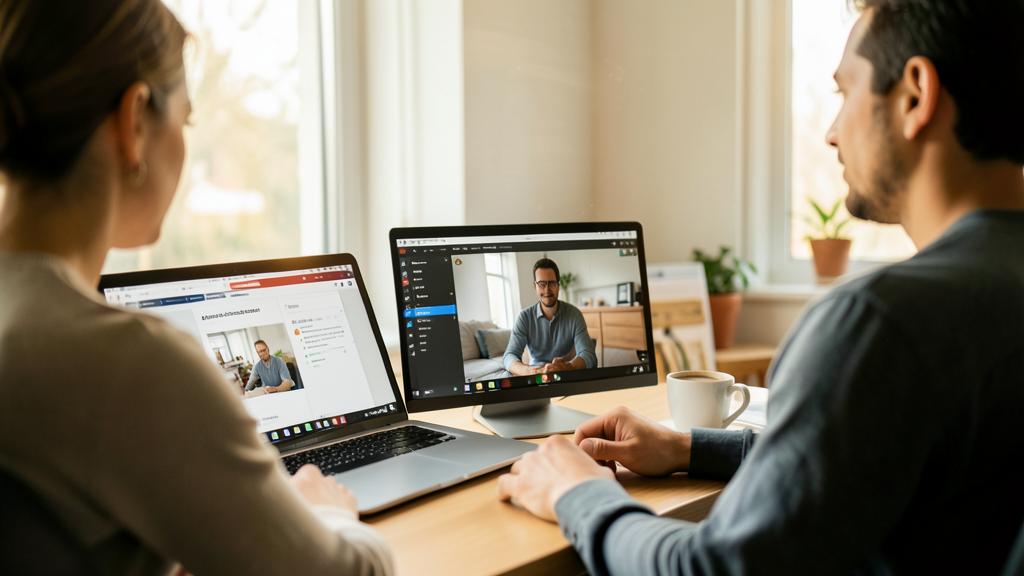
Warning: preserve work-life balance, don’t neglect social ties and your body, and respect data security. The pitfalls of remote work to avoid. OVERWORK AND BLURRED BOUNDARIES—the main risk: without the physical separation of the office, you can work ALL THE TIME (responding in the evening, never « unplugging ») or poorly separate pro and personal life, to the detriment of your balance and health; set CLEAR LIMITS (end times, disconnection), a distinct workspace, and respect your right to disconnect; remote work must not become permanent work. ISOLATION AND LOST TIES—working remotely can be ISOLATING: fewer spontaneous contacts, social ties and team culture that fade; don’t neglect ties with colleagues (communicate, stay in touch, make the most of in-person moments), and go out, see people; isolation harms morale and collaboration. A BODY IN DISTRESS—remote work is often SEDENTARY, and an improvised setup (sofa, bad chair, poorly placed screen) harms the body over time (back, neck, eyes); take care of your workspace (chair, desk, screen at the right height, lighting), take breaks, move regularly, and stretch; your physical health matters (our guides on how to set up for work). DATA SECURITY—working remotely means accessing company data from home, which creates risks: follow security rules (secure connection, protected and updated devices, caution with sensitive information, beware of phishing), and be mindful of what your video exposes of your privacy (background, what’s heard—our work security guides). Other points: manage your ATTENTION (home distractions, or conversely, over-connection to tools—master notifications), don’t forget that remote work creates INEQUALITIES (not all jobs can benefit), and communicate CLEARLY at a distance (misunderstandings are easier). Remote work is a real flexibility asset, provided you master its pitfalls: preserving your balance (not working all the time), maintaining social ties, taking care of your body, and respecting data security. Well organized and lived, it combines flexibility and efficiency; poorly managed, it harms balance, ties, and health. It’s up to each person to find their own setup, paying attention to these human issues as much as to the tools.
Frequent questions
What remains of remote work today?
A durable transformation, but not « all remote work. » After a massive rise (notably due to the health crisis), remote work has STABILIZED in an often HYBRID model: neither the all-in-person model of before, nor the all-remote model, but a mix, with partial remote work now common in professions that lend themselves to it. What remains: the NORMALIZATION of remote work (what was exceptional has become common and accepted), the COLLABORATIVE TOOLS now ingrained in habits (videoconferencing, team messaging, online document sharing—now the norm), common video meetings, and an expectation of FLEXIBILITY from many workers (avoiding commutes, better reconciling work and personal life). Debates remain: on productivity, social ties, remote management, balance, and inequalities (not all jobs can be remote). In short, remote work has durably changed the world of work—by introducing new flexibility and now indispensable tools—without entirely replacing it with remote work. The hybrid model, which seeks to combine the advantages of the office and remote work, has largely taken hold and continues to be adjusted.
How to organize yourself well for remote work?
A few good practices make the difference. Set up a dedicated WORKSPACE if possible (a corner, a room): this helps focus and separate work from personal life; also take care of the setup (chair, desk, screen at the right height, lighting) to protect your body. Structure your DAYS (schedules, breaks, rhythm): the autonomy of remote work requires discipline. Above all, SEPARATE pro and personal life—the big challenge: set end times, a disconnection moment, to avoid working all the time or being overwhelmed. Communicate WELL with colleagues (at a distance, this requires more effort: be clear, responsive, maintain social ties). Master the TOOLS (video, messaging, document sharing) to smooth out work. And preserve your balance and health: move, take breaks, go out (remote work can be sedentary and isolating), manage your notifications to avoid being overwhelmed. Finally, respect the security of company data (secure connection, protected devices). The main risk of remote work is working too much or failing to separate times: good organization, clear limits, and attention to your balance allow you to get the best out of it—its flexibility—without suffering its pitfalls.
What are the indispensable tools for remote work?
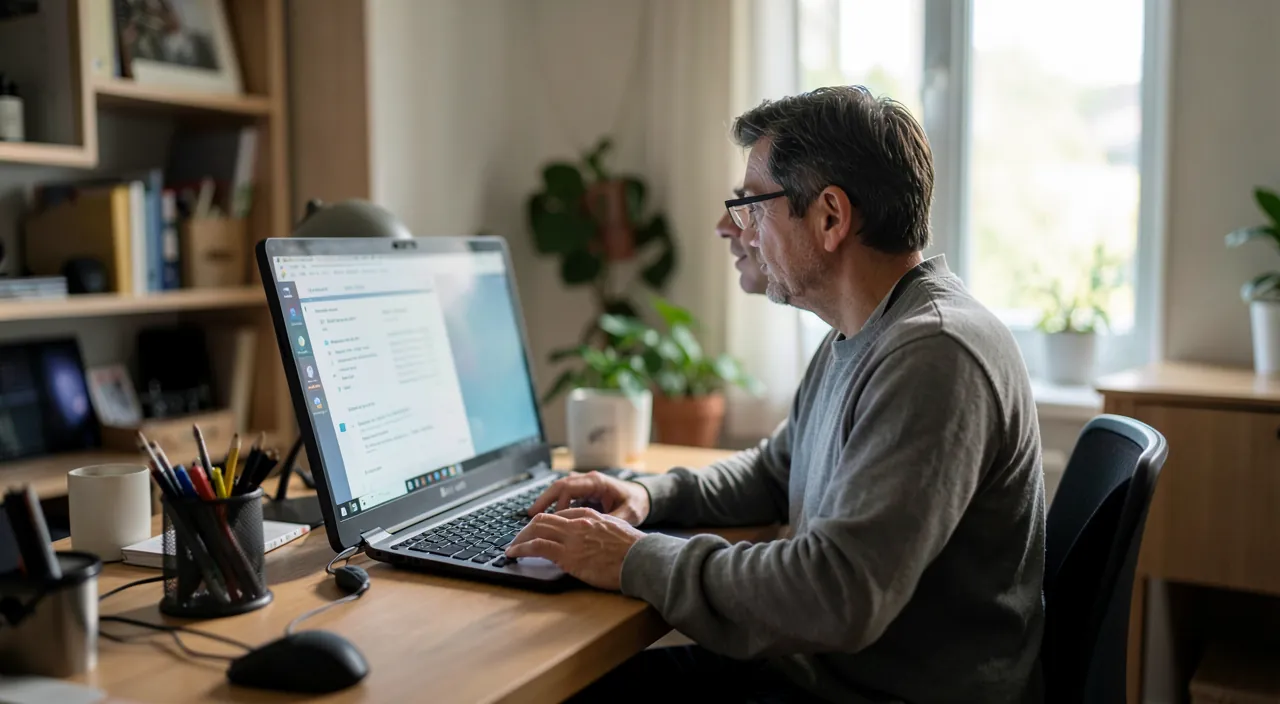
Several tools have become the norm. VIDEOCONFERENCING: for remote video meetings (now common); for a good video call, take care of the connection, a quiet and lit space, mute microphone when not speaking, and a proper background. Messaging and team collaboration platforms: to exchange, discuss in groups, share daily (be careful not to be overwhelmed: manage notifications). Online document SHARING and editing tools: to work together on the same files, without version back-and-forths. Remote PROJECT and task management tools: to coordinate team work. CLOUD storage: to access your files from anywhere. And remote access to company resources (often securely). These tools, long used by some, have become indispensable for many, even in the office. The advice: take the time to MASTER them (this smooths out work and avoids many frustrations), manage notifications to preserve your concentration and balance, and respect data security when accessing company resources from home. Well used, these tools make remote work effective and collaborative.
What to remember
After a massive rise (notably due to the health crisis), remote work has STABILIZED in an often HYBRID model (a mix of in-person and remote work), durably transforming the world of work—without entirely replacing it with remote work. What remains: the normalization of remote work (now common and accepted), the COLLABORATIVE TOOLS now the norm (videoconferencing, team messaging, online document sharing, project management, cloud storage), common video meetings, and an expectation of FLEXIBILITY from many workers. Debates remain (productivity, social ties, remote management, balance, inequalities—not all jobs can be remote). To LIVE remote work well: set up a dedicated SPACE (focus, separation of times, and proper setup for your body), structure your DAYS (schedules, breaks, discipline), and above all SEPARATE pro and personal life—the big challenge (set limits, a disconnection moment, to avoid working all the time). Communicate WELL at a distance (social ties require effort), master the TOOLS (video: connection, quiet, mute microphone, background; document sharing; messaging: manage notifications), and preserve your BALANCE, your BODY (remote work is sedentary: move, take care of your workspace) and your SOCIAL TIES (remote work can be isolating). Respect the SECURITY of company data from home, and be mindful of what your video exposes of your privacy. Pitfalls to avoid: overwork and blurred boundaries, isolation, body distress, and security risks. Remote work is neither the miracle solution some saw, nor the scourge others feared: it’s an evolution with real advantages (flexibility, fewer commutes, better possible reconciliation) and real challenges (balance, ties, equality, management), whose success depends on how it’s organized and lived. The world of work has changed durably, introducing new flexibility and digital habits: it’s up to each person—workers and organizations—to find the setup that best combines flexibility, efficiency, ties, and balance, paying attention to human issues as much as to tools. A transformation to tame, to get the best out of it while preserving well-being at work.

Want to understand and master the technologies changing your daily life? Our training programs will enlighten you.
Leave a Reply
You must be logged in to post a comment.