
The reflex has changed sides: before buying new, an entire generation now checks whether « there’s a used one » — clothing, furniture, high-tech, toys, appliances. Second-hand apps have industrialized the good deal: tens of millions of ads, precise filters, alerts that hunt for you, real purchase protections. Result: half the price on average, and a gesture for the planet as a bonus. Here’s how to buy smart second-hand — the best platforms by category, hunting techniques, and the art of evaluating before paying.
The map of platforms: each category has its own territory
Each family of objects has its ecosystem: fashion and children — second-hand clothing platforms dominate (shipments via relay, buyer protection, slashed prices on near-new items — children’s clothes, worn for three months, are the absolute steal); furniture and appliances — local classifieds generalists (hand-delivered — the sofa is tested, the washing machine is heard running) and physical recycleries/ressourceries that are going digital; high-tech — two distinct paths: private individuals (rock-bottom prices, maximum vigilance — see below) and professional reconditioned (tested device, 1-2 year warranty, checked battery — the king of compromises for smartphones and computers: 30 to 50% under new with a safety net); books, games, and culture — specialized platforms at rock-bottom prices and bulk buybacks; sports and baby gear — specialized consignment shops and local fairs (with an absolute rule: safety equipment — car seats, helmets — are only bought second-hand from a trusted source and never after impact, as unknown history is a real risk). The cross-cutting reflex: for any planned purchase, three minutes of cross-searching on two platforms give the true market price — and often the item itself.
Efficient hunting: alerts, filters, and timing
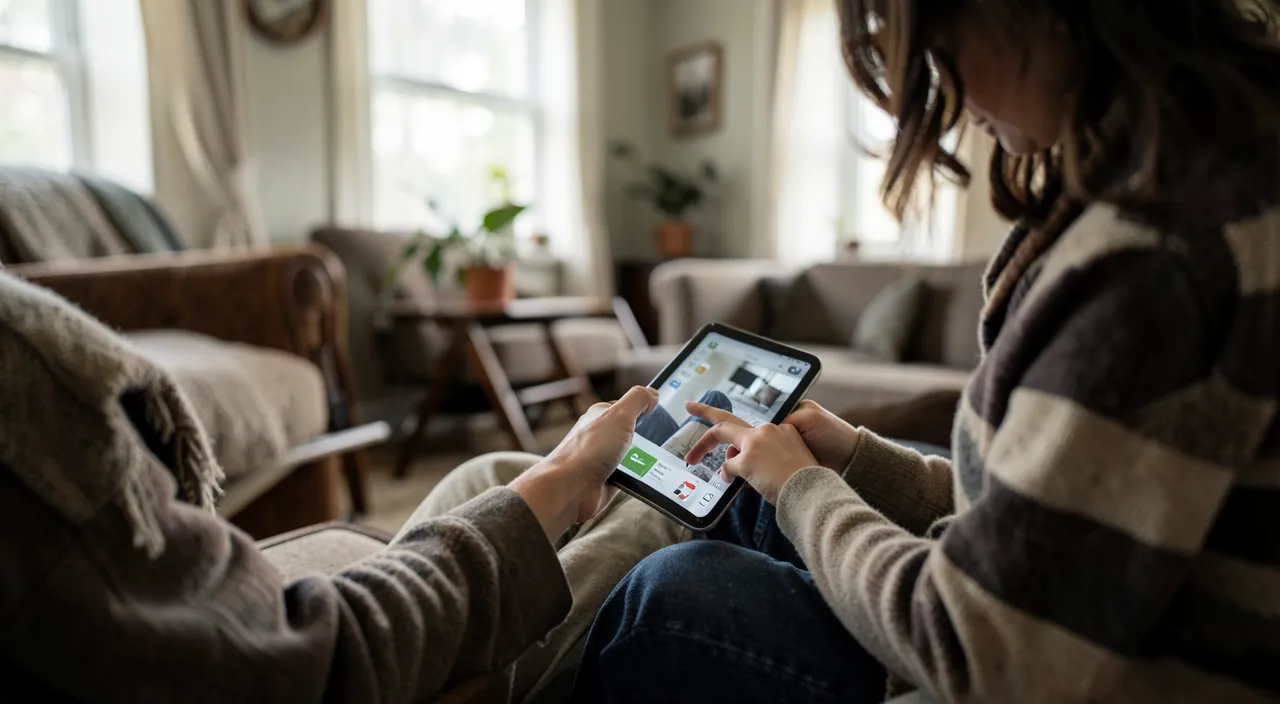
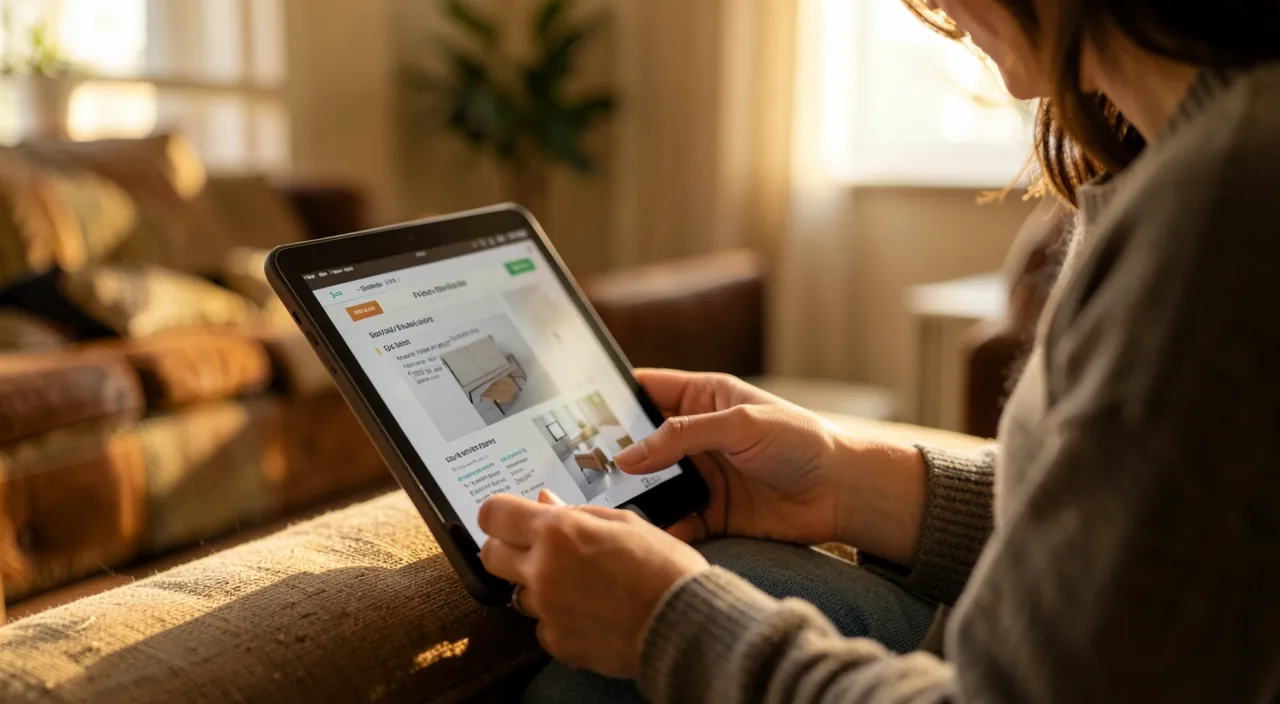
Good deals aren’t found — they’re watched for: saved alerts — the heart of the system: precise search (model, size, price range, geographic radius) saved notifies you of every new ad — on in-demand items, deals disappear in hours: the alert puts you in the first wave, where everything happens; expert filters — condition (« new with tags, » « very good condition »), hand-delivery for bulky items, sorting by recency rather than relevance (fresh ads are the least negotiated); the vocabulary of discovery — also search for typos and synonyms of the model (the misspelled ad has no competition), the exact reference AND the common name; the timing — end of the month (need for cash), June-September moves (discounted furniture), the day after Christmas (new duplicates), seasonal changes (out-of-season clothing: the coat is bought in April); and polite negotiation — a reasonable offer (10-20% under the price, justified: « I can come tonight ») often works; an insulting offer at -60% ruins your profile for nothing. Second-hand rewards organized patience: the alert set today finds in a month what the store sold this morning at double the price.
The best deals don’t appear randomly—they’re found by setting up alerts and filters. If you wait and watch, you can often get items for half the price of new ones.
A user sets an alert for a specific model of iPhone 12 in “very good condition” within a 20km radius. Two weeks later, they receive a notification for a listing priced at €350 (vs. the new price of €700). The seller accepts a €300 offer because they need quick cash at the end of the month.
The right reflex. Before any second-hand purchase, check the current new price (thirty seconds) and calculate the real discount: some second-hand ads sell at 90% of the new price — or even more expensive than new on sale (the classic for consoles and small appliances). A good deal is defined by the gap to new, not by the word « second-hand »: below -40%, you negotiate; above -20%, new with a two-year warranty is worth considering. The hunter who knows the prices is never fooled — in any direction.
Evaluating before paying: the inspection by item
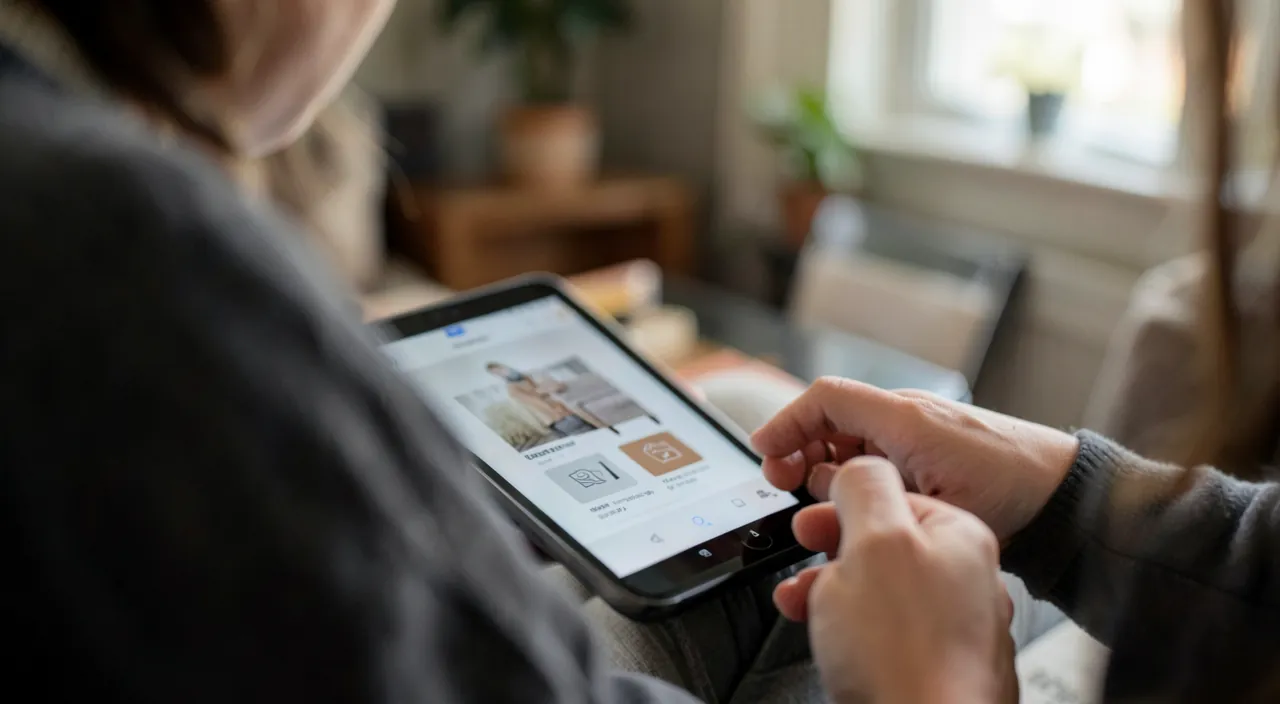
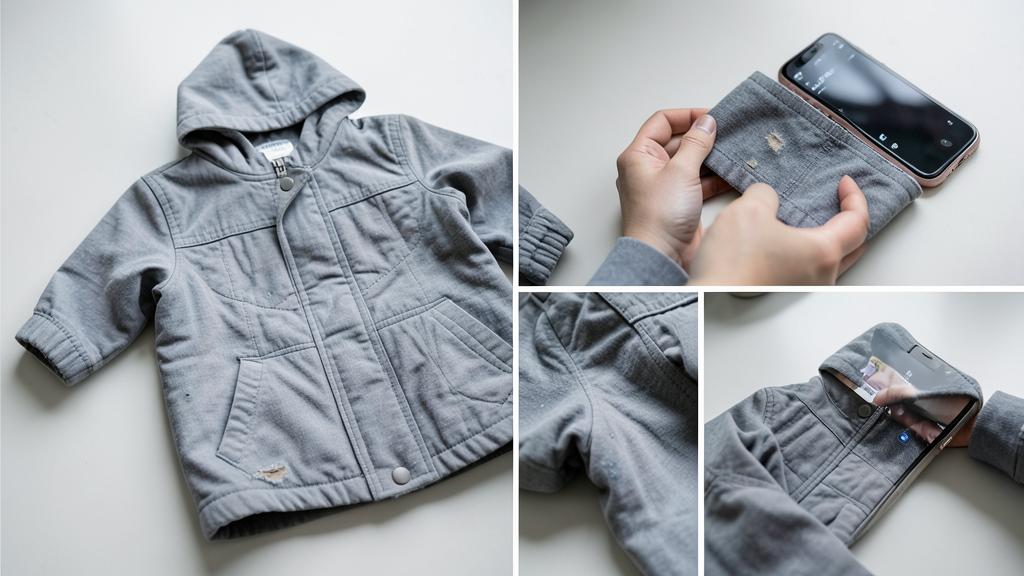
Second-hand items are inspected — each category has its checkpoints: clothing — zoomed-in photos of wear areas (collars, elbows, armpits, soles), flat measurements requested (sizes lie, centimeters don’t), readable composition labels; furniture — structure and assembly over surface (a scratch can be sanded, a warped frame never), dimensions checked against YOUR doors and stairs (the classic drama), smells asked for frankly (tobacco, humidity — if soaked, they won’t go away); appliances — live demonstration required (the washing machine that spins, the fridge that cools), age and receipts, seals and noises; high-tech — the big ritual: powering on and full test in person, battery status displayed (settings show it), and the two non-negotiable checks — the device disconnected from accounts in front of you (iCloud/Google lock removed — a still-linked device is unusable and potentially stolen) and the serial number verified (online theft records, remaining manufacturer warranty); toys and baby gear — standards present, complete parts, safety recalls checked (official recall registries list dangerous references). For remote shipping, photos do the inspection: ask for them from all angles, in natural light, with a personalized detail (proving ownership) — an honest seller does this in ten minutes; the others disappear, and that’s exactly the information you’re looking for.
Selling too: the other half of the virtuous circle
The second-hand buyer naturally becomes a seller — and the house is full of untapped resources: dormant clothes (the two-year rule: not worn in two years = to be sold), baby and child equipment (fast turnover, high demand), replaced high-tech (losing value every month in the drawer — sell quickly after replacement), duplicate gifts, abandoned sports gear. The recipe for good ads: photos that sell (daylight, neutral background, all angles, flaws photographed honestly — honesty about flaws is paradoxically the best sales argument: it lends credibility to everything else), a precise title (brand, model, size, condition — the words others’ alerts are looking for), a fair price (look at comparable sold ads, not the dreamy listed prices), and responsiveness (the first 48 hours make the sale). And the same protections in reverse: payment through the platform or confirmed in your account, never a code communicated, handover in a public place — the seller is a target for scams just like the buyer (see our dedicated guide to marketplace scams). Beyond the recovered money — often a few hundred euros per big cleanout — selling changes your view of buying: you buy better what you know you’ll have to resell.

Watch out for the blind spots of second-hand. Three categories deserve a pause: safety equipment (car seat, helmet — never after impact, never without history: this is the only category where new is a principle); recalled products (toys, baby gear, electronics: a recalled reference circulates for years in second-hand — check official registries for children’s equipment); and counterfeits — rampant on coveted brands (leather goods, streetwear, high-tech accessories): too-good-to-be-true price + stolen photos + pushy seller = likely fake, and buying counterfeit leaves you with no recourse. Platform authentication services (for luxury) and price common sense remain the best filters: no one sells an authentic iconic bag at -80%.
Frequently asked questions
Reconditioned or private second-hand for a smartphone?
Professional reconditioned for peace of mind (tested, guaranteed, battery checked, real recourse) — the right answer for most, especially for gifts or critical use. Private individuals for the rock-bottom price, if you know how to test in person (battery, accounts untied, serial number). The price gap between the two is the insurance premium — decide knowingly.

Do second-hand purchases come with a warranty?
Between private individuals: no legal conformity warranty, but the seller’s responsibility for the description (hidden defects, false ad — hence screenshots) and platform protections (manifest non-conformity, short deadlines). With a professional second-hand/reconditioned seller: minimum one-year legal warranty. Yet another argument for choosing your channel based on the stakes.
Is second-hand worth it for gifts?
Increasingly embraced — toys like new, books, children’s bikes, baby gear: no one guesses, everyone wins, and kids couldn’t care less. Reconditioned with warranty even makes high-tech gifts worry-free. The cases for new remain: safety, intimacy, and recipients with strong convictions — whom we usually know well enough to decide.

What to remember
Buying smart second-hand boils down to four disciplines: the right platform by category (specialists for fashion/kids, local generalists for bulky items, guaranteed reconditioned for sensitive high-tech), the organized hunt (saved alerts, sorting by recency, seasonal timing — deals are watched for more than they’re found), the object-adapted inspection (live demonstration, battery and accounts untied, measurements and flaws photographed), and the protections never left behind (payment in the system, known new price, safety and recalls checked for children’s items). On the other side, selling your own dormants funds the system and sharpens your eye. Second-hand is no longer a plan B — it’s the first reflex of a consumer who knows the prices: half as cheap, twice as smart, and the planet says thank you.
Want to go further with your phone and apps? Our practical training is made for you.
Leave a Reply
You must be logged in to post a comment.