
Asking for directions, understanding a menu, exchanging with a shopkeeper, reading a sign, chatting with a local: the **language barrier** is one of the major challenges of traveling abroad. AI and translation tools lower it spectacularly: translating a phrase, a conversation, or a photographed text almost in real time. Traveling while communicating becomes possible even without speaking the language. Here’s how to translate and communicate while traveling with AI, and how to do it intelligently — because automatic translation has its limits, especially offline.
What AI and translation enable while traveling
Translation tools (including AI — see our guide on understanding generative AI) have become surprisingly effective for communicating abroad. What they enable. TRANSLATING text: type or paste a sentence and get its translation, in both directions (to understand and to be understood). TRANSLATING SPEECH: speak and get the translation (sometimes aloud), for a conversation; some tools do near real-time translation, each speaking their own language. TRANSLATING an IMAGE: photograph a menu, a sign, an instruction, and see the translation overlay the text (very practical for a menu or signage). CHATTING: exchanging via the tool that translates in both directions, each reading or listening in their own language. HELPING to PHRASE: how to say something politely, a useful phrase for a situation. EXPLAINING the context: some AI can explain an expression, a custom, an untranslatable word. What this BRINGS to travel: UNDERSTANDING (menus, signs, information, interlocutors), being UNDERSTOOD (asking, explaining, exchanging), more AUTONOMY and confidence (daring to approach people, managing alone), and EASIER MEETINGS (exchanging with locals despite the language). FOR WHOM? For any traveler who doesn’t master the local language: tourists, solo travelers, families; also useful in daily life (exchanging with someone who speaks another language). What to understand: AI translation spectacularly lowers the language barrier and makes travel more accessible and richer; but it has LIMITS: it can make mistakes (misunderstandings, awkwardness, lost nuances), and above all, it often depends on an INTERNET CONNECTION (crucial to anticipate while traveling — see below). It’s a great tool for troubleshooting and communication, not a perfect translator or a substitute for all learning. The key idea: AI and translation tools allow you to communicate while traveling despite the language barrier — translating text, speech, and images (menus, signs) almost in real time, in both directions. They make travel more accessible, autonomous, and rich in encounters. But they can make mistakes and often depend on a connection: use them intelligently, anticipating offline use and keeping an eye on nuances.
AI translation tools let you understand and be understood abroad, even without knowing the local language. They can translate text, speech, and images in real time, but they aren’t perfect—sometimes they make mistakes or need an internet connection. Use them wisely, and don’t forget to check important things like health or safety info.
At a Tokyo train station, a traveler uses their phone to photograph a sign in Japanese. The AI tool instantly translates it to English, showing the correct platform for the Shinkansen to Kyoto. Without this tool, the traveler might have missed their train due to the language barrier.
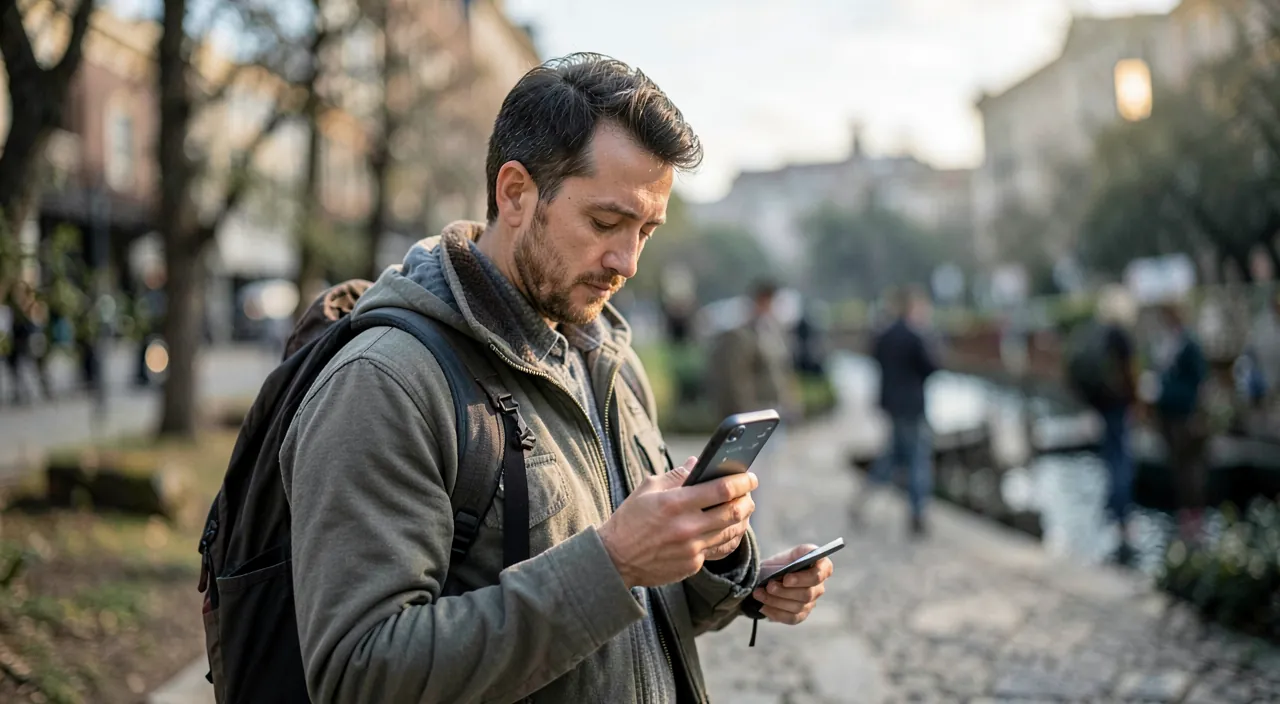
Translating and communicating well while traveling
Here’s how to get the most out of translation tools while traveling, without surprises. Anticipate OFFLINE USE (crucial) — while traveling, the internet connection is often absent, expensive, or unreliable; yet many translation tools need the internet; DOWNLOAD the languages in advance for OFFLINE USE (most translation apps allow this); this way, you can translate even without a network; it’s the number one precaution for travelers. Use IMAGE TRANSLATION — for menus, signs, instructions: point the camera, and the translation appears; one of the most practical and impressive uses. Use CONVERSATION MODE — for an exchange: each speaks their own language, the tool translates in both directions; practical for a real discussion (with a shopkeeper, a local). Use SIMPLE SENTENCES — for better translations: speak or write simply, clearly, without complicated expressions, without slang; simple sentences translate better and avoid misunderstandings. CHECK the meaning in important situations — for crucial information (health, safety, official procedure, food allergy), don’t blindly trust it; cross-check, ask for rephrasing, or find human help; an incorrect translation can have consequences. Learn a few KEY WORDS — hello, thank you, please, excuse me: a few polite words in the local language, learned in advance (AI can teach them), make a big difference and are appreciated; the tool complements, it doesn’t replace the minimal effort. A few TIPS and LIMITS: your BATTERY and connection are your weak points: charge your phone, have a backup battery, and above all download the offline languages; don’t rely 100% on the tool (have a PLAN B: a few written words, gesture communication, human help). Watch out for ERRORS: automatic translation can make misunderstandings, lose nuances, be awkward, or even unintentionally offensive; stay humble and kind in the exchange; in case of a misunderstanding, smile, rephrase. Be careful with PRIVACY: for sensitive information, be wary of what you type; and keep your phone secure (it’s a valuable item, a target for theft — see our travel safety guides). A PRACTICAL and HUMAN point: the translation tool is great for managing, but communication goes beyond words: gestures, smiles, patience, and goodwill make a huge difference; the tool facilitates, the human does the rest. In summary, to communicate well while traveling with AI: anticipate OFFLINE USE (download languages — crucial), use image translation and conversation mode, use simple sentences, check the meaning in important situations, learn a few polite words, and keep a PLAN B (battery, gestures, human help). The tool lowers the language barrier; your kindness and common sense do the rest.
The right reflex. THE number one precaution for travelers: anticipate OFFLINE USE. While traveling, the internet connection is often absent, expensive, or unreliable — yet many translation tools need it; DOWNLOAD the languages you’ll need in advance, at home, for offline use (most translation apps allow this). This way, you’ll be able to translate even without a network, at the crucial moment. Then, take advantage of the most useful features: IMAGE TRANSLATION (point the camera at a menu, a sign, an instruction — the translation appears, it’s impressive and practical), and CONVERSATION MODE (each speaks their own language, the tool translates in both directions — ideal for exchanging with a shopkeeper or a local). For better translations, use SIMPLE and clear sentences (avoid complicated expressions and slang, which cause misunderstandings). Two important things. CHECK the meaning in situations that matter: for health, safety, an official procedure, or a food allergy, don’t blindly trust automatic translation (it can be wrong, lose a nuance) — cross-check, ask for rephrasing, or find human help; a mistake can have consequences. And learn a few POLITE WORDS in the local language (hello, thank you, please, excuse me — AI can teach them): it’s very appreciated and makes a big difference; the tool complements, it doesn’t replace this minimal effort of respect. Always have a PLAN B: charge your phone, bring a backup battery (the tool is useless with a dead phone), and know how to manage otherwise (a few written words, gestures, a smile, human help) — don’t rely 100% on the tool. Finally, remember that communication goes beyond words: gestures, smiles, patience, and kindness make a huge difference; the tool facilitates, the human does the rest. Downloading offline languages, using image and conversation, keeping it simple, checking what matters, learning a few words, and having a plan B: this is how AI lowers the language barrier and makes your trip more autonomous and rich — without leaving you helpless at the wrong moment.
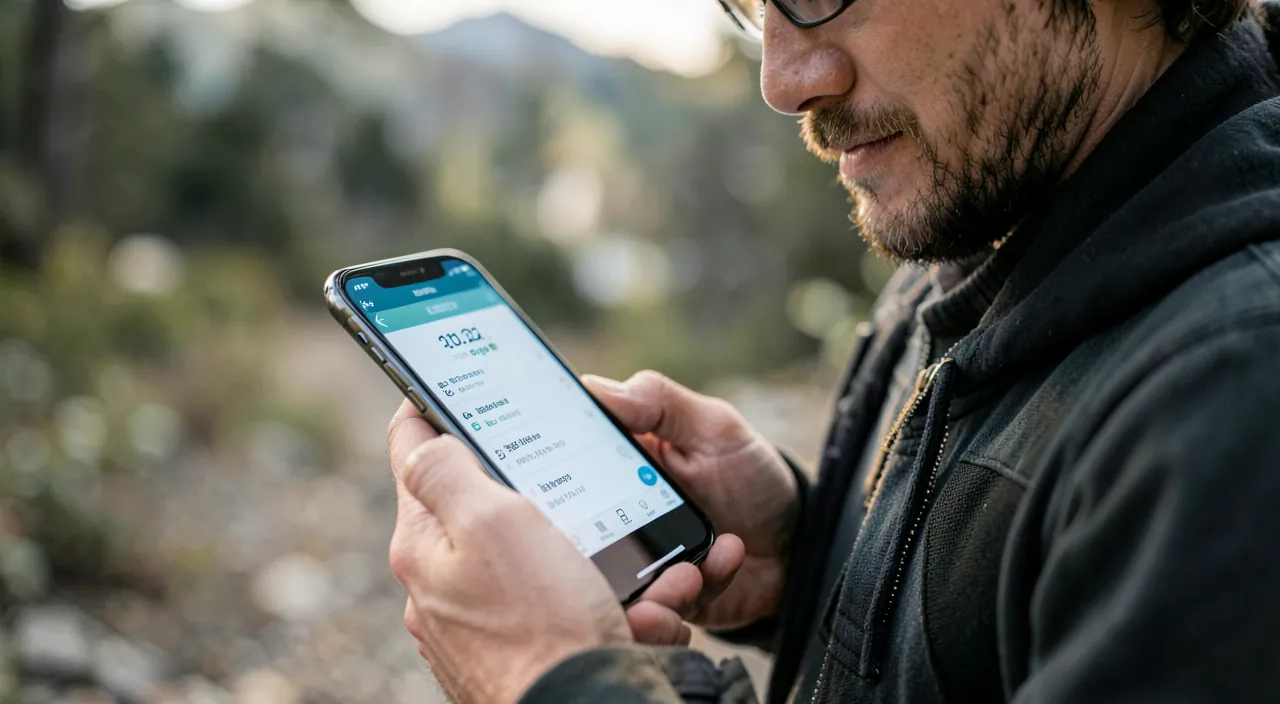
Lowering the language barrier, with common sense
Translation tools transform travel, but remain aids to be used with common sense and humanity. A few guidelines. A LOWERED BARRIER: language was a major obstacle (fear of not understanding, of not being understood); AI lowers it spectacularly; it makes travel more accessible, more autonomous, and opens up meetings that were once impossible; a wonderful contribution. THE DEPENDENCY to anticipate: the tool depends on the connection and the battery; without anticipation (offline languages, battery), it lets you down at the worst moment; don’t build everything on it; keep a plan B. POSSIBLE ERRORS: automatic translation is not perfect — misunderstandings, lost nuances, awkwardness; for the essentials (health, safety, official), check; stay humble and kind in the face of misunderstandings. THE MINIMAL EFFORT: learning a few polite words is a gesture of respect appreciated everywhere; the tool doesn’t replace this effort or the interest in local culture; it complements, it doesn’t replace human exchange. COMMUNICATION beyond words: gestures, smiles, patience, goodwill make a huge part of communication while traveling; the tool helps with words, but the human makes the connection; don’t hide behind the screen. SECURITY: the phone is a valuable item, a target for theft while traveling; keep it safe, and don’t rely on a single device for everything (see our travel safety guides). THE PLEASURE of exchange: paradoxically, the tool that translates can create beautiful moments of connection (the amused shopkeeper, the local who helps); use it to GO TOWARD people, not to isolate yourself. In summary, AI and translation tools allow you to communicate while traveling despite the language barrier: translating text, speech, and images almost in real time, in both directions; they make travel more accessible, autonomous, and rich in encounters. To use them well: anticipate OFFLINE USE (download languages — crucial), use image translation and conversation mode, use simple sentences, check the meaning in important situations, learn a few polite words, and keep a plan B (battery, gestures, human help). Keep in mind the LIMITS: possible errors, dependency on connection and battery, lost nuances. At the bottom, these tools spectacularly lower the language barrier, but with common sense and humanity: they facilitate, they don’t replace the minimal effort (a few words, politeness), human communication (gestures, smiles, patience), or caution (checking the essentials, anticipating offline use). Used this way, they are a great travel companion — giving you the autonomy and confidence to approach others, to understand and be understood, and to have encounters that language once prohibited. Technology at the service of human connection, not in its place: that’s the beautiful promise of translation while traveling.
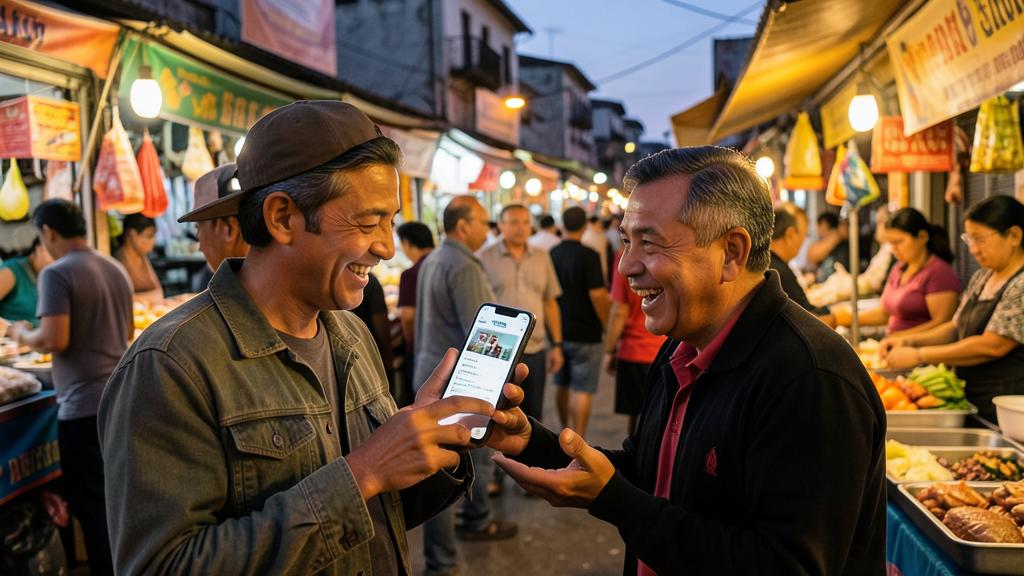
Warning: anticipate offline use, check the essentials, and don’t rely 100% on the tool. Points of vigilance. DEPENDENCY ON CONNECTION — this is the number one trap: many translation tools need the internet, yet while traveling, the connection is often absent, expensive, or unreliable; being without translation at a crucial moment (to ask for directions, understand information) is a real problem; DOWNLOAD the languages in advance, at home, for OFFLINE USE (most apps allow this); it’s the essential precaution. Also anticipate the BATTERY (charge, bring a backup battery — the tool is useless with a dead phone). TRANSLATION ERRORS — automatic translation is NOT perfect: it can make misunderstandings, lose nuances, be awkward, or even unintentionally offensive; for IMPORTANT information (health, safety, official procedure, food allergy, contract), don’t blindly trust it — check, ask for rephrasing, cross-check, or find human help; an incorrect translation can have real consequences. TOTAL DEPENDENCY — don’t build your entire trip on the tool; keep a PLAN B (a few useful words and phrases written in advance, gesture and smile communication, human help); and don’t forget to learn a few POLITE WORDS in the local language — it’s appreciated, respectful, and helps if the tool fails. Other points: the SECURITY of your phone (valuable item, target for theft while traveling — keep it safe), PRIVACY (be careful with sensitive information you type), and the RISK of isolating yourself behind the screen (the tool should help you GO TOWARD people, not cut you off from them — communication also passes through gestures, smiles, patience). AI and translation spectacularly lower the language barrier and enrich travel, provided you keep common sense: anticipate offline use (download languages), check the essentials, don’t rely 100% on the tool, learn a few words, and cultivate human communication. Technology facilitates; your preparation, caution, and kindness make the trip successful. A great companion, yes — but always keep a plan B and a smile.
Frequent questions
How to communicate while traveling without speaking the language?
Thanks to translation tools (including AI), which have become surprisingly effective. They allow you to: TRANSLATE text (type a sentence and get its translation, in both directions), TRANSLATE SPEECH (speak and get the translation, sometimes aloud), TRANSLATE an IMAGE (photograph a menu, a sign, an instruction, and see the translation overlay — very practical), and CHAT (mode where each speaks their own language and the tool translates in both directions). You can thus understand menus, signs, and interlocutors, and be understood to ask, explain, and exchange. This brings autonomy, confidence, and easier meetings. Essential precautions: DOWNLOAD the languages for OFFLINE USE before leaving (the connection is often missing while traveling), use SIMPLE SENTENCES (better translations), check the meaning for important information (the tool can be wrong), learn a few polite words, and keep a plan B (battery, gestures). The tool lowers the language barrier; gestures, smiles, and kindness do the rest. Communicating without speaking the language is now within reach of any traveler.
Is automatic translation reliable?
It has become very effective for everyday travel, but not perfect: keep a critical eye. To understand a menu, a sign, or exchange small talk with a shopkeeper, it works remarkably well. But it can make MISUNDERSTANDINGS, lose NUANCES, be awkward, or even unintentionally offensive; complex sentences, slang, and idiomatic expressions trip it up (hence the interest in speaking simply). For everyday and low-stakes exchanges, these imperfections are minor (a misunderstanding is resolved with a smile). But for IMPORTANT INFORMATION — health, safety, official procedure, food allergy, contract, crucial instructions — DON’T blindly trust automatic translation: check, ask for rephrasing, cross-check, or find human help; a mistake could have real consequences. The right use: the tool for managing daily life (with kindness in the face of misunderstandings), vigilance, and verification for what really matters. Automatic translation is a great troubleshooter, not an infallible professional translator: reliable for the ordinary, to be verified for the essential.
Do you need an internet connection to translate while traveling?
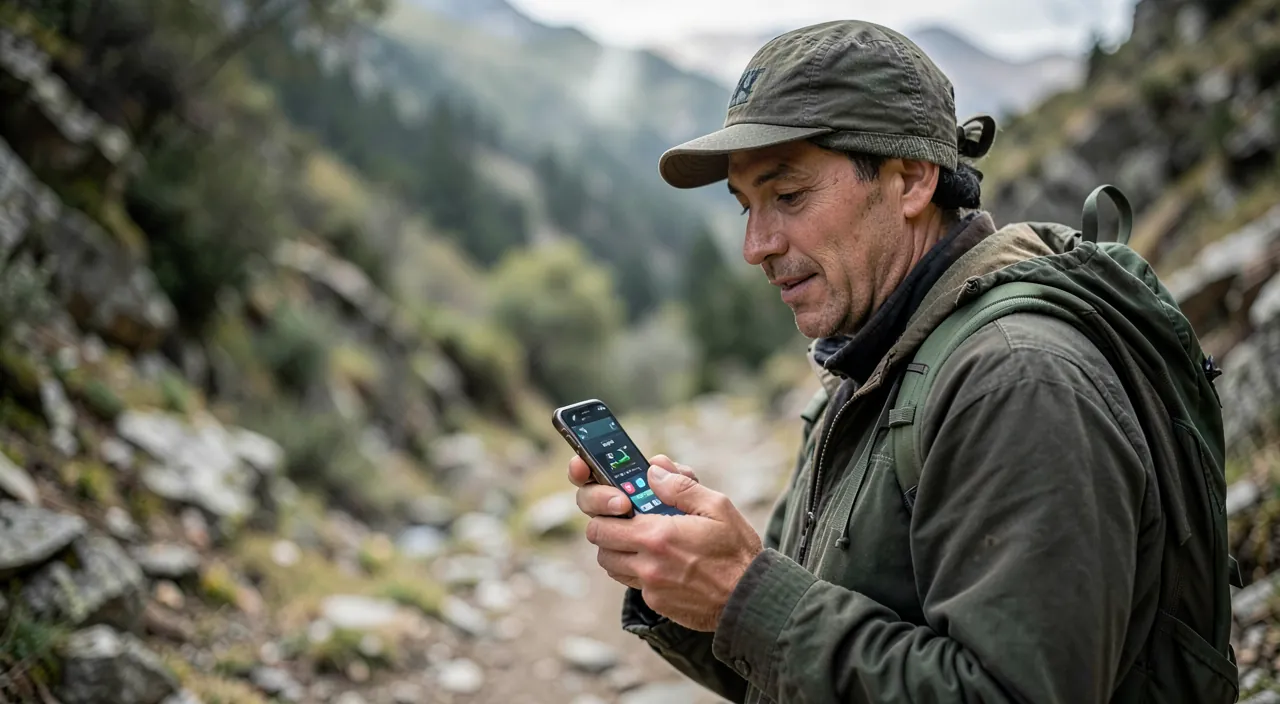
Often yes, and this is THE point to absolutely anticipate. Many translation tools need the internet to work; yet while traveling, the connection is often absent, expensive (roaming), or unreliable — and that’s exactly when you need it the most. The solution: DOWNLOAD the languages you’ll need in advance, at home (with a good connection), for OFFLINE USE; most translation apps allow this (a setting to activate before leaving). This way, you’ll be able to translate text, speech, and sometimes images even without a network. It’s the number one precaution for travelers: don’t count on finding a connection on site. Also anticipate the BATTERY (charge your phone, bring a backup battery — the tool is useless with a dead phone). And keep a plan B in case (a few useful words and phrases written down, gesture communication). By downloading offline languages before departure and managing your battery, you ensure you can communicate everywhere, even without a network or power outlet: this is what makes the difference between a tool that really helps and a tool that lets you down at the wrong moment.
What to remember
AI and translation tools spectacularly lower the language barrier while traveling: they allow you to TRANSLATE text, SPEECH, and IMAGES (menus, signs, instructions — the translation overlays), and to CHAT (each in their own language, translation in both directions), almost in real time. You can thus UNDERSTAND (menus, signs, interlocutors) and be UNDERSTOOD (ask, explain, exchange). This makes travel more accessible, more autonomous, and rich in encounters that were once impossible. To use them well: anticipate OFFLINE USE — the number one precaution — by DOWNLOADING the languages in advance for network-free use (the connection is often missing while traveling); use IMAGE TRANSLATION (for menus, signs) and CONVERSATION MODE (for exchanges); use SIMPLE SENTENCES (better translations, fewer misunderstandings); and learn a few POLITE WORDS in the local language (hello, thank you — appreciated and respectful; the tool complements, it doesn’t replace this effort). Keep in mind the LIMITS and precautions: automatic translation is NOT perfect (misunderstandings, lost nuances, awkwardness) — for IMPORTANT INFORMATION (health, safety, official, allergy), don’t blindly trust it: check, ask for rephrasing, or find human help (a mistake can have consequences); anticipate the BATTERY (charge, backup battery — the tool is useless with a dead phone); keep a PLAN B (a few written words, gestures, human help — don’t rely 100% on the tool); and ensure the SECURITY of your phone (valuable item, target for theft). Remember that communication goes BEYOND words: gestures, smiles, patience, and kindness make a huge difference; the tool facilitates, but the human makes the connection — use it to GO TOWARD people, not to isolate yourself behind the screen. At the bottom, AI translation is a great travel companion: it gives you the autonomy and confidence to understand, be understood, and have encounters that language once prohibited. Provided you use it with common sense — anticipating offline use and battery, checking the essentials, keeping a plan B, learning a few words, and cultivating human communication — it transforms travel without ever replacing what makes it special: the encounter with the other. Technology at the service of connection, not in its place.
Want to master AI and make it a real asset in your daily life? Our training courses support you at your own pace.
Leave a Reply
You must be logged in to post a comment.